How many villages to visit: I advise
four to six villages, with two nights in each highland base and one or two in the wine country. Mountain roads are slow, and a village needs a full evening to feel real: the smell of wood fires, hot khachapuri, and a host bringing out another jug. More than that and you spend the trip in a van.
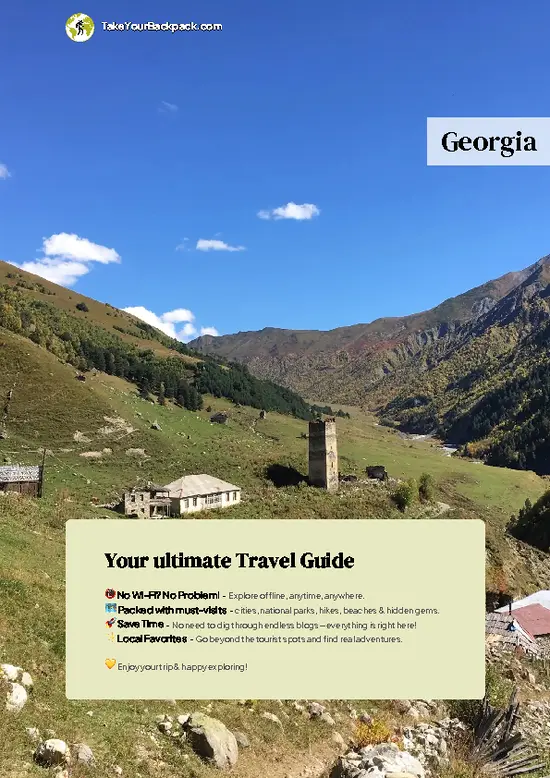
Which kind to prioritize: Hikers and photographers should lean toward
highland villages, where tower houses, glacier valleys, and multi-day treks justify the harder access. Food and wine lovers, or anyone short on time, should favor
Kakheti, with flat roads, cellar visits, and a supra (feast) that can last three hours. Travelers with only a week can do one highland region and one wine region and not feel shortchanged.
What it costs: Budget
US$30 to 50 a day (about …
read more 👉 How many villages to visit: I advise
four to six villages, with two nights in each highland base and one or two in the wine country. Mountain roads are slow, and a village needs a full evening to feel real: the smell of wood fires, hot khachapuri, and a host bringing out another jug. More than that and you spend the trip in a van.
Which kind to prioritize: Hikers and photographers should lean toward
highland villages, where tower houses, glacier valleys, and multi-day treks justify the harder access. Food and wine lovers, or anyone short on time, should favor
Kakheti, with flat roads, cellar visits, and a supra (feast) that can last three hours. Travelers with only a week can do one highland region and one wine region and not feel shortchanged.
What it costs: Budget
US$30 to 50 a day (about 80 to 135 lari) if you use guesthouses, shared transport, and eat where you sleep. Guesthouse beds typically run US$15 to 30, often including breakfast, and dinner adds US$7 to 12 with wine. Marshrutka fares between towns are usually US$3 to 10, while a shared or private 4x4 to Tusheti can run US$25 to 40 per seat or US$150 to 250 per vehicle. Wine tastings at family cellars are often US$5 to 15, and local guides for day hikes cost roughly US$40 to 80. Cash is useful because rural cards fail often.
Safety and cultural points: Villages are generally
very safe for travelers, and the main risks are physical: unpaved roads, weather that changes in an hour, and livestock or shepherd dogs on trails. Keep your distance from sheepdogs, hike with offline maps, and tell your host your route. In the mountains, use a licensed guide for glacier or high pass treks. Dress modestly when entering village churches, with covered shoulders and a scarf for women, and accept the first toast gracefully. Refusing food repeatedly can offend, so take small portions. Ask before photographing people or private farmyards, and expect a friendly invitation to sit down. Do that, and you leave with a full stomach and a story.
v2.webp)



 Best Backpacking
.jpg) Hi, I’m Johan (Netherlands 🇳🇱), the creator of TakeYourBackpack. Over the past 3 decades, I’ve backpacked through 90+ countries across six continents, gaining extensive experience with independent travel, long-term trips, and overland routes.
Hi, I’m Johan (Netherlands 🇳🇱), the creator of TakeYourBackpack. Over the past 3 decades, I’ve backpacked through 90+ countries across six continents, gaining extensive experience with independent travel, long-term trips, and overland routes.