v2.webp)
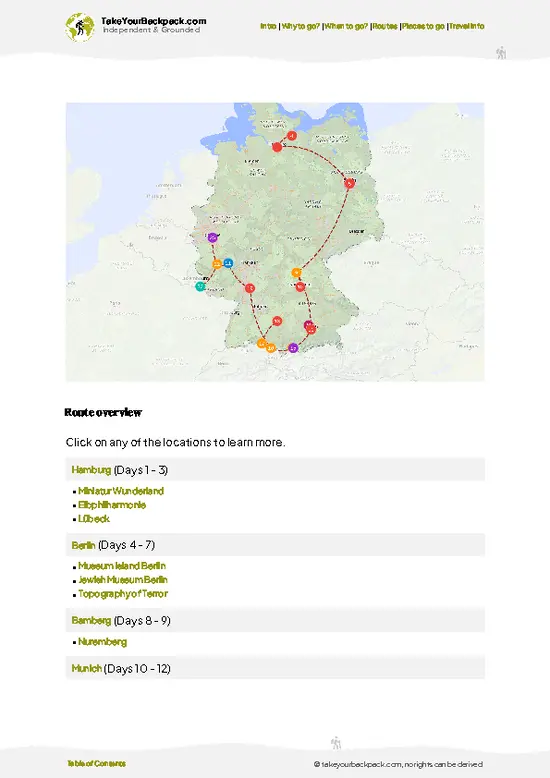
Altstadt (Old Town)
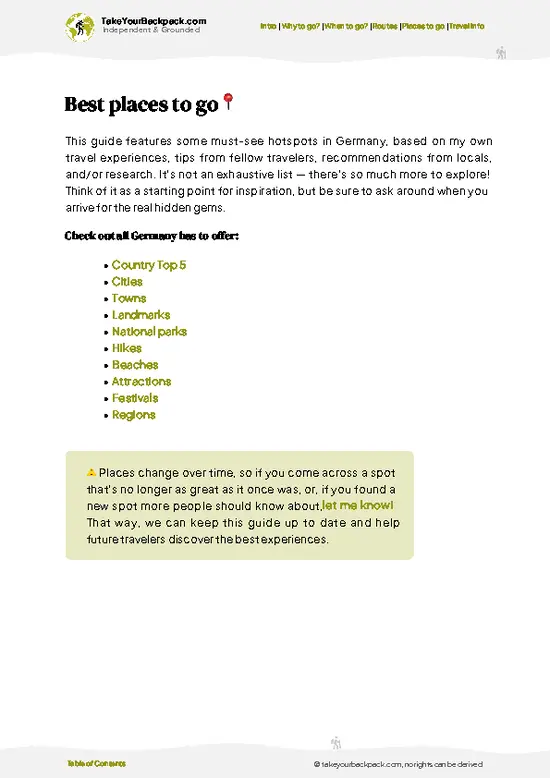
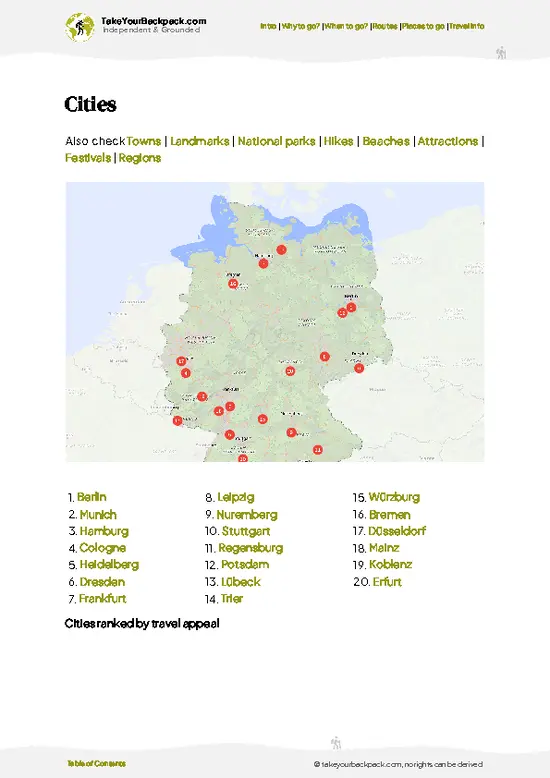
Tübingen’s Altstadt isn’t just a backdrop—it’s the main event. Cobbled lanes wind between half-timbered houses, their beams sun-warmed and crooked with age. The air smells faintly of roasted coffee and old books. This is where you feel the city’s pulse: students on bikes, market stalls, and the occasional church bell. Wander at dusk, when golden light softens the stones. Free to explore; give it at least 1-2 hours, more if you linger in a café.
Hölderlinturm
The poet Friedrich Hölderlin spent his final years in this tower by the Neckar. Step inside for a compact but evocative museum—his writing desk, river views, and a hush that feels almost sacred. The riverbank outside is perfect for reflection. Open most days, €3-5 entry, 30-45 minutes inside, but the riverside lingers … read more 👉
Tübingen’s Altstadt isn’t just a backdrop—it’s the main event. Cobbled lanes wind between half-timbered houses, their beams sun-warmed and crooked with age. The air smells faintly of roasted coffee and old books. This is where you feel the city’s pulse: students on bikes, market stalls, and the occasional church bell. Wander at dusk, when golden light softens the stones. Free to explore; give it at least 1-2 hours, more if you linger in a café.
Hölderlinturm
The poet Friedrich Hölderlin spent his final years in this tower by the Neckar. Step inside for a compact but evocative museum—his writing desk, river views, and a hush that feels almost sacred. The riverbank outside is perfect for reflection. Open most days, €3-5 entry, 30-45 minutes inside, but the riverside lingers … read more 👉
Altstadt (Old Town)
Tübingen’s Altstadt isn’t just a backdrop—it’s the main event. Cobbled lanes wind between half-timbered houses, their beams sun-warmed and crooked with age. The air smells faintly of roasted coffee and old books. This is where you feel the city’s pulse: students on bikes, market stalls, and the occasional church bell. Wander at dusk, when golden light softens the stones. Free to explore; give it at least 1-2 hours, more if you linger in a café.
Hölderlinturm
The poet Friedrich Hölderlin spent his final years in this tower by the Neckar. Step inside for a compact but evocative museum—his writing desk, river views, and a hush that feels almost sacred. The riverbank outside is perfect for reflection. Open most days, €3-5 entry, 30-45 minutes inside, but the riverside lingers with you.
Stocherkahnfahrt (Punting on the Neckar)
Forget Venetian gondolas—here, you glide past weeping willows and student laughter in a flat-bottomed Stocherkahn. The rhythm of the pole, the slap of water, and the city’s skyline reflected in the river: this is Tübingen’s soul. Best in late spring or early summer. Guided rides cost €8-12, about 45-60 minutes.
Marktplatz & Rathaus
The painted façade of the 15th-century town hall dominates the square, but the real magic is in the daily life: flower vendors, buskers, and the clink of glasses from outdoor tables. Climb the steps for a view, or just soak up the scene. Free, 30 minutes to an hour.
Botanischer Garten der Universität Tübingen
A living encyclopedia of plants, this university garden is a quiet counterpoint to the busy town. Wander among alpine beds, medicinal herbs, and glasshouses heavy with humidity and green scent. Free entry, open daylight hours, 45-90 minutes.
For day trips, the fairytale Hohenzollern Castle, the caves of the Swabian Jura, and the medieval town of Bebenhausen are all close by—Hohenzollern, with its hilltop drama, is my personal favorite.
Tübingen’s Altstadt isn’t just a backdrop—it’s the main event. Cobbled lanes wind between half-timbered houses, their beams sun-warmed and crooked with age. The air smells faintly of roasted coffee and old books. This is where you feel the city’s pulse: students on bikes, market stalls, and the occasional church bell. Wander at dusk, when golden light softens the stones. Free to explore; give it at least 1-2 hours, more if you linger in a café.
Hölderlinturm
The poet Friedrich Hölderlin spent his final years in this tower by the Neckar. Step inside for a compact but evocative museum—his writing desk, river views, and a hush that feels almost sacred. The riverbank outside is perfect for reflection. Open most days, €3-5 entry, 30-45 minutes inside, but the riverside lingers with you.
Stocherkahnfahrt (Punting on the Neckar)
Forget Venetian gondolas—here, you glide past weeping willows and student laughter in a flat-bottomed Stocherkahn. The rhythm of the pole, the slap of water, and the city’s skyline reflected in the river: this is Tübingen’s soul. Best in late spring or early summer. Guided rides cost €8-12, about 45-60 minutes.
Marktplatz & Rathaus
The painted façade of the 15th-century town hall dominates the square, but the real magic is in the daily life: flower vendors, buskers, and the clink of glasses from outdoor tables. Climb the steps for a view, or just soak up the scene. Free, 30 minutes to an hour.
Botanischer Garten der Universität Tübingen
A living encyclopedia of plants, this university garden is a quiet counterpoint to the busy town. Wander among alpine beds, medicinal herbs, and glasshouses heavy with humidity and green scent. Free entry, open daylight hours, 45-90 minutes.
For day trips, the fairytale Hohenzollern Castle, the caves of the Swabian Jura, and the medieval town of Bebenhausen are all close by—Hohenzollern, with its hilltop drama, is my personal favorite.
Spotted a mistake or missing something? Contact us.


 Best Backpacking
.jpg) Hi, I’m Johan (Netherlands 🇳🇱), the creator of TakeYourBackpack. Over the past 3 decades, I’ve backpacked through 90+ countries across six continents, gaining extensive experience with independent travel, long-term trips, and overland routes.
Hi, I’m Johan (Netherlands 🇳🇱), the creator of TakeYourBackpack. Over the past 3 decades, I’ve backpacked through 90+ countries across six continents, gaining extensive experience with independent travel, long-term trips, and overland routes.