×

Ghana🇬🇭 | townsAkwamufieVolta riverbanks, Adomi area, quiet farmland | things to do and best time to go

Explore Volta RegionExplore Amedzofe

Backpacking in Akwamufie
👌 Worth visitingtown ranked #17
By Johan Kruseman 🇳🇱 | Updated October 22, 2026

Akwamufie is not a resort town, and treating it like Akosombo is the usual mistake. It sits in Ghana’s Eastern Region, in the Asuogyaman area near the Volta, where red dust, woodsmoke and drumming from funerals drift through the afternoon heat. Tourist infrastructure is thin, so book rooms in Akosombo or Atimpoku and come by shared taxi or trotro for the day. Evenings are quiet, with few backpackers, and you meet people by asking permission to visit the palace. Akosombo is busier, and Akwamufie is more rooted.

Discover everything you want to know in the 📖 Ghana Travel Guide.


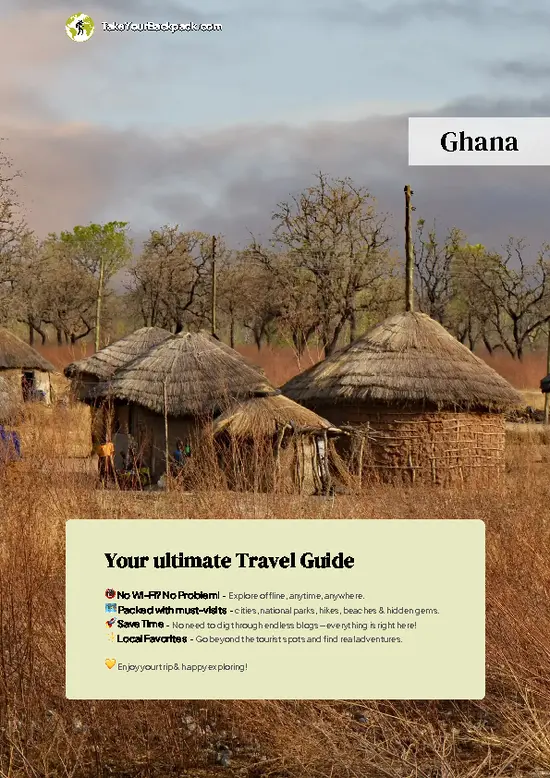
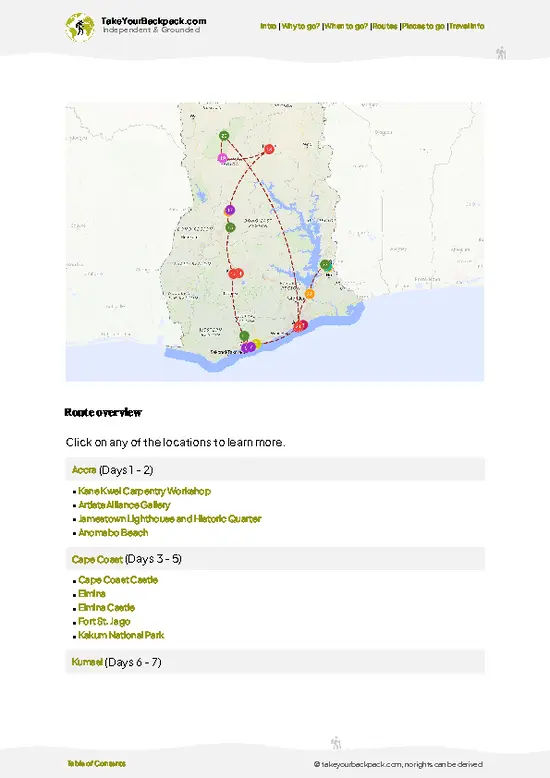
example page 0 from our offline Travel Guide for Ghana
example page 1 from our offline Travel Guide for Ghana
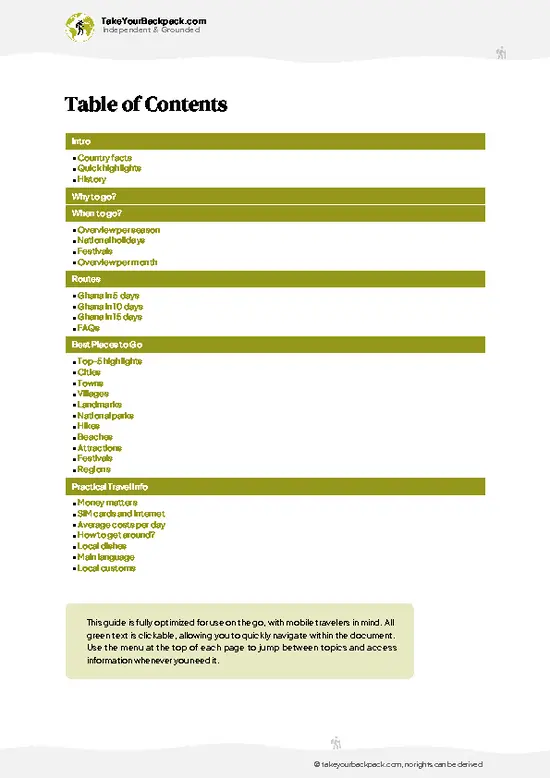
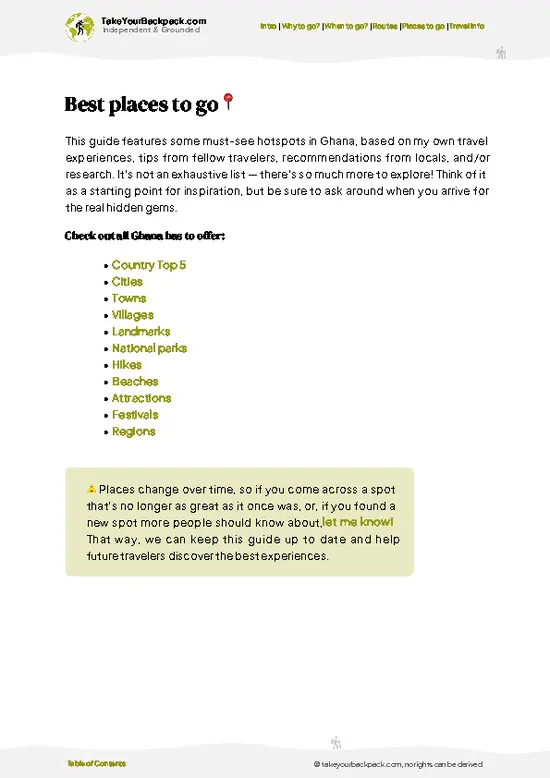
example page 2 from our offline Travel Guide for Ghana
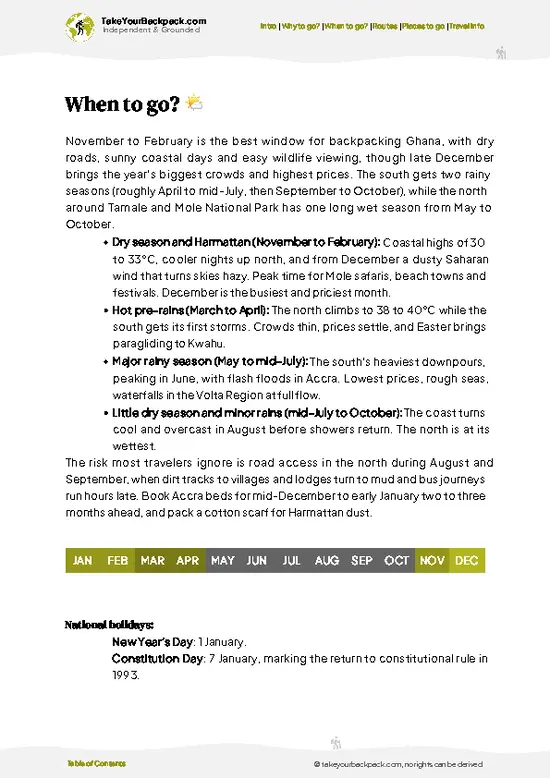
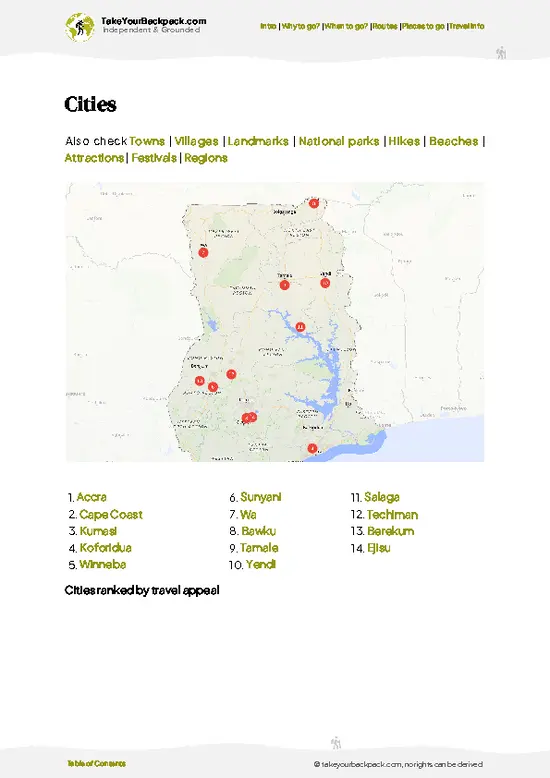
example page 3 from our offline Travel Guide for Ghana
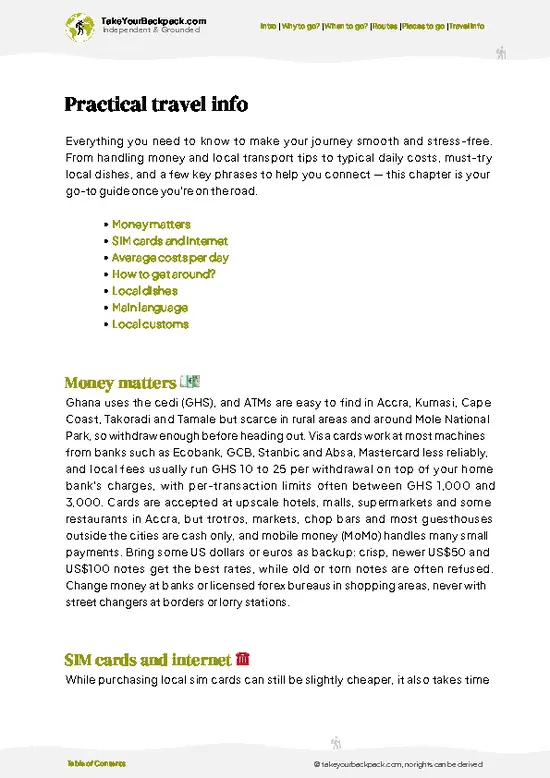
example page 4 from our offline Travel Guide for Ghana
example page 5 from our offline Travel Guide for Ghana
example page 6 from our offline Travel Guide for Ghana
example page 7 from our offline Travel Guide for Ghana
Loading the map 🌍
CLICK TO FILTER
cities
towns
villages
landmarks
national parks
hikes
beaches
attractions
festivals
regions
SHOW COUNTRY’S BESTSHOW ALL

✨ Why go?
Ranked #17 town in Ghana
What makes it a must-see town

Go for Akwamu history that you can actually stand in, not read on a plaque. Akwamufie suits slow travelers and culture-minded solo backpackers who like asking questions and sitting through long greetings. Most people stay half a day to a full day, usually combined with the Volta River and Akosombo Dam nearby. There is no hostel scene and little nightlife, so you sleep elsewhere and treat the town as a focused visit. Come with patience, small cash, and a willingness to be introduced to the right elder.

💡 HighlightsWhat this place is best known for

  1. Akwamuhene’s palace and stool house area: This is the seat of the Akwamu traditional state. Visit by courtesy: ask locals to introduce you, dress modestly and bring a small gift or donation (about GH₵ 20 to 50). Mornings are best, before elders leave for the day. Allow 1 hour.
  2. Volta riverside: Walk to the water where fishers mend nets and the air smells of silt and smoke. Late afternoon gives soft light and cooler air. It is free, and 1 to 2 hours is plenty.
  3. Local market: Look for yams, cassava, peppers and smoked fish stacked on cloth. Go before 10 AM when stock is fresh. Budget GH₵ 20 to 60 for snacks and produce, and 45 minutes to an hour.
  4. Chop bar lunch: Fufu with light soup or banku with grilled tilapia costs roughly GH₵ 40 to 90. Eat with your right hand, and come around noon when the pots
… read more 👉
  1. Akwamuhene’s palace and stool house area: This is the seat of the Akwamu traditional state. Visit by courtesy: ask locals to introduce you, dress modestly and bring a small gift or donation (about GH₵ 20 to 50). Mornings are best, before elders leave for the day. Allow 1 hour.
  2. Volta riverside: Walk to the water where fishers mend nets and the air smells of silt and smoke. Late afternoon gives soft light and cooler air. It is free, and 1 to 2 hours is plenty.
  3. Local market: Look for yams, cassava, peppers and smoked fish stacked on cloth. Go before 10 AM when stock is fresh. Budget GH₵ 20 to 60 for snacks and produce, and 45 minutes to an hour.
  4. Chop bar lunch: Fufu with light soup or banku with grilled tilapia costs roughly GH₵ 40 to 90. Eat with your right hand, and come around noon when the pots are full. Allow 45 minutes.
  5. Chiefly festival or funeral processions: If one is on during your visit, watch from the edge with permission. Drums, cloth and umbrellas appear, and weekends are most likely. Ask locally for dates. Entry is free, though a small donation is polite.
Close day trips include Akosombo Dam, the Adomi Bridge at Atimpoku, Aburi Botanical Gardens and Boti Falls. I would pick Akosombo first, because the dam explains the Volta you have just seen.
Spotted a mistake or missing something? Contact us.

Things to do near Akwamufie

Ratings based on Tripadvisor reviews. When you book through this link, you support our work at no extra cost to you.

🏘️ NeighborhoodsHow different areas shape the experience

Akwamufie is small enough to read in an afternoon, and the smarter move is to treat it as a few clusters along the Volta rather than one town. Roads here are dusty red laterite, so wear closed shoes and walk early or late when the heat eases.
  • Main Road and Market Area: Diesel fumes, shouted prices and stacked tomatoes, plantains and yams. Eat waakye or fried yam with pepper sauce from roadside stalls (GH₵15 to 40). Go in the morning, since stalls thin out by late afternoon. Fully walkable.
  • Riverfront and Lakeside: Quiet, with fishing canoes, wet mud smell and frogs at dusk. Locals launch boats here, so ask a fisherman about a short paddle rather than booking a tour. Walkable, but carry a flashlight after dark.
  • Residential Outskirts: Cocoa and farmland, roosters at dawn, goats on the verges. Nothing
… read more 👉
Akwamufie is small enough to read in an afternoon, and the smarter move is to treat it as a few clusters along the Volta rather than one town. Roads here are dusty red laterite, so wear closed shoes and walk early or late when the heat eases.
  • Main Road and Market Area: Diesel fumes, shouted prices and stacked tomatoes, plantains and yams. Eat waakye or fried yam with pepper sauce from roadside stalls (GH₵15 to 40). Go in the morning, since stalls thin out by late afternoon. Fully walkable.
  • Riverfront and Lakeside: Quiet, with fishing canoes, wet mud smell and frogs at dusk. Locals launch boats here, so ask a fisherman about a short paddle rather than booking a tour. Walkable, but carry a flashlight after dark.
  • Residential Outskirts: Cocoa and farmland, roosters at dawn, goats on the verges. Nothing to tick off, but greetings come easily. Walk it, or hop on a motorbike taxi when the sun is high.

⌛️ 1 dayWhat you can realistically do in a day

A single day here works as a cultural visit with river time, based out of nearby Akosombo or Atimpoku.
8:00 AM, Arrival and market: Take an early shared taxi from Atimpoku or Akosombo. Walk the market while produce is fresh, buy some fruit and listen to the Twi bargaining.
10:00 AM, Palace courtesy visit: Ask for the right person to introduce you, greet elders, and explain your interest in Akwamu history. Bring a small gift.
12:30 PM, Chop bar lunch: Order fufu or banku with tilapia. It is filling and cheap, so you will not need a big dinner.
2:30 PM, Riverside village lanes: Off the main road, walk to a quiet stretch of the Volta where fishers work. Few visitors come here, and the pace is easy.
5:00 PM, Return: Head back by shared taxi before dusk, since evening transport thins out.

🌤️ When to go?Seasonal considerations and timing

The best window is November to February, when dry harmattan air keeps days around 30 to 33°C (86 to 91°F) and roads stay passable.
  • Dry Season (Nov to Mar): Hazy mornings, cooler nights near 21°C (70°F), easy travel, higher prices around Christmas.
  • Major Rains (Apr to Jul): Hot and humid, 24 to 32°C (75 to 90°F), with heavy downpours that turn dirt roads to mud.
  • Minor Rains (Sep to Oct): Shorter showers, green hills, fewer visitors.
Daylight stays close to 12 hours all year, so plan to be back by 6 pm.

source: climatestotravel.comJANJanuary: excellent for travelingFEBFebruary: excellent for travelingMARMarch: highly recommended for travelingAPRApril: fair for travelingMAYMay: fair for travelingJUNJune: fair for travelingJULJuly: fair for travelingAUGAugust: fair for travelingSEPSeptember: fair for travelingOCTOctober: fair for travelingNOVNovember: highly recommended for travelingDECDecember: excellent for traveling
when-to-go

✈️ The backpacker research shortcutGhana Travel Guide

An offline-friendly backpacking guide with optimized travel routes, ranked highlights, transport advice, and the best areas to stay.
example page 0 from our offline Travel Guide for Ghana
example page 1 from our offline Travel Guide for Ghana
example page 2 from our offline Travel Guide for Ghana
example page 3 from our offline Travel Guide for Ghana
example page 4 from our offline Travel Guide for Ghana
example page 5 from our offline Travel Guide for Ghana
example page 6 from our offline Travel Guide for Ghana
example page 7 from our offline Travel Guide for Ghana
The digital guide (321 pages) contains:
✅ 105 highlights, ranked by travel appeal
✅ Optimized 5, 10 & 15-day travel routes
✅ Cities, national parks, landmarks, beaches
✅ How to get around
✅ Offline-friendly for travel without Wi-Fi
👉 Click to see all 30+ guide features

📅 Plan smarter in minutes, not weeks
✅ Month by month travel advice
✅ Festivals & national holidays
✅ Budget expectations

🗺️ Go to the right places, skip the overrated ones
✅ Honest pros & cons of destinations
✅ Top hikes, parks & viewpoints
✅ Lesser-known places most travelers miss
✅ Clear “worth it vs skip it” guidance

🛏️ Travel smoothly without rookie mistakes
✅ Best areas to stay
✅ Transport systems explained simply
✅ Common scams & safety advice
✅ SIM cards, money & practical tips

🌍 Understand the country, not just visit it
✅ Culture & traditions
✅ 52 Essential phrases & customs
✅ Festivals worth planning around
✅ Traveler-friendly historical context
✅ Insights that make places more meaningful

📱 Built for real travel conditions
✅ Fully downloadable PDF
✅ Works completely offline
✅ Optimized for phone use
✅ Useful in remote areas & buses
✅ Everything in one place
Stop searching, start planning
Get instant access to your full guide. 30‑day money-back guarantee.
+ Add another guide for just

By proceeding you agree to our terms.
Sent to your inbox immediately after payment • 100% Secure Checkout
Best Backpacking Travel Advisor 2025 tourism awardBest Backpacking
Travel Advisor
2025
What others say about Take Your Backpack Guides:
⭐⭐⭐⭐⭐
Fantastic, amazing amount of information!
⭐⭐⭐⭐⭐
My goodness this is amazing, it's what I've been looking for hats off too you!
⭐⭐⭐⭐⭐
I think this is absolutely BRILLIANT
⭐⭐⭐⭐
Very complete and informative. It's still missing places, but I gotta to commend you
⭐⭐⭐⭐⭐
This is truly amazing, thank you, can't wait to explore it with my kids!
⭐⭐⭐⭐⭐
Awesome resource, thank you!
⭐⭐⭐⭐⭐
This is amazing! Can't wait to explore the ones I haven't seen
⭐⭐⭐⭐
I love this! Well done, great idea.
⭐⭐⭐⭐⭐
Thanks for taking the time to make this gem!
⭐⭐⭐⭐⭐
This might be the best website I've ever seen.
⭐⭐⭐⭐⭐
Congratulations, and thank you so much for your work; it's incredibly valuable.
⭐⭐⭐⭐
In all seriousness I think you did a great job pointing out the important spots
⭐⭐⭐⭐⭐
10/10 very good
⭐⭐⭐⭐⭐
As someone who's only just starting to visit regularly this is awesome, thank you.
⭐⭐⭐⭐
Thank you very much! I'm going to visit my dad, it's going to be very useful!
⭐⭐⭐⭐⭐
This is really cool! We'll be travelling for the first time and this definitely come in handy.
⭐⭐⭐⭐⭐
You are now our minister of culture, congratulations 👨‍💼
⭐⭐⭐⭐⭐
Just wanted to tell you that this is a pearl! Going to follow your recommendations.
⭐⭐⭐⭐⭐
This is so cool. I'll definitely be using the resource for my travels soon.
⭐⭐⭐⭐⭐
This is very impressive! Good work.
⭐⭐⭐⭐⭐
This is an amazing and informative site. Very well done!

🛏️ Where to stay?Choosing the right base

The best budget option is staying near the main road and market area, where guesthouses, chop bars and trotro stops sit within a short walk. Dedicated hostels are rare in Akwamufie, so expect simple private rooms, often with a fan and shared or basic bathrooms, at modest prices. The main road has some noise from vehicles and early roosters, but it also has light and foot traffic at night, which feels reassuring. A second option is the quieter residential edge near the river, better for sleep and views. It is a longer walk to transport, so arrange a motorbike pickup after dark. For more dorm choices, … read more 👉
The best budget option is staying near the main road and market area, where guesthouses, chop bars and trotro stops sit within a short walk. Dedicated hostels are rare in Akwamufie, so expect simple private rooms, often with a fan and shared or basic bathrooms, at modest prices. The main road has some noise from vehicles and early roosters, but it also has light and foot traffic at night, which feels reassuring. A second option is the quieter residential edge near the river, better for sleep and views. It is a longer walk to transport, so arrange a motorbike pickup after dark. For more dorm choices, many backpackers sleep in nearby Akosombo and visit.

🚌 Getting aroundGetting around like a local

From the main trotro stop on the highway, the center is a 5 to 10 minute walk or a GH₵5 to 10 motorbike ride, because the town is compact and the station sits right on its main road. Expect red dust, engine noise and drivers calling destinations through windows. Public transport is frequent but informal, with no timetables.
  • Walking: Free and the best way to see the market and riverside. Go early, since midday sun on bare roads is punishing, and carry water.
  • Trotro (minibus): Shared vans to Akosombo, Asesewa and Koforidua cost roughly GH₵10 to 40. They leave when full, so arrive before 9 am for the shortest wait. Vans run until about 6 pm. Keep small notes ready, as the mate collects fares mid-ride.
  • Okada or motorbike taxi: GH₵5 to 20 for short hops, useful on rough tracks. Agree the price first,
… read more 👉
From the main trotro stop on the highway, the center is a 5 to 10 minute walk or a GH₵5 to 10 motorbike ride, because the town is compact and the station sits right on its main road. Expect red dust, engine noise and drivers calling destinations through windows. Public transport is frequent but informal, with no timetables.
  • Walking: Free and the best way to see the market and riverside. Go early, since midday sun on bare roads is punishing, and carry water.
  • Trotro (minibus): Shared vans to Akosombo, Asesewa and Koforidua cost roughly GH₵10 to 40. They leave when full, so arrive before 9 am for the shortest wait. Vans run until about 6 pm. Keep small notes ready, as the mate collects fares mid-ride.
  • Okada or motorbike taxi: GH₵5 to 20 for short hops, useful on rough tracks. Agree the price first, since there are no meters, and ask for a helmet.
  • Taxi charter: A private car for GH₵150 to 400 a day. Share it with other travelers to cut the cost, and negotiate before getting in.

👛 Costs (as of 22 October 2026)What things cost and how to budget

Backpacking in Akwamufie costs roughly USD 20 to 45 a day, with local food and basic rooms keeping spending low.
CategoryBudget RangeLocal Reality
Dorm accommodationUSD 8 to 20Dorms are rare, so expect a basic private room with a fan.
MealsUSD 5 to 12Chop bar plates of waakye, banku or jollof cost USD 1.50 to 4.
Local transportUSD 2 to 6Trotros and motorbike taxis cost small amounts per trip.
Basic activities/entry feesUSD 2 to 8Most sights are free, with small fees for boats or guides.
Miscellaneous expensesUSD 3 to 6Water, mobile data and small tips.
Total Daily BudgetUSD 20 to 52Lower end for shared trotros and street food.
Buy fruit and water at the market rather than at roadside shops, and carry small cedi notes for exact fares.
⚠️ Prices can change and everyone travels differently, so take this as a rough guide. Hope it helps you plan your adventure!

🚌 Day tripsWhere to go beyond the main area

Akwamufie sits on the Volta River in the Eastern Region, close to the Akosombo dam, so most day trips are short hops by shared minibus (trotro) with a change or two, and you are back by dark.
Akosombo Dam and Volta Lake:
The dam holds back one of the largest man-made lakes in the world, and the viewpoints and lakeside boat rides make an easy half day. Trotros run in about 45 minutes to 1.5 hours for US$1 to 3. Boat rides cost roughly US$5 to 15 depending on the group. Come in the dry months, November to March, when roads are firm and skies clearer. First-timers often arrive late afternoon and find boats booked or tours closed.

Aburi Botanical Gardens:
Cooler hill air and shaded paths make this a calm contrast to the river heat, and the craft stalls in Aburi sell carved wooden pieces at lower … read more 👉
Akwamufie sits on the Volta River in the Eastern Region, close to the Akosombo dam, so most day trips are short hops by shared minibus (trotro) with a change or two, and you are back by dark.
Akosombo Dam and Volta Lake:
The dam holds back one of the largest man-made lakes in the world, and the viewpoints and lakeside boat rides make an easy half day. Trotros run in about 45 minutes to 1.5 hours for US$1 to 3. Boat rides cost roughly US$5 to 15 depending on the group. Come in the dry months, November to March, when roads are firm and skies clearer. First-timers often arrive late afternoon and find boats booked or tours closed.

Aburi Botanical Gardens:
Cooler hill air and shaded paths make this a calm contrast to the river heat, and the craft stalls in Aburi sell carved wooden pieces at lower prices than Accra. Count on 2.5 to 3.5 hours each way with transfers, and about US$10 to 18 in total with entry. The gardens are most comfortable on weekday mornings. Many visitors forget cash, and card machines are rare.
👉 Explore Aburi Botanical Gardens
Atimpoku and Adomi Bridge:
The riverside town of Atimpoku is a short ride away and is known for smoked fish, kente sellers and the view of the Adomi suspension bridge. Allow about US$3 to 6 for transport and a snack. Go on a clear morning for the best light on the bridge. Photographing without asking sellers first often leads to awkward haggling.

🛡️ SafetyStaying Safe: What Travelers Should Know

Akwamufie is a quiet, low-risk town where people are used to visitors and greetings go a long way. Petty theft is uncommon, but keep your phone out of sight in the market and at trotro stops. Roads are unlit at night, so use a flashlight and take a motorbike taxi after dark rather than walking alone. Solo travelers, including women, generally find locals helpful. Prices can be inflated for foreigners, so ask what locals pay and agree fares before riding.

FAQFrequently asked questions about Akwamufie

It is worth a visit if you care about Akwamu history and local chieftaincy, but it is not a stop for beaches or nightlife. Most travelers spend half a day to a full day. Pair it with Akosombo Dam and the Adomi Bridge at Atimpoku, which are close by.
One day is enough for most backpackers, and half a day works if you only want the palace area and a meal. A second day only makes sense if you plan to attend a festival or add Aburi Gardens or Boti Falls. Budget about GH₵ 150 to 300 for transport, food and a courtesy gift.
Yes, and that is the best way to do it, since accommodation in Akwamufie itself is limited. Base yourself in Akosombo or Atimpoku and take a shared taxi or trotro in the morning, usually under an hour. Accra is a longer trip of roughly 2 to 3 hours each way, so a day trip from there is possible but tiring.
⚠️ Things can change over time, so always validate details locally before you go.

Other Ghanaian towns near Akwamufie

Explore more nearby:

  • Akosombo—Volta Dam, lake cruises, Atimpoku bridge| 4 km away
  • Somanya—Krobo hills, bead markets, Yilo Krobo heartland| 22 km away
  • Mampong-Akuapem—Akuapem ridge, cool hills, Aburi road| 47 km away

💡 Not sure where to go next?
Create a personalized itinerary for Ghana including Akwamufie and the places that fit your trip.

Generate my itinerary

👉 Discover all towns

Or checkout all Ghana has to offer (think cities, towns, villages, national parks, hikes, beaches, festivals)
Country photo of Ghana

We 💚 feedbackParting advice and final tips

Akwamufie rewards curiosity. Sitting with elders and hearing how Akwamu history is still lived beats any museum label. The drawback is logistics: no real hostels, patchy transport after dark and little signage. Plan it as a day trip, carry cash, and let someone local do the introductions.

✈️ When did I visit Ghana?
Ghana I visited in December 2024, starting in Accra following the coast, then up north to Mole National park to finish in the Volta Region.

✍️ Help improve this page!
The information on this page is based on my own backpacking experience in Ghana, supplemented with up-to-date research and feedback from other travelers. Travel details can change, so if you notice anything outdated or incomplete, feel free to let me know.


🙋‍♂️ Give feedback

👋 Meet the founderWho’s Behind Take Your Backpack?

Johan, backpacker and founder of TakeYourBackpackHi, I’m Johan (Netherlands 🇳🇱), the creator of TakeYourBackpack. Over the past 3 decades, I’ve backpacked through 90+ countries across six continents, gaining extensive experience with independent travel, long-term trips, and overland routes.

This site is built on a combination of firsthand travel experience and carefully curated insights from other backpackers. Many guides are based on places I’ve personally visited, while others bring together tips, observations, and practical advice shared by trusted travelers I’ve met along the way.

The goal is to provide realistic, experience-driven guidance — not generic itineraries — so you can explore destinations with better context, clearer expectations, and more confidence.