v2.webp)
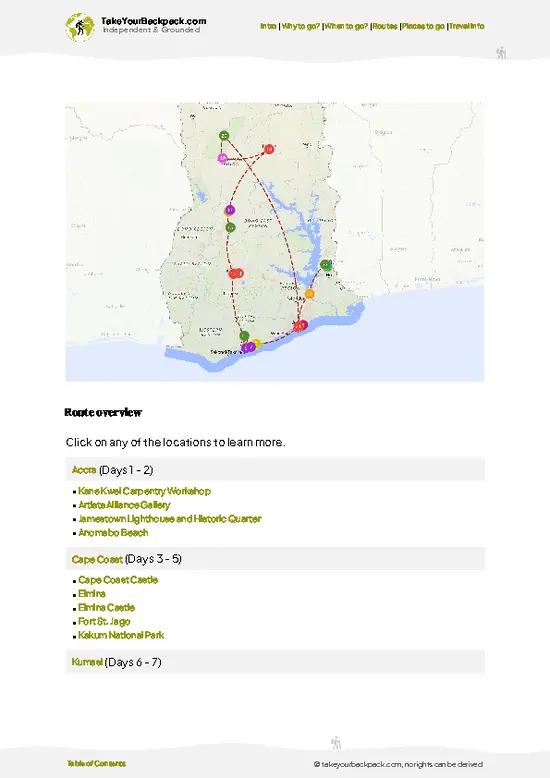
- Forest Walks with a Ranger: Guided trails take you through closed-canopy rainforest, where buttressed trees, lianas and a damp, shaded floor dominate. Rangers read tracks and sounds you would miss alone.
- Primates: Bia is known for forest monkeys, including Diana and other guenon species, which often reveal themselves by crashing branches and calls high above.
- Forest Elephants (Signs): The park is home to a small elephant population. Sightings are rare, but dung, trampled paths and broken saplings are tangible proof.
- Birdlife: Hornbills, turacos and many forest specialists live here. Start at dawn, when calls are loudest and birds are active at the canopy’s edge.
- Giant Trees: Old-growth species with massive trunks and root buttresses make the forest feel vertical and ancient. Your guide can name
- Forest Walks with a Ranger: Guided trails take you through closed-canopy rainforest, where buttressed trees, lianas and a damp, shaded floor dominate. Rangers read tracks and sounds you would miss alone.
- Primates: Bia is known for forest monkeys, including Diana and other guenon species, which often reveal themselves by crashing branches and calls high above.
- Forest Elephants (Signs): The park is home to a small elephant population. Sightings are rare, but dung, trampled paths and broken saplings are tangible proof.
- Birdlife: Hornbills, turacos and many forest specialists live here. Start at dawn, when calls are loudest and birds are active at the canopy’s edge.
- Giant Trees: Old-growth species with massive trunks and root buttresses make the forest feel vertical and ancient. Your guide can name them and explain their local uses.
- Butterflies and Insects: Brightly colored butterflies gather on muddy patches and streamside clearings, especially on warmer, sunnier mornings in the dry season.
- Bia River and Streams: Watercourses cut through the park and add cooler air, birdcall and sometimes a place to see fresh animal tracks in the mud.
Spotted a mistake or missing something? Contact us.

 Best Backpacking
.jpg) Hi, I’m Johan (Netherlands 🇳🇱), the creator of TakeYourBackpack. Over the past 3 decades, I’ve backpacked through 90+ countries across six continents, gaining extensive experience with independent travel, long-term trips, and overland routes.
Hi, I’m Johan (Netherlands 🇳🇱), the creator of TakeYourBackpack. Over the past 3 decades, I’ve backpacked through 90+ countries across six continents, gaining extensive experience with independent travel, long-term trips, and overland routes.