×

Ghana🇬🇭 | national parksNini-Suhien National ParkAnkasa fringe, Ashanti timber belt, small forest block | things to do and best time to go

Explore Kalakpa Resource ReserveExplore Agumatsa Wildlife Sanctuary

Backpacking in Nini-Suhien
👀 For curious travelersnational park ranked #20
By Johan Kruseman 🇳🇱 | Updated October 2, 2026

Nini-Suhien is also called Ankasa’s smaller neighbor, and the village signs nearby quietly mention the Nzema sacred groves that shaped its protection. It sits in Ghana’s Western Region, near Elubo and the Ivorian border. I stood under the canopy at dusk, sweat running down my neck, as frog calls and humid, rotting-leaf air closed in. Expect swampy, short walks, forest elephants you will probably only hear, few visitors and poor roads. Ankasa and Kakum offer far better infrastructure. Book ranger guides ahead to avoid wasted trips.

Discover everything you want to know in the 📖 Ghana Travel Guide.


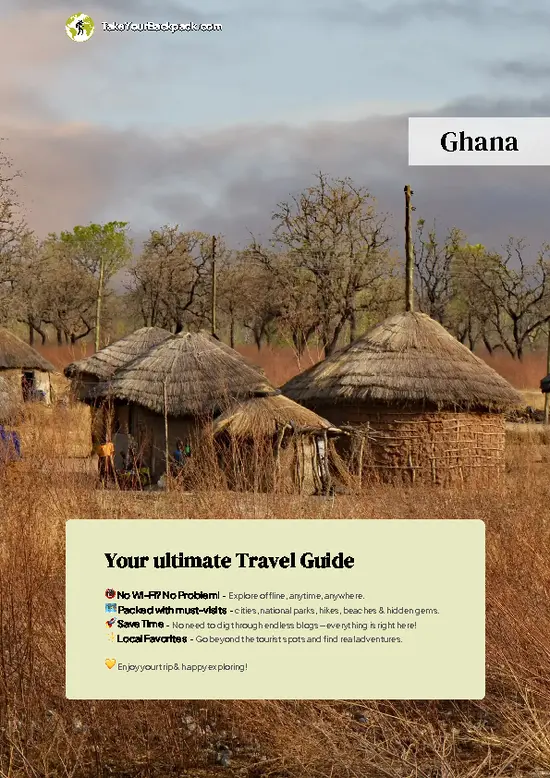
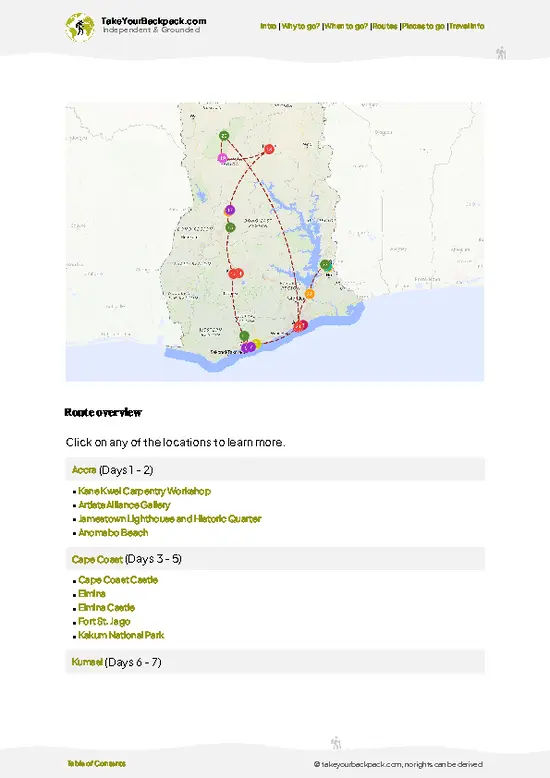
example page 0 from our offline Travel Guide for Ghana
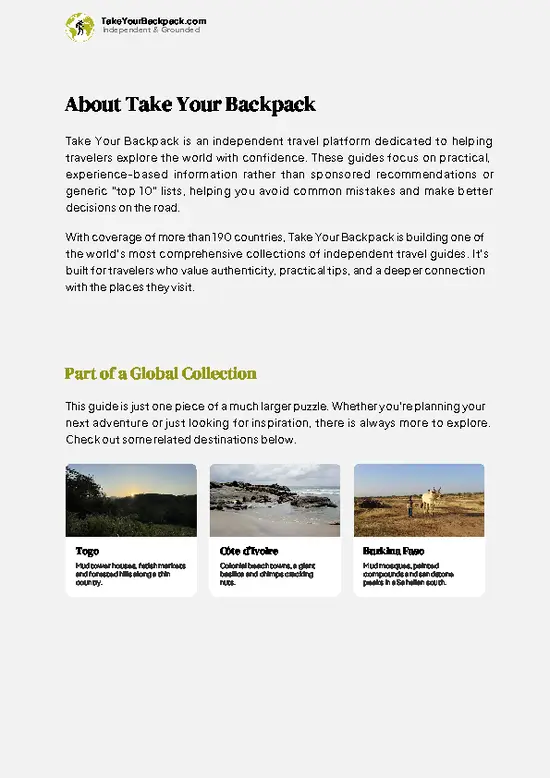
example page 1 from our offline Travel Guide for Ghana
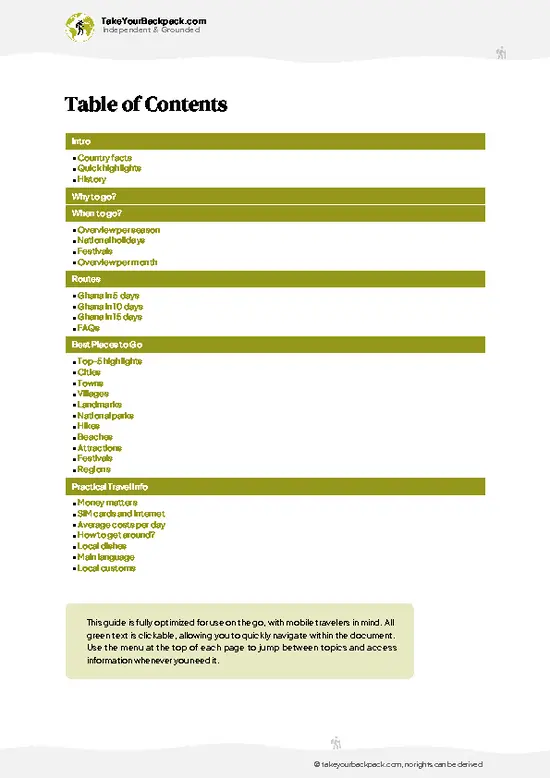
example page 2 from our offline Travel Guide for Ghana
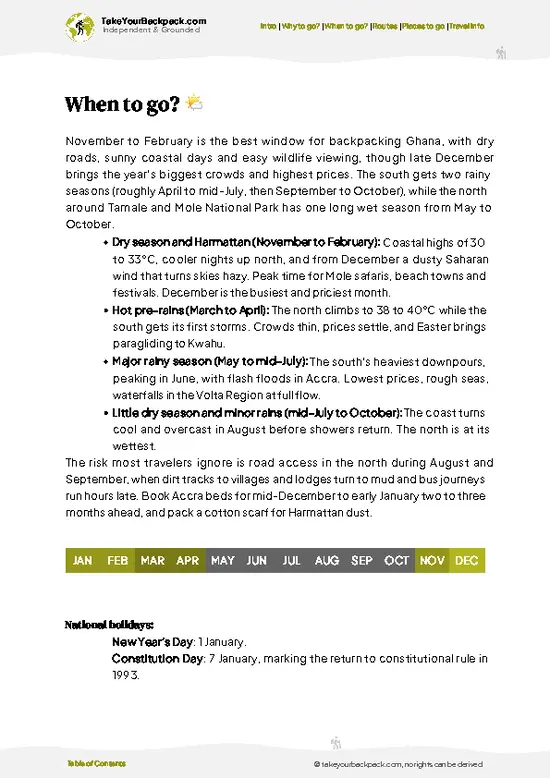
example page 3 from our offline Travel Guide for Ghana
example page 4 from our offline Travel Guide for Ghana
example page 5 from our offline Travel Guide for Ghana
example page 6 from our offline Travel Guide for Ghana
example page 7 from our offline Travel Guide for Ghana
Loading the map 🌍
CLICK TO FILTER
cities
towns
villages
landmarks
national parks
hikes
beaches
attractions
festivals
regions
SHOW COUNTRY’S BESTSHOW ALL

✨ Why go?
Ranked #20 national park in Ghana
The unique appeal for travelers

Backpackers choose Nini-Suhien because it is raw and uncrowded, unlike Kakum’s busy canopy walk. You can arrange a self-guided approach by shared taxi from Takoradi toward Elubo, then a local ride to the park gate, though entry normally needs a ranger escort. Budget guesthouses in nearby towns keep costs low, and the forest trails and swamp edges reward patient birders and primate watchers. Tours are rarely necessary, but tracks are rough, so a flexible schedule helps.

💡 HighlightsThe experiences that define the visit

  1. Swamp Forest Edge: Freshwater swamp habitat is rare in Ghana, and the park protects a good stretch with buttress roots and still, tea-colored pools.
  2. Primate Watching: Listen for monkeys calling at dawn, including Diana monkeys and other forest species recorded in the Ankasa-Nini-Suhien area.
  3. Birdlife: Hornbills and forest specialists draw birders, and early mornings produce the best sightings.
  4. Butterflies and Insects: Sunny clearings bring dense butterfly activity, especially in the drier months.
  5. Giant Trees: Old-growth trees with wide buttresses rise above the understory, giving a sense of scale few Ghanaian parks match.
  6. Forest Elephant Signs: Dung, trampled paths and distant sounds hint at elephants, which are elusive but present in the wider landscape.
  7. Nearby Village Culture: Nzema communities
… read more 👉
  1. Swamp Forest Edge: Freshwater swamp habitat is rare in Ghana, and the park protects a good stretch with buttress roots and still, tea-colored pools.
  2. Primate Watching: Listen for monkeys calling at dawn, including Diana monkeys and other forest species recorded in the Ankasa-Nini-Suhien area.
  3. Birdlife: Hornbills and forest specialists draw birders, and early mornings produce the best sightings.
  4. Butterflies and Insects: Sunny clearings bring dense butterfly activity, especially in the drier months.
  5. Giant Trees: Old-growth trees with wide buttresses rise above the understory, giving a sense of scale few Ghanaian parks match.
  6. Forest Elephant Signs: Dung, trampled paths and distant sounds hint at elephants, which are elusive but present in the wider landscape.
  7. Nearby Village Culture: Nzema communities around the park share stories about the forest and its sacred places.
I would pick the swamp forest edge first, because the quiet, humid atmosphere shows what makes this park distinct from every other in Ghana.
Spotted a mistake or missing something? Contact us.

Things to do near Nini-Suhien National Park

Ratings based on Tripadvisor reviews. When you book through this link, you support our work at no extra cost to you.

🌤️ When to go?Best time to explore Nini-Suhien

  • Dry Season (November to March): Days run 25 to 33°C (77 to 91°F) and trails are firmest. Harmattan haze can dim the light. Daylight lasts roughly 11 to 12 hours year-round.
  • Main Rains (April to July): Heavy downpours, muddy tracks, leeches and fewer visitors. Temperatures stay 24 to 30°C (75 to 86°F).
  • Short Rains (September to October): Moderate showers and lush forest, with occasional road delays.
Go in December or January, when roads are most reliable.

source: climatestotravel.comJANJanuary: highly recommended for travelingFEBFebruary: excellent for travelingMARMarch: highly recommended for travelingAPRApril: fair for travelingMAYMay: fair for travelingJUNJune: fair for travelingJULJuly: fair for travelingAUGAugust: fair for travelingSEPSeptember: fair for travelingOCTOctober: fair for travelingNOVNovember: highly recommended for travelingDECDecember: highly recommended for traveling
ghana-national-park-nini-suhien-national-park
© Google |

✈️ The backpacker research shortcutGhana Travel Guide

An offline-friendly backpacking guide with optimized travel routes, ranked highlights, transport advice, and the best areas to stay.
example page 0 from our offline Travel Guide for Ghana
example page 1 from our offline Travel Guide for Ghana
example page 2 from our offline Travel Guide for Ghana
example page 3 from our offline Travel Guide for Ghana
example page 4 from our offline Travel Guide for Ghana
example page 5 from our offline Travel Guide for Ghana
example page 6 from our offline Travel Guide for Ghana
example page 7 from our offline Travel Guide for Ghana
The digital guide (321 pages) contains:
✅ 105 highlights, ranked by travel appeal
✅ Optimized 5, 10 & 15-day travel routes
✅ Cities, national parks, landmarks, beaches
✅ How to get around
✅ Offline-friendly for travel without Wi-Fi
👉 Click to see all 30+ guide features

📅 Plan smarter in minutes, not weeks
✅ Month by month travel advice
✅ Festivals & national holidays
✅ Budget expectations

🗺️ Go to the right places, skip the overrated ones
✅ Honest pros & cons of destinations
✅ Top hikes, parks & viewpoints
✅ Lesser-known places most travelers miss
✅ Clear “worth it vs skip it” guidance

🛏️ Travel smoothly without rookie mistakes
✅ Best areas to stay
✅ Transport systems explained simply
✅ Common scams & safety advice
✅ SIM cards, money & practical tips

🌍 Understand the country, not just visit it
✅ Culture & traditions
✅ 52 Essential phrases & customs
✅ Festivals worth planning around
✅ Traveler-friendly historical context
✅ Insights that make places more meaningful

📱 Built for real travel conditions
✅ Fully downloadable PDF
✅ Works completely offline
✅ Optimized for phone use
✅ Useful in remote areas & buses
✅ Everything in one place
Stop searching, start planning
Get instant access to your full guide. 30‑day money-back guarantee.
+ Add another guide for just

By proceeding you agree to our terms.
Sent to your inbox immediately after payment • 100% Secure Checkout
Best Backpacking Travel Advisor 2025 tourism awardBest Backpacking
Travel Advisor
2025
What others say about Take Your Backpack Guides:
⭐⭐⭐⭐⭐
Fantastic, amazing amount of information!
⭐⭐⭐⭐⭐
My goodness this is amazing, it's what I've been looking for hats off too you!
⭐⭐⭐⭐⭐
I think this is absolutely BRILLIANT
⭐⭐⭐⭐
Very complete and informative. It's still missing places, but I gotta to commend you
⭐⭐⭐⭐⭐
This is truly amazing, thank you, can't wait to explore it with my kids!
⭐⭐⭐⭐⭐
Awesome resource, thank you!
⭐⭐⭐⭐⭐
This is amazing! Can't wait to explore the ones I haven't seen
⭐⭐⭐⭐
I love this! Well done, great idea.
⭐⭐⭐⭐⭐
Thanks for taking the time to make this gem!
⭐⭐⭐⭐⭐
This might be the best website I've ever seen.
⭐⭐⭐⭐⭐
Congratulations, and thank you so much for your work; it's incredibly valuable.
⭐⭐⭐⭐
In all seriousness I think you did a great job pointing out the important spots
⭐⭐⭐⭐⭐
10/10 very good
⭐⭐⭐⭐⭐
As someone who's only just starting to visit regularly this is awesome, thank you.
⭐⭐⭐⭐
Thank you very much! I'm going to visit my dad, it's going to be very useful!
⭐⭐⭐⭐⭐
This is really cool! We'll be travelling for the first time and this definitely come in handy.
⭐⭐⭐⭐⭐
You are now our minister of culture, congratulations 👨‍💼
⭐⭐⭐⭐⭐
Just wanted to tell you that this is a pearl! Going to follow your recommendations.
⭐⭐⭐⭐⭐
This is so cool. I'll definitely be using the resource for my travels soon.
⭐⭐⭐⭐⭐
This is very impressive! Good work.
⭐⭐⭐⭐⭐
This is an amazing and informative site. Very well done!

🛏️ Where to stay?Choosing the right base

Accommodation inside Nini-Suhien is minimal, so most backpackers stay in nearby towns. Elubo has simple guesthouses close to the border, while Half Assini and Takoradi offer more choice, including budget hotels with fans or air conditioning. Some nearby community arrangements may be available through the park office, but facilities are basic. Takoradi is the best base for supplies, ATMs and onward transport, though it is a longer ride. Book ahead for weekends and carry cash because card use is limited.

👛 Costs (as of 2 October 2026)How expensive it really is

A day trip to Nini-Suhien typically costs US$30 to 60 once transport, fees and food are counted. Prices shift, so confirm current rates with the park office.
CategoryBudget RangeLocal Reality
Entrance and guideUS$10 to 25Foreign visitor rates are higher than Ghanaian rates; pay in cash.
AccommodationUS$15 to 40Basic guesthouses in Elubo or Half Assini, more choice in Takoradi.
Local transportUS$5 to 20Shared taxis from Takoradi, then a taxi or motorbike to the gate.
Food and suppliesUS$5 to 12Rice, fried plantain and fish at chop bars; bring snacks and water.
⚠️ Prices can change and everyone travels differently, so take this as a rough guide. Hope it helps you plan your adventure!

🥾 TrailsExploring Nini-Suhien: trails, terrain, and views

Nini-Suhien is a lowland rainforest park with flat but often wet terrain. Walks are short to moderate, usually led by rangers along informal forest paths and swamp margins. Expect mud, roots, hot humidity and good chances of birds, butterflies and primates. Large mammals are secretive. Formal named trails are limited, so ask the park office for the current route options and guide availability.
  • Typical Walk: Ranger-led forest loop
  • Length: Roughly 3 to 8 km (2 to 5 miles), depending on arrangements
  • Duration: 2 to 5 hours
  • Difficulty: Easy to moderate, mainly due to heat and mud
  • Terrain: Flat, muddy tracks,
… read more 👉
Nini-Suhien is a lowland rainforest park with flat but often wet terrain. Walks are short to moderate, usually led by rangers along informal forest paths and swamp margins. Expect mud, roots, hot humidity and good chances of birds, butterflies and primates. Large mammals are secretive. Formal named trails are limited, so ask the park office for the current route options and guide availability.
  • Typical Walk: Ranger-led forest loop
  • Length: Roughly 3 to 8 km (2 to 5 miles), depending on arrangements
  • Duration: 2 to 5 hours
  • Difficulty: Easy to moderate, mainly due to heat and mud
  • Terrain: Flat, muddy tracks, roots and swampy sections
Public transport is possible but slow. Take a bus or shared taxi from Takoradi toward Elubo, then arrange a local taxi or motorbike to the park. Visitors are few, so crowds are rarely a problem. An entrance fee and guide fee apply, and rates for foreign visitors are higher than for Ghanaians. Carry cash, since there are no card facilities.
⚠️ Hiking info can sometimes be outdated or inaccurate. Before you hit the trail, check the latest conditions with locals. If you do spot anything that's off, I'd love to hear from you, so I can update it for fellow travelers.

🛡️ SafetySafety Tips and Common Scams in Nini-Suhien

Nini-Suhien is generally safe, but conditions are demanding. Heat, humidity and mud tire hikers quickly, so carry plenty of water and wear boots with grip. Always walk with a ranger, as paths are faint and easy to lose. Mosquitoes are common, so use repellent and long sleeves. Elephants are rare to meet, but if you hear one nearby, stay calm and back away quietly. Tell your guesthouse your plans before leaving.

FAQTraveler FAQ

One full day is enough for a ranger-led walk, though two days gives you time for slow transport and a better chance of wildlife. Most travelers base themselves in Takoradi, about 3 to 4 hours from Elubo by road. Adding nearby Ankasa makes a 2 to 3 day trip.
Yes, but it takes patience. Buses and shared taxis run from Takoradi toward Elubo in roughly 3 to 4 hours, and you then need a local taxi or motorbike for the final stretch to the park. Costs for the last leg are typically US$5 to 15 depending on negotiation.
Yes, an entrance fee and usually a ranger guide fee apply, with foreign visitors paying more than Ghanaians. Expect roughly US$10 to 25 in total, payable in cash. Contact the Wildlife Division or the park office before visiting to confirm rates and arrange a guide.
⚠️ Things can change over time, so always validate details locally before you go.

Other Ghanaian national parks near Nini-Suhien

Explore more nearby:


💡 Not sure where to go next?
Create a personalized itinerary for Ghana including Nini-Suhien and the places that fit your trip.

Generate my itinerary

👉 Discover all national parks

Or checkout all Ghana has to offer (think cities, towns, villages, national parks, hikes, beaches, festivals)
Country photo of Ghana

We 💚 feedbackWhat to keep in mind

Nini-Suhien is worth it if you want wet, quiet rainforest without Kakum’s crowds. The sound of frogs and birds at dusk beats any boardwalk. The drawback is logistics: rough roads, limited facilities and slow transport can eat a whole day, so build in buffer time.

✈️ When did I visit Ghana?
Ghana I visited in December 2024, starting in Accra following the coast, then up north to Mole National park to finish in the Volta Region.

✍️ Help improve this page!
The information on this page is based on my own backpacking experience in Ghana, supplemented with up-to-date research and feedback from other travelers. Travel details can change, so if you notice anything outdated or incomplete, feel free to let me know.


🙋‍♂️ Give feedback

👋 Meet the founderWho’s Behind Take Your Backpack?

Johan, backpacker and founder of TakeYourBackpackHi, I’m Johan (Netherlands 🇳🇱), the creator of TakeYourBackpack. Over the past 3 decades, I’ve backpacked through 90+ countries across six continents, gaining extensive experience with independent travel, long-term trips, and overland routes.

This site is built on a combination of firsthand travel experience and carefully curated insights from other backpackers. Many guides are based on places I’ve personally visited, while others bring together tips, observations, and practical advice shared by trusted travelers I’ve met along the way.

The goal is to provide realistic, experience-driven guidance — not generic itineraries — so you can explore destinations with better context, clearer expectations, and more confidence.