v2.webp)
The Mausoleum Itself
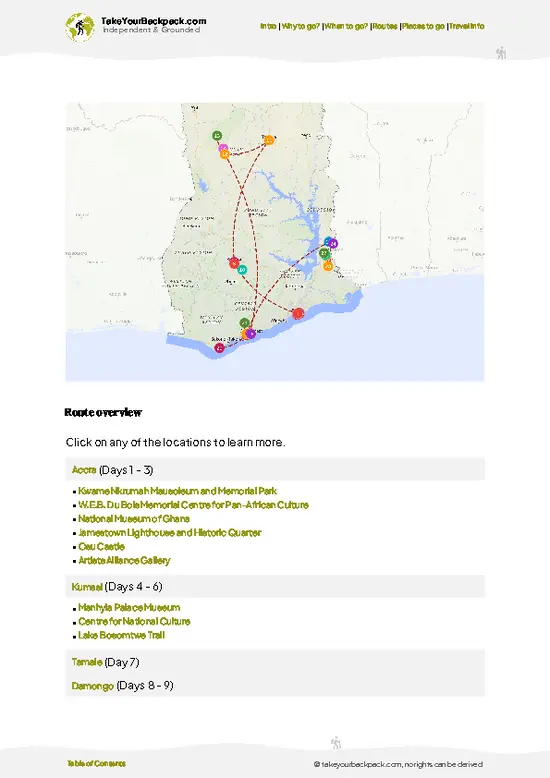
Let’s get real: you’ve seen the photos. The white, spaceship-like structure rising from the heart of Accra. But standing beneath it, you feel the weight of history and ambition. This isn’t just a tomb; it’s a statement. The marble and Italian glass sparkle in the Ghanaian sun, but it’s the silence inside that hits hardest. You’re not just looking at a monument—you’re standing at the crossroads of colonialism and independence, where Ghana’s first president, Kwame Nkrumah, is buried. It’s a place that demands a pause, even from the most jaded traveler.
The Statue of Nkrumah
Ignore the selfie-stick crowd for a second. The bronze statue of Nkrumah, arm outstretched, isn’t just a photo op. It’s a visual manifesto. The pose is deliberate: forward, unyielding, almost defiant. … read more 👉
Let’s get real: you’ve seen the photos. The white, spaceship-like structure rising from the heart of Accra. But standing beneath it, you feel the weight of history and ambition. This isn’t just a tomb; it’s a statement. The marble and Italian glass sparkle in the Ghanaian sun, but it’s the silence inside that hits hardest. You’re not just looking at a monument—you’re standing at the crossroads of colonialism and independence, where Ghana’s first president, Kwame Nkrumah, is buried. It’s a place that demands a pause, even from the most jaded traveler.
The Statue of Nkrumah
Ignore the selfie-stick crowd for a second. The bronze statue of Nkrumah, arm outstretched, isn’t just a photo op. It’s a visual manifesto. The pose is deliberate: forward, unyielding, almost defiant. … read more 👉
The Mausoleum Itself
Let’s get real: you’ve seen the photos. The white, spaceship-like structure rising from the heart of Accra. But standing beneath it, you feel the weight of history and ambition. This isn’t just a tomb; it’s a statement. The marble and Italian glass sparkle in the Ghanaian sun, but it’s the silence inside that hits hardest. You’re not just looking at a monument—you’re standing at the crossroads of colonialism and independence, where Ghana’s first president, Kwame Nkrumah, is buried. It’s a place that demands a pause, even from the most jaded traveler.
The Statue of Nkrumah
Ignore the selfie-stick crowd for a second. The bronze statue of Nkrumah, arm outstretched, isn’t just a photo op. It’s a visual manifesto. The pose is deliberate: forward, unyielding, almost defiant. This is the man who declared Ghana free from British rule, and the statue’s energy is contagious. If you’re looking for a shot of inspiration, stand here for a minute and let the symbolism sink in.
The Museum
This is where the Instagrammers thin out and the real stories begin. The museum is compact but dense, packed with artifacts that tell the story of Nkrumah’s life—from his school days to his years in exile. You’ll see personal effects, original documents, and photos that don’t make it into the glossy travel brochures. The best part? The handwritten letters and speeches. They’re raw, sometimes messy, and utterly human. If you want to understand the man behind the myth, this is where you do it.
The Reflection Pool
It’s easy to overlook, but don’t. The long, shallow pool running up to the mausoleum isn’t just decorative. It’s a deliberate design choice, meant to evoke calm and contemplation. The water reflects the mausoleum and the sky, creating a sense of space that’s rare in Accra’s chaos. Sit here for a few minutes and watch the city blur into the background. This is my personal favorite spot—less for the photo, more for the rare moment of peace it offers in a city that never stops moving.
The Peacocks and Gardens
Yes, there are actual peacocks strutting around the grounds. It’s surreal, almost theatrical, and it adds a layer of unpredictability to the visit. The gardens themselves are meticulously kept, a green oasis in the middle of the city. If you need a break from the heat and the crowds, this is where you’ll find it. The contrast between the manicured lawns and the urban sprawl just outside the gates is sharp—and somehow, it works.
The Changing of the Guard
Not always advertised, but if you catch it, you’ll remember it. The ceremonial changing of the guard is a nod to Ghana’s military traditions and adds a layer of gravitas to the site. It’s not Buckingham Palace, but it’s authentic, and the precision of the soldiers is impressive. If you’re lucky enough to witness it, you’ll feel the respect this place commands.
Let’s get real: you’ve seen the photos. The white, spaceship-like structure rising from the heart of Accra. But standing beneath it, you feel the weight of history and ambition. This isn’t just a tomb; it’s a statement. The marble and Italian glass sparkle in the Ghanaian sun, but it’s the silence inside that hits hardest. You’re not just looking at a monument—you’re standing at the crossroads of colonialism and independence, where Ghana’s first president, Kwame Nkrumah, is buried. It’s a place that demands a pause, even from the most jaded traveler.
The Statue of Nkrumah
Ignore the selfie-stick crowd for a second. The bronze statue of Nkrumah, arm outstretched, isn’t just a photo op. It’s a visual manifesto. The pose is deliberate: forward, unyielding, almost defiant. This is the man who declared Ghana free from British rule, and the statue’s energy is contagious. If you’re looking for a shot of inspiration, stand here for a minute and let the symbolism sink in.
The Museum
This is where the Instagrammers thin out and the real stories begin. The museum is compact but dense, packed with artifacts that tell the story of Nkrumah’s life—from his school days to his years in exile. You’ll see personal effects, original documents, and photos that don’t make it into the glossy travel brochures. The best part? The handwritten letters and speeches. They’re raw, sometimes messy, and utterly human. If you want to understand the man behind the myth, this is where you do it.
The Reflection Pool
It’s easy to overlook, but don’t. The long, shallow pool running up to the mausoleum isn’t just decorative. It’s a deliberate design choice, meant to evoke calm and contemplation. The water reflects the mausoleum and the sky, creating a sense of space that’s rare in Accra’s chaos. Sit here for a few minutes and watch the city blur into the background. This is my personal favorite spot—less for the photo, more for the rare moment of peace it offers in a city that never stops moving.
The Peacocks and Gardens
Yes, there are actual peacocks strutting around the grounds. It’s surreal, almost theatrical, and it adds a layer of unpredictability to the visit. The gardens themselves are meticulously kept, a green oasis in the middle of the city. If you need a break from the heat and the crowds, this is where you’ll find it. The contrast between the manicured lawns and the urban sprawl just outside the gates is sharp—and somehow, it works.
The Changing of the Guard
Not always advertised, but if you catch it, you’ll remember it. The ceremonial changing of the guard is a nod to Ghana’s military traditions and adds a layer of gravitas to the site. It’s not Buckingham Palace, but it’s authentic, and the precision of the soldiers is impressive. If you’re lucky enough to witness it, you’ll feel the respect this place commands.
Spotted a mistake or missing something? Contact us.

Ghana Heritage Tours - Beyond The Return

Cape Coast Castle, Assin Manso Slave River & Kakum Day Tour.

Cape Coast Castle and Kakum Canopy Walk Day Tour

African Drum and Dance Lessons

Makola Market Walking Tour

Full-Day Private Culture and History Tour of Accra

Experience Authentic Ghana in a Personalized Accra City Tour

Cape Coast/Elmina Slave Dungeon and Canopy Walkway Private Tour

Full Day Tour Waterfalls Quad biking and Aburi Botanical Gardens


 Best Backpacking
.jpg) Hi, I’m Johan (Netherlands 🇳🇱), the creator of TakeYourBackpack. Over the past decade, I’ve backpacked through 80+ countries across six continents, gaining extensive experience with independent travel, long-term trips, and overland routes.
Hi, I’m Johan (Netherlands 🇳🇱), the creator of TakeYourBackpack. Over the past decade, I’ve backpacked through 80+ countries across six continents, gaining extensive experience with independent travel, long-term trips, and overland routes.