How many hikes to plan: Plan on three to four hikes in a ten-day trip, and treat a fifth as a bonus. Distances in Greenland are crossed by plane or boat, never by road, so every extra trailhead costs you a travel day, a weather gamble and often US$250 to 600 in tickets. Three or four hikes leave room for the day your flight sits grounded by fog, which happens often enough that you should expect it. The payoff is time to stand on a ridge with nobody else in sight, the only sound being meltwater ticking through moss.
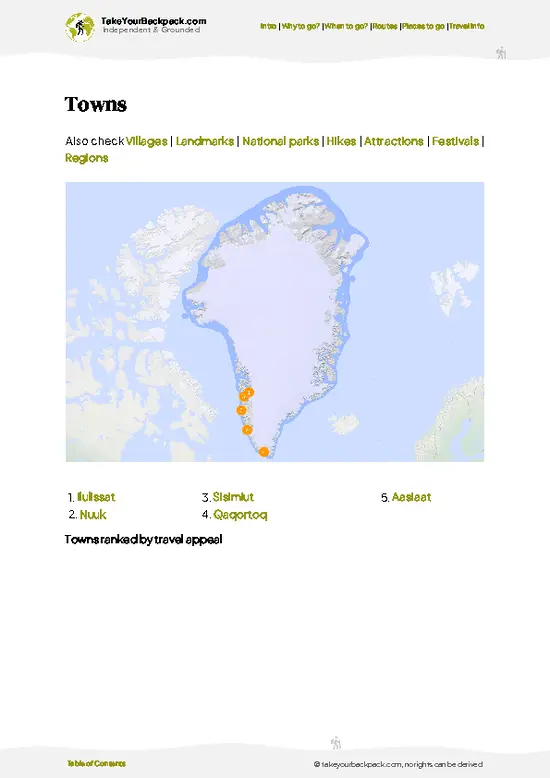
Which kind suits your style: Choose by how much logistics you can stomach. If you want simple and affordable, pick settlement-based day hikes around towns such as Ilulissat, Sisimiut or Narsaq. You sleep in a hostel bed, walk out the door, and return to a hot shower and a plate …
read more 👉 How many hikes to plan: Plan on three to four hikes in a ten-day trip, and treat a fifth as a bonus. Distances in Greenland are crossed by plane or boat, never by road, so every extra trailhead costs you a travel day, a weather gamble and often US$250 to 600 in tickets. Three or four hikes leave room for the day your flight sits grounded by fog, which happens often enough that you should expect it. The payoff is time to stand on a ridge with nobody else in sight, the only sound being meltwater ticking through moss.
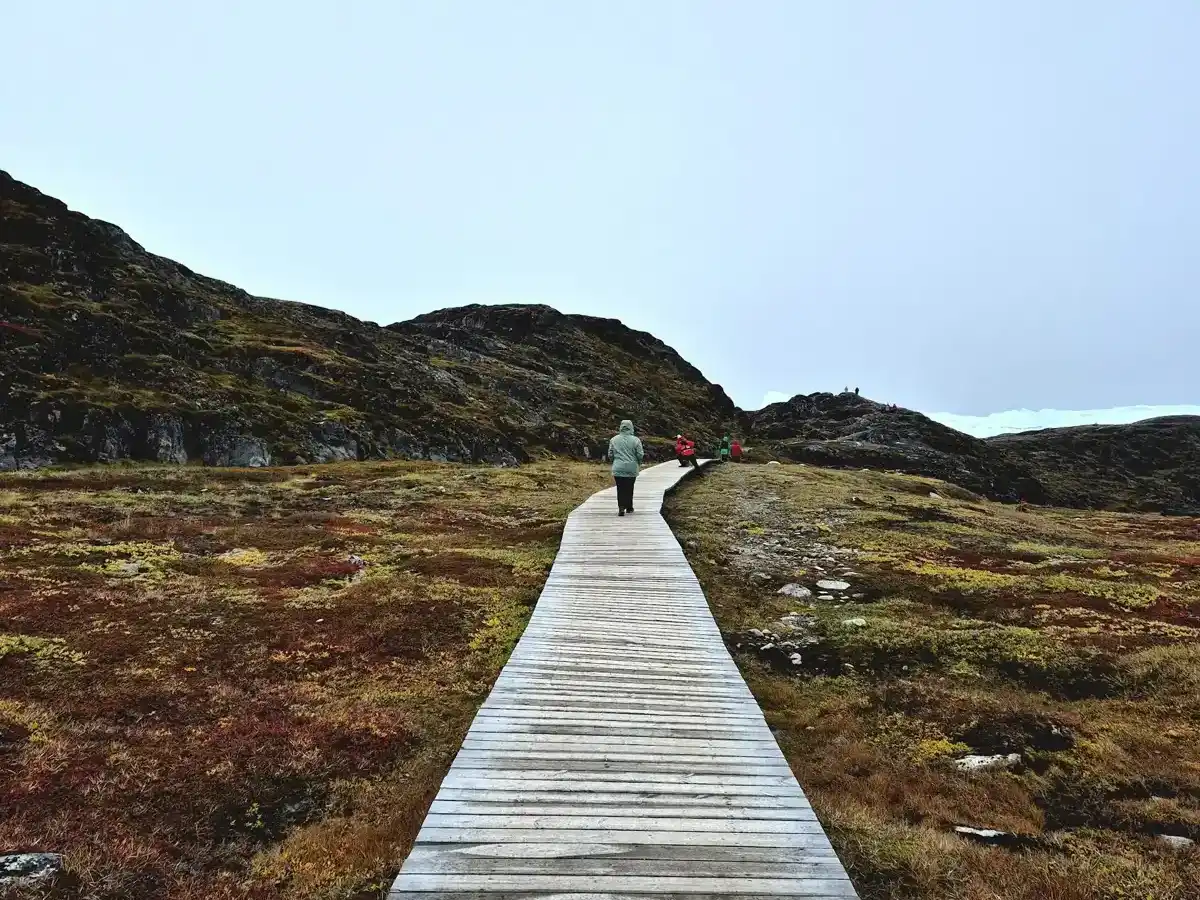
Which kind suits your style: Choose by how much logistics you can stomach. If you want simple and affordable, pick settlement-based day hikes around towns such as Ilulissat, Sisimiut or Narsaq. You sleep in a hostel bed, walk out the door, and return to a hot shower and a plate of fried Arctic char. Cairn-marked paths here are firm underfoot, though bog and loose scree turn up without warning.
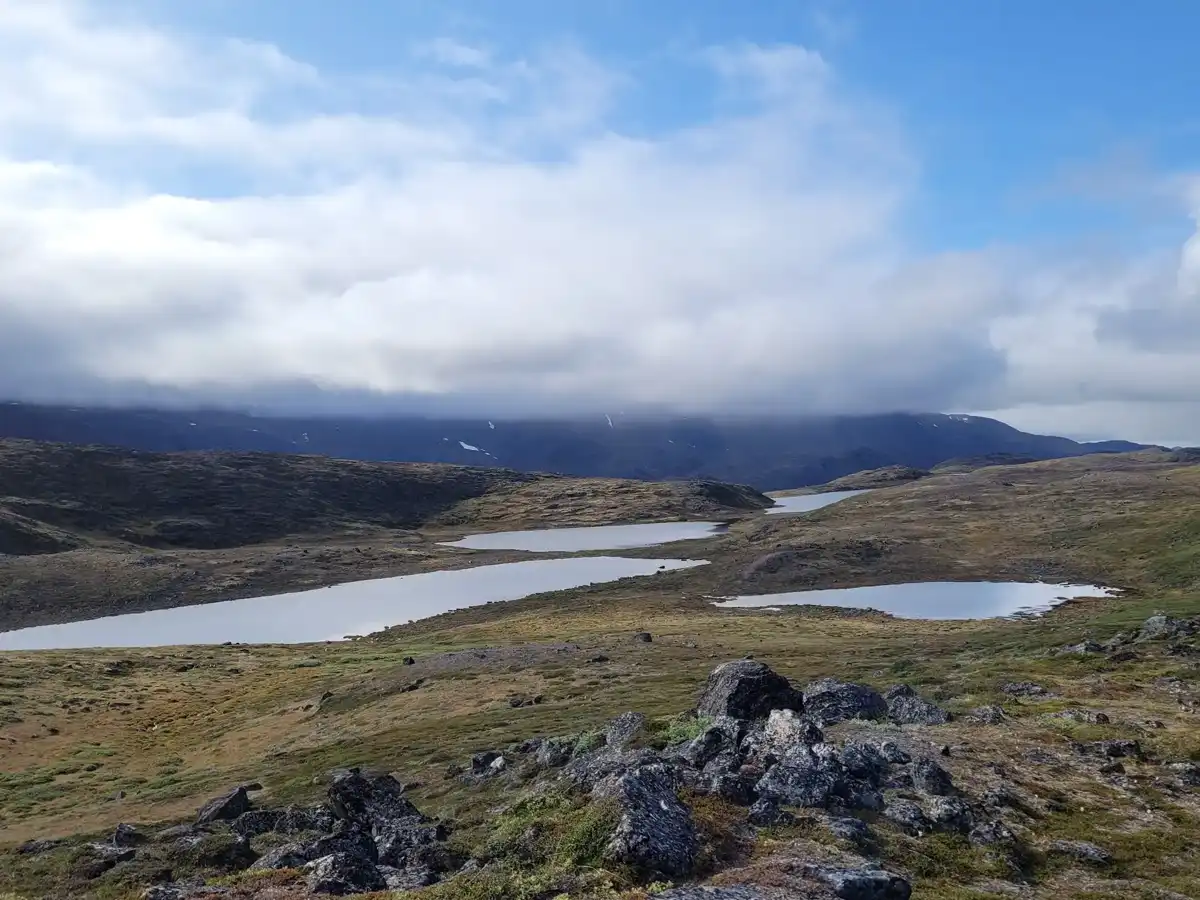
If you are comfortable carrying a tent and food, the long-distance routes are the headline. The Arctic Circle Trail between Kangerlussuaq and Sisimiut runs about 160 kilometers and takes 7 to 12 days. Huts and wind shelters are free to use, but you cook on your own stove, and the nights bring wind that flaps a tent like a wet sail. Expect swampy tundra, river fords that can be thigh deep after rain, and lake water cold enough to ache your teeth.
If you want glaciers and fjords at full scale, in the south or east, expect fewer marked paths, more boat transfers and higher prices. That is a choice for experienced navigators with time to spare. You are repaid with silence broken only by calving ice, and light that turns granite pink at 11 at night in midsummer.
What it costs: Budget US$110 to 200 a day for a self-catered trip using hostels and public transport, and US$40 to 70 a day while actually on a multi-day trail, where you carry your own food. Groceries are the surprise: a loaf of bread, cheese and a few vegetables can cost two to three times what you pay in Denmark or the US, so many walkers bring freeze-dried meals from home. Stove fuel cartridges cannot go on planes, so buy them locally, around US$8 to 15.
Transport is the big line. Domestic flights on Air Greenland typically run US$150 to 450 per leg, and settlement-to-settlement boats US$40 to 150. Guided day hikes cost around US$90 to 200, a multi-day guided trek US$250 to 450 a day with gear and food included. Most marked trails charge no entry fee, but hut and campsite spots sometimes carry small local charges, so carry some Danish kroner (DKK) in cash, since cards work in towns but not at trailheads. Over a full ten days, US$2,000 to 3,500 is a realistic total, including flights from Copenhagen or Reykjavik if you add them separately.
Safety on the ground: The weather is your main hazard, not wildlife. Fog drops within minutes, snow can fall in any month, and a fast wind off the ice cap strips the heat from wet clothes. Carry a paper map, a compass and a GPS, and a satellite messenger or a rented emergency beacon, because mobile signal vanishes outside towns. Rescue is slow, and a helicopter may take hours or days to reach you.
Mosquitoes in July are fierce near lakes and tundra, so pack a head net and repellent. Polar bears are rare on most trekking areas but present in the northeast, where guides carry rifles, so go only with an authorized operator. In the south, you may find sheep wandering the trails, and farmers expect you to close gates behind you.
Cultural considerations: Most land near settlements is used for hunting, fishing and grazing, so treat it as a working landscape. Ask before photographing people, and never touch drying fish or meat racks. Hunters shoot seals and whales for food, and you may see skins stretched outside houses or catch a strong scent of seal fat. Greet people in the street with a nod and a smile, and a few words of Greenlandic, such as “qujanaq” (thank you), go a long way. Pack out every scrap of trash, including toilet paper, since the cold slows decomposition for years.

 Best Backpacking
 Hi, I’m Johan (Netherlands 🇳🇱), the creator of TakeYourBackpack. Over the past 3 decades, I’ve backpacked through 90+ countries across six continents, gaining extensive experience with independent travel, long-term trips, and overland routes.