1. Real Chamorro Food Stalls
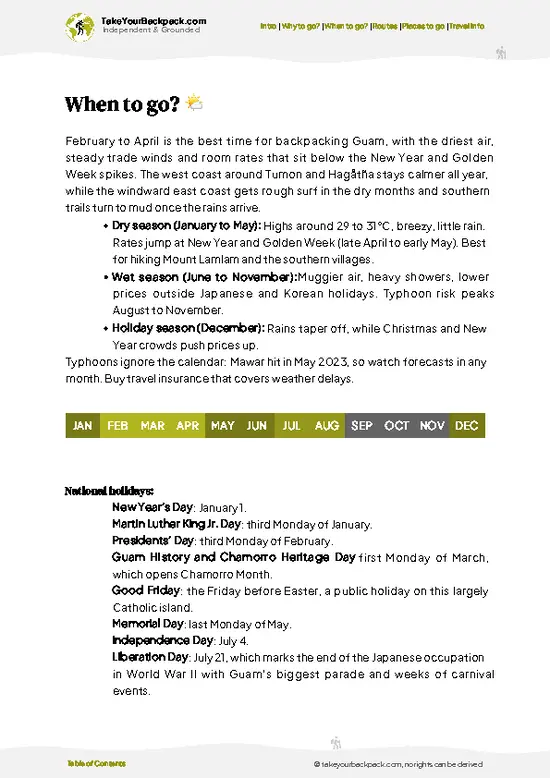
Forget the Instagram shots of rainbow shave ice and generic “island BBQ.” The Chamorro Village Night Market is a full-contact sport for your taste buds. The real draw is the smoky, open-flame grills pumping out chicken kelaguen, red rice, and ribs lacquered in finadene sauce. You’ll see locals lining up for plates that look messy and taste like a backyard party—because that’s what this is for Guam’s families. The food is affordable, messy, and made to be eaten with your hands. If you’re not elbow-to-elbow with strangers at a folding table, you’re doing it wrong.
2. The Dance Shows (and Spontaneous Crowd Participation)
Yes, there are scheduled performances—expect traditional Chamorro and Micronesian dance troupes, sometimes with fire, always with drums. But the … read more 👉
Forget the Instagram shots of rainbow shave ice and generic “island BBQ.” The Chamorro Village Night Market is a full-contact sport for your taste buds. The real draw is the smoky, open-flame grills pumping out chicken kelaguen, red rice, and ribs lacquered in finadene sauce. You’ll see locals lining up for plates that look messy and taste like a backyard party—because that’s what this is for Guam’s families. The food is affordable, messy, and made to be eaten with your hands. If you’re not elbow-to-elbow with strangers at a folding table, you’re doing it wrong.
2. The Dance Shows (and Spontaneous Crowd Participation)
Yes, there are scheduled performances—expect traditional Chamorro and Micronesian dance troupes, sometimes with fire, always with drums. But the … read more 👉
1. Real Chamorro Food Stalls
Forget the Instagram shots of rainbow shave ice and generic “island BBQ.” The Chamorro Village Night Market is a full-contact sport for your taste buds. The real draw is the smoky, open-flame grills pumping out chicken kelaguen, red rice, and ribs lacquered in finadene sauce. You’ll see locals lining up for plates that look messy and taste like a backyard party—because that’s what this is for Guam’s families. The food is affordable, messy, and made to be eaten with your hands. If you’re not elbow-to-elbow with strangers at a folding table, you’re doing it wrong.
2. The Dance Shows (and Spontaneous Crowd Participation)
Yes, there are scheduled performances—expect traditional Chamorro and Micronesian dance troupes, sometimes with fire, always with drums. But the real magic is when the line between performer and audience blurs. Kids get pulled up to try a stick dance. Aunties in flip-flops start a conga line. It’s not a polished, Vegas-style luau; it’s a community flexing its cultural pride, and you’re invited to join the chaos. Don’t just watch—jump in.
3. The Carabao Rides
You’ll see the carabao—a hulking, horned water buffalo—before you see the sign. It’s not a tourist trap; it’s a rite of passage for local kids and a living link to Guam’s agricultural roots. For a few bucks, you can hop on for a slow, lurching ride around the market. It’s not glamorous, but it’s a memory you’ll laugh about later, especially when you realize how much the carabao doesn’t care about your selfie.
4. The Open-Air Market Vibe
This isn’t a sanitized, airbrushed “cultural village.” It’s a sensory overload: smoke from the grills, ukulele buskers competing with the thump of dance music, the smell of coconut oil and fried lumpia. You’ll dodge kids on scooters and aunties selling homemade pickles. The crowd is a mix of military families, local teens, and tourists, all sweating under the same string lights. It’s chaotic, loud, and absolutely alive.
5. Local Handicrafts and Pop-Up Artists
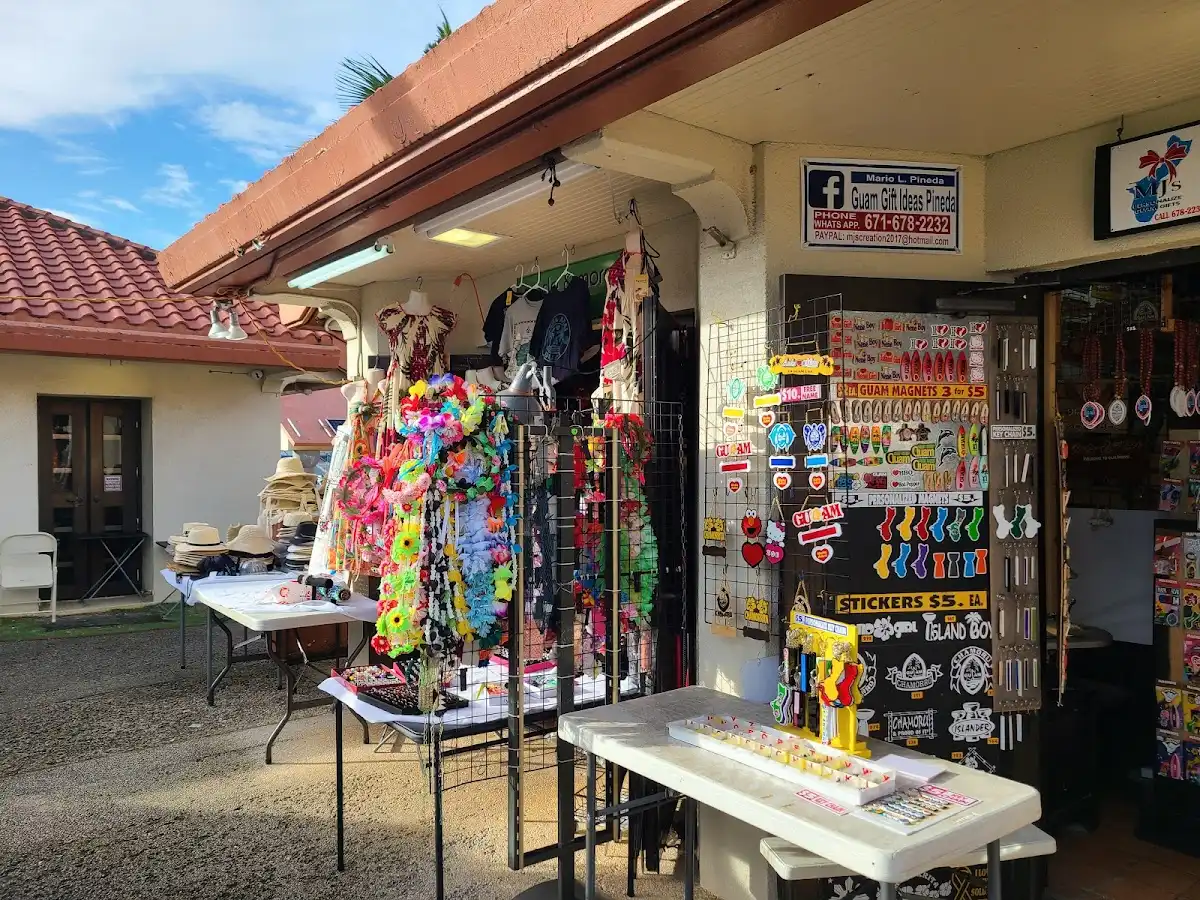
Skip the airport gift shop. Here, you’ll find shell jewelry, woven hats, and wood carvings made by people who actually live on the island. Some stalls are run by high schoolers hustling for college money; others by grandmas who’ve been weaving since before Guam had traffic lights. Prices are negotiable, but the stories behind the crafts are the real souvenirs.
6. The After-Dark Social Scene
The market is where Guam’s social life comes out to play. Teens flirt over skewers, families gossip, and everyone seems to know everyone. If you want to see what “island time” really means, hang around after the official closing. The music lingers, the grills keep sizzling, and the best conversations happen when the crowds thin out. This is Guam unplugged—no filter, no script, just people living out loud.
Forget the Instagram shots of rainbow shave ice and generic “island BBQ.” The Chamorro Village Night Market is a full-contact sport for your taste buds. The real draw is the smoky, open-flame grills pumping out chicken kelaguen, red rice, and ribs lacquered in finadene sauce. You’ll see locals lining up for plates that look messy and taste like a backyard party—because that’s what this is for Guam’s families. The food is affordable, messy, and made to be eaten with your hands. If you’re not elbow-to-elbow with strangers at a folding table, you’re doing it wrong.
2. The Dance Shows (and Spontaneous Crowd Participation)
Yes, there are scheduled performances—expect traditional Chamorro and Micronesian dance troupes, sometimes with fire, always with drums. But the real magic is when the line between performer and audience blurs. Kids get pulled up to try a stick dance. Aunties in flip-flops start a conga line. It’s not a polished, Vegas-style luau; it’s a community flexing its cultural pride, and you’re invited to join the chaos. Don’t just watch—jump in.
3. The Carabao Rides
You’ll see the carabao—a hulking, horned water buffalo—before you see the sign. It’s not a tourist trap; it’s a rite of passage for local kids and a living link to Guam’s agricultural roots. For a few bucks, you can hop on for a slow, lurching ride around the market. It’s not glamorous, but it’s a memory you’ll laugh about later, especially when you realize how much the carabao doesn’t care about your selfie.
4. The Open-Air Market Vibe
This isn’t a sanitized, airbrushed “cultural village.” It’s a sensory overload: smoke from the grills, ukulele buskers competing with the thump of dance music, the smell of coconut oil and fried lumpia. You’ll dodge kids on scooters and aunties selling homemade pickles. The crowd is a mix of military families, local teens, and tourists, all sweating under the same string lights. It’s chaotic, loud, and absolutely alive.
5. Local Handicrafts and Pop-Up Artists
Skip the airport gift shop. Here, you’ll find shell jewelry, woven hats, and wood carvings made by people who actually live on the island. Some stalls are run by high schoolers hustling for college money; others by grandmas who’ve been weaving since before Guam had traffic lights. Prices are negotiable, but the stories behind the crafts are the real souvenirs.
6. The After-Dark Social Scene
The market is where Guam’s social life comes out to play. Teens flirt over skewers, families gossip, and everyone seems to know everyone. If you want to see what “island time” really means, hang around after the official closing. The music lingers, the grills keep sizzling, and the best conversations happen when the crowds thin out. This is Guam unplugged—no filter, no script, just people living out loud.
Spotted a mistake or missing something? Contact us.
v2.webp)


Best Backpacking
Hi, I’m Johan (Netherlands 🇳🇱), the creator of TakeYourBackpack. Over the past decade, I’ve backpacked through 80+ countries across six continents, gaining extensive experience with independent travel, long-term trips, and overland routes.