

The Sherman Tank Out Front
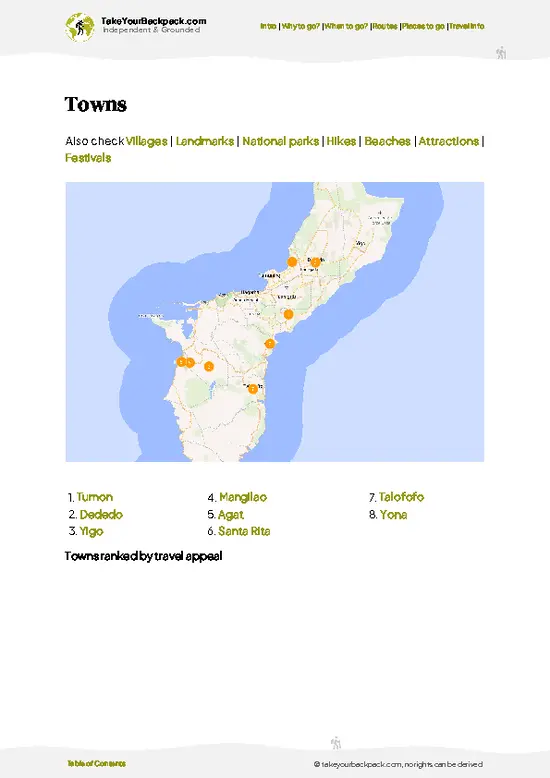
Before you even step inside, you’re greeted by a battered Sherman tank that looks like it’s been through hell—because it has. This isn’t some sanitized, polished prop. It’s a real relic, left behind from the Battle of Guam, still scarred by shrapnel and salt. It’s a blunt, metal reminder that war happened right here, not in some distant movie. Kids climb on it, veterans get quiet around it, and everyone gets a gut-check: this is history you can touch.
The Personal Artifacts Room
Forget the generic uniforms behind glass. Here, you’ll find dog tags, hand-written letters, and battered canteens—actual belongings of soldiers and civilians who lived through the Pacific War. The stories behind these objects are raw and personal. You’ll see a child’s toy next to a helmet, … read more 👉
Before you even step inside, you’re greeted by a battered Sherman tank that looks like it’s been through hell—because it has. This isn’t some sanitized, polished prop. It’s a real relic, left behind from the Battle of Guam, still scarred by shrapnel and salt. It’s a blunt, metal reminder that war happened right here, not in some distant movie. Kids climb on it, veterans get quiet around it, and everyone gets a gut-check: this is history you can touch.
The Personal Artifacts Room
Forget the generic uniforms behind glass. Here, you’ll find dog tags, hand-written letters, and battered canteens—actual belongings of soldiers and civilians who lived through the Pacific War. The stories behind these objects are raw and personal. You’ll see a child’s toy next to a helmet, … read more 👉
The Sherman Tank Out Front
Before you even step inside, you’re greeted by a battered Sherman tank that looks like it’s been through hell—because it has. This isn’t some sanitized, polished prop. It’s a real relic, left behind from the Battle of Guam, still scarred by shrapnel and salt. It’s a blunt, metal reminder that war happened right here, not in some distant movie. Kids climb on it, veterans get quiet around it, and everyone gets a gut-check: this is history you can touch.
The Personal Artifacts Room
Forget the generic uniforms behind glass. Here, you’ll find dog tags, hand-written letters, and battered canteens—actual belongings of soldiers and civilians who lived through the Pacific War. The stories behind these objects are raw and personal. You’ll see a child’s toy next to a helmet, and suddenly the war isn’t just dates and maps; it’s families, fear, and survival. This room doesn’t sugarcoat anything. It’s intimate, sometimes uncomfortable, and absolutely essential.
The Japanese Tunnel Exhibit
Most museums would show you a diagram. Here, you duck into a reconstructed Japanese tunnel, crouching through the claustrophobic darkness that soldiers endured for weeks. The air is thick, the walls close in, and the audio—distant shelling, whispered orders—makes it impossible to forget that this was real. It’s not a thrill ride, but it’s the closest you’ll get to understanding the psychological grind of island warfare without a time machine.
The Battle Maps and Animated Displays
If you’re tired of staring at static maps, this is your antidote. The museum’s digital displays break down the chaos of the Pacific campaign with moving graphics, timelines, and sound. You’ll see how the battles unfolded, who was where, and why it mattered. It’s not just for military buffs; even if you slept through history class, these displays make the strategy and stakes click. You’ll walk away with a real sense of why Guam was so fiercely contested.
The Survivor Testimonies Video Room
This is where the Instagram crowd thins out. You sit in a darkened room and watch interviews with Chamorro survivors, American veterans, and Japanese soldiers. No filters, no melodrama—just people telling what happened to them. Some stories are brutal, some are quietly heroic, all are unforgettable. It’s the emotional core of the museum, and if you’re not moved, check your pulse.
The Outdoor Memorial Garden
Step outside and the noise drops away. The memorial garden isn’t flashy, but it’s where locals come to remember. Names are etched in stone, flowers are left by families, and the Pacific breeze carries the weight of memory. It’s a place for reflection, not selfies. If you want to understand what the war means to Guam today, spend a few minutes here. The real magic isn’t in the artifacts—it’s in the silence.
Before you even step inside, you’re greeted by a battered Sherman tank that looks like it’s been through hell—because it has. This isn’t some sanitized, polished prop. It’s a real relic, left behind from the Battle of Guam, still scarred by shrapnel and salt. It’s a blunt, metal reminder that war happened right here, not in some distant movie. Kids climb on it, veterans get quiet around it, and everyone gets a gut-check: this is history you can touch.
The Personal Artifacts Room
Forget the generic uniforms behind glass. Here, you’ll find dog tags, hand-written letters, and battered canteens—actual belongings of soldiers and civilians who lived through the Pacific War. The stories behind these objects are raw and personal. You’ll see a child’s toy next to a helmet, and suddenly the war isn’t just dates and maps; it’s families, fear, and survival. This room doesn’t sugarcoat anything. It’s intimate, sometimes uncomfortable, and absolutely essential.
The Japanese Tunnel Exhibit
Most museums would show you a diagram. Here, you duck into a reconstructed Japanese tunnel, crouching through the claustrophobic darkness that soldiers endured for weeks. The air is thick, the walls close in, and the audio—distant shelling, whispered orders—makes it impossible to forget that this was real. It’s not a thrill ride, but it’s the closest you’ll get to understanding the psychological grind of island warfare without a time machine.
The Battle Maps and Animated Displays
If you’re tired of staring at static maps, this is your antidote. The museum’s digital displays break down the chaos of the Pacific campaign with moving graphics, timelines, and sound. You’ll see how the battles unfolded, who was where, and why it mattered. It’s not just for military buffs; even if you slept through history class, these displays make the strategy and stakes click. You’ll walk away with a real sense of why Guam was so fiercely contested.
The Survivor Testimonies Video Room
This is where the Instagram crowd thins out. You sit in a darkened room and watch interviews with Chamorro survivors, American veterans, and Japanese soldiers. No filters, no melodrama—just people telling what happened to them. Some stories are brutal, some are quietly heroic, all are unforgettable. It’s the emotional core of the museum, and if you’re not moved, check your pulse.
The Outdoor Memorial Garden
Step outside and the noise drops away. The memorial garden isn’t flashy, but it’s where locals come to remember. Names are etched in stone, flowers are left by families, and the Pacific breeze carries the weight of memory. It’s a place for reflection, not selfies. If you want to understand what the war means to Guam today, spend a few minutes here. The real magic isn’t in the artifacts—it’s in the silence.
Spotted a mistake or missing something? Contact us.
v2.webp)


Best Backpacking
Hi, I’m Johan (Netherlands 🇳🇱), the creator of TakeYourBackpack. Over the past decade, I’ve backpacked through 80+ countries across six continents, gaining extensive experience with independent travel, long-term trips, and overland routes.