The Maya Ceramics Collection
Forget the glass-case fatigue you get at most museums. The Popol Vuh’s ceramics are a direct line to the ancient Maya sense of humor, drama, and daily life. You’ll see painted vases with scenes of gods getting tipsy, ballplayers mid-action, and even a few pieces that look like they were made by someone who’d had a long day in the fields. The detail is wild—look close and you’ll spot fingerprints from the original artists. This isn’t just art; it’s gossip, politics, and party stories fired into clay.
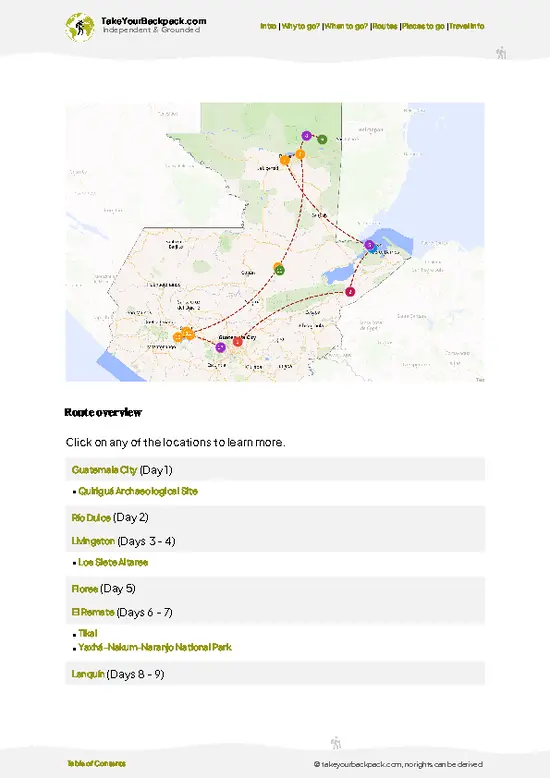
The Jade Room
Jade is Guatemala’s emerald—coveted, fought over, and carved into everything from royal masks to tiny, perfect beads. The Popol Vuh’s jade collection is small but mighty. You’ll see pieces that once adorned kings and queens, and you’ll get why the Maya … read more 👉
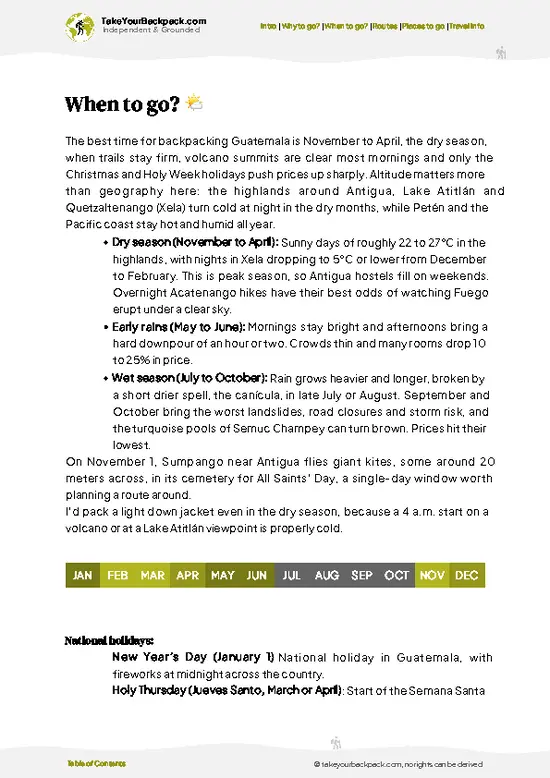
Forget the glass-case fatigue you get at most museums. The Popol Vuh’s ceramics are a direct line to the ancient Maya sense of humor, drama, and daily life. You’ll see painted vases with scenes of gods getting tipsy, ballplayers mid-action, and even a few pieces that look like they were made by someone who’d had a long day in the fields. The detail is wild—look close and you’ll spot fingerprints from the original artists. This isn’t just art; it’s gossip, politics, and party stories fired into clay.
The Jade Room
Jade is Guatemala’s emerald—coveted, fought over, and carved into everything from royal masks to tiny, perfect beads. The Popol Vuh’s jade collection is small but mighty. You’ll see pieces that once adorned kings and queens, and you’ll get why the Maya … read more 👉
The Maya Ceramics Collection
Forget the glass-case fatigue you get at most museums. The Popol Vuh’s ceramics are a direct line to the ancient Maya sense of humor, drama, and daily life. You’ll see painted vases with scenes of gods getting tipsy, ballplayers mid-action, and even a few pieces that look like they were made by someone who’d had a long day in the fields. The detail is wild—look close and you’ll spot fingerprints from the original artists. This isn’t just art; it’s gossip, politics, and party stories fired into clay.
The Jade Room
Jade is Guatemala’s emerald—coveted, fought over, and carved into everything from royal masks to tiny, perfect beads. The Popol Vuh’s jade collection is small but mighty. You’ll see pieces that once adorned kings and queens, and you’ll get why the Maya risked everything to control these green stones. The color alone is hypnotic, but the real magic is in the craftsmanship: smooth, impossibly thin pendants and intricate mosaics that survived centuries of chaos.
The Stelae and Stone Monuments
These aren’t just rocks with faces. The stelae at Popol Vuh are ancient billboards—propaganda, family trees, and cosmic calendars all at once. Stand in front of one and you’re face-to-face with a Maya ruler from 1,200 years ago, staring you down across time. The carvings are deep, the glyphs are mysterious, and the sense of presence is undeniable. If you want to feel the weight of history, this is where it hits.
The Colonial Artifacts
Most people come for the Maya, but the colonial section is where you see the collision of worlds. Spanish swords next to Maya incense burners. Catholic saints carved with indigenous faces. It’s messy, it’s complicated, and it’s real history—no sugarcoating. The religious art here is raw and sometimes unsettling, but it tells the story of Guatemala’s identity crisis better than any textbook.
The Popol Vuh Manuscript Facsimile
This is the museum’s namesake and its soul. The Popol Vuh is the Maya creation epic—think Genesis meets Star Wars, but with more jaguars and cosmic tricksters. The original manuscript is locked away, but the facsimile here lets you get close to the myth that shaped a civilization. The illustrations are wild, the story is stranger than fiction, and if you read even a snippet, you’ll see why this isn’t just a museum piece—it’s a living, breathing legend. (Personal favorite: nothing else in the building feels this electric.)
The Museum’s Architecture and Setting
Here’s the curveball: the building itself is a highlight. It’s tucked inside a university campus, so you dodge the usual tourist circus. The layout is compact, the lighting is gentle, and you can actually hear yourself think. No crowds elbowing for selfies, just you and the artifacts. It’s the rare museum where you can linger, breathe, and let the stories sink in. That’s the real luxury.
Forget the glass-case fatigue you get at most museums. The Popol Vuh’s ceramics are a direct line to the ancient Maya sense of humor, drama, and daily life. You’ll see painted vases with scenes of gods getting tipsy, ballplayers mid-action, and even a few pieces that look like they were made by someone who’d had a long day in the fields. The detail is wild—look close and you’ll spot fingerprints from the original artists. This isn’t just art; it’s gossip, politics, and party stories fired into clay.
The Jade Room
Jade is Guatemala’s emerald—coveted, fought over, and carved into everything from royal masks to tiny, perfect beads. The Popol Vuh’s jade collection is small but mighty. You’ll see pieces that once adorned kings and queens, and you’ll get why the Maya risked everything to control these green stones. The color alone is hypnotic, but the real magic is in the craftsmanship: smooth, impossibly thin pendants and intricate mosaics that survived centuries of chaos.
The Stelae and Stone Monuments
These aren’t just rocks with faces. The stelae at Popol Vuh are ancient billboards—propaganda, family trees, and cosmic calendars all at once. Stand in front of one and you’re face-to-face with a Maya ruler from 1,200 years ago, staring you down across time. The carvings are deep, the glyphs are mysterious, and the sense of presence is undeniable. If you want to feel the weight of history, this is where it hits.
The Colonial Artifacts
Most people come for the Maya, but the colonial section is where you see the collision of worlds. Spanish swords next to Maya incense burners. Catholic saints carved with indigenous faces. It’s messy, it’s complicated, and it’s real history—no sugarcoating. The religious art here is raw and sometimes unsettling, but it tells the story of Guatemala’s identity crisis better than any textbook.
The Popol Vuh Manuscript Facsimile
This is the museum’s namesake and its soul. The Popol Vuh is the Maya creation epic—think Genesis meets Star Wars, but with more jaguars and cosmic tricksters. The original manuscript is locked away, but the facsimile here lets you get close to the myth that shaped a civilization. The illustrations are wild, the story is stranger than fiction, and if you read even a snippet, you’ll see why this isn’t just a museum piece—it’s a living, breathing legend. (Personal favorite: nothing else in the building feels this electric.)
The Museum’s Architecture and Setting
Here’s the curveball: the building itself is a highlight. It’s tucked inside a university campus, so you dodge the usual tourist circus. The layout is compact, the lighting is gentle, and you can actually hear yourself think. No crowds elbowing for selfies, just you and the artifacts. It’s the rare museum where you can linger, breathe, and let the stories sink in. That’s the real luxury.
Spotted a mistake or missing something? Contact us.
v2.webp)


Best Backpacking
Hi, I’m Johan (Netherlands 🇳🇱), the creator of TakeYourBackpack. Over the past decade, I’ve backpacked through 80+ countries across six continents, gaining extensive experience with independent travel, long-term trips, and overland routes.