v2.webp)
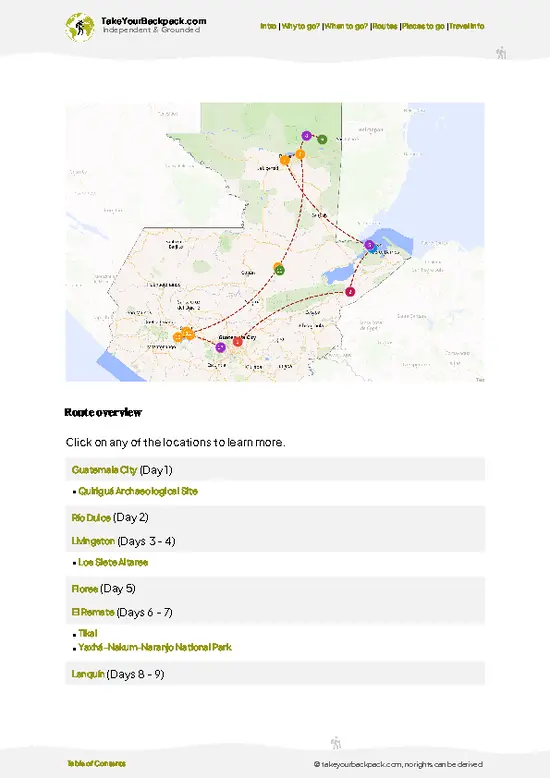
- Friday Market: The town’s defining event. Live animals, woven blankets, secondhand clothes and food stalls spread across the slopes. Arrive by 8 AM, allow 2 to 3 hours, and entry is free.
- Animal Market: Pigs, goats, sheep and chickens change hands in a separate area, loud and earthy. Go early, free, about 45 minutes.
- Church of San Francisco de Asís: The main church above the plaza is a quiet refuge from the market crush, with local worshippers and candles. Free, 20 to 30 minutes, best before noon.
- Church rooftop: Narrow stairs beside the church’s main doors lead up to the roof, with views over the Quetzaltenango valley and surrounding volcanoes. Best in the clear early morning, a fee of under US$1, about 30 minutes.
- Textile and Clothing Stalls: Handwoven wool and cotton pieces sit among the cheaper
- Friday Market: The town’s defining event. Live animals, woven blankets, secondhand clothes and food stalls spread across the slopes. Arrive by 8 AM, allow 2 to 3 hours, and entry is free.
- Animal Market: Pigs, goats, sheep and chickens change hands in a separate area, loud and earthy. Go early, free, about 45 minutes.
- Church of San Francisco de Asís: The main church above the plaza is a quiet refuge from the market crush, with local worshippers and candles. Free, 20 to 30 minutes, best before noon.
- Church rooftop: Narrow stairs beside the church’s main doors lead up to the roof, with views over the Quetzaltenango valley and surrounding volcanoes. Best in the clear early morning, a fee of under US$1, about 30 minutes.
- Textile and Clothing Stalls: Handwoven wool and cotton pieces sit among the cheaper factory goods, and bargaining is expected. Budget US$3 to 20, 1 hour.
Spotted a mistake or missing something? Contact us.

Trek to Chicabal Volcano and Lagoon near Quetzaltenango , Guatemala

Shared Trolley Adventure: Xela's Memorable Landmarks

Hands On Guatemalan Shoe Making

Iconic Yellow Church + Mayan Market + Small Town: Cultural Tour

Hike Sacred Lake Chicabal, then Tour a Mayan Village - Full Day

Natural Hot Springs Experience and visit an Authentic Mayan Market

Volunteer and Explore in a Mayan Village - Full Day

Romantic tour in Quetzaltenango

Quetzaltenango Historic Walking Tour


 Best Backpacking
.jpg) Hi, I’m Johan (Netherlands 🇳🇱), the creator of TakeYourBackpack. Over the past 3 decades, I’ve backpacked through 90+ countries across six continents, gaining extensive experience with independent travel, long-term trips, and overland routes.
Hi, I’m Johan (Netherlands 🇳🇱), the creator of TakeYourBackpack. Over the past 3 decades, I’ve backpacked through 90+ countries across six continents, gaining extensive experience with independent travel, long-term trips, and overland routes.