×

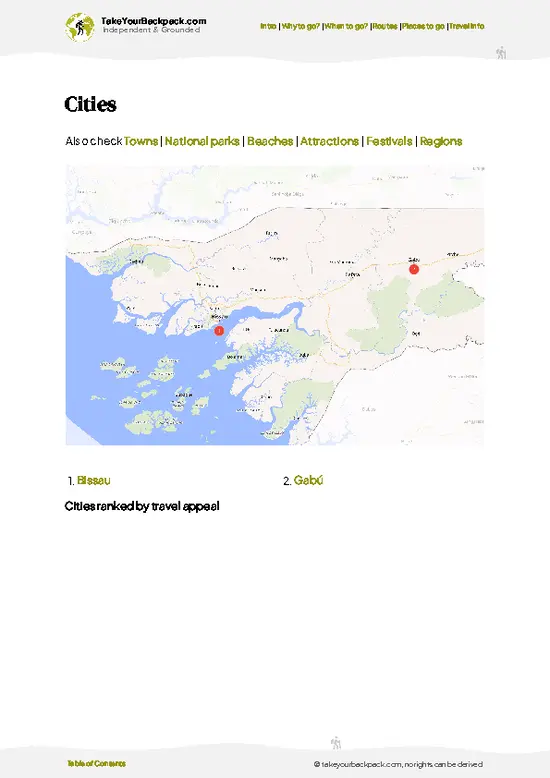
Guinea-Bissau🇬🇼 | citiesGabúsavanna edge, regional trading hub, Fula influences | things to do and best time to go

Explore CacheuExplore Bijagós Archipelago Festival

Backpacking in Gabú
🌟 Highlightcity ranked #2
By Johan Kruseman 🇳🇱 | Updated May 20, 2026

Gabú is not for the traveler who needs polished hostels, curated nightlife, or a parade of Instagrammable landmarks. If you crave the comfort of tourist infrastructure or expect English menus and cappuccinos on every corner, you’ll be frustrated here. But for backpackers who thrive on raw, real-world travel—Gabú is a fascinating case study in West African daily life. Tucked in the eastern reaches of Guinea-Bissau, near the Senegalese and Guinean borders, Gabú is a crossroads town with a pulse shaped by trade, migration, and the slow churn of history. There’s no grand museum or famous square, but the city’s central market is a sensory overload, and the faded colonial buildings hint at a layered past. You won’t find many fellow travelers—this is a place where you’ll stand out, for better or worse. It’s cheap, generally safe if you keep your wits, and offers a gritty, unfiltered contrast to the coastal calm of Bissau or the Cashew Coast. Gabú’s vibe is pragmatic, a little rough around the edges, but undeniably alive.

Discover everything you want to know in the 📖 Guinea-Bissau Travel Guide.
Loading the map 🌍
CLICK TO FILTER
city
town
unique site
national park
hike
beach
attraction
festival
region
SHOW COUNTRY’S BESTSHOW ALL

✨ Why go?
Ranked #2 city in Guinea-Bissau
Why Gabú should be on your travel list

Gabú is a strategic basecamp for backpackers exploring Guinea-Bissau. It offers a unique blend of affordability and accessibility, making it a smart choice for those on a budget. The hostels here are not just places to crash; they foster a community vibe, perfect for meeting fellow travelers and sharing tips.

The city is walkable, allowing you to soak in the local culture without the hassle of transportation. You can easily grab a bite at local eateries, where the food is both delicious and inexpensive. When the sun sets, the nightlife offers a relaxed atmosphere, ideal for unwinding after a day of exploration.

Gabú also serves as a launchpad for day trips to nearby attractions, maximizing your experience without draining your wallet. If you’re looking to blend comfort with adventure, this … read more 👉
Gabú is a strategic basecamp for backpackers exploring Guinea-Bissau. It offers a unique blend of affordability and accessibility, making it a smart choice for those on a budget. The hostels here are not just places to crash; they foster a community vibe, perfect for meeting fellow travelers and sharing tips.

The city is walkable, allowing you to soak in the local culture without the hassle of transportation. You can easily grab a bite at local eateries, where the food is both delicious and inexpensive. When the sun sets, the nightlife offers a relaxed atmosphere, ideal for unwinding after a day of exploration.

Gabú also serves as a launchpad for day trips to nearby attractions, maximizing your experience without draining your wallet. If you’re looking to blend comfort with adventure, this city fits snugly into your backpacking route. It’s not just a stop; it’s a place where you can recharge and plan your next move, making it a valuable part of your journey.
Get the complete Travel Guide for Guinea-Bissau
Everything organized for offline planning — routes, highlights, costs & tips

See what’s inside 👉

Get the Travel Guide -

💡 HighlightsPlaces and moments you shouldn't skip

  1. Gabú Central Market (Mercado de Gabú) — The beating heart of the town: a chaotic, colorful market where you can buy fresh produce, dried fish, spices, textiles and everyday goods, watch bargaining in action, and get a clear feel for daily life in Gabú.
  2. Main Friday Mosque — Gabú is a predominantly Muslim town and the main mosque is where the community gathers each Friday; visiting around prayer times gives you a window into local religious life and the role of Islamic scholars in the town.
  3. Local Craft and Tailoring Quarter — A cluster of small workshops and stalls near the market where tailors, leatherworkers and carpenters practice traditional skills; great for seeing craftsmanship up close and picking up bespoke, locally made goods.
  4. Cattle and Livestock Market — Held on market days,
read more 👉
  1. Gabú Central Market (Mercado de Gabú) — The beating heart of the town: a chaotic, colorful market where you can buy fresh produce, dried fish, spices, textiles and everyday goods, watch bargaining in action, and get a clear feel for daily life in Gabú.
  2. Main Friday Mosque — Gabú is a predominantly Muslim town and the main mosque is where the community gathers each Friday; visiting around prayer times gives you a window into local religious life and the role of Islamic scholars in the town.
  3. Local Craft and Tailoring Quarter — A cluster of small workshops and stalls near the market where tailors, leatherworkers and carpenters practice traditional skills; great for seeing craftsmanship up close and picking up bespoke, locally made goods.
  4. Cattle and Livestock Market — Held on market days, this busy livestock exchange is a raw, authentic slice of rural economy—herders, traders and buyers move animals through town in a noisy, energetic scene worth observing (photograph with permission).
  5. Colonial-era Administrative Quarter — A compact area of older administrative and commercial buildings from the Portuguese period that still anchors Gabú’s civic life; useful for understanding the town’s more recent history and the layout of its center.
  6. Griot and Music Corners — Small public spots—often by the market or near tea-sellers—where local griots, praise-singers and musicians gather; listening to them gives direct access to oral history, Mandinka and Fula storytelling, and traditional music.
A few good day-trip options outside Gabú are visits to nearby riverfronts along the Corubal/Koliba for riverside life and fishing, short trips to surrounding rural villages to see traditional homesteads and farming, and cross-border excursions toward the border region with Guinea to experience the wider Kaabu cultural area.
Spotted a mistake or missing something? Contact us.

🏘️ NeighborhoodsNeighborhood guide to Gabú

Gabú is a vibrant hub in Guinea-Bissau, offering a unique blend of culture and accessibility for backpackers. Here’s how the neighborhoods stack up:

Centro: This is the heart of Gabú. It’s bustling, with local markets and street vendors. Costs are low, making it ideal for budget travelers. You can walk everywhere, soaking in the local vibe. Nightlife is minimal, but the daytime energy is infectious. Perfect for short stays where you want to dive into the local scene.

Quinhamel: A quieter area, Quinhamel is where you’ll find a more laid-back atmosphere. It’s slightly more expensive but offers a peaceful retreat from the hustle. Walkability is decent, though you might need a taxi for longer distances. This area suits those looking for a longer stay, with cozy guesthouses and a chance to connect … read more 👉
Gabú is a vibrant hub in Guinea-Bissau, offering a unique blend of culture and accessibility for backpackers. Here’s how the neighborhoods stack up:

Centro: This is the heart of Gabú. It’s bustling, with local markets and street vendors. Costs are low, making it ideal for budget travelers. You can walk everywhere, soaking in the local vibe. Nightlife is minimal, but the daytime energy is infectious. Perfect for short stays where you want to dive into the local scene.

Quinhamel: A quieter area, Quinhamel is where you’ll find a more laid-back atmosphere. It’s slightly more expensive but offers a peaceful retreat from the hustle. Walkability is decent, though you might need a taxi for longer distances. This area suits those looking for a longer stay, with cozy guesthouses and a chance to connect with locals.

Tabanca: Known for its traditional architecture, Tabanca is a cultural hotspot. Costs are moderate, and it’s walkable, but be prepared for some uneven paths. The nightlife here is almost non-existent, making it ideal for those seeking tranquility. Great for longer stays if you want to immerse yourself in local customs.

Each area has its own flavor, so choose based on what you value most: energy, peace, or culture.

⌛️ 1 day1-day itinerary for Gabú

Gabú, the vibrant heart of Guinea-Bissau, pulses with a unique blend of cultures and history. It’s a city where the rhythm of life unfolds in the bustling markets and the laughter of children playing in the streets. Here, you’ll find a tapestry of traditions, from the colorful fabrics of local artisans to the tantalizing scents wafting from street food stalls.

Start your morning at the Mercado Municipal, a lively market that’s a feast for the senses. Dive into the chaos of vendors selling fresh produce, spices, and handmade crafts. Grab a local breakfast of *pão com chouriço* (bread with sausage) and a cup of strong coffee. This is where you’ll feel the city’s pulse, surrounded by locals chatting and bargaining.

As the sun climbs higher, make your way to the nearby Parque Nacional de Bissau, … read more 👉
Gabú, the vibrant heart of Guinea-Bissau, pulses with a unique blend of cultures and history. It’s a city where the rhythm of life unfolds in the bustling markets and the laughter of children playing in the streets. Here, you’ll find a tapestry of traditions, from the colorful fabrics of local artisans to the tantalizing scents wafting from street food stalls.

Start your morning at the Mercado Municipal, a lively market that’s a feast for the senses. Dive into the chaos of vendors selling fresh produce, spices, and handmade crafts. Grab a local breakfast of *pão com chouriço* (bread with sausage) and a cup of strong coffee. This is where you’ll feel the city’s pulse, surrounded by locals chatting and bargaining.

As the sun climbs higher, make your way to the nearby Parque Nacional de Bissau, just a short taxi ride away. While many tourists flock to the coast, this park offers a glimpse into the region’s rich biodiversity. Wander the trails, keeping an eye out for unique bird species and lush flora. It’s a peaceful escape that feels like a well-kept secret.

In the afternoon, head back to the city center and explore the historic Fort of São José. This site, often overlooked, provides stunning views of the surrounding area and a sense of the city’s colonial past. Spend some time soaking in the atmosphere before wandering through the streets of the Bairro de São João, where you can find local artisans at work.

As evening approaches, settle down at a local eatery for dinner. Try *caldo de peixe* (fish soup) while enjoying the sounds of traditional music. This is where Gabú truly shines, as the community gathers to share stories and laughter. Your day wraps up with a sense of connection to a place that feels both welcoming and alive.
Build the Right Itinerary
Use the Guinea-Bissau Travel Guide’s 2, 3 & 5-day routes as a starting point to plan a trip that actually works on the ground.

Get the Travel Guide -

🌤️ When to go?Weather, crowds, and seasonal trade-offs


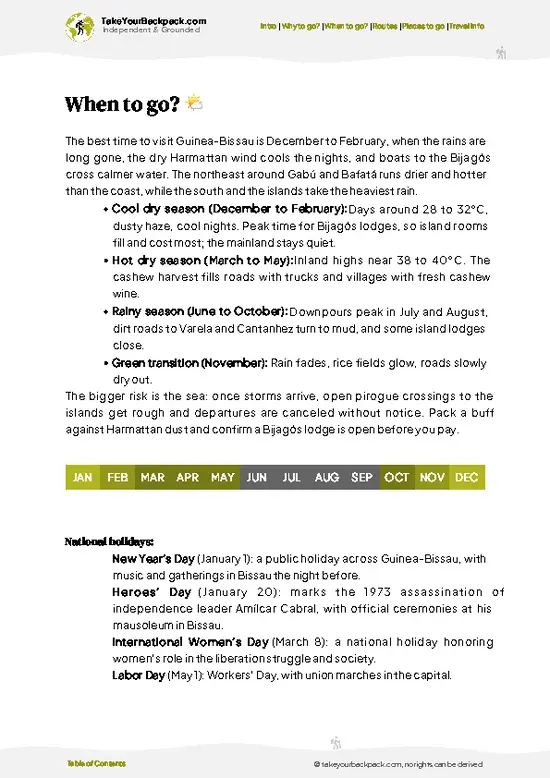
  • Topic: Weather and Temperature — Gabú’s climate swings between a hot, humid rainy season (June to October) with temps around 24-30°C (75-86°F) and a drier, cooler season (November to May) where highs settle near 28-32°C (82-90°F) but nights can dip to 18°C (64°F). The dry season offers more comfortable trekking conditions.

  • Topic: Daylight Hours — Near the equator, Gabú enjoys roughly 12 hours of daylight year-round, so your hiking and exploring windows stay consistent. Early mornings and late afternoons are best to avoid midday heat.

  • Topic: Crowds — Tourism in Gabú is low-key year-round, but the dry season sees a slight uptick as travelers avoid the mud and mosquitoes. You’ll rarely face crowds, but expect more local activity during festivals.

  • Topic: Seasonal Activities — The dry
read more 👉

  • Topic: Weather and Temperature — Gabú’s climate swings between a hot, humid rainy season (June to October) with temps around 24-30°C (75-86°F) and a drier, cooler season (November to May) where highs settle near 28-32°C (82-90°F) but nights can dip to 18°C (64°F). The dry season offers more comfortable trekking conditions.

  • Topic: Daylight Hours — Near the equator, Gabú enjoys roughly 12 hours of daylight year-round, so your hiking and exploring windows stay consistent. Early mornings and late afternoons are best to avoid midday heat.

  • Topic: Crowds — Tourism in Gabú is low-key year-round, but the dry season sees a slight uptick as travelers avoid the mud and mosquitoes. You’ll rarely face crowds, but expect more local activity during festivals.

  • Topic: Seasonal Activities — The dry season aligns with cultural events like the annual Kankurang masquerade, a rare chance to witness traditional ceremonies. The rainy season floods some trails, limiting access to remote villages.

  • Topic: Price Fluctuations — Accommodation and transport costs dip during the rainy season due to fewer visitors, but the trade-off is dealing with unreliable roads and humidity. The dry season commands a premium but rewards with smoother logistics.


Pro-tip: Aim for late dry season (March to May) to balance cooler temps, cultural richness, and manageable prices—Gabú’s sweet spot for backpackers who want comfort without the crowds.


source: climatestotravel.comJANJanuary: highly recommended for travelingFEBFebruary: highly recommended for travelingMARMarch: excellent for travelingAPRApril: excellent for travelingMAYMay: excellent for travelingJUNJune: fair for travelingJULJuly: fair for travelingAUGAugust: fair for travelingSEPSeptember: fair for travelingOCTOctober: fair for travelingNOVNovember: highly recommended for travelingDECDecember: highly recommended for traveling
when-to-go

✈️ The backpacker research shortcutGuinea-Bissau Travel Guide

An offline-friendly backpacking guide with optimized travel routes, ranked highlights, transport advice, and the best areas to stay.
example page 0 from our offline Travel Guide for Guinea-Bissauexample page 1 from our offline Travel Guide for Guinea-Bissauexample page 2 from our offline Travel Guide for Guinea-Bissauexample page 3 from our offline Travel Guide for Guinea-Bissauexample page 4 from our offline Travel Guide for Guinea-Bissauexample page 5 from our offline Travel Guide for Guinea-Bissauexample page 6 from our offline Travel Guide for Guinea-Bissauexample page 7 from our offline Travel Guide for Guinea-Bissau
The digital guide (232 pages) contains:
53 highlights, ranked by travel appeal
Optimized 2, 3 & 5-day travel routes
Cities, national parks, beaches, historical sites, ...
How to get around
Offline-friendly for travel without Wi-Fi
👉 Click to see all 30+ guide features

📅 Plan smarter in minutes, not weeks
Month by month travel advice
Festivals & national holidays
Budget expectations

🗺️ Go to the right places, skip the overrated ones
Honest pros & cons of destinations
Top hikes, parks & viewpoints
Lesser-known places most travelers miss
Clear “worth it vs skip it” guidance

🛏️ Travel smoothly without rookie mistakes
Best areas to stay
Transport systems explained simply
Common scams & safety advice
SIM cards, money & practical tips

🌍 Understand the country, not just visit it
Culture & traditions
52 Essential phrases & customs
Festivals worth planning around
Traveler-friendly historical context
Insights that make places more meaningful

📱 Built for real travel conditions
Fully downloadable PDF
Works completely offline
Optimized for phone use
Useful in remote areas & buses
Everything in one place
Save weeks of stressful planning
Get instant access to the full guide directly. 30-day money-back guarantee.


Sent to your inbox immediately after payment • 100% Secure Checkout
Best Backpacking Travel Advisor 2025 tourism awardBest Backpacking
Travel Advisor
2025
What others say about Take Your Backpack Guides:
⭐⭐⭐⭐⭐
Fantastic, amazing amount of information!
⭐⭐⭐⭐⭐
My goodness this is amazing, it's what I've been looking for hats off too you!
⭐⭐⭐⭐⭐
I think this is absolutely BRILLIANT
⭐⭐⭐⭐
Very complete and informative. It's still missing places, but I gotta to commend you
⭐⭐⭐⭐⭐
This is truly amazing, thank you, can't wait to explore it with my kids!
⭐⭐⭐⭐⭐
Awesome resource, thank you!
⭐⭐⭐⭐⭐
This is amazing! Can't wait to explore the ones I haven't seen
⭐⭐⭐⭐
I love this! Well done, great idea.
⭐⭐⭐⭐⭐
Thanks for taking the time to make this gem!
⭐⭐⭐⭐⭐
This might be the best website I've ever seen.
⭐⭐⭐⭐⭐
Congratulations, and thank you so much for your work; it's incredibly valuable.
⭐⭐⭐⭐
In all seriousness I think you did a great job pointing out the important spots
⭐⭐⭐⭐⭐
10/10 very good
⭐⭐⭐⭐⭐
As someone who's only just starting to visit regularly this is awesome, thank you.
⭐⭐⭐⭐
Thank you very much! I'm going to visit my dad, it's going to be very useful!
⭐⭐⭐⭐⭐
This is really cool! We'll be travelling for the first time and this definitely come in handy.
⭐⭐⭐⭐⭐
You are now our minister of culture, congratulations 👨‍💼
⭐⭐⭐⭐⭐
Just wanted to tell you that this is a pearl! Going to follow your recommendations.
⭐⭐⭐⭐⭐
This is so cool. I'll definitely be using the resource for my travels soon.
⭐⭐⭐⭐⭐
This is very impressive! Good work.
⭐⭐⭐⭐⭐
This is an amazing and informative site. Very well done!

🛏️ Where to stay?Choosing the right base

Gabú’s layout isn’t sprawling, but the choice of where to base yourself is a strategic move. For backpackers, the best area to stay is the city center, especially around the main market and administrative buildings. This zone is the heartbeat of Gabú—safe enough by local standards, with a steady flow of people that keeps the streets lively but not overwhelming. It’s where you’ll find the most budget-friendly guesthouses and a handful of hostels catering to solo travelers and small groups. The social vibe here is low-key but genuine; you’ll bump into other backpackers and locals alike, making it … read more 👉
Gabú’s layout isn’t sprawling, but the choice of where to base yourself is a strategic move. For backpackers, the best area to stay is the city center, especially around the main market and administrative buildings. This zone is the heartbeat of Gabú—safe enough by local standards, with a steady flow of people that keeps the streets lively but not overwhelming. It’s where you’ll find the most budget-friendly guesthouses and a handful of hostels catering to solo travelers and small groups. The social vibe here is low-key but genuine; you’ll bump into other backpackers and locals alike, making it easier to swap stories or find a walking buddy.

Contrast this with the outskirts or newer residential neighborhoods, which tend to be quieter but less connected to the pulse of the city. They might offer more comfort or space, but you’ll sacrifice the ease of access to markets, eateries, and transport hubs. Plus, the social scene thins out, which can leave solo travelers feeling isolated.

In Gabú, the trade-off is clear: stay central for convenience, safety, and social energy, or venture farther out for a quieter, more private experience but at the cost of time and connection. For backpackers, the center wins every time—your wallet stays happy, your days stay full, and your nights stay safe.

🚌 Getting aroundGetting around like a local

Gabú moves at its own rhythm—less a metronome and more a jazz improvisation. The city’s pulse isn’t dictated by strict timetables but by a blend of local intuition, market hours, and the ebb and flow of daily life. You won’t find a clockwork transit system here; instead, expect a dance of informal schedules, where timing is flexible and patience is part of the fare. This means your travel choices in Gabú are less about catching a precise bus and more about reading the room, balancing your budget against the comfort and speed you need.


  • Walking: The ultimate budget option and the best way to absorb Gabú’s street-level character. Most neighborhoods are compact enough to explore on foot, especially the market areas and central squares. It’s free, flexible, and offers a direct connection to
read more 👉
Gabú moves at its own rhythm—less a metronome and more a jazz improvisation. The city’s pulse isn’t dictated by strict timetables but by a blend of local intuition, market hours, and the ebb and flow of daily life. You won’t find a clockwork transit system here; instead, expect a dance of informal schedules, where timing is flexible and patience is part of the fare. This means your travel choices in Gabú are less about catching a precise bus and more about reading the room, balancing your budget against the comfort and speed you need.


  • Walking: The ultimate budget option and the best way to absorb Gabú’s street-level character. Most neighborhoods are compact enough to explore on foot, especially the market areas and central squares. It’s free, flexible, and offers a direct connection to the city’s pulse, but be ready for uneven sidewalks and occasional midday heat.


  • Minibus (Local “Camioneta”): These shared minibuses are the backbone of Gabú’s public transit. They run roughly from 6 a.m. to 7 p.m., with no fixed schedule—departures happen when the vehicle fills up. Fares are dirt cheap, usually under $1, but expect cramped conditions and frequent stops. Speed varies with traffic and passenger loading, so factor in some unpredictability.


  • Motorcycle Taxi (“Mota-Taxi”): For quick hops across town or to reach areas where minibuses don’t go, motos are your go-to. They operate all day and into the evening, offering door-to-door service at a moderate price—typically a few dollars depending on distance. Comfort is minimal, and safety standards vary, but they save time when you’re on a tight schedule.


  • Private Taxi: More expensive and less common than motos, private taxis offer a smoother, more comfortable ride with air circulation and space for luggage. Prices are negotiable but significantly higher than public options, so reserve this for when comfort or time is a priority. Availability can be spotty, especially outside peak hours.


Understanding these options is about more than just picking a ride—it’s about weighing what you’re willing to trade. Walk if you want to save money and soak in the city’s texture but sacrifice speed and comfort. Choose the minibus for the lowest cost and a local experience, but brace for unpredictability and crowding. Motos slice through traffic and save time but at the expense of safety and comfort. Private taxis buy you ease and speed but at a premium. Mastering Gabú’s flow means playing this trade-off game smartly, turning every trip into a calculated win.

👛 Costs (as of 16 May 2026)Typical daily expenses

Backpacking in Gabú, Guinea-Bissau, demands a clear-eyed view of costs, balancing what you pay with what you get in comfort and convenience.
  • Dorm Accommodation (High Season): Expect to pay around €10-€15 per night. Options are limited and basic, often with shared facilities, but this is the going rate when demand peaks.
  • Dorm Accommodation (Off-Season): Prices drop to about €6-€10. Fewer travelers mean better bargaining power, but also fewer amenities and less choice.
  • Meals: Local eateries serve filling meals for roughly €2-€4 each. Street food is cheaper, but hygiene standards vary, so pick spots with steady local traffic.
  • Local Transport: Getting around town on shared taxis or minibuses costs about €0.30-€0.50 per ride. It’s slow and crowded but dirt cheap.
  • City Transport Pass: Not commonly
read more 👉
Backpacking in Gabú, Guinea-Bissau, demands a clear-eyed view of costs, balancing what you pay with what you get in comfort and convenience.
  • Dorm Accommodation (High Season): Expect to pay around €10-€15 per night. Options are limited and basic, often with shared facilities, but this is the going rate when demand peaks.
  • Dorm Accommodation (Off-Season): Prices drop to about €6-€10. Fewer travelers mean better bargaining power, but also fewer amenities and less choice.
  • Meals: Local eateries serve filling meals for roughly €2-€4 each. Street food is cheaper, but hygiene standards vary, so pick spots with steady local traffic.
  • Local Transport: Getting around town on shared taxis or minibuses costs about €0.30-€0.50 per ride. It’s slow and crowded but dirt cheap.
  • City Transport Pass: Not commonly available. Most travelers rely on pay-per-ride options, which means no upfront savings but maximum flexibility.
  • Basic Activities/Entry Fees: Cultural sites and small museums charge between €1-€3. Organized tours are rare and usually pricier, so plan accordingly.
  • Miscellaneous Expenses: Budget €1-€3 daily for essentials like bottled water, snacks, or occasional internet access. These small costs add up but remain manageable.

In total, a realistic daily budget for backpacking in Gabú ranges from about €15 on a shoestring to €25 if you want a bit more ease and choice. This range reflects a trade-off: you can save money by accepting basic conditions or spend more for a smoother experience. Understanding these numbers lets you decide where to stretch and where to splurge, turning your trip into a strategic win.
⚠️ Prices can change and everyone travels differently, so take this as a rough guide. Hope it helps you plan your adventure!

🚌 Day tripsBest day trips from Gabú

Gabú is a fantastic launchpad for exploring the unique landscapes and cultures of Guinea-Bissau. With a bit of planning, you can dive into some truly enriching day trips that won’t break the bank.

Bafatá
Just a two-hour ride from Gabú, Bafatá offers a glimpse into the heart of Guinea-Bissau. The vibrant market scene is a feast for the senses, with local crafts and fresh produce. Don’t miss the chance to chat with artisans; their stories add depth to your experience. A round trip will set you back about $5, making it a budget-friendly adventure. Aim for the morning to catch the market at its liveliest. First-timers often underestimate the heat, so pack water and a hat.
👉 Explore Bafatá

Canchungo
A bit further afield, Canchungo is about three hours away but worth every minute. Known … read more 👉
Gabú is a fantastic launchpad for exploring the unique landscapes and cultures of Guinea-Bissau. With a bit of planning, you can dive into some truly enriching day trips that won’t break the bank.

Bafatá
Just a two-hour ride from Gabú, Bafatá offers a glimpse into the heart of Guinea-Bissau. The vibrant market scene is a feast for the senses, with local crafts and fresh produce. Don’t miss the chance to chat with artisans; their stories add depth to your experience. A round trip will set you back about $5, making it a budget-friendly adventure. Aim for the morning to catch the market at its liveliest. First-timers often underestimate the heat, so pack water and a hat.
👉 Explore Bafatá

Canchungo
A bit further afield, Canchungo is about three hours away but worth every minute. Known for its lush landscapes, this area is perfect for a day of hiking and birdwatching. The trails are less traveled, giving you a sense of solitude and connection with nature. Expect to spend around $10 for transport and snacks. The best time to visit is during the dry season, when the trails are more accessible. A common mistake is not bringing sturdy shoes; the terrain can be tricky.
👉 Explore Canchungo

Bolama Island
Bolama Island is a hidden treasure, just a short ferry ride from the mainland. The island boasts colonial architecture and pristine beaches, making it a perfect spot for a day of exploration and relaxation. The ferry costs about $15 round trip, and you can easily spend the day wandering through the old town or lounging by the water. The dry season is ideal for this trip, as the ferry runs more frequently. Many travelers forget to check the ferry schedule, so plan ahead to avoid disappointment.


Pirada
Only an hour from Gabú, Pirada is a small village that showcases traditional life in Guinea-Bissau. Engage with locals, learn about their customs, and enjoy a simple meal. The cost is minimal, around $5 for transport. Visit in the morning to catch the village at its most active. A common oversight is not having cash on hand for local purchases; many places don’t accept cards.
Want to know what more Guinea-Bissau offers?
The Guinea-Bissau Travel Guide describes 53 highlights, from cities to national parks, from beaches to hikes

Get the Travel Guide -

🍲 FoodLocal Cuisine & Drinks

In Gabú, the local cuisine is a vibrant tapestry of flavors that tells the story of its people. Dive into jollof rice, a fragrant dish often cooked with tomatoes and spices, served alongside grilled chicken or fish. Don’t miss caldo de peixe, a fish stew that bursts with the essence of the sea, often enjoyed with a side of cassava or plantains.

Street food is where the magic happens. Vendors line the bustling markets, offering bifanas—savory sandwiches filled with marinated pork. The aroma wafts through the air, pulling you in. Grab a coconut water from a roadside stall; it’s refreshing and a perfect antidote to the tropical heat.

When it comes to drinking culture, locals often gather in casual bars, sipping on palm wine. This traditional drink is sweet and slightly effervescent, best enjoyed … read more 👉
In Gabú, the local cuisine is a vibrant tapestry of flavors that tells the story of its people. Dive into jollof rice, a fragrant dish often cooked with tomatoes and spices, served alongside grilled chicken or fish. Don’t miss caldo de peixe, a fish stew that bursts with the essence of the sea, often enjoyed with a side of cassava or plantains.

Street food is where the magic happens. Vendors line the bustling markets, offering bifanas—savory sandwiches filled with marinated pork. The aroma wafts through the air, pulling you in. Grab a coconut water from a roadside stall; it’s refreshing and a perfect antidote to the tropical heat.

When it comes to drinking culture, locals often gather in casual bars, sipping on palm wine. This traditional drink is sweet and slightly effervescent, best enjoyed with friends.

Etiquette here is relaxed. Sharing food is common, so don’t hesitate to offer a taste of your dish. Embrace the communal vibe; it’s all about connection. In Gabú, every meal is an invitation to experience the heart of its culture.

🛡️ SafetyTraveler Safety Guide

Gabú is generally safe for backpackers, but a few situational nuances can enhance your experience. Stay alert in crowded markets, where pickpockets might lurk. Keep your valuables close and consider using a money belt under your clothes.

If you’re traveling solo, especially at night, stick to well-lit areas and avoid wandering too far from the main streets. The vibe is laid-back, but it’s wise to trust your instincts.

Scams are rare, but some locals may try to overcharge for goods or services. Always negotiate prices upfront, whether it’s for a taxi or a meal.

Annoyances can include persistent vendors or children asking for money. A friendly smile and a firm “no” usually do the trick. Carry yourself confidently, and you’ll navigate Gabú like a pro, soaking in its unique rhythm without unnecessary distractions.

Other Bissau-Guinean cities near Gabú

Explore more nearby:

  • Bissau—colonial-era avenues, port markets, faded administrative buildings| 155 km away
  • Cacheu—fortress ruins, mangrove estuary, riverfront promenade| 211 km away

👉 Discover all cities

Or checkout all Guinea-Bissau has to offer (think cities, towns, villages, national parks, hikes, beaches, festivals)
Country photo of Guinea-Bissau

We 💚 feedbackSumming up the experience

Gabú has a raw, unfiltered vibe that feels like stepping into a living postcard. The best surprise? The local markets pulse with life, where you can taste fresh palm wine and barter for handmade crafts. Just a heads-up: the roads can be rough, so don’t rush your journey. Embrace the slow pace; it’s part of the charm. You’ll leave with stories that linger long after you’ve returned home. Trust me, it’s worth every bump along the way.

✍️ Help improve this page!
The information on this page is based on in-depth research, insights shared by experienced travelers, and feedback from the local travel community in Guinea-Bissau. While every effort is made to keep the information accurate and current, conditions can change — so if you spot anything incorrect or outdated, please get in touch.


🙋‍♂️ Give feedback

👋 Meet the founderWho’s Behind Take Your Backpack?

Johan, backpacker and founder of TakeYourBackpackHi, I’m Johan (Netherlands 🇳🇱), the creator of TakeYourBackpack. Over the past decade, I’ve backpacked through 80+ countries across six continents, gaining extensive experience with independent travel, long-term trips, and overland routes.

This site is built on a combination of firsthand travel experience and carefully curated insights from other backpackers. Many guides are based on places I’ve personally visited, while others bring together tips, observations, and practical advice shared by trusted travelers I’ve met along the way.

The goal is to provide realistic, experience-driven guidance — not generic itineraries — so you can explore destinations with better context, clearer expectations, and more confidence.

Get full country guide •
Instant download • 53 highlights • Full Offline guide