×

Guinea-Bissau🇬🇼 | citiesCacheufortress ruins, mangrove estuary, riverfront promenade | things to do and best time to go

Explore BissauExplore Gabú

Backpacking in Cacheu
🌟 Highlightcity ranked #2
By Johan Kruseman 🇳🇱 | Updated September 3, 2026

Cacheu isn’t the sleepy, untouched colonial relic that guidebooks sometimes promise. Yes, the faded Portuguese fort still stands, and the mangroves do stretch out like green fingers into the river, but this is a living, working town—less postcard, more real life. You’ll find Cacheu in the northwest of Guinea-Bissau, close to the Senegalese border, where the Cacheu River widens and the air grows heavy with salt and woodsmoke. For backpackers, Cacheu is less a destination for urban thrills and more a gentle pause: a place to catch your breath between the bustle of Bissau and the wilds of the north. The old center is walkable, with crumbling facades and a slow, riverine rhythm. There’s not much nightlife, but you’ll find a few basic guesthouses and the kind of open-air bars where locals linger over cold beer and grilled fish. It’s quieter and less touristic than Bissau or São Domingos, and you’ll likely have the riverside sunsets to yourself. Buses are infrequent but manageable; once you’re here, everything is on foot. Costs are low, safety is typical for rural Guinea-Bissau—cautious but not tense. Cacheu is for travelers who want to feel the weight of history and the hush of water, not the buzz of a crowd.

Discover everything you want to know in the 📖 Guinea-Bissau Travel Guide.
Loading the map 🌍
CLICK TO FILTER
cities
towns
landmarks
national parks
hikes
beaches
attractions
festivals
regions
SHOW COUNTRY’S BESTSHOW ALL

✨ Why go?
Ranked #2 city in Guinea-Bissau
What sets this place apart

Cacheu, a small town in Guinea-Bissau, serves as a gateway for backpackers seeking a blend of culture and nature. Its walkable streets invite exploration, where you can soak in the local atmosphere without the chaos of larger cities. The friendly locals often share stories over a plate of freshly grilled fish, making meals here feel like a communal experience rather than just a stop for food.

For those drawn to hiking, Cacheu is conveniently located near trails that lead to lush landscapes and wildlife. The nearby beaches offer a perfect escape for sun-seekers, while the historical sites provide a glimpse into the region’s rich past. Backpackers typically stay a few days, allowing time to connect with fellow travelers and locals alike.

This town attracts slow travelers and solo adventurersread more 👉
Cacheu, a small town in Guinea-Bissau, serves as a gateway for backpackers seeking a blend of culture and nature. Its walkable streets invite exploration, where you can soak in the local atmosphere without the chaos of larger cities. The friendly locals often share stories over a plate of freshly grilled fish, making meals here feel like a communal experience rather than just a stop for food.

For those drawn to hiking, Cacheu is conveniently located near trails that lead to lush landscapes and wildlife. The nearby beaches offer a perfect escape for sun-seekers, while the historical sites provide a glimpse into the region’s rich past. Backpackers typically stay a few days, allowing time to connect with fellow travelers and locals alike.

This town attracts slow travelers and solo adventurers who appreciate a laid-back vibe over nightlife. It’s not a party hub, but rather a place to recharge and immerse yourself in the authentic rhythm of life. If you’re looking for a spot to linger and absorb the essence of Guinea-Bissau, Cacheu is your perfect pit stop.
Want to include Cacheu in your Guinea-Bissau route?
Create a personalized Guinea-Bissau itinerary that includes Cacheu and the places that fit your trip — based on your travel style, budget, and available time. Get your route in seconds.

Generate my trip

💡 HighlightsPlaces and moments you shouldn't skip

  • Fortaleza de Cacheu (Cacheu Fort) — The town’s most visible landmark: a weathered Portuguese fort on the riverfront. Good for imagining Cacheu’s role in Atlantic trade, getting river views, and sensing the layers of colonial history.
  • Cacheu riverfront quay (Cais) — Where daily life happens: fishermen land their catch, pirogues come and go, and locals gather. Great spot for people-watching and catching a boat upriver.
  • Mangrove boat trips from town — Small boat rides into the surrounding mangrove channels leave right from Cacheu’s quay. Expect birds, shrimp farms, tight winding channels and a real sense of the estuary that shaped the town.
  • Mercado Municipal (local market) — A lively mix of fish stalls, produce, and everyday wares. Visiting early morning gives you the freshest fish and an
read more 👉
  • Fortaleza de Cacheu (Cacheu Fort) — The town’s most visible landmark: a weathered Portuguese fort on the riverfront. Good for imagining Cacheu’s role in Atlantic trade, getting river views, and sensing the layers of colonial history.
  • Cacheu riverfront quay (Cais) — Where daily life happens: fishermen land their catch, pirogues come and go, and locals gather. Great spot for people-watching and catching a boat upriver.
  • Mangrove boat trips from town — Small boat rides into the surrounding mangrove channels leave right from Cacheu’s quay. Expect birds, shrimp farms, tight winding channels and a real sense of the estuary that shaped the town.
  • Mercado Municipal (local market) — A lively mix of fish stalls, produce, and everyday wares. Visiting early morning gives you the freshest fish and an honest look at local foodways and barter.
  • Colonial streets and Portuguese houses — Walk the compact old town to see faded stucco facades, shuttered doors and narrow lanes. It’s not polished, but those crumbling buildings tell the real story better than a plaque.
  • Old waterfront customs/administration buildings — Scattered near the quay are former customs and admin structures from the colonial era. They’re small, spartan, and useful to visit if you want concrete traces of how the port operated.
  • Main mosque and the Islamic quarter — A calm neighborhood where you can observe daily prayer rhythms, community life, and traditional architecture — an important cultural counterpoint to the town’s colonial past.
  • Colonial square and pelourinho remnants — The town’s public square, with visible colonial-era markers and a pillory (pelourinho) or its remains in the area. It’s a compact civic center that connects past justice, trade and public life.
  • Fish-smoking racks and riverside food stalls — Walk past the quay at dusk to see fish being smoked and simple riverside kitchens serving local dishes. It’s low-key, sensory and one of the best ways to taste Cacheu.
  • Boatyards and local craft workshops — Small timber workshops and boatbuilders work along the river; watching craftsmen carve and maintain wooden pirogues gives a direct sense of the skills that keep the river economy running.
A few real day-trip options just outside Cacheu worth exploring: the Cacheu Mangroves Natural Park and the little islands in the estuary (by boat), plus the series of riverside villages upriver where birding, local markets and village life are easy to visit in a single day.
Spotted a mistake or missing something? Contact us.

🏘️ NeighborhoodsNeighborhood guide to Cacheu

Cacheu is a small town with a rich history and a laid-back vibe, perfect for backpackers seeking an authentic experience in Guinea-Bissau. Each neighborhood offers its own flavor, making it easier to find your ideal spot.

Centro Histórico: This is where the heart of Cacheu beats. Cobblestone streets and colonial architecture create a charming atmosphere. It’s walkable, with local eateries and shops just a stone’s throw away. Ideal for short stays, you can soak in the history without needing a car. Nightlife is low-key, with a few bars offering local music.

Praia de Cacheu: If you’re after a beach vibe, this area is your go-to. The scent of saltwater fills the air, and the sound of waves is a constant companion. It’s a bit quieter, perfect for those looking to unwind. Accommodations here … read more 👉
Cacheu is a small town with a rich history and a laid-back vibe, perfect for backpackers seeking an authentic experience in Guinea-Bissau. Each neighborhood offers its own flavor, making it easier to find your ideal spot.

Centro Histórico: This is where the heart of Cacheu beats. Cobblestone streets and colonial architecture create a charming atmosphere. It’s walkable, with local eateries and shops just a stone’s throw away. Ideal for short stays, you can soak in the history without needing a car. Nightlife is low-key, with a few bars offering local music.

Praia de Cacheu: If you’re after a beach vibe, this area is your go-to. The scent of saltwater fills the air, and the sound of waves is a constant companion. It’s a bit quieter, perfect for those looking to unwind. Accommodations here can be pricier, but the views are worth it. Great for longer stays if you want to relax and explore the coastline.

Mercado Municipal: This bustling market area is a sensory overload in the best way. The vibrant colors of fresh produce and the chatter of locals create an energetic atmosphere. It’s a budget-friendly spot, with plenty of street food options. Walkability is high, making it easy to pop in and out. Perfect for short visits to grab a taste of local life.

Subúrbios: The suburbs offer a more residential feel, with less tourist traffic. This area is ideal for those wanting to experience daily life in Cacheu. It’s quieter, with local transport options available, but you’ll need to walk a bit more. Suitable for longer stays if you want to immerse yourself in the community.

⌛️ 1 dayWhat you can realistically do in a day

Cacheu, a town steeped in history and vibrant culture, offers a unique glimpse into Guinea-Bissau’s past. Once a bustling slave trading port, its cobbled streets and colonial architecture whisper stories of resilience and transformation. The air is thick with the scent of grilled fish and spices, inviting you to explore its rich culinary scene.

Start your day early at the Cacheu River, where the morning light dances on the water’s surface. Grab a local breakfast of *pão com chouriço* (bread with sausage) from a nearby vendor. The warmth of the bread and the savory kick of the sausage will fuel your adventure. After breakfast, stroll through the historic center, taking in the faded beauty of the colonial buildings. Don’t miss the old fort, a relic of the town’s past, where you can feel the … read more 👉
Cacheu, a town steeped in history and vibrant culture, offers a unique glimpse into Guinea-Bissau’s past. Once a bustling slave trading port, its cobbled streets and colonial architecture whisper stories of resilience and transformation. The air is thick with the scent of grilled fish and spices, inviting you to explore its rich culinary scene.

Start your day early at the Cacheu River, where the morning light dances on the water’s surface. Grab a local breakfast of *pão com chouriço* (bread with sausage) from a nearby vendor. The warmth of the bread and the savory kick of the sausage will fuel your adventure. After breakfast, stroll through the historic center, taking in the faded beauty of the colonial buildings. Don’t miss the old fort, a relic of the town’s past, where you can feel the weight of history in the air.

In the afternoon, head to the vibrant Mercado Municipal. Here, the colors of fresh produce and the sounds of lively bargaining create an atmosphere that’s electric. Engage with local vendors; they’re often eager to share stories about their crafts and lives. For a less-traveled spot, venture to the nearby neighborhood of *Bissau Velho*, where you can find local artisans at work. This area isn’t on the typical tourist path, but the authenticity of the experience is worth the detour.

As the sun begins to set, return to the riverfront. The golden hour casts a magical glow, perfect for capturing stunning photos. Treat yourself to dinner at a local eatery, where you can savor *caldeirada*, a traditional fish stew. The flavors will linger long after you leave, a delicious reminder of your day.

Cacheu is more than just a destination; it’s a tapestry of experiences waiting to be unraveled. Embrace the journey, and let the town’s spirit guide you.
Turn your Cacheu visit into an Guinea-Bissau adventure
Build a complete Guinea-Bissau route with Cacheu, hidden gems, must-see destinations, and realistic travel times included.

Generate my trip

🌤️ When to go?Weather, crowds, and seasonal trade-offs


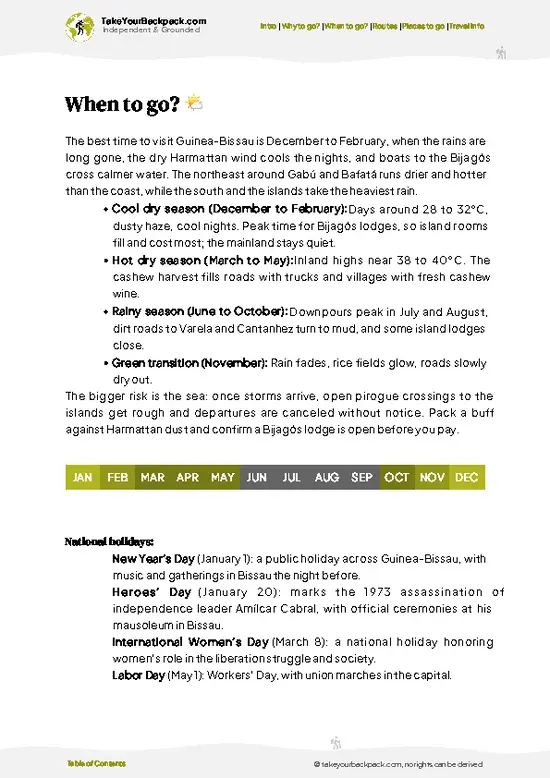
  • Topic: Weather and Temperature: Cacheu’s climate swings between a hot, humid rainy season from June to October, with temps hovering around 24-30°C (75-86°F), and a drier, cooler season from November to May, where it’s more comfortable at 20-28°C (68-82°F). The dry season’s clearer skies make trekking and exploring less sweaty and more enjoyable.

  • Topic: Daylight Hours: Near the equator, daylight stays steady year-round, roughly 12 hours a day. This means you don’t have to rush your hikes or sightseeing; mornings and late afternoons offer soft, golden light perfect for photos and cooling off.

  • Topic: Crowds and Atmosphere: Cacheu is off the beaten path, so crowds are minimal year-round. However, the dry season draws a few more travelers, especially around December and January, when the
read more 👉

  • Topic: Weather and Temperature: Cacheu’s climate swings between a hot, humid rainy season from June to October, with temps hovering around 24-30°C (75-86°F), and a drier, cooler season from November to May, where it’s more comfortable at 20-28°C (68-82°F). The dry season’s clearer skies make trekking and exploring less sweaty and more enjoyable.

  • Topic: Daylight Hours: Near the equator, daylight stays steady year-round, roughly 12 hours a day. This means you don’t have to rush your hikes or sightseeing; mornings and late afternoons offer soft, golden light perfect for photos and cooling off.

  • Topic: Crowds and Atmosphere: Cacheu is off the beaten path, so crowds are minimal year-round. However, the dry season draws a few more travelers, especially around December and January, when the weather is at its best and local festivals pop up.

  • Topic: Seasonal Activities: The dry months are prime for river excursions and wildlife spotting, as animals gather near water sources. The rainy season, while challenging, turns the landscape lush and alive, rewarding those who don’t mind muddy trails with vibrant greenery and birdlife.

  • Topic: Price Fluctuations: Expect slightly higher prices during the dry season’s peak months (December to February) due to increased demand. The rainy season offers better deals on accommodation and tours but comes with the trade-off of unpredictable weather.


Pro-tip: Aim for November or February to catch the tail ends of the dry season—fewer crowds, manageable prices, and that perfect balance of warmth and freshness that makes Cacheu’s rivers and forests sing.


source: climatestotravel.comJANJanuary: excellent for travelingFEBFebruary: highly recommended for travelingMARMarch: highly recommended for travelingAPRApril: highly recommended for travelingMAYMay: highly recommended for travelingJUNJune: fair for travelingJULJuly: fair for travelingAUGAugust: fair for travelingSEPSeptember: fair for travelingOCTOctober: fair for travelingNOVNovember: highly recommended for travelingDECDecember: excellent for traveling
when-to-go

✈️ The backpacker research shortcutGuinea-Bissau Travel Guide

An offline-friendly backpacking guide with optimized travel routes, ranked highlights, transport advice, and the best areas to stay.
example page 0 from our offline Travel Guide for Guinea-Bissau
example page 1 from our offline Travel Guide for Guinea-Bissau
example page 2 from our offline Travel Guide for Guinea-Bissau
example page 3 from our offline Travel Guide for Guinea-Bissau
example page 4 from our offline Travel Guide for Guinea-Bissau
example page 5 from our offline Travel Guide for Guinea-Bissau
example page 6 from our offline Travel Guide for Guinea-Bissau
example page 7 from our offline Travel Guide for Guinea-Bissau
The digital guide (230 pages) contains:
53 highlights, ranked by travel appeal
Optimized 2, 3 & 5-day travel routes
Cities, national parks, landmarks, beaches
How to get around
Offline-friendly for travel without Wi-Fi
👉 Click to see all 30+ guide features

📅 Plan smarter in minutes, not weeks
Month by month travel advice
Festivals & national holidays
Budget expectations

🗺️ Go to the right places, skip the overrated ones
Honest pros & cons of destinations
Top hikes, parks & viewpoints
Lesser-known places most travelers miss
Clear “worth it vs skip it” guidance

🛏️ Travel smoothly without rookie mistakes
Best areas to stay
Transport systems explained simply
Common scams & safety advice
SIM cards, money & practical tips

🌍 Understand the country, not just visit it
Culture & traditions
52 Essential phrases & customs
Festivals worth planning around
Traveler-friendly historical context
Insights that make places more meaningful

📱 Built for real travel conditions
Fully downloadable PDF
Works completely offline
Optimized for phone use
Useful in remote areas & buses
Everything in one place
Save weeks of stressful planning
Get instant access to your full guide. 30‑day money-back guarantee.
+ Add another guide for just US$7.80

By proceeding you agree to our terms.
Sent to your inbox immediately after payment • 100% Secure Checkout
Best Backpacking Travel Advisor 2025 tourism awardBest Backpacking
Travel Advisor
2025
What others say about Take Your Backpack Guides:
⭐⭐⭐⭐⭐
Fantastic, amazing amount of information!
⭐⭐⭐⭐⭐
My goodness this is amazing, it's what I've been looking for hats off too you!
⭐⭐⭐⭐⭐
I think this is absolutely BRILLIANT
⭐⭐⭐⭐
Very complete and informative. It's still missing places, but I gotta to commend you
⭐⭐⭐⭐⭐
This is truly amazing, thank you, can't wait to explore it with my kids!
⭐⭐⭐⭐⭐
Awesome resource, thank you!
⭐⭐⭐⭐⭐
This is amazing! Can't wait to explore the ones I haven't seen
⭐⭐⭐⭐
I love this! Well done, great idea.
⭐⭐⭐⭐⭐
Thanks for taking the time to make this gem!
⭐⭐⭐⭐⭐
This might be the best website I've ever seen.
⭐⭐⭐⭐⭐
Congratulations, and thank you so much for your work; it's incredibly valuable.
⭐⭐⭐⭐
In all seriousness I think you did a great job pointing out the important spots
⭐⭐⭐⭐⭐
10/10 very good
⭐⭐⭐⭐⭐
As someone who's only just starting to visit regularly this is awesome, thank you.
⭐⭐⭐⭐
Thank you very much! I'm going to visit my dad, it's going to be very useful!
⭐⭐⭐⭐⭐
This is really cool! We'll be travelling for the first time and this definitely come in handy.
⭐⭐⭐⭐⭐
You are now our minister of culture, congratulations 👨‍💼
⭐⭐⭐⭐⭐
Just wanted to tell you that this is a pearl! Going to follow your recommendations.
⭐⭐⭐⭐⭐
This is so cool. I'll definitely be using the resource for my travels soon.
⭐⭐⭐⭐⭐
This is very impressive! Good work.
⭐⭐⭐⭐⭐
This is an amazing and informative site. Very well done!

🛏️ Where to stay?Where staying makes the most sense

Cacheu’s best spot for backpackers is the area around the town center, close to the riverfront. This neighborhood hums with local life—fishermen hauling nets, market vendors shouting over the scent of fresh fish and spices, and kids darting between stalls. It’s where you’ll find the pulse of Cacheu, and importantly, it’s the safest zone for travelers. The streets here are lively but manageable, with enough foot traffic to keep you feeling secure without the chaos of a big city.

Compared to the quieter outskirts, this central area offers a social vibe that solo backpackers crave. You’ll bump into … read more 👉
Cacheu’s best spot for backpackers is the area around the town center, close to the riverfront. This neighborhood hums with local life—fishermen hauling nets, market vendors shouting over the scent of fresh fish and spices, and kids darting between stalls. It’s where you’ll find the pulse of Cacheu, and importantly, it’s the safest zone for travelers. The streets here are lively but manageable, with enough foot traffic to keep you feeling secure without the chaos of a big city.

Compared to the quieter outskirts, this central area offers a social vibe that solo backpackers crave. You’ll bump into other budget travelers at small guesthouses and informal hostels, where the vibe is more communal than commercial. These places might not have glossy amenities, but they offer something better: a chance to swap stories over shared meals and discover local rhythms firsthand.

Staying here means you’re within walking distance of the main market and the historic fort, so you can soak in the atmosphere without relying on taxis or risking getting lost in less familiar neighborhoods. The light in the late afternoon casts long shadows over the river, and that’s when Cacheu’s charm really sinks in—earned through the day’s hustle, not handed to you on a silver platter.

🚌 Getting aroundHow to get from A to B

Cacheu moves at its own rhythm—less a clock-driven town and more a place where the sun’s angle and the river’s tide dictate your pace. The air carries a salty tang from the estuary, mingled with the earthy scent of mangroves and the faint smoke of wood fires. Streets aren’t laid out for speed but for stories, with locals weaving through narrow alleys and market stalls in a dance that feels spontaneous yet practiced. You won’t find rigid timetables here; instead, you’ll learn to read the flow of people and boats, catching rides and connections as they come. This isn’t a place to rush—it’s a place to sync with the pulse of the river and the town’s easygoing spirit.


  • Walking: The heart of Cacheu is compact and best explored on foot. Streets are uneven and sometimes muddy after rain, so sturdy
read more 👉
Cacheu moves at its own rhythm—less a clock-driven town and more a place where the sun’s angle and the river’s tide dictate your pace. The air carries a salty tang from the estuary, mingled with the earthy scent of mangroves and the faint smoke of wood fires. Streets aren’t laid out for speed but for stories, with locals weaving through narrow alleys and market stalls in a dance that feels spontaneous yet practiced. You won’t find rigid timetables here; instead, you’ll learn to read the flow of people and boats, catching rides and connections as they come. This isn’t a place to rush—it’s a place to sync with the pulse of the river and the town’s easygoing spirit.


  • Walking: The heart of Cacheu is compact and best explored on foot. Streets are uneven and sometimes muddy after rain, so sturdy shoes are a must. Walking lets you soak in the smells of fresh fish and spices, hear the chatter of vendors, and spot the intricate colonial architecture up close. It’s free, flexible, and the only way to truly feel the town’s texture.


  • Motorcycle Taxis (Motos): These are the quickest way to cover longer distances within and just outside town. Expect to negotiate fares upfront—usually around 200-500 CFA francs for short trips. Motos dart through traffic with a wild confidence, so hold on tight and enjoy the wind and the blur of colors. They run from dawn until late evening but can be scarce after dark.


  • Shared Minibuses (Carros): For budget travelers heading to nearby villages or the regional capital, shared minibuses are the go-to. They leave when full, so timing is flexible but unpredictable—sometimes you wait 10 minutes, sometimes an hour. Fares hover around 500-1000 CFA francs depending on distance. The ride is bumpy and slow but offers a window into local life, with frequent stops and lively conversations.


  • River Boats: Cacheu’s lifeblood is the river, and small boats connect the town to fishing communities and mangrove areas. These boats don’t run on a schedule; you flag one down at the dock and negotiate a price—usually 1000-2000 CFA francs for short trips. The ride is slow but scenic, with the smell of brackish water and the sound of birds overhead. It’s a must for anyone wanting to experience the estuary’s wild side.

👛 Costs (as of 3 September 2026)Typical daily expenses

Backpacking in Cacheu, Guinea-Bissau, is a raw, off-the-beaten-path experience where costs stay modest but the infrastructure is basic, so every euro or dollar stretches differently than in more touristy spots.
  • Dorm Accommodation: Options are extremely limited here. Expect simple guesthouses or local inns rather than formal hostels. Prices hover around €5-€10 per night, often in shared rooms with basic amenities—think mosquito nets and a fan, not air conditioning or hot water.
  • Meals: Eating local is your best bet. Street food and small local eateries serve up rice, fish, and fresh produce for about €1.50-€3 per meal. Western-style or imported foods are rare and pricey, so stick to what’s fresh and local to keep costs down and flavors authentic.
  • Local Transport: Transport is mostly informal—motorbike
read more 👉
Backpacking in Cacheu, Guinea-Bissau, is a raw, off-the-beaten-path experience where costs stay modest but the infrastructure is basic, so every euro or dollar stretches differently than in more touristy spots.
  • Dorm Accommodation: Options are extremely limited here. Expect simple guesthouses or local inns rather than formal hostels. Prices hover around €5-€10 per night, often in shared rooms with basic amenities—think mosquito nets and a fan, not air conditioning or hot water.
  • Meals: Eating local is your best bet. Street food and small local eateries serve up rice, fish, and fresh produce for about €1.50-€3 per meal. Western-style or imported foods are rare and pricey, so stick to what’s fresh and local to keep costs down and flavors authentic.
  • Local Transport: Transport is mostly informal—motorbike taxis or shared minibuses. A short ride within town costs around €0.50-€1. For longer trips, prices can rise but remain under €5. Walking is often the best way to soak in the atmosphere and avoid unnecessary expenses.
  • Basic Activities/Entry Fees: Cacheu’s main draw is its natural and historical sites, many of which have little to no entry fee. Expect to pay around €1-€3 for access to local landmarks or guided tours, which are usually arranged on the spot and priced modestly.
  • Miscellaneous Expenses: Budget a small amount for essentials like bottled water (€0.50), occasional snacks, or phone credit. Around €1-€2 per day should cover these incidental costs without surprises.

Cacheu’s daily budget for a backpacker comfortably ranges between €10 and €20. This keeps you grounded in the local rhythm—simple lodging, fresh local meals, and basic transport—letting you focus on the raw, unpolished charm of the place without breaking the bank.
⚠️ Prices can change and everyone travels differently, so take this as a rough guide. Hope it helps you plan your adventure!

🚌 Day tripsWhere to go beyond the main area

Cacheu, Guinea-Bissau, is a backpacker’s dream base for day trips, offering a blend of rich culture and stunning nature. The town itself is a quaint mix of colonial architecture and vibrant local life, but the surrounding areas hold adventures that are truly rewarding.

Cacheu River Cruise
Set sail on the Cacheu River for a day filled with wildlife spotting and local culture. The river is alive with the sounds of birds and the occasional splash of a crocodile. You can hire a local boat for around $20, and the trip typically lasts about four hours. Early mornings are best; the light is soft, and the air is cooler. Many first-timers miss the chance to engage with local fishermen along the banks, so don’t hesitate to ask questions and soak in their stories.


Orango Islands
A short boat … read more 👉
Cacheu, Guinea-Bissau, is a backpacker’s dream base for day trips, offering a blend of rich culture and stunning nature. The town itself is a quaint mix of colonial architecture and vibrant local life, but the surrounding areas hold adventures that are truly rewarding.

Cacheu River Cruise
Set sail on the Cacheu River for a day filled with wildlife spotting and local culture. The river is alive with the sounds of birds and the occasional splash of a crocodile. You can hire a local boat for around $20, and the trip typically lasts about four hours. Early mornings are best; the light is soft, and the air is cooler. Many first-timers miss the chance to engage with local fishermen along the banks, so don’t hesitate to ask questions and soak in their stories.


Orango Islands
A short boat ride from Cacheu, the Orango Islands are a paradise for those seeking untouched beauty. Expect to pay around $30 for a round trip, and plan for a full day of exploration. The islands are known for their stunning beaches and unique wildlife, including the rare saltwater hippos. The best time to visit is during the dry season, when the waters are calm and the sun is bright. A common mistake is underestimating the time it takes to explore; don’t rush—take your time to appreciate the serene landscapes.


Bolama Island
Bolama Island is a historical treasure, showcasing remnants of colonial architecture and a slower pace of life. The ferry ride costs about $10 and takes roughly an hour. Spend your day wandering through the old streets, where the scent of fresh bread wafts from local bakeries. The best time to visit is in the cooler months, from November to February. Many first-timers overlook the local markets, which are vibrant and full of life—make sure to stop by for some fresh fruit and local crafts.


Bijagós Archipelago
For the adventurous, a day trip to the Bijagós Archipelago is a must. While it requires a bit more planning, with costs around $50 for a boat, the experience is worth it. The islands are rich in biodiversity and cultural heritage, making them a unique spot for hiking and exploring traditional villages. The ideal time to go is during the dry season when the weather is pleasant. Many backpackers miss the chance to interact with the locals; take the time to learn about their customs and traditions.
👉 Explore Bijagós Archipelago
Want to know what more Guinea-Bissau offers?
The Guinea-Bissau Travel Guide describes 53 highlights, from cities to national parks, from beaches to hikes

Get the Travel Guide -

🍲 FoodWhat to Eat & Drink

In Cacheu, the food scene is a lively dance of flavors rooted in fresh, local ingredients and centuries-old traditions. You’ll want to dive into dishes like caldo de mancarra, a rich peanut stew that’s both hearty and comforting, or savor the smoky sweetness of grilled fish, often caught that morning and seasoned with fiery piri-piri. These meals aren’t just about sustenance—they’re a direct line to the region’s history and coastal bounty.

Backpackers find their groove in bustling markets and street stalls where the air is thick with the scent of spices and sizzling oil. Here, casual eateries serve up generous portions without fuss, perfect for those who want to eat like a local without breaking the bank. Don’t be surprised if you end up sharing a table with fishermen or traders, as communal … read more 👉
In Cacheu, the food scene is a lively dance of flavors rooted in fresh, local ingredients and centuries-old traditions. You’ll want to dive into dishes like caldo de mancarra, a rich peanut stew that’s both hearty and comforting, or savor the smoky sweetness of grilled fish, often caught that morning and seasoned with fiery piri-piri. These meals aren’t just about sustenance—they’re a direct line to the region’s history and coastal bounty.

Backpackers find their groove in bustling markets and street stalls where the air is thick with the scent of spices and sizzling oil. Here, casual eateries serve up generous portions without fuss, perfect for those who want to eat like a local without breaking the bank. Don’t be surprised if you end up sharing a table with fishermen or traders, as communal dining is part of the rhythm.

Drinking in Cacheu is refreshingly straightforward. The local palm wine, slightly sweet and tangy, is a must-try, often enjoyed in small, informal gatherings. Expect a relaxed vibe—no rush, no pretense. When you sip, it’s about connection, not just quenching thirst. Remember, it’s polite to accept a shared drink if offered; it’s a gesture of friendship and respect here.

🛡️ SafetyScams, Hazards, and Annoyances

Cacheu is generally safe, but like any place, a little awareness goes a long way. The town has a relaxed vibe, but keep an eye on your belongings, especially in crowded markets. When wandering the streets, be mindful of your surroundings; a distracted traveler is an easy target.

If you’re solo, stick to well-lit areas after dark. The atmosphere shifts at night, and while locals are friendly, it’s best to avoid isolated spots.

Scams are rare, but some vendors may inflate prices for tourists. Approach negotiations with a smile and a firm stance; it’s part of the local culture. If you feel pressured, walk away—there are plenty of other stalls.

Annoyances can include the occasional stray dog or persistent street sellers, but a polite “no, thank you” usually does the trick. Embrace the rhythm … read more 👉
Cacheu is generally safe, but like any place, a little awareness goes a long way. The town has a relaxed vibe, but keep an eye on your belongings, especially in crowded markets. When wandering the streets, be mindful of your surroundings; a distracted traveler is an easy target.

If you’re solo, stick to well-lit areas after dark. The atmosphere shifts at night, and while locals are friendly, it’s best to avoid isolated spots.

Scams are rare, but some vendors may inflate prices for tourists. Approach negotiations with a smile and a firm stance; it’s part of the local culture. If you feel pressured, walk away—there are plenty of other stalls.

Annoyances can include the occasional stray dog or persistent street sellers, but a polite “no, thank you” usually does the trick. Embrace the rhythm of Cacheu, and you’ll find that the little challenges only enhance the experience.

FAQFrequently asked questions about Cacheu

2 to 3 days are sufficient to explore Cacheu. This allows time to visit the Cacheu River, the colonial architecture, and local markets. The town is small, so a short stay covers the main attractions.
Yes, Cacheu is generally safe for solo backpackers during daylight hours. Standard precautions should be taken, such as avoiding isolated areas at night and securing valuables. Local crime rates are low but basic vigilance is advised.
Cacheu is known for its historical significance as a former Portuguese colonial trading post. It features colonial-era buildings and the Cacheu River, which was important for trade and transport. The town also has cultural festivals in December that attract visitors.
⚠️ Things can change over time, so always validate details locally before you go.

Other Bissau-Guinean cities near Cacheu

Explore more nearby:

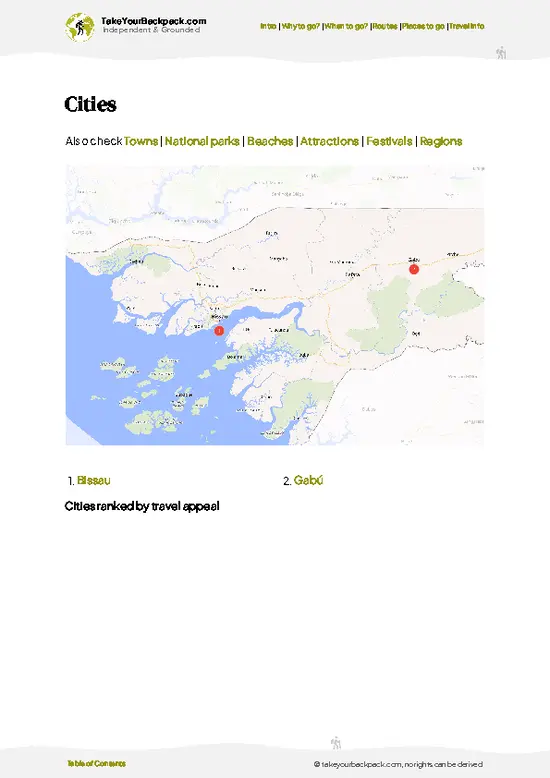
  • Bissau—colonial-era avenues, port markets, faded administrative buildings| 78 km away
  • Gabú—savanna edge, regional trading hub, Fula influences| 211 km away

💡 Not sure where to go next?
Create a personalized itinerary for Guinea-Bissau including Cacheu and the places that fit your trip.

Generate my itinerary

👉 Discover all cities

Or checkout all Guinea-Bissau has to offer (think cities, towns, villages, national parks, hikes, beaches, festivals)
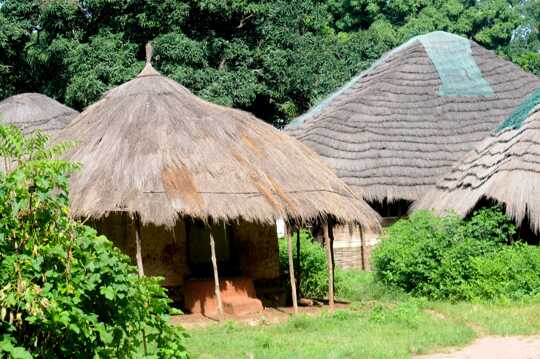
Country photo of Guinea-Bissau

We 💚 feedbackFinal thoughts on visiting Cacheu

Cacheu has this raw, unfiltered vibe that pulls you in. The air is thick with the scent of salt and earth, and the laughter of locals fills the streets. Don’t miss the old Portuguese fort; it’s a stunning reminder of history, but be ready for uneven paths. The best surprise? The local market, bursting with colors and flavors that feel like a celebration. Just a heads-up: bring cash, as ATMs can be tricky. Embrace the quirks; they’re part of Cacheu’s charm.

✍️ Help improve this page!
The information on this page is based on in-depth research, insights shared by experienced travelers, and feedback from the local travel community in Guinea-Bissau. While every effort is made to keep the information accurate and current, conditions can change — so if you spot anything incorrect or outdated, please get in touch.


🙋‍♂️ Give feedback

👋 Meet the founderWho’s Behind Take Your Backpack?

Johan, backpacker and founder of TakeYourBackpackHi, I’m Johan (Netherlands 🇳🇱), the creator of TakeYourBackpack. Over the past decade, I’ve backpacked through 80+ countries across six continents, gaining extensive experience with independent travel, long-term trips, and overland routes.

This site is built on a combination of firsthand travel experience and carefully curated insights from other backpackers. Many guides are based on places I’ve personally visited, while others bring together tips, observations, and practical advice shared by trusted travelers I’ve met along the way.

The goal is to provide realistic, experience-driven guidance — not generic itineraries — so you can explore destinations with better context, clearer expectations, and more confidence.

Get full country guide •
Instant download • 53 highlights • Full Offline guide