×

Guyana🇬🇾 | villagesRockstoneriverbank village, fishing camps, forest edge | things to do and best time to go

Explore AnnaiExplore Surama Village

Backpacking in Rockstone
👀 For curious travelersvillage ranked #13
By Johan Kruseman 🇳🇱 | Updated May 21, 2026

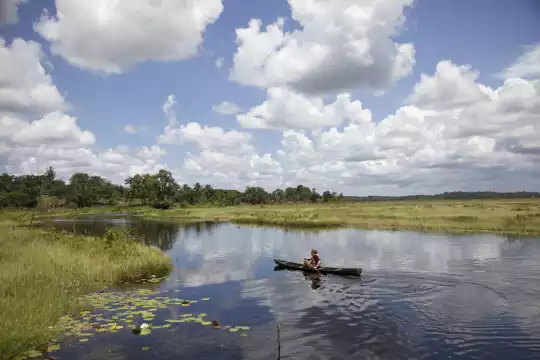
Everyone talks about Rockstone for the fish festival and the big catches, but if you’re backpacking, the real reason to come is the quiet: river mist at sunrise, woodsmoke in the air, and the feeling you’ve stepped off the grid without fully disappearing. Rockstone sits on the Essequibo River in Region 10, upriver from Linden, and it works best as a nature base rather than a “town” destination. It’s small, spread out, and simple; no real nightlife, few formal guesthouses, and you’ll rely on boats or arranged transport more than buses. Compared to Linden, Rockstone is calmer, more scenic, and less practical. You come here to slow down, fish, paddle, watch birds, and then move on. Costs are moderate but choice is limited, and safety is mostly about river sense and respecting the forest rather than street crime. Meeting other backpackers isn’t guaranteed, but when you do, you actually talk.

Discover everything you want to know in the 📖 Guyana Travel Guide.
Loading the map 🌍
CLICK TO FILTER
city
town
village
unique site
national park
hike
beach
attraction
festival
region
SHOW COUNTRY’S BESTSHOW ALL

✨ Why go?
Ranked #13 village in Guyana
Why visitors keep coming back

Backpackers flock to Rockstone for its strategic position on the route to hikes and cultural sites. The town serves as a launchpad for exploring the surrounding rainforest, where trails lead to hidden waterfalls and vibrant wildlife. With small-scale hostels and guesthouses, you’ll find a cozy atmosphere that encourages connection among travelers. The local food scene is a treat, offering hearty meals that reflect the region’s flavors. Streets are walkable, making it easy to navigate and soak in the laid-back vibe. Most visitors stay a few days, enjoying the balance of social interaction and quiet reflection. This place suits slow travelers and solo adventurers looking for a genuine experience, rather than those seeking nightlife or urban distractions.
Get the complete Travel Guide for Guyana
Everything organized for offline planning — routes, highlights, costs & tips

See what’s inside 👉

Get the Travel Guide -

💡 HighlightsDon't-miss highlights and experiences

  1. Rockstone Jetty (Essequibo riverfront) — The real social spine of the village: boats come and go, fishermen mend nets, traders load produce, and sunsets over the river are unbeatable for people-watching and photos.
  2. Village Market & Trading Post — Small, noisy and honest: buy fresh cassava, smoked fish, plantains and homemade snacks, and watch local bargaining and trade rhythms that tell you more about the place than any guidebook.
  3. Community Hall / Village Square — Where weddings, meetings and impromptu performances happen; drop in on an event and you’ll get a front-row seat to Rockstone’s community life and oral histories.
  4. Village Parish Church — A modest but meaningful spot: services and church gatherings are central to local life, and visiting a Sunday morning service (with permission)
read more 👉
  1. Rockstone Jetty (Essequibo riverfront) — The real social spine of the village: boats come and go, fishermen mend nets, traders load produce, and sunsets over the river are unbeatable for people-watching and photos.
  2. Village Market & Trading Post — Small, noisy and honest: buy fresh cassava, smoked fish, plantains and homemade snacks, and watch local bargaining and trade rhythms that tell you more about the place than any guidebook.
  3. Community Hall / Village Square — Where weddings, meetings and impromptu performances happen; drop in on an event and you’ll get a front-row seat to Rockstone’s community life and oral histories.
  4. Village Parish Church — A modest but meaningful spot: services and church gatherings are central to local life, and visiting a Sunday morning service (with permission) gives insight into faith, music and tradition in the village.
  5. Rockstone Primary School — More than a schoolhouse: it doubles as a community hub, and with a quick hello to staff you can learn about local education, see student projects and hear elders recount village history.
  6. Canoe Launch & Traditional Boatbuilding Area — Watch craftsmen and women carve and repair wooden canoes, or catch a river taxi; boatbuilding is a living skill here and a direct link to the Essequibo’s transport culture.
  7. Stilt Houses & Riverside Streets — Walk the raised wooden pathways and narrow lanes to see traditional riverside architecture, domestic life, and colorful yards—simple everyday scenes that define Rockstone’s character.
  8. Local Eateries & “Mama’s Kitchens” — Tiny eateries and home-cook stalls serve real Guyanese flavours—pepperpot, cook-up rice, cassava bread—often cooked by grandmothers who’ll happily chat about recipes and family life.
  9. Village Sports Field (cricket/football ground) — On weekends this becomes the loud, friendly centre of rivalry and socializing; join or watch a match to meet locals and soak up communal energy.
  10. Riverbank Trail & Mangrove Edge — Short riverside walks give good birdwatching, fishing spots and calm views of the Essequibo’s tidal edge—ideal for a quiet hour away from the village bustle.
A few real day-trip options nearby include Bartica (a larger river town), and the Essequibo river islands such as Wakenaam and Leguan, plus many small riverside settlements and island trails you can reach by boat from Rockstone.
Spotted a mistake or missing something? Contact us.

Things to do near Rockstone

Ratings based on Tripadvisor reviews. When you book through this link, you support our work at no extra cost to you.

⌛️ 1 dayA smart one-day plan

Rockstone, Guyana, is a vibrant town that pulses with the rhythm of local life, nestled along the banks of the Essequibo River. It’s a place where the scent of fresh fish mingles with the earthy aroma of the surrounding rainforest, creating an atmosphere that feels both alive and inviting.

Start your day early with a stroll along the riverbank. The morning light dances on the water, and you might catch locals casting their nets, a scene that feels like a snapshot of everyday life. Grab breakfast at a nearby café—try the fried plantains paired with a hot cup of local coffee.

In the afternoon, head to the Rockstone Community Centre. This spot is often overlooked by tourists but offers a glimpse into the town’s heart. Engage with local artisans showcasing their crafts; you might even pick … read more 👉
Rockstone, Guyana, is a vibrant town that pulses with the rhythm of local life, nestled along the banks of the Essequibo River. It’s a place where the scent of fresh fish mingles with the earthy aroma of the surrounding rainforest, creating an atmosphere that feels both alive and inviting.

Start your day early with a stroll along the riverbank. The morning light dances on the water, and you might catch locals casting their nets, a scene that feels like a snapshot of everyday life. Grab breakfast at a nearby café—try the fried plantains paired with a hot cup of local coffee.

In the afternoon, head to the Rockstone Community Centre. This spot is often overlooked by tourists but offers a glimpse into the town’s heart. Engage with local artisans showcasing their crafts; you might even pick up a handmade souvenir. Afterward, take a short hike to the nearby waterfalls. The sound of cascading water is a refreshing backdrop as you explore the lush surroundings.

As evening falls, return to the river for a sunset boat ride. The sky transforms into a canvas of oranges and purples, and the cool breeze feels like a gentle embrace. End your day at a local eatery, savoring a plate of pepperpot, a traditional dish that encapsulates the flavors of Guyana. Each bite tells a story, making your day in Rockstone not just a visit, but a meaningful experience.
Build the Right Itinerary
Use the Guyana Travel Guide’s 5, 10 & 15-day routes as a starting point to plan a trip that actually works on the ground.

Get the Travel Guide -

🌤️ When to go?Choosing the right time of year


  • Topic: Weather – Rockstone’s dry season runs from August to November, offering clearer skies and less humidity. Rainfall drops sharply, making trails less slippery and river crossings safer.

  • Topic: Temperature – Expect highs around 30°C (86°F) and lows near 22°C (72°F) during the dry months. The wet season can feel muggy, pushing temps up to 33°C (91°F) with sticky air that weighs on energy.

  • Topic: Daylight Hours – Near the equator, daylight stays steady year-round, roughly 12 hours. Early mornings and late afternoons offer the best light for photography and cooler hiking conditions.

  • Topic: Crowds – Rockstone is off the beaten path, but the dry season draws more local tourists and river travelers. Visiting just before or after this window means quieter trails and more solitude.

read more 👉

  • Topic: Weather – Rockstone’s dry season runs from August to November, offering clearer skies and less humidity. Rainfall drops sharply, making trails less slippery and river crossings safer.

  • Topic: Temperature – Expect highs around 30°C (86°F) and lows near 22°C (72°F) during the dry months. The wet season can feel muggy, pushing temps up to 33°C (91°F) with sticky air that weighs on energy.

  • Topic: Daylight Hours – Near the equator, daylight stays steady year-round, roughly 12 hours. Early mornings and late afternoons offer the best light for photography and cooler hiking conditions.

  • Topic: Crowds – Rockstone is off the beaten path, but the dry season draws more local tourists and river travelers. Visiting just before or after this window means quieter trails and more solitude.

  • Topic: Seasonal Activities – The dry season unlocks river navigation and fishing trips, while the wet season swells waterfalls and floods some paths, turning the landscape lush but less accessible.

  • Topic: Price Fluctuations – Accommodation and transport costs rise slightly during the dry season’s peak months, reflecting demand. Budget travelers can save by booking in shoulder months or the wetter season.


Pro-tip: Aim for late August or early November to catch dry trails, manageable crowds, and better rates—Rockstone’s raw beauty feels earned when you time it right.


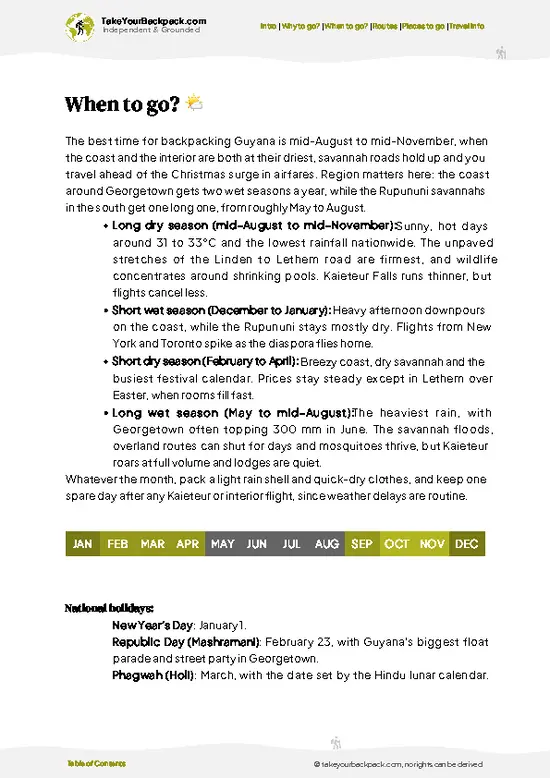
source: climatestotravel.comJANJanuary: fair for travelingFEBFebruary: fair for travelingMARMarch: fair for travelingAPRApril: fair for travelingMAYMay: fair for travelingJUNJune: good for travelingJULJuly: good for travelingAUGAugust: excellent for travelingSEPSeptember: excellent for travelingOCTOctober: excellent for travelingNOVNovember: highly recommended for travelingDECDecember: good for traveling
when-to-go

✈️ The backpacker research shortcutGuyana Travel Guide

An offline-friendly backpacking guide with optimized travel routes, ranked highlights, transport advice, and the best areas to stay.
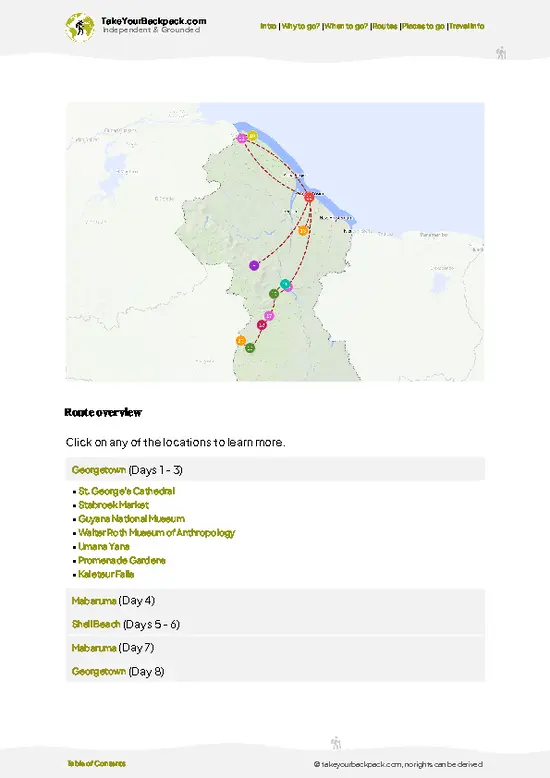
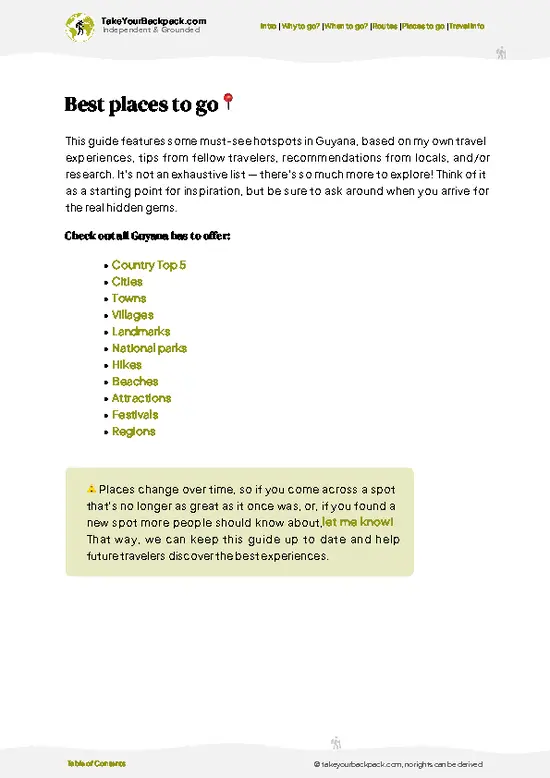
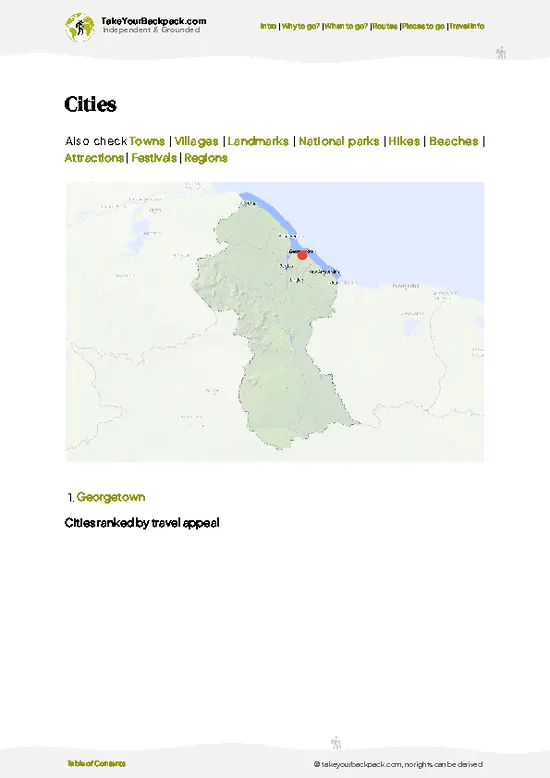
example page 0 from our offline Travel Guide for Guyanaexample page 1 from our offline Travel Guide for Guyanaexample page 2 from our offline Travel Guide for Guyanaexample page 3 from our offline Travel Guide for Guyanaexample page 4 from our offline Travel Guide for Guyanaexample page 5 from our offline Travel Guide for Guyanaexample page 6 from our offline Travel Guide for Guyanaexample page 7 from our offline Travel Guide for Guyana
The digital guide (206 pages) contains:
46 highlights, ranked by travel appeal
Optimized 5, 10 & 15-day travel routes
Cities, national parks, beaches, historical sites, ...
How to get around
Offline-friendly for travel without Wi-Fi
👉 Click to see all 30+ guide features

📅 Plan smarter in minutes, not weeks
Month by month travel advice
Festivals & national holidays
Budget expectations

🗺️ Go to the right places, skip the overrated ones
Honest pros & cons of destinations
Top hikes, parks & viewpoints
Lesser-known places most travelers miss
Clear “worth it vs skip it” guidance

🛏️ Travel smoothly without rookie mistakes
Best areas to stay
Transport systems explained simply
Common scams & safety advice
SIM cards, money & practical tips

🌍 Understand the country, not just visit it
Culture & traditions
Local customs
Festivals worth planning around
Traveler-friendly historical context
Insights that make places more meaningful

📱 Built for real travel conditions
Fully downloadable PDF
Works completely offline
Optimized for phone use
Useful in remote areas & buses
Everything in one place
Save weeks of stressful planning
Get instant access to the full guide directly. 30-day money-back guarantee.


Sent to your inbox immediately after payment • 100% Secure Checkout
Best Backpacking Travel Advisor 2025 tourism awardBest Backpacking
Travel Advisor
2025
What others say about Take Your Backpack Guides:
⭐⭐⭐⭐⭐
Fantastic, amazing amount of information!
⭐⭐⭐⭐⭐
My goodness this is amazing, it's what I've been looking for hats off too you!
⭐⭐⭐⭐⭐
I think this is absolutely BRILLIANT
⭐⭐⭐⭐
Very complete and informative. It's still missing places, but I gotta to commend you
⭐⭐⭐⭐⭐
This is truly amazing, thank you, can't wait to explore it with my kids!
⭐⭐⭐⭐⭐
Awesome resource, thank you!
⭐⭐⭐⭐⭐
This is amazing! Can't wait to explore the ones I haven't seen
⭐⭐⭐⭐
I love this! Well done, great idea.
⭐⭐⭐⭐⭐
Thanks for taking the time to make this gem!
⭐⭐⭐⭐⭐
This might be the best website I've ever seen.
⭐⭐⭐⭐⭐
Congratulations, and thank you so much for your work; it's incredibly valuable.
⭐⭐⭐⭐
In all seriousness I think you did a great job pointing out the important spots
⭐⭐⭐⭐⭐
10/10 very good
⭐⭐⭐⭐⭐
As someone who's only just starting to visit regularly this is awesome, thank you.
⭐⭐⭐⭐
Thank you very much! I'm going to visit my dad, it's going to be very useful!
⭐⭐⭐⭐⭐
This is really cool! We'll be travelling for the first time and this definitely come in handy.
⭐⭐⭐⭐⭐
You are now our minister of culture, congratulations 👨‍💼
⭐⭐⭐⭐⭐
Just wanted to tell you that this is a pearl! Going to follow your recommendations.
⭐⭐⭐⭐⭐
This is so cool. I'll definitely be using the resource for my travels soon.
⭐⭐⭐⭐⭐
This is very impressive! Good work.
⭐⭐⭐⭐⭐
This is an amazing and informative site. Very well done!

🛏️ Where to stay?Best areas to stay in Guyana

Rockstone’s town center is the heartbeat for backpackers—compact, easy to navigate, and alive with local chatter. Staying here means you’re steps away from the market’s earthy scent of fresh produce and the clatter of street vendors selling pepperpot and cassava bread. It’s not just about convenience; this area pulses with a social vibe where solo travelers naturally bump into each other at small eateries or riverside benches. Hostels cluster here, offering budget-friendly beds and a chance to swap stories over shared hammocks or communal kitchens.

Move away from the center, and the streets … read more 👉
Rockstone’s town center is the heartbeat for backpackers—compact, easy to navigate, and alive with local chatter. Staying here means you’re steps away from the market’s earthy scent of fresh produce and the clatter of street vendors selling pepperpot and cassava bread. It’s not just about convenience; this area pulses with a social vibe where solo travelers naturally bump into each other at small eateries or riverside benches. Hostels cluster here, offering budget-friendly beds and a chance to swap stories over shared hammocks or communal kitchens.

Move away from the center, and the streets grow quieter but less connected—safer in a sleepy way, but missing that buzz that makes meeting fellow travelers effortless. The riverside district, just a short walk from downtown, also draws backpackers who want a bit more calm without losing access to the town’s pulse. Here, the air carries a faint saltiness from the river, and evenings bring a cooler breeze, perfect for unwinding after a day of exploring.

🚌 Getting aroundHow to get from A to B

Rockstone moves at its own rhythm — not the rigid tick of a clock but the pulse of the river and the chatter of the market. The air carries a mix of salt and earth, and the streets hum with a blend of purposeful steps and spontaneous detours. Here, schedules are more like guidelines, and the best way to get around is to lean into the flow rather than fight it. You’ll find that the town’s transit options reflect this balance: some are steady and reliable, others more improvisational, but all are essential to unlocking the authentic Rockstone experience without draining your wallet.


  • Walking: The heart of Rockstone beats strongest on foot. Most key spots are within a 20-minute stroll, letting you soak in the scent of fresh bread from corner bakeries and the vibrant colors of street vendors.
read more 👉
Rockstone moves at its own rhythm — not the rigid tick of a clock but the pulse of the river and the chatter of the market. The air carries a mix of salt and earth, and the streets hum with a blend of purposeful steps and spontaneous detours. Here, schedules are more like guidelines, and the best way to get around is to lean into the flow rather than fight it. You’ll find that the town’s transit options reflect this balance: some are steady and reliable, others more improvisational, but all are essential to unlocking the authentic Rockstone experience without draining your wallet.


  • Walking: The heart of Rockstone beats strongest on foot. Most key spots are within a 20-minute stroll, letting you soak in the scent of fresh bread from corner bakeries and the vibrant colors of street vendors. It’s free, flexible, and the best way to catch the town’s subtle details.


  • Local Minibuses: These are the town’s workhorses, running roughly from 6 a.m. to 9 p.m. for about $0.50 per ride. They’re packed and noisy but fast enough to cover longer distances without breaking your budget. Expect a bit of a squeeze and a lively atmosphere—think local radio, animated chatter, and the occasional bargaining over fares.


  • Motorcycle Taxis (Okadas): When time is tight or the sun is beating down, these dart through traffic with ease. They operate all day, usually charging around $1-$2 depending on distance. It’s a quick, sweaty ride with the wind in your face and the city’s smells rushing past—perfect for short hops or when you’re carrying a heavy pack.


  • Shared Taxis: These run less frequently, mostly during peak hours, and cost about $1.50. They’re more comfortable than minibuses and follow main roads, making them a good middle ground if you want to save time but avoid the chaos of the smaller vehicles.


  • Bicycle Rentals: For the adventurous, renting a bike for around $5 a day offers freedom beyond the fixed routes. The town’s flat terrain and open air let you explore at your own pace, catching the shifting light on the river and the quiet corners that motorized transit misses.

👛 Costs (as of 22 April 2026)Travel costs and budget guide for Rockstone

Backpacking in Rockstone, Guyana, offers a raw, off-the-beaten-path experience where costs stay modest but the environment demands some savvy budgeting.
  • Dorm Accommodation: Expect basic guesthouses or lodges with shared rooms. Prices hover around $10 to $15 USD per night. Facilities are simple—think mosquito nets, ceiling fans, and sometimes shared bathrooms. It’s not luxury, but it’s enough to rest after a day in the humid, earthy air.
  • Meals: Local eateries serve hearty, straightforward meals—rice, beans, fresh fish, and root vegetables. A typical meal costs between $3 and $6 USD. Street food is cheaper but less common here, so plan for small restaurants or market stalls where the scent of grilled fish and spices fills the air.
  • Local Transport: Rockstone is small, so walking is often your
read more 👉
Backpacking in Rockstone, Guyana, offers a raw, off-the-beaten-path experience where costs stay modest but the environment demands some savvy budgeting.
  • Dorm Accommodation: Expect basic guesthouses or lodges with shared rooms. Prices hover around $10 to $15 USD per night. Facilities are simple—think mosquito nets, ceiling fans, and sometimes shared bathrooms. It’s not luxury, but it’s enough to rest after a day in the humid, earthy air.
  • Meals: Local eateries serve hearty, straightforward meals—rice, beans, fresh fish, and root vegetables. A typical meal costs between $3 and $6 USD. Street food is cheaper but less common here, so plan for small restaurants or market stalls where the scent of grilled fish and spices fills the air.
  • Local Transport: Rockstone is small, so walking is often your best bet. For longer trips, local boats or shared taxis cost around $1 to $3 USD per ride. The river’s presence means transport can be slow and weather-dependent, so factor in some waiting time and the smell of wet wood and river mud.
  • Basic Activities/Entry Fees: Most natural attractions around Rockstone, like river excursions or forest walks, have minimal or no entry fees. Guided tours, when available, might run $10 to $20 USD, often including a boat ride. The payoff is the quiet, humid jungle atmosphere and the chance to spot wildlife in the dense green.
  • Miscellaneous Expenses: Budget around $2 to $5 USD for essentials like bottled water, snacks, or small tips. Internet access is limited and often costly, so plan accordingly. The air here carries the scent of wet earth and vegetation, making simple comforts feel more precious.

Overall, you’re looking at roughly $20 to $40 USD per day to cover the essentials in Rockstone. It’s a place where the modest budget matches the slow pace and raw nature, rewarding those who embrace the simplicity with a genuine, grounded experience.
⚠️ Prices can change and everyone travels differently, so take this as a rough guide. Hope it helps you plan your adventure!

🚌 Day tripsEasy escapes and nearby places

Rockstone, Guyana, is a backpacker’s dream base for day trips, offering a blend of adventure and cultural immersion. The vibrant atmosphere of the town, with its warm, earthy scents and the hum of local life, sets the stage for exploration.

1. Kaieteur Falls
A trip to Kaieteur Falls is a must. The roar of the water crashing down is a visceral experience that makes the journey worthwhile. It’s about a 90-minute flight from Rockstone, but the views from above are breathtaking. Expect to pay around $150 for the round trip. The best time to visit is during the dry season, from September to November, when the falls are at their most powerful. Many first-timers underestimate the need for a good camera; you’ll want to capture the sheer scale of this natural wonder.
👉 Explore Kaieteur Falls

read more 👉
Rockstone, Guyana, is a backpacker’s dream base for day trips, offering a blend of adventure and cultural immersion. The vibrant atmosphere of the town, with its warm, earthy scents and the hum of local life, sets the stage for exploration.

1. Kaieteur Falls
A trip to Kaieteur Falls is a must. The roar of the water crashing down is a visceral experience that makes the journey worthwhile. It’s about a 90-minute flight from Rockstone, but the views from above are breathtaking. Expect to pay around $150 for the round trip. The best time to visit is during the dry season, from September to November, when the falls are at their most powerful. Many first-timers underestimate the need for a good camera; you’ll want to capture the sheer scale of this natural wonder.
👉 Explore Kaieteur Falls

2. Orinduik Falls
Orinduik Falls offers a more relaxed vibe. The journey involves a scenic drive followed by a boat ride, totaling around two hours. Costs hover around $50 for transport and entry. The falls are perfect for swimming, with natural pools that invite you to linger. Visit during the dry season for the clearest waters. A common mistake is to rush; take your time to enjoy the lush surroundings and the soothing sound of water.
👉 Explore Orinduik Falls

3. Iwokrama Rainforest
Exploring the Iwokrama Rainforest is like stepping into another world. It’s about a two-hour drive from Rockstone, with costs around $30 for transport. The best time to go is early morning when the forest is alive with sounds. Keep an eye out for wildlife; you might spot monkeys or exotic birds. Many backpackers overlook the importance of a local guide; their insights can transform your experience from ordinary to extraordinary.


4. Essequibo River
A day on the Essequibo River is a chance to unwind. The river’s gentle flow and the surrounding greenery create a serene atmosphere. It takes about an hour to reach the river, with costs around $20 for a boat rental. The dry season is ideal for clearer waters and better fishing. First-timers often forget to bring snacks; a picnic on the riverbank is a perfect way to savor the moment.
Want to know what more Guyana offers?
The Guyana Travel Guide describes 46 highlights, from cities to national parks, from beaches to hikes

Get the Travel Guide -

🛡️ SafetyTraveler Safety Guide

Rockstone, Guyana, is generally safe, but a few practical tips can enhance your experience. Stay aware in crowded areas, especially near markets where pickpockets might lurk. If you’re solo, avoid wandering too far after dark; stick to well-lit paths and populated spots.

Common scams are rare, but be cautious of overly friendly locals offering unsolicited help—politely decline and keep moving. The heat can be oppressive, so hydrate often and take breaks in shaded spots. Carry your belongings close, and maintain a confident demeanor; this often deters unwanted attention. Embrace the local vibe, and you’ll find Rockstone’s charm shines through the minor annoyances.

Other Guyanese villages near Rockstone

Explore more nearby:

  • Kurupukari—Essequibo crossing, ferry point, forest research station| 147 km away
  • Paramakatoi—mountain plateau, Patamona culture, remote airstrip| 194 km away
  • Surama Village—community tourism, forest walks, Makushi hospitality| 214 km away

👉 Discover all villages

Or checkout all Guyana has to offer (think cities, towns, villages, national parks, hikes, beaches, festivals)
Country photo of Guyana

We 💚 feedbackKey takeaways before you go

Rockstone has a raw, unfiltered vibe that pulls you in. The best surprise? The locals’ warmth—everyone’s ready to share stories over a cold drink. Just be prepared for the humidity; it’s relentless. Embrace it. The sweat is part of the experience, and trust me, the sunsets over the river make every drop worth it.

✍️ Help improve this page!
The information on this page is based on in-depth research, insights shared by experienced travelers, and feedback from the local travel community in Guyana. While every effort is made to keep the information accurate and current, conditions can change — so if you spot anything incorrect or outdated, please get in touch.


🙋‍♂️ Give feedback

👋 Meet the founderWho’s Behind Take Your Backpack?

Johan, backpacker and founder of TakeYourBackpackHi, I’m Johan (Netherlands 🇳🇱), the creator of TakeYourBackpack. Over the past decade, I’ve backpacked through 80+ countries across six continents, gaining extensive experience with independent travel, long-term trips, and overland routes.

This site is built on a combination of firsthand travel experience and carefully curated insights from other backpackers. Many guides are based on places I’ve personally visited, while others bring together tips, observations, and practical advice shared by trusted travelers I’ve met along the way.

The goal is to provide realistic, experience-driven guidance — not generic itineraries — so you can explore destinations with better context, clearer expectations, and more confidence.

Get full Guyana guide •
Instant download • 46 highlights • Full Offline guide