
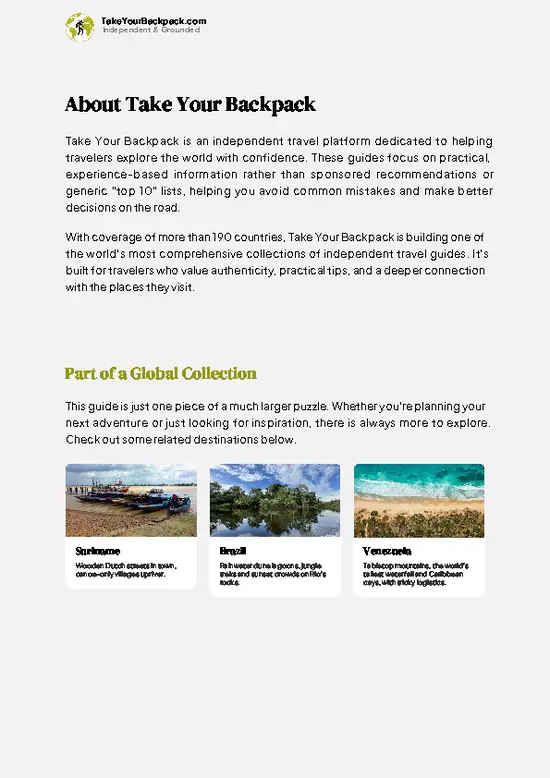
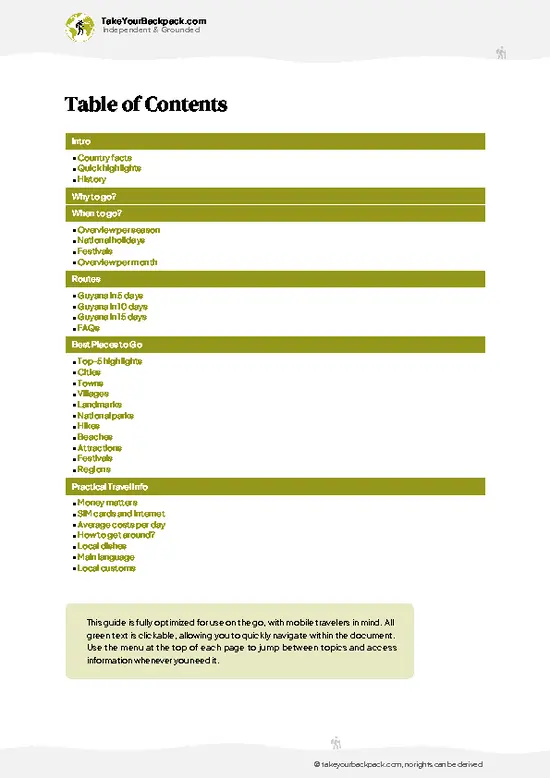
The Clocktower: The Real Icon
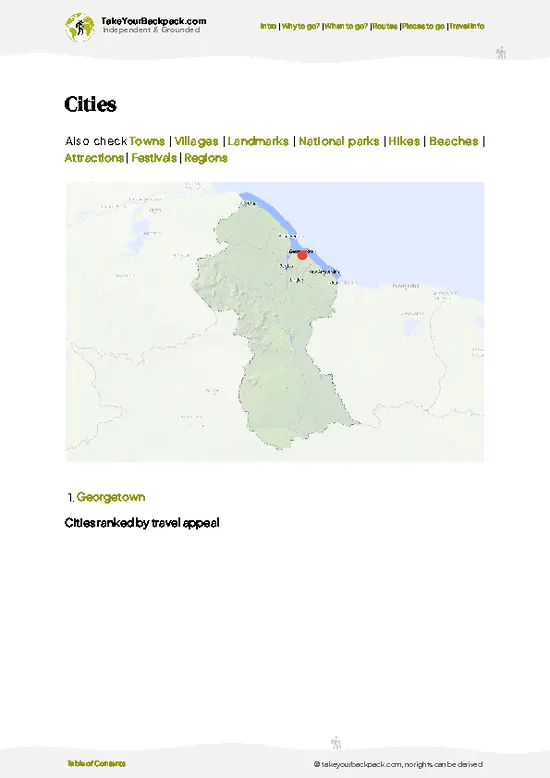
Forget the Instagram filters—this is not some quaint, untouched relic. The Stabroek Market clocktower is battered, bold, and impossible to miss, rising above the chaos like a Victorian fever dream. It’s the city’s unofficial compass. You’ll see locals using it as a meeting point, and if you stand under it long enough, you’ll witness half of Georgetown’s daily drama play out. The tower’s ironwork is a reminder that Guyana’s history is a mashup of colonial ambition and Caribbean hustle. It’s not pretty in the conventional sense, but it’s got character that no amount of restoration could fake.
The Produce Maze: Soursop, Sapodilla, and the Art of the Bargain
If you want to know what Guyana tastes like, skip the hotel breakfast and dive into the produce section. This … read more 👉
Forget the Instagram filters—this is not some quaint, untouched relic. The Stabroek Market clocktower is battered, bold, and impossible to miss, rising above the chaos like a Victorian fever dream. It’s the city’s unofficial compass. You’ll see locals using it as a meeting point, and if you stand under it long enough, you’ll witness half of Georgetown’s daily drama play out. The tower’s ironwork is a reminder that Guyana’s history is a mashup of colonial ambition and Caribbean hustle. It’s not pretty in the conventional sense, but it’s got character that no amount of restoration could fake.
The Produce Maze: Soursop, Sapodilla, and the Art of the Bargain
If you want to know what Guyana tastes like, skip the hotel breakfast and dive into the produce section. This … read more 👉
The Clocktower: The Real Icon
Forget the Instagram filters—this is not some quaint, untouched relic. The Stabroek Market clocktower is battered, bold, and impossible to miss, rising above the chaos like a Victorian fever dream. It’s the city’s unofficial compass. You’ll see locals using it as a meeting point, and if you stand under it long enough, you’ll witness half of Georgetown’s daily drama play out. The tower’s ironwork is a reminder that Guyana’s history is a mashup of colonial ambition and Caribbean hustle. It’s not pretty in the conventional sense, but it’s got character that no amount of restoration could fake.
The Produce Maze: Soursop, Sapodilla, and the Art of the Bargain
If you want to know what Guyana tastes like, skip the hotel breakfast and dive into the produce section. This is not a sanitized, air-conditioned supermarket. It’s a riot of color, sound, and negotiation. You’ll find fruits you’ve never seen—soursop with its spiky green armor, custard apples that look like alien eggs, and the kind of pineapples that ruin you for the canned stuff forever. Vendors will size you up, but if you show genuine curiosity, you’ll get stories with your fruit. The real entertainment is in the haggling—watch how the pros do it, then try your hand. You’ll walk away with sticky fingers and a new respect for the Guyanese palate.
The Gold and Jewelry Stalls: Bling with a Backstory
Stabroek isn’t just about groceries. The jewelry stalls are a crash course in Guyana’s gold obsession. This isn’t tourist trinket territory—locals come here to buy wedding bands, christening gifts, and the kind of heavy gold chains that double as family heirlooms. The designs are unapologetically bold, and the sellers know their stuff. If you’re lucky, you’ll get a quick lesson in how to spot real Guyanese gold (hint: it’s heavier than you think). Even if you’re not buying, the people-watching is top-tier.
The Street Food Gauntlet: Chow Mein, Pholourie, and Pepper Sauce
Outside the main building, the food stalls are where Stabroek’s multicultural soul comes alive. Chinese-Guyanese chow mein, Indian-inspired pholourie (fried dough balls), and pepper sauce that will make you sweat in places you didn’t know could sweat. This is not curated for tourists—locals eat here because it’s cheap, fast, and loaded with flavor. The best move? Follow the longest line. If you’re squeamish about hygiene, bring your own wipes and embrace the chaos. The payoff is a meal that tells you more about Guyana than any guidebook ever could.
The Minibus Terminal: Controlled Mayhem
It’s loud, it’s crowded, and it’s the beating heart of Georgetown’s daily grind. The minibus terminal next to Stabroek Market is where you see the city’s real choreography—drivers shouting destinations, conductors hustling for fares, and commuters weaving through traffic with the kind of agility that would make a parkour athlete jealous. It’s not for the faint of heart, but if you want to understand how Georgetown actually moves, this is the show. Stand back, soak it in, and don’t even think about crossing the street until you’ve watched the locals do it first.
Forget the Instagram filters—this is not some quaint, untouched relic. The Stabroek Market clocktower is battered, bold, and impossible to miss, rising above the chaos like a Victorian fever dream. It’s the city’s unofficial compass. You’ll see locals using it as a meeting point, and if you stand under it long enough, you’ll witness half of Georgetown’s daily drama play out. The tower’s ironwork is a reminder that Guyana’s history is a mashup of colonial ambition and Caribbean hustle. It’s not pretty in the conventional sense, but it’s got character that no amount of restoration could fake.
The Produce Maze: Soursop, Sapodilla, and the Art of the Bargain
If you want to know what Guyana tastes like, skip the hotel breakfast and dive into the produce section. This is not a sanitized, air-conditioned supermarket. It’s a riot of color, sound, and negotiation. You’ll find fruits you’ve never seen—soursop with its spiky green armor, custard apples that look like alien eggs, and the kind of pineapples that ruin you for the canned stuff forever. Vendors will size you up, but if you show genuine curiosity, you’ll get stories with your fruit. The real entertainment is in the haggling—watch how the pros do it, then try your hand. You’ll walk away with sticky fingers and a new respect for the Guyanese palate.
The Gold and Jewelry Stalls: Bling with a Backstory
Stabroek isn’t just about groceries. The jewelry stalls are a crash course in Guyana’s gold obsession. This isn’t tourist trinket territory—locals come here to buy wedding bands, christening gifts, and the kind of heavy gold chains that double as family heirlooms. The designs are unapologetically bold, and the sellers know their stuff. If you’re lucky, you’ll get a quick lesson in how to spot real Guyanese gold (hint: it’s heavier than you think). Even if you’re not buying, the people-watching is top-tier.
The Street Food Gauntlet: Chow Mein, Pholourie, and Pepper Sauce
Outside the main building, the food stalls are where Stabroek’s multicultural soul comes alive. Chinese-Guyanese chow mein, Indian-inspired pholourie (fried dough balls), and pepper sauce that will make you sweat in places you didn’t know could sweat. This is not curated for tourists—locals eat here because it’s cheap, fast, and loaded with flavor. The best move? Follow the longest line. If you’re squeamish about hygiene, bring your own wipes and embrace the chaos. The payoff is a meal that tells you more about Guyana than any guidebook ever could.
The Minibus Terminal: Controlled Mayhem
It’s loud, it’s crowded, and it’s the beating heart of Georgetown’s daily grind. The minibus terminal next to Stabroek Market is where you see the city’s real choreography—drivers shouting destinations, conductors hustling for fares, and commuters weaving through traffic with the kind of agility that would make a parkour athlete jealous. It’s not for the faint of heart, but if you want to understand how Georgetown actually moves, this is the show. Stand back, soak it in, and don’t even think about crossing the street until you’ve watched the locals do it first.
Spotted a mistake or missing something? Contact us.
v2.webp)


Best Backpacking
Hi, I’m Johan (Netherlands 🇳🇱), the creator of TakeYourBackpack. Over the past decade, I’ve backpacked through 80+ countries across six continents, gaining extensive experience with independent travel, long-term trips, and overland routes.