
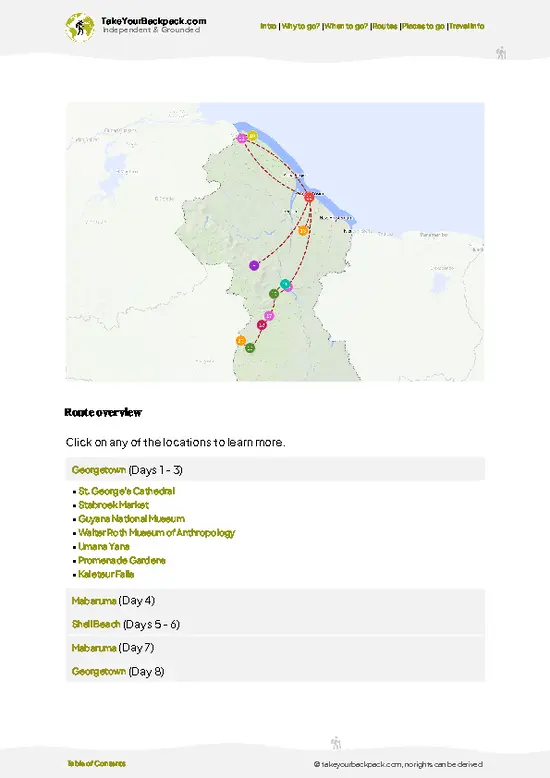
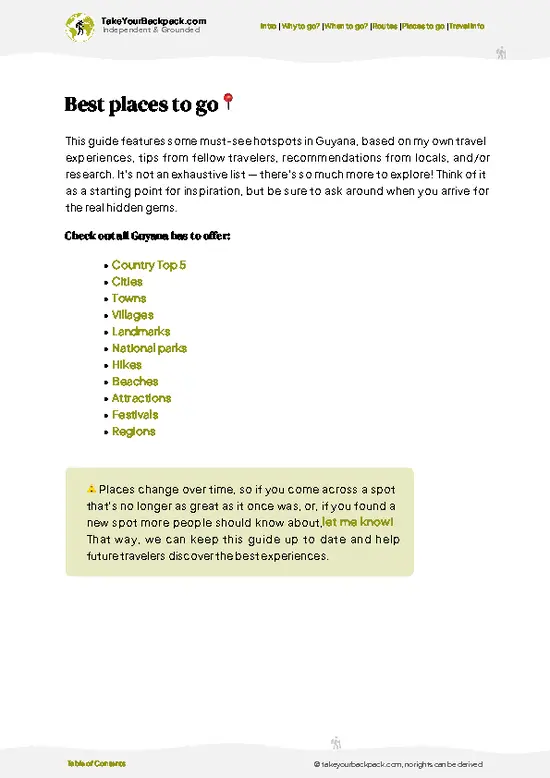
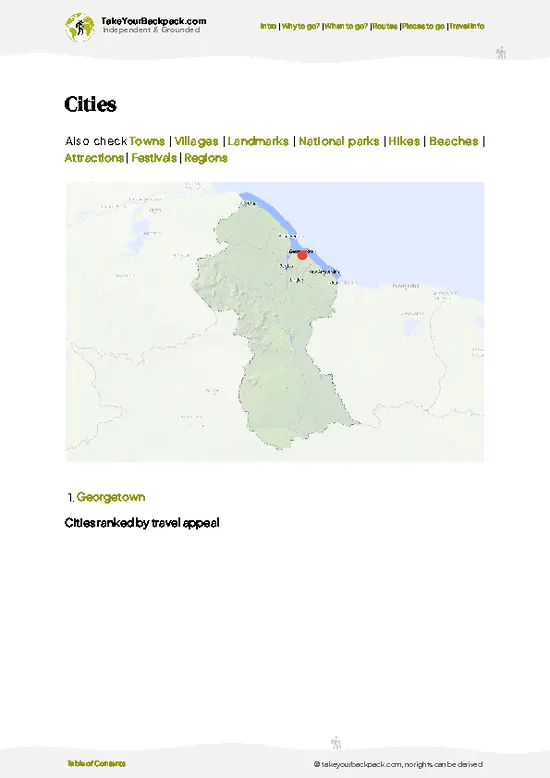
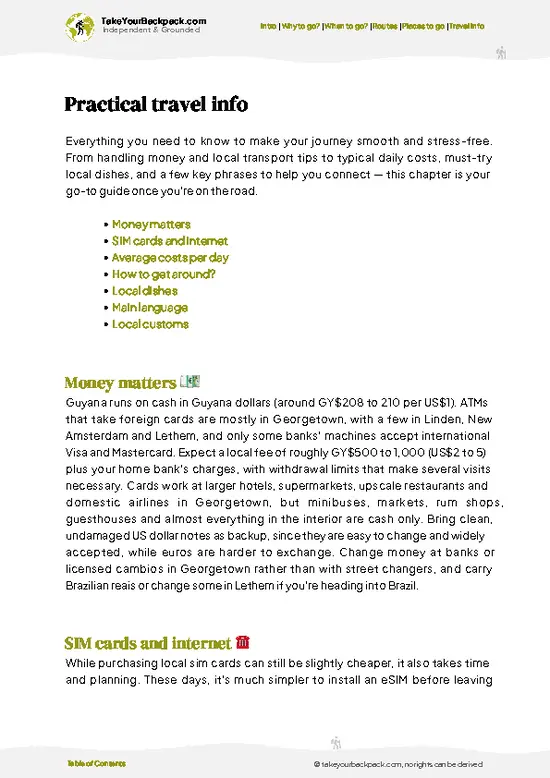
1. The Real Artifacts—Not Replicas
Forget the glassy-eyed mannequins and plastic props you’ll find in so many “anthropology” museums. The Walter Roth Museum is the real deal. You’re looking at actual tools, pottery, and jewelry crafted by the Indigenous peoples of Guyana—some of it centuries old, all of it handled by real hands, not factory molds. There’s a tactile honesty here. You can almost feel the weight of a cassava grater or the smoothness of a hand-carved comb, and that’s a rare thing in a world obsessed with digital displays and touchscreens.
2. The Shaman’s Paraphernalia
This isn’t a sanitized, academic look at “ritual objects.” The museum’s collection of shamanic tools—think feathered headdresses, jaguar-tooth necklaces, and the kind of rattles that have actually been used in ceremonies—hits … read more 👉
Forget the glassy-eyed mannequins and plastic props you’ll find in so many “anthropology” museums. The Walter Roth Museum is the real deal. You’re looking at actual tools, pottery, and jewelry crafted by the Indigenous peoples of Guyana—some of it centuries old, all of it handled by real hands, not factory molds. There’s a tactile honesty here. You can almost feel the weight of a cassava grater or the smoothness of a hand-carved comb, and that’s a rare thing in a world obsessed with digital displays and touchscreens.
2. The Shaman’s Paraphernalia
This isn’t a sanitized, academic look at “ritual objects.” The museum’s collection of shamanic tools—think feathered headdresses, jaguar-tooth necklaces, and the kind of rattles that have actually been used in ceremonies—hits … read more 👉
1. The Real Artifacts—Not Replicas
Forget the glassy-eyed mannequins and plastic props you’ll find in so many “anthropology” museums. The Walter Roth Museum is the real deal. You’re looking at actual tools, pottery, and jewelry crafted by the Indigenous peoples of Guyana—some of it centuries old, all of it handled by real hands, not factory molds. There’s a tactile honesty here. You can almost feel the weight of a cassava grater or the smoothness of a hand-carved comb, and that’s a rare thing in a world obsessed with digital displays and touchscreens.
2. The Shaman’s Paraphernalia
This isn’t a sanitized, academic look at “ritual objects.” The museum’s collection of shamanic tools—think feathered headdresses, jaguar-tooth necklaces, and the kind of rattles that have actually been used in ceremonies—hits you with the raw, unfiltered reality of Amerindian spiritual life. These aren’t props for a tourist show. They’re the real instruments of healing, trance, and tradition, and you get to see them up close, minus the Instagram filters and staged performances.
3. The Petroglyphs—Ancient Graffiti
If you want a direct line to the past, the museum’s petroglyph exhibits are your ticket. These stone carvings, some thousands of years old, are Guyana’s answer to street art—messages, warnings, or maybe just doodles from people who lived long before the word “Guyana” existed. The museum doesn’t just show you the stones; it gives you the context, the speculation, and the mystery. You’re left with more questions than answers, and that’s exactly how it should be.
4. The Story of Survival—Amerindian Resistance
This isn’t a museum that tiptoes around colonial history. The exhibits on Amerindian resistance and adaptation are blunt, sometimes uncomfortable, and absolutely necessary. You’ll see how Indigenous communities navigated invasion, disease, and forced assimilation—not as passive victims, but as active agents of their own survival. It’s a crash course in resilience, and it’s told with a clarity that’s rare in museums that usually prefer to “move on.”
5. The Living Traditions—Modern Amerindian Life
Here’s where the Walter Roth Museum really earns its keep. It doesn’t freeze Indigenous culture in amber. Instead, it shows you how Amerindian traditions—music, craft, food—are alive and evolving. You might catch a temporary exhibit on contemporary basket weaving or see a video interview with a modern-day community leader. This isn’t nostalgia; it’s a living, breathing culture, and the museum makes sure you feel that pulse.
6. The Library—A Treasure Trove for the Curious
If you’re the kind of traveler who wants to dig deeper, the museum’s research library is a goldmine. It’s packed with field notes, rare books, and ethnographic reports you won’t find online. This is where the anthropologists and local historians hang out, and if you’re lucky, you might get drawn into a real conversation about what’s happening in Guyana right now—not just what happened centuries ago.
Forget the glassy-eyed mannequins and plastic props you’ll find in so many “anthropology” museums. The Walter Roth Museum is the real deal. You’re looking at actual tools, pottery, and jewelry crafted by the Indigenous peoples of Guyana—some of it centuries old, all of it handled by real hands, not factory molds. There’s a tactile honesty here. You can almost feel the weight of a cassava grater or the smoothness of a hand-carved comb, and that’s a rare thing in a world obsessed with digital displays and touchscreens.
2. The Shaman’s Paraphernalia
This isn’t a sanitized, academic look at “ritual objects.” The museum’s collection of shamanic tools—think feathered headdresses, jaguar-tooth necklaces, and the kind of rattles that have actually been used in ceremonies—hits you with the raw, unfiltered reality of Amerindian spiritual life. These aren’t props for a tourist show. They’re the real instruments of healing, trance, and tradition, and you get to see them up close, minus the Instagram filters and staged performances.
3. The Petroglyphs—Ancient Graffiti
If you want a direct line to the past, the museum’s petroglyph exhibits are your ticket. These stone carvings, some thousands of years old, are Guyana’s answer to street art—messages, warnings, or maybe just doodles from people who lived long before the word “Guyana” existed. The museum doesn’t just show you the stones; it gives you the context, the speculation, and the mystery. You’re left with more questions than answers, and that’s exactly how it should be.
4. The Story of Survival—Amerindian Resistance
This isn’t a museum that tiptoes around colonial history. The exhibits on Amerindian resistance and adaptation are blunt, sometimes uncomfortable, and absolutely necessary. You’ll see how Indigenous communities navigated invasion, disease, and forced assimilation—not as passive victims, but as active agents of their own survival. It’s a crash course in resilience, and it’s told with a clarity that’s rare in museums that usually prefer to “move on.”
5. The Living Traditions—Modern Amerindian Life
Here’s where the Walter Roth Museum really earns its keep. It doesn’t freeze Indigenous culture in amber. Instead, it shows you how Amerindian traditions—music, craft, food—are alive and evolving. You might catch a temporary exhibit on contemporary basket weaving or see a video interview with a modern-day community leader. This isn’t nostalgia; it’s a living, breathing culture, and the museum makes sure you feel that pulse.
6. The Library—A Treasure Trove for the Curious
If you’re the kind of traveler who wants to dig deeper, the museum’s research library is a goldmine. It’s packed with field notes, rare books, and ethnographic reports you won’t find online. This is where the anthropologists and local historians hang out, and if you’re lucky, you might get drawn into a real conversation about what’s happening in Guyana right now—not just what happened centuries ago.
Spotted a mistake or missing something? Contact us.
v2.webp)


Best Backpacking
Hi, I’m Johan (Netherlands 🇳🇱), the creator of TakeYourBackpack. Over the past decade, I’ve backpacked through 80+ countries across six continents, gaining extensive experience with independent travel, long-term trips, and overland routes.