

The Actual Anchor of Haitian Identity: The Anchor of the Santa Maria
Forget the filtered photos of sun-bleached artifacts. The real deal here is the battered anchor from Christopher Columbus’s flagship, the Santa Maria. This isn’t just a rusty hunk of metal—it’s the literal starting point of European colonization in the Americas, sitting in a glass case like a silent witness to the collision of worlds. It’s heavy, both in weight and in history. You can feel the gravity of centuries in the room. If you want a selfie, fine, but the real magic is standing in front of it and letting the enormity of what it represents hit you. No amount of Instagram polish can replicate that gut-punch.
The Crown and Pistol of King Henri Christophe
You won’t find velvet ropes or slick lighting here. The crown and … read more 👉
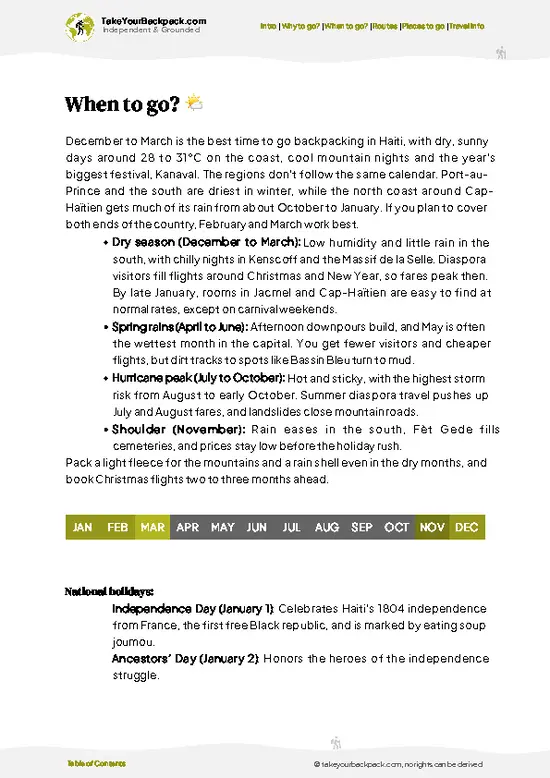
The Actual Anchor of Haitian Identity: The Anchor of the Santa Maria
Forget the filtered photos of sun-bleached artifacts. The real deal here is the battered anchor from Christopher Columbus’s flagship, the Santa Maria. This isn’t just a rusty hunk of metal—it’s the literal starting point of European colonization in the Americas, sitting in a glass case like a silent witness to the collision of worlds. It’s heavy, both in weight and in history. You can feel the gravity of centuries in the room. If you want a selfie, fine, but the real magic is standing in front of it and letting the enormity of what it represents hit you. No amount of Instagram polish can replicate that gut-punch.
The Crown and Pistol of King Henri Christophe
You won’t find velvet ropes or slick lighting here. The crown and pistol of Haiti’s first king, Henri Christophe, are displayed with a kind of raw honesty that’s rare in national museums. These aren’t props from a costume drama—they’re battered, real, and carry the scars of revolution. The crown is surprisingly modest, more iron than gold, and the pistol looks like it’s seen actual action. It’s a reminder that Haiti’s royalty was forged in fire, not inherited from a distant bloodline. This is the anti-Disney version of monarchy, and it’s all the more powerful for it.
The Grisly Reminders: Torture Devices and Chains
This is where the museum pulls no punches. You’ll see the actual shackles, branding irons, and torture devices used during the era of slavery. It’s not comfortable, and it’s not supposed to be. There’s no sugarcoating the brutality here. The display is blunt, almost confrontational, and it forces you to confront the reality of Haiti’s past. If you’re looking for a sanitized version of history, look elsewhere. If you want to understand the soul of the country, this is essential viewing.
The Bullet-Riddled Car of President Jean Vilbrun Guillaume Sam
This is not your average presidential limo. The car, riddled with bullet holes, is a visceral reminder of Haiti’s turbulent political history. It’s parked in the museum like a crime scene frozen in time. You can almost hear the chaos and feel the tension that led to Sam’s assassination in 1915. It’s a raw, unfiltered look at the cost of power in Haiti—a far cry from the sanitized halls of most national museums.
The Mummified Remains of Christophe’s Daughter
Yes, you read that right. The museum houses the actual mummified remains of Princess Améthyste, daughter of King Henri Christophe. This isn’t a wax figure or a replica. It’s the real thing, displayed with a matter-of-factness that’s both eerie and deeply moving. It’s a stark reminder of the mortality behind the myths, and it’s something you won’t find in any travel brochure.
Revolutionary Documents and Independence Declarations
If you want to see the paperwork that changed the world, this is your spot. The museum’s collection of original documents from the Haitian Revolution—including the 1804 Declaration of Independence—are the kind of artifacts that make history feel immediate and alive. These aren’t dusty relics; they’re the receipts for the world’s first successful slave revolt. The handwriting is shaky, the paper is yellowed, but the impact is seismic. This is the heart of Haiti’s story, laid bare for anyone willing to look past the surface.
Spotted a mistake or missing something? Contact us.

 Best Backpacking

 Hi, I’m Johan (Netherlands 🇳🇱), the creator of TakeYourBackpack. Over the past 3 decades, I’ve backpacked through 90+ countries across six continents, gaining extensive experience with independent travel, long-term trips, and overland routes.