×

Haiti🇭🇹 | citiesSaint-Marcport town, sugar cane fields, coastal road | things to do and best time to go

Explore HincheExplore Mirebalais

Backpacking in Saint-Marc
🌟 Highlightcity ranked #5
By Johan Kruseman 🇳🇱 | Updated September 4, 2026

Most people skip Saint-Marc in favor of Cap-Haïtien or Jacmel, but here’s the twist: it’s one of the few Haitian port cities where you can still feel like a traveler, not a packaged “voluntourist” or cruise passenger. Saint-Marc sits on Haiti’s west coast, roughly midway between Port-au-Prince and Gonaïves, on the Gulf of Gonâve. For backpackers, it’s gritty, cheap, and very local: a busy market town with a working harbor, a low-key seafront, and access to nearby beaches and old colonial-era churches rather than curated attractions. Transport is straightforward by bus or tap-tap, but you won’t find a hostel scene or many other foreigners. Costs are low; comfort and safety are not automatic. Compared with Cap-Haïtien’s history or Jacmel’s artsy charm, Saint-Marc feels more raw, transactional, and real.

Discover everything you want to know in the 📖 Haiti Travel Guide.
Safety warning

The current risk level for Haiti is high. Check the advice before going.


Get your Haiti guide
98 ranked highlights, routes & tips, works offline (361 pages)
Loading the map 🌍
CLICK TO FILTER
cities
towns
villages
landmarks
national parks
hikes
beaches
attractions
festivals
SHOW COUNTRY’S BESTSHOW ALL

✨ Why go?
Ranked #5 city in Haiti
What makes it a must-see city

Saint-Marc, Haiti, is a strategic basecamp for backpackers looking to explore the region without breaking the bank. The city offers a blend of affordable hostels and local eateries, making it easy to stretch your budget while enjoying authentic Haitian cuisine. Its walkability means you can easily navigate the vibrant streets, soaking in the local culture without needing a taxi.

What sets Saint-Marc apart is its proximity to day trips. You can venture out to stunning beaches or nearby towns, all while returning to a lively nightlife scene that keeps the energy high. The city is also a convenient stop for easy onward travel, whether you’re heading to Port-au-Prince or exploring the northern coast.

While it may not have the extensive highlights of larger cities, Saint-Marc’s charm lies in … read more 👉
Saint-Marc, Haiti, is a strategic basecamp for backpackers looking to explore the region without breaking the bank. The city offers a blend of affordable hostels and local eateries, making it easy to stretch your budget while enjoying authentic Haitian cuisine. Its walkability means you can easily navigate the vibrant streets, soaking in the local culture without needing a taxi.

What sets Saint-Marc apart is its proximity to day trips. You can venture out to stunning beaches or nearby towns, all while returning to a lively nightlife scene that keeps the energy high. The city is also a convenient stop for easy onward travel, whether you’re heading to Port-au-Prince or exploring the northern coast.

While it may not have the extensive highlights of larger cities, Saint-Marc’s charm lies in its authentic experiences and the chance to connect with locals. If you’re after a genuine taste of Haiti without the tourist traps, this city is worth more than just a quick stop.
Want to include Saint-Marc in your Haiti route?
Create a personalized Haiti itinerary that includes Saint-Marc and the places that fit your trip — based on your travel style, budget, and available time. Get your route in seconds.

Generate my trip

💡 HighlightsKey sights and experiences for travelers

  • Port of Saint-Marc (Le Port) — The working coastal heart of the city where fishing boats, cargo skiffs and busy quays give you a raw, real view of local life; great for watching the daily fish trade and photographing waterfront activity.
  • Grand Marché de Saint-Marc — The central market where you’ll find produce, spices, household goods and lively bargaining; it’s the best place to feel the city’s rhythms and sample street food like fried fish and bannann peze.
  • Front de mer / jetée — The seaside strip beside the port where locals gather, vendors sell fresh catches and sunsets over the bay are dramatic; it’s an easy walk and the most scenic urban shoreline in Saint-Marc.
  • Downtown commercial streets and merchant houses — The core streets around the market keep traces of old merchant architecture
read more 👉
  • Port of Saint-Marc (Le Port) — The working coastal heart of the city where fishing boats, cargo skiffs and busy quays give you a raw, real view of local life; great for watching the daily fish trade and photographing waterfront activity.
  • Grand Marché de Saint-Marc — The central market where you’ll find produce, spices, household goods and lively bargaining; it’s the best place to feel the city’s rhythms and sample street food like fried fish and bannann peze.
  • Front de mer / jetée — The seaside strip beside the port where locals gather, vendors sell fresh catches and sunsets over the bay are dramatic; it’s an easy walk and the most scenic urban shoreline in Saint-Marc.
  • Downtown commercial streets and merchant houses — The core streets around the market keep traces of old merchant architecture and colonial-era layouts; wandering here shows the city’s trade-based history and everyday commerce up close.
  • Artibonite river mouth and rice-plain edges — Where the Artibonite River meets the sea just outside the dense center, the estuary and surrounding rice fields are vital to the region’s economy and offer a striking landscape of waterways, small farms and birdlife.
Nearby day trips worth doing from Saint-Marc include the historic city of Gonaïves, the broader Artibonite Valley and rice plains, and the coastal town of Arcahaie.
Spotted a mistake or missing something? Contact us.
🏘️ NeighborhoodsWhere things are and how it's laid out

Saint-Marc offers a vibrant mix of culture and convenience for backpackers. Here’s how the neighborhoods stack up:

Centre Ville: This is the heart of Saint-Marc. It buzzes with local markets and street vendors. Costs are moderate, making it accessible. Walkability is excellent; you can explore shops and eateries on foot. Nightlife is lively, with bars and music spilling into the streets. Perfect for short stays where you want to soak up the local vibe.

Plage de Saint-Marc: If you crave sun and sand, this area is your go-to. The beach is stunning, and accommodations range from budget to mid-range. It’s a bit quieter, ideal for relaxation after a day of exploration. While walkable, you might want to use local transport for longer trips. Great for longer stays if you want a beachside retreat. … read more 👉
Saint-Marc offers a vibrant mix of culture and convenience for backpackers. Here’s how the neighborhoods stack up:

Centre Ville: This is the heart of Saint-Marc. It buzzes with local markets and street vendors. Costs are moderate, making it accessible. Walkability is excellent; you can explore shops and eateries on foot. Nightlife is lively, with bars and music spilling into the streets. Perfect for short stays where you want to soak up the local vibe.

Plage de Saint-Marc: If you crave sun and sand, this area is your go-to. The beach is stunning, and accommodations range from budget to mid-range. It’s a bit quieter, ideal for relaxation after a day of exploration. While walkable, you might want to use local transport for longer trips. Great for longer stays if you want a beachside retreat.

La Cité: A residential area that offers a glimpse into local life. Costs here are lower, and it’s less touristy, giving you an authentic experience. Walkability can be limited, so be prepared for some longer treks. Nightlife is subdued, making it suitable for those seeking peace. Best for longer stays if you want to immerse yourself in the community.

Route Nationale 1: This main road connects you to other parts of Haiti. It’s bustling and offers various transport options. Costs vary, but you can find budget-friendly spots. Walkability is less ideal, so plan your trips. Nightlife is minimal, focusing more on convenience. Good for short stays if you’re just passing through.

⌛️ 1 dayWhat you can realistically do in a day

Saint-Marc, Haiti, is a vibrant coastal city where the rhythm of life pulses through its streets. Known for its rich history and welcoming locals, it offers a unique blend of culture, art, and stunning ocean views. Spend a day here, and you’ll discover the heart of Haitian life, far from the usual tourist traps.

Start your morning at the bustling Marché de Saint-Marc. The aroma of fresh spices and local produce fills the air as vendors call out to passersby. Grab a fresh mango or a flaky paté, and soak in the lively atmosphere. Afterward, stroll along the waterfront promenade. The sight of fishermen bringing in their catch is a daily ritual that connects you to the local way of life.

In the afternoon, head to the historic Fort de Saint-Marc. This lesser-known site offers a glimpse into the … read more 👉
Saint-Marc, Haiti, is a vibrant coastal city where the rhythm of life pulses through its streets. Known for its rich history and welcoming locals, it offers a unique blend of culture, art, and stunning ocean views. Spend a day here, and you’ll discover the heart of Haitian life, far from the usual tourist traps.

Start your morning at the bustling Marché de Saint-Marc. The aroma of fresh spices and local produce fills the air as vendors call out to passersby. Grab a fresh mango or a flaky paté, and soak in the lively atmosphere. Afterward, stroll along the waterfront promenade. The sight of fishermen bringing in their catch is a daily ritual that connects you to the local way of life.

In the afternoon, head to the historic Fort de Saint-Marc. This lesser-known site offers a glimpse into the city’s colonial past, with its crumbling walls and panoramic views of the bay. It’s a perfect spot for some quiet reflection or a few great photos. After exploring, make your way to the nearby neighborhood of La Cité, where you can find local artisans crafting beautiful handmade goods. Supporting these artists not only enriches your experience but also helps sustain the community.

As evening approaches, find a spot at a local eatery like Le Relais, where you can savor traditional dishes like griot or joumou soup. The atmosphere is casual, and the flavors are authentic. After dinner, take a leisurely walk along the beach. The sound of waves crashing and the sight of the sunset over the water create a perfect ending to your day.

In Saint-Marc, every moment is an opportunity to connect with the local culture. Embrace the trade-offs of time, money, and comfort, and you’ll find that the high-value experiences here are truly rewarding.
Turn your Saint-Marc visit into an Haiti adventure
Build a complete Haiti route with Saint-Marc, hidden gems, must-see destinations, and realistic travel times included.

Generate my trip

🌤️ When to go?Best time to visit Saint-Marc


  • Topic: Weather – Saint-Marc’s dry season, from November to March, offers the most reliable weather for backpacking. Expect minimal rain, which means fewer muddy trails and less chance of gear getting soaked. The wet season, April to October, brings heavy showers and humidity that can slow you down and sap energy.

  • Topic: Temperature – Temperatures hover between 24°C and 30°C (75°F to 86°F) year-round. The dry season feels more comfortable with lower humidity, making daytime hikes and city strolls less draining. The wet season’s heat combined with moisture can push perceived temperatures higher, so pack accordingly.

  • Topic: Daylight Hours – Daylight stays fairly consistent, roughly 11 to 12 hours daily. This steady rhythm means you won’t lose precious exploration time to early sunsets,
read more 👉

  • Topic: Weather – Saint-Marc’s dry season, from November to March, offers the most reliable weather for backpacking. Expect minimal rain, which means fewer muddy trails and less chance of gear getting soaked. The wet season, April to October, brings heavy showers and humidity that can slow you down and sap energy.

  • Topic: Temperature – Temperatures hover between 24°C and 30°C (75°F to 86°F) year-round. The dry season feels more comfortable with lower humidity, making daytime hikes and city strolls less draining. The wet season’s heat combined with moisture can push perceived temperatures higher, so pack accordingly.

  • Topic: Daylight Hours – Daylight stays fairly consistent, roughly 11 to 12 hours daily. This steady rhythm means you won’t lose precious exploration time to early sunsets, regardless of when you visit.

  • Topic: Crowds – Tourist traffic peaks during the dry season, especially around December holidays. If you want to dodge crowds and still enjoy decent weather, aim for the shoulder months of November or March.

  • Topic: Seasonal Activities – Cultural festivals and local markets thrive in the dry months, offering authentic experiences without weather interruptions. The wet season sees fewer events, limiting your chances to engage with local traditions.

  • Topic: Price Fluctuations – Accommodation and transport costs spike during the dry season’s peak, reflecting demand. Traveling just before or after this window can save money without sacrificing comfort or access.


Pro-tip: Target the dry season’s edges—November or March—to balance weather, crowds, and cost, turning timing into your secret weapon for a smooth, rich Saint-Marc adventure.


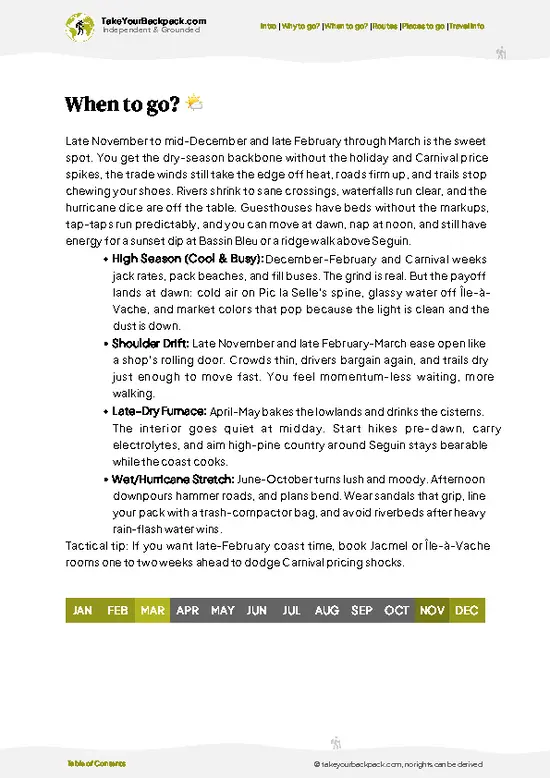
source: climatestotravel.comJANJanuary: excellent for travelingFEBFebruary: excellent for travelingMARMarch: highly recommended for travelingAPRApril: fair for travelingMAYMay: fair for travelingJUNJune: fair for travelingJULJuly: fair for travelingAUGAugust: fair for travelingSEPSeptember: fair for travelingOCTOctober: fair for travelingNOVNovember: highly recommended for travelingDECDecember: excellent for traveling
when-to-go

✈️ The backpacker research shortcutHaiti Travel Guide

An offline-friendly backpacking guide with optimized travel routes, ranked highlights, transport advice, and the best areas to stay.
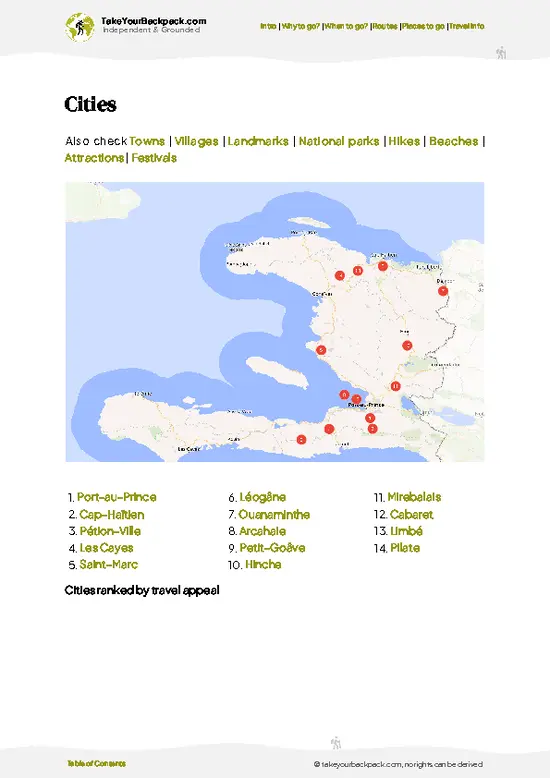
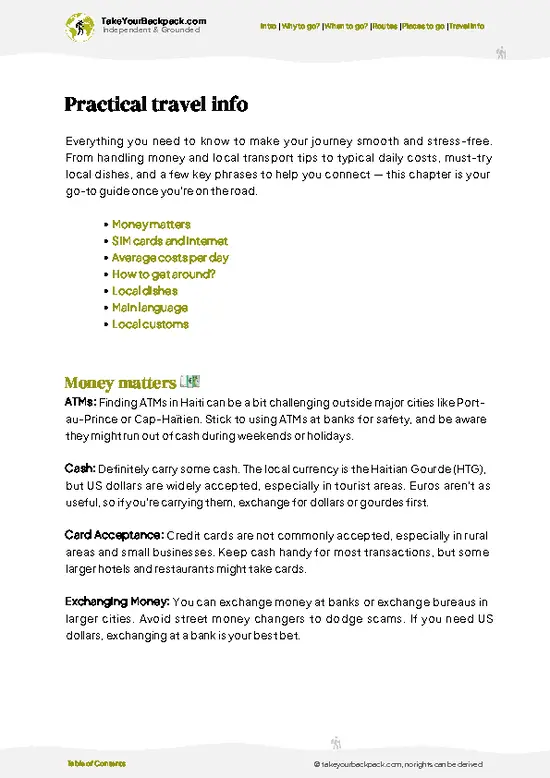
example page 0 from our offline Travel Guide for Haiti
example page 1 from our offline Travel Guide for Haiti
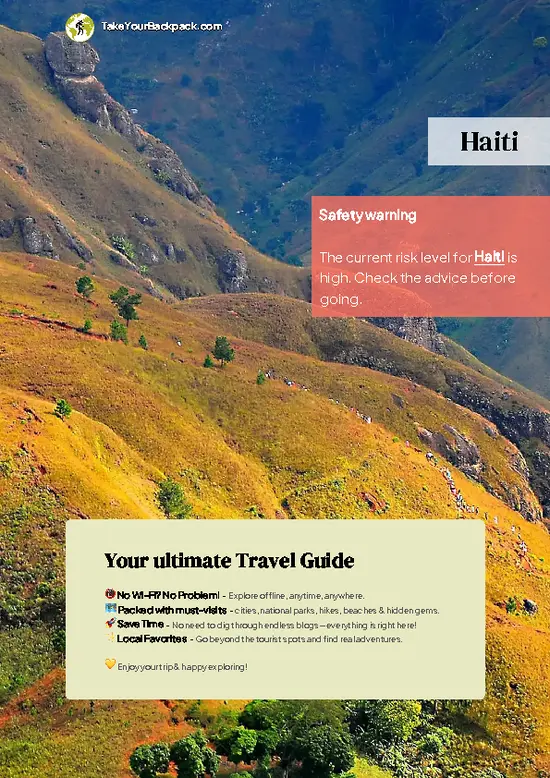
example page 2 from our offline Travel Guide for Haiti
example page 3 from our offline Travel Guide for Haiti
example page 4 from our offline Travel Guide for Haiti
example page 5 from our offline Travel Guide for Haiti
example page 6 from our offline Travel Guide for Haiti
example page 7 from our offline Travel Guide for Haiti
The digital guide (361 pages) contains:
98 highlights, ranked by travel appeal
Optimized 5, 10 & 15-day travel routes
Cities, national parks, landmarks, beaches
How to get around
Offline-friendly for travel without Wi-Fi
👉 Click to see all 30+ guide features

📅 Plan smarter in minutes, not weeks
Month by month travel advice
Festivals & national holidays
Budget expectations

🗺️ Go to the right places, skip the overrated ones
Honest pros & cons of destinations
Top hikes, parks & viewpoints
Lesser-known places most travelers miss
Clear “worth it vs skip it” guidance

🛏️ Travel smoothly without rookie mistakes
Best areas to stay
Transport systems explained simply
Common scams & safety advice
SIM cards, money & practical tips

🌍 Understand the country, not just visit it
Culture & traditions
52 Essential phrases & customs
Festivals worth planning around
Traveler-friendly historical context
Insights that make places more meaningful

📱 Built for real travel conditions
Fully downloadable PDF
Works completely offline
Optimized for phone use
Useful in remote areas & buses
Everything in one place
Save weeks of stressful planning
Get instant access to your full guide. 30‑day money-back guarantee.
+ Add another guide for just US$7.80

By proceeding you agree to our terms.
Sent to your inbox immediately after payment • 100% Secure Checkout
Best Backpacking Travel Advisor 2025 tourism awardBest Backpacking
Travel Advisor
2025
What others say about Take Your Backpack Guides:
⭐⭐⭐⭐⭐
Fantastic, amazing amount of information!
⭐⭐⭐⭐⭐
My goodness this is amazing, it's what I've been looking for hats off too you!
⭐⭐⭐⭐⭐
I think this is absolutely BRILLIANT
⭐⭐⭐⭐
Very complete and informative. It's still missing places, but I gotta to commend you
⭐⭐⭐⭐⭐
This is truly amazing, thank you, can't wait to explore it with my kids!
⭐⭐⭐⭐⭐
Awesome resource, thank you!
⭐⭐⭐⭐⭐
This is amazing! Can't wait to explore the ones I haven't seen
⭐⭐⭐⭐
I love this! Well done, great idea.
⭐⭐⭐⭐⭐
Thanks for taking the time to make this gem!
⭐⭐⭐⭐⭐
This might be the best website I've ever seen.
⭐⭐⭐⭐⭐
Congratulations, and thank you so much for your work; it's incredibly valuable.
⭐⭐⭐⭐
In all seriousness I think you did a great job pointing out the important spots
⭐⭐⭐⭐⭐
10/10 very good
⭐⭐⭐⭐⭐
As someone who's only just starting to visit regularly this is awesome, thank you.
⭐⭐⭐⭐
Thank you very much! I'm going to visit my dad, it's going to be very useful!
⭐⭐⭐⭐⭐
This is really cool! We'll be travelling for the first time and this definitely come in handy.
⭐⭐⭐⭐⭐
You are now our minister of culture, congratulations 👨‍💼
⭐⭐⭐⭐⭐
Just wanted to tell you that this is a pearl! Going to follow your recommendations.
⭐⭐⭐⭐⭐
This is so cool. I'll definitely be using the resource for my travels soon.
⭐⭐⭐⭐⭐
This is very impressive! Good work.
⭐⭐⭐⭐⭐
This is an amazing and informative site. Very well done!

🛏️ Where to stay?Best areas to stay in Haiti

Saint-Marc’s best backpacker zones cluster around its central and waterfront neighborhoods, where safety, social energy, and budget options intersect. The downtown area, close to the port and main market, is your go-to for a lively, authentic vibe. It’s where locals mingle, street vendors serve up quick eats, and you can find affordable guesthouses or hostels that cater to solo travelers. This area’s pulse keeps you connected to the city’s rhythm without the isolation of more residential zones.

Heading toward the waterfront, you’ll find a slightly calmer scene but still plenty of social opportunities. … read more 👉
Saint-Marc’s best backpacker zones cluster around its central and waterfront neighborhoods, where safety, social energy, and budget options intersect. The downtown area, close to the port and main market, is your go-to for a lively, authentic vibe. It’s where locals mingle, street vendors serve up quick eats, and you can find affordable guesthouses or hostels that cater to solo travelers. This area’s pulse keeps you connected to the city’s rhythm without the isolation of more residential zones.

Heading toward the waterfront, you’ll find a slightly calmer scene but still plenty of social opportunities. It’s a smart trade-off: a bit more comfort and scenic views without sacrificing budget or access to local life. Hostels here tend to attract a mix of backpackers and local creatives, making it easier to strike up conversations and share travel tips.

Avoid the outskirts and industrial zones—they’re less safe and lack the social infrastructure that makes backpacking fun. Saint-Marc’s charm is in its compact, walkable core where you can balance your budget, safety, and the chance to meet fellow travelers without feeling like you’re missing out.

🚌 Getting aroundMoving around without the hassle

Saint-Marc moves at its own rhythm—less a clockwork precision, more a pulse you feel underfoot. The city’s flow is a blend of spontaneous bursts and slow, deliberate stretches. You won’t find rigid timetables here; instead, expect a dance of improvisation where locals read the street like a living map. This isn’t a place where transit waits for you; you wait for transit, and in that waiting, you learn the city’s tempo. Understanding this trade-off between time, money, and comfort is your key to mastering Saint-Marc’s transit game.


  • Walking: The ultimate budget choice. Saint-Marc’s compact center means many sights and markets are within a 20-30 minute stroll. Zero cost, full control over your pace, and the chance to soak in street life. The trade-off? Time and the occasional sunburn if you
read more 👉
Saint-Marc moves at its own rhythm—less a clockwork precision, more a pulse you feel underfoot. The city’s flow is a blend of spontaneous bursts and slow, deliberate stretches. You won’t find rigid timetables here; instead, expect a dance of improvisation where locals read the street like a living map. This isn’t a place where transit waits for you; you wait for transit, and in that waiting, you learn the city’s tempo. Understanding this trade-off between time, money, and comfort is your key to mastering Saint-Marc’s transit game.


  • Walking: The ultimate budget choice. Saint-Marc’s compact center means many sights and markets are within a 20-30 minute stroll. Zero cost, full control over your pace, and the chance to soak in street life. The trade-off? Time and the occasional sunburn if you don’t plan your route or hydration well.


  • Tap-Tap: These colorful shared minibuses are the city’s lifeblood. They run roughly from 6 a.m. to 7 p.m., cost around 50 gourdes per ride, and offer a fast way to cover longer distances. Comfort is minimal—expect crowded, bumpy rides with no air conditioning—but the price and frequency make them unbeatable for budget travelers who can handle a bit of chaos.


  • Motorcycle Taxis (Motos): For when time is tight but cash is limited. Motos zip through traffic, cutting travel time drastically. Fares vary but typically start at 100 gourdes for short trips. They offer speed and flexibility but sacrifice safety and comfort. Helmets aren’t always guaranteed, so weigh your risk tolerance carefully.


  • Private Taxi: The most comfortable option, with door-to-door service and air-conditioned rides. Expect to pay 500 gourdes or more for typical city trips. Availability is less predictable, and haggling is part of the process. This choice buys you time and ease but at a steep price compared to other options.


  • Bicycle Rentals: A middle ground for those who want speed and independence without the cost of taxis. Rentals run about 300 gourdes per day. You control your schedule and route, but be ready for uneven roads and the tropical heat. It’s a solid trade-off if you’re comfortable on two wheels and want to explore beyond the core.

👛 Costs (as of 4 September 2026)Money, prices, and spending tips

Backpacking in Saint-Marc, Haiti, demands a clear-eyed view of what your money buys in this lively, less-touristed city. Here’s the breakdown to help you strategize your spending like a pro.
  • Dorm Accommodation (High Season): Expect to pay around $10 to $15 per night. High season pushes prices up slightly due to demand, but options remain basic and functional rather than luxurious.
  • Dorm Accommodation (Off-Season): Prices drop to about $7 to $10 per night. Off-season travel here rewards you with better deals, though availability might be more limited.
  • Meals: Local eateries offer meals for $2 to $5. Street food and small restaurants serve filling, authentic Haitian dishes at wallet-friendly prices, perfect for keeping your energy up without overspending.
  • Local Transport: Minibuses and tap-taps
read more 👉
Backpacking in Saint-Marc, Haiti, demands a clear-eyed view of what your money buys in this lively, less-touristed city. Here’s the breakdown to help you strategize your spending like a pro.
  • Dorm Accommodation (High Season): Expect to pay around $10 to $15 per night. High season pushes prices up slightly due to demand, but options remain basic and functional rather than luxurious.
  • Dorm Accommodation (Off-Season): Prices drop to about $7 to $10 per night. Off-season travel here rewards you with better deals, though availability might be more limited.
  • Meals: Local eateries offer meals for $2 to $5. Street food and small restaurants serve filling, authentic Haitian dishes at wallet-friendly prices, perfect for keeping your energy up without overspending.
  • Local Transport: Minibuses and tap-taps (shared taxis) cost roughly $0.25 to $0.50 per ride. They’re the backbone of getting around town, cheap but often crowded and unpredictable in schedule.
  • City Transport Pass: There is no formal city transport pass system in Saint-Marc. Budget for individual rides instead, as transport is informal and pay-as-you-go.
  • Basic Activities/Entry Fees: Most cultural or natural sites charge minimal fees, typically $1 to $3. This includes local markets, small museums, or beach access points.
  • Miscellaneous Expenses: Budget around $2 to $5 for extras like bottled water, snacks, or occasional internet access. These small costs add up but remain manageable with a bit of planning.

Total daily costs for backpacking in Saint-Marc generally fall between $15 and $30. This range covers the essentials without sacrificing the authentic experience, letting you focus on the city’s character rather than just the logistics. You’re trading a bit of comfort for immersion and value, a classic backpacker’s win.
⚠️ Prices can change and everyone travels differently, so take this as a rough guide. Hope it helps you plan your adventure!

🚌 Day tripsEasy escapes and nearby places

Saint-Marc, Haiti, is a fantastic launchpad for day trips that blend adventure with cultural immersion. Here are some top picks that make the most of your time, money, and comfort.

Côte des Arcadins
Just a short 30-minute ride from Saint-Marc, this stunning stretch of coastline offers pristine beaches and crystal-clear waters. Spend the day swimming, snorkeling, or simply lounging under the sun. Local beach shacks serve fresh seafood at reasonable prices, making it easy to indulge without breaking the bank. Aim for a weekday visit to avoid the weekend crowds. A common mistake? Forgetting sunscreen; the sun here is relentless.


La Citadelle Laferrière
A bit further afield, about a two-hour drive, this UNESCO World Heritage site is a must-see. The fortress, built in the 19th century, … read more 👉
Saint-Marc, Haiti, is a fantastic launchpad for day trips that blend adventure with cultural immersion. Here are some top picks that make the most of your time, money, and comfort.

Côte des Arcadins
Just a short 30-minute ride from Saint-Marc, this stunning stretch of coastline offers pristine beaches and crystal-clear waters. Spend the day swimming, snorkeling, or simply lounging under the sun. Local beach shacks serve fresh seafood at reasonable prices, making it easy to indulge without breaking the bank. Aim for a weekday visit to avoid the weekend crowds. A common mistake? Forgetting sunscreen; the sun here is relentless.


La Citadelle Laferrière
A bit further afield, about a two-hour drive, this UNESCO World Heritage site is a must-see. The fortress, built in the 19th century, stands as a testament to Haiti’s history and resilience. The entrance fee is minimal, and the views from the top are breathtaking. Plan your trip during the cooler months, from November to March, to avoid the heat. Many first-timers underestimate the hike to the citadel; wear sturdy shoes and bring plenty of water.


Saut-d’Eau Waterfall
Roughly an hour from Saint-Marc, this waterfall is not just a natural wonder but also a sacred site for many locals. The journey involves a bit of off-road travel, but the reward is a refreshing dip in the cool waters. The trip is budget-friendly, with minimal entrance fees and local vendors offering snacks. Visit during the rainy season for a more impressive flow, but be cautious of slippery paths. A common pitfall is not checking the weather; heavy rains can make the trails treacherous.


Gonaïves
Just under an hour away, Gonaïves is rich in history and local culture. Explore the vibrant market and sample local delicacies like griot and pikliz. The cost of food and transportation is low, making it a great option for budget travelers. The best time to visit is during the dry season, from December to April. First-timers often miss the chance to engage with locals; don’t hesitate to strike up a conversation.


Môle Saint-Nicolas
About a two-hour drive, this charming coastal town offers a glimpse into Haiti’s maritime history. The beaches are less crowded, and you can enjoy a peaceful day of exploration. Costs are low, especially if you bring your own snacks. The best time to visit is during the dry season. A common mistake is underestimating travel time; plan for some delays on the road.
Want to know what more Haiti offers?
The Haiti Travel Guide describes 98 highlights, from cities to national parks, from beaches to hikes

Get the Travel Guide -

🍲 FoodWhat to Eat & Drink

In Saint-Marc, the local cuisine is a vibrant tapestry of flavors that tells the story of Haiti. You can’t miss trying griot, marinated pork fried to crispy perfection, often served with pikliz, a spicy pickled vegetable relish that adds a zesty kick. Pair that with djon djon rice, made with local black mushrooms, and you’ll understand why food here is a celebration.

For a true taste of the city, hit the markets. The air is thick with the scent of grilled meats and fresh produce. Street vendors serve up akra, crispy fritters made from malanga, and pâté filled with savory meats. These bites are not just meals; they’re a way to connect with the locals.

When it comes to drinks, don’t skip the kremas, a sweet, coconut-based beverage often enjoyed during celebrations. It’s a social drink, perfect … read more 👉
In Saint-Marc, the local cuisine is a vibrant tapestry of flavors that tells the story of Haiti. You can’t miss trying griot, marinated pork fried to crispy perfection, often served with pikliz, a spicy pickled vegetable relish that adds a zesty kick. Pair that with djon djon rice, made with local black mushrooms, and you’ll understand why food here is a celebration.

For a true taste of the city, hit the markets. The air is thick with the scent of grilled meats and fresh produce. Street vendors serve up akra, crispy fritters made from malanga, and pâté filled with savory meats. These bites are not just meals; they’re a way to connect with the locals.

When it comes to drinks, don’t skip the kremas, a sweet, coconut-based beverage often enjoyed during celebrations. It’s a social drink, perfect for sharing stories with new friends.

Etiquette is relaxed; just dive in and enjoy. Eating with your hands is common, and sharing food is a sign of hospitality. In Saint-Marc, every meal is an invitation to experience the heart of Haitian culture.

🛡️ SafetyScams, Hazards, and Annoyances

Saint-Marc, Haiti, is generally safe for travelers, but a few situational awareness tips can enhance your experience. Stick to well-trodden paths, especially around the bustling market areas during the day. These spots are vibrant but can attract pickpockets, so keep your belongings close and avoid flashy displays of wealth.

If you’re solo, consider your evening plans carefully. While many locals are friendly, it’s wise to avoid wandering too far from populated areas after dark. Use reputable transportation options, like local taxis, rather than walking alone.

Common scams are minimal, but be cautious of overly friendly strangers offering unsolicited help. Politely decline and trust your instincts. Everyday annoyances might include persistent vendors, but a firm “no, thank you” usually does … read more 👉
Saint-Marc, Haiti, is generally safe for travelers, but a few situational awareness tips can enhance your experience. Stick to well-trodden paths, especially around the bustling market areas during the day. These spots are vibrant but can attract pickpockets, so keep your belongings close and avoid flashy displays of wealth.

If you’re solo, consider your evening plans carefully. While many locals are friendly, it’s wise to avoid wandering too far from populated areas after dark. Use reputable transportation options, like local taxis, rather than walking alone.

Common scams are minimal, but be cautious of overly friendly strangers offering unsolicited help. Politely decline and trust your instincts. Everyday annoyances might include persistent vendors, but a firm “no, thank you” usually does the trick. Approach your adventure with confidence, and you’ll navigate Saint-Marc like a pro.

FAQTraveler FAQ

2 to 3 days are sufficient to explore Saint-Marc, covering its main markets, beaches, and local eateries. This allows time to experience the town's vibrant culture and nearby attractions without rushing.
Saint-Marc can be moderately safe for solo backpackers if basic precautions are taken, such as avoiding nighttime travel and staying in well-known areas. Petty crime exists, so keeping valuables secure and traveling with local guidance is advisable.
Saint-Marc is known for its bustling port, which is a key hub for commerce in Haiti, and its lively markets offering local crafts and fresh produce. It is also recognized for its coastal location and proximity to beautiful beaches.
⚠️ Things can change over time, so always validate details locally before you go.

Other Haitian cities near Saint-Marc

Explore more nearby:

  • Arcahaie—flag origins, mango groves, roadside stalls| 42 km away
  • Cabaret—river delta, agricultural plots, roadside eateries| 51 km away
  • Pilate—mountain foothills, coffee farms, winding roads| 64 km away

💡 Not sure where to go next?
Create a personalized itinerary for Haiti including Saint-Marc and the places that fit your trip.

Generate my itinerary

👉 Discover all cities

Or checkout all Haiti has to offer (think cities, towns, villages, national parks, hikes, beaches, festivals)
Country photo of Haiti

We 💚 feedbackSumming up the experience

Saint-Marc has a pulse that’s hard to ignore. The local markets buzz with energy, and the street food is a revelation—try the griot; it’s a flavor explosion. The best surprise? The warmth of the people. They’ll share stories that make you feel at home. Just a heads-up: be mindful of your belongings in crowded areas. Embrace the chaos, and you’ll find moments that linger long after you leave. Trust me, it’s worth it.

✍️ Help improve this page!
The information on this page is based on in-depth research, insights shared by experienced travelers, and feedback from the local travel community in Haiti. While every effort is made to keep the information accurate and current, conditions can change — so if you spot anything incorrect or outdated, please get in touch.


🙋‍♂️ Give feedback

👋 Meet the founderWho’s Behind Take Your Backpack?

Johan, backpacker and founder of TakeYourBackpackHi, I’m Johan (Netherlands 🇳🇱), the creator of TakeYourBackpack. Over the past decade, I’ve backpacked through 80+ countries across six continents, gaining extensive experience with independent travel, long-term trips, and overland routes.

This site is built on a combination of firsthand travel experience and carefully curated insights from other backpackers. Many guides are based on places I’ve personally visited, while others bring together tips, observations, and practical advice shared by trusted travelers I’ve met along the way.

The goal is to provide realistic, experience-driven guidance — not generic itineraries — so you can explore destinations with better context, clearer expectations, and more confidence.

Get full Haiti guide •
Instant download • 98 highlights • Full Offline guide