How many cities: Plan on
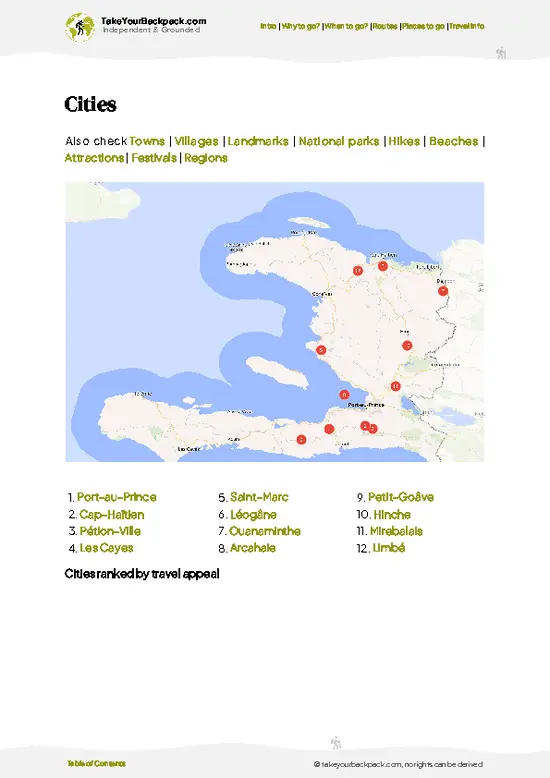
two cities, three at most, and keep them in the same region. Roads are slow, security can change within hours, and each transfer costs half a day plus some risk. Two stops of three nights each let you learn your way around, find reliable transport and pull out if conditions shift. A third only makes sense if it is a short ride away.
Choosing between kinds of cities: For history, architecture and the easiest logistics, pick the
northern colonial and fortress region. For beaches, art and a slower pace, pick the
south coast, but only if you have confirmed a safe way in. Skip the capital entirely. It has few sights you can safely reach, and its fortunes swing too fast for independent travel. Travelers on tight budgets should favor smaller towns, where food and rooms cost …
read more 👉 How many cities: Plan on two cities, three at most, and keep them in the same region. Roads are slow, security can change within hours, and each transfer costs half a day plus some risk. Two stops of three nights each let you learn your way around, find reliable transport and pull out if conditions shift. A third only makes sense if it is a short ride away.Choosing between kinds of cities: For history, architecture and the easiest logistics, pick the northern colonial and fortress region. For beaches, art and a slower pace, pick the south coast, but only if you have confirmed a safe way in. Skip the capital entirely. It has few sights you can safely reach, and its fortunes swing too fast for independent travel. Travelers on tight budgets should favor smaller towns, where food and rooms cost less.What it costs: Haiti is pricey for what you get. Realistic budgets are US$60 to 120 a day for a safe guesthouse (US$40 to 90 a night), meals at local restaurants (US$4 to 12), and local transport. Add US$30 to 70 a day for a hired driver or vetted guide, which is often the only sensible way to reach sights outside town. Site entry fees run from a few dollars to about US$10 to 20, and guides at major sights charge separately, so agree the price first. Motorcycle taxis cost 50 to 200 gourdes for short rides, and a seat in a shared tap-tap is cheaper but slow and cramped. Dollars and gourdes both circulate; carry small notes, since change is scarce and ATMs often fail.Costs that catch people out: Arrange rides and rooms before arrival, because last-minute prices for foreigners can double. Take cash in small US bills, as cards work in very few places. Fuel shortages can add US$20 to 50 to a driver’s quote, so confirm what is included. Budget a spare night per region in case a road closes.Safety and culture: Most governments advise against all travel to Haiti, so check current advisories and travel insurance terms before booking; many policies exclude it. Do not travel at night, do not walk with a phone out, and leave valuables at the guesthouse. Never photograph people without asking, since many will refuse or ask for payment, and Vodou ceremonies are not tourist shows. A few phrases of Creole, such as bonjou and mèsi, change the mood of every encounter. Greet before asking anything, dress modestly in town, and bargain politely in markets. Hire locals with a trusted introduction, not touts at the station.



 Best Backpacking
 Hi, I’m Johan (Netherlands 🇳🇱), the creator of TakeYourBackpack. Over the past 3 decades, I’ve backpacked through 90+ countries across six continents, gaining extensive experience with independent travel, long-term trips, and overland routes.