×

Honduras🇭🇳 | townsAmapalaVolcanic island, black sand beaches, Gulf of Fonseca | things to do and best time to go

Explore La MosquitiaExplore Gracias

Backpacking in Amapala
👍 Recommendedtown ranked #9
By Johan Kruseman 🇳🇱 | Updated September 4, 2026

Most people only realize after leaving that Amapala is where Honduras finally slows down enough for you to breathe: cheap seafood, warm water, and almost no hassle, all in one compact island town. It sits on Isla del Tigre in the Gulf of Fonseca, off the country’s far south Pacific coast, closer in spirit to El Salvador and Nicaragua than to the Bay Islands scene. Amapala works best as a low-key pause on a north–south backpacking route, or as a simple base for volcano walks, black-sand beaches, and boat trips on the gulf, not as a long-term hub. It’s small, walkable, and sleepy at night; you’ll find a couple of basic guesthouses instead of party hostels, so meeting other travelers is hit-or-miss. Cheaper and rougher around the edges than coastal Nicaragua, safer-feeling than big Honduran cities, it rewards patient, self-sufficient travelers more than checklist collectors.

Discover everything you want to know in the 📖 Honduras Travel Guide.


Get your Honduras guide
80 ranked highlights, routes & tips, works offline (328 pages)
Loading the map 🌍
CLICK TO FILTER
cities
towns
landmarks
national parks
hikes
beaches
attractions
festivals
regions
SHOW COUNTRY’S BESTSHOW ALL

✨ Why go?
Ranked #9 town in Honduras
Why Amapala should be on your travel list

Backpackers flock to Amapala for its unique blend of convenience and authenticity. Nestled on Isla del Tigre, it serves as a gateway to stunning hikes and beaches that feel like a well-kept secret. The walkable streets invite exploration, where you can stumble upon local food stalls serving up fresh seafood and hearty pupusas.

Accommodations range from cozy hostels to charming guesthouses, fostering a friendly social atmosphere. You’ll find fellow travelers sharing stories over a cup of locally brewed coffee, making it easy to connect. Most visitors tend to linger a few days, soaking in the laid-back vibe and the surrounding natural beauty.

This town is perfect for slow travelers, hikers, and solo adventurers looking for a peaceful retreat. While it’s not a nightlife hotspot, the sense … read more 👉
Backpackers flock to Amapala for its unique blend of convenience and authenticity. Nestled on Isla del Tigre, it serves as a gateway to stunning hikes and beaches that feel like a well-kept secret. The walkable streets invite exploration, where you can stumble upon local food stalls serving up fresh seafood and hearty pupusas.

Accommodations range from cozy hostels to charming guesthouses, fostering a friendly social atmosphere. You’ll find fellow travelers sharing stories over a cup of locally brewed coffee, making it easy to connect. Most visitors tend to linger a few days, soaking in the laid-back vibe and the surrounding natural beauty.

This town is perfect for slow travelers, hikers, and solo adventurers looking for a peaceful retreat. While it’s not a nightlife hotspot, the sense of community and the chance to engage with local culture make it a worthwhile stop. Amapala isn’t just a place to pass through; it’s a chance to breathe in the essence of Honduras.
Want to include Amapala in your Honduras route?
Create a personalized Honduras itinerary that includes Amapala and the places that fit your trip — based on your travel style, budget, and available time. Get your route in seconds.

Generate my trip

💡 HighlightsKey sights and experiences for travelers

  1. Parque Central (Plaza Central) — The small town square is where Amapala’s life happens: vendors, kids playing, elderly trading gossip, and a few shady benches to watch the fishing boats come and go. Great for people-watching and timing your day by the church bells.
  2. Main Catholic Church (Iglesia parroquial) — Modest but meaningful: the local church anchors religious festivals and weekday masses. Step inside during a service to see how faith and community weave into daily life here.
  3. Muelle municipal (the ferry/boat pier) — More than transit: the pier is the town’s front porch. Watch crews unload the day’s catch, grab a seat for sunset over the Gulf, or use it as the starting point for island hopping.
  4. Fish market and waterfront stalls — Raw, noisy, and delicious: where fishermen sell straight
read more 👉
  1. Parque Central (Plaza Central) — The small town square is where Amapala’s life happens: vendors, kids playing, elderly trading gossip, and a few shady benches to watch the fishing boats come and go. Great for people-watching and timing your day by the church bells.
  2. Main Catholic Church (Iglesia parroquial) — Modest but meaningful: the local church anchors religious festivals and weekday masses. Step inside during a service to see how faith and community weave into daily life here.
  3. Muelle municipal (the ferry/boat pier) — More than transit: the pier is the town’s front porch. Watch crews unload the day’s catch, grab a seat for sunset over the Gulf, or use it as the starting point for island hopping.
  4. Fish market and waterfront stalls — Raw, noisy, and delicious: where fishermen sell straight off the boats. Buy cheap ceviche, watch bargaining, and practice your Spanish with the vendors — the freshest seafood you’ll find on the island.
  5. Waterfront promenade / small beaches by the harbor — Not a polished resort strip, but honest shoreline: tidal pools, kids swimming, and informal cook-ups. Perfect for a lazy afternoon and close-up views of the bay’s daily rhythms.
  6. Historic wooden houses and Calle Principal — Walk the main streets to see weathered colonial-era facades and wooden balconies. They tell Amapala’s story better than any plaque: salt, sun, and generations of island life etched into the paint.
  7. Boatyards and local carpentry workshops — You’ll smell tar and hear hammers: craftsmen still build and repair wooden pangas by hand. Seeing traditional boatbuilding is both practical and oddly hypnotic — you get a sense of livelihoods shaped by the sea.
  8. Town cemetery with sea views — Coastal cemeteries in Honduras are quiet, reflective places where local customs and memorial art meet the Gulf’s horizon. It’s a respectful stop to understand local attitudes toward family and memory.
  9. Small neighborhood plazas and tiendas — Scattered little corners where people gather: a domino game, a baker selling pan, a tienda blasting music. These micro-spots are where you’ll feel the town’s true pulse and find authentic interaction.
  10. Municipal offices / local meeting points — The alcaldía and adjacent meeting spots are where festivals get organized and official life happens. Drop by to see posters for upcoming fiestas or to learn about local events — timing your visit around one gives the best cultural payoff.
A few easy day trips nearby: hike the volcanic rim on Isla del Tigre for sweeping Gulf views (my personal favorite), visit nearby islands like Isla Zacate Grande, or explore quiet beaches and fishing villages a short boat ride away.
Spotted a mistake or missing something? Contact us.
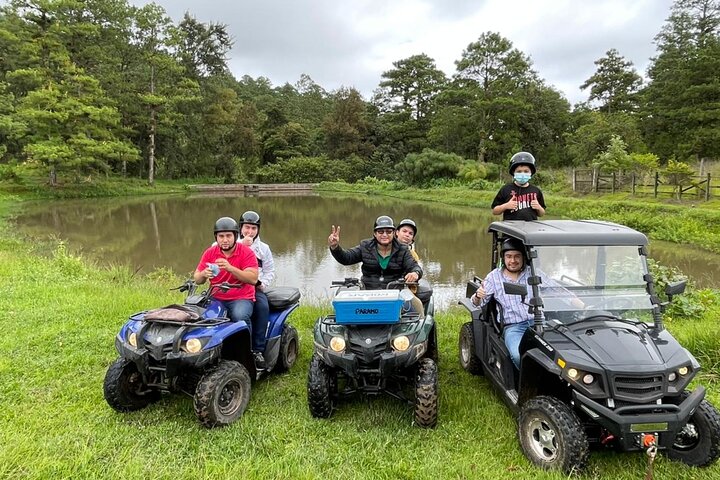
Things to do near Amapala

Ratings based on Tripadvisor reviews. When you book through this link, you support our work at no extra cost to you.

🏘️ NeighborhoodsWhere things are and how it's laid out

Amapala, a small island town in Honduras, offers a unique blend of coastal charm and local culture. Each neighborhood has its own flavor, making it essential to choose wisely for your stay.

Centro
This is the heart of Amapala. You’ll find vibrant markets, local eateries, and the main ferry terminal. The vibe is lively, especially during the day. Costs are reasonable, and everything is within walking distance. Perfect for short stays, but the noise can be a bit much at night if you’re looking for peace.

La Playa
If you crave the ocean, this area is your go-to. The beach is just steps away, and the sunsets are breathtaking. It’s quieter than Centro, making it ideal for longer stays. Accommodations range from budget hostels to mid-range hotels. The trade-off? Fewer dining options, but the … read more 👉
Amapala, a small island town in Honduras, offers a unique blend of coastal charm and local culture. Each neighborhood has its own flavor, making it essential to choose wisely for your stay.

Centro
This is the heart of Amapala. You’ll find vibrant markets, local eateries, and the main ferry terminal. The vibe is lively, especially during the day. Costs are reasonable, and everything is within walking distance. Perfect for short stays, but the noise can be a bit much at night if you’re looking for peace.

La Playa
If you crave the ocean, this area is your go-to. The beach is just steps away, and the sunsets are breathtaking. It’s quieter than Centro, making it ideal for longer stays. Accommodations range from budget hostels to mid-range hotels. The trade-off? Fewer dining options, but the fresh seafood here is worth it.

El Mirador
This neighborhood offers stunning views and a more laid-back atmosphere. It’s a bit of a trek uphill, so be prepared for a workout. The tranquility is perfect for those wanting to escape the hustle. Transport options are limited, but the peace and scenery make it a rewarding choice for longer stays.

Punta de Amapala
This area is more remote, ideal for those seeking solitude. It’s less developed, which means fewer tourists and a more authentic experience. Costs can vary, but you’ll find some hidden budget spots. It’s best for longer stays, as the isolation can feel intense for short visits.

⌛️ 1 dayHow to make the most of one day

Amapala, perched on the southern coast of Honduras, is a slice of paradise that feels like a well-kept secret. With its laid-back vibe, stunning views of the Gulf of Fonseca, and a rich tapestry of culture, this town invites you to slow down and soak it all in.

Start your morning with a stroll along the waterfront promenade. The salty breeze carries the scent of the ocean, mingling with the aroma of fresh tortillas sizzling at local stands. Grab a breakfast of pupusas from a nearby vendor—these thick corn tortillas stuffed with cheese and beans are a must-try. As you savor each bite, watch the fishermen haul in their morning catch, their laughter echoing against the gentle lapping of the waves.

In the afternoon, head to the lesser-known Playa El Cocal. This beach, often overlooked by tourists, … read more 👉
Amapala, perched on the southern coast of Honduras, is a slice of paradise that feels like a well-kept secret. With its laid-back vibe, stunning views of the Gulf of Fonseca, and a rich tapestry of culture, this town invites you to slow down and soak it all in.

Start your morning with a stroll along the waterfront promenade. The salty breeze carries the scent of the ocean, mingling with the aroma of fresh tortillas sizzling at local stands. Grab a breakfast of pupusas from a nearby vendor—these thick corn tortillas stuffed with cheese and beans are a must-try. As you savor each bite, watch the fishermen haul in their morning catch, their laughter echoing against the gentle lapping of the waves.

In the afternoon, head to the lesser-known Playa El Cocal. This beach, often overlooked by tourists, offers a more authentic experience. The sand is soft, and the water is refreshingly cool. Bring a book or just lounge under a palm tree, letting the sound of the surf wash over you. If you’re feeling adventurous, rent a kayak and paddle out to explore the nearby mangroves, where the air is thick with the scent of wet earth and the calls of exotic birds.

As the sun begins to dip, make your way to the town square. The golden light casts a warm glow on the colonial buildings, creating a perfect backdrop for people-watching. Grab a coffee at a local café and chat with residents about their lives. They’ll share stories that reveal the heart of Amapala, making you feel like part of the community.

End your day with a seafood dinner at a family-run restaurant along the coast. The catch of the day, grilled to perfection, paired with a cold local beer, is the perfect way to wrap up your adventure. You’ll leave Amapala not just with memories, but with a deeper understanding of its soul.
Turn your Amapala visit into an Honduras adventure
Build a complete Honduras route with Amapala, hidden gems, must-see destinations, and realistic travel times included.

Generate my trip

🌤️ When to go?Seasonal considerations and timing


  • Topic: Weather – Amapala’s dry season runs from November to April, offering clear skies and minimal rain. This is when the sun feels warm but not oppressive, perfect for exploring without the constant threat of tropical downpours that dominate May through October.

  • Topic: Temperature – Expect daytime highs around 28-32°C (82-90°F) during the dry months, cooling to a comfortable 22-25°C (72-77°F) at night. The rainy season brings higher humidity, making the heat feel heavier and less inviting for long hikes or beach time.

  • Topic: Daylight Hours – Near the equator, daylight stays steady year-round, roughly 11.5 to 12.5 hours. This consistency means you can plan your days without worrying about early sunsets cutting adventures short.

  • Topic: Crowds – Dry season draws more visitors, especially
read more 👉

  • Topic: Weather – Amapala’s dry season runs from November to April, offering clear skies and minimal rain. This is when the sun feels warm but not oppressive, perfect for exploring without the constant threat of tropical downpours that dominate May through October.

  • Topic: Temperature – Expect daytime highs around 28-32°C (82-90°F) during the dry months, cooling to a comfortable 22-25°C (72-77°F) at night. The rainy season brings higher humidity, making the heat feel heavier and less inviting for long hikes or beach time.

  • Topic: Daylight Hours – Near the equator, daylight stays steady year-round, roughly 11.5 to 12.5 hours. This consistency means you can plan your days without worrying about early sunsets cutting adventures short.

  • Topic: Crowds – Dry season draws more visitors, especially around holidays like Christmas and Easter, so expect a livelier atmosphere and busier local spots. The rainy season sees fewer tourists, offering solitude but with the trade-off of muddy trails and sporadic ferry schedules.

  • Topic: Seasonal Activities – The dry months are prime for fishing trips, snorkeling, and island hopping. Rainy season limits water activities but brings lush greenery and fewer boats, which can be a different kind of charm if you’re after quiet reflection.

  • Topic: Price Fluctuations – Accommodation and ferry fares tend to spike during the dry season’s peak months. Booking ahead is wise. Off-season offers better deals but prepare for occasional disruptions due to weather.


Pro-tip: Aim for late November or early December—just after the rains ease but before the holiday rush—to catch Amapala’s sweet spot of fresh air, manageable crowds, and wallet-friendly prices.


source: climatestotravel.comJANJanuary: excellent for travelingFEBFebruary: excellent for travelingMARMarch: excellent for travelingAPRApril: highly recommended for travelingMAYMay: fair for travelingJUNJune: fair for travelingJULJuly: fair for travelingAUGAugust: fair for travelingSEPSeptember: fair for travelingOCTOctober: fair for travelingNOVNovember: highly recommended for travelingDECDecember: highly recommended for traveling
when-to-go

✈️ The backpacker research shortcutHonduras Travel Guide

An offline-friendly backpacking guide with optimized travel routes, ranked highlights, transport advice, and the best areas to stay.
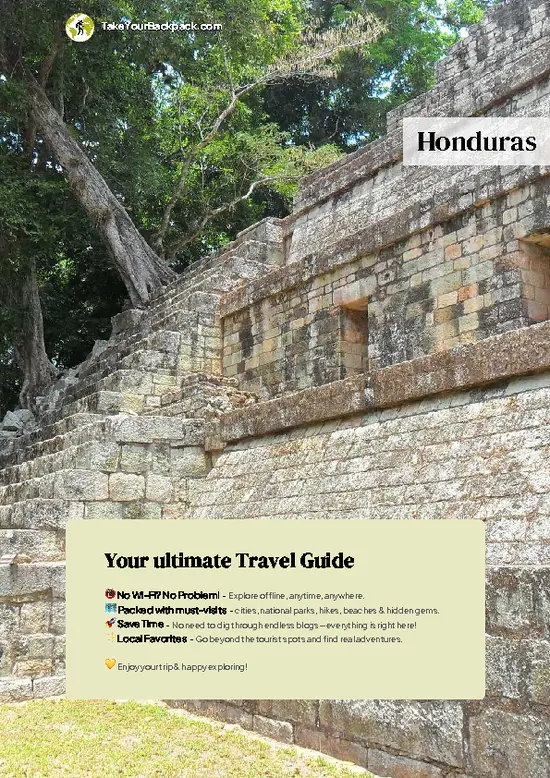
example page 0 from our offline Travel Guide for Honduras
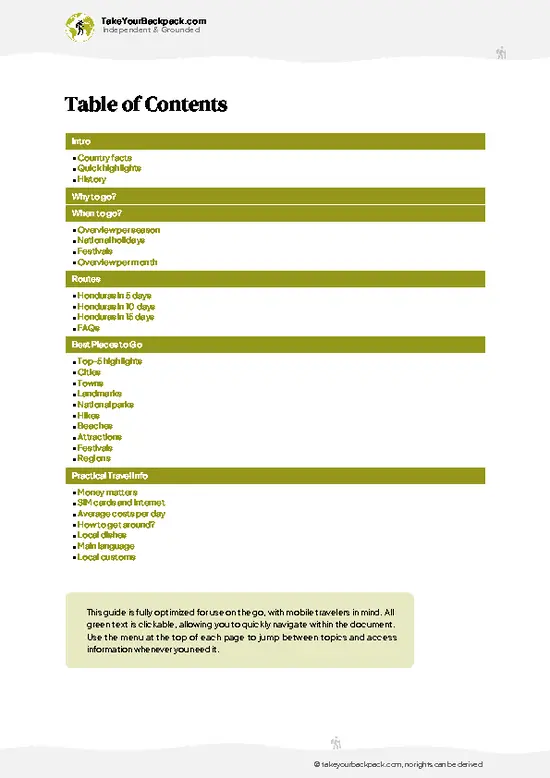
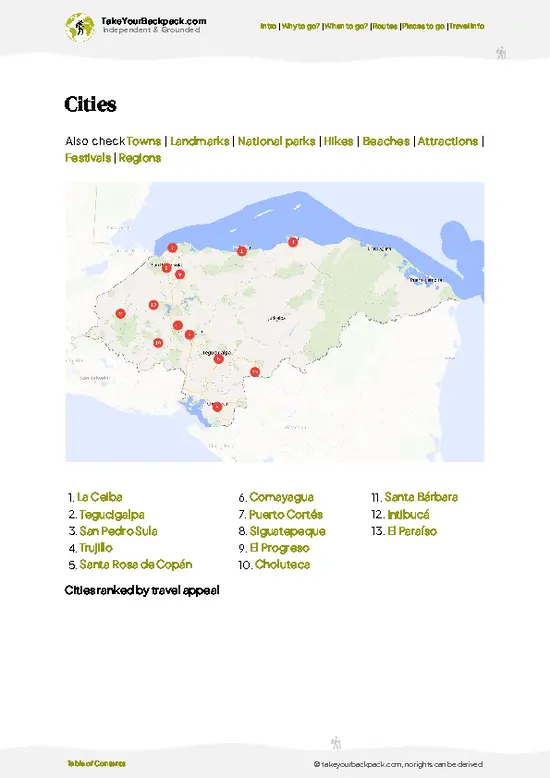
example page 1 from our offline Travel Guide for Honduras
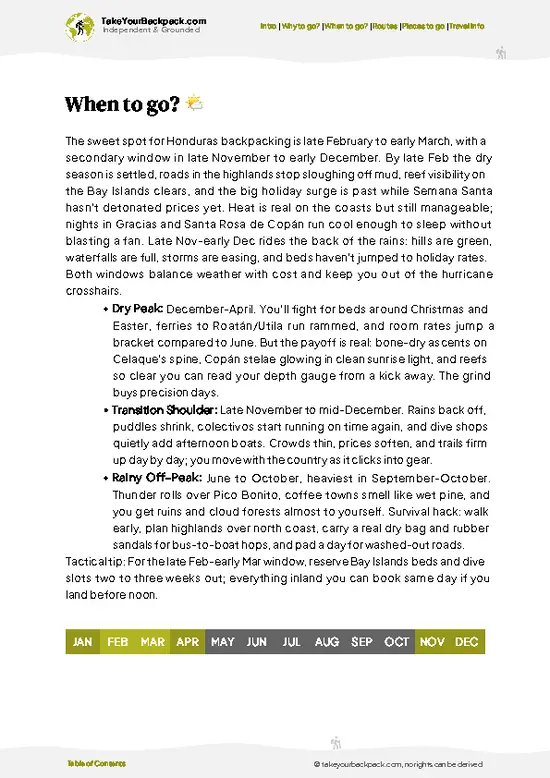
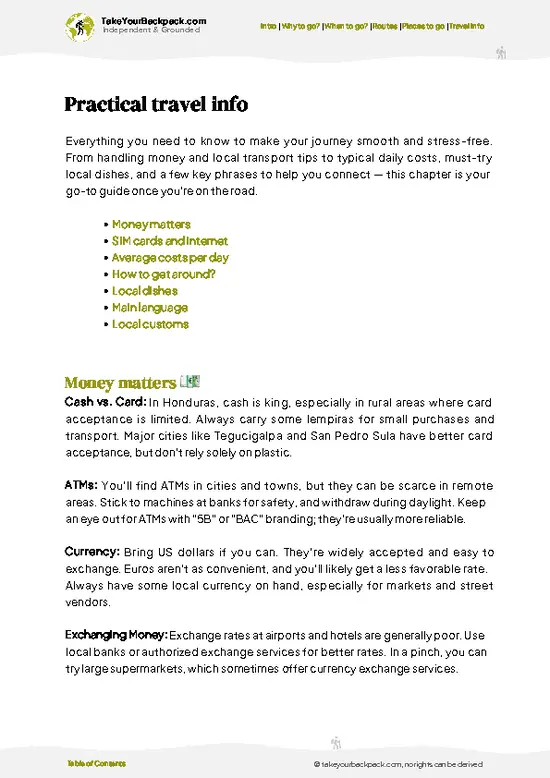
example page 2 from our offline Travel Guide for Honduras
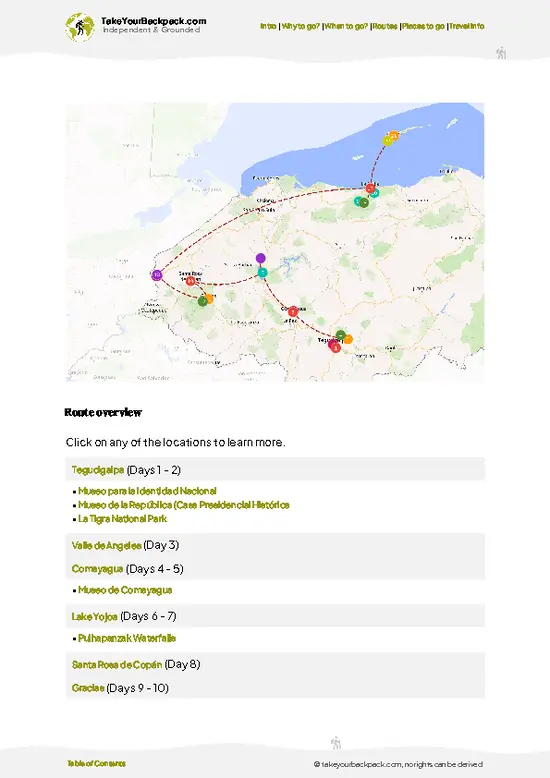
example page 3 from our offline Travel Guide for Honduras
example page 4 from our offline Travel Guide for Honduras
example page 5 from our offline Travel Guide for Honduras
example page 6 from our offline Travel Guide for Honduras
example page 7 from our offline Travel Guide for Honduras
The digital guide (328 pages) contains:
80 highlights, ranked by travel appeal
Optimized 5, 10 & 15-day travel routes
Cities, national parks, landmarks, beaches
How to get around
Offline-friendly for travel without Wi-Fi
👉 Click to see all 30+ guide features

📅 Plan smarter in minutes, not weeks
Month by month travel advice
Festivals & national holidays
Budget expectations

🗺️ Go to the right places, skip the overrated ones
Honest pros & cons of destinations
Top hikes, parks & viewpoints
Lesser-known places most travelers miss
Clear “worth it vs skip it” guidance

🛏️ Travel smoothly without rookie mistakes
Best areas to stay
Transport systems explained simply
Common scams & safety advice
SIM cards, money & practical tips

🌍 Understand the country, not just visit it
Culture & traditions
52 Essential phrases & customs
Festivals worth planning around
Traveler-friendly historical context
Insights that make places more meaningful

📱 Built for real travel conditions
Fully downloadable PDF
Works completely offline
Optimized for phone use
Useful in remote areas & buses
Everything in one place
Save weeks of stressful planning
Get instant access to your full guide. 30‑day money-back guarantee.
+ Add another guide for just US$7.80

By proceeding you agree to our terms.
Sent to your inbox immediately after payment • 100% Secure Checkout
Best Backpacking Travel Advisor 2025 tourism awardBest Backpacking
Travel Advisor
2025
What others say about Take Your Backpack Guides:
⭐⭐⭐⭐⭐
Fantastic, amazing amount of information!
⭐⭐⭐⭐⭐
My goodness this is amazing, it's what I've been looking for hats off too you!
⭐⭐⭐⭐⭐
I think this is absolutely BRILLIANT
⭐⭐⭐⭐
Very complete and informative. It's still missing places, but I gotta to commend you
⭐⭐⭐⭐⭐
This is truly amazing, thank you, can't wait to explore it with my kids!
⭐⭐⭐⭐⭐
Awesome resource, thank you!
⭐⭐⭐⭐⭐
This is amazing! Can't wait to explore the ones I haven't seen
⭐⭐⭐⭐
I love this! Well done, great idea.
⭐⭐⭐⭐⭐
Thanks for taking the time to make this gem!
⭐⭐⭐⭐⭐
This might be the best website I've ever seen.
⭐⭐⭐⭐⭐
Congratulations, and thank you so much for your work; it's incredibly valuable.
⭐⭐⭐⭐
In all seriousness I think you did a great job pointing out the important spots
⭐⭐⭐⭐⭐
10/10 very good
⭐⭐⭐⭐⭐
As someone who's only just starting to visit regularly this is awesome, thank you.
⭐⭐⭐⭐
Thank you very much! I'm going to visit my dad, it's going to be very useful!
⭐⭐⭐⭐⭐
This is really cool! We'll be travelling for the first time and this definitely come in handy.
⭐⭐⭐⭐⭐
You are now our minister of culture, congratulations 👨‍💼
⭐⭐⭐⭐⭐
Just wanted to tell you that this is a pearl! Going to follow your recommendations.
⭐⭐⭐⭐⭐
This is so cool. I'll definitely be using the resource for my travels soon.
⭐⭐⭐⭐⭐
This is very impressive! Good work.
⭐⭐⭐⭐⭐
This is an amazing and informative site. Very well done!

🛏️ Where to stay?Best areas to stay in Honduras

Amapala’s charm is rooted in its compactness and waterfront pulse, so your best bet as a backpacker is to settle near the town center along the bay. This area hums with local life—fishermen hauling in the day’s catch, vendors setting up stalls, and kids darting through narrow streets. Staying here means you’re steps from the ferry docks, which is crucial because the island’s rhythm revolves around those boats. You’ll find a handful of budget hostels sprinkled around this zone, offering a social vibe where solo travelers naturally connect over shared hammocks and sunset views.

Why this spot? Because … read more 👉
Amapala’s charm is rooted in its compactness and waterfront pulse, so your best bet as a backpacker is to settle near the town center along the bay. This area hums with local life—fishermen hauling in the day’s catch, vendors setting up stalls, and kids darting through narrow streets. Staying here means you’re steps from the ferry docks, which is crucial because the island’s rhythm revolves around those boats. You’ll find a handful of budget hostels sprinkled around this zone, offering a social vibe where solo travelers naturally connect over shared hammocks and sunset views.

Why this spot? Because it’s where safety and sociability intersect. The streets here are lively but not chaotic, lit by the fading sun and the occasional lantern glow, making evening strolls feel secure and inviting. Venture too far inland or toward the less trafficked residential edges, and you lose that buzz—and the easy access to communal spaces where backpackers swap stories and tips. Plus, being close to the waterfront means you wake up to the salty air and the soft slap of waves, a sensory reminder that you’re on island time, not just passing through.

🚌 Getting aroundHow to get around Amapala

Amapala moves at the rhythm of the tides and the chatter of fishermen rather than a strict timetable. The sun’s angle shifts the mood here—early mornings bring a salty breeze and the clatter of boats unloading, while afternoons simmer under a heavy, humid sky that slows everything down. Streets don’t follow a grid or a clock; they curve and dip with the island’s hills, and locals navigate by landmarks and instinct more than signs or schedules. This isn’t a place where you’ll find punctual buses or rigid transit lines. Instead, you lean into the flow, letting the natural pulse guide your steps and rides. Understanding this flow means you’re not just avoiding frustration—you’re syncing with the island’s heartbeat, making every transfer and stroll part of the experience.


  • Walking: The most
read more 👉
Amapala moves at the rhythm of the tides and the chatter of fishermen rather than a strict timetable. The sun’s angle shifts the mood here—early mornings bring a salty breeze and the clatter of boats unloading, while afternoons simmer under a heavy, humid sky that slows everything down. Streets don’t follow a grid or a clock; they curve and dip with the island’s hills, and locals navigate by landmarks and instinct more than signs or schedules. This isn’t a place where you’ll find punctual buses or rigid transit lines. Instead, you lean into the flow, letting the natural pulse guide your steps and rides. Understanding this flow means you’re not just avoiding frustration—you’re syncing with the island’s heartbeat, making every transfer and stroll part of the experience.


  • Walking: The most reliable and immersive way to get around. Amapala’s compact size means you can cover most of the town on foot in under an hour. Streets are uneven and sometimes steep, so sturdy shoes are a must. Walking lets you catch the scent of sea salt mixed with grilled fish and hear the local vendors’ calls—details you’d miss in a vehicle.


  • Local Water Taxis: These small boats shuttle between Amapala and nearby islands or the mainland. They don’t run on a strict schedule but typically operate from dawn until late afternoon. Fares are cheap, around a few dollars, but rides can be bumpy and crowded. Timing your trip early avoids the midday heat and the busiest crowds.


  • Motorcycle Taxis (Motos): The island’s informal taxis, weaving through narrow streets with surprising agility. They’re quick and affordable, usually under a dollar for short hops. Negotiate the fare upfront, as meters don’t exist. Motos are perfect when you’re pressed for time or want to escape the sun, but hold on tight—the ride can be wild.


  • Shared Pickup Trucks: For longer hauls or trips to less accessible parts of the island, shared pickups are the go-to. They leave when full, so timing is flexible but unpredictable. Expect a bumpy ride on dirt roads, and bring water and patience. The price is low, and the experience is authentically local, often sparking conversations with fellow passengers.

👛 Costs (as of 4 September 2026)What things cost and how to budget

Backpacking in Amapala, Honduras, feels like stepping into a slower rhythm where every dollar stretches further than you might expect. Here’s the real breakdown of what daily life costs for an independent traveler navigating this coastal town.
  • Dorm Accommodation: Dorm beds are scarce but can be found in basic guesthouses or hostels for around $8 to $12 per night. Expect simple rooms with minimal frills—think a fan instead of AC, shared bathrooms, and a chance to meet other travelers without the tourist crowd.
  • Meals: Local eateries serve up fresh seafood and Honduran staples for $3 to $6 per meal. Street food is your best friend here—grilled fish, baleadas, or fried plantains hit the spot and keep your wallet happy. If you want to splurge on a nicer meal, budget around $10.
  • Local Transport:
read more 👉
Backpacking in Amapala, Honduras, feels like stepping into a slower rhythm where every dollar stretches further than you might expect. Here’s the real breakdown of what daily life costs for an independent traveler navigating this coastal town.
  • Dorm Accommodation: Dorm beds are scarce but can be found in basic guesthouses or hostels for around $8 to $12 per night. Expect simple rooms with minimal frills—think a fan instead of AC, shared bathrooms, and a chance to meet other travelers without the tourist crowd.
  • Meals: Local eateries serve up fresh seafood and Honduran staples for $3 to $6 per meal. Street food is your best friend here—grilled fish, baleadas, or fried plantains hit the spot and keep your wallet happy. If you want to splurge on a nicer meal, budget around $10.
  • Local Transport: Getting around Amapala is mostly on foot or by moto-taxi, which costs about $1 to $2 for short rides. There’s no need for expensive taxis; the town’s compact size makes walking a great way to soak in the salty air and colorful streets.
  • Basic Activities/Entry Fees: Most natural attractions like beaches and viewpoints are free or ask for a small donation of $1 to $3. If you want to join a guided boat tour or fishing trip, expect to pay $15 to $25, which is worth it for the chance to see the bay from the water.
  • Miscellaneous Expenses: Bottled water, snacks, or occasional internet access can add $2 to $5 daily. Keep cash handy as card payments are rare, and small shops often don’t give change for large bills.

All told, you’re looking at roughly $15 to $30 per day to live comfortably in Amapala without cutting corners. This town rewards patience and a willingness to embrace simplicity—its charm isn’t in luxury but in the unhurried pace and genuine local encounters.


source: honduras.travel
⚠️ Prices can change and everyone travels differently, so take this as a rough guide. Hope it helps you plan your adventure!

🚌 Day tripsEasy escapes and nearby places

Amapala, Honduras, is your launchpad for unforgettable day trips that blend adventure with local culture. The island vibe here is laid-back, but the surrounding landscapes are anything but. Let’s dive into some trips that’ll make your backpacking experience truly rewarding.

Isla del Tigre
Just a short boat ride from Amapala, Isla del Tigre offers a slice of paradise with its pristine beaches and lush trails. Spend the day hiking to the island’s peak for panoramic views of the Gulf of Fonseca. The trek takes about an hour, and you’ll want to bring water and snacks. Expect to pay around $10 for the boat ride. The best time to visit is during the dry season, from November to April, when the trails are less muddy. A common mistake? Forgetting sunscreen; the sun can be relentless out there. … read more 👉
Amapala, Honduras, is your launchpad for unforgettable day trips that blend adventure with local culture. The island vibe here is laid-back, but the surrounding landscapes are anything but. Let’s dive into some trips that’ll make your backpacking experience truly rewarding.

Isla del Tigre
Just a short boat ride from Amapala, Isla del Tigre offers a slice of paradise with its pristine beaches and lush trails. Spend the day hiking to the island’s peak for panoramic views of the Gulf of Fonseca. The trek takes about an hour, and you’ll want to bring water and snacks. Expect to pay around $10 for the boat ride. The best time to visit is during the dry season, from November to April, when the trails are less muddy. A common mistake? Forgetting sunscreen; the sun can be relentless out there.


San Lorenzo
A quick bus ride will take you to San Lorenzo, a charming coastal town rich in history. Explore the local market, where the scent of fresh seafood mingles with spices. You can also visit the nearby ruins of a colonial fort. The journey takes about 30 minutes and costs around $1.50. Aim for a morning visit to catch the market in full swing. First-timers often miss the fort, thinking it’s too far; it’s just a short walk from the market.


La Tigra National Park
For a taste of the wild, head to La Tigra National Park. It’s about a two-hour bus ride, but the biodiversity is worth every minute. The park is home to a variety of wildlife, including howler monkeys and exotic birds. Entrance fees are around $5, and you’ll want to pack a lunch. The dry season is ideal for hiking, as trails can get slippery during the rainy months. Many backpackers underestimate the park’s size; plan for a full day to explore.
👉 Explore La Tigra National Park

El Salvador Border
If you’re feeling adventurous, a day trip to the El Salvador border is a unique experience. It’s about an hour away by bus, and you can cross into El Salvador for a taste of a different culture. Bring your passport and a few dollars for border fees. The best time to go is early in the day to avoid long lines. Many travelers overlook this option, thinking it’s too complicated, but it’s a straightforward process that adds a new dimension to your trip.
Want to know what more Honduras offers?
The Honduras Travel Guide describes 80 highlights, from cities to national parks, from beaches to hikes

Get the Travel Guide -

🛡️ SafetySafety Tips and Common Scams in Amapala

Amapala is generally safe, but like any place, a little awareness goes a long way. Stick to well-lit areas after dark, especially along the waterfront. The charm of the town comes alive in the evening, but keep your wits about you. If you’re solo, consider joining a small group for nighttime strolls; it adds a layer of comfort and camaraderie.

Watch out for the occasional overzealous vendor. They might try to upsell you on souvenirs or local tours. A friendly smile and a firm “no, gracias” usually do the trick. Also, be cautious with your belongings in crowded spots, like the bustling market. Keep your bag close and your phone tucked away until you need it.

Overall, Amapala invites you to explore its beauty without the weight of worry. Just stay aware, and you’ll unlock the town’s true essence.

FAQFrequently asked questions about Amapala

Amapala is worth visiting for its unique island atmosphere and local culture, not just a stopover. It offers a quieter, less touristy experience compared to mainland Honduras, with access to beaches and fishing villages.
Two to three days are sufficient to explore Amapala, including its main town, beaches, and nearby hiking trails. This allows time to relax and experience local life without rushing.
Yes, Amapala can be visited as a day trip from the nearby city of San Lorenzo, which is about a 30-minute ferry ride away. The ferry schedule is limited, so plan accordingly to maximize your time on the island.
⚠️ Things can change over time, so always validate details locally before you go.

Other Honduran towns near Amapala

Explore more nearby:

  • Marcala—Coffee farms, mural art, rural festivals| 105 km away
  • Santa Lucia—Hilltop views, cobblestone lanes, lakeside walks| 109 km away
  • Yuscarán—Colonial streets, aguardiente distilleries, hillside views| 113 km away

💡 Not sure where to go next?
Create a personalized itinerary for Honduras including Amapala and the places that fit your trip.

Generate my itinerary

👉 Discover all towns

Or checkout all Honduras has to offer (think cities, towns, villages, national parks, hikes, beaches, festivals)
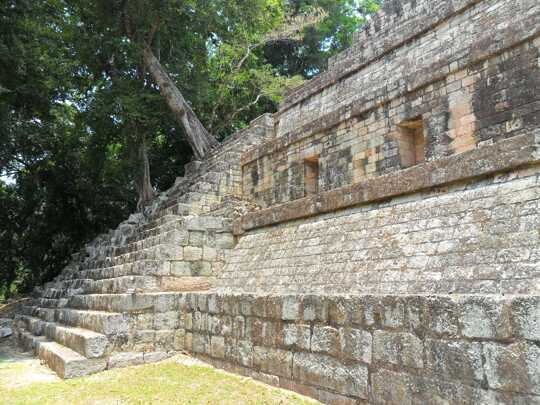
Country photo of Honduras

We 💚 feedbackWhat to keep in mind

Amapala is a slice of paradise where the air is thick with the scent of salt and the sound of waves crashing against the shore. The local seafood is fresh and bursting with flavor, a true treat after a day of exploring. But be ready for the heat; it can be stifling, and the infrastructure isn’t always reliable. Embrace the sweat, and you’ll find a laid-back charm that’s hard to resist.

✈️ When did I visit Honduras?
Honduras I visited during my half year trip through South and Central America back in 2003

✍️ Help improve this page!
The information on this page is based on my own backpacking experience in Honduras, supplemented with up-to-date research and feedback from other travelers. Travel details can change, so if you notice anything outdated or incomplete, feel free to let me know.


🙋‍♂️ Give feedback

👋 Meet the founderWho’s Behind Take Your Backpack?

Johan, backpacker and founder of TakeYourBackpackHi, I’m Johan (Netherlands 🇳🇱), the creator of TakeYourBackpack. Over the past decade, I’ve backpacked through 80+ countries across six continents, gaining extensive experience with independent travel, long-term trips, and overland routes.

This site is built on a combination of firsthand travel experience and carefully curated insights from other backpackers. Many guides are based on places I’ve personally visited, while others bring together tips, observations, and practical advice shared by trusted travelers I’ve met along the way.

The goal is to provide realistic, experience-driven guidance — not generic itineraries — so you can explore destinations with better context, clearer expectations, and more confidence.

Get full Honduras guide •
Instant download • 80 highlights • Full Offline guide