v2.webp)
- Catedral de la Inmaculada Concepción — The colonial cathedral dominates the main square and houses the famous old public clock brought from Spain during colonial times; it’s the emotional and historical heart of Comayagua and worth popping in to see the nave, altars, and that clock up close.
- Museo de Arte Sacro / Museo Catedralicio — Small but full of colonial religious art, liturgical silver, and local history tied to the cathedral; this is where you get context for the cathedral’s chapels and the city’s church-centered past.
- Parque Central (Plaza Mayor) — Not just a pretty plaza: this is where local life happens — vendors, elderly chess players, weekend crowds — and where you can sit and watch the layers of Comayagua’s colonial architecture come together.
- Mercado Municipal — Busy, colorful,
- Catedral de la Inmaculada Concepción — The colonial cathedral dominates the main square and houses the famous old public clock brought from Spain during colonial times; it’s the emotional and historical heart of Comayagua and worth popping in to see the nave, altars, and that clock up close.
- Museo de Arte Sacro / Museo Catedralicio — Small but full of colonial religious art, liturgical silver, and local history tied to the cathedral; this is where you get context for the cathedral’s chapels and the city’s church-centered past.
- Parque Central (Plaza Mayor) — Not just a pretty plaza: this is where local life happens — vendors, elderly chess players, weekend crowds — and where you can sit and watch the layers of Comayagua’s colonial architecture come together.
- Mercado Municipal — Busy, colorful, and real: buy fresh fruit, try local street food (sopa de mondongo or baleadas if you’re hungry), and see everyday Honduran commerce up close. Great place for people-watching and cheap, honest meals.
- Casa de la Cultura — Housed in an old colonial building, the cultural center runs rotating exhibits, local crafts, and occasional performances; it’s a good spot to catch community life and find handmade souvenirs.
- Iglesia y Convento de San Francisco — A quieter, atmospheric church complex where you can feel the town’s religious and colonial roots without the crowds; the surrounding plaza is nice for a slower stroll.
- Iglesia La Merced — Another fine example of Comayagua’s small but richly decorated colonial churches; the detailed façades and local devotion make it worth a short stop while exploring on foot.
- Calles Coloniales y Balcones — Wandering the historic grid of streets (look for carved wooden doors, wrought-iron balconies, and painted facades) is one of the best ways to soak up Comayagua’s character — no single museum can replace the feeling you get from walking them.
- Palacio Episcopal / Edificios Públicos Coloniales — The old episcopal palace and nearby public buildings show the civic side of colonial life; even if you only admire them from the street, the architecture tells the story of Comayagua’s role as an early administrative center.
- Museos y Talleres Locales (pequeños museos / talleres artesanales) — Scattered around the center are a handful of tiny museums and craft workshops run by families or local groups; they’re low-key, often inexpensive, and offer intimate insights into regional crafts, history, and daily life.
Spotted a mistake or missing something? Contact us.
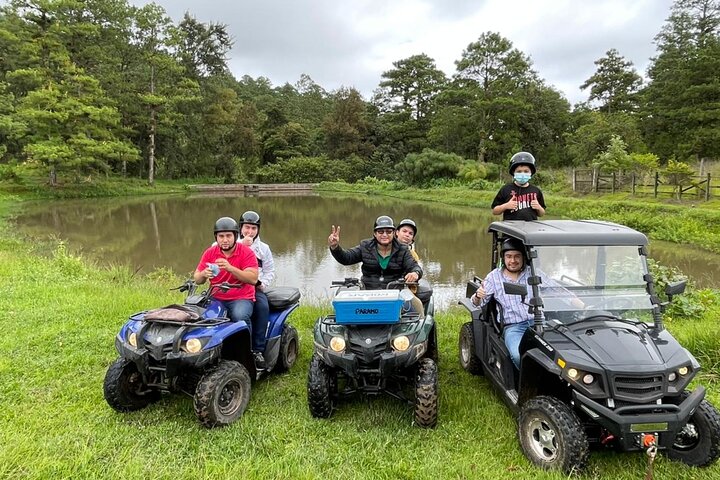
Private Guided ATV experience in Honduras with snacks

Day Trip to La Tigra and El Picacho Park

Tegucigalpa & Charming Towns Day Trip

Tegucigalpa City Tour

Yojoa Lake Day Trip from Tegucigalpa

Half-Day Tour to Valle de Angeles from Tegucigalpa, Honduras

Night Tour for Views of Tegucigalpa from El Picacho National Park

Full-Day Trip to Nueva Armenia from Tegucigalpa, Honduras

La Tigra Cloud Forest Hiking Adventure


 Best Backpacking
.jpg) Hi, I’m Johan (Netherlands 🇳🇱), the creator of TakeYourBackpack. Over the past decade, I’ve backpacked through 80+ countries across six continents, gaining extensive experience with independent travel, long-term trips, and overland routes.
Hi, I’m Johan (Netherlands 🇳🇱), the creator of TakeYourBackpack. Over the past decade, I’ve backpacked through 80+ countries across six continents, gaining extensive experience with independent travel, long-term trips, and overland routes.