×

Honduras🇭🇳 | citiesSan Pedro SulaCraft market, anthropology museum, Real España matches, baleada counters | things to do and best time to go

Explore TrujilloExplore Comayagua

Backpacking in San Pedro Sula
🏆 Top pickcity ranked #3
By Johan Kruseman 🇳🇱 | Updated October 22, 2026

Tegucigalpa is Honduras’s capital, while San Pedro Sula is its industrial center and second city, and that is why the money, the airport and the bus companies sit here. The city is in the north of Honduras, in the Sula Valley, a short way inland from the Caribbean coast. Skip the malls and the chain-hotel strip. Spend your time at the museum, the central market and a football match. I expected a sealed-up business town, but a woman at a fonda near the center handed me a baleada folded in wax paper, still hot, with a flour tortilla thicker and softer than any I had met elsewhere. Eat like that at breakfast counters, not in hotel restaurants. Use radio taxis rather than walking after dark, because that is how locals move. It suits transit travelers and food people, not anyone chasing beaches. The market air smells of roasting corn and leather.

Discover everything you want to know in the 📖 Honduras Travel Guide.


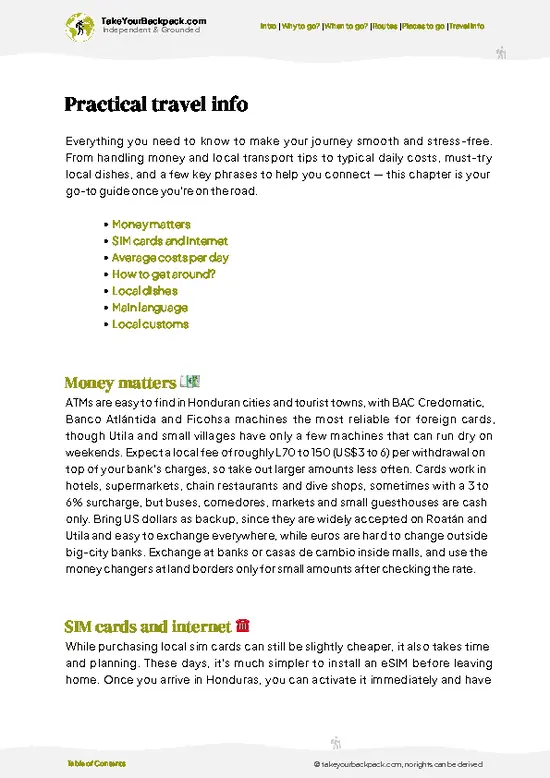
example page 0 from our offline Travel Guide for Honduras
example page 1 from our offline Travel Guide for Honduras
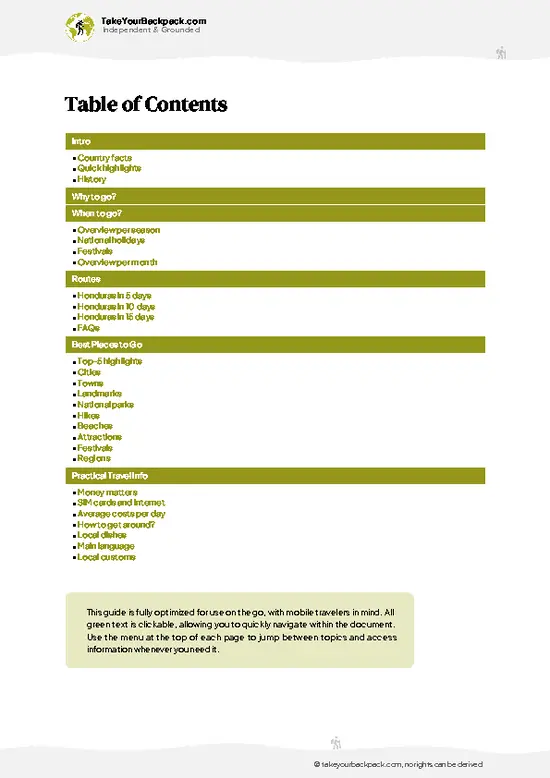
example page 2 from our offline Travel Guide for Honduras
example page 3 from our offline Travel Guide for Honduras
example page 4 from our offline Travel Guide for Honduras
example page 5 from our offline Travel Guide for Honduras
example page 6 from our offline Travel Guide for Honduras
example page 7 from our offline Travel Guide for Honduras
Loading the map 🌍
CLICK TO FILTER
cities
towns
landmarks
national parks
hikes
beaches
attractions
festivals
regions
SHOW COUNTRY’S BESTSHOW ALL

✨ Why go?
Ranked #3 city in Honduras
What sets this place apart

San Pedro Sula earns a place on a route because everything in northern Honduras runs through it. The Sula Valley setting and the busy Ramón Villeda Morales International Airport mean you can land, sleep one night, and be on a coach toward the ruins, the lake or the Caribbean the next morning. That is the real value here. You will not find a long list of sights, and two days is enough to see all of them. What you do get is a working Honduran city: loud, hot, practical, with plenty of cheap comedores and a football obsession you can join for the price of a ticket. The Zona Viva area has the nightlife, and it is the one place where I would stay out late, getting there and back by taxi. If you like beaches and jungle, treat this as a gateway and a place to restock, withdraw cash and do laundry. If you want old colonial streets, go elsewhere.

💡 HighlightsKey sights and experiences for travelers

  1. Catedral Metropolitana and Parque Central: The pale cathedral on the main square is the city’s default meeting point, and the surrounding plaza shows daily life well, with shoe-shiners, preachers and office workers on break. Go on a weekday morning, when it is calmer. Entry is free and 30 to 45 minutes is plenty.
  2. Museo de Antropología e Historia de San Pedro Sula: Mayan ceramics, stone carvings and displays on the colonial period and the banana era give you the city’s past in one place. Go in the morning, before the heat builds. Entry is roughly US$2 to 4, and a visit takes 1 to 1.5 hours.
  3. Mercado Guamilito: A covered craft and food market in Barrio Guamilito, selling leather goods, hammocks, cigars, woven pieces and lunch counters. Late morning is best, when the stalls are open and the food
… read more 👉
  1. Catedral Metropolitana and Parque Central: The pale cathedral on the main square is the city’s default meeting point, and the surrounding plaza shows daily life well, with shoe-shiners, preachers and office workers on break. Go on a weekday morning, when it is calmer. Entry is free and 30 to 45 minutes is plenty.
  2. Museo de Antropología e Historia de San Pedro Sula: Mayan ceramics, stone carvings and displays on the colonial period and the banana era give you the city’s past in one place. Go in the morning, before the heat builds. Entry is roughly US$2 to 4, and a visit takes 1 to 1.5 hours.
  3. Mercado Guamilito: A covered craft and food market in Barrio Guamilito, selling leather goods, hammocks, cigars, woven pieces and lunch counters. Late morning is best, when the stalls are open and the food is fresh. Browsing is free, lunch costs around US$3 to 6, and an hour or two works well.
  4. Real España match at Estadio Francisco Morazán: The local club has a loyal following, and the stands are the best place to see locals at their loudest. Check fixtures in advance and go with a taxi arranged for the return. Tickets run about US$3 to 10, and a match takes about 2 hours.
  5. Barrio Guamilito street lunch stops: The streets around the market have small comedores serving baleadas, fried chicken and plato típico, usually busiest at midday. Plan 45 minutes and US$2 to 5.
The cathedral and the square cost nothing, and the market is free to wander, so those are the cheapest stops in San Pedro Sula. For day trips, San Pedro Sula puts you within reach of Lake Yojoa, Cusuco National Park, Omoa’s fortress, Puerto Cortés, Tela’s Lancetilla Botanical Garden and the Copán ruins.
Spotted a mistake or missing something? Contact us.

Things to do in San Pedro Sula

Ratings based on Tripadvisor reviews. When you book through this link, you support our work at no extra cost to you.

🏘️ NeighborhoodsUnderstanding the local layout

San Pedro Sula is a sprawling, hot commercial city, so pick your areas deliberately and take taxis between them instead of walking, because distances are long and sidewalks are patchy.
  • Centro: The old core around Parque Central and the cathedral is busy by day with market stalls and cheap lunch counters. It is worth an hour in the morning. Skip it after dark, when shops close and the streets empty, and skip the long wait for sights, since there are few.
  • Zona Viva: The restaurant and bar strip is where travelers eat dinner and drink, with decent coffee, pizza, craft beer and live music. It is compact enough to walk once you are there, and a taxi back is the smart move late at night.
  • Zona Viva Sur and the malls (Megaplaza, Multiplaza): Air-conditioned, safe and dull. Worth it for ATMs, SIM cards,
… read more 👉
San Pedro Sula is a sprawling, hot commercial city, so pick your areas deliberately and take taxis between them instead of walking, because distances are long and sidewalks are patchy.
  • Centro: The old core around Parque Central and the cathedral is busy by day with market stalls and cheap lunch counters. It is worth an hour in the morning. Skip it after dark, when shops close and the streets empty, and skip the long wait for sights, since there are few.
  • Zona Viva: The restaurant and bar strip is where travelers eat dinner and drink, with decent coffee, pizza, craft beer and live music. It is compact enough to walk once you are there, and a taxi back is the smart move late at night.
  • Zona Viva Sur and the malls (Megaplaza, Multiplaza): Air-conditioned, safe and dull. Worth it for ATMs, SIM cards, a cold afternoon and the food courts, not for sightseeing.
  • Barrio Suyapa and Barrio Guamilito edges: Local neighborhoods with fondas serving big plates of baleadas and grilled meat for a fraction of tourist prices. Go at lunch with a local recommendation, not to wander.
  • Parque Nacional Cusuco foothills: Not a neighborhood, but the green edge west of town. It is the real reason to leave the grid.

⌛️ 1 day1-day itinerary for San Pedro Sula

8:30 AM, Museo de Antropología e Historia: Start here, because it is the only place that explains the Maya, colonial and banana-era layers under the city. Take a taxi, then give it a full hour to read the carved stones and pottery before the heat climbs.
10:30 AM, Parque Central and Catedral Metropolitana: Walk or take a short cab to the main square. Step inside the cathedral for the cool air, then sit on a bench and watch the shoe-shiners and lottery sellers work.
12:00 PM, Mercado Guamilito: Take a short taxi ride to the market. Browse the leather, hammocks and cigars, then eat lunch at a counter where the cooks turn out plates quickly. Go with small bills and keep your phone in a front pocket.
2:00 PM, Barrio Guamilito back streets: Most travelers leave after the market, but the residential … read more 👉
8:30 AM, Museo de Antropología e Historia: Start here, because it is the only place that explains the Maya, colonial and banana-era layers under the city. Take a taxi, then give it a full hour to read the carved stones and pottery before the heat climbs.
10:30 AM, Parque Central and Catedral Metropolitana: Walk or take a short cab to the main square. Step inside the cathedral for the cool air, then sit on a bench and watch the shoe-shiners and lottery sellers work.
12:00 PM, Mercado Guamilito: Take a short taxi ride to the market. Browse the leather, hammocks and cigars, then eat lunch at a counter where the cooks turn out plates quickly. Go with small bills and keep your phone in a front pocket.
2:00 PM, Barrio Guamilito back streets: Most travelers leave after the market, but the residential blocks nearby have corner bakeries and small shops. Wander a few blocks in daylight to see ordinary city life, then stop for coffee and a pastry.
4:30 PM, rest and regroup: The afternoon heat peaks, so retreat to your hostel for a shower and a break. Plan your onward ticket for tomorrow while you are at it.
7:00 PM, Zona Viva: Take a radio taxi to the nightlife area for dinner. Pick a restaurant with a crowd, and book your ride home before you sit down, since this is not a neighborhood to stroll at night.

🌤️ When to go?Weather, crowds, and seasonal trade-offs

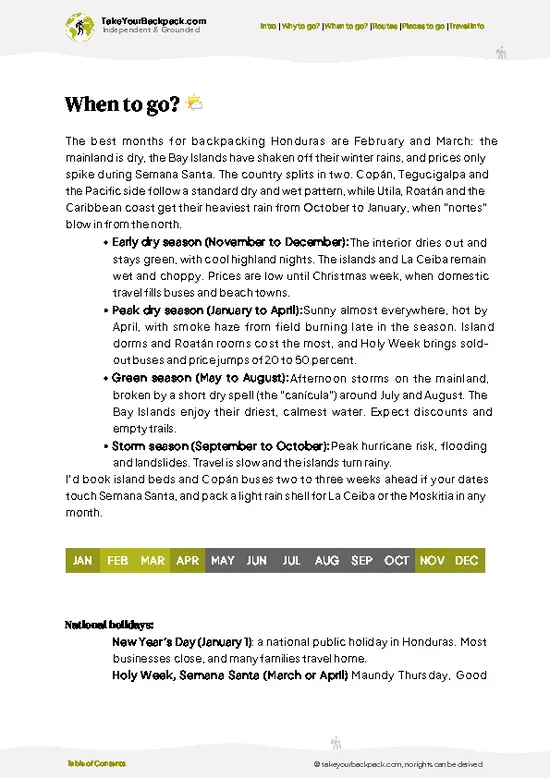
The easiest months for backpacking here are February through April, when it is hot but mostly dry.
  • Dry Season (Feb to Apr): Highs reach 32 to 36°C (90 to 97°F), nights hold near 20 to 22°C (68 to 72°F). Roads are good for day trips and crowds are modest, though Semana Santa pushes up bus fares and fills beaches.
  • Early Rains (May to Jul): Humidity climbs, afternoons bring thunderstorms, and highs stay around 32 to 35°C (90 to 95°F). Prices are low and mornings are usually clear.
  • Wet Peak (Aug to Nov): Heaviest rain and hurricane-season risk, with September and October the wettest. Roads to the hills can wash out, but rooms are cheapest.
  • Cooler Months (Dec to Jan): Highs of 28 to 30°C (82 to 86°F), nights down to 18°C (64°F), with occasional drizzle from northern fronts. Local holiday travel raises
… read more 👉
The easiest months for backpacking here are February through April, when it is hot but mostly dry.
  • Dry Season (Feb to Apr): Highs reach 32 to 36°C (90 to 97°F), nights hold near 20 to 22°C (68 to 72°F). Roads are good for day trips and crowds are modest, though Semana Santa pushes up bus fares and fills beaches.
  • Early Rains (May to Jul): Humidity climbs, afternoons bring thunderstorms, and highs stay around 32 to 35°C (90 to 95°F). Prices are low and mornings are usually clear.
  • Wet Peak (Aug to Nov): Heaviest rain and hurricane-season risk, with September and October the wettest. Roads to the hills can wash out, but rooms are cheapest.
  • Cooler Months (Dec to Jan): Highs of 28 to 30°C (82 to 86°F), nights down to 18°C (64°F), with occasional drizzle from northern fronts. Local holiday travel raises prices.
Daylight runs roughly 11 to 13 hours across the year. Book bus seats a day ahead around Christmas and Easter.


source: climatestotravel.comJANJanuary: excellent for travelingFEBFebruary: excellent for travelingMARMarch: excellent for travelingAPRApril: highly recommended for travelingMAYMay: fair for travelingJUNJune: fair for travelingJULJuly: good for travelingAUGAugust: fair for travelingSEPSeptember: fair for travelingOCTOctober: fair for travelingNOVNovember: highly recommended for travelingDECDecember: excellent for traveling
when-to-go

✈️ The backpacker research shortcutHonduras Travel Guide

An offline-friendly backpacking guide with optimized travel routes, ranked highlights, transport advice, and the best areas to stay.
example page 0 from our offline Travel Guide for Honduras
example page 1 from our offline Travel Guide for Honduras
example page 2 from our offline Travel Guide for Honduras
example page 3 from our offline Travel Guide for Honduras
example page 4 from our offline Travel Guide for Honduras
example page 5 from our offline Travel Guide for Honduras
example page 6 from our offline Travel Guide for Honduras
example page 7 from our offline Travel Guide for Honduras
The digital guide (255 pages) contains:
✅ 70 highlights, ranked by travel appeal
✅ Optimized 5, 10 & 15-day travel routes
✅ Cities, national parks, landmarks, beaches
✅ How to get around
✅ Offline-friendly for travel without Wi-Fi
👉 Click to see all 30+ guide features

📅 Plan smarter in minutes, not weeks
✅ Month by month travel advice
✅ Festivals & national holidays
✅ Budget expectations

🗺️ Go to the right places, skip the overrated ones
✅ Honest pros & cons of destinations
✅ Top hikes, parks & viewpoints
✅ Lesser-known places most travelers miss
✅ Clear “worth it vs skip it” guidance

🛏️ Travel smoothly without rookie mistakes
✅ Best areas to stay
✅ Transport systems explained simply
✅ Common scams & safety advice
✅ SIM cards, money & practical tips

🌍 Understand the country, not just visit it
✅ Culture & traditions
✅ 52 Essential phrases & customs
✅ Festivals worth planning around
✅ Traveler-friendly historical context
✅ Insights that make places more meaningful

📱 Built for real travel conditions
✅ Fully downloadable PDF
✅ Works completely offline
✅ Optimized for phone use
✅ Useful in remote areas & buses
✅ Everything in one place
Stop searching, start planning
Get instant access to your full guide. 30‑day money-back guarantee.
+ Add another guide for just

By proceeding you agree to our terms.
Sent to your inbox immediately after payment • 100% Secure Checkout
Best Backpacking Travel Advisor 2025 tourism awardBest Backpacking
Travel Advisor
2025
What others say about Take Your Backpack Guides:
⭐⭐⭐⭐⭐
Fantastic, amazing amount of information!
⭐⭐⭐⭐⭐
My goodness this is amazing, it's what I've been looking for hats off too you!
⭐⭐⭐⭐⭐
I think this is absolutely BRILLIANT
⭐⭐⭐⭐
Very complete and informative. It's still missing places, but I gotta to commend you
⭐⭐⭐⭐⭐
This is truly amazing, thank you, can't wait to explore it with my kids!
⭐⭐⭐⭐⭐
Awesome resource, thank you!
⭐⭐⭐⭐⭐
This is amazing! Can't wait to explore the ones I haven't seen
⭐⭐⭐⭐
I love this! Well done, great idea.
⭐⭐⭐⭐⭐
Thanks for taking the time to make this gem!
⭐⭐⭐⭐⭐
This might be the best website I've ever seen.
⭐⭐⭐⭐⭐
Congratulations, and thank you so much for your work; it's incredibly valuable.
⭐⭐⭐⭐
In all seriousness I think you did a great job pointing out the important spots
⭐⭐⭐⭐⭐
10/10 very good
⭐⭐⭐⭐⭐
As someone who's only just starting to visit regularly this is awesome, thank you.
⭐⭐⭐⭐
Thank you very much! I'm going to visit my dad, it's going to be very useful!
⭐⭐⭐⭐⭐
This is really cool! We'll be travelling for the first time and this definitely come in handy.
⭐⭐⭐⭐⭐
You are now our minister of culture, congratulations 👨‍💼
⭐⭐⭐⭐⭐
Just wanted to tell you that this is a pearl! Going to follow your recommendations.
⭐⭐⭐⭐⭐
This is so cool. I'll definitely be using the resource for my travels soon.
⭐⭐⭐⭐⭐
This is very impressive! Good work.
⭐⭐⭐⭐⭐
This is an amazing and informative site. Very well done!

🛏️ Where to stay?Where staying makes the most sense

The best area for a budget bed is the Zona Viva and the streets around it, because that is where hostels and small guesthouses cluster. Dorm beds are few compared with Guatemala or Nicaragua, so book ahead, especially for weekends and holiday periods.
The Zona Viva is safest at night. Restaurants, cafés and bars sit within a short walk, taxis and apps are always available, and you can reach the bus terminal in about 15 minutes. The downside is noise from weekend nightlife, so ask for a room away from the street and bring earplugs.
The second option is the quieter residential districts to the south … read more 👉
The best area for a budget bed is the Zona Viva and the streets around it, because that is where hostels and small guesthouses cluster. Dorm beds are few compared with Guatemala or Nicaragua, so book ahead, especially for weekends and holiday periods.
The Zona Viva is safest at night. Restaurants, cafés and bars sit within a short walk, taxis and apps are always available, and you can reach the bus terminal in about 15 minutes. The downside is noise from weekend nightlife, so ask for a room away from the street and bring earplugs.
The second option is the quieter residential districts to the south and west near the malls, such as Colonia Trejo and the Zona Viva Sur edge. You will find simple guesthouses and private rooms, and they are calmer and clean, with good access to the ring road for both taxis and intercity buses.
Avoid the old center for sleeping. Cheap rooms there are plentiful, but the streets empty quickly after dark, and arriving late with luggage is awkward. If you are only passing through on an early bus, a bed close to the terminal can make sense, but take a taxi directly to the door.

🚌 Getting aroundHow to get from A to B

A ride in a local taxi in San Pedro Sula costs roughly US$3 to 8 depending on distance, paid in cash in lempiras, and you agree the fare before getting in because meters are rare. Traffic is heavy at rush hours, and distances are too great to walk between districts, so most backpackers combine a few taxis with long-distance buses.
  • Taxis: Street taxis are cheap but unmetered, and they are the main way to move between the center and the Zona Viva. Use a ride-hailing app such as Uber or inDrive where available, because the price is fixed up front and the trip is tracked. Short rides usually run US$2 to 5.
  • Local buses: City buses cost about US$0.40 to 0.75 and run from around 5 am to early evening. They are crowded and routes are hard to read, so they are not worth the effort for visitors unless
… read more 👉
A ride in a local taxi in San Pedro Sula costs roughly US$3 to 8 depending on distance, paid in cash in lempiras, and you agree the fare before getting in because meters are rare. Traffic is heavy at rush hours, and distances are too great to walk between districts, so most backpackers combine a few taxis with long-distance buses.
  • Taxis: Street taxis are cheap but unmetered, and they are the main way to move between the center and the Zona Viva. Use a ride-hailing app such as Uber or inDrive where available, because the price is fixed up front and the trip is tracked. Short rides usually run US$2 to 5.
  • Local buses: City buses cost about US$0.40 to 0.75 and run from around 5 am to early evening. They are crowded and routes are hard to read, so they are not worth the effort for visitors unless you know the line. Keep bags in front of you.
  • Intercity buses: The main terminal handles departures to Tegucigalpa (about 4 to 5 hours, US$10 to 20 depending on the company), Copán Ruinas (about 3 hours, US$6 to 10), and La Ceiba and Tela (around 2 to 3 hours, US$5 to 10). Pay extra for premium operators with reserved seats, since they depart on time and are safer than cheaper lines.
  • Walking: Fine inside the Zona Viva or around Parque Central during daytime. Elsewhere sidewalks break up and the heat is punishing, so it is not worth walking more than a few blocks, especially after dark.
  • Airport transfer: Ramón Villeda Morales Airport is about 15 km from the center. A taxi costs roughly US$15 to 25, and an app ride is usually cheaper, so arrange it before leaving the terminal.

👛 Costs (as of 22 October 2026)How expensive it really is

San Pedro Sula costs a backpacker roughly US$38 to 55 a day, and the total below (US$46) uses high-season dorm prices. Honduras is priced in lempiras, though dollars are widely quoted for hostels and tours. Cards work in malls and larger restaurants, while buses, markets and street stalls want small cash.
CategoryBudget RangeLocal Reality
Dorm bed (high season, Dec to April)US$10 to 15Fans or air conditioning, breakfast often included. Book ahead around holidays and Semana Santa. Budget: US$13.
Dorm bed (off-season)US$8 to 12Rainy months from May to November bring quieter dorms and easy discounts for longer stays.
MealsUS$10 to 18A baleada costs US$1 to 2, a set lunch (desayuno or almuerzo corriente) US$3 to 5, and a sit-down dinner US$7 to 10. Budget: US$12.
Local transportUS$1 to 4City buses
… read more 👉
San Pedro Sula costs a backpacker roughly US$38 to 55 a day, and the total below (US$46) uses high-season dorm prices. Honduras is priced in lempiras, though dollars are widely quoted for hostels and tours. Cards work in malls and larger restaurants, while buses, markets and street stalls want small cash.
CategoryBudget RangeLocal Reality
Dorm bed (high season, Dec to April)US$10 to 15Fans or air conditioning, breakfast often included. Book ahead around holidays and Semana Santa. Budget: US$13.
Dorm bed (off-season)US$8 to 12Rainy months from May to November bring quieter dorms and easy discounts for longer stays.
MealsUS$10 to 18A baleada costs US$1 to 2, a set lunch (desayuno or almuerzo corriente) US$3 to 5, and a sit-down dinner US$7 to 10. Budget: US$12.
Local transportUS$1 to 4City buses cost well under US$1 a ride. Short taxi hops run US$3 to 6 and are safer after dark. Budget: US$3.
City transport passNot availableNo pass exists. Pay the driver or conductor in cash per ride.
Basic activities and entry feesUS$3 to 12The Museo de Antropología e Historia and the city center cost little. Day-trip entries such as Cusuco National Park or Pulhapanzak Falls add US$3 to 10. Budget: US$12.
MiscellaneousUS$4 to 8Bottled water, SIM data, laundry and a cold drink. Budget: US$6.
Total Daily BudgetUS$38 to 55About US$46 using the high-season figures above.
Eat the set lunch (almuerzo del día) at a local comedor instead of dinner out. It is the biggest meal of the day at a fraction of the price.
⚠️ Prices can change and everyone travels differently, so take this as a rough guide. Hope it helps you plan your adventure!

🚌 Day tripsShort trips worth adding

San Pedro Sula works well as a base for day trips because the coast, a cloud forest and a lake all lie within a few hours by bus.
Lago de Yojoa:
The country’s largest lake sits about 1.5 to 2 hours south, with birding, coffee farms, waterfalls and craft breweries on its shores. Buses toward Tegucigalpa drop you at the turnoff for around US$3 to 6, then a short taxi or tuk-tuk. Budget US$25 to 45 with lunch and entry. Leave by 7 am, since the last return buses fill up.

Parque Nacional Cusuco:
A cloud forest park in the hills about 1.5 hours away, famous for quetzals, mossy trails and cool air. Travel is by taxi or a shared ride to Buenos Aires, and the entry fee is a few dollars, with guides around US$10 to 20. Go between February and May for drier trails. Many first-timers arrive in sandals, … read more 👉
San Pedro Sula works well as a base for day trips because the coast, a cloud forest and a lake all lie within a few hours by bus.
Lago de Yojoa:
The country’s largest lake sits about 1.5 to 2 hours south, with birding, coffee farms, waterfalls and craft breweries on its shores. Buses toward Tegucigalpa drop you at the turnoff for around US$3 to 6, then a short taxi or tuk-tuk. Budget US$25 to 45 with lunch and entry. Leave by 7 am, since the last return buses fill up.

Parque Nacional Cusuco:
A cloud forest park in the hills about 1.5 hours away, famous for quetzals, mossy trails and cool air. Travel is by taxi or a shared ride to Buenos Aires, and the entry fee is a few dollars, with guides around US$10 to 20. Go between February and May for drier trails. Many first-timers arrive in sandals, and the trails are muddy.
👉 Explore Cusuco National Park
Tela:
The Caribbean coast is about 2 to 2.5 hours north by bus for US$5 to 9 each way. Beach time, seafood and the Garífuna village of Triunfo de la Cruz make a full day, and total spending lands around US$25 to 40. Take an early bus so you are not stuck with the last departures.

Copán Ruinas:
The Maya site is about 3 hours south-west, so it makes a long but possible day. Direct buses cost US$6 to 10 each way, and entry is about US$15 to 20. Starting before 6 am matters, because the site closes mid-afternoon.

🍲 FoodEating & Drinking in San Pedro Sula

San Pedro Sula’s food leans toward the Caribbean and the northern lowlands, so look for sopa de caracol, a coconut-based conch soup, and pollo chuco, crispy fried chicken over tostadas with cabbage, pickled onion and sauce, a northern staple. The city also does tajadas, fried plantain chips piled with meat and slaw, better here than in most places inland.
For casual eating, head to the fondas and food counters around Centro for hearty lunches, and to the Zona Viva for cafés, craft beer and tacos in the evening. Street stalls sell baleadas, fresh tortillas folded around creamy fillings, which cost only a little and make a solid breakfast. Order grilled meats and carne asada from busy stands where locals line up, since turnover means fresher food.
Drink licuados made from fruit and milk to fight … read more 👉
San Pedro Sula’s food leans toward the Caribbean and the northern lowlands, so look for sopa de caracol, a coconut-based conch soup, and pollo chuco, crispy fried chicken over tostadas with cabbage, pickled onion and sauce, a northern staple. The city also does tajadas, fried plantain chips piled with meat and slaw, better here than in most places inland.
For casual eating, head to the fondas and food counters around Centro for hearty lunches, and to the Zona Viva for cafés, craft beer and tacos in the evening. Street stalls sell baleadas, fresh tortillas folded around creamy fillings, which cost only a little and make a solid breakfast. Order grilled meats and carne asada from busy stands where locals line up, since turnover means fresher food.
Drink licuados made from fruit and milk to fight the heat, and try Honduran coffee, much of it grown in the nearby hills. Local lagers such as Salva Vida and Port Royal are the usual beer. Eat large meals at lunch, when set plates are cheapest.

🛡️ SafetyStaying Safe: What Travelers Should Know

San Pedro Sula has a heavy reputation for violent crime, but most of it is gang-related and rarely touches visitors who keep to the usual routes. The real risks are petty theft and robbery in the center after dark, so stay in the Zona Viva, the malls and the restaurant districts, and take a taxi or app ride even for short evening trips. Avoid walking with a phone in hand, leave jewelry at the hotel, and carry only the cash you need. Withdraw money inside malls or banks, not from street ATMs. At the bus terminal, use reputable companies and keep your bag between your feet. Solo travelers do fine if they plan arrivals in daylight, share rides where possible and ask the hostel to call a trusted driver. Beyond that, expect heat, traffic and the occasional overpriced taxi when the fare was not agreed first.

FAQFrequently asked questions about San Pedro Sula

Two days is enough for San Pedro Sula itself, since the city has little in the way of sights. Use one day for the center, a museum and the Zona Viva, then add day trips to Lago de Yojoa (1.5 to 2 hours), Tela (2 to 2.5 hours) or Copán Ruinas (about 3 hours). Most backpackers treat San Pedro Sula as a transit hub and stay one or two nights.
San Pedro Sula is manageable for solo backpackers who stay in the Zona Viva, arrive in daylight and use taxis or ride apps after dark, usually US$2 to 5 a ride. The city has a violent reputation, mostly gang-related, and visitors are more likely to face petty theft in the center. Avoid walking with your phone out, and use reputable bus lines to Tegucigalpa or La Ceiba.
San Pedro Sula is known as Honduras’s industrial and commercial capital, with factories, malls and the country’s busiest airport. It is also the gateway to Copán Ruinas, Lago de Yojoa, Cusuco National Park and the Caribbean coast at Tela. Locally, it is famous for pollo chuco, a fried chicken and tostada dish, and for its restaurant district, the Zona Viva.
⚠️ Things can change over time, so always validate details locally before you go.

Other Honduran cities near San Pedro Sula

Explore more nearby:

  • El Progreso—Banana country, Ulúa riverbanks, market lunches, weekend football| 26 km away
  • Puerto Cortés—Container port, Garífuna beach, fried fish, malecón| 37 km away
  • Siguatepeque—Dawn bakeries, strawberry farms, pine-hill calm, central highlands base| 103 km away

💡 Not sure where to go next?
Create a personalized itinerary for Honduras including San Pedro Sula and the places that fit your trip.

Generate my itinerary

👉 Discover all cities

Or checkout all Honduras has to offer (think cities, towns, villages, national parks, hikes, beaches, festivals)
Country photo of Honduras

We 💚 feedbackWhat to keep in mind

San Pedro Sula works best as a one or two night hinge between Copán Ruinas and the Caribbean coast at Tela or Omoa. I would land here, see the museum and market, and move on within two days. Book an early coach out, and keep your valuables tucked away when you move around.

✈️ When did I visit Honduras?
Honduras I visited during my half year trip through South and Central America back in 2003

✍️ Help improve this page!
The information on this page is based on my own backpacking experience in Honduras, supplemented with up-to-date research and feedback from other travelers. Travel details can change, so if you notice anything outdated or incomplete, feel free to let me know.


🙋‍♂️ Give feedback

👋 Meet the founderWho’s Behind Take Your Backpack?

Johan, backpacker and founder of TakeYourBackpackHi, I’m Johan (Netherlands 🇳🇱), the creator of TakeYourBackpack. Over the past 3 decades, I’ve backpacked through 90+ countries across six continents, gaining extensive experience with independent travel, long-term trips, and overland routes.

This site is built on a combination of firsthand travel experience and carefully curated insights from other backpackers. Many guides are based on places I’ve personally visited, while others bring together tips, observations, and practical advice shared by trusted travelers I’ve met along the way.

The goal is to provide realistic, experience-driven guidance — not generic itineraries — so you can explore destinations with better context, clearer expectations, and more confidence.