v2.webp)
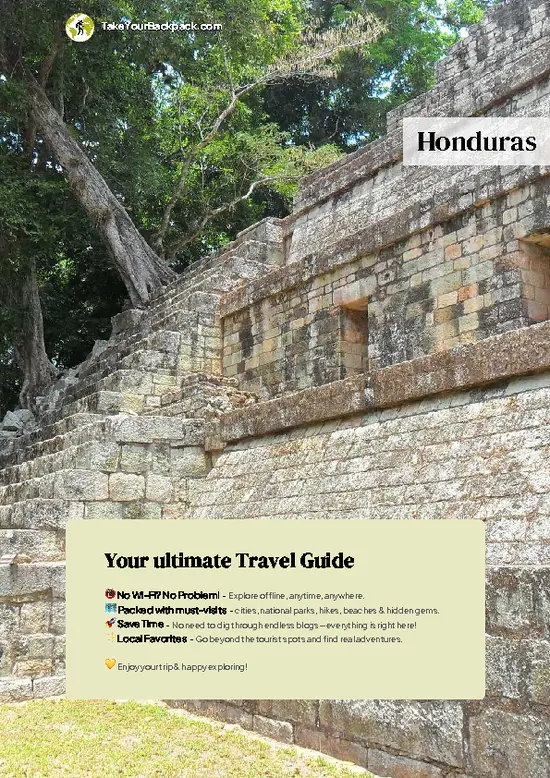
The Hieroglyphic StairwayIf you want to see the Mayan world flexing its intellectual muscle, this is it. The Hieroglyphic Stairway is a 63-step stone puzzle, each riser carved with glyphs that tell the story of Copán’s dynasties. It’s the longest known Mayan text, and it’s not just for the history nerds—there’s a real-life Indiana Jones vibe as you stand at the base, craning your neck, realizing you’re looking at a 1,200-year-old comic strip about power, betrayal, and cosmic legitimacy. Yes, the original stones are protected under a tarp, and yes, you’ll be sharing the view with tour groups, but the sheer scale and ambition of this monument are impossible to fake for Instagram. This is the Mayan ego, carved in stone.
The Ball CourtForget the sanitized “sports history” you get at other ruins. … read more 👉
The Ball CourtForget the sanitized “sports history” you get at other ruins. … read more 👉
The Hieroglyphic StairwayIf you want to see the Mayan world flexing its intellectual muscle, this is it. The Hieroglyphic Stairway is a 63-step stone puzzle, each riser carved with glyphs that tell the story of Copán’s dynasties. It’s the longest known Mayan text, and it’s not just for the history nerds—there’s a real-life Indiana Jones vibe as you stand at the base, craning your neck, realizing you’re looking at a 1,200-year-old comic strip about power, betrayal, and cosmic legitimacy. Yes, the original stones are protected under a tarp, and yes, you’ll be sharing the view with tour groups, but the sheer scale and ambition of this monument are impossible to fake for Instagram. This is the Mayan ego, carved in stone.
The Ball CourtForget the sanitized “sports history” you get at other ruins. Copán’s ball court is where the stakes were life and death, not just bragging rights. The court itself is massive, flanked by macaw-head markers, and you can almost hear the thud of the rubber ball and the tension of the crowd. The rules are still debated, but the drama is not: this was part sport, part ritual, part political theater. Stand here and you’re in the heart of a civilization that took its games seriously—sometimes fatally so.
The Stelae PlazaCopán’s stelae are not background props—they’re the main event. These towering, intricately carved stone pillars are portraits of kings, each one a flex of artistic bravado and political propaganda. The detail is absurd: you’ll see jewelry, headdresses, even facial expressions, all carved with a precision that makes you forget these are centuries-old. Unlike other sites where stelae are battered or generic, Copán’s are shockingly well-preserved and weirdly charismatic. My personal favorite: Stela H, with its wild, almost psychedelic headdress and the king’s serene, slightly smug face. It’s like meeting the ancient world’s most interesting man.
The AcropolisThis isn’t just a pile of rocks. The Acropolis is a multi-level maze of temples, stairways, and courtyards, each layer revealing a different chapter of Copán’s story. Climb to the top and you get a panoramic view of the jungle swallowing the ruins—a reminder that nature always wins in the end. The sense of scale and ambition here is humbling. You’re not just walking through history; you’re climbing through it.
Scarlet Macaws at the EntranceNo, they’re not a tourist gimmick. The scarlet macaws you’ll see near the entrance are part of a genuine conservation effort, and their wild, raucous calls are the soundtrack of Copán. These birds were sacred to the Maya, and seeing them wheel overhead—feathers blazing against the green—feels like a living connection to the past. It’s a reminder that Copán isn’t just about stones and stories; it’s about the living landscape.
The Tunnels (Las Sepulturas and Rosalila)If you want to go full archaeology geek, pay extra for access to the tunnels beneath the Acropolis. Here’s where you see the literal layers of Copán’s history, with temples built atop older temples, and the Rosalila Temple preserved in all its original color. It’s dark, humid, and a little claustrophobic, but it’s the closest you’ll get to time travel in Honduras.
The Ball CourtForget the sanitized “sports history” you get at other ruins. Copán’s ball court is where the stakes were life and death, not just bragging rights. The court itself is massive, flanked by macaw-head markers, and you can almost hear the thud of the rubber ball and the tension of the crowd. The rules are still debated, but the drama is not: this was part sport, part ritual, part political theater. Stand here and you’re in the heart of a civilization that took its games seriously—sometimes fatally so.
The Stelae PlazaCopán’s stelae are not background props—they’re the main event. These towering, intricately carved stone pillars are portraits of kings, each one a flex of artistic bravado and political propaganda. The detail is absurd: you’ll see jewelry, headdresses, even facial expressions, all carved with a precision that makes you forget these are centuries-old. Unlike other sites where stelae are battered or generic, Copán’s are shockingly well-preserved and weirdly charismatic. My personal favorite: Stela H, with its wild, almost psychedelic headdress and the king’s serene, slightly smug face. It’s like meeting the ancient world’s most interesting man.
The AcropolisThis isn’t just a pile of rocks. The Acropolis is a multi-level maze of temples, stairways, and courtyards, each layer revealing a different chapter of Copán’s story. Climb to the top and you get a panoramic view of the jungle swallowing the ruins—a reminder that nature always wins in the end. The sense of scale and ambition here is humbling. You’re not just walking through history; you’re climbing through it.
Scarlet Macaws at the EntranceNo, they’re not a tourist gimmick. The scarlet macaws you’ll see near the entrance are part of a genuine conservation effort, and their wild, raucous calls are the soundtrack of Copán. These birds were sacred to the Maya, and seeing them wheel overhead—feathers blazing against the green—feels like a living connection to the past. It’s a reminder that Copán isn’t just about stones and stories; it’s about the living landscape.
The Tunnels (Las Sepulturas and Rosalila)If you want to go full archaeology geek, pay extra for access to the tunnels beneath the Acropolis. Here’s where you see the literal layers of Copán’s history, with temples built atop older temples, and the Rosalila Temple preserved in all its original color. It’s dark, humid, and a little claustrophobic, but it’s the closest you’ll get to time travel in Honduras.
Spotted a mistake or missing something? Contact us.
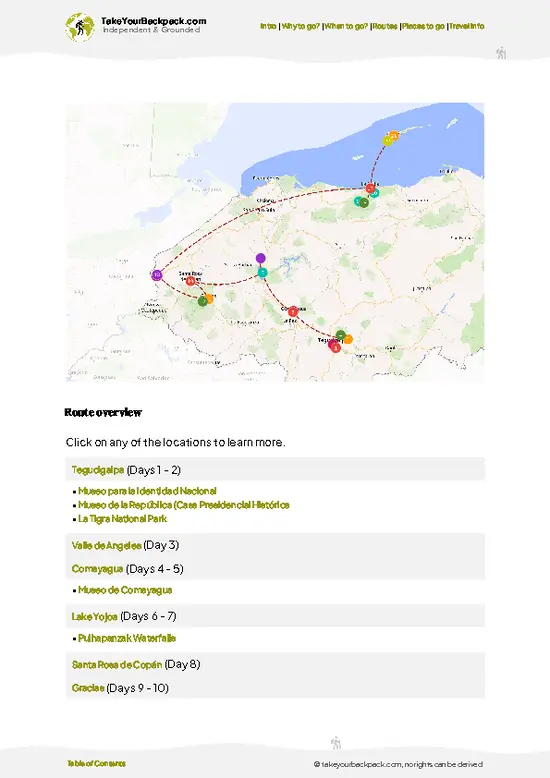

 Best Backpacking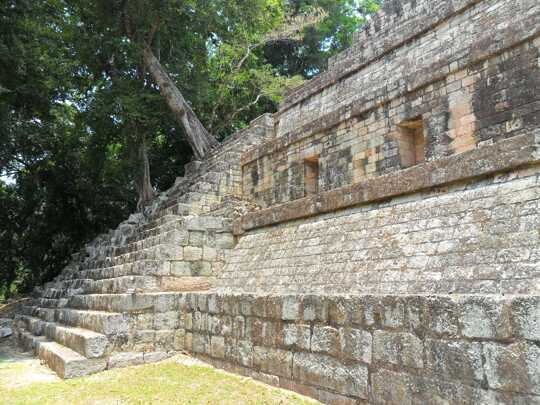
.jpg) Hi, I’m Johan (Netherlands 🇳🇱), the creator of TakeYourBackpack. Over the past decade, I’ve backpacked through 80+ countries across six continents, gaining extensive experience with independent travel, long-term trips, and overland routes.
Hi, I’m Johan (Netherlands 🇳🇱), the creator of TakeYourBackpack. Over the past decade, I’ve backpacked through 80+ countries across six continents, gaining extensive experience with independent travel, long-term trips, and overland routes.