×

Honduras🇭🇳 | citiesTrujilloSpanish fort, Garifuna tapado, mangrove lagoon, Columbus landing | things to do and best time to go

Explore TegucigalpaExplore San Pedro Sula

Backpacking in Trujillo
🌟 Highlightcity ranked #4
By Johan Kruseman 🇳🇱 | Updated October 22, 2026

Trujillo was once a Caribbean port that hosted Columbus, pirates and a short-lived colonial capital. Today it is a sleepy bay town in the north of Honduras, where the main action is a long, quiet beach and a handful of historic stones. It suits travelers who want slow days, Garifuna food and a cheap hammock, and it does not suit anyone craving nightlife or fast logistics. A vendor on the beach, asked if the fish was caught that morning, pointed at a canoe still rocking at the shore and said, “Ask him, he’s my brother.” Skip the long detour for the town’s modest museum; the fort and the beach are worth your time. Compared with busy Tela, Trujillo costs less effort and has far fewer crowds, though fewer comforts too.

Discover everything you want to know in the 📖 Honduras Travel Guide.


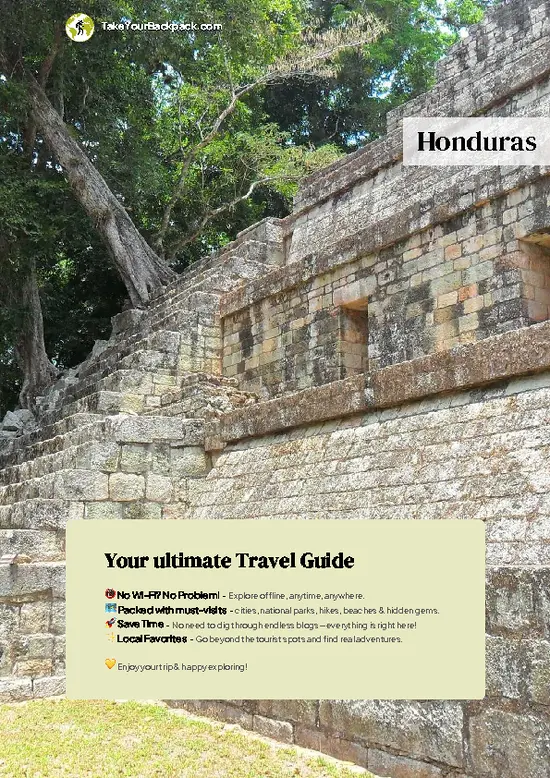
example page 0 from our offline Travel Guide for Honduras
example page 1 from our offline Travel Guide for Honduras
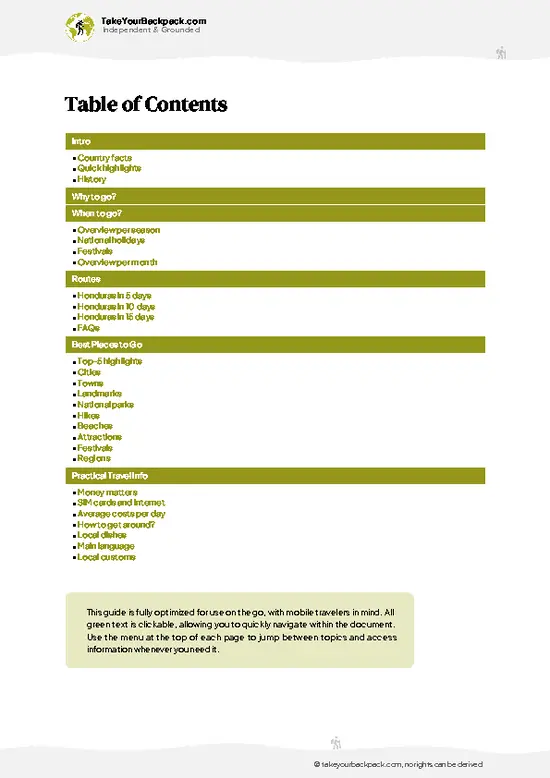
example page 2 from our offline Travel Guide for Honduras
example page 3 from our offline Travel Guide for Honduras
example page 4 from our offline Travel Guide for Honduras
example page 5 from our offline Travel Guide for Honduras
example page 6 from our offline Travel Guide for Honduras
example page 7 from our offline Travel Guide for Honduras
Loading the map 🌍
CLICK TO FILTER
cities
towns
landmarks
national parks
hikes
beaches
attractions
festivals
regions
SHOW COUNTRY’S BESTSHOW ALL

✨ Why go?
Ranked #4 city in Honduras
What makes it a must-see city

Trujillo works as a backpacking stop because it is the end of the road on the north coast, and that is exactly its appeal. You come for the wide Bay of Trujillo, where a long beach runs past fishing boats and palm trees with almost nobody on it. Food is the second draw: the Garifuna communities east and west of town cook coconut-based fish soup and fried plantains, and that cooking is hard to find in the capital. The town is small enough to cover on foot in an hour, so you spend your energy on the water and the hills behind it rather than on getting around. It also makes a calm base for reaching reserves and villages along the coast. The honest limit is nightlife and variety, which are thin. Two or three nights is the right dose. More than that suits writers, divers-in-waiting and people who like watching the afternoon boats come in.

💡 HighlightsTop highlights of Trujillo

  1. Fortaleza de Santa Bárbara: A Spanish fort overlooking the bay, with old cannons still pointing toward the water and a small onsite exhibit. Entry runs about US$2 to 3. Go in the morning when it is cooler. Allow 45 minutes to an hour.
  2. Playa Trujillo: A long curve of sand that runs along the town, with simple beach shacks serving fried fish. Free. Late afternoon is quiet and golden. Plan 2 to 3 hours.
  3. Cementerio Viejo (Old Cemetery): Holds the grave marker of William Walker, the American filibuster executed here in 1860. Free or a small donation. Visit in the morning for 20 to 30 minutes.
  4. Parque Nacional Capiro y Calentura: A cloud forest hill behind the town, reached by a rough track, with views over the bay and birdlife. Entry is typically US$2 to 5. Start early. Allow 3 to 5 hours.
  5. Garifuna
… read more 👉
  1. Fortaleza de Santa Bárbara: A Spanish fort overlooking the bay, with old cannons still pointing toward the water and a small onsite exhibit. Entry runs about US$2 to 3. Go in the morning when it is cooler. Allow 45 minutes to an hour.
  2. Playa Trujillo: A long curve of sand that runs along the town, with simple beach shacks serving fried fish. Free. Late afternoon is quiet and golden. Plan 2 to 3 hours.
  3. Cementerio Viejo (Old Cemetery): Holds the grave marker of William Walker, the American filibuster executed here in 1860. Free or a small donation. Visit in the morning for 20 to 30 minutes.
  4. Parque Nacional Capiro y Calentura: A cloud forest hill behind the town, reached by a rough track, with views over the bay and birdlife. Entry is typically US$2 to 5. Start early. Allow 3 to 5 hours.
  5. Garifuna village of Santa Fe: A short ride west, with seaside restaurants serving tapado soup and fresh fish. Meals run about US$5 to 9. Go at lunchtime and allow 2 to 3 hours.
  6. Laguna de Guaimoreto: A mangrove lagoon near town with birds and boat trips. Guided boat tours cost around US$15 to 30 per boat. Best at dawn. Allow 2 to 3 hours.
  7. Parque Central and the Columbus landing marker: A small plaza near the waterfront, marking where Columbus is said to have first touched the Central American mainland in 1502. Free. Allow 20 minutes.
Trujillo also has day trips to the Pico Bonito foothills, the Cuyamel caves and the Garifuna coast toward Iriona. The fort and the old cemetery combine well in one morning, since both sit on the same slope above the bay.
Spotted a mistake or missing something? Contact us.

Things to do near Trujillo

Ratings based on Tripadvisor reviews. When you book through this link, you support our work at no extra cost to you.

🏘️ NeighborhoodsUnderstanding the local layout

Trujillo is small enough that you will cover every area on foot, so the choice is about where to spend your hours, not how to get there.
  • Town center and the Parque Central: A few blocks around the plaza hold the church, the market stalls, small comedores, ATMs and the waterfront views over the bay. It costs nothing to wander and takes an hour. Spend your time here for the evening air and cheap eats, but skip hunting for big sights, because there are none.
  • Fortaleza Santa Bárbara: The old Spanish fort sits on a rise a short walk from the plaza, with rusted cannons facing the bay. Entry is a few dollars and the visit takes 30 to 45 minutes. Worth it for the view and the history of Columbus-era Trujillo, not for anything more.
  • The Malecón and Playa Trujillo: The seafront strip lines up beach shacks
… read more 👉
Trujillo is small enough that you will cover every area on foot, so the choice is about where to spend your hours, not how to get there.
  • Town center and the Parque Central: A few blocks around the plaza hold the church, the market stalls, small comedores, ATMs and the waterfront views over the bay. It costs nothing to wander and takes an hour. Spend your time here for the evening air and cheap eats, but skip hunting for big sights, because there are none.
  • Fortaleza Santa Bárbara: The old Spanish fort sits on a rise a short walk from the plaza, with rusted cannons facing the bay. Entry is a few dollars and the visit takes 30 to 45 minutes. Worth it for the view and the history of Columbus-era Trujillo, not for anything more.
  • The Malecón and Playa Trujillo: The seafront strip lines up beach shacks serving grilled fish and cold beer. The sand is fine for a swim and a long lunch, and it gives the most atmosphere per dollar in town. Nights are lively on weekends, otherwise quiet.
  • Barrio Cristales: This Garífuna neighborhood west of the center offers drumming, cassava bread and a look at everyday coastal life. Go with a local guide or a recommendation from your host. It is walkable, but daylight is the better choice.

⌛️ 1 dayWhat you can realistically do in a day

7:30 AM: Playa Trujillo
Start with a slow beach walk while the boats are going out and the sand is empty. Grab coffee and a baleada at a beachfront stall, then head uphill on foot.
9:00 AM: Fortaleza de Santa Bárbara
The fort is a short climb from the center. Spend about 45 minutes with the cannons and bay view before the heat builds. Walk down toward the plaza afterward.
10:30 AM: Parque Central and Cementerio Viejo
Stop by the plaza and the Columbus marker, then walk to the old cemetery on the edge of town to see William Walker’s grave. It is a short, quiet visit and easy to skip, but it is the best window into the town’s odd past.
12:30 PM: Lunch in a Garifuna restaurant
Take a short taxi or colectivo to Santa Fe for tapado or fried fish with coconut rice at a seaside table. Order what the cook … read more 👉
7:30 AM: Playa Trujillo
Start with a slow beach walk while the boats are going out and the sand is empty. Grab coffee and a baleada at a beachfront stall, then head uphill on foot.
9:00 AM: Fortaleza de Santa Bárbara
The fort is a short climb from the center. Spend about 45 minutes with the cannons and bay view before the heat builds. Walk down toward the plaza afterward.
10:30 AM: Parque Central and Cementerio Viejo
Stop by the plaza and the Columbus marker, then walk to the old cemetery on the edge of town to see William Walker’s grave. It is a short, quiet visit and easy to skip, but it is the best window into the town’s odd past.
12:30 PM: Lunch in a Garifuna restaurant
Take a short taxi or colectivo to Santa Fe for tapado or fried fish with coconut rice at a seaside table. Order what the cook recommends and stay through the slow part of the afternoon.
3:00 PM: Laguna de Guaimoreto
This one is off the standard route. Hire a local boatman at the lagoon edge for a short paddle through mangroves, looking for herons and kingfishers. Agree on the price before you step in.
5:30 PM: Back at the beach
Return to town for sunset drinks at a beach shack and a simple fish dinner. Walk back to your bed before dark.

🌤️ When to go?Best time to visit Trujillo

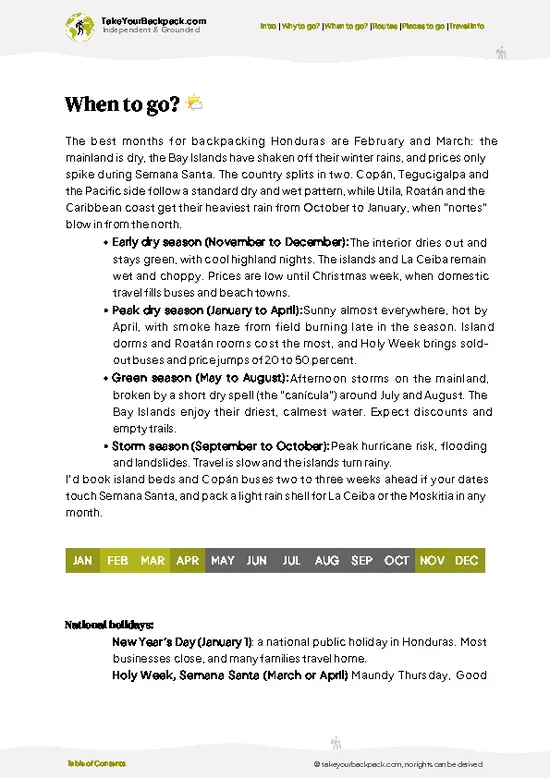
February to May is the easiest window for beach days and boat trips around Trujillo, while the wettest stretch runs roughly October to January.
  • Dry Season (Feb to May): Highs reach 30 to 33°C (86 to 91°F), seas are calmer and the sky is mostly clear. Easter week brings Honduran families and higher room prices.
  • Shoulder Months (Jun to Sep): Warm at 29 to 32°C (84 to 90°F) with short showers. Crowds are thin, beds are easy to find, and the mid-year Garífuna festivals add color.
  • Rainy Season (Oct to Jan): Storms off the Caribbean bring heavy rain, muddy roads and rougher water, with highs around 26 to 29°C (79 to 84°F). Prices dip, but boat tours can be canceled.
Daylight stays close to 11 to 13 hours all year. Book Easter lodging early, and in the rainy months leave a spare day in your plans.

source: climatestotravel.comJANJanuary: fair for travelingFEBFebruary: excellent for travelingMARMarch: excellent for travelingAPRApril: highly recommended for travelingMAYMay: highly recommended for travelingJUNJune: fair for travelingJULJuly: fair for travelingAUGAugust: fair for travelingSEPSeptember: fair for travelingOCTOctober: fair for travelingNOVNovember: fair for travelingDECDecember: fair for traveling
honduras-city-trujillo
© Google |

✈️ The backpacker research shortcutHonduras Travel Guide

An offline-friendly backpacking guide with optimized travel routes, ranked highlights, transport advice, and the best areas to stay.
example page 0 from our offline Travel Guide for Honduras
example page 1 from our offline Travel Guide for Honduras
example page 2 from our offline Travel Guide for Honduras
example page 3 from our offline Travel Guide for Honduras
example page 4 from our offline Travel Guide for Honduras
example page 5 from our offline Travel Guide for Honduras
example page 6 from our offline Travel Guide for Honduras
example page 7 from our offline Travel Guide for Honduras
The digital guide (255 pages) contains:
✅ 74 highlights, ranked by travel appeal
✅ Optimized 5, 10 & 15-day travel routes
✅ Cities, national parks, landmarks, beaches
✅ How to get around
✅ Offline-friendly for travel without Wi-Fi
👉 Click to see all 30+ guide features

📅 Plan smarter in minutes, not weeks
✅ Month by month travel advice
✅ Festivals & national holidays
✅ Budget expectations

🗺️ Go to the right places, skip the overrated ones
✅ Honest pros & cons of destinations
✅ Top hikes, parks & viewpoints
✅ Lesser-known places most travelers miss
✅ Clear “worth it vs skip it” guidance

🛏️ Travel smoothly without rookie mistakes
✅ Best areas to stay
✅ Transport systems explained simply
✅ Common scams & safety advice
✅ SIM cards, money & practical tips

🌍 Understand the country, not just visit it
✅ Culture & traditions
✅ 52 Essential phrases & customs
✅ Festivals worth planning around
✅ Traveler-friendly historical context
✅ Insights that make places more meaningful

📱 Built for real travel conditions
✅ Fully downloadable PDF
✅ Works completely offline
✅ Optimized for phone use
✅ Useful in remote areas & buses
✅ Everything in one place
Stop searching, start planning
Get instant access to your full guide. 30‑day money-back guarantee.
+ Add another guide for just

By proceeding you agree to our terms.
Sent to your inbox immediately after payment • 100% Secure Checkout
Best Backpacking Travel Advisor 2025 tourism awardBest Backpacking
Travel Advisor
2025
What others say about Take Your Backpack Guides:
⭐⭐⭐⭐⭐
Fantastic, amazing amount of information!
⭐⭐⭐⭐⭐
My goodness this is amazing, it's what I've been looking for hats off too you!
⭐⭐⭐⭐⭐
I think this is absolutely BRILLIANT
⭐⭐⭐⭐
Very complete and informative. It's still missing places, but I gotta to commend you
⭐⭐⭐⭐⭐
This is truly amazing, thank you, can't wait to explore it with my kids!
⭐⭐⭐⭐⭐
Awesome resource, thank you!
⭐⭐⭐⭐⭐
This is amazing! Can't wait to explore the ones I haven't seen
⭐⭐⭐⭐
I love this! Well done, great idea.
⭐⭐⭐⭐⭐
Thanks for taking the time to make this gem!
⭐⭐⭐⭐⭐
This might be the best website I've ever seen.
⭐⭐⭐⭐⭐
Congratulations, and thank you so much for your work; it's incredibly valuable.
⭐⭐⭐⭐
In all seriousness I think you did a great job pointing out the important spots
⭐⭐⭐⭐⭐
10/10 very good
⭐⭐⭐⭐⭐
As someone who's only just starting to visit regularly this is awesome, thank you.
⭐⭐⭐⭐
Thank you very much! I'm going to visit my dad, it's going to be very useful!
⭐⭐⭐⭐⭐
This is really cool! We'll be travelling for the first time and this definitely come in handy.
⭐⭐⭐⭐⭐
You are now our minister of culture, congratulations 👨‍💼
⭐⭐⭐⭐⭐
Just wanted to tell you that this is a pearl! Going to follow your recommendations.
⭐⭐⭐⭐⭐
This is so cool. I'll definitely be using the resource for my travels soon.
⭐⭐⭐⭐⭐
This is very impressive! Good work.
⭐⭐⭐⭐⭐
This is an amazing and informative site. Very well done!

🛏️ Where to stay?Choosing the right base

The best budget base in Trujillo is the area around the Parque Central and the seafront, where walking distance covers nearly everything. Guesthouses and a few small hostels cluster here, and a dorm bed or simple private room costs less than almost anywhere on the north coast. Options are limited compared with La Ceiba, so book ahead at Easter and in high season.

The center is also the most comfortable at night. Streets stay lit and populated until late, you can walk back from a beachfront dinner, and mototaxis pass often. Noise comes mainly from weekend music near the waterfront, so request … read more 👉
The best budget base in Trujillo is the area around the Parque Central and the seafront, where walking distance covers nearly everything. Guesthouses and a few small hostels cluster here, and a dorm bed or simple private room costs less than almost anywhere on the north coast. Options are limited compared with La Ceiba, so book ahead at Easter and in high season.

The center is also the most comfortable at night. Streets stay lit and populated until late, you can walk back from a beachfront dinner, and mototaxis pass often. Noise comes mainly from weekend music near the waterfront, so request a room away from the street if you sleep lightly.

A second choice is the stretch of beach just outside the center, which suits you if you want sand at the door and a quieter setting. You trade that calm for a short mototaxi ride to the market and the bus stop, plus fewer places to eat late. For a first night, stay central.

🚌 Getting aroundGetting around like a local

A ride in a local mototaxi or taxi collectivo around Trujillo costs US$0.40 to 1.50 per person, paid in cash in lempiras directly to the driver at the end of the trip. The town is small and flat along the bay, so most of what you need sits within a 20 minute walk.
  • Walking: Free, and the best option for the center, the waterfront, the old fort and the main market street. Midday heat is heavy, so do longer stretches in the morning or late afternoon. Sidewalks are patchy, which is fine in daylight.
  • Mototaxi: Three-wheeled and everywhere, at about US$0.40 to 1 for a short hop within town, up to US$2 to the outskirts. Agree the fare before you climb in. For a backpacker this is the most useful way to cover the hot, dusty stretches to the edge of town, and it beats waiting for anything on a schedule.
… read more 👉
A ride in a local mototaxi or taxi collectivo around Trujillo costs US$0.40 to 1.50 per person, paid in cash in lempiras directly to the driver at the end of the trip. The town is small and flat along the bay, so most of what you need sits within a 20 minute walk.
  • Walking: Free, and the best option for the center, the waterfront, the old fort and the main market street. Midday heat is heavy, so do longer stretches in the morning or late afternoon. Sidewalks are patchy, which is fine in daylight.
  • Mototaxi: Three-wheeled and everywhere, at about US$0.40 to 1 for a short hop within town, up to US$2 to the outskirts. Agree the fare before you climb in. For a backpacker this is the most useful way to cover the hot, dusty stretches to the edge of town, and it beats waiting for anything on a schedule.
  • Taxi: Regular cars run about US$1.50 to 3 in town and US$5 to 10 to nearby beaches or the airport area, depending on the haggle. They are more comfortable in rain, but you pay roughly double the mototaxi for the same distance, so skip them unless you have a big pack or it is late.
  • Local bus and pickup trucks: Old buses and shared pickups connect Trujillo with Santa Fe, Puerto Castilla and surrounding villages for roughly US$0.50 to 2, and they leave when full. Services thin out after mid-afternoon and the last ones head out around dusk. They are slow and crowded, yet the cheapest way to reach the coast villages, so they are worth planning around if you have a flexible day.
  • Intercity coach: Buses to Tocoa, La Ceiba and San Pedro Sula leave from the main road area early in the morning, with fares around US$4 to 12 depending on the destination. Book a morning departure, since afternoon seats and connections run out.

👛 Costs (as of 22 October 2026)How expensive it really is

Trujillo costs a backpacker about US$38 a day in high season, with a bed, local meals, short rides and a beach-and-fortress itinerary all included.
CategoryBudget RangeLocal Reality
Dorm bed (high season)US$10 to 15Dorms are few. Many travelers take a basic private room at a similar price, and December to April and Semana Santa fill up fast.
Dorm bed (off-season)US$8 to 12May to October brings easy bargaining, especially for stays of three nights or more.
MealsUS$8 to 14A baleada or a plate of fried fish with coconut rice and plantains runs US$3 to 6 at beachfront shacks and small comedores. Cold drinks add US$1 to 2.
Local transportUS$2 to 5Moto-taxis and shared taxis cover short hops to Barrio Cristales and the beaches for US$0.50 to 2.
City transport passNot availableNo pass exists. You pay per
… read more 👉
Trujillo costs a backpacker about US$38 a day in high season, with a bed, local meals, short rides and a beach-and-fortress itinerary all included.
CategoryBudget RangeLocal Reality
Dorm bed (high season)US$10 to 15Dorms are few. Many travelers take a basic private room at a similar price, and December to April and Semana Santa fill up fast.
Dorm bed (off-season)US$8 to 12May to October brings easy bargaining, especially for stays of three nights or more.
MealsUS$8 to 14A baleada or a plate of fried fish with coconut rice and plantains runs US$3 to 6 at beachfront shacks and small comedores. Cold drinks add US$1 to 2.
Local transportUS$2 to 5Moto-taxis and shared taxis cover short hops to Barrio Cristales and the beaches for US$0.50 to 2.
City transport passNot availableNo pass exists. You pay per ride in cash, in lempiras.
Activities and entry feesUS$3 to 8The Santa Bárbara Fortress charges a small entry fee. Beaches are free, while Garífuna cultural visits and boat or nature trips cost more.
MiscellaneousUS$2 to 4Water, sunscreen, bug spray and the odd ATM fee. Machines in town sometimes run out of cash on weekends.
Total Daily BudgetUS$38Based on high-season beds and eating mostly local.
Buy fish straight from the beach stalls or eat the set lunch (almuerzo) at a comedor, which often costs half what a seafront restaurant charges for similar food.
⚠️ Prices can change and everyone travels differently, so take this as a rough guide. Hope it helps you plan your adventure!

🚌 Day tripsShort trips worth adding

Trujillo works well as a base for day trips, since the coast, a national park and Garífuna villages all lie within a few hours and the best of them need no overnight gear.
Capiro y Calentura National Park:
The cloud forest park on the hill above town rewards you with views across the bay and hummingbirds in the canopy. Allow half a day, with about US$10 to 25 for the entrance, a guide and a ride up the rough track. Go early in the dry months, and do not try it in the rain, as the road turns slick.

Santa Fe:
This Garífuna village sits along the coast about 30 to 40 minutes by bus or taxi, and the trip costs US$2 to 6 each way. Its beach is lined with cheap seafood shacks, and you can eat fried fish with coconut bread. Most first-timers show up too late, so aim for late morning.

Laguna de Guaimoreto: … read more 👉
Trujillo works well as a base for day trips, since the coast, a national park and Garífuna villages all lie within a few hours and the best of them need no overnight gear.
Capiro y Calentura National Park:
The cloud forest park on the hill above town rewards you with views across the bay and hummingbirds in the canopy. Allow half a day, with about US$10 to 25 for the entrance, a guide and a ride up the rough track. Go early in the dry months, and do not try it in the rain, as the road turns slick.

Santa Fe:
This Garífuna village sits along the coast about 30 to 40 minutes by bus or taxi, and the trip costs US$2 to 6 each way. Its beach is lined with cheap seafood shacks, and you can eat fried fish with coconut bread. Most first-timers show up too late, so aim for late morning.

Laguna de Guaimoreto:
This coastal lagoon east of town is a wildlife refuge with mangroves and birds. A boat tour runs roughly US$20 to 40 per boat, and the ride takes about 2 hours. Dawn is the best time, and fewer birds show up midday.

Pico Bonito National Park:
About 3 to 4 hours by bus toward La Ceiba, the park offers river swimming and rainforest hiking. It costs roughly US$20 to 40 including transport and entry, so start before 7 a.m. to be back by dark.
👉 Explore Pico Bonito National Park

🍲 FoodEating & Drinking in Trujillo

Seafood is the heart of eating in Trujillo, thanks to its Garífuna roots. Look for tapado, a coconut-milk stew of fish, plantain and cassava, rich, slightly sweet and best eaten on a weekend. Machuca, mashed green plantain served under a fish soup, is another local staple, along with fried snapper, conch and cassava bread (ereba), a crisp round flatbread baked on a griddle.

For casual meals, the beach shacks along the seafront serve grilled fish, rice and fried plantain for roughly US$5 to 10, with a cold beer for US$1 to 2. The market and small comedores near the plaza are cheaper for breakfast of baleadas and coffee. Many Garífuna cooks in nearby villages such as Santa Fe prepare meals to order, so arrive hungry and allow an hour. Try coconut bread and gifiti, an herbal bitter spirit, as … read more 👉
Seafood is the heart of eating in Trujillo, thanks to its Garífuna roots. Look for tapado, a coconut-milk stew of fish, plantain and cassava, rich, slightly sweet and best eaten on a weekend. Machuca, mashed green plantain served under a fish soup, is another local staple, along with fried snapper, conch and cassava bread (ereba), a crisp round flatbread baked on a griddle.

For casual meals, the beach shacks along the seafront serve grilled fish, rice and fried plantain for roughly US$5 to 10, with a cold beer for US$1 to 2. The market and small comedores near the plaza are cheaper for breakfast of baleadas and coffee. Many Garífuna cooks in nearby villages such as Santa Fe prepare meals to order, so arrive hungry and allow an hour. Try coconut bread and gifiti, an herbal bitter spirit, as a local curiosity. Evenings are sociable, with plastic chairs, music and shared tables.

🛡️ SafetyStaying Safe: What Travelers Should Know

Trujillo is a small, relaxed town where most travelers have no trouble, and common sense covers nearly everything. Petty theft is the usual problem, so keep your phone and camera out of sight on the beach and do not leave bags unattended while swimming. After dark, stay on the lit streets around the plaza and seafront and take a mototaxi rather than walking the empty beach or outskirts alone. Solo travelers, including women, generally report friendly treatment, though catcalling occurs and a firm, polite no is enough. Bargaining is the main everyday annoyance: boat captains and taxi drivers often quote high first prices, so agree the cost before you set off. Only hike in Capiro y Calentura with a local guide, and carry modest cash rather than your whole wallet. Rural roads outside town are better traveled in daytime.

FAQTraveler FAQ

Two days is enough for Trujillo itself, and three suit you better if you add a day trip. Spend a morning at the Santa Bárbara fort and plaza, an afternoon on the beach, then visit Santa Fe or Capiro y Calentura park, which each take half a day and cost roughly US$2 to 25.
Trujillo is generally safe for solo backpackers, with petty theft the main issue. Stay on the lit streets around the plaza and seafront at night, take a mototaxi (US$1 to 3) rather than walking the beach alone, and hire a local guide for the Capiro y Calentura hike.
Trujillo is known for its Garífuna culture, Caribbean beaches and seafood such as tapado. It is also famous for the Spanish Fortaleza Santa Bárbara and for being where Columbus landed in 1502. Capiro y Calentura National Park lies right above town.
⚠️ Things can change over time, so always validate details locally before you go.

Other Honduran cities near Trujillo

Explore more nearby:

  • La Ceiba—Pico Bonito, Cangrejal rapids, May carnival, island ferries| 91 km away
  • El Progreso—Banana country, Ulúa riverbanks, market lunches, weekend football| 206 km away
  • Puerto Cortés—Container port, Garífuna beach, fried fish, malecón| 211 km away

💡 Not sure where to go next?
Create a personalized itinerary for Honduras including Trujillo and the places that fit your trip.

Generate my itinerary

👉 Discover all cities

Or checkout all Honduras has to offer (think cities, towns, villages, national parks, hikes, beaches, festivals)
Country photo of Honduras

We 💚 feedbackIs it worth it?

Trujillo’s Garifuna villages are what first-timers overlook, since most stay on the main beach. I would spend at least one full afternoon in Santa Fe or a neighboring settlement, eat lunch there and ask your cook about local drumming nights. Plan on slow service, bring cash and skip any rush.

✈️ When did I visit Honduras?
Honduras I visited during my half year trip through South and Central America back in 2003

✍️ Help improve this page!
The information on this page is based on my own backpacking experience in Honduras, supplemented with up-to-date research and feedback from other travelers. Travel details can change, so if you notice anything outdated or incomplete, feel free to let me know.


🙋‍♂️ Give feedback

👋 Meet the founderWho’s Behind Take Your Backpack?

Johan, backpacker and founder of TakeYourBackpackHi, I’m Johan (Netherlands 🇳🇱), the creator of TakeYourBackpack. Over the past 3 decades, I’ve backpacked through 90+ countries across six continents, gaining extensive experience with independent travel, long-term trips, and overland routes.

This site is built on a combination of firsthand travel experience and carefully curated insights from other backpackers. Many guides are based on places I’ve personally visited, while others bring together tips, observations, and practical advice shared by trusted travelers I’ve met along the way.

The goal is to provide realistic, experience-driven guidance — not generic itineraries — so you can explore destinations with better context, clearer expectations, and more confidence.