v2.webp)
Sham Shui Po Street Markets (Apliu Street & Pei Ho Street)
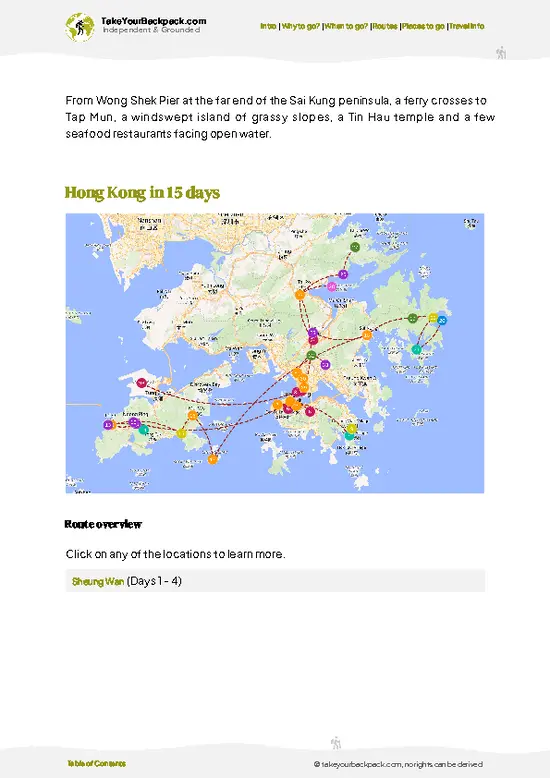
This is where Hong Kong’s pulse is loudest—electronics stacked like treasure, the smell of roasted chestnuts, and locals haggling over everything from phone parts to vintage watches. The market is a living museum of working-class ingenuity. Go in the late morning for the best energy and before the crowds thicken. Free to wander; budget HK$20-200 if you’re tempted by gadgets or snacks. Give yourself 1-2 hours to soak it in.
Jockey Club Creative Arts Centre (JCCAC)
A concrete block transformed into a hive of artist studios, indie galleries, and weekend craft markets. You’ll catch the scent of turpentine and coffee, and maybe a glimpse of a printmaker at work. It’s a rare window into Hong Kong’s grassroots art scene. Visit on weekends … read more 👉
This is where Hong Kong’s pulse is loudest—electronics stacked like treasure, the smell of roasted chestnuts, and locals haggling over everything from phone parts to vintage watches. The market is a living museum of working-class ingenuity. Go in the late morning for the best energy and before the crowds thicken. Free to wander; budget HK$20-200 if you’re tempted by gadgets or snacks. Give yourself 1-2 hours to soak it in.
Jockey Club Creative Arts Centre (JCCAC)
A concrete block transformed into a hive of artist studios, indie galleries, and weekend craft markets. You’ll catch the scent of turpentine and coffee, and maybe a glimpse of a printmaker at work. It’s a rare window into Hong Kong’s grassroots art scene. Visit on weekends … read more 👉
Sham Shui Po Street Markets (Apliu Street & Pei Ho Street)
This is where Hong Kong’s pulse is loudest—electronics stacked like treasure, the smell of roasted chestnuts, and locals haggling over everything from phone parts to vintage watches. The market is a living museum of working-class ingenuity. Go in the late morning for the best energy and before the crowds thicken. Free to wander; budget HK$20-200 if you’re tempted by gadgets or snacks. Give yourself 1-2 hours to soak it in.
Jockey Club Creative Arts Centre (JCCAC)
A concrete block transformed into a hive of artist studios, indie galleries, and weekend craft markets. You’ll catch the scent of turpentine and coffee, and maybe a glimpse of a printmaker at work. It’s a rare window into Hong Kong’s grassroots art scene. Visit on weekends for open studios and markets. Entry is free; workshops or art purchases vary. Plan for 1-1.5 hours.
Sham Shui Po Heritage Trail
This self-guided walk links the area’s pre-war tong lau (tenement buildings), temples, and the old police station. The city’s grit and resilience are written in peeling paint and incense smoke. Early morning is best for quiet streets and soft light. Free; allow 1-2 hours if you linger at each stop.
Kung Wo Beancurd Factory
A century-old tofu shop where the air is thick with the scent of soybeans and nostalgia. Their silky tofu pudding is a rite of passage—cheap, cheerful, and best eaten at a sticky table with locals. Go mid-afternoon to avoid lunch crowds. HK$10-20 per dish. 20-30 minutes is enough, unless you get hooked.
Yen Chow Street Hawker Bazaar (“Pang Jai”)
A labyrinth of fabric stalls, with bolts of cloth stacked to the ceiling and tailors gossiping in Cantonese. It’s a fading slice of Hong Kong’s textile history, and a paradise for anyone who loves texture and color. Visit before sunset for the best light filtering through tarps. Free to browse; fabric prices start at HK$20/meter. 30-45 minutes is plenty unless you’re on a mission.
For day trips, consider the Kowloon Walled City Park, Cheung Sha Wan’s wholesale markets, or the neon-lit streets of Mong Kok—each just a short MTR ride from Sham Shui Po.
This is where Hong Kong’s pulse is loudest—electronics stacked like treasure, the smell of roasted chestnuts, and locals haggling over everything from phone parts to vintage watches. The market is a living museum of working-class ingenuity. Go in the late morning for the best energy and before the crowds thicken. Free to wander; budget HK$20-200 if you’re tempted by gadgets or snacks. Give yourself 1-2 hours to soak it in.
Jockey Club Creative Arts Centre (JCCAC)
A concrete block transformed into a hive of artist studios, indie galleries, and weekend craft markets. You’ll catch the scent of turpentine and coffee, and maybe a glimpse of a printmaker at work. It’s a rare window into Hong Kong’s grassroots art scene. Visit on weekends for open studios and markets. Entry is free; workshops or art purchases vary. Plan for 1-1.5 hours.
Sham Shui Po Heritage Trail
This self-guided walk links the area’s pre-war tong lau (tenement buildings), temples, and the old police station. The city’s grit and resilience are written in peeling paint and incense smoke. Early morning is best for quiet streets and soft light. Free; allow 1-2 hours if you linger at each stop.
Kung Wo Beancurd Factory
A century-old tofu shop where the air is thick with the scent of soybeans and nostalgia. Their silky tofu pudding is a rite of passage—cheap, cheerful, and best eaten at a sticky table with locals. Go mid-afternoon to avoid lunch crowds. HK$10-20 per dish. 20-30 minutes is enough, unless you get hooked.
Yen Chow Street Hawker Bazaar (“Pang Jai”)
A labyrinth of fabric stalls, with bolts of cloth stacked to the ceiling and tailors gossiping in Cantonese. It’s a fading slice of Hong Kong’s textile history, and a paradise for anyone who loves texture and color. Visit before sunset for the best light filtering through tarps. Free to browse; fabric prices start at HK$20/meter. 30-45 minutes is plenty unless you’re on a mission.
For day trips, consider the Kowloon Walled City Park, Cheung Sha Wan’s wholesale markets, or the neon-lit streets of Mong Kok—each just a short MTR ride from Sham Shui Po.
Spotted a mistake or missing something? Contact us.

Half-Day or Full- Day Private Custom Walking Tour of Hong Kong

Private Hong Kong Car Tour - Half Day or Full Day

Full-Day Private Customized Walking Tour of Hong Kong

Peaks to Piers, Half-Day Private Customised Tour In Hong Kong

Kowloon Night Street Food Tour with a Local: Private & Customized

Hong Kong Layover Private 6-Hour Tour by Public Transport

Hong Kong Private & Personalized Food Tour with a Local

Hong Kong City Highlights and Hidden Gems by Private Car

A Taste of Hong Kong: Private Tour With Locals


 Best Backpacking
.jpg) Hi, I’m Johan (Netherlands 🇳🇱), the creator of TakeYourBackpack. Over the past 3 decades, I’ve backpacked through 90+ countries across six continents, gaining extensive experience with independent travel, long-term trips, and overland routes.
Hi, I’m Johan (Netherlands 🇳🇱), the creator of TakeYourBackpack. Over the past 3 decades, I’ve backpacked through 90+ countries across six continents, gaining extensive experience with independent travel, long-term trips, and overland routes.