×

Hong Kong🇭🇰 | townsYau Ma TeiTemple Street, fruit market, vintage cinema | things to do and best time to go

Explore Kennedy TownExplore Jordan

Backpacking in Yau Ma Tei
🌟 Highlighttown ranked #12
By Johan Kruseman 🇳🇱 | Updated May 27, 2026

Most people either skip Yau Ma Tei as “just another busy Kowloon block” or confuse it with Tsim Sha Tsui’s mall-and-museum strip. It sits just north of TST on the western side of the Kowloon peninsula, right on the MTR red line, and feels older, grittier, and more lived-in. For backpackers, it’s a practical, character-heavy base: neon pawnshop signs, fruit stalls that smell like lychee and durian, the clatter of minibuses at midnight. You get cheap eats, a few solid hostels, and easy access to the rest of Hong Kong, but no big-ticket sights. Think working-class streets, Temple Street Night Market, and quick MTR hops to hikes or ferries, rather than a social hub like Mong Kok or a polished waterfront like TST. It’s safe, busy, and budget-friendlier than staying right on the harbor, but the scene is more everyday Hong Kong than backpacker bubble.

Discover everything you want to know in the 📖 Hong Kong Travel Guide.
Loading the map 🌍
CLICK TO FILTER
towns
landmarks
national parks
hikes
beaches
attractions
festivals
regions
SHOW COUNTRY’S BESTSHOW ALL

✨ Why go?
Ranked #12 town in Hong Kong
Reasons people choose to visit here

Yau Ma Tei is a backpacker’s hub that balances convenience with local charm. It’s a gateway to nearby hikes like the Dragon’s Back and beaches on Lantau Island, making it perfect for active travelers. The streets are walkable, lined with small-scale hostels and guesthouses that foster a friendly atmosphere. You’ll find authentic local food stalls, where the scent of freshly steamed buns fills the air. Most travelers stay a few days, soaking in the culture and connecting with fellow adventurers. It’s ideal for solo travelers and small groups looking for a blend of exploration and community without the chaos of nightlife.
Get the complete Travel Guide for Hong Kong
Everything organized for offline planning — routes, highlights, costs & tips

See what’s inside 👉

Get the Travel Guide -

💡 HighlightsKey sights and experiences for travelers

  1. Yau Ma Tei Theatre — A beautifully restored old cinema turned Cantonese-opera venue; it’s one of the few places left where you can catch live opera in a compact, atmospheric room and see posters, painted signage and heritage architecture up close.
  2. Temple Street Night Market — The classic late-night street bazaar: stalls, cheap electronics, bargain clothes, street-food stalls and fortune tellers. It’s loud, messy and utterly Yau Ma Tei — best visited after dark for the full vibe.
  3. Jade Market (Kansu Street) — Hundreds of small jade and gemstone stalls packed into a few blocks. Great for people-watching, haggling skills and learning why jade matters in Chinese gift culture.
  4. Yau Ma Tei Fruit Market (Waterloo/Reclamation Street area) — A working wholesale market with early-morning crates,
read more 👉
  1. Yau Ma Tei Theatre — A beautifully restored old cinema turned Cantonese-opera venue; it’s one of the few places left where you can catch live opera in a compact, atmospheric room and see posters, painted signage and heritage architecture up close.
  2. Temple Street Night Market — The classic late-night street bazaar: stalls, cheap electronics, bargain clothes, street-food stalls and fortune tellers. It’s loud, messy and utterly Yau Ma Tei — best visited after dark for the full vibe.
  3. Jade Market (Kansu Street) — Hundreds of small jade and gemstone stalls packed into a few blocks. Great for people-watching, haggling skills and learning why jade matters in Chinese gift culture.
  4. Yau Ma Tei Fruit Market (Waterloo/Reclamation Street area) — A working wholesale market with early-morning crates, forklifts and a chaotic, colorful energy. Go at dawn to see the real trade — way better than a staged market tour.
  5. Tin Hau Temple (Yau Ma Tei) — A compact 19th-century temple tucked between shops and lanes; incense, locals making offerings and old plaques tell the story of this fishing-community shrine.
  6. Yau Ma Tei Police Station — A colonial-era red-brick building that anchors the neighborhood’s historic precinct. The exterior and surrounding streetscape give a tangible sense of pre-war Kowloon.
  7. Yau Ma Tei Typhoon Shelter & Waterfront — A surprising slice of maritime Hong Kong: moored fishing boats, harbour views and a working shoreline where you can watch local life slow down as the sun sets.
  8. Shanghai Street & Tong Lau cluster — Walkable rows of old tenement “tong lau,” family-run fabric and tailors’ shops, and tiny workshops. It’s the architecture-and-everyday-business side of the district — excellent for slow wandering and photos.
  9. Mido Café — A famously retro cha chaan teng with original tiled interior and booth seating; order a milk tea and pineapple bun and imagine the city from the 1950s for thirty delicious minutes.
  10. Dried-seafood and Preserved-goods Shops (Reclamation/Ferry St area) — A sensory alley of ginseng, dried scallops and herbal stalls — both a culinary resource for locals and a chance to see traditional food commerce that feeds Cantonese cooking.
A few nearby day-trip picks: the Tsim Sha Tsui waterfront and Star Ferry promenade, the bustle of Mong Kok’s markets (Ladies’ Market, Sneaker Street), and the peaceful Chi Lin Nunnery + Nan Lian Garden are all easily reachable from Yau Ma Tei.
Spotted a mistake or missing something? Contact us.

Things to do around Yau Ma Tei

Ratings based on Tripadvisor reviews. When you book through this link, you support our work at no extra cost to you.

🏘️ NeighborhoodsWhere things are and how it's laid out

Yau Ma Tei is a vibrant crossroads in Hong Kong, where the pulse of local life meets the thrill of exploration.

Temple Street: This area buzzes with energy, especially at night. Street markets and food stalls create a sensory overload of sights and smells. It’s affordable and walkable, perfect for short stays. The nightlife is lively, but you can retreat to quieter side streets if needed.

Nathan Road: Known as the ”Golden Mile,” this thoroughfare is a mix of shopping and dining. It’s well-connected by public transport, making it easy to explore further. While it can be busy, the variety of options suits both short and longer visits.

Yau Ma Tei Fruit Market: A feast for the senses, this market is less touristy. The vibrant colors and fresh scents make it a unique spot to experience local … read more 👉
Yau Ma Tei is a vibrant crossroads in Hong Kong, where the pulse of local life meets the thrill of exploration.

Temple Street: This area buzzes with energy, especially at night. Street markets and food stalls create a sensory overload of sights and smells. It’s affordable and walkable, perfect for short stays. The nightlife is lively, but you can retreat to quieter side streets if needed.

Nathan Road: Known as the ”Golden Mile,” this thoroughfare is a mix of shopping and dining. It’s well-connected by public transport, making it easy to explore further. While it can be busy, the variety of options suits both short and longer visits.

Yau Ma Tei Fruit Market: A feast for the senses, this market is less touristy. The vibrant colors and fresh scents make it a unique spot to experience local culture. It’s quieter, ideal for those seeking a more authentic vibe.

⌛️ 1 day1-day itinerary for Yau Ma Tei

Yau Ma Tei pulses with the heartbeat of Hong Kong, blending old-world charm with vibrant street life. Start your morning at the Yau Ma Tei Fruit Market, where the air is thick with the sweet scent of tropical fruits. Grab a fresh mango or lychee from a vendor and soak in the colorful chaos around you.

As the sun climbs, wander over to the nearby Tin Hau Temple. The incense wafts through the air, mingling with the sounds of locals offering prayers. It’s a serene contrast to the bustling streets, and you’ll feel the spirit of the place seep into your bones.

In the afternoon, head to the Jade Market. This isn’t just a shopping stop; it’s a cultural experience. The jade pieces tell stories, and haggling with the vendors adds a layer of excitement.

As evening falls, stroll down Nathan Road, … read more 👉
Yau Ma Tei pulses with the heartbeat of Hong Kong, blending old-world charm with vibrant street life. Start your morning at the Yau Ma Tei Fruit Market, where the air is thick with the sweet scent of tropical fruits. Grab a fresh mango or lychee from a vendor and soak in the colorful chaos around you.

As the sun climbs, wander over to the nearby Tin Hau Temple. The incense wafts through the air, mingling with the sounds of locals offering prayers. It’s a serene contrast to the bustling streets, and you’ll feel the spirit of the place seep into your bones.

In the afternoon, head to the Jade Market. This isn’t just a shopping stop; it’s a cultural experience. The jade pieces tell stories, and haggling with the vendors adds a layer of excitement.

As evening falls, stroll down Nathan Road, where neon lights flicker to life. Stop for dinner at a local dai pai dong, savoring the rich flavors of claypot rice. End your day at the Yau Ma Tei Theatre, an often-overlooked spot where you can catch a Cantonese opera performance, immersing yourself in the local culture. Each moment in Yau Ma Tei is a thread in the vibrant tapestry of Hong Kong life.
Build the Right Itinerary
Use the Hong Kong Travel Guide’s 5, 10 & 15-day routes as a starting point to plan a trip that actually works on the ground.

Get the Travel Guide -

🌤️ When to go?Best time to visit Yau Ma Tei


  • Topic: Weather – Yau Ma Tei’s subtropical climate means hot, humid summers with frequent rain, making July and August sticky and less pleasant for wandering street markets. Winters from December to February are mild and dry, perfect for exploring without overheating or dodging downpours.

  • Topic: Temperature – Expect highs around 28-32°C (82-90°F) in summer, which can feel oppressive in the narrow alleys. Winter temps hover between 14-20°C (57-68°F), offering crisp, breathable air that keeps you energized for long days on foot.

  • Topic: Daylight Hours – Longer daylight from May to August (up to 13.5 hours) lets you squeeze in more market browsing and street food stops, but the heat can sap your energy. Shorter winter days (around 10.5 hours) mean planning your outings smartly to catch the
read more 👉

  • Topic: Weather – Yau Ma Tei’s subtropical climate means hot, humid summers with frequent rain, making July and August sticky and less pleasant for wandering street markets. Winters from December to February are mild and dry, perfect for exploring without overheating or dodging downpours.

  • Topic: Temperature – Expect highs around 28-32°C (82-90°F) in summer, which can feel oppressive in the narrow alleys. Winter temps hover between 14-20°C (57-68°F), offering crisp, breathable air that keeps you energized for long days on foot.

  • Topic: Daylight Hours – Longer daylight from May to August (up to 13.5 hours) lets you squeeze in more market browsing and street food stops, but the heat can sap your energy. Shorter winter days (around 10.5 hours) mean planning your outings smartly to catch the best light and vibe.

  • Topic: Crowds – Chinese New Year and National Day holidays pack the streets with locals and tourists, turning Yau Ma Tei into a lively crush. Visiting just outside these spikes means you get the buzz without the elbow jabs.

  • Topic: Seasonal Activities – Autumn (September-November) brings cultural festivals and cooler evenings perfect for night markets. Spring can be humid but offers flower markets and quieter streets before the summer rush.

  • Topic: Price Fluctuations – Accommodation and flights peak during major holidays and autumn festivals. Booking in shoulder seasons like late winter or early spring can save you cash without sacrificing the experience.


Pro-tip: Aim for late autumn or early winter when the air is clear, the crowds thin, and the city’s pulse feels just right—like you’ve unlocked Yau Ma Tei’s true rhythm.


source: climatestotravel.comJANJanuary: excellent for travelingFEBFebruary: excellent for travelingMARMarch: highly recommended for travelingAPRApril: good for travelingMAYMay: good for travelingJUNJune: fair for travelingJULJuly: fair for travelingAUGAugust: fair for travelingSEPSeptember: highly recommended for travelingOCTOctober: excellent for travelingNOVNovember: excellent for travelingDECDecember: excellent for traveling
when-to-go

✈️ The backpacker research shortcutHong Kong Travel Guide

An offline-friendly backpacking guide with optimized travel routes, ranked highlights, transport advice, and the best areas to stay.
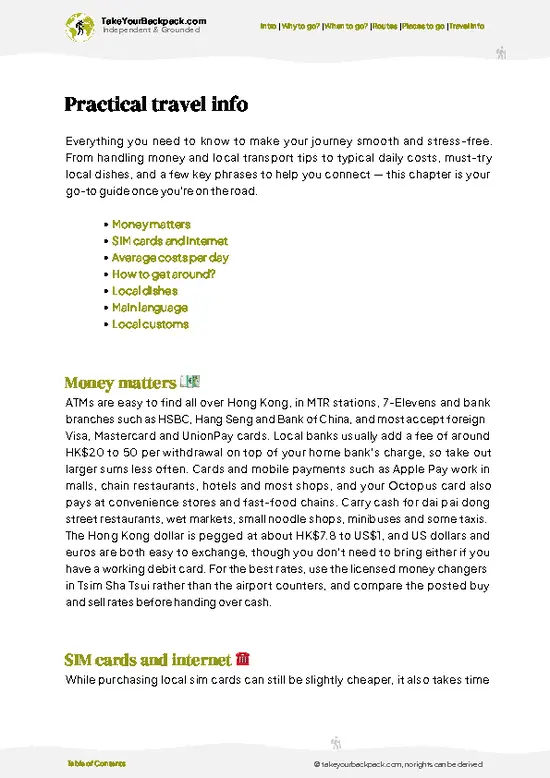
example page 0 from our offline Travel Guide for Hong Kongexample page 1 from our offline Travel Guide for Hong Kongexample page 2 from our offline Travel Guide for Hong Kongexample page 3 from our offline Travel Guide for Hong Kongexample page 4 from our offline Travel Guide for Hong Kongexample page 5 from our offline Travel Guide for Hong Kongexample page 6 from our offline Travel Guide for Hong Kongexample page 7 from our offline Travel Guide for Hong Kong
The digital guide (363 pages) contains:
99 highlights, ranked by travel appeal
Optimized 5, 10 & 15-day travel routes
Cities, national parks, beaches, historical sites, ...
How to get around
Offline-friendly for travel without Wi-Fi
👉 Click to see all 30+ guide features

📅 Plan smarter in minutes, not weeks
Month by month travel advice
Festivals & national holidays
Budget expectations

🗺️ Go to the right places, skip the overrated ones
Honest pros & cons of destinations
Top hikes, parks & viewpoints
Lesser-known places most travelers miss
Clear “worth it vs skip it” guidance

🛏️ Travel smoothly without rookie mistakes
Best areas to stay
Transport systems explained simply
Common scams & safety advice
SIM cards, money & practical tips

🌍 Understand the country, not just visit it
Culture & traditions
52 Essential phrases & customs
Festivals worth planning around
Traveler-friendly historical context
Insights that make places more meaningful

📱 Built for real travel conditions
Fully downloadable PDF
Works completely offline
Optimized for phone use
Useful in remote areas & buses
Everything in one place
Save weeks of stressful planning
Get instant access to the full guide directly. 30-day money-back guarantee.


Sent to your inbox immediately after payment • 100% Secure Checkout
Best Backpacking Travel Advisor 2025 tourism awardBest Backpacking
Travel Advisor
2025
What others say about Take Your Backpack Guides:
⭐⭐⭐⭐⭐
Fantastic, amazing amount of information!
⭐⭐⭐⭐⭐
My goodness this is amazing, it's what I've been looking for hats off too you!
⭐⭐⭐⭐⭐
I think this is absolutely BRILLIANT
⭐⭐⭐⭐
Very complete and informative. It's still missing places, but I gotta to commend you
⭐⭐⭐⭐⭐
This is truly amazing, thank you, can't wait to explore it with my kids!
⭐⭐⭐⭐⭐
Awesome resource, thank you!
⭐⭐⭐⭐⭐
This is amazing! Can't wait to explore the ones I haven't seen
⭐⭐⭐⭐
I love this! Well done, great idea.
⭐⭐⭐⭐⭐
Thanks for taking the time to make this gem!
⭐⭐⭐⭐⭐
This might be the best website I've ever seen.
⭐⭐⭐⭐⭐
Congratulations, and thank you so much for your work; it's incredibly valuable.
⭐⭐⭐⭐
In all seriousness I think you did a great job pointing out the important spots
⭐⭐⭐⭐⭐
10/10 very good
⭐⭐⭐⭐⭐
As someone who's only just starting to visit regularly this is awesome, thank you.
⭐⭐⭐⭐
Thank you very much! I'm going to visit my dad, it's going to be very useful!
⭐⭐⭐⭐⭐
This is really cool! We'll be travelling for the first time and this definitely come in handy.
⭐⭐⭐⭐⭐
You are now our minister of culture, congratulations 👨‍💼
⭐⭐⭐⭐⭐
Just wanted to tell you that this is a pearl! Going to follow your recommendations.
⭐⭐⭐⭐⭐
This is so cool. I'll definitely be using the resource for my travels soon.
⭐⭐⭐⭐⭐
This is very impressive! Good work.
⭐⭐⭐⭐⭐
This is an amazing and informative site. Very well done!

🛏️ Where to stay?Best areas and accommodation options

Yau Ma Tei’s heart pulses with a gritty, lived-in energy that’s perfect for backpackers who want to feel the city’s real rhythm without the polished gloss of tourist traps. The area around Nathan Road and Temple Street is your sweet spot. It’s safe, thanks to steady foot traffic and a strong local presence, but it’s far from sterile. Here, neon signs flicker against the night sky, mingling with the scent of street food stalls grilling up skewers and the chatter of hawkers selling everything from trinkets to tech.

Hostels cluster in this zone, offering affordable beds that double as social hubs … read more 👉
Yau Ma Tei’s heart pulses with a gritty, lived-in energy that’s perfect for backpackers who want to feel the city’s real rhythm without the polished gloss of tourist traps. The area around Nathan Road and Temple Street is your sweet spot. It’s safe, thanks to steady foot traffic and a strong local presence, but it’s far from sterile. Here, neon signs flicker against the night sky, mingling with the scent of street food stalls grilling up skewers and the chatter of hawkers selling everything from trinkets to tech.

Hostels cluster in this zone, offering affordable beds that double as social hubs where solo travelers swap stories over instant noodles or bubble tea. Compared to the glitzy, expensive districts like Central or Tsim Sha Tsui, Yau Ma Tei feels more approachable, less rushed. You’re steps from the MTR, so exploring the city is a breeze, but the neighborhood itself rewards slow wandering—markets, old cinemas, and tiny temples tucked between high-rises. Staying here means you’re not just passing through Hong Kong; you’re stepping into its everyday pulse.

🚌 Getting aroundHow to get from A to B

Yau Ma Tei moves with a pulse that’s part old-school hustle, part spontaneous street rhythm. It’s not a place where you’ll find rigid timetables etched in stone—more like a living, breathing organism that flows with the ebb and swell of daily life. The neon signs flicker on as the sun dips, and the air thickens with the scent of incense, fried street snacks, and the salty harbor breeze. Here, timing is flexible, but the city’s veins—its transit—keep you connected, moving you through its layers with a mix of efficiency and local flavor. Mastering Yau Ma Tei’s transit means embracing a bit of chaos but knowing exactly where to plug in for the smoothest ride.


  • MTR (Mass Transit Railway): The Yau Ma Tei station on the Tsuen Wan Line is your fastest artery through the city. Trains run roughly
read more 👉
Yau Ma Tei moves with a pulse that’s part old-school hustle, part spontaneous street rhythm. It’s not a place where you’ll find rigid timetables etched in stone—more like a living, breathing organism that flows with the ebb and swell of daily life. The neon signs flicker on as the sun dips, and the air thickens with the scent of incense, fried street snacks, and the salty harbor breeze. Here, timing is flexible, but the city’s veins—its transit—keep you connected, moving you through its layers with a mix of efficiency and local flavor. Mastering Yau Ma Tei’s transit means embracing a bit of chaos but knowing exactly where to plug in for the smoothest ride.


  • MTR (Mass Transit Railway): The Yau Ma Tei station on the Tsuen Wan Line is your fastest artery through the city. Trains run roughly every 2-4 minutes from 6:00 AM to around midnight. A single ride costs about HKD 4-6, depending on distance—cheap, quick, and air-conditioned, perfect for zipping through the urban maze without breaking a sweat.


  • Public Buses: Buses here are a slower, more scenic option, weaving through neighborhoods with fares starting at HKD 4.50. They run from early morning until around midnight but expect some unpredictability during rush hours. The open windows let in the city’s scents and sounds, making it a sensory ride if you’re not in a hurry.


  • Mini Buses (Green and Red): These are the wild cards—smaller, faster, and often packed. Green minibuses have fixed routes and schedules, running from about 6:30 AM to midnight, with fares around HKD 6-10. Red minibuses are more flexible but less predictable, operating 24/7 with variable fares. Both offer a raw, local experience but require quick reflexes to hop on and off.


  • Walking: Yau Ma Tei’s streets are compact and dense, making walking one of the best ways to soak in the atmosphere. The area’s grid is a mix of narrow alleys and wider streets, so comfortable shoes are a must. Walking lets you catch the flicker of neon signs, the chatter of market vendors, and the aroma of street food stalls—details you’d miss speeding by on wheels.

👛 Costs (as of 9 March 2026)What things cost and how to budget

Backpacking in Yau Ma Tei, Hong Kong, means navigating a dense urban maze where every dollar counts but the experience is rich with sensory layers—from the scent of street food to the neon glow after dusk. Here’s what you’re realistically looking at for daily costs.
  • Dorm Accommodation: Hostels in Yau Ma Tei typically charge between $20 and $35 USD per night for a bed in a shared dorm. The rooms are compact, often with just enough space to stash your pack and a small locker. Expect basic but clean facilities, sometimes with communal bathrooms down the hall.
  • Meals: Street food and local eateries dominate here. You can grab a filling bowl of wonton noodles or a steamed bun for around $3 to $6 USD. If you mix in a couple of these meals with occasional convenience store snacks, budget about $10
read more 👉
Backpacking in Yau Ma Tei, Hong Kong, means navigating a dense urban maze where every dollar counts but the experience is rich with sensory layers—from the scent of street food to the neon glow after dusk. Here’s what you’re realistically looking at for daily costs.
  • Dorm Accommodation: Hostels in Yau Ma Tei typically charge between $20 and $35 USD per night for a bed in a shared dorm. The rooms are compact, often with just enough space to stash your pack and a small locker. Expect basic but clean facilities, sometimes with communal bathrooms down the hall.
  • Meals: Street food and local eateries dominate here. You can grab a filling bowl of wonton noodles or a steamed bun for around $3 to $6 USD. If you mix in a couple of these meals with occasional convenience store snacks, budget about $10 to $15 USD daily. Avoid touristy spots to keep costs down and flavors authentic.
  • Local Transport: The MTR (subway) is efficient and affordable, with single rides around $0.50 to $1.50 USD depending on distance. Buses and minibuses are similar in price. A daily transport budget of $3 to $5 USD covers multiple trips, enough to explore beyond Yau Ma Tei without breaking the bank.
  • Basic Activities/Entry Fees: Many cultural spots and markets in Yau Ma Tei are free to explore, but if you want to visit museums or temples, expect entry fees around $2 to $5 USD. Budget $5 to $10 USD for a day of low-cost cultural immersion.
  • Miscellaneous Expenses: This covers essentials like bottled water, occasional coffee, or a small souvenir. Around $3 to $7 USD daily is a safe bet, especially if you want to stay hydrated and grab a quick caffeine fix amid the humid city air.

Altogether, you’re looking at roughly $40 to $70 USD per day. This range balances the tight quarters and bustling streets with the vibrant, no-frills lifestyle that makes Yau Ma Tei a raw, real slice of Hong Kong. The payoff is in the texture of the city—the smells, sounds, and sights that unfold when you move beyond the tourist gloss.


source: discoverhongkong.com
⚠️ Prices can change and everyone travels differently, so take this as a rough guide. Hope it helps you plan your adventure!

🚌 Day tripsShort trips worth adding

Yau Ma Tei is a fantastic launchpad for exploring Hong Kong’s vibrant surroundings. With its bustling streets and local eateries, you’ll find the perfect mix of culture and convenience.

1. Lantau Island
Just a short ferry ride away, Lantau Island offers a breath of fresh air. Hike up to the Big Buddha for stunning views, or wander through the tranquil Ngong Ping village. The journey takes about an hour, and you can do it for under HKD 100. Early mornings are best to avoid crowds, and don’t miss the local vegetarian meals at the monastery. Many first-timers overlook the scenic trails that lead away from the main attractions, which are often less crowded and just as rewarding.
👉 Explore Lantau Island

2. Sai Kung
Known for its picturesque beaches and hiking trails, Sai Kung is a paradise … read more 👉
Yau Ma Tei is a fantastic launchpad for exploring Hong Kong’s vibrant surroundings. With its bustling streets and local eateries, you’ll find the perfect mix of culture and convenience.

1. Lantau Island
Just a short ferry ride away, Lantau Island offers a breath of fresh air. Hike up to the Big Buddha for stunning views, or wander through the tranquil Ngong Ping village. The journey takes about an hour, and you can do it for under HKD 100. Early mornings are best to avoid crowds, and don’t miss the local vegetarian meals at the monastery. Many first-timers overlook the scenic trails that lead away from the main attractions, which are often less crowded and just as rewarding.
👉 Explore Lantau Island

2. Sai Kung
Known for its picturesque beaches and hiking trails, Sai Kung is a paradise for nature lovers. The bus ride from Yau Ma Tei takes around 90 minutes and costs about HKD 30. Spend the day kayaking in clear waters or exploring the coastal paths. Aim for a weekday visit to dodge the weekend crowds. A common mistake is sticking to the main beach; venture to the quieter coves for a more authentic experience.
👉 Explore Sai Kung

3. Cheung Chau
This charming island is just a 30-minute ferry ride from Central. Famous for its seafood and laid-back vibe, Cheung Chau is perfect for a day of cycling or beach lounging. Expect to spend around HKD 50 for the ferry. Spring is ideal, with pleasant weather and local festivals. Many backpackers miss the island’s hiking trails, which offer breathtaking coastal views and a chance to escape the tourist rush.
👉 Explore Cheung Chau
Want to know what more Hong Kong offers?
The Hong Kong Travel Guide describes 99 highlights, from cities to national parks, from beaches to hikes

Get the Travel Guide -

🛡️ SafetySafety Tips and Common Scams in Yau Ma Tei

Yau Ma Tei is generally safe, but a few practical tips can enhance your experience. Stay alert in crowded markets, especially near the Temple Street Night Market, where pickpockets may lurk. If you’re solo at night, stick to well-lit areas and main streets; the vibe is lively, but trust your instincts.

Watch for common scams, like overly friendly locals offering unsolicited help—politely decline and keep moving. Carry yourself confidently, and you’ll blend in seamlessly, enjoying the rich street food and vibrant atmosphere without a hitch.

Other Hong Kongese towns near Yau Ma Tei

Explore more nearby:

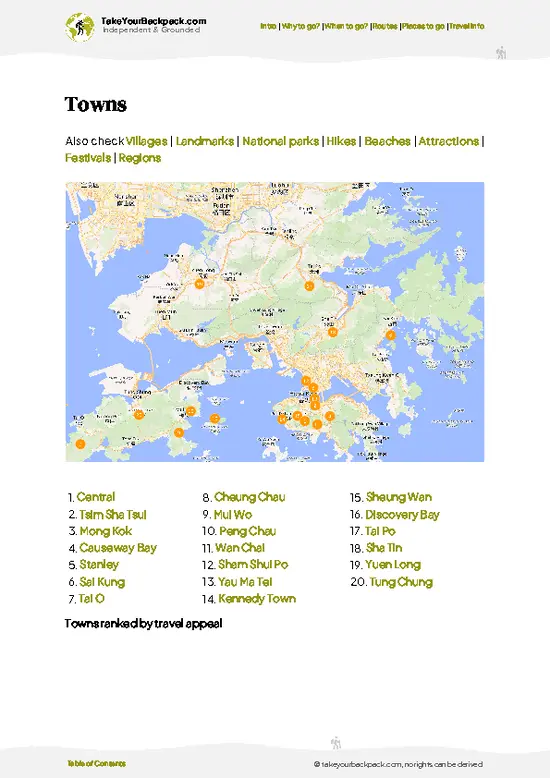
  • Jordan—Local diners, night markets, urban hotels| 0 km away
  • Tsim Sha Tsui—Harbor views, museums, luxury shopping| 1 km away
  • Mong Kok—Sneaker Street, neon signs, market lanes| 2 km away

👉 Discover all towns

Or checkout all Hong Kong has to offer (think cities, towns, villages, national parks, hikes, beaches, festivals)
Country photo of Hong Kong

We 💚 feedbackIs it worth it?

Yau Ma Tei pulses with life. The scent of street food mingles with the chatter of locals, creating a vibrant backdrop. Don’t miss the Jade Market; it’s a treasure trove. Just be ready to haggle—it’s part of the experience. Embrace it.

✍️ Help improve this page!
The information on this page is based on in-depth research, insights shared by experienced travelers, and feedback from the local travel community in Hong Kong. While every effort is made to keep the information accurate and current, conditions can change — so if you spot anything incorrect or outdated, please get in touch.


🙋‍♂️ Give feedback

👋 Meet the founderWho’s Behind Take Your Backpack?

Johan, backpacker and founder of TakeYourBackpackHi, I’m Johan (Netherlands 🇳🇱), the creator of TakeYourBackpack. Over the past decade, I’ve backpacked through 80+ countries across six continents, gaining extensive experience with independent travel, long-term trips, and overland routes.

This site is built on a combination of firsthand travel experience and carefully curated insights from other backpackers. Many guides are based on places I’ve personally visited, while others bring together tips, observations, and practical advice shared by trusted travelers I’ve met along the way.

The goal is to provide realistic, experience-driven guidance — not generic itineraries — so you can explore destinations with better context, clearer expectations, and more confidence.

Get full Hong Kong guide •
Instant download • 99 highlights • Full Offline guide