×

Hong Kong🇭🇰 | townsMong KokSneaker Street, neon signs, market lanes | things to do and best time to go

Explore Tsim Sha TsuiExplore Causeway Bay

Backpacking in Mong Kok
🏆 Top picktown ranked #3
By Johan Kruseman 🇳🇱 | Updated July 30, 2026

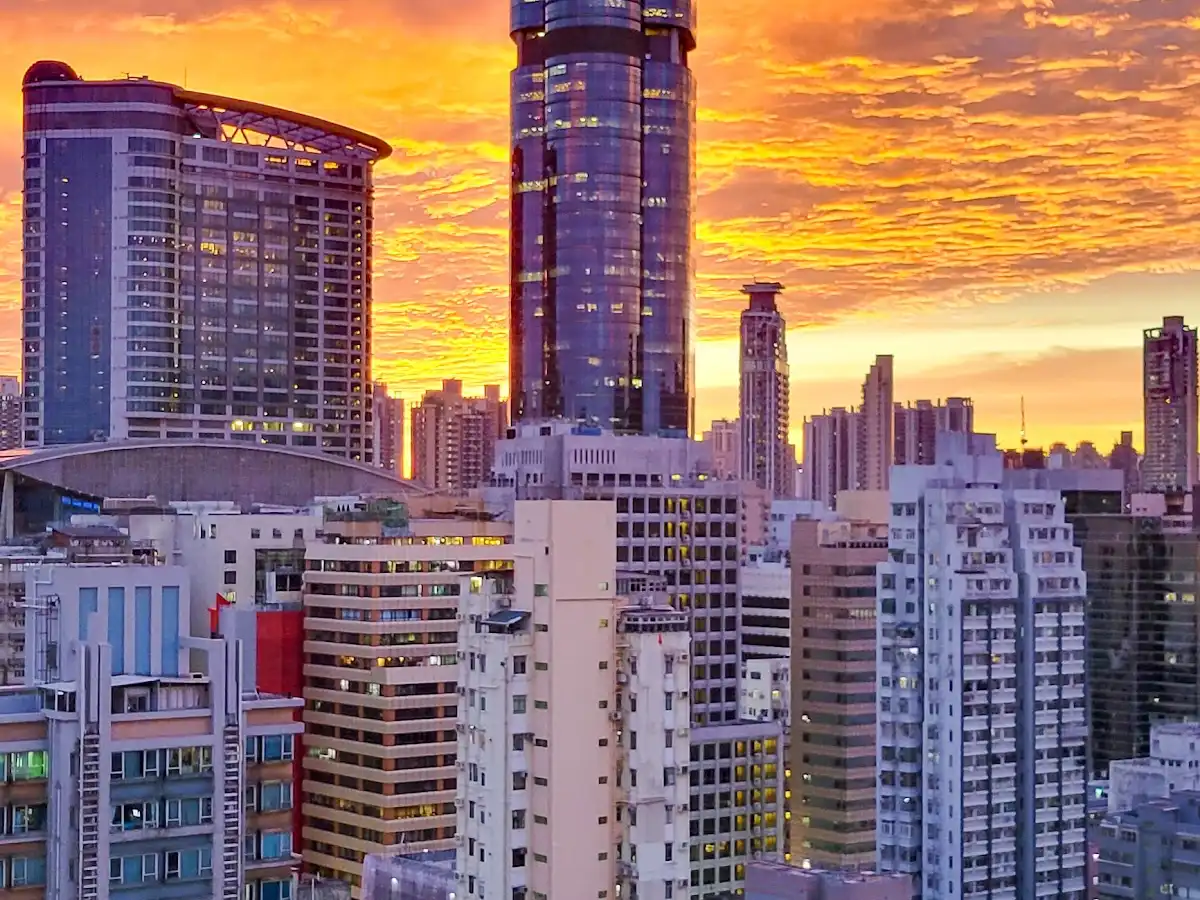
Most people online call Mong Kok “the world’s busiest district,” but the surprise is how many quiet pockets you can actually live in here as a backpacker if you step one block off Nathan Road. Mong Kok sits on the Kowloon side of Hong Kong, north of Tsim Sha Tsui, right on the MTR spine that connects you to Hong Kong Island, the New Territories, and the border trains to mainland China. It’s chaotic, neon, and dense, but also one of the cheapest central bases for dorm beds and street food. Think late-night noodle steam, wet-market smells, and constant traffic noise rather than skyline romance. As a base, it’s perfect for day trips: fast MTR to Lion Rock, Kowloon Peak, or ferries across the harbor, then back to dumplings and cheap hostels. It’s busier and grittier than Tsim Sha Tsui, less polished than Central, but more practical and social than staying out in the New Territories.

Discover everything you want to know in the 📖 Hong Kong Travel Guide.
Loading the map 🌍
CLICK TO FILTER
towns
landmarks
national parks
hikes
beaches
attractions
festivals
regions
SHOW COUNTRY’S BESTSHOW ALL

✨ Why go?
Ranked #3 town in Hong Kong
What makes it a must-see town

Mong Kok is a backpacker’s hub that thrives on convenience and character. It’s a launching pad for nearby hikes in the New Territories, where trails lead you through lush greenery and stunning views. The beaches of Lantau Island are just a ferry ride away, offering a refreshing escape from the urban buzz.

Accommodations here are a mix of small-scale hostels and cozy guesthouses, perfect for those who want to connect with fellow travelers. The streets are walkable, filled with the aroma of local street food—think steaming dumplings and fragrant egg waffles. This is where you can grab a quick bite before heading out for the day.

Backpackers often linger a few days, soaking in the vibrant atmosphere while enjoying the social vibe. It’s ideal for solo travelers and small groups looking for … read more 👉
Mong Kok is a backpacker’s hub that thrives on convenience and character. It’s a launching pad for nearby hikes in the New Territories, where trails lead you through lush greenery and stunning views. The beaches of Lantau Island are just a ferry ride away, offering a refreshing escape from the urban buzz.

Accommodations here are a mix of small-scale hostels and cozy guesthouses, perfect for those who want to connect with fellow travelers. The streets are walkable, filled with the aroma of local street food—think steaming dumplings and fragrant egg waffles. This is where you can grab a quick bite before heading out for the day.

Backpackers often linger a few days, soaking in the vibrant atmosphere while enjoying the social vibe. It’s ideal for solo travelers and small groups looking for camaraderie without the chaos of a party scene. If you’re a slow traveler, you’ll appreciate the chance to explore the local culture at your own pace. Mong Kok isn’t just a stop; it’s a gateway to the heart of Hong Kong’s diverse experiences.
Want to include Mong Kok in your Hong Kong route?
Create a personalized Hong Kong itinerary that includes Mong Kok and the places that fit your trip — based on your travel style, budget, and available time. Get your route in seconds.

Generate my trip

💡 HighlightsWhat this place is best known for

  1. Ladies’ Market (Tung Choi Street) — The classic Mong Kok experience: dozens of stalls packed with clothes, accessories and cheap souvenirs. Best at night for the buzz and bargaining practice — go with cash and a light backpack.
  2. Goldfish Market (Tung Choi Street North) — A colorful stretch of tiny shops stacked with aquariums, koi and exotic pet supplies. It’s a surprisingly calm, very Hong Kong slice of life — great for photos and seeing a niche trade up close.
  3. Flower Market (Flower Market Road) — Wide varieties of blooms, foliage and Chinese New Year decorations year-round. Early morning visits are fragrant and less crowded; vendors are happy to chat about seasonal flowers and customs.
  4. Yuen Po Street Bird Garden — Small open-air garden where older hongkongers bring songbirds and trade
read more 👉
  1. Ladies’ Market (Tung Choi Street) — The classic Mong Kok experience: dozens of stalls packed with clothes, accessories and cheap souvenirs. Best at night for the buzz and bargaining practice — go with cash and a light backpack.
  2. Goldfish Market (Tung Choi Street North) — A colorful stretch of tiny shops stacked with aquariums, koi and exotic pet supplies. It’s a surprisingly calm, very Hong Kong slice of life — great for photos and seeing a niche trade up close.
  3. Flower Market (Flower Market Road) — Wide varieties of blooms, foliage and Chinese New Year decorations year-round. Early morning visits are fragrant and less crowded; vendors are happy to chat about seasonal flowers and customs.
  4. Yuen Po Street Bird Garden — Small open-air garden where older hongkongers bring songbirds and trade ornate cages. It’s a living tradition — watch owners socialize over tea while birds chirp away.
  5. Fa Yuen Street (Sneaker Street & market) — Think rows of sports shops stacked with sneakers and streetwear above ground-level market stalls. If you’re after trainers, local styles or cheap everyday gear, this is the place.
  6. Sai Yeung Choi Street South (pedestrianised section) — Once the city’s pop-culture hotspot: buskers, electronics, K-pop posters and loud neon. It still hums with energy and makes for excellent people-watching and gadget hunting (weekends are liveliest).
  7. Mong Kok Computer Centre — A compact multi-floor mall of tiny shops selling components, cameras, games and repair services. Good for bargain hunting, second-hand finds, or getting a quick fix on electronics.
  8. Langham Place (mall & signature escalator) — A tower of modern shopping, food courts and that long pink escalator that locals know well. It’s a nice contrast to the street markets — good for cheap eats, meeting spots and rooftop glimpses of the skyline.
  9. Mong Kok Stadium — Small but atmospheric venue for local football and community events. Catching a match gives you a real sense of local fandom and a break from mall/market overload.
  10. Mong Kok Street Food Corridors (Soy Street / Portland & Dundas corners) — Not a single shop but a compact mosaic of snacks: egg waffles, fish balls, curry skewers and little dai pai dong-style stalls. Perfect for cheap, fast bites while you explore the markets.
For easy day trips from Mong Kok, try Victoria Peak (Hong Kong Island skyline), Lantau Island’s Big Buddha and fishing village Tai O, or the beaches and island-hopping around Sai Kung.
Spotted a mistake or missing something? Contact us.

Things to do around Mong Kok

Ratings based on Tripadvisor reviews. When you book through this link, you support our work at no extra cost to you.

🏘️ NeighborhoodsNeighborhood guide to Mong Kok

Mong Kok is a vibrant hub where the pulse of Hong Kong beats strongest. It’s a sensory overload, but that’s part of the charm. Here’s how to navigate its neighborhoods like a pro.

Mong Kok East: This area is a blend of local markets and modern shopping. The vibe is bustling but manageable. You’ll find the MTR station here, making it easy to hop around the city. It’s a great spot for short stays, with affordable guesthouses and street food that won’t break the bank. The night markets come alive after dark, offering a taste of local culture.

Langham Place: If you’re looking for a more upscale experience, this area has you covered. Think sleek malls and chic cafes. It’s walkable, but the prices can be higher. Perfect for those who want a taste of luxury without straying too far from the action. … read more 👉
Mong Kok is a vibrant hub where the pulse of Hong Kong beats strongest. It’s a sensory overload, but that’s part of the charm. Here’s how to navigate its neighborhoods like a pro.

Mong Kok East: This area is a blend of local markets and modern shopping. The vibe is bustling but manageable. You’ll find the MTR station here, making it easy to hop around the city. It’s a great spot for short stays, with affordable guesthouses and street food that won’t break the bank. The night markets come alive after dark, offering a taste of local culture.

Langham Place: If you’re looking for a more upscale experience, this area has you covered. Think sleek malls and chic cafes. It’s walkable, but the prices can be higher. Perfect for those who want a taste of luxury without straying too far from the action. Nightlife is more subdued here, making it suitable for longer stays if you prefer a quieter atmosphere.

Fa Yuen Street: Known for its street markets, this area is a backpacker’s paradise. The energy is electric, with vendors selling everything from clothes to snacks. It’s incredibly walkable, and you can easily spend hours exploring. Prices are reasonable, making it ideal for budget travelers. The nightlife is lively but not overwhelming, perfect for those who want to unwind after a day of exploration.

Sham Shui Po: A bit off the main tourist path, this neighborhood offers a more authentic experience. It’s less polished, but that’s where the charm lies. Street food stalls and local shops abound, and prices are among the lowest in the area. It’s a great place for longer stays if you want to immerse yourself in local life. Transport access is decent, but be prepared to walk a bit more.

⌛️ 1 daySeeing the highlights in 24 hours

Mong Kok is a vibrant tapestry of life in Hong Kong, where the pulse of the city beats loudest. This neighborhood is a sensory overload—think sizzling street food, the chatter of vendors, and the kaleidoscope of neon lights. It’s a place where you can feel the city’s energy and history intertwine, making it a must-visit for anyone wanting to experience the real Hong Kong.

Start your morning with a stroll through the Flower Market on Flower Market Road. The air is thick with the sweet scent of blossoms, and the colors are a feast for the eyes. Grab a traditional Hong Kong-style breakfast at a nearby cha chaan teng, where you can savor a bowl of congee or a buttery pineapple bun. This is the perfect fuel for a day of exploration.

As the sun climbs higher, head over to the nearby Ladies’ Market … read more 👉
Mong Kok is a vibrant tapestry of life in Hong Kong, where the pulse of the city beats loudest. This neighborhood is a sensory overload—think sizzling street food, the chatter of vendors, and the kaleidoscope of neon lights. It’s a place where you can feel the city’s energy and history intertwine, making it a must-visit for anyone wanting to experience the real Hong Kong.

Start your morning with a stroll through the Flower Market on Flower Market Road. The air is thick with the sweet scent of blossoms, and the colors are a feast for the eyes. Grab a traditional Hong Kong-style breakfast at a nearby cha chaan teng, where you can savor a bowl of congee or a buttery pineapple bun. This is the perfect fuel for a day of exploration.

As the sun climbs higher, head over to the nearby Ladies’ Market on Tung Choi Street. Here, you can haggle for everything from quirky souvenirs to trendy clothing. The atmosphere is electric, and the thrill of bargaining adds a layer of excitement. Don’t miss the chance to pop into the adjacent Fa Yuen Street Market, where locals shop for fresh produce and snacks. Try some egg waffles or stinky tofu—just embrace the experience!

In the afternoon, make your way to the Yau Ma Tei Theatre, a lesser-known gem. This historic venue offers a glimpse into Hong Kong’s cinematic past and often hosts local performances. It’s a quieter spot that contrasts beautifully with the bustling markets.

As evening descends, Mong Kok transforms. Head to Nathan Road and soak in the neon glow. Grab dinner at a dai pai dong, where you can enjoy local dishes like claypot rice. Afterward, wander through the streets, letting the sounds and sights wash over you. The night market scene is alive with energy, and you might stumble upon a street performer or two, adding to the vibrant tapestry of your day.

Mong Kok isn’t just a stop on your itinerary; it’s an experience that immerses you in the heart of Hong Kong.
Turn your Mong Kok visit into an Hong Kong adventure
Build a complete Hong Kong route with Mong Kok, hidden gems, must-see destinations, and realistic travel times included.

Generate my trip

🌤️ When to go?Choosing the right time of year


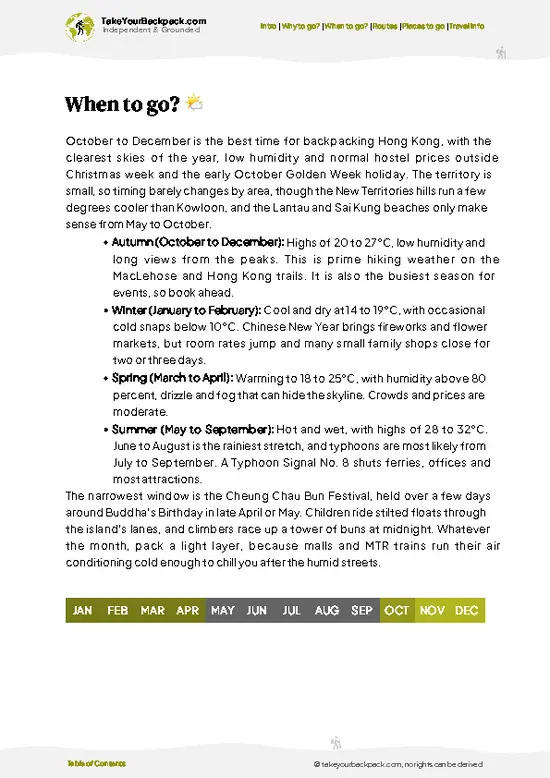
  • Weather: Mong Kok’s subtropical climate means summers (June to August) are hot and sticky, often hitting 28-32°C (82-90°F) with heavy humidity and sudden downpours. Winters (December to February) are mild and dry, hovering around 14-18°C (57-64°F), making wandering the bustling streets far more comfortable.

  • Temperature: Spring (March to May) offers a sweet spot—temperatures rise gently from 18°C to 25°C (64-77°F), perfect for long days exploring without overheating or bundling up.

  • Daylight Hours: In spring and autumn, daylight stretches to about 12-13 hours, giving you plenty of time to dive into markets and street food stalls before nightfall turns the neon signs electric.

  • Crowds: Peak tourist season aligns with Chinese New Year (late January or February) and the summer holidays,
read more 👉

  • Weather: Mong Kok’s subtropical climate means summers (June to August) are hot and sticky, often hitting 28-32°C (82-90°F) with heavy humidity and sudden downpours. Winters (December to February) are mild and dry, hovering around 14-18°C (57-64°F), making wandering the bustling streets far more comfortable.

  • Temperature: Spring (March to May) offers a sweet spot—temperatures rise gently from 18°C to 25°C (64-77°F), perfect for long days exploring without overheating or bundling up.

  • Daylight Hours: In spring and autumn, daylight stretches to about 12-13 hours, giving you plenty of time to dive into markets and street food stalls before nightfall turns the neon signs electric.

  • Crowds: Peak tourist season aligns with Chinese New Year (late January or February) and the summer holidays, swelling the streets with locals and travelers alike. Visiting just outside these spikes means you’ll dodge the crush but still soak in the local buzz.

  • Seasonal Activities: Autumn (September to November) hosts vibrant festivals like the Mid-Autumn Festival, lighting up Mong Kok with lanterns and mooncakes, adding a cultural layer to your backpacking experience.

  • Price Fluctuations: Accommodation and flights spike during major holidays and festivals. Booking in shoulder seasons like late spring or early autumn can save you a chunk of cash without sacrificing atmosphere.


Pro-tip: Aim for late autumn or early spring—cooler temps, manageable crowds, and a lively street scene that feels like you’ve stepped into the real pulse of Mong Kok.


source: climatestotravel.comJANJanuary: good for travelingFEBFebruary: fair for travelingMARMarch: highly recommended for travelingAPRApril: highly recommended for travelingMAYMay: highly recommended for travelingJUNJune: fair for travelingJULJuly: fair for travelingAUGAugust: fair for travelingSEPSeptember: highly recommended for travelingOCTOctober: excellent for travelingNOVNovember: excellent for travelingDECDecember: highly recommended for traveling
hong-kong-city-mong-kok
© Google |

✈️ The backpacker research shortcutHong Kong Travel Guide

An offline-friendly backpacking guide with optimized travel routes, ranked highlights, transport advice, and the best areas to stay.
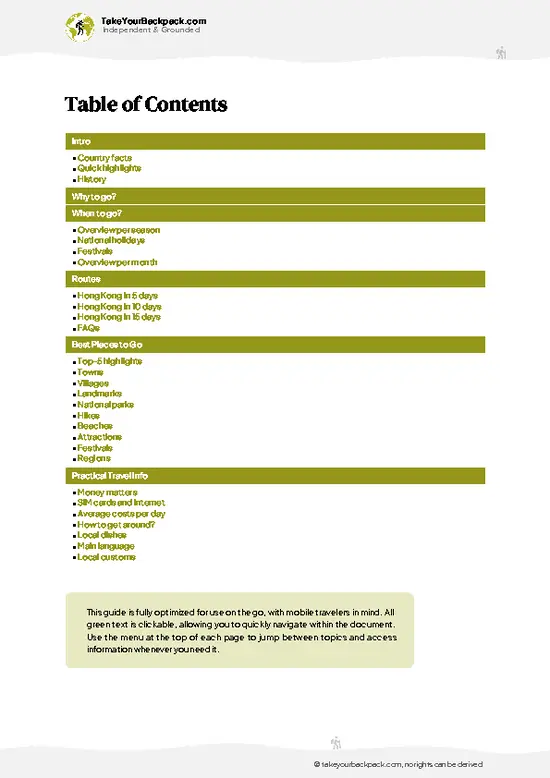
example page 0 from our offline Travel Guide for Hong Kong
example page 1 from our offline Travel Guide for Hong Kong
example page 2 from our offline Travel Guide for Hong Kong
example page 3 from our offline Travel Guide for Hong Kong
example page 4 from our offline Travel Guide for Hong Kong
example page 5 from our offline Travel Guide for Hong Kong
example page 6 from our offline Travel Guide for Hong Kong
example page 7 from our offline Travel Guide for Hong Kong
The digital guide (357 pages) contains:
98 highlights, ranked by travel appeal
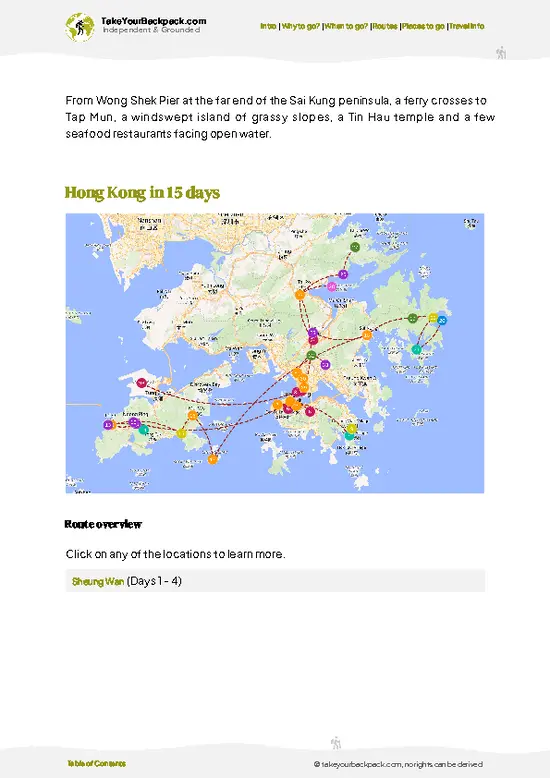
Optimized 5, 10 & 15-day travel routes
Cities, national parks, landmarks, beaches
How to get around
Offline-friendly for travel without Wi-Fi
👉 Click to see all 30+ guide features

📅 Plan smarter in minutes, not weeks
Month by month travel advice
Festivals & national holidays
Budget expectations

🗺️ Go to the right places, skip the overrated ones
Honest pros & cons of destinations
Top hikes, parks & viewpoints
Lesser-known places most travelers miss
Clear “worth it vs skip it” guidance

🛏️ Travel smoothly without rookie mistakes
Best areas to stay
Transport systems explained simply
Common scams & safety advice
SIM cards, money & practical tips

🌍 Understand the country, not just visit it
Culture & traditions
52 Essential phrases & customs
Festivals worth planning around
Traveler-friendly historical context
Insights that make places more meaningful

📱 Built for real travel conditions
Fully downloadable PDF
Works completely offline
Optimized for phone use
Useful in remote areas & buses
Everything in one place
Save weeks of stressful planning
Get instant access to your full guide. 30‑day money-back guarantee.


By proceeding you agree to our terms.
Sent to your inbox immediately after payment • 100% Secure Checkout
Best Backpacking Travel Advisor 2025 tourism awardBest Backpacking
Travel Advisor
2025
What others say about Take Your Backpack Guides:
⭐⭐⭐⭐⭐
Fantastic, amazing amount of information!
⭐⭐⭐⭐⭐
My goodness this is amazing, it's what I've been looking for hats off too you!
⭐⭐⭐⭐⭐
I think this is absolutely BRILLIANT
⭐⭐⭐⭐
Very complete and informative. It's still missing places, but I gotta to commend you
⭐⭐⭐⭐⭐
This is truly amazing, thank you, can't wait to explore it with my kids!
⭐⭐⭐⭐⭐
Awesome resource, thank you!
⭐⭐⭐⭐⭐
This is amazing! Can't wait to explore the ones I haven't seen
⭐⭐⭐⭐
I love this! Well done, great idea.
⭐⭐⭐⭐⭐
Thanks for taking the time to make this gem!
⭐⭐⭐⭐⭐
This might be the best website I've ever seen.
⭐⭐⭐⭐⭐
Congratulations, and thank you so much for your work; it's incredibly valuable.
⭐⭐⭐⭐
In all seriousness I think you did a great job pointing out the important spots
⭐⭐⭐⭐⭐
10/10 very good
⭐⭐⭐⭐⭐
As someone who's only just starting to visit regularly this is awesome, thank you.
⭐⭐⭐⭐
Thank you very much! I'm going to visit my dad, it's going to be very useful!
⭐⭐⭐⭐⭐
This is really cool! We'll be travelling for the first time and this definitely come in handy.
⭐⭐⭐⭐⭐
You are now our minister of culture, congratulations 👨‍💼
⭐⭐⭐⭐⭐
Just wanted to tell you that this is a pearl! Going to follow your recommendations.
⭐⭐⭐⭐⭐
This is so cool. I'll definitely be using the resource for my travels soon.
⭐⭐⭐⭐⭐
This is very impressive! Good work.
⭐⭐⭐⭐⭐
This is an amazing and informative site. Very well done!

🛏️ Where to stay?Best areas to stay in Hong Kong

Mong Kok is the heartbeat of Hong Kong’s street-level energy, and for backpackers, it’s a no-brainer base. The best spots to crash here are around the streets buzzing with markets—think Ladies’ Market and the sneaker stalls near Fa Yuen Street. Why? Because this area is a sensory overload in the best way: neon signs flicker against the humid night air, the scent of street food stalls—fried squid, sweet egg waffles—wafts through narrow alleys, and the chatter of bargain hunters creates a constant hum. It’s safe, thanks to the heavy foot traffic and a visible police presence, so solo travelers can … read more 👉
Mong Kok is the heartbeat of Hong Kong’s street-level energy, and for backpackers, it’s a no-brainer base. The best spots to crash here are around the streets buzzing with markets—think Ladies’ Market and the sneaker stalls near Fa Yuen Street. Why? Because this area is a sensory overload in the best way: neon signs flicker against the humid night air, the scent of street food stalls—fried squid, sweet egg waffles—wafts through narrow alleys, and the chatter of bargain hunters creates a constant hum. It’s safe, thanks to the heavy foot traffic and a visible police presence, so solo travelers can feel secure wandering late.

Hostels cluster around these market streets and the nearby Nathan Road corridor, offering budget-friendly beds with a social vibe. You’ll find dorms packed with fellow backpackers, which means instant connections over shared maps and late-night snack runs. Compared to the quieter, more polished areas like Central or Tsim Sha Tsui, Mong Kok throws you right into the thick of local life and affordable eats without the tourist gloss. It’s gritty, loud, and alive—exactly what you want when you’re here to soak up the city’s raw pulse. Staying here means you’re not just visiting Hong Kong; you’re living its restless rhythm.

🚌 Getting aroundMoving around without the hassle

Mong Kok moves at its own pulse—less a clockwork precision, more a living organism breathing through neon-lit streets and crowded markets. The air is thick with the scent of street food, the chatter of bargaining, and the occasional honk of a scooter weaving through the crowd. It’s a place where schedules bend to the rhythm of the city’s chaos, and your best bet is to flow with the tide rather than fight it. Here, transit isn’t just about getting from A to B; it’s about syncing with the city’s heartbeat, where every step and ride reveals a layer of its relentless energy.


  • Walking: Mong Kok is a compact maze of alleys and markets best explored on foot. Walking lets you soak in the sensory overload—the sizzling street stalls, the kaleidoscope of signs, and the pulse of the crowd. It’s free,
read more 👉
Mong Kok moves at its own pulse—less a clockwork precision, more a living organism breathing through neon-lit streets and crowded markets. The air is thick with the scent of street food, the chatter of bargaining, and the occasional honk of a scooter weaving through the crowd. It’s a place where schedules bend to the rhythm of the city’s chaos, and your best bet is to flow with the tide rather than fight it. Here, transit isn’t just about getting from A to B; it’s about syncing with the city’s heartbeat, where every step and ride reveals a layer of its relentless energy.


  • Walking: Mong Kok is a compact maze of alleys and markets best explored on foot. Walking lets you soak in the sensory overload—the sizzling street stalls, the kaleidoscope of signs, and the pulse of the crowd. It’s free, flexible, and often faster than any vehicle during peak hours.


  • MTR (Mass Transit Railway): The Mong Kok station is a major hub on the Tsuen Wan and Kwun Tong lines. Trains run roughly from 6:00 AM to 1:00 AM, with fares starting around HKD $4. It’s the fastest way to escape the street-level crush, offering air-conditioned comfort and a predictable schedule—perfect for hopping between neighborhoods or making a quick exit after dark.


  • Buses: Several bus routes thread through Mong Kok, including the iconic double-deckers. They’re cheap (HKD $3-5), but expect slower travel during rush hour when traffic snarls. Buses offer a street-level view of the city’s chaos, which can be a bonus if you’re not in a hurry and want to watch the city unfold.


  • Minibuses: These green or red vans dart through narrow streets with a speed and unpredictability that matches Mong Kok’s vibe. They’re slightly more expensive than buses (around HKD $6-10) but can squeeze through traffic jams. Note: red minibuses have fixed routes and schedules, while green ones are more flexible but less predictable.


  • Taxis: Taxis are plentiful but pricier, starting at HKD $24. They’re a solid choice late at night when other options dwindle or if you’re hauling heavy gear. The ride is direct and air-conditioned, but traffic jams can turn a quick trip into a slow crawl, so weigh the cost against your time and patience.

👛 Costs (as of 30 July 2026)Travel costs and budget guide for Mong Kok

Backpacking in Mong Kok, Hong Kong, means diving into a dense urban jungle where every dollar counts but the experience is rich and immediate. Here’s what you’re looking at for daily expenses if you’re traveling on your own steam.
  • Dorm Accommodation: Expect to pay between $15 and $30 USD per night for a bed in a shared dorm. Mong Kok’s hostels are compact and functional, often with basic amenities but clean and centrally located. The price varies with the season and how close you want to be to the MTR station.
  • Meals: Street food and local eateries dominate here. You can grab a filling meal for $3 to $7 USD—think fish balls, dim sum, or a bowl of wonton noodles. If you opt for a sit-down restaurant, expect to spend $8 to $15 USD per meal. Convenience stores offer cheap snacks but won’t replace
read more 👉
Backpacking in Mong Kok, Hong Kong, means diving into a dense urban jungle where every dollar counts but the experience is rich and immediate. Here’s what you’re looking at for daily expenses if you’re traveling on your own steam.
  • Dorm Accommodation: Expect to pay between $15 and $30 USD per night for a bed in a shared dorm. Mong Kok’s hostels are compact and functional, often with basic amenities but clean and centrally located. The price varies with the season and how close you want to be to the MTR station.
  • Meals: Street food and local eateries dominate here. You can grab a filling meal for $3 to $7 USD—think fish balls, dim sum, or a bowl of wonton noodles. If you opt for a sit-down restaurant, expect to spend $8 to $15 USD per meal. Convenience stores offer cheap snacks but won’t replace a proper meal.
  • Local Transport: The MTR is the lifeline. A single ride within Mong Kok or nearby neighborhoods costs about $0.50 to $1.50 USD. Day passes or Octopus cards can save you a bit if you’re hopping around a lot. Buses and minibuses are similarly priced but less straightforward for newcomers.
  • Basic Activities/Entry Fees: Mong Kok itself is more about wandering than paid attractions. Visiting markets like Ladies Market or the Flower Market is free. If you want to check out a local museum or a small gallery, budget around $3 to $7 USD. Most cultural spots here don’t charge much, if at all.
  • Miscellaneous Expenses: This covers bottled water, occasional coffee, or a small souvenir. Plan for $2 to $5 USD daily. Keep in mind that convenience stores are everywhere but pricier than street vendors for drinks and snacks.

All told, you’re looking at roughly $25 to $60 USD per day to cover the essentials in Mong Kok. The lower end means sticking to dorms, street food, and minimal transport, while the higher end lets you add a bit more comfort or a few extras. This budget keeps you nimble and in the thick of the city’s relentless energy without breaking the bank.


source: discoverhongkong.com
⚠️ Prices can change and everyone travels differently, so take this as a rough guide. Hope it helps you plan your adventure!

🚌 Day tripsExploring the surroundings

Mong Kok is a bustling hub that serves as a perfect launchpad for day trips, blending urban energy with easy access to nature and culture.

1. Lantau Island Adventure
Just a short ferry ride away, Lantau Island offers a refreshing escape from the city’s chaos. You can hike up to the Big Buddha, where the scent of incense wafts through the air, mingling with the salty breeze. The trek is invigorating, and the views from the top are a reward in themselves. Expect to spend around HKD 100 for transport and entry fees. Early mornings are best to avoid the crowds, especially on weekends. Many first-timers underestimate the time it takes to hike; plan for at least half a day to soak it all in.
👉 Explore Lantau Island

2. Tai O Fishing Village
A quick bus ride from Lantau Island leads you to … read more 👉
Mong Kok is a bustling hub that serves as a perfect launchpad for day trips, blending urban energy with easy access to nature and culture.

1. Lantau Island Adventure
Just a short ferry ride away, Lantau Island offers a refreshing escape from the city’s chaos. You can hike up to the Big Buddha, where the scent of incense wafts through the air, mingling with the salty breeze. The trek is invigorating, and the views from the top are a reward in themselves. Expect to spend around HKD 100 for transport and entry fees. Early mornings are best to avoid the crowds, especially on weekends. Many first-timers underestimate the time it takes to hike; plan for at least half a day to soak it all in.
👉 Explore Lantau Island

2. Tai O Fishing Village
A quick bus ride from Lantau Island leads you to Tai O, a charming fishing village where stilt houses line the waterways. The atmosphere is a delightful mix of salty air and the aroma of freshly caught seafood. Spend your day wandering the narrow alleys, sampling shrimp paste and egg tarts. Total costs hover around HKD 50 for transport and snacks. The best time to visit is during the week to dodge the tourist rush. A common mistake is to rush through; take your time to chat with locals and enjoy the slower pace.


3. Sai Kung Peninsula
For a taste of Hong Kong’s natural beauty, head to Sai Kung Peninsula. A 90-minute bus ride from Mong Kok lands you in a paradise of clear waters and rugged cliffs. Rent a kayak or hike the coastal trails, where the scent of wildflowers fills the air. Expect to spend about HKD 150 on transport and rentals. Spring and fall are ideal for pleasant weather. Many backpackers miss out on the hidden beaches; don’t just stick to the main paths—explore the nooks and crannies for a more intimate experience.


4. Ngong Ping 360 Cable Car
Take the Ngong Ping 360 cable car for breathtaking views of Lantau Island. The ride is about 25 minutes, and the panoramic vistas of lush greenery and the South China Sea are worth every penny of the HKD 200 round trip. Best visited during weekdays to avoid long lines, this trip can be a quick half-day adventure. First-timers often overlook the early morning slots, which offer the clearest skies and fewer tourists.
👉 Explore Ngong Ping 360

5. Kowloon Walled City Park
Just a short MTR ride from Mong Kok, Kowloon Walled City Park is a serene oasis amidst the urban sprawl. This historical site, once a chaotic enclave, now features beautiful gardens and remnants of its storied past. Entry is free, making it a budget-friendly stop. Visit in the late afternoon when the light softens and the park is less crowded. Many overlook this gem, so take your time to appreciate the intricate details of the architecture and landscaping.
Want to know what more Hong Kong offers?
The Hong Kong Travel Guide describes 98 highlights, from cities to national parks, from beaches to hikes

Get the Travel Guide -

🛡️ SafetyStaying Safe: What Travelers Should Know

Mong Kok pulses with life, but staying sharp enhances your experience. The streets are generally safe, yet the crowded markets can be a hotspot for pickpockets. Keep your belongings close, especially in busy areas like the Ladies’ Market.

If you’re wandering solo at night, stick to well-lit streets and avoid alleyways. The atmosphere is electric, but it’s wise to be aware of your surroundings.

Scams are rare, but some vendors may inflate prices for tourists. Always haggle; it’s part of the culture. If someone offers you a “special deal” or tries to engage you in conversation before selling something, just smile and walk away.

Annoyances can pop up, like overly persistent street performers or aggressive sales tactics. A firm “no, thank you” usually does the trick. Carry yourself confidently, … read more 👉
Mong Kok pulses with life, but staying sharp enhances your experience. The streets are generally safe, yet the crowded markets can be a hotspot for pickpockets. Keep your belongings close, especially in busy areas like the Ladies’ Market.

If you’re wandering solo at night, stick to well-lit streets and avoid alleyways. The atmosphere is electric, but it’s wise to be aware of your surroundings.

Scams are rare, but some vendors may inflate prices for tourists. Always haggle; it’s part of the culture. If someone offers you a “special deal” or tries to engage you in conversation before selling something, just smile and walk away.

Annoyances can pop up, like overly persistent street performers or aggressive sales tactics. A firm “no, thank you” usually does the trick. Carry yourself confidently, and you’ll navigate Mong Kok like a pro, soaking in the vibrant energy without unnecessary distractions.

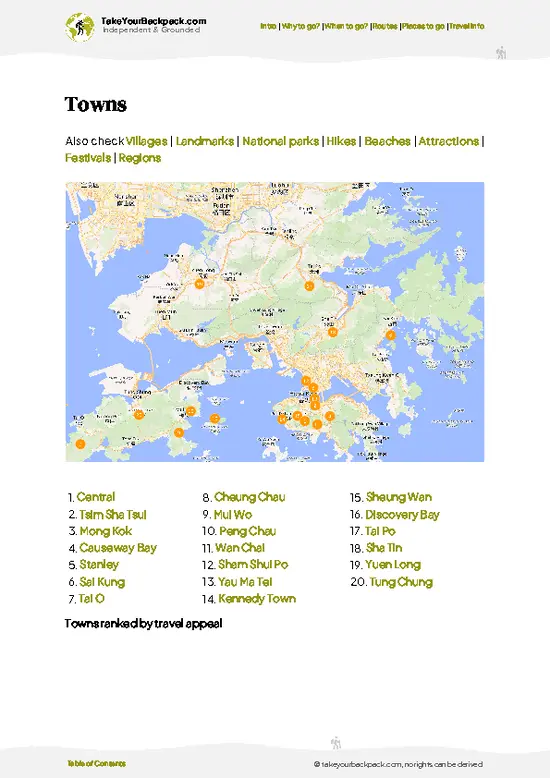
Other Hong Kongese towns near Mong Kok

Explore more nearby:

  • Sham Shui Po—Electronics markets, textile alleys, street food| 1 km away
  • Yau Ma Tei—Temple Street, fruit market, vintage cinema| 2 km away
  • Kowloon City District—Thai eateries, old airport relics, low-rise streets| 2 km away

💡 Not sure where to go next?
Create a personalized itinerary for Hong Kong including Mong Kok and the places that fit your trip.

Generate my itinerary

👉 Discover all towns

Or checkout all Hong Kong has to offer (think cities, towns, villages, national parks, hikes, beaches, festivals)
Country photo of Hong Kong

We 💚 feedbackParting advice and final tips

Mong Kok pulses with life, a sensory overload that’s both chaotic and exhilarating. The scent of street food—think sizzling dumplings and sweet pineapple buns—fills the air, drawing you into the vibrant night markets. Don’t miss the unexpected charm of the flower market; it’s a fragrant oasis amidst the hustle. Just a heads-up: the crowds can be intense, especially on weekends. Embrace it. The energy is infectious, and every corner holds a surprise that makes the chaos worthwhile.

✍️ Help improve this page!
The information on this page is based on in-depth research, insights shared by experienced travelers, and feedback from the local travel community in Hong Kong. While every effort is made to keep the information accurate and current, conditions can change — so if you spot anything incorrect or outdated, please get in touch.


🙋‍♂️ Give feedback

👋 Meet the founderWho’s Behind Take Your Backpack?

Johan, backpacker and founder of TakeYourBackpackHi, I’m Johan (Netherlands 🇳🇱), the creator of TakeYourBackpack. Over the past decade, I’ve backpacked through 80+ countries across six continents, gaining extensive experience with independent travel, long-term trips, and overland routes.

This site is built on a combination of firsthand travel experience and carefully curated insights from other backpackers. Many guides are based on places I’ve personally visited, while others bring together tips, observations, and practical advice shared by trusted travelers I’ve met along the way.

The goal is to provide realistic, experience-driven guidance — not generic itineraries — so you can explore destinations with better context, clearer expectations, and more confidence.

Get full Hong Kong guide •
Instant download • 98 highlights • Full Offline guide