



×

Hong Kong🇭🇰 | townsTai OStilt houses, fishing traditions, pink dolphins | things to do and best time to go

Explore Tung ChungExplore Aberdeen

Backpacking in Tai O
🌟 Highlighttown ranked #7
By Johan Kruseman 🇳🇱 | Updated September 4, 2026

Most people only realize on the bus ride back that Tai O is where Hong Kong finally goes quiet enough for your brain to catch up with your body. Tai O sits on the western edge of Lantau Island, a low, weathered fishing town where the air smells like brine, shrimp paste, and wood smoke instead of exhaust. For backpackers, it works best as a slow-burn day trip or one-night stop, not a long-term base: you wander stilt houses, snack on street seafood, then link it with hikes like the trail toward Fan Lau or sunset at nearby Tai O Heritage Hotel. It’s easy to reach by bus from Tung Chung or Ngong Ping, and once you’re there, you walk everywhere. Nights are quiet, with a couple of simple guesthouses and cafés rather than hostels and bar crawls, so it’s more “chat with the owner” than “meet a dozen new friends.” Prices are slightly higher than rural China but cheaper than central Hong Kong, and it feels very safe, just sleepy. Compared with Tung Chung’s malls or Central’s neon, Tai O is slower, more weather-beaten, more scenic than practical, and that’s exactly its job on your route: a decompression chamber at the edge of the city.

Discover everything you want to know in the 📖 Hong Kong Travel Guide.
Loading the map 🌍
CLICK TO FILTER
towns
landmarks
national parks
hikes
beaches
attractions
festivals
regions
SHOW COUNTRY’S BESTSHOW ALL

✨ Why go?
Ranked #7 town in Hong Kong
Why visitors keep coming back

Tai O draws backpackers for its authenticity and ease of access to nearby hikes and beaches. The town’s walkable streets invite exploration, where you can soak in the scent of dried fish and hear the soft lapping of waves. Small-scale hostels and guesthouses create a cozy atmosphere, perfect for solo travelers or small groups looking to connect. Many stay just a night or two, but those who linger find a slower pace that encourages deeper engagement with local culture. The friendly social vibe makes it easy to chat with fellow travelers over a bowl of fresh seafood noodles. If you’re a hiker or a slow traveler, Tai O offers a refreshing break from the urban hustle, making it a worthwhile stop on your journey.
Want to include Tai O in your Hong Kong route?
Create a personalized Hong Kong itinerary that includes Tai O and the places that fit your trip — based on your travel style, budget, and available time. Get your route in seconds.

Generate my trip

💡 HighlightsEssential experiences to have while visiting Tai O

Tai O Stilt Houses
The stilt houses are Tai O’s living museum—weathered timber and corrugated iron perched above tidal flats, creaking with the tide. Walk the narrow footbridges in the early morning, when the air smells faintly of brine and woodsmoke, and you’ll see daily life unfold: laundry flapping, fishermen mending nets, cats prowling for scraps. This is the soul of Tai O, not a set piece. Free to wander; allow 30-45 minutes to soak it in, longer if you linger with your camera or sketchbook. Best before 10 a.m. or after 4 p.m., when the day-trippers thin out and the light softens.

Tai O Heritage Hotel
Once a colonial police station, now a boutique hotel with a small but evocative heritage exhibit. The building itself—whitewashed, with arched verandas and a view over the estuary—tells the … read more 👉
Tai O Stilt Houses
The stilt houses are Tai O’s living museum—weathered timber and corrugated iron perched above tidal flats, creaking with the tide. Walk the narrow footbridges in the early morning, when the air smells faintly of brine and woodsmoke, and you’ll see daily life unfold: laundry flapping, fishermen mending nets, cats prowling for scraps. This is the soul of Tai O, not a set piece. Free to wander; allow 30-45 minutes to soak it in, longer if you linger with your camera or sketchbook. Best before 10 a.m. or after 4 p.m., when the day-trippers thin out and the light softens.

Tai O Heritage Hotel
Once a colonial police station, now a boutique hotel with a small but evocative heritage exhibit. The building itself—whitewashed, with arched verandas and a view over the estuary—tells the story of Tai O’s days as a smuggling outpost. Even if you’re not staying, you can visit the interpretive gallery for free, or splurge on afternoon tea overlooking the water (HK$200-300). The walk up is steep but short, about 10 minutes from the ferry pier. Go mid-afternoon for the best light and a quieter vibe.

Tai O Market Street
This is the working heart of the village. Dried seafood hangs in fragrant, salty garlands; shopkeepers hawk shrimp paste and salted fish with the same pride as their grandmothers. Try a fresh egg puff or a slab of grilled cuttlefish—street snacks here are cheap (HK$10-30) and deeply local. The market is most alive from 10 a.m. to 3 p.m. Give yourself 45 minutes to an hour to wander, taste, and people-watch.

Kwan Tai Temple
Tucked just off the main drag, this small temple is a pocket of incense and quiet. Dedicated to the god of war and justice, it’s a living place of worship, not just a photo stop. The red pillars and curling smoke feel timeless. Free entry; 10-15 minutes is enough unless you want to sit and watch the rhythm of local devotion. Early morning is best for solitude.

Tai O Boat Excursion
Hop on a small motorboat for a 20-minute ride through the waterways and out toward the open sea. You’ll see the stilt houses from water level, pass under low bridges, and—if luck’s on your side—spot the rare pink dolphins. Boats depart from the main pier; expect to pay HK$20-30 per person. Go at high tide for the smoothest ride and best views.

For those with time to spare, consider day trips to the Big Buddha at Ngong Ping, the hiking trails of Lantau South Country Park, or the windswept beaches of Cheung Sha—each a short bus or taxi ride from Tai O, and each offering a different side of Lantau’s wild character.
Spotted a mistake or missing something? Contact us.

Things to do around Tai O

Ratings based on Tripadvisor reviews. When you book through this link, you support our work at no extra cost to you.

🏘️ NeighborhoodsKey areas and districts to know

Tai O is a unique blend of traditional fishing village charm and modern backpacker convenience. Here’s how to navigate its distinct areas:

Main Street: This is the heartbeat of Tai O. Stroll past colorful stilt houses and local shops selling dried seafood. The vibe is lively, especially in the evenings when food stalls come alive. It’s walkable, with easy access to transport options like buses to Tung Chung. Perfect for short stays, you can soak in the local culture without feeling rushed.

Ngong Ping Road: A quieter stretch, this area leads to the iconic Big Buddha. The atmosphere is serene, with lush greenery and occasional glimpses of the sea. It’s ideal for longer stays if you want a peaceful retreat. While nightlife is minimal, the early morning hikes here are rewarding.

Tai O Heritage read more 👉
Tai O is a unique blend of traditional fishing village charm and modern backpacker convenience. Here’s how to navigate its distinct areas:

Main Street: This is the heartbeat of Tai O. Stroll past colorful stilt houses and local shops selling dried seafood. The vibe is lively, especially in the evenings when food stalls come alive. It’s walkable, with easy access to transport options like buses to Tung Chung. Perfect for short stays, you can soak in the local culture without feeling rushed.

Ngong Ping Road: A quieter stretch, this area leads to the iconic Big Buddha. The atmosphere is serene, with lush greenery and occasional glimpses of the sea. It’s ideal for longer stays if you want a peaceful retreat. While nightlife is minimal, the early morning hikes here are rewarding.

Tai O Heritage Hotel: This former police station turned hotel offers a unique stay with historical charm. It’s pricier but worth it for the views and proximity to the waterfront. Great for those looking to splurge a bit while still being close to the action.

Each area has its own flavor, making Tai O a delightful place to explore.

⌛️ 1 daySeeing the highlights in 24 hours

Tai O, a quaint fishing village on Lantau Island, offers a glimpse into Hong Kong’s traditional lifestyle, far removed from the city’s skyscrapers. The air is thick with the scent of dried seafood, and the sound of water lapping against wooden stilt houses sets a serene backdrop.

Start your morning with a stroll along the waterfront. The early light dances on the water, illuminating the colorful fishing boats. Grab a breakfast bun from a local vendor—soft, warm, and filled with savory pork. It’s a simple pleasure that fuels your exploration.

As the sun climbs higher, head to the Tai O Heritage Hotel, a former police station turned boutique hotel. The architecture tells stories of the past, and the views from the rooftop are stunning. Spend some time wandering the narrow alleys, where you … read more 👉
Tai O, a quaint fishing village on Lantau Island, offers a glimpse into Hong Kong’s traditional lifestyle, far removed from the city’s skyscrapers. The air is thick with the scent of dried seafood, and the sound of water lapping against wooden stilt houses sets a serene backdrop.

Start your morning with a stroll along the waterfront. The early light dances on the water, illuminating the colorful fishing boats. Grab a breakfast bun from a local vendor—soft, warm, and filled with savory pork. It’s a simple pleasure that fuels your exploration.

As the sun climbs higher, head to the Tai O Heritage Hotel, a former police station turned boutique hotel. The architecture tells stories of the past, and the views from the rooftop are stunning. Spend some time wandering the narrow alleys, where you might stumble upon the Tai O Market. Here, you can sample local delicacies like shrimp paste and fish balls, immersing yourself in the village’s culinary culture.

In the afternoon, take a boat tour to spot the famous pink dolphins. The thrill of seeing these rare creatures in their natural habitat is a highlight. Afterward, venture to the less-traveled Ngong Ping area, where the lush trails lead to the Big Buddha. The hike is invigorating, and the sense of accomplishment is palpable.

As evening approaches, return to Tai O for a sunset walk along the stilt houses. The golden hour casts a warm glow, perfect for photography. Wind down with a bowl of local noodles at a family-run eatery, where the flavors are rich and the atmosphere welcoming. This day in Tai O isn’t just about sights; it’s about savoring the essence of a community that thrives on tradition.
Turn your Tai O visit into an Hong Kong adventure
Build a complete Hong Kong route with Tai O, hidden gems, must-see destinations, and realistic travel times included.

Generate my trip

🌤️ When to go?Weather, crowds, and seasonal trade-offs


  • Weather: Tai O’s subtropical climate means hot, humid summers with frequent rainstorms from June to August, making trails slippery and the air heavy. Winters, from December to February, are mild and dry, around 14-20°C (57-68°F), perfect for exploring without sweating buckets.

  • Temperature: Spring and autumn offer the sweet spot—comfortable 18-25°C (64-77°F) days, cool evenings, and less humidity. These months feel crisp and fresh, ideal for wandering the stilt houses and salt fields without overheating or freezing.

  • Daylight Hours: Longer days from April to September give you more golden-hour light to soak in the fishing village’s textures and colors, but shorter winter days mean you’ll want to plan your hikes early to catch the best views.

  • Crowds: Weekends and public holidays bring
read more 👉

  • Weather: Tai O’s subtropical climate means hot, humid summers with frequent rainstorms from June to August, making trails slippery and the air heavy. Winters, from December to February, are mild and dry, around 14-20°C (57-68°F), perfect for exploring without sweating buckets.

  • Temperature: Spring and autumn offer the sweet spot—comfortable 18-25°C (64-77°F) days, cool evenings, and less humidity. These months feel crisp and fresh, ideal for wandering the stilt houses and salt fields without overheating or freezing.

  • Daylight Hours: Longer days from April to September give you more golden-hour light to soak in the fishing village’s textures and colors, but shorter winter days mean you’ll want to plan your hikes early to catch the best views.

  • Crowds: Weekends and public holidays bring local tourists, especially from Hong Kong Island, turning Tai O into a bustling market scene. Visiting on weekdays means quieter streets and a more authentic vibe.

  • Seasonal Activities: The Tai O Dragon Boat Festival in June is a spectacle of color and tradition but expect crowds and higher prices. The winter months host fewer events but offer peaceful mornings with mist hovering over the water.

  • Price Fluctuations: Accommodation and ferry fares spike during major festivals and summer holidays. Booking in the shoulder seasons (spring and autumn) can save you money and secure better lodging options.


Pro-tip: Aim for late autumn or early spring mornings—cool air, soft light, and near-empty streets make Tai O feel like a secret worth the journey.


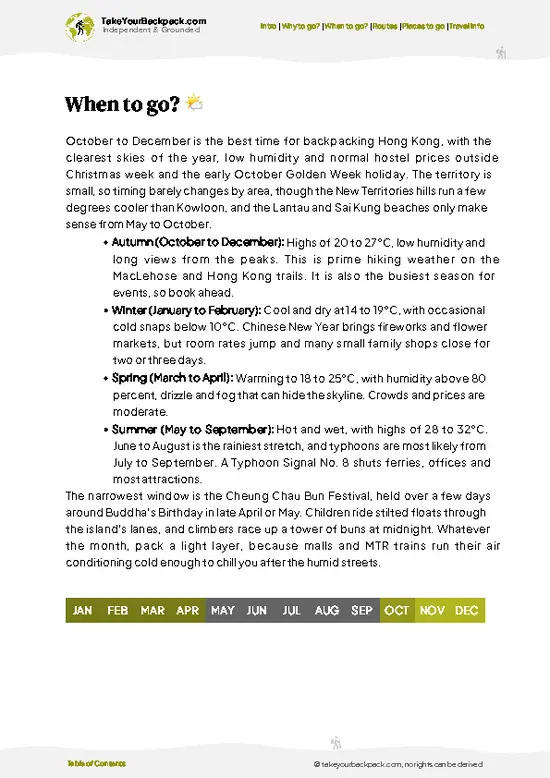
source: climatestotravel.comJANJanuary: excellent for travelingFEBFebruary: excellent for travelingMARMarch: highly recommended for travelingAPRApril: highly recommended for travelingMAYMay: highly recommended for travelingJUNJune: good for travelingJULJuly: fair for travelingAUGAugust: fair for travelingSEPSeptember: highly recommended for travelingOCTOctober: excellent for travelingNOVNovember: excellent for travelingDECDecember: excellent for traveling
when-to-go

✈️ The backpacker research shortcutHong Kong Travel Guide

An offline-friendly backpacking guide with optimized travel routes, ranked highlights, transport advice, and the best areas to stay.
example page 0 from our offline Travel Guide for Hong Kong
example page 1 from our offline Travel Guide for Hong Kong
example page 2 from our offline Travel Guide for Hong Kong
example page 3 from our offline Travel Guide for Hong Kong
example page 4 from our offline Travel Guide for Hong Kong
example page 5 from our offline Travel Guide for Hong Kong
example page 6 from our offline Travel Guide for Hong Kong
example page 7 from our offline Travel Guide for Hong Kong
The digital guide (357 pages) contains:
98 highlights, ranked by travel appeal
Optimized 5, 10 & 15-day travel routes
Cities, national parks, landmarks, beaches
How to get around
Offline-friendly for travel without Wi-Fi
👉 Click to see all 30+ guide features

📅 Plan smarter in minutes, not weeks
Month by month travel advice
Festivals & national holidays
Budget expectations

🗺️ Go to the right places, skip the overrated ones
Honest pros & cons of destinations
Top hikes, parks & viewpoints
Lesser-known places most travelers miss
Clear “worth it vs skip it” guidance

🛏️ Travel smoothly without rookie mistakes
Best areas to stay
Transport systems explained simply
Common scams & safety advice
SIM cards, money & practical tips

🌍 Understand the country, not just visit it
Culture & traditions
52 Essential phrases & customs
Festivals worth planning around
Traveler-friendly historical context
Insights that make places more meaningful

📱 Built for real travel conditions
Fully downloadable PDF
Works completely offline
Optimized for phone use
Useful in remote areas & buses
Everything in one place
Save weeks of stressful planning
Get instant access to your full guide. 30‑day money-back guarantee.
+ Add another guide for just US$7.80

By proceeding you agree to our terms.
Sent to your inbox immediately after payment • 100% Secure Checkout
Best Backpacking Travel Advisor 2025 tourism awardBest Backpacking
Travel Advisor
2025
What others say about Take Your Backpack Guides:
⭐⭐⭐⭐⭐
Fantastic, amazing amount of information!
⭐⭐⭐⭐⭐
My goodness this is amazing, it's what I've been looking for hats off too you!
⭐⭐⭐⭐⭐
I think this is absolutely BRILLIANT
⭐⭐⭐⭐
Very complete and informative. It's still missing places, but I gotta to commend you
⭐⭐⭐⭐⭐
This is truly amazing, thank you, can't wait to explore it with my kids!
⭐⭐⭐⭐⭐
Awesome resource, thank you!
⭐⭐⭐⭐⭐
This is amazing! Can't wait to explore the ones I haven't seen
⭐⭐⭐⭐
I love this! Well done, great idea.
⭐⭐⭐⭐⭐
Thanks for taking the time to make this gem!
⭐⭐⭐⭐⭐
This might be the best website I've ever seen.
⭐⭐⭐⭐⭐
Congratulations, and thank you so much for your work; it's incredibly valuable.
⭐⭐⭐⭐
In all seriousness I think you did a great job pointing out the important spots
⭐⭐⭐⭐⭐
10/10 very good
⭐⭐⭐⭐⭐
As someone who's only just starting to visit regularly this is awesome, thank you.
⭐⭐⭐⭐
Thank you very much! I'm going to visit my dad, it's going to be very useful!
⭐⭐⭐⭐⭐
This is really cool! We'll be travelling for the first time and this definitely come in handy.
⭐⭐⭐⭐⭐
You are now our minister of culture, congratulations 👨‍💼
⭐⭐⭐⭐⭐
Just wanted to tell you that this is a pearl! Going to follow your recommendations.
⭐⭐⭐⭐⭐
This is so cool. I'll definitely be using the resource for my travels soon.
⭐⭐⭐⭐⭐
This is very impressive! Good work.
⭐⭐⭐⭐⭐
This is an amazing and informative site. Very well done!

🛏️ Where to stay?Best areas and accommodation options

Tai O’s charm is in its slow pace and salty sea air, so where you stay shapes your whole experience. The best spot for backpackers is the village center along Shek Tsai Po Street. This area hums with local life—fishermen mending nets, street stalls grilling dried seafood, and kids darting between stilt houses. It’s safe, compact, and social, making it easy to strike up conversations with fellow travelers or locals over a cup of milk tea. Hostels here are modest but welcoming, often family-run, offering a chance to swap stories in shared spaces without the touristy gloss.

Compared to the quieter … read more 👉
Tai O’s charm is in its slow pace and salty sea air, so where you stay shapes your whole experience. The best spot for backpackers is the village center along Shek Tsai Po Street. This area hums with local life—fishermen mending nets, street stalls grilling dried seafood, and kids darting between stilt houses. It’s safe, compact, and social, making it easy to strike up conversations with fellow travelers or locals over a cup of milk tea. Hostels here are modest but welcoming, often family-run, offering a chance to swap stories in shared spaces without the touristy gloss.

Compared to the quieter outskirts or the more residential parts, the village center keeps you plugged into Tai O’s heartbeat. You’re steps from the waterfront where the light shifts with the tide, and the scent of salted fish lingers in the air. Staying here means you wake up to the rhythm of daily life, not just a postcard view. It’s the kind of place where the hard-to-reach feels like a reward, not a hassle.

🚌 Getting aroundMoving around without the hassle

Tai O moves at the pace of the tide—slow, deliberate, and shaped by the rhythm of fishermen’s boats and the ebb of tourists seeking a break from Hong Kong’s relentless urban pulse. The air carries a salty tang mixed with the faint aroma of dried seafood hanging from wooden stilt houses. Here, schedules exist but flex with the day’s light and weather, so you’ll find more value in patience and local intuition than in rigid timetables. The town’s charm is in its gentle chaos, where a missed bus isn’t a disaster but an invitation to linger by the water’s edge or chat with a vendor selling shrimp paste.


  • Bus 11 from Tung Chung MTR Station: Runs roughly every 20-30 minutes from early morning until early evening (around 7 PM). It’s the most direct and budget-friendly route, costing about HKD 10-15.
read more 👉
Tai O moves at the pace of the tide—slow, deliberate, and shaped by the rhythm of fishermen’s boats and the ebb of tourists seeking a break from Hong Kong’s relentless urban pulse. The air carries a salty tang mixed with the faint aroma of dried seafood hanging from wooden stilt houses. Here, schedules exist but flex with the day’s light and weather, so you’ll find more value in patience and local intuition than in rigid timetables. The town’s charm is in its gentle chaos, where a missed bus isn’t a disaster but an invitation to linger by the water’s edge or chat with a vendor selling shrimp paste.


  • Bus 11 from Tung Chung MTR Station: Runs roughly every 20-30 minutes from early morning until early evening (around 7 PM). It’s the most direct and budget-friendly route, costing about HKD 10-15. The ride takes about 45 minutes, winding through lush hills before dropping you at Tai O’s main street. Expect a basic, no-frills bus with standing room during peak times.


  • Ferry from Central Pier 6: Departs twice daily, once in the morning and once in the afternoon, with a round-trip ticket around HKD 100. The ferry ride is slower—about 1.5 hours—but offers a scenic approach, slicing through the South China Sea with salty spray and panoramic views of the islands. It’s a splurge for the senses and a break from the city’s concrete.


  • Walking within Tai O: The village is compact and best explored on foot. Narrow wooden walkways and bridges connect the stilt houses, with the scent of dried fish and seaweed thick in the air. Walking lets you catch the subtle details—the creak of boats, the chatter of locals, and the shifting light on the water. No cost, just comfortable shoes and a readiness to slow down.


  • Taxi from Tung Chung: If you’re short on time or traveling with gear, a taxi costs around HKD 150-200 and takes 20-30 minutes. It’s faster and more comfortable but less budget-friendly. Useful for early arrivals or late departures when buses have stopped running.

👛 Costs (as of 4 September 2026)How expensive it really is

Backpacking in Tai O, Hong Kong, offers a unique blend of rustic charm and cultural immersion, but it comes with a cost structure shaped by its remote fishing village vibe and proximity to urban Hong Kong.
  • Dorm Accommodation: Expect to pay around $20 to $35 USD per night for a bed in a basic guesthouse dorm. Tai O’s options are limited and lean toward simple, no-frills stays that emphasize local character over luxury. Booking ahead is wise, especially on weekends.
  • Meals: Street food and small local eateries dominate. A typical meal runs between $3 and $7 USD. Fresh seafood is a highlight but can push the price to the higher end. For budget-conscious travelers, sticking to noodle stalls or rice plates keeps costs low without sacrificing flavor.
  • Local Transport: Getting around Tai O itself
read more 👉
Backpacking in Tai O, Hong Kong, offers a unique blend of rustic charm and cultural immersion, but it comes with a cost structure shaped by its remote fishing village vibe and proximity to urban Hong Kong.
  • Dorm Accommodation: Expect to pay around $20 to $35 USD per night for a bed in a basic guesthouse dorm. Tai O’s options are limited and lean toward simple, no-frills stays that emphasize local character over luxury. Booking ahead is wise, especially on weekends.
  • Meals: Street food and small local eateries dominate. A typical meal runs between $3 and $7 USD. Fresh seafood is a highlight but can push the price to the higher end. For budget-conscious travelers, sticking to noodle stalls or rice plates keeps costs low without sacrificing flavor.
  • Local Transport: Getting around Tai O itself is mostly on foot, but reaching it from central Hong Kong involves a bus and ferry combo costing about $5 to $8 USD one way. Once there, expect minimal local transport expenses, but factor in occasional boat rides around the village or to nearby spots at roughly $10 to $15 USD.
  • Basic Activities/Entry Fees: Most of Tai O’s charm is free—wandering the stilt houses, exploring markets, and hiking nearby trails. Paid activities like boat tours to see pink dolphins or cultural museums cost between $10 and $20 USD. These are worth it for the immersive experience.
  • Miscellaneous Expenses: Small costs add up—bottled water, snacks, or souvenirs typically run $1 to $5 USD each. Charging devices or internet access may be limited, so plan accordingly to avoid last-minute expenses.

All told, a realistic daily budget for backpacking in Tai O falls between $40 and $70 USD. This range balances the village’s modest accommodation and food prices with transport and occasional paid experiences, giving you a clear sense of what it takes to live the Tai O rhythm without surprises.
⚠️ Prices can change and everyone travels differently, so take this as a rough guide. Hope it helps you plan your adventure!

🚌 Day tripsEasy escapes and nearby places

Tai O is a fantastic base for exploring the unique landscapes and cultures of Hong Kong. With its charming stilt houses and laid-back vibe, you can easily venture out for some unforgettable day trips.

1. Lantau Island Hike
Just a short ferry ride away, Lantau Island offers breathtaking trails and the iconic Big Buddha. The hike to Ngong Ping takes about 1.5 to 2 hours, winding through lush greenery and offering stunning views of the South China Sea. Pack a light lunch to enjoy at the top, where the air is crisp and the atmosphere is serene. Budget around HKD 50 for the ferry and snacks. Spring and autumn are ideal for this trek, as the weather is mild. A common mistake is underestimating the trail’s difficulty; wear sturdy shoes and bring plenty of water.
👉 Explore Lantau Island

2. Tai read more 👉
Tai O is a fantastic base for exploring the unique landscapes and cultures of Hong Kong. With its charming stilt houses and laid-back vibe, you can easily venture out for some unforgettable day trips.

1. Lantau Island Hike
Just a short ferry ride away, Lantau Island offers breathtaking trails and the iconic Big Buddha. The hike to Ngong Ping takes about 1.5 to 2 hours, winding through lush greenery and offering stunning views of the South China Sea. Pack a light lunch to enjoy at the top, where the air is crisp and the atmosphere is serene. Budget around HKD 50 for the ferry and snacks. Spring and autumn are ideal for this trek, as the weather is mild. A common mistake is underestimating the trail’s difficulty; wear sturdy shoes and bring plenty of water.
👉 Explore Lantau Island

2. Tai O Fishing Village
You’re already in Tai O, so why not dive deeper into its rich fishing culture? Spend a few hours wandering the narrow streets, sampling local snacks like shrimp paste and egg tarts. You can also hop on a boat tour to spot pink dolphins, which is a magical experience. This can be done in half a day, costing around HKD 100 for food and the boat ride. Early mornings are best for fewer crowds and fresher food. First-timers often miss the small alleys filled with local artisans; take your time to explore.


3. Cheung Chau Island
A quick ferry ride from Central, Cheung Chau is a vibrant island known for its seafood and relaxed beaches. The trip takes about 30 minutes, and you can spend the day biking around or lounging on the sand. Expect to spend around HKD 80 for the round trip and a meal. Late spring is perfect for the Cheung Chau Bun Festival, where you can witness local traditions. Many visitors stick to the main beach; venture to the quieter sides for a more authentic experience.
👉 Explore Cheung Chau Island

4. Hong Kong Disneyland
For a splash of magic, Disneyland is just a short MTR ride away. It takes about an hour from Tai O, and you can easily spend a full day enjoying the rides and shows. Budget around HKD 600 for entry and food. Weekdays are less crowded, making it easier to enjoy the attractions. A common pitfall is trying to do everything in one day; prioritize your must-see rides to avoid burnout.


5. Ngong Ping 360 Cable Car
For a unique perspective, take the Ngong Ping 360 cable car from Tung Chung to Ngong Ping. The ride offers panoramic views of Lantau Island and the sea below. The journey takes about 25 minutes, and you can combine it with the Big Buddha visit. Expect to spend around HKD 200 for the round trip. The best time is early morning to catch the sunrise. Many first-timers overlook the scenic walking paths at the top; don’t rush through!
Want to know what more Hong Kong offers?
The Hong Kong Travel Guide describes 98 highlights, from cities to national parks, from beaches to hikes

Get the Travel Guide -

🛡️ SafetySafety Tips and Common Scams in Tai O

Tai O is generally safe, but a few practical tips can enhance your experience. Stick to well-lit areas after dark; the narrow alleys can feel a bit eerie when the sun sets. If you’re solo, keep your phone handy for navigation and stay aware of your surroundings.

While scams are rare, be cautious around overly friendly locals offering unsolicited help—politely decline and trust your instincts. The occasional pushy vendor might try to upsell you on souvenirs; a firm but friendly “no, thank you” usually does the trick.

Embrace the local vibe, but carry yourself with confidence. A relaxed demeanor goes a long way in making your visit smooth and enjoyable.

FAQFrequently asked questions about Tai O

Yes, Tai O is worth visiting for its unique stilt houses, traditional fishing village atmosphere, and local seafood markets. It offers a glimpse into Hong Kong's cultural heritage that differs from the urban cityscape. Many travelers find 2-3 hours enough to explore the main sights.
One day is sufficient to explore Tai O thoroughly, including walking around the village, visiting the Tai O Heritage Hotel, and taking a boat tour to spot pink dolphins. Staying overnight is optional but can provide a quieter experience and more time to enjoy local food.
Yes, Tai O can be visited as a day trip from nearby cities like Hong Kong Island or Kowloon. It takes about 1.5 to 2 hours by public transport, including a bus or ferry ride, making it feasible for a half-day or full-day excursion.
⚠️ Things can change over time, so always validate details locally before you go.

Other Hong Kongese towns near Tai O

Explore more nearby:

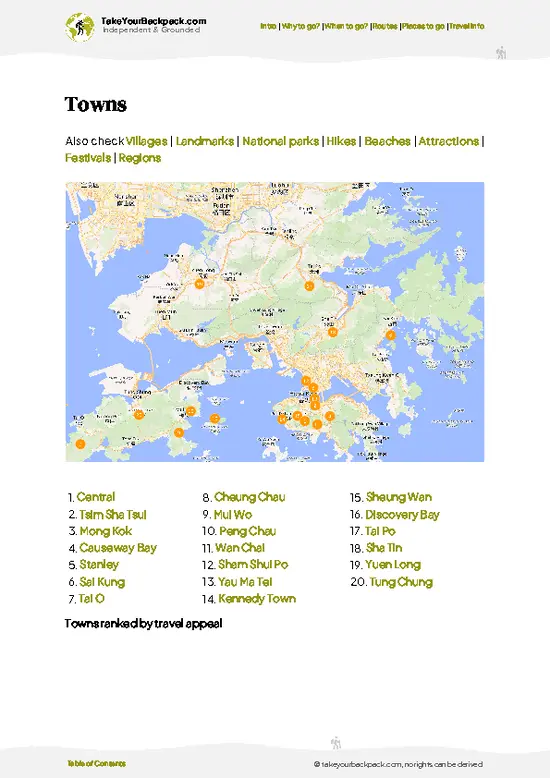
  • Tung Chung—Cable car, outlet shopping, airport access| 9 km away
  • Mui Wo—Silvermine Bay, ferry pier, rural trails| 13 km away
  • Discovery Bay—Car-free zone, marina, expat community| 15 km away

💡 Not sure where to go next?
Create a personalized itinerary for Hong Kong including Tai O and the places that fit your trip.

Generate my itinerary

👉 Discover all towns

Or checkout all Hong Kong has to offer (think cities, towns, villages, national parks, hikes, beaches, festivals)
Country photo of Hong Kong

We 💚 feedbackKey takeaways before you go

Tai O feels like stepping back in time, with its stilt houses and salty sea breeze. The best surprise? The local shrimp paste—it’s a game changer for your taste buds. Just a heads-up: the narrow alleys can get crowded, especially on weekends. Embrace the chaos; it’s part of the charm. Enjoy the ride; it’s worth every moment.

✍️ Help improve this page!
The information on this page is based on in-depth research, insights shared by experienced travelers, and feedback from the local travel community in Hong Kong. While every effort is made to keep the information accurate and current, conditions can change — so if you spot anything incorrect or outdated, please get in touch.


🙋‍♂️ Give feedback

👋 Meet the founderWho’s Behind Take Your Backpack?

Johan, backpacker and founder of TakeYourBackpackHi, I’m Johan (Netherlands 🇳🇱), the creator of TakeYourBackpack. Over the past decade, I’ve backpacked through 80+ countries across six continents, gaining extensive experience with independent travel, long-term trips, and overland routes.

This site is built on a combination of firsthand travel experience and carefully curated insights from other backpackers. Many guides are based on places I’ve personally visited, while others bring together tips, observations, and practical advice shared by trusted travelers I’ve met along the way.

The goal is to provide realistic, experience-driven guidance — not generic itineraries — so you can explore destinations with better context, clearer expectations, and more confidence.

Get full Hong Kong guide •
Instant download • 98 highlights • Full Offline guide