×

Hong Kong🇭🇰 | townsTsim Sha TsuiHarbor views, museums, luxury shopping | things to do and best time to go

Explore Wong Tai SinExplore Mong Kok

Backpacking in Tsim Sha Tsui
🏆 Top picktown ranked #2
By Johan Kruseman 🇳🇱 | Updated May 22, 2026

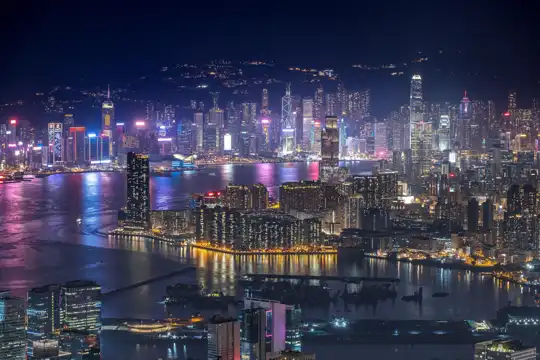
Most people arrive in Tsim Sha Tsui expecting some romantic old harbor district; what they actually hit first is neon, traffic, and shopping malls. That’s not a failure of the place, just a mismatch of expectations. Tsim Sha Tsui sits at the southern tip of Kowloon, directly across Victoria Harbour from Central and Wan Chai, and it’s one of the most practical bases a backpacker can have in Hong Kong.

You’re here for access and contrast, not charm. Ferries and the MTR put Hong Kong Island, the airport, and the New Territories’ hiking trails within easy reach, while the waterfront promenade and Kowloon Park give you just enough air when the streets feel like a human pinball machine. It’s busy, bright, and slightly chaotic; hostels stack up in aging towers like Chungking Mansions, which means cheap beds, easy street food, and a constant flow of travelers. Compared with Mong Kok it’s a bit more polished, compared with Central it’s cheaper and grittier, and as a launchpad for day trips and late‑night noodles, it earns its spot on the route.

Discover everything you want to know in the 📖 Hong Kong Travel Guide.
Loading the map 🌍
CLICK TO FILTER
towns
landmarks
national parks
hikes
beaches
attractions
festivals
regions
SHOW COUNTRY’S BESTSHOW ALL

✨ Why go?
Ranked #2 town in Hong Kong
What makes this town worth visiting

Tsim Sha Tsui is a backpacker’s hub in Hong Kong, perfectly positioned for those who crave both urban energy and natural escapes. It’s a gateway to nearby hikes in the New Territories and stunning beaches on Lantau Island, making it easy to balance city life with outdoor adventures. The streets here are walkable, lined with local eateries serving everything from dim sum to street snacks, giving you a taste of authentic Hong Kong without breaking the bank.

Accommodations range from small-scale hostels to cozy guesthouses, fostering a friendly social atmosphere. You’ll find fellow travelers eager to share stories or plan the next trek. Most backpackers tend to stay a few days, soaking in the local culture while using Tsim Sha Tsui as a base for day trips. It’s ideal for solo travelers and small read more 👉
Tsim Sha Tsui is a backpacker’s hub in Hong Kong, perfectly positioned for those who crave both urban energy and natural escapes. It’s a gateway to nearby hikes in the New Territories and stunning beaches on Lantau Island, making it easy to balance city life with outdoor adventures. The streets here are walkable, lined with local eateries serving everything from dim sum to street snacks, giving you a taste of authentic Hong Kong without breaking the bank.

Accommodations range from small-scale hostels to cozy guesthouses, fostering a friendly social atmosphere. You’ll find fellow travelers eager to share stories or plan the next trek. Most backpackers tend to stay a few days, soaking in the local culture while using Tsim Sha Tsui as a base for day trips. It’s ideal for solo travelers and small groups looking for a mix of exploration and downtime.

While it’s not a nightlife hotspot, the vibe is lively enough to keep you engaged without overwhelming you. If you’re after a place that balances convenience with a touch of local charm, Tsim Sha Tsui is your spot.
Get the complete Travel Guide for Hong Kong
Everything organized for offline planning — routes, highlights, costs & tips

See what’s inside 👉

Get the Travel Guide -

💡 HighlightsThe experiences that define the visit

  • Star Ferry (Tsim Sha Tsui Pier): A short, scenic ferry ride to Hong Kong Island that still feels delightfully old-school — great for skyline photos and a cheap, classic harbour crossing experience.
  • Former Kowloon-Canton Railway Clock Tower: The solitary red-brick clock tower beside the pier is a touchstone of Kowloon’s railway history and a perfect spot to feel the old port-town vibe.
  • Tsim Sha Tsui Promenade & Avenue of Stars: Walkable waterfront with sweeping views of Victoria Harbour, public art, and the Bruce Lee statue — best visited at sunset when the skyline and nightly light show come alive.
  • Hong Kong Museum of Art: Recently refreshed galleries showcasing Chinese ink, Cantonese opera materials, and contemporary local artists — a compact, focused way to understand Hong Kong’s visual
read more 👉
  • Star Ferry (Tsim Sha Tsui Pier): A short, scenic ferry ride to Hong Kong Island that still feels delightfully old-school — great for skyline photos and a cheap, classic harbour crossing experience.
  • Former Kowloon-Canton Railway Clock Tower: The solitary red-brick clock tower beside the pier is a touchstone of Kowloon’s railway history and a perfect spot to feel the old port-town vibe.
  • Tsim Sha Tsui Promenade & Avenue of Stars: Walkable waterfront with sweeping views of Victoria Harbour, public art, and the Bruce Lee statue — best visited at sunset when the skyline and nightly light show come alive.
  • Hong Kong Museum of Art: Recently refreshed galleries showcasing Chinese ink, Cantonese opera materials, and contemporary local artists — a compact, focused way to understand Hong Kong’s visual culture.
  • Hong Kong Space Museum: Low-key but fun — interactive exhibits and a memorable dome planetarium show that’s especially good if you’ve got a curious teen or just want a quirky indoor stop from the heat.
  • Kowloon Park: Big, leafy escape in the middle of TST with an aviary, Chinese garden, tai chi groups and quiet ponds — a real local slice of daily life away from the shops and traffic.
  • 1881 Heritage (Former Marine Police Headquarters): Restored colonial buildings mixing history, architecture and boutique shops — good for photos and to see how heritage has been repurposed in Hong Kong.
  • The Peninsula (lobby & colonnade): Even if you don’t splurge on afternoon tea, the lobby, elevators and classic Rolls outside tell the story of colonial-era glamour in Tsim Sha Tsui.
  • Chungking Mansions: Chaotic, multicultural, and surprisingly essential — cheap guesthouses, tiny eateries serving food from across South Asia and Africa, and a raw, authentic snapshot of Hong Kong’s migrant economy.
  • K11 Musea / Victoria Dockside: A design-forward shopping and art complex on the waterfront with rotating public art installations and rooftop views — it shows the modern, creative edge of TST’s redevelopment.
For day trips nearby: take the ferry or coach to Macau, hop out to Lantau Island (Ngong Ping, Big Buddha & Tai O) or head east for Sai Kung’s beaches and seafood — all easily done from Tsim Sha Tsui in a day.
Spotted a mistake or missing something? Contact us.

Things to do around Tsim Sha Tsui

Ratings based on Tripadvisor reviews. When you book through this link, you support our work at no extra cost to you.

🏘️ NeighborhoodsWhere things are and how it's laid out

Tsim Sha Tsui is a vibrant hub that pulses with energy, making it a prime spot for backpackers looking to dive into the heart of Hong Kong. Here’s how to navigate its distinct neighborhoods:

East Tsim Sha Tsui: This area is a blend of modernity and tradition. The waterfront promenade offers stunning views of Victoria Harbour, especially at sunset. It’s walkable, with plenty of budget-friendly eateries. The vibe is lively, but you can find quieter spots in the nearby parks. Great for short stays, as you can easily hop on the MTR to explore other parts of the city.

Chatham Road: Known for its affordable guesthouses, this street is a backpacker’s dream. The atmosphere is laid-back, perfect for those who want to recharge. It’s a bit removed from the nightlife, making it ideal for longer stays … read more 👉
Tsim Sha Tsui is a vibrant hub that pulses with energy, making it a prime spot for backpackers looking to dive into the heart of Hong Kong. Here’s how to navigate its distinct neighborhoods:

East Tsim Sha Tsui: This area is a blend of modernity and tradition. The waterfront promenade offers stunning views of Victoria Harbour, especially at sunset. It’s walkable, with plenty of budget-friendly eateries. The vibe is lively, but you can find quieter spots in the nearby parks. Great for short stays, as you can easily hop on the MTR to explore other parts of the city.

Chatham Road: Known for its affordable guesthouses, this street is a backpacker’s dream. The atmosphere is laid-back, perfect for those who want to recharge. It’s a bit removed from the nightlife, making it ideal for longer stays if you prefer a quieter environment. Plus, you’re just a short walk from the bustling Nathan Road.

Knutsford Terrace: If you’re after nightlife, this is your go-to. Packed with bars and restaurants, the terrace buzzes with energy, especially on weekends. While it can be pricier, the experience is worth it for a night out. The area is compact, making it easy to navigate on foot, but it’s better suited for short stays if you want to enjoy the nightlife without the noise.

Granville Road: This area is a shopping haven, with a mix of local boutiques and international brands. The vibe is eclectic, attracting a diverse crowd. It’s walkable and close to transport links, making it easy to explore. Perfect for those who want to blend shopping with cultural experiences, whether for a short or longer stay.

⌛️ 1 dayWhat you can realistically do in a day

Tsim Sha Tsui pulses with life, a vibrant blend of cultures, sights, and sounds. This waterfront district in Hong Kong is a sensory feast, where the aroma of street food mingles with the salty breeze from Victoria Harbour. It’s a place where modern skyscrapers stand shoulder to shoulder with colonial architecture, creating a backdrop that feels both familiar and exotic.

Start your day at the iconic Star Ferry Pier. The gentle sway of the ferry as it glides across the harbor offers a stunning view of the skyline, especially in the soft morning light. Grab a traditional Hong Kong breakfast at a nearby cha chaan teng, where you can savor a bowl of congee or a crispy pineapple bun. The warmth of the tea and the chatter of locals set the perfect tone for your adventure.

After breakfast, wander … read more 👉
Tsim Sha Tsui pulses with life, a vibrant blend of cultures, sights, and sounds. This waterfront district in Hong Kong is a sensory feast, where the aroma of street food mingles with the salty breeze from Victoria Harbour. It’s a place where modern skyscrapers stand shoulder to shoulder with colonial architecture, creating a backdrop that feels both familiar and exotic.

Start your day at the iconic Star Ferry Pier. The gentle sway of the ferry as it glides across the harbor offers a stunning view of the skyline, especially in the soft morning light. Grab a traditional Hong Kong breakfast at a nearby cha chaan teng, where you can savor a bowl of congee or a crispy pineapple bun. The warmth of the tea and the chatter of locals set the perfect tone for your adventure.

After breakfast, wander through the narrow streets of Tsim Sha Tsui East, where you’ll find the Hong Kong Cultural Centre and the Space Museum. These spots are often overlooked by tourists, but they offer a glimpse into the city’s artistic soul. The architecture is striking, and the exhibitions can be surprisingly engaging. Don’t miss the chance to stroll along the Avenue of Stars, where you can snap a photo with the Bruce Lee statue and enjoy the views of the harbor.

As the afternoon rolls in, head to the bustling streets of Nathan Road. Here, the neon signs and the hum of commerce create an electric atmosphere. Duck into the Kowloon Park for a moment of tranquility amidst the chaos. The lush greenery and serene ponds provide a refreshing contrast to the urban landscape.

As evening descends, make your way to the rooftop bar at the Hotel ICON. Sip a cocktail as the sun sets, painting the sky in hues of orange and pink. The view of the skyline is breathtaking, and you’ll feel the energy of the city shift as night falls.

Tsim Sha Tsui is more than just a stop on your itinerary; it’s a vibrant tapestry of experiences waiting to be unraveled. Embrace the chaos, savor the flavors, and let the city’s rhythm guide you through a day that feels both effortless and enriching.
Build the Right Itinerary
Use the Hong Kong Travel Guide’s 5, 10 & 15-day routes as a starting point to plan a trip that actually works on the ground.

Get the Travel Guide -

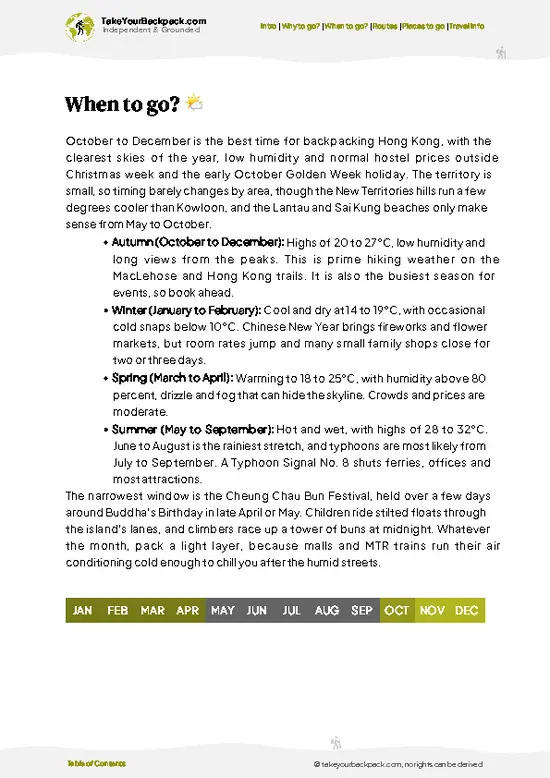
🌤️ When to go?Weather, crowds, and seasonal trade-offs


  • Weather: Tsim Sha Tsui bakes in summer humidity, with July and August often hitting 29-32°C (84-90°F), sticky and sweaty. Winters, from December to February, are mild and dry, around 14-18°C (57-64°F), perfect for wandering without overheating or rain dampening your plans.

  • Temperature: Spring and autumn offer the sweet spot—comfortable 20-25°C (68-77°F) days that invite long strolls along the waterfront without the oppressive heat or chill.

  • Daylight Hours: Longer days from April to September mean more time to soak in harbor views and street markets. Shorter winter days close in by 5:30 PM, nudging you to plan indoor activities or early dinners.

  • Crowds: Peak tourist season aligns with Chinese holidays and Christmas, swelling the streets and driving up prices. Visiting in shoulder months
read more 👉

  • Weather: Tsim Sha Tsui bakes in summer humidity, with July and August often hitting 29-32°C (84-90°F), sticky and sweaty. Winters, from December to February, are mild and dry, around 14-18°C (57-64°F), perfect for wandering without overheating or rain dampening your plans.

  • Temperature: Spring and autumn offer the sweet spot—comfortable 20-25°C (68-77°F) days that invite long strolls along the waterfront without the oppressive heat or chill.

  • Daylight Hours: Longer days from April to September mean more time to soak in harbor views and street markets. Shorter winter days close in by 5:30 PM, nudging you to plan indoor activities or early dinners.

  • Crowds: Peak tourist season aligns with Chinese holidays and Christmas, swelling the streets and driving up prices. Visiting in shoulder months like March or October lets you enjoy the buzz without the crush.

  • Seasonal Activities: Winter hosts the dazzling Christmas lights and New Year fireworks—worth braving the chill. Summer festivals bring energy but also unpredictable typhoons, which can throw a wrench in outdoor plans.

  • Price Fluctuations: Accommodation and flights spike during major holidays and festivals. Booking in off-peak months can save you a solid chunk of cash, freeing up budget for street food feasts or museum entries.


Pro-tip: Aim for late autumn—October to early December—when the air is crisp, the crowds thin, and the city’s lights start to sparkle early, giving you the best of comfort, culture, and cost.


source: climatestotravel.comJANJanuary: highly recommended for travelingFEBFebruary: highly recommended for travelingMARMarch: highly recommended for travelingAPRApril: excellent for travelingMAYMay: highly recommended for travelingJUNJune: good for travelingJULJuly: fair for travelingAUGAugust: fair for travelingSEPSeptember: highly recommended for travelingOCTOctober: excellent for travelingNOVNovember: excellent for travelingDECDecember: highly recommended for traveling
when-to-go

✈️ The backpacker research shortcutHong Kong Travel Guide

An offline-friendly backpacking guide with optimized travel routes, ranked highlights, transport advice, and the best areas to stay.
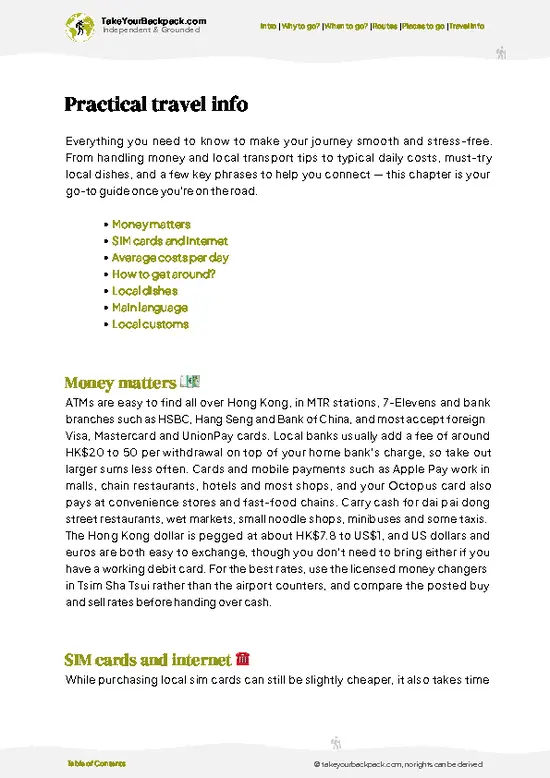
example page 0 from our offline Travel Guide for Hong Kongexample page 1 from our offline Travel Guide for Hong Kongexample page 2 from our offline Travel Guide for Hong Kongexample page 3 from our offline Travel Guide for Hong Kongexample page 4 from our offline Travel Guide for Hong Kongexample page 5 from our offline Travel Guide for Hong Kongexample page 6 from our offline Travel Guide for Hong Kongexample page 7 from our offline Travel Guide for Hong Kong
The digital guide (363 pages) contains:
99 highlights, ranked by travel appeal
Optimized 5, 10 & 15-day travel routes
Cities, national parks, beaches, historical sites, ...
How to get around
Offline-friendly for travel without Wi-Fi
👉 Click to see all 30+ guide features

📅 Plan smarter in minutes, not weeks
Month by month travel advice
Festivals & national holidays
Budget expectations

🗺️ Go to the right places, skip the overrated ones
Honest pros & cons of destinations
Top hikes, parks & viewpoints
Lesser-known places most travelers miss
Clear “worth it vs skip it” guidance

🛏️ Travel smoothly without rookie mistakes
Best areas to stay
Transport systems explained simply
Common scams & safety advice
SIM cards, money & practical tips

🌍 Understand the country, not just visit it
Culture & traditions
52 Essential phrases & customs
Festivals worth planning around
Traveler-friendly historical context
Insights that make places more meaningful

📱 Built for real travel conditions
Fully downloadable PDF
Works completely offline
Optimized for phone use
Useful in remote areas & buses
Everything in one place
Save weeks of stressful planning
Get instant access to the full guide directly. 30-day money-back guarantee.


Sent to your inbox immediately after payment • 100% Secure Checkout
Best Backpacking Travel Advisor 2025 tourism awardBest Backpacking
Travel Advisor
2025
What others say about Take Your Backpack Guides:
⭐⭐⭐⭐⭐
Fantastic, amazing amount of information!
⭐⭐⭐⭐⭐
My goodness this is amazing, it's what I've been looking for hats off too you!
⭐⭐⭐⭐⭐
I think this is absolutely BRILLIANT
⭐⭐⭐⭐
Very complete and informative. It's still missing places, but I gotta to commend you
⭐⭐⭐⭐⭐
This is truly amazing, thank you, can't wait to explore it with my kids!
⭐⭐⭐⭐⭐
Awesome resource, thank you!
⭐⭐⭐⭐⭐
This is amazing! Can't wait to explore the ones I haven't seen
⭐⭐⭐⭐
I love this! Well done, great idea.
⭐⭐⭐⭐⭐
Thanks for taking the time to make this gem!
⭐⭐⭐⭐⭐
This might be the best website I've ever seen.
⭐⭐⭐⭐⭐
Congratulations, and thank you so much for your work; it's incredibly valuable.
⭐⭐⭐⭐
In all seriousness I think you did a great job pointing out the important spots
⭐⭐⭐⭐⭐
10/10 very good
⭐⭐⭐⭐⭐
As someone who's only just starting to visit regularly this is awesome, thank you.
⭐⭐⭐⭐
Thank you very much! I'm going to visit my dad, it's going to be very useful!
⭐⭐⭐⭐⭐
This is really cool! We'll be travelling for the first time and this definitely come in handy.
⭐⭐⭐⭐⭐
You are now our minister of culture, congratulations 👨‍💼
⭐⭐⭐⭐⭐
Just wanted to tell you that this is a pearl! Going to follow your recommendations.
⭐⭐⭐⭐⭐
This is so cool. I'll definitely be using the resource for my travels soon.
⭐⭐⭐⭐⭐
This is very impressive! Good work.
⭐⭐⭐⭐⭐
This is an amazing and informative site. Very well done!

🛏️ Where to stay?Where staying makes the most sense

Tsim Sha Tsui is the heartbeat of Kowloon’s backpacker scene, and for good reason. The best spots to crash here are around Nathan Road and the streets just off it. This area hums with energy day and night—neon signs flicker against the humid air, street vendors call out with sizzling snacks, and the scent of jasmine tea mingles with the city’s ever-present urban pulse. It’s safe, well-lit, and packed with hostels that cater to solo travelers and budget adventurers.

Why settle here? Because you’re plugged into a social circuit that’s hard to beat. Hostels cluster close enough to each other that … read more 👉
Tsim Sha Tsui is the heartbeat of Kowloon’s backpacker scene, and for good reason. The best spots to crash here are around Nathan Road and the streets just off it. This area hums with energy day and night—neon signs flicker against the humid air, street vendors call out with sizzling snacks, and the scent of jasmine tea mingles with the city’s ever-present urban pulse. It’s safe, well-lit, and packed with hostels that cater to solo travelers and budget adventurers.

Why settle here? Because you’re plugged into a social circuit that’s hard to beat. Hostels cluster close enough to each other that you can bounce between common rooms, meeting fellow backpackers over cheap beers or shared dumplings. The MTR station is a few steps away, so you’re never more than 20 minutes from Hong Kong Island or the New Territories.

Compared to the quieter, more residential areas of Kowloon or the pricey, polished zones of Central and Sheung Wan, Tsim Sha Tsui’s vibe is raw and immediate. It’s where the city’s grit meets its glamour, and where you can feel the pulse of Hong Kong without draining your wallet. Staying here means embracing the city’s sensory overload—the chatter, the smells, the lights—and turning it into your own urban playground.

🚌 Getting aroundHow to get around Tsim Sha Tsui

Tsim Sha Tsui moves at a pulse that’s part precise city machine, part spontaneous street market. The neon buzz and chatter spill out from every corner, but underneath, the transit system hums with clockwork reliability. You’ll find the streets packed with locals and tourists alike, weaving through a maze of shops, eateries, and waterfront views. The air carries a mix of salty harbor breeze and the faint aroma of street food—fried dough, sweet soy, and fresh seafood. Navigating here isn’t about rushing blindly; it’s about syncing with the rhythm of a place that rewards patience and a little local savvy. Knowing when and how to move can turn what feels like a chaotic crush into a smooth, almost effortless flow.


  • MTR (Mass Transit Railway): The backbone of Tsim Sha Tsui’s transit, the MTR
read more 👉
Tsim Sha Tsui moves at a pulse that’s part precise city machine, part spontaneous street market. The neon buzz and chatter spill out from every corner, but underneath, the transit system hums with clockwork reliability. You’ll find the streets packed with locals and tourists alike, weaving through a maze of shops, eateries, and waterfront views. The air carries a mix of salty harbor breeze and the faint aroma of street food—fried dough, sweet soy, and fresh seafood. Navigating here isn’t about rushing blindly; it’s about syncing with the rhythm of a place that rewards patience and a little local savvy. Knowing when and how to move can turn what feels like a chaotic crush into a smooth, almost effortless flow.


  • MTR (Mass Transit Railway): The backbone of Tsim Sha Tsui’s transit, the MTR is fast, clean, and punctual. The Tsuen Wan Line and the East Rail Line connect you to almost anywhere in Hong Kong. Trains run roughly from 6:00 AM to midnight, with fares starting around HKD 4.50 for short hops. The stations are well-marked in English and Chinese, and the air-conditioned cars offer a welcome break from the humid streets.


  • Star Ferry: For a budget traveler, the Star Ferry is more than just transit—it’s a sensory highlight. The short ride across Victoria Harbour offers panoramic views of the skyline, especially magical at dusk when the city lights flicker on. Tickets cost just a few Hong Kong dollars (around HKD 3-4), and ferries run every 10-20 minutes from early morning until midnight. It’s slower than the MTR but unbeatable for atmosphere and photo ops.


  • Walking: Tsim Sha Tsui is compact enough to explore on foot, and walking lets you soak in the street-level details—the chatter of Cantonese, the smell of incense from temples, the tactile contrast of polished marble malls and gritty street stalls. The waterfront promenade is a must-walk stretch, especially near sunset. Comfortable shoes are essential; the sidewalks can be crowded but are generally well-maintained.


  • Bus: Buses offer a slower, more scenic alternative to the MTR, with routes weaving through neighborhoods and along the harbor. Fares start around HKD 4, and many buses accept the Octopus card for easy tap-and-go. The downside is traffic congestion during peak hours, so plan accordingly if you’re on a tight schedule. Still, the upper deck of a double-decker bus provides a unique vantage point over the city’s layers.


  • Minibus: Green minibuses serve routes that larger buses don’t, darting through narrow streets and less touristy areas. They’re cheap (around HKD 6-10) and frequent but require a bit of local know-how, as stops aren’t always clearly marked and drivers expect quick boarding. If you’re up for a little adventure and want to see the city from a local’s perspective, this is your ride.

👛 Costs (as of 6 March 2026)Typical daily expenses

Backpacking in Tsim Sha Tsui, Hong Kong, means navigating a dense urban jungle where every dollar counts but the experience is rich with sensory overload—from neon lights to the scent of street food stalls.
  • Dorm Accommodation: Expect to pay around $20 to $35 USD per night for a bed in a shared dorm. Hostels here tend to be compact, often with basic but clean facilities. The trade-off is proximity to the waterfront and bustling streets, which means you’re never far from action but might hear the city’s pulse even through the walls.
  • Meals: Street food and local eateries dominate the scene. Budget about $5 to $10 USD per meal if you stick to dai pai dong-style stalls or small local restaurants. Think steaming bowls of wonton noodles or curry fish balls. Western-style cafes and restaurants push
read more 👉
Backpacking in Tsim Sha Tsui, Hong Kong, means navigating a dense urban jungle where every dollar counts but the experience is rich with sensory overload—from neon lights to the scent of street food stalls.
  • Dorm Accommodation: Expect to pay around $20 to $35 USD per night for a bed in a shared dorm. Hostels here tend to be compact, often with basic but clean facilities. The trade-off is proximity to the waterfront and bustling streets, which means you’re never far from action but might hear the city’s pulse even through the walls.
  • Meals: Street food and local eateries dominate the scene. Budget about $5 to $10 USD per meal if you stick to dai pai dong-style stalls or small local restaurants. Think steaming bowls of wonton noodles or curry fish balls. Western-style cafes and restaurants push prices higher, so save those for a treat.
  • Local Transport: The MTR (subway) is efficient and affordable, with single rides costing between $0.50 and $1.50 USD depending on distance. A daily transport budget of $5 USD covers multiple trips, including buses and trams. Walking is also a solid option here, especially along the waterfront and through markets.
  • Basic Activities/Entry Fees: Many cultural spots and museums have entry fees ranging from $3 to $10 USD. The Avenue of Stars and harbor promenade are free, offering iconic views without spending a dime. Budget around $5 to $15 USD daily if you plan to visit a few paid attractions.
  • Miscellaneous Expenses: This covers essentials like bottled water, snacks, occasional coffee, or small souvenirs. Around $5 to $10 USD daily is a safe bet. Keep in mind that convenience stores here are everywhere but tend to mark up prices compared to local markets.

All told, a realistic daily budget for backpacking in Tsim Sha Tsui falls between $40 and $75 USD. This range balances the city’s high cost of living with savvy choices—letting you soak in the neon-lit streets and harbor views without breaking the bank.


source: discoverhongkong.com
⚠️ Prices can change and everyone travels differently, so take this as a rough guide. Hope it helps you plan your adventure!

🚌 Day tripsBest day trips from Tsim Sha Tsui

Tsim Sha Tsui is a backpacker’s dream base, offering easy access to some of Hong Kong’s most captivating day trips. You’ll find a blend of culture, nature, and adventure just a short ride away, making each excursion feel like a well-earned reward.

1. Lantau Island Adventure
Hop on the MTR to Tung Chung, and you’re just 30 minutes from Lantau Island. This trip is a must for the stunning contrast of lush mountains and serene beaches. Don’t miss the Ngong Ping 360 cable car ride; the sweeping views of the South China Sea are breathtaking. Once you’re up there, visit the Big Buddha and Po Lin Monastery for a taste of tranquility. Budget around HKD 200 for the cable car and meals. Spring and autumn are ideal for mild weather, but avoid weekends to dodge the crowds. A common mistake? Skipping … read more 👉
Tsim Sha Tsui is a backpacker’s dream base, offering easy access to some of Hong Kong’s most captivating day trips. You’ll find a blend of culture, nature, and adventure just a short ride away, making each excursion feel like a well-earned reward.

1. Lantau Island Adventure
Hop on the MTR to Tung Chung, and you’re just 30 minutes from Lantau Island. This trip is a must for the stunning contrast of lush mountains and serene beaches. Don’t miss the Ngong Ping 360 cable car ride; the sweeping views of the South China Sea are breathtaking. Once you’re up there, visit the Big Buddha and Po Lin Monastery for a taste of tranquility. Budget around HKD 200 for the cable car and meals. Spring and autumn are ideal for mild weather, but avoid weekends to dodge the crowds. A common mistake? Skipping the hike to Wisdom Path; it’s a peaceful escape from the tourist bustle.
👉 Explore Lantau Island

2. Sai Kung’s Coastal Wonders
A 90-minute bus ride from Tsim Sha Tsui takes you to Sai Kung, where the coastline is a feast for the senses. The turquoise waters and rugged cliffs invite you to explore. Rent a kayak or take a boat tour to discover hidden beaches and sea caves. Expect to spend around HKD 300 for a day of adventure, including food from local stalls. Late spring is perfect for warm waters and fewer tourists. Many first-timers miss out on the seafood market; grab a fresh catch and have it cooked on the spot for an authentic experience.
👉 Explore Sai Kung

3. The Tranquility of Tai O
Just over an hour from Tsim Sha Tsui, Tai O is a charming fishing village that feels worlds away. Stroll along the stilt houses and soak in the salty air. The local market offers unique snacks, like shrimp paste and coconut candy. A boat ride through the mangroves might reward you with a glimpse of pink dolphins. Budget around HKD 150 for food and transport. Visit in the morning to enjoy the village before the day-trippers arrive. A common misstep? Not taking the time to chat with the locals; their stories add depth to your experience.
👉 Explore Tai O

4. Hiking Dragon’s Back
For a dose of nature, take the MTR to Shau Kei Wan and hop on a bus to the trailhead. The Dragon’s Back hike is about 8 kilometers of stunning ridge views, culminating in a beach at Shek O. It’s a 30-minute bus ride back to Tsim Sha Tsui, making it a perfect half-day trip. Expect to spend around HKD 100 for transport and snacks. Autumn offers the best hiking conditions, with clear skies and cooler temperatures. Many first-timers underestimate the trail’s difficulty; wear good shoes and bring plenty of water.
Want to know what more Hong Kong offers?
The Hong Kong Travel Guide describes 99 highlights, from cities to national parks, from beaches to hikes

Get the Travel Guide -

🛡️ SafetySafety Tips and Common Scams in Tsim Sha Tsui

Tsim Sha Tsui is generally safe, but a few practical tips can enhance your experience. The bustling streets are alive with energy, but keep your belongings close, especially in crowded areas like Nathan Road. Pickpockets can be a concern, so wear a crossbody bag and keep your phone tucked away when not in use.

If you’re solo and out at night, stick to well-lit areas. The waterfront promenade offers a stunning view of the skyline, but it can feel isolated after dark. Grab a friend or join a group if you can.

Watch for common scams, like overly friendly locals offering to guide you or sell you overpriced souvenirs. Politely decline and keep moving. Street vendors can be persistent, but a firm “no, thank you” usually does the trick.

Overall, stay aware, trust your instincts, and embrace … read more 👉
Tsim Sha Tsui is generally safe, but a few practical tips can enhance your experience. The bustling streets are alive with energy, but keep your belongings close, especially in crowded areas like Nathan Road. Pickpockets can be a concern, so wear a crossbody bag and keep your phone tucked away when not in use.

If you’re solo and out at night, stick to well-lit areas. The waterfront promenade offers a stunning view of the skyline, but it can feel isolated after dark. Grab a friend or join a group if you can.

Watch for common scams, like overly friendly locals offering to guide you or sell you overpriced souvenirs. Politely decline and keep moving. Street vendors can be persistent, but a firm “no, thank you” usually does the trick.

Overall, stay aware, trust your instincts, and embrace the vibrant chaos. The rewards of Tsim Sha Tsui are worth the little extra mindfulness.

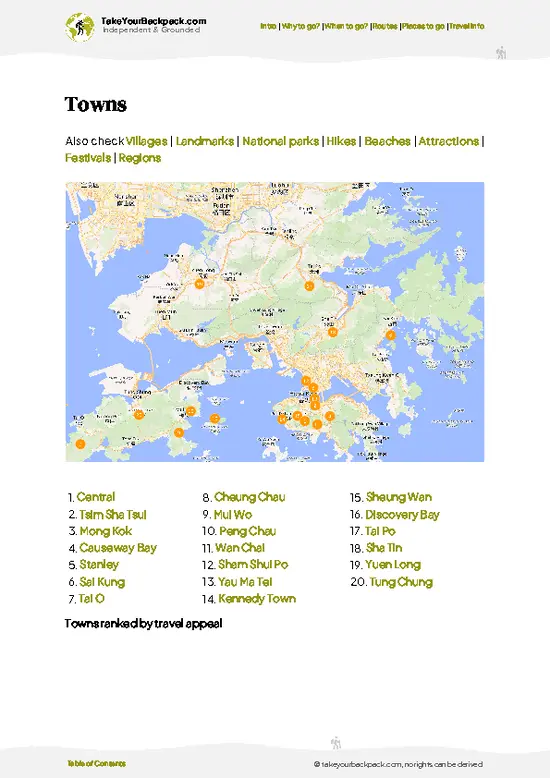
Other Hong Kongese towns near Tsim Sha Tsui

Explore more nearby:

  • Jordan—Local diners, night markets, urban hotels| 1 km away
  • Yau Ma Tei—Temple Street, fruit market, vintage cinema| 1 km away
  • North Point—Wet markets, ferry pier, Hokkien enclave| 2 km away

👉 Discover all towns

Or checkout all Hong Kong has to offer (think cities, towns, villages, national parks, hikes, beaches, festivals)
Country photo of Hong Kong

We 💚 feedbackFinal thoughts on visiting Tsim Sha Tsui

Tsim Sha Tsui pulses with life, especially at night when the neon lights dance off the harbor. The best surprise? Stumbling upon the street food stalls tucked away in alleys; the aroma of grilled skewers and sweet buns is irresistible. But watch out for the crowds—peak hours can feel like a mosh pit. Embrace the chaos, though; it’s part of the charm. Take a moment by the waterfront to soak it all in. You’ll find a rhythm here that’s uniquely Hong Kong.

✍️ Help improve this page!
The information on this page is based on in-depth research, insights shared by experienced travelers, and feedback from the local travel community in Hong Kong. While every effort is made to keep the information accurate and current, conditions can change — so if you spot anything incorrect or outdated, please get in touch.


🙋‍♂️ Give feedback

👋 Meet the founderWho’s Behind Take Your Backpack?

Johan, backpacker and founder of TakeYourBackpackHi, I’m Johan (Netherlands 🇳🇱), the creator of TakeYourBackpack. Over the past decade, I’ve backpacked through 80+ countries across six continents, gaining extensive experience with independent travel, long-term trips, and overland routes.

This site is built on a combination of firsthand travel experience and carefully curated insights from other backpackers. Many guides are based on places I’ve personally visited, while others bring together tips, observations, and practical advice shared by trusted travelers I’ve met along the way.

The goal is to provide realistic, experience-driven guidance — not generic itineraries — so you can explore destinations with better context, clearer expectations, and more confidence.

Get full Hong Kong guide •
Instant download • 99 highlights • Full Offline guide