
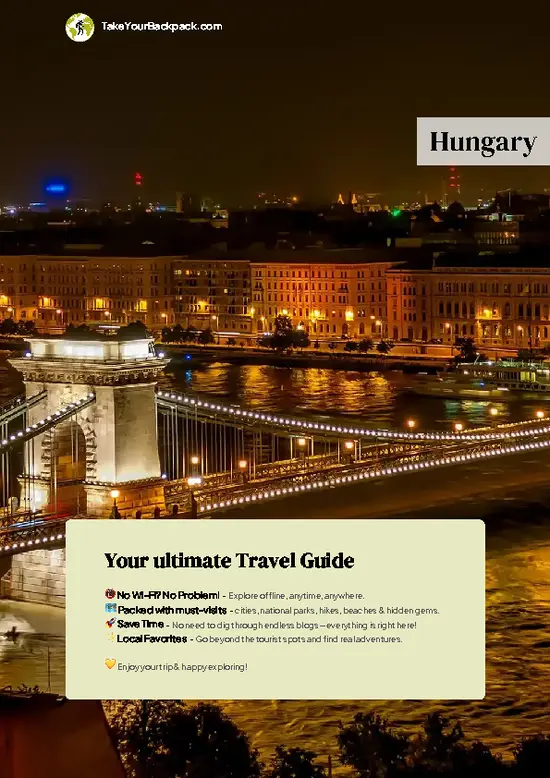

The Iron Curtain and the Tank
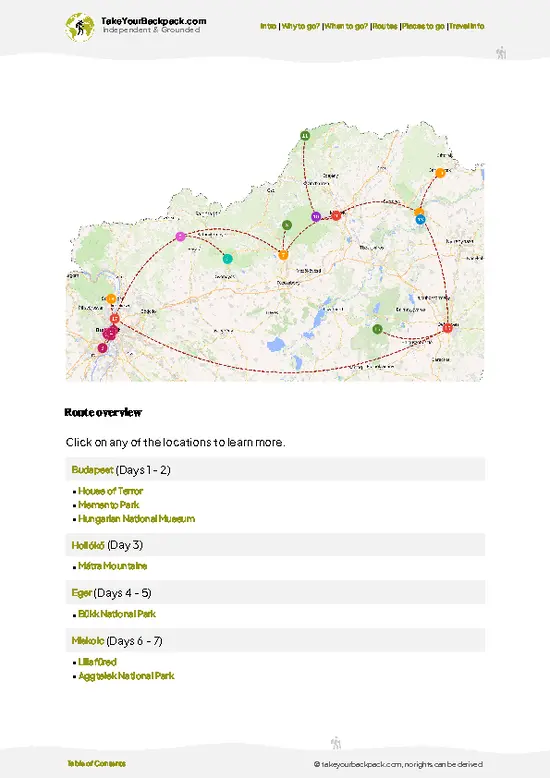
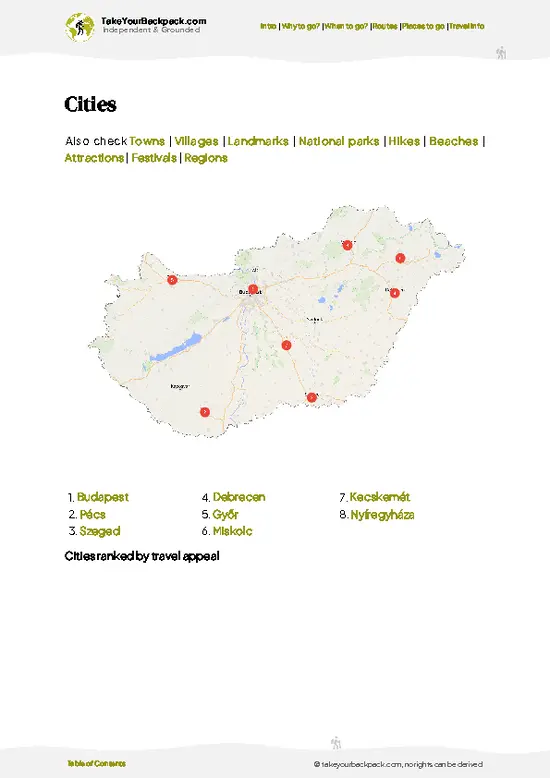
You walk in and the first thing that hits you—literally, if you’re not paying attention—is the Soviet tank looming in the lobby. This isn’t a prop. It’s a blunt, hulking reminder that oppression wasn’t just a chapter in a textbook; it rolled down real streets. The Iron Curtain installation next to it? It’s not subtle. You’re face-to-face with the physical barrier that split Europe, and you can run your hand along the cold metal. No Instagram filter can make this less chilling, or more real.
The Elevator of Doom
Forget haunted houses. The ride down to the basement is a slow, claustrophobic descent into the mechanics of terror. The elevator’s video narration is relentless—no softening, no escape. You’re forced to listen as it details the fate of prisoners who once … read more 👉
The Iron Curtain and the Tank
You walk in and the first thing that hits you—literally, if you’re not paying attention—is the Soviet tank looming in the lobby. This isn’t a prop. It’s a blunt, hulking reminder that oppression wasn’t just a chapter in a textbook; it rolled down real streets. The Iron Curtain installation next to it? It’s not subtle. You’re face-to-face with the physical barrier that split Europe, and you can run your hand along the cold metal. No Instagram filter can make this less chilling, or more real.
The Elevator of Doom
Forget haunted houses. The ride down to the basement is a slow, claustrophobic descent into the mechanics of terror. The elevator’s video narration is relentless—no softening, no escape. You’re forced to listen as it details the fate of prisoners who once rode this same path, but not for a museum visit. It’s not entertainment in the popcorn sense, but it’s unforgettable in the way a punch to the gut is unforgettable. This is the museum’s most theatrical moment, and it earns every second of your attention.
Interrogation Rooms and Prison Cells
The basement isn’t for the faint-hearted. These aren’t movie sets—they’re the actual cells where people were held, interrogated, and sometimes never seen again. The authenticity is brutal. The chipped paint, the echo of footsteps, the heavy doors—every detail is preserved to make you feel the paranoia and fear that defined an era. You can almost hear the silence that must have hung here, thick as concrete.
Wall of Victims
A corridor lined with hundreds of black-and-white portraits. Each face is a story cut short by dictatorship, and the sheer number is overwhelming. This isn’t a history lesson; it’s a confrontation. You can’t breeze past. The wall forces you to slow down, to look people in the eye, and to realize that “victim” isn’t an abstract word. It’s a neighbor, a teacher, a friend.
Propaganda and Surveillance Exhibits
The museum doesn’t just show you the tools of terror—it immerses you in the psychological warfare of the era. Original posters, bugging devices, and secret files are displayed with zero sugarcoating. You see how everyday life was twisted by paranoia and control. The entertainment here is in the raw, voyeuristic thrill of seeing how deep the rabbit hole went. It’s like stepping into a Cold War thriller, except it’s all real.
Sound and Light Installations
This place doesn’t do quiet reverence. The sound design is relentless—marching boots, propaganda speeches, the clank of prison doors. Lighting is harsh, sometimes disorienting, always intentional. It’s immersive in a way that’s more psychological than visual. You don’t just see history; you feel it crawling under your skin.
Spotted a mistake or missing something? Contact us.

Private Budapest City tour with Classic Russian Jeep or G-Wagon!

Budapest City Segway / Sightseeing Tours Buda+Pest

Budapest Historic Downtown Bicycle Tour in small groups

Budapest Party BeerBus Unlimited Beer & City- Private 60Min. Tour

Budapest Private City Tour With a Vintage Russian Jeep

Budapest Private Wheels & Meals Bike Tour

Budapest Small Groups City Segway Tours ( Buda + Pest )

Grand Segway Tour of Budapest - Private Tour with Coffee Stop

Private Sightseeing Tour using Electric Tuk Tuk Ride in Budapest


 Best Backpacking
 Hi, I’m Johan (Netherlands 🇳🇱), the creator of TakeYourBackpack. Over the past 3 decades, I’ve backpacked through 90+ countries across six continents, gaining extensive experience with independent travel, long-term trips, and overland routes.