×

India🇮🇳 | citiesDarjeelingToy train, tea estates, colonial schools | things to do and best time to go

Explore GangtokExplore Srinagar

Backpacking in Darjeeling
🌟 Highlightcity ranked #14
By Johan Kruseman 🇳🇱 | Updated September 23, 2026

Everyone comes to Darjeeling “for the tea,” but the real currency here is time: how slowly you’re willing to move so the place can actually get under your skin. Perched in the Himalayan foothills of northern West Bengal, it’s a compact hill town that feels more like a high-altitude crossroads than a big Indian city. For backpackers, it’s cheap once you’re in, but getting up the mountain costs time and patience. The toy train, the misty walks around Chowrasta, the old colonial schools and monasteries are worth it; the town itself is scruffy, traffic-choked, and less polished than nearby Gangtok, but also more characterful. It’s safe, easy to navigate on foot, and social in a low-key, tea-house way rather than a big-party way.

Discover everything you want to know in the 📖 India Travel Guide.


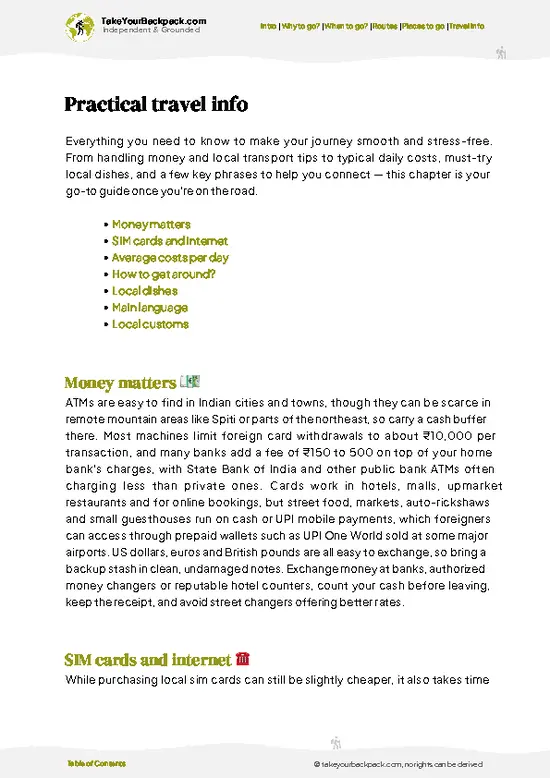
example page 0 from our offline Travel Guide for India
example page 1 from our offline Travel Guide for India
example page 2 from our offline Travel Guide for India
example page 3 from our offline Travel Guide for India
example page 4 from our offline Travel Guide for India
example page 5 from our offline Travel Guide for India
example page 6 from our offline Travel Guide for India
example page 7 from our offline Travel Guide for India
Loading the map 🌍
CLICK TO FILTER
cities
towns
villages
landmarks
national parks
hikes
beaches
attractions
festivals
regions
SHOW COUNTRY’S BESTSHOW ALL

✨ Why go?
Ranked #14 city in India
Why Darjeeling should be on your travel list

Darjeeling is a strategic stop for backpackers weaving through India. It offers a unique blend of highlights and activities that cater to various interests, making it a perfect basecamp for day trips into the surrounding hills. The hostel scene is vibrant and affordable, providing a great way to meet fellow travelers. You’ll find delicious food that ranges from local street stalls to cozy cafes, all within walking distance. The walkability of the city means you can explore its charm without the hassle of transport. As for nightlife, it’s laid-back but lively enough to enjoy a drink or two after a day of trekking. Plus, with easy onward travel options, you can seamlessly continue your journey. Whether you stay for a few days or just a quick stop, Darjeeling offers a rich experience that fits well into any backpacking route.

💡 HighlightsTop highlights of Darjeeling

  1. Chowrasta (The Mall) & Observatory Hill (Mahakal Temple) — The social heart of Darjeeling: a flat promenade for people-watching, street food, and handicrafts, with Observatory Hill’s Mahakal Temple offering a compact mix of Hindu and Buddhist devotion plus decent mountain views on a clear day.
  2. Darjeeling Himalayan Railway (Toy Train) — Darjeeling Station — A living UNESCO heritage: even a short hop on the narrow-gauge train or a visit to the old station gives you the clack-clack rhythm, clever engineering (think loops and spirals), and the chance to see the steam/diesel locos that shaped the town’s identity.
  3. Batasia Loop & Gorkha War Memorial — That spiral in the track is beautiful and practical; the landscaped loop and the neat war memorial below it offer a postcard view of the town with
… read more 👉
  1. Chowrasta (The Mall) & Observatory Hill (Mahakal Temple) — The social heart of Darjeeling: a flat promenade for people-watching, street food, and handicrafts, with Observatory Hill’s Mahakal Temple offering a compact mix of Hindu and Buddhist devotion plus decent mountain views on a clear day.
  2. Darjeeling Himalayan Railway (Toy Train) — Darjeeling Station — A living UNESCO heritage: even a short hop on the narrow-gauge train or a visit to the old station gives you the clack-clack rhythm, clever engineering (think loops and spirals), and the chance to see the steam/diesel locos that shaped the town’s identity.
  3. Batasia Loop & Gorkha War Memorial — That spiral in the track is beautiful and practical; the landscaped loop and the neat war memorial below it offer a postcard view of the town with Kanchenjunga rising behind (best in early morning or late afternoon).
  4. Padmaja Naidu Himalayan Zoological Park — One of the few high-altitude zoos in India where you can see red pandas and snow leopard conservation programs up close; it’s small but focused and actually worth the visit if you care about wildlife and conservation work.
  5. Himalayan Mountaineering Institute (HMI) & Mountaineering Museum — Founded after Everest was first climbed, HMI’s museum has mountaineering gear, historic photos (including Tenzing Norgay-related displays) and an authentic feel of Himalayan climbing’s old-school days.
  6. Happy Valley Tea Estate — A working estate within easy reach of the town where you can watch orthodox tea processing, walk between rows of bushes, and sample proper Darjeeling tea — much more tactile and fragrant than buying packets back home.
  7. Tibetan Refugee Self-Help Centre (Lebong) — Craftspeople producing carpets, thangka paintings and clothing; it’s both a workshop and a social-history lesson about the Tibetan community in Darjeeling, and you can buy directly from makers.
  8. Bhutia Busty Monastery — One of Darjeeling’s older monasteries with a peaceful prayer hall and a small museum; it sits on a slope near the Mall and gives a quieter, more authentic counterpoint to the busier tourist spots.
  9. Japanese Peace Pagoda (North Point) — A compact, photogenic stupa with manicured grounds and wide views south over the valley; it’s calm, easy to reach, and good for a reflective break away from the bustle.
  10. Chowk Bazaar & Market Lanes — Real Darjeeling happens here: local food stalls, Tibetan and Nepali handicrafts, spice shops, and bakeries like Glenary’s nearby. Wander the lanes for street eats, chai, and small-item shopping that actually supports local livelihoods.
A few great day-trip options just outside Darjeeling are Tiger Hill for the sunrise view of Kanchenjunga, the peaceful Lamahatta Eco-park for short hikes and rhododendrons, and the lakeside town of Mirik; my personal favorite to escape the crowds is Lamahatta.
Spotted a mistake or missing something? Contact us.

Things to do in Darjeeling

Ratings based on Tripadvisor reviews. When you book through this link, you support our work at no extra cost to you.

🏘️ NeighborhoodsWhere things are and how it's laid out

Darjeeling offers a unique blend of culture, scenery, and accessibility, making it a prime spot for backpackers. Here’s how the neighborhoods stack up:

Chowrasta: This bustling hub is the heart of Darjeeling. It’s walkable, with shops and cafes lining the streets. Perfect for short stays, you’ll find a mix of budget accommodations. The vibe is lively, especially in the evenings, but it can get crowded.

Mall Road: A bit quieter than Chowrasta, Mall Road is ideal for those who want a scenic stroll. It’s lined with colonial architecture and offers stunning views. Prices here can be slightly higher, but the ambiance is worth it. Great for longer stays, with easy access to transport.

Ghoom: If you seek tranquility, Ghoom is your spot. It’s a bit farther from the main attractions, but the peace … read more 👉
Darjeeling offers a unique blend of culture, scenery, and accessibility, making it a prime spot for backpackers. Here’s how the neighborhoods stack up:

Chowrasta: This bustling hub is the heart of Darjeeling. It’s walkable, with shops and cafes lining the streets. Perfect for short stays, you’ll find a mix of budget accommodations. The vibe is lively, especially in the evenings, but it can get crowded.

Mall Road: A bit quieter than Chowrasta, Mall Road is ideal for those who want a scenic stroll. It’s lined with colonial architecture and offers stunning views. Prices here can be slightly higher, but the ambiance is worth it. Great for longer stays, with easy access to transport.

Ghoom: If you seek tranquility, Ghoom is your spot. It’s a bit farther from the main attractions, but the peace is refreshing. Accommodations are cheaper, and it’s perfect for longer stays. The area is less walkable, so be prepared for some transport.

Lebong: This area offers a mix of local life and stunning views. It’s quieter, making it suitable for those looking to escape the hustle. Prices are reasonable, and it’s a good base for longer stays, though you’ll need to rely on transport for the main sights.

⌛️ 1 dayHow to make the most of one day

Darjeeling, perched high in the Himalayas, is a blend of lush tea gardens, vibrant markets, and stunning views of Kanchenjunga. It’s a place where the air is crisp, and the pace is relaxed, making it perfect for a day of exploration.

Start your morning at the iconic Batasia Loop, a marvel of engineering with panoramic views of the mountains. Arrive early to catch the sunrise; the golden light on the peaks is a sight you won’t forget. Afterward, stroll through the Darjeeling Himalayan Railway Museum nearby, where you can soak in the history of the toy train that chugs through these hills.

As the day unfolds, head to Mall Road. Grab a cup of the famous Darjeeling tea at Keventers, a local eatery buzzing with energy. The breakfast here is hearty, and the views from the terrace are unbeatable. … read more 👉
Darjeeling, perched high in the Himalayas, is a blend of lush tea gardens, vibrant markets, and stunning views of Kanchenjunga. It’s a place where the air is crisp, and the pace is relaxed, making it perfect for a day of exploration.

Start your morning at the iconic Batasia Loop, a marvel of engineering with panoramic views of the mountains. Arrive early to catch the sunrise; the golden light on the peaks is a sight you won’t forget. Afterward, stroll through the Darjeeling Himalayan Railway Museum nearby, where you can soak in the history of the toy train that chugs through these hills.

As the day unfolds, head to Mall Road. Grab a cup of the famous Darjeeling tea at Keventers, a local eatery buzzing with energy. The breakfast here is hearty, and the views from the terrace are unbeatable. Post-breakfast, wander into the Bhutia Busty Monastery. This lesser-known spot offers tranquility and a glimpse into the local Buddhist culture, away from the tourist crowds.

In the afternoon, explore the bustling Chowrasta market. Here, you can pick up unique handicrafts and sample local snacks. As evening approaches, make your way to Observatory Hill. The hike is short but rewarding, and the sunset over the mountains is a perfect way to wrap up your day.

Darjeeling is not just about the sights; it’s about the experiences that linger long after you leave. Embrace the rhythm of the town, and you’ll find that each moment is a treasure.

🌤️ When to go?Best time to visit Darjeeling

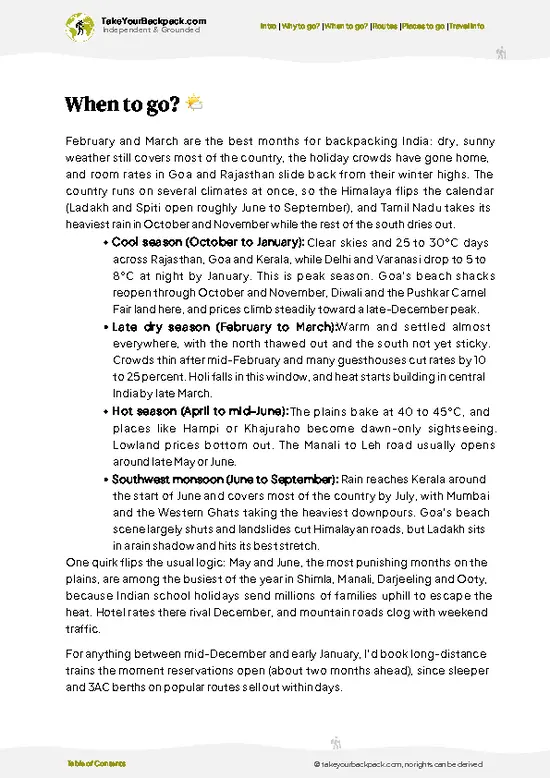
  • Weather: The best window is from March to May and September to November. Spring and autumn bring clear skies and mild conditions, avoiding the heavy monsoon rains that flood June to August and the chill of winter.
  • Temperature: Daytime highs hover around 15-20°C (59-68°F) in the best seasons, perfect for trekking without overheating or freezing. Winters dip to 0-5°C (32-41°F), which can be harsh if you’re not geared up.
  • Daylight Hours: Expect roughly 11-12 hours of daylight during peak seasons, giving you ample time for hikes and sightseeing without rushing.
  • Crowds: Peak tourist influx aligns with spring and autumn festivals, so expect more visitors then. Off-peak months offer solitude but risk unpredictable weather.
  • Seasonal Activities: Spring showcases blooming rhododendrons and tea gardens in
… read more 👉
  • Weather: The best window is from March to May and September to November. Spring and autumn bring clear skies and mild conditions, avoiding the heavy monsoon rains that flood June to August and the chill of winter.
  • Temperature: Daytime highs hover around 15-20°C (59-68°F) in the best seasons, perfect for trekking without overheating or freezing. Winters dip to 0-5°C (32-41°F), which can be harsh if you’re not geared up.
  • Daylight Hours: Expect roughly 11-12 hours of daylight during peak seasons, giving you ample time for hikes and sightseeing without rushing.
  • Crowds: Peak tourist influx aligns with spring and autumn festivals, so expect more visitors then. Off-peak months offer solitude but risk unpredictable weather.
  • Seasonal Activities: Spring showcases blooming rhododendrons and tea gardens in full swing; autumn offers crisp air and clear mountain views, ideal for photography and trekking.
  • Price Fluctuations: Accommodation and transport costs spike during peak seasons and festivals. Off-season travel can save money but may sacrifice comfort and accessibility.
Pro-tip: Aim for late March or early October to balance pleasant weather, manageable crowds, and reasonable prices—this sweet spot turns logistics into your advantage.


source: climatestotravel.comJANJanuary: fair for travelingFEBFebruary: good for travelingMARMarch: excellent for travelingAPRApril: excellent for travelingMAYMay: excellent for travelingJUNJune: below average for travelingJULJuly: below average for travelingAUGAugust: below average for travelingSEPSeptember: excellent for travelingOCTOctober: excellent for travelingNOVNovember: highly recommended for travelingDECDecember: fair for traveling
when-to-go

✈️ The backpacker research shortcutIndia Travel Guide

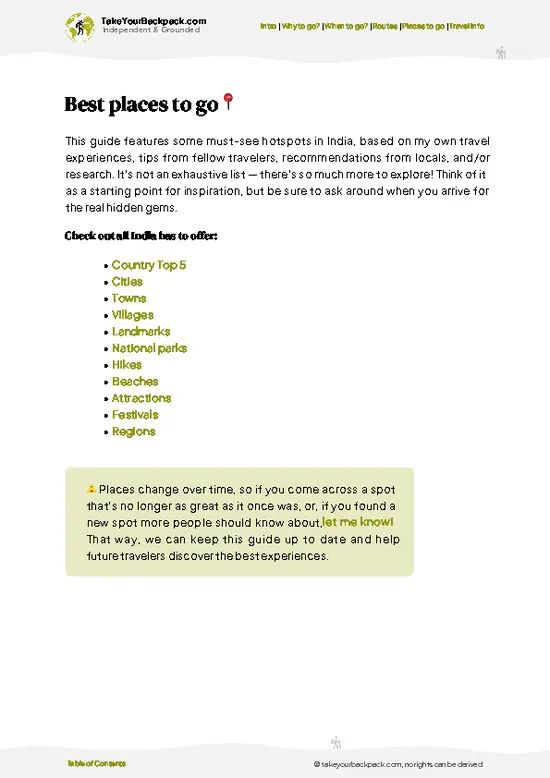
An offline-friendly backpacking guide with optimized travel routes, ranked highlights, transport advice, and the best areas to stay.
example page 0 from our offline Travel Guide for India
example page 1 from our offline Travel Guide for India
example page 2 from our offline Travel Guide for India
example page 3 from our offline Travel Guide for India
example page 4 from our offline Travel Guide for India
example page 5 from our offline Travel Guide for India
example page 6 from our offline Travel Guide for India
example page 7 from our offline Travel Guide for India
The digital guide (483 pages) contains:
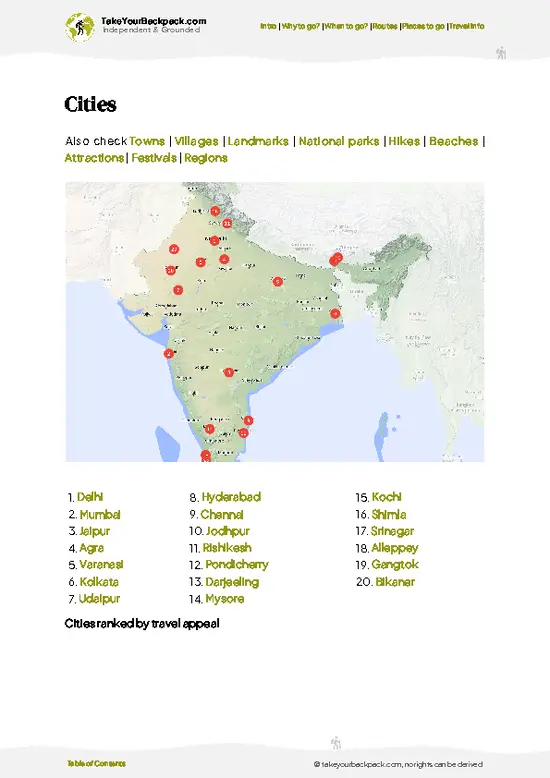
✅ 157 highlights, ranked by travel appeal
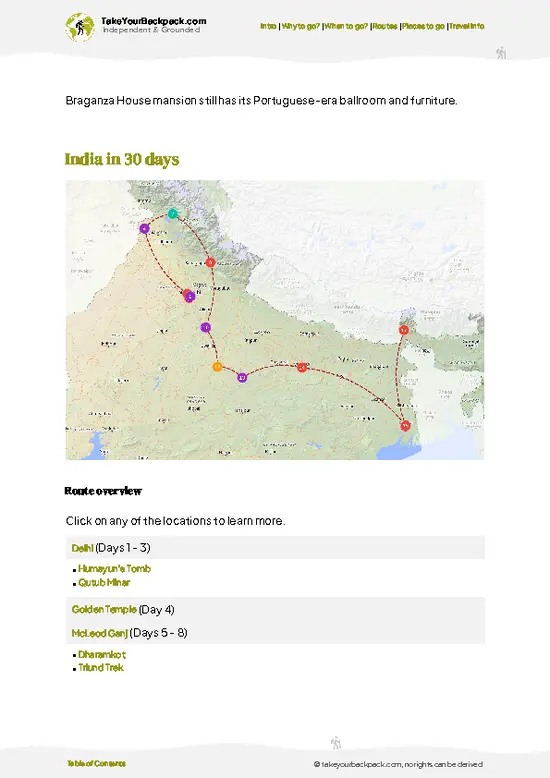
✅ Optimized 14, 21 & 30-day travel routes
✅ Cities, national parks, landmarks, beaches
✅ How to get around
✅ Offline-friendly for travel without Wi-Fi
👉 Click to see all 30+ guide features

📅 Plan smarter in minutes, not weeks
✅ Month by month travel advice
✅ Festivals & national holidays
✅ Budget expectations

🗺️ Go to the right places, skip the overrated ones
✅ Honest pros & cons of destinations
✅ Top hikes, parks & viewpoints
✅ Lesser-known places most travelers miss
✅ Clear “worth it vs skip it” guidance

🛏️ Travel smoothly without rookie mistakes
✅ Best areas to stay
✅ Transport systems explained simply
✅ Common scams & safety advice
✅ SIM cards, money & practical tips

🌍 Understand the country, not just visit it
✅ Culture & traditions
✅ 52 Essential phrases & customs
✅ Festivals worth planning around
✅ Traveler-friendly historical context
✅ Insights that make places more meaningful

📱 Built for real travel conditions
✅ Fully downloadable PDF
✅ Works completely offline
✅ Optimized for phone use
✅ Useful in remote areas & buses
✅ Everything in one place
Stop searching, start planning
Get instant access to your full guide. 30‑day money-back guarantee.
+ Add another guide for just

By proceeding you agree to our terms.
Sent to your inbox immediately after payment • 100% Secure Checkout
Best Backpacking Travel Advisor 2025 tourism awardBest Backpacking
Travel Advisor
2025
What others say about Take Your Backpack Guides:
⭐⭐⭐⭐⭐
Fantastic, amazing amount of information!
⭐⭐⭐⭐⭐
My goodness this is amazing, it's what I've been looking for hats off too you!
⭐⭐⭐⭐⭐
I think this is absolutely BRILLIANT
⭐⭐⭐⭐
Very complete and informative. It's still missing places, but I gotta to commend you
⭐⭐⭐⭐⭐
This is truly amazing, thank you, can't wait to explore it with my kids!
⭐⭐⭐⭐⭐
Awesome resource, thank you!
⭐⭐⭐⭐⭐
This is amazing! Can't wait to explore the ones I haven't seen
⭐⭐⭐⭐
I love this! Well done, great idea.
⭐⭐⭐⭐⭐
Thanks for taking the time to make this gem!
⭐⭐⭐⭐⭐
This might be the best website I've ever seen.
⭐⭐⭐⭐⭐
Congratulations, and thank you so much for your work; it's incredibly valuable.
⭐⭐⭐⭐
In all seriousness I think you did a great job pointing out the important spots
⭐⭐⭐⭐⭐
10/10 very good
⭐⭐⭐⭐⭐
As someone who's only just starting to visit regularly this is awesome, thank you.
⭐⭐⭐⭐
Thank you very much! I'm going to visit my dad, it's going to be very useful!
⭐⭐⭐⭐⭐
This is really cool! We'll be travelling for the first time and this definitely come in handy.
⭐⭐⭐⭐⭐
You are now our minister of culture, congratulations 👨‍💼
⭐⭐⭐⭐⭐
Just wanted to tell you that this is a pearl! Going to follow your recommendations.
⭐⭐⭐⭐⭐
This is so cool. I'll definitely be using the resource for my travels soon.
⭐⭐⭐⭐⭐
This is very impressive! Good work.
⭐⭐⭐⭐⭐
This is an amazing and informative site. Very well done!

🛏️ Where to stay?Choosing the right base

Darjeeling’s best backpacker zones cluster around the Mall Road and the adjacent Chowrasta area. This stretch is the city’s social heartbeat—safe, walkable, and buzzing with fellow travelers. You’ll find a handful of hostels here, which means easy access to communal spaces where solo backpackers swap stories over chai or plan day treks. The vibe is relaxed but lively, a perfect balance for those who want company without the chaos.

Compared to quieter residential pockets like Gandhi Road or the outskirts near the botanical gardens, Mall Road offers more nightlife and street food options, crucial … read more 👉
Darjeeling’s best backpacker zones cluster around the Mall Road and the adjacent Chowrasta area. This stretch is the city’s social heartbeat—safe, walkable, and buzzing with fellow travelers. You’ll find a handful of hostels here, which means easy access to communal spaces where solo backpackers swap stories over chai or plan day treks. The vibe is relaxed but lively, a perfect balance for those who want company without the chaos.

Compared to quieter residential pockets like Gandhi Road or the outskirts near the botanical gardens, Mall Road offers more nightlife and street food options, crucial for budget travelers who want to stretch rupees without sacrificing experience. It’s also the logistical hub—bus stops, taxi stands, and the famous Darjeeling Himalayan Railway station are all within reach, saving time and transport headaches.

If you prioritize comfort and social energy over absolute solitude, this area wins hands down. You trade a bit of peace for connection and convenience, but that’s the sweet spot for most backpackers here.

🚌 Getting aroundHow to get around Darjeeling

Darjeeling moves at its own pace—neither strictly regimented nor wildly unpredictable. It’s a blend of old-school rhythms and mountain-time flexibility. You’ll find buses and taxis that run on a loose schedule, where the clock is more a suggestion than a law. Locals navigate the steep, narrow streets with a practiced ease that feels chaotic to outsiders but is actually a finely tuned dance. For a budget traveler, understanding this flow is key: you’re not just choosing transport; you’re picking how much time, money, and comfort you’re willing to trade for the experience of moving through this hill station’s unique pulse.
  • Shared Jeep Taxis: The backbone of Darjeeling’s transit, these jeeps run from early morning (around 6 AM) until dusk (6-7 PM). Fares hover around ₹20-₹50 depending on distance.
… read more 👉
Darjeeling moves at its own pace—neither strictly regimented nor wildly unpredictable. It’s a blend of old-school rhythms and mountain-time flexibility. You’ll find buses and taxis that run on a loose schedule, where the clock is more a suggestion than a law. Locals navigate the steep, narrow streets with a practiced ease that feels chaotic to outsiders but is actually a finely tuned dance. For a budget traveler, understanding this flow is key: you’re not just choosing transport; you’re picking how much time, money, and comfort you’re willing to trade for the experience of moving through this hill station’s unique pulse.
  • Shared Jeep Taxis: The backbone of Darjeeling’s transit, these jeeps run from early morning (around 6 AM) until dusk (6-7 PM). Fares hover around ₹20-₹50 depending on distance. They’re fast and frequent but can get cramped and bumpy on the winding roads. Ideal if you want to save money and don’t mind sacrificing personal space or a smooth ride.
  • Local Buses: The cheapest option, with fares as low as ₹10-₹20. Buses start early, around 5:30 AM, and run until about 6 PM. They’re slower and less comfortable, often packed, but they offer a raw, authentic slice of local life. Perfect if you’re on a tight budget and have time to spare.
  • Walking: Darjeeling’s compact core rewards those who choose their own pace. Walking costs nothing and lets you absorb the city’s layered textures—from tea stalls to colonial architecture. The trade-off is obvious: slower travel and physical effort, but unmatched immersion and zero expense.
  • Private Taxis: More expensive, typically ₹500-₹1000 per trip depending on distance, but they offer comfort, flexibility, and speed. Available throughout the day and night, they’re your go-to if you value time and ease over cost.

Mastering Darjeeling’s transit is about balancing these trade-offs. Want to save money? Prepare for slower, less comfortable rides. Need to maximize time? Private taxis are your shortcut. Craving immersion? Walk and soak it all in. Each choice shifts your experience, turning logistics into a strategic game where you decide what’s worth your investment.

👛 Costs (as of 23 September 2026)Travel costs and budget guide for Darjeeling

Backpacking in Darjeeling means balancing charm with practical costs, and knowing where your money goes helps you play the trip smart.
  • Dorm Accommodation (High Season): Expect to pay around $8 to $12 per night. This is when Darjeeling fills up with tourists, so prices spike slightly for basic dorm beds in guesthouses or hostels.
  • Dorm Accommodation (Off-Season): Drop to about $5 to $7 per night. Fewer travelers mean better deals, but some places may close or reduce services, so choose wisely.
  • Meals: Street food and local eateries will cost you roughly $3 to $6 per day if you stick to simple, filling options like momos, thukpa, and chai. Splurge on a café meal, and it can jump to $8 or more.
  • Local Transport: Shared jeeps and taxis for short hops around town usually run $0.30 to $1 per ride.
… read more 👉
Backpacking in Darjeeling means balancing charm with practical costs, and knowing where your money goes helps you play the trip smart.
  • Dorm Accommodation (High Season): Expect to pay around $8 to $12 per night. This is when Darjeeling fills up with tourists, so prices spike slightly for basic dorm beds in guesthouses or hostels.
  • Dorm Accommodation (Off-Season): Drop to about $5 to $7 per night. Fewer travelers mean better deals, but some places may close or reduce services, so choose wisely.
  • Meals: Street food and local eateries will cost you roughly $3 to $6 per day if you stick to simple, filling options like momos, thukpa, and chai. Splurge on a café meal, and it can jump to $8 or more.
  • Local Transport: Shared jeeps and taxis for short hops around town usually run $0.30 to $1 per ride. It’s cheap but expect some crowding and irregular schedules.
  • City Transport Pass: Darjeeling doesn’t have a formal city transport pass system. Budget around $2 to $4 daily if you rely on multiple shared rides or taxis.
  • Basic Activities/Entry Fees: Visiting tea gardens, the Himalayan Mountaineering Institute, or the Padmaja Naidu Himalayan Zoological Park typically costs between $1 and $3 per site. These modest fees add up but are worth it for the experience.
  • Miscellaneous Expenses: Include bottled water, snacks, occasional tips, or small souvenirs, budgeting about $2 to $5 daily. Darjeeling’s markets offer plenty of tempting buys, but keep your eyes on the prize.

All told, a realistic daily budget for backpacking in Darjeeling ranges from about $15 on a strict budget during off-season to $30 if you lean into more comfort or high-season pricing. Knowing these trade-offs lets you decide where to save and where to indulge, turning your trip into a well-played strategy rather than a guessing game.


source: wbtourism.gov.in
⚠️ Prices can change and everyone travels differently, so take this as a rough guide. Hope it helps you plan your adventure!

🚌 Day tripsExploring the surroundings

Darjeeling serves as a fantastic launchpad for day trips that blend adventure with cultural immersion. Here are some standout options that make the most of your time and budget.

Tiger Hill Sunrise
Waking up before dawn to catch the sunrise at Tiger Hill is a rite of passage. The view of Kanchenjunga bathed in golden light is worth the early start. It’s a short 30-minute drive from Darjeeling, but be prepared for a bumpy ride. Expect to spend around ₹300 for transportation and entry fees. The best time to go is between October and March when the skies are clear. A common mistake? Underestimating how cold it gets at that hour—bring layers!


Batasia Loop
Just a quick 10-minute ride from Darjeeling, the Batasia Loop offers a stunning view of the surrounding hills and a charming garden. The … read more 👉
Darjeeling serves as a fantastic launchpad for day trips that blend adventure with cultural immersion. Here are some standout options that make the most of your time and budget.

Tiger Hill Sunrise
Waking up before dawn to catch the sunrise at Tiger Hill is a rite of passage. The view of Kanchenjunga bathed in golden light is worth the early start. It’s a short 30-minute drive from Darjeeling, but be prepared for a bumpy ride. Expect to spend around ₹300 for transportation and entry fees. The best time to go is between October and March when the skies are clear. A common mistake? Underestimating how cold it gets at that hour—bring layers!


Batasia Loop
Just a quick 10-minute ride from Darjeeling, the Batasia Loop offers a stunning view of the surrounding hills and a charming garden. The loop itself is a marvel of engineering, where the toy train spirals around a hill. Entry is free, but you might want to grab a snack from a local vendor. This trip is best enjoyed in the late afternoon when the light softens. Many first-timers rush through; take your time to soak in the scenery.


Ghoom Monastery
A 15-minute ride from Darjeeling, Ghoom Monastery is one of the oldest in the region. The massive statue of Maitreya Buddha is a sight to behold, and the tranquil atmosphere invites reflection. Entry is free, but consider a small donation. Visit in the morning to catch the monks in prayer. A common oversight is not checking the opening hours; they can be unpredictable.


Mirik Lake
About an hour’s drive from Darjeeling, Mirik Lake is perfect for a peaceful day out. You can stroll around the lake, rent a paddleboat, or simply enjoy the lush surroundings. Expect to spend around ₹600 for transport and activities. The best months to visit are April to June, when the flowers are in bloom. Many backpackers overlook this spot, thinking it’s too far, but the journey is part of the charm.


Kalimpong
Roughly 2 hours away, Kalimpong offers a mix of vibrant markets and stunning views. The drive is scenic, with plenty of photo ops along the way. Budget around ₹800 for transport. Visit during the spring for the best weather and blooming flowers. A common mistake is trying to cram too much into one day; take your time to explore the local culture.
👉 Explore Kalimpong

🍲 FoodWhat to Eat & Drink

In Darjeeling, food is a vibrant tapestry of flavors, reflecting its rich cultural blend. Start with momos, those delightful dumplings filled with spiced vegetables or meat, often served with a tangy dipping sauce. Street vendors dish them out hot, and the aroma alone is enough to draw you in.

Don’t miss the thukpa, a hearty noodle soup that warms you from the inside out, perfect after a day of trekking. You’ll find it in bustling markets, where locals gather, creating a lively atmosphere.

For drinks, the world-renowned Darjeeling tea is a must. Sip it in a local café, where the leaves are steeped to perfection, and the chatter of fellow travelers fills the air.

Etiquette is relaxed; sharing food is common, and don’t be surprised if someone offers you a taste of their dish. Embrace the … read more 👉
In Darjeeling, food is a vibrant tapestry of flavors, reflecting its rich cultural blend. Start with momos, those delightful dumplings filled with spiced vegetables or meat, often served with a tangy dipping sauce. Street vendors dish them out hot, and the aroma alone is enough to draw you in.

Don’t miss the thukpa, a hearty noodle soup that warms you from the inside out, perfect after a day of trekking. You’ll find it in bustling markets, where locals gather, creating a lively atmosphere.

For drinks, the world-renowned Darjeeling tea is a must. Sip it in a local café, where the leaves are steeped to perfection, and the chatter of fellow travelers fills the air.

Etiquette is relaxed; sharing food is common, and don’t be surprised if someone offers you a taste of their dish. Embrace the communal spirit, and let the flavors of Darjeeling linger long after your visit.

🛡️ SafetyTraveler Safety Guide

In Darjeeling, safety is generally solid, but a few areas warrant extra awareness. Stick to well-lit streets after dark, especially around the mall and busy markets. Solo travelers should embrace the local vibe but remain alert in quieter spots.

Scams are rare, yet some touts may approach you with overly friendly offers. A polite but firm “no thanks” usually suffices. Everyday annoyances include the occasional aggressive hawker or the persistent call of “taxi, taxi” — just keep walking and maintain your focus.

Carry a small amount of cash for local purchases, and use a secure bag for your valuables. With a bit of mindfulness, you’ll navigate Darjeeling like a pro.

FAQFrequently asked questions about Darjeeling

3 to 4 days are sufficient to explore Darjeeling. This allows time to visit key attractions like Tiger Hill, the Darjeeling Himalayan Railway, and the tea gardens. Extra days may be needed for trekking or nearby excursions.
Yes, Darjeeling is generally safe for solo backpackers. The town has a friendly local community and a moderate tourist presence, but standard precautions like avoiding isolated areas at night are advised. Solo travelers often find affordable guesthouses starting around 500 INR per night.
Darjeeling is known for its tea plantations and the UNESCO-listed Darjeeling Himalayan Railway. It is also famous for panoramic views of the Himalayas, including Mount Kanchenjunga, and its colonial-era architecture.
⚠️ Things can change over time, so always validate details locally before you go.

Other Indian cities near Darjeeling

Explore more nearby:

  • Gangtok—Monastery views, MG Marg, Himalayan backdrop| 47 km away
  • Patna—Ganga riverfront, Buddhist sites, colonial remains| 350 km away
  • Guwahati—Brahmaputra river, hilltop temples, tea auctions| 360 km away

💡 Not sure where to go next?
Create a personalized itinerary for India including Darjeeling and the places that fit your trip.

Generate my itinerary

👉 Discover all cities

Or checkout all India has to offer (think cities, towns, villages, national parks, hikes, beaches, festivals)
Country photo of India

We 💚 feedbackWhat to keep in mind

Darjeeling’s tea gardens are a sensory delight—each sip of local brew feels like a warm hug. But be ready for the altitude; it can knock the wind out of you if you’re not acclimatized. Embrace the slow pace and let the mountains work their magic, but don’t underestimate the need for some downtime to adjust. It’s all part of the adventure.

✈️ When did I visit India?
As part of my 1.5 year travel around the world trip, I visited India in December 2015.

✍️ Help improve this page!
The information on this page is based on my own backpacking experience in India, supplemented with up-to-date research and feedback from other travelers. Travel details can change, so if you notice anything outdated or incomplete, feel free to let me know.


🙋‍♂️ Give feedback

👋 Meet the founderWho’s Behind Take Your Backpack?

Johan, backpacker and founder of TakeYourBackpackHi, I’m Johan (Netherlands 🇳🇱), the creator of TakeYourBackpack. Over the past 3 decades, I’ve backpacked through 90+ countries across six continents, gaining extensive experience with independent travel, long-term trips, and overland routes.

This site is built on a combination of firsthand travel experience and carefully curated insights from other backpackers. Many guides are based on places I’ve personally visited, while others bring together tips, observations, and practical advice shared by trusted travelers I’ve met along the way.

The goal is to provide realistic, experience-driven guidance — not generic itineraries — so you can explore destinations with better context, clearer expectations, and more confidence.