×

India🇮🇳 | citiesGangtokMonastery views, MG Marg, Himalayan backdrop | things to do and best time to go

Explore AizawlExplore Darjeeling

Backpacking in Gangtok
👍 Recommendedcity ranked #20
By Johan Kruseman 🇳🇱 | Updated September 23, 2026

Most people realize too late that Gangtok is the perfect “altitude basecamp”: high enough for Himalayan drama, low enough that you can still sleep, eat, and move around without suffering. It sits in northeast India, in the state of Sikkim, strung along a ridge facing snow peaks. For backpackers, it’s a trade: calmer and cleaner than Darjeeling, pricier than most of India, and slower to move around thanks to permits and winding roads. MG Marg is your social hub, with cafés, momo joints, and easy conversations with other travelers; monasteries like Rumtek and Enchey give the city real spiritual weight rather than Instagram set dressing. Nightlife is mild, dogs bark all night, and shared jeeps can be cramped, but I keep coming back because it feels like a small mountain capital where you can actually catch your breath before pushing deeper into Sikkim.

Discover everything you want to know in the 📖 India Travel Guide.


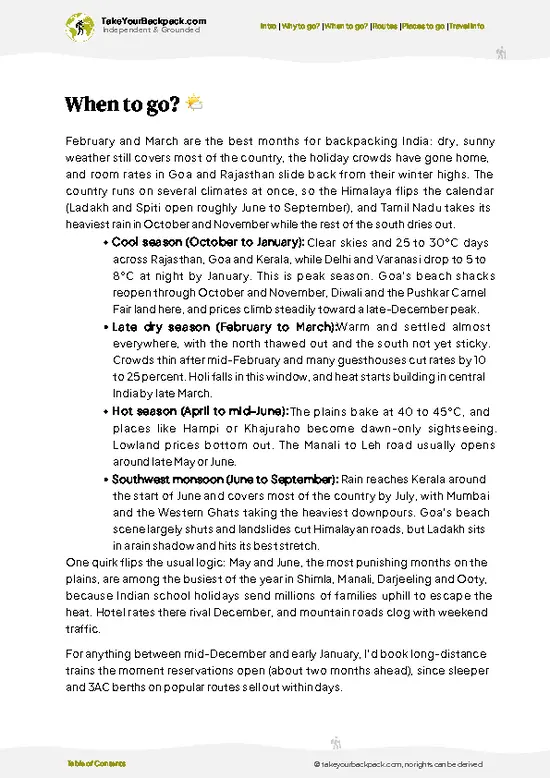
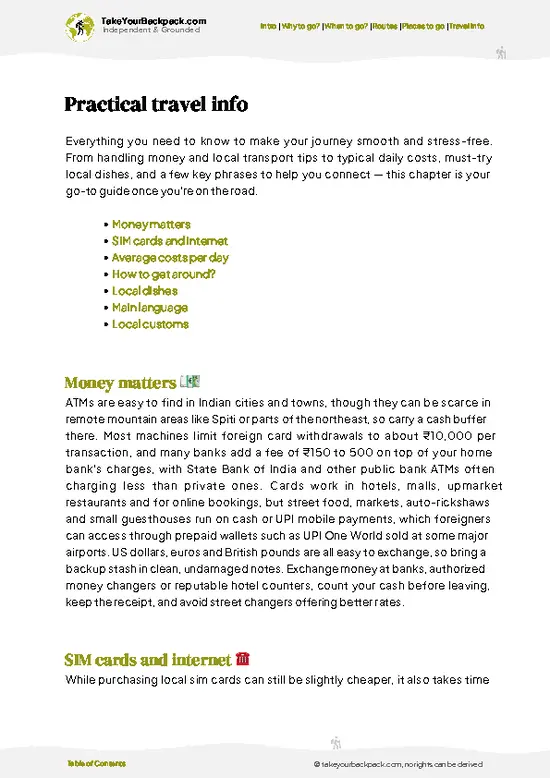
example page 0 from our offline Travel Guide for India
example page 1 from our offline Travel Guide for India
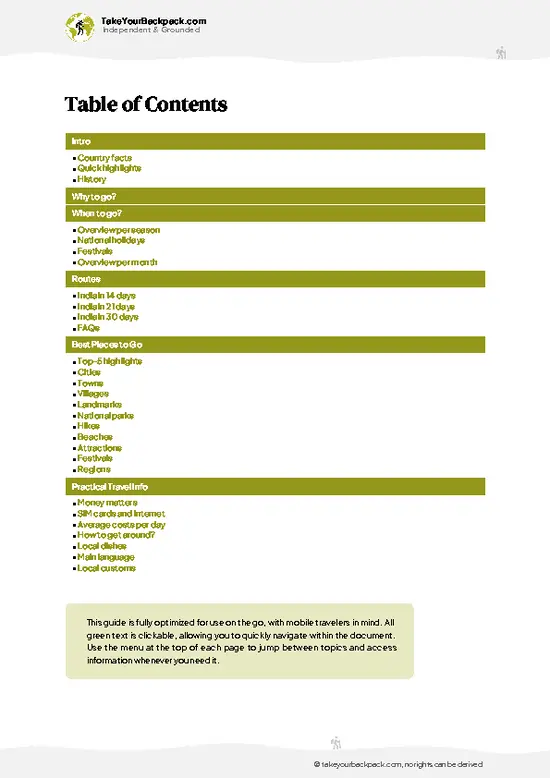
example page 2 from our offline Travel Guide for India
example page 3 from our offline Travel Guide for India
example page 4 from our offline Travel Guide for India
example page 5 from our offline Travel Guide for India
example page 6 from our offline Travel Guide for India
example page 7 from our offline Travel Guide for India
Loading the map 🌍
CLICK TO FILTER
cities
towns
villages
landmarks
national parks
hikes
beaches
attractions
festivals
regions
SHOW COUNTRY’S BESTSHOW ALL

✨ Why go?
Ranked #20 city in India
Why Gangtok should be on your travel list

Gangtok is a strategic hub for backpackers, balancing affordability and comfort. Its hostels cater to budget travelers, offering a social atmosphere that sparks connections. The city’s walkability makes it easy to explore local markets and eateries, where you can savor authentic Sikkimese cuisine without breaking the bank. As a basecamp for day trips, it opens doors to stunning landscapes and cultural experiences, making it a launchpad for adventure. While the nightlife is laid-back, it’s enough to unwind after a day of exploration. If you’re seeking a blend of convenience and character, Gangtok is worth your time.

💡 HighlightsDon't-miss highlights and experiences

  • MG Marg — Gangtok’s pedestrian heart: cafés, shops, street performers and people-watching that give you the city’s vibe in one long stroll, best after sunset when the lights and chatter take over.
  • Namgyal Institute of Tibetology — A compact but rich museum and research centre with rare thangka paintings, old Tibetan manuscripts and a calm garden; great for context on Sikkim’s Buddhist culture.
  • Enchey Monastery — A living Nyingma monastery perched above the town; colorful frescoes, morning prayers if you time it right, and an intimate feel unlike busier pilgrimage sites.
  • Do Drul Chorten (Dorjee Chorten) — The big white stupa next to Enchey, ringed with prayer wheels and small shrines — a central spiritual spot where you can watch locals doing their rounds and rituals.
  • Ridge Park & Flower
… read more 👉
  • MG Marg — Gangtok’s pedestrian heart: cafés, shops, street performers and people-watching that give you the city’s vibe in one long stroll, best after sunset when the lights and chatter take over.
  • Namgyal Institute of Tibetology — A compact but rich museum and research centre with rare thangka paintings, old Tibetan manuscripts and a calm garden; great for context on Sikkim’s Buddhist culture.
  • Enchey Monastery — A living Nyingma monastery perched above the town; colorful frescoes, morning prayers if you time it right, and an intimate feel unlike busier pilgrimage sites.
  • Do Drul Chorten (Dorjee Chorten) — The big white stupa next to Enchey, ringed with prayer wheels and small shrines — a central spiritual spot where you can watch locals doing their rounds and rituals.
  • Ridge Park & Flower Exhibition Centre — Tiny landscaped gardens and seasonal flower shows with great views over town; a relaxing short stop that’s surprisingly photogenic and full of locals on weekends.
  • Gangtok Ropeway — A short cable-car ride over the city valleys; not a long trip, but it gives a different perspective of Gangtok’s terraces and is a fun, budget-friendly experience.
  • Ganesh Tok — A small hilltop temple with sweeping panoramas of Gangtok and the surrounding ridges — walkable from the town core if you like short uphill hikes with views as the payoff.
  • Hanuman Tok — A peaceful temple dedicated to Hanuman with clean outlooks toward the mountains; quieter than the main market areas and a good spot for sunset if you don’t want crowds.
  • Government Handloom & Handicraft Centre (Emporium) — See artisans at work and buy authentic Sikkimese and Tibetan-style handicrafts without the tourist markup; useful for ethical souvenirs and conversation with makers.
  • Tibetan Refugee Self-Help Centre (TRSHC) — A community-run centre where refugees produce carpets, crafts and artworks; visiting supports livelihoods and you’ll learn first-hand about Tibetan life in exile.
A few great day trips just outside Gangtok: Tsomgo (Changu) Lake, Rumtek Monastery and Banjhakri Falls — Rumtek Monastery is my personal favorite for its atmosphere and architecture.
Spotted a mistake or missing something? Contact us.

Things to do around Gangtok

Ratings based on Tripadvisor reviews. When you book through this link, you support our work at no extra cost to you.

🏘️ NeighborhoodsKey areas and districts to know

Gangtok offers a unique blend of culture and adventure, making it a prime spot for backpackers. Here’s how the neighborhoods stack up:

MG Road: The heart of Gangtok, buzzing with shops and eateries. It’s walkable and perfect for short stays. Expect a lively vibe with plenty of nightlife options, but it can get noisy.

Deorali: A quieter area with stunning views and local charm. It’s less touristy, making it ideal for longer stays. Transport links are decent, but you’ll need to walk a bit to reach the main attractions.

Tadong: A residential neighborhood that offers a more authentic experience. It’s affordable and peaceful, perfect for those looking to escape the hustle. Walkability is moderate, and it’s best for longer stays.

Upper Sichey: A bit further out, but the tranquility is worth … read more 👉
Gangtok offers a unique blend of culture and adventure, making it a prime spot for backpackers. Here’s how the neighborhoods stack up:

MG Road: The heart of Gangtok, buzzing with shops and eateries. It’s walkable and perfect for short stays. Expect a lively vibe with plenty of nightlife options, but it can get noisy.

Deorali: A quieter area with stunning views and local charm. It’s less touristy, making it ideal for longer stays. Transport links are decent, but you’ll need to walk a bit to reach the main attractions.

Tadong: A residential neighborhood that offers a more authentic experience. It’s affordable and peaceful, perfect for those looking to escape the hustle. Walkability is moderate, and it’s best for longer stays.

Upper Sichey: A bit further out, but the tranquility is worth it. Great for nature lovers and those seeking solitude. Public transport is available, but you’ll need to plan ahead.

⌛️ 1 daySeeing the highlights in 24 hours

Gangtok, the capital of Sikkim, is a vibrant blend of culture and nature, perched high in the Himalayas. The crisp mountain air and stunning views make it a perfect spot for a day of exploration.

Start your morning at the bustling Lal Market. Grab a steaming cup of chai and some local momos from a street vendor. The energy here is infectious, and it’s a great way to soak in the local vibe. Afterward, head to the Enchey Monastery, a serene spot that offers a glimpse into the spiritual heart of the city. The views from here are breathtaking, so take a moment to breathe it all in.

In the afternoon, stroll through the peaceful MG Road, lined with shops and cafes. Stop by the Namgyal Institute of Tibetology, a lesser-known gem that dives deep into Tibetan culture. The intricate artifacts and … read more 👉
Gangtok, the capital of Sikkim, is a vibrant blend of culture and nature, perched high in the Himalayas. The crisp mountain air and stunning views make it a perfect spot for a day of exploration.

Start your morning at the bustling Lal Market. Grab a steaming cup of chai and some local momos from a street vendor. The energy here is infectious, and it’s a great way to soak in the local vibe. Afterward, head to the Enchey Monastery, a serene spot that offers a glimpse into the spiritual heart of the city. The views from here are breathtaking, so take a moment to breathe it all in.

In the afternoon, stroll through the peaceful MG Road, lined with shops and cafes. Stop by the Namgyal Institute of Tibetology, a lesser-known gem that dives deep into Tibetan culture. The intricate artifacts and tranquil gardens are worth your time.

As evening falls, make your way to the Tashi View Point. It’s a bit of a trek, but the sunset over Kanchenjunga is a sight you won’t forget. Wrap up your day with dinner at a local eatery, savoring traditional Sikkimese dishes. You’ll leave Gangtok feeling enriched, having tasted its essence in just one day.

🌤️ When to go?Seasonal considerations and timing

  • Topic: Weather - The best window is late March to early June and September to November. These months dodge the heavy monsoon rains that flood trails and dampen spirits. Expect clear skies and manageable humidity.
  • Topic: Temperature - Spring and autumn offer mild temps, roughly 15-25°C (59-77°F), perfect for hiking without overheating or freezing. Winter dips below 5°C (41°F), which can be harsh without gear.
  • Topic: Daylight Hours - Around 11-12 hours of daylight in peak seasons, giving you ample time to explore without rushing or relying on headlamps.
  • Topic: Crowds - Peak tourist influx hits summer and festival periods, especially October. Off-peak months like December see fewer travelers but colder weather.
  • Topic: Seasonal Activities - Spring blooms and autumn festivals (like the vibrant
… read more 👉
  • Topic: Weather - The best window is late March to early June and September to November. These months dodge the heavy monsoon rains that flood trails and dampen spirits. Expect clear skies and manageable humidity.
  • Topic: Temperature - Spring and autumn offer mild temps, roughly 15-25°C (59-77°F), perfect for hiking without overheating or freezing. Winter dips below 5°C (41°F), which can be harsh without gear.
  • Topic: Daylight Hours - Around 11-12 hours of daylight in peak seasons, giving you ample time to explore without rushing or relying on headlamps.
  • Topic: Crowds - Peak tourist influx hits summer and festival periods, especially October. Off-peak months like December see fewer travelers but colder weather.
  • Topic: Seasonal Activities - Spring blooms and autumn festivals (like the vibrant Dasain) add cultural layers to your trek, enhancing the experience beyond just scenery.
  • Topic: Price Fluctuations - Accommodation and transport costs spike during peak season and festivals. Shoulder seasons offer better deals without sacrificing comfort or access.
Pro-tip: Aim for shoulder seasons to balance weather, crowd size, and cost—this is where you get the smartest bang for your backpacking buck in Gangtok.


source: climatestotravel.comJANJanuary: fair for travelingFEBFebruary: good for travelingMARMarch: highly recommended for travelingAPRApril: excellent for travelingMAYMay: excellent for travelingJUNJune: good for travelingJULJuly: below average for travelingAUGAugust: below average for travelingSEPSeptember: highly recommended for travelingOCTOctober: excellent for travelingNOVNovember: highly recommended for travelingDECDecember: fair for traveling
when-to-go

✈️ The backpacker research shortcutIndia Travel Guide

An offline-friendly backpacking guide with optimized travel routes, ranked highlights, transport advice, and the best areas to stay.
example page 0 from our offline Travel Guide for India
example page 1 from our offline Travel Guide for India
example page 2 from our offline Travel Guide for India
example page 3 from our offline Travel Guide for India
example page 4 from our offline Travel Guide for India
example page 5 from our offline Travel Guide for India
example page 6 from our offline Travel Guide for India
example page 7 from our offline Travel Guide for India
The digital guide (483 pages) contains:
✅ 157 highlights, ranked by travel appeal
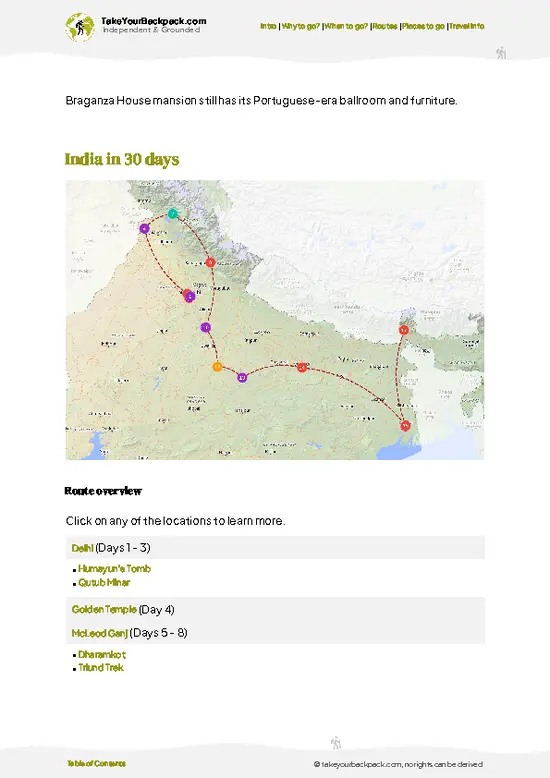
✅ Optimized 14, 21 & 30-day travel routes
✅ Cities, national parks, landmarks, beaches
✅ How to get around
✅ Offline-friendly for travel without Wi-Fi
👉 Click to see all 30+ guide features

📅 Plan smarter in minutes, not weeks
✅ Month by month travel advice
✅ Festivals & national holidays
✅ Budget expectations

🗺️ Go to the right places, skip the overrated ones
✅ Honest pros & cons of destinations
✅ Top hikes, parks & viewpoints
✅ Lesser-known places most travelers miss
✅ Clear “worth it vs skip it” guidance

🛏️ Travel smoothly without rookie mistakes
✅ Best areas to stay
✅ Transport systems explained simply
✅ Common scams & safety advice
✅ SIM cards, money & practical tips

🌍 Understand the country, not just visit it
✅ Culture & traditions
✅ 52 Essential phrases & customs
✅ Festivals worth planning around
✅ Traveler-friendly historical context
✅ Insights that make places more meaningful

📱 Built for real travel conditions
✅ Fully downloadable PDF
✅ Works completely offline
✅ Optimized for phone use
✅ Useful in remote areas & buses
✅ Everything in one place
Stop searching, start planning
Get instant access to your full guide. 30‑day money-back guarantee.
+ Add another guide for just

By proceeding you agree to our terms.
Sent to your inbox immediately after payment • 100% Secure Checkout
Best Backpacking Travel Advisor 2025 tourism awardBest Backpacking
Travel Advisor
2025
What others say about Take Your Backpack Guides:
⭐⭐⭐⭐⭐
Fantastic, amazing amount of information!
⭐⭐⭐⭐⭐
My goodness this is amazing, it's what I've been looking for hats off too you!
⭐⭐⭐⭐⭐
I think this is absolutely BRILLIANT
⭐⭐⭐⭐
Very complete and informative. It's still missing places, but I gotta to commend you
⭐⭐⭐⭐⭐
This is truly amazing, thank you, can't wait to explore it with my kids!
⭐⭐⭐⭐⭐
Awesome resource, thank you!
⭐⭐⭐⭐⭐
This is amazing! Can't wait to explore the ones I haven't seen
⭐⭐⭐⭐
I love this! Well done, great idea.
⭐⭐⭐⭐⭐
Thanks for taking the time to make this gem!
⭐⭐⭐⭐⭐
This might be the best website I've ever seen.
⭐⭐⭐⭐⭐
Congratulations, and thank you so much for your work; it's incredibly valuable.
⭐⭐⭐⭐
In all seriousness I think you did a great job pointing out the important spots
⭐⭐⭐⭐⭐
10/10 very good
⭐⭐⭐⭐⭐
As someone who's only just starting to visit regularly this is awesome, thank you.
⭐⭐⭐⭐
Thank you very much! I'm going to visit my dad, it's going to be very useful!
⭐⭐⭐⭐⭐
This is really cool! We'll be travelling for the first time and this definitely come in handy.
⭐⭐⭐⭐⭐
You are now our minister of culture, congratulations 👨‍💼
⭐⭐⭐⭐⭐
Just wanted to tell you that this is a pearl! Going to follow your recommendations.
⭐⭐⭐⭐⭐
This is so cool. I'll definitely be using the resource for my travels soon.
⭐⭐⭐⭐⭐
This is very impressive! Good work.
⭐⭐⭐⭐⭐
This is an amazing and informative site. Very well done!

🛏️ Where to stay?Choosing the right base

In Gangtok, the sweet spot for backpackers is the area around MG Road and the nearby Deorali neighborhood. MG Road is the city’s social spine—safe, walkable, and buzzing with cafes, shops, and street food stalls that make it easy to meet fellow travelers without the tourist overload. Hostels cluster here, offering budget-friendly beds with a lively, communal vibe perfect for solo adventurers. Deorali, just a short walk uphill, trades some of that bustle for a quieter, more local feel, but still keeps you close to essentials and transport links. Compared to the more residential or isolated parts … read more 👉
In Gangtok, the sweet spot for backpackers is the area around MG Road and the nearby Deorali neighborhood. MG Road is the city’s social spine—safe, walkable, and buzzing with cafes, shops, and street food stalls that make it easy to meet fellow travelers without the tourist overload. Hostels cluster here, offering budget-friendly beds with a lively, communal vibe perfect for solo adventurers. Deorali, just a short walk uphill, trades some of that bustle for a quieter, more local feel, but still keeps you close to essentials and transport links. Compared to the more residential or isolated parts of Gangtok, these areas strike the best balance between comfort, cost, and connection—letting you dive into the city’s rhythm without sacrificing your wallet or peace of mind.

🚌 Getting aroundGetting around like a local

Gangtok moves at its own rhythm—neither a frantic rush nor a laid-back drift. It’s a city where schedules exist but bend to the mountain’s pace, where you’ll find a mix of orderly bus stops and spontaneous shared rides. The flow here is a dance between patience and pragmatism, perfect for travelers who want to squeeze value without surrendering comfort. Understanding how to navigate this balance is your secret weapon.
  • Walking: The most reliable and free way to explore Gangtok’s compact core. Streets can be steep and uneven, so wear sturdy shoes. Walking lets you soak in local life, but expect slow progress if you’re covering hills or heading to outskirts.
  • Shared Taxis: These are the backbone of local transit—cheap (around ₹20-50 per ride), frequent, and flexible. They run from early morning
… read more 👉
Gangtok moves at its own rhythm—neither a frantic rush nor a laid-back drift. It’s a city where schedules exist but bend to the mountain’s pace, where you’ll find a mix of orderly bus stops and spontaneous shared rides. The flow here is a dance between patience and pragmatism, perfect for travelers who want to squeeze value without surrendering comfort. Understanding how to navigate this balance is your secret weapon.
  • Walking: The most reliable and free way to explore Gangtok’s compact core. Streets can be steep and uneven, so wear sturdy shoes. Walking lets you soak in local life, but expect slow progress if you’re covering hills or heading to outskirts.
  • Shared Taxis: These are the backbone of local transit—cheap (around ₹20-50 per ride), frequent, and flexible. They run from early morning until about 8 PM. Comfort varies; expect cramped seats and occasional stops, but they’re fast and get you where buses don’t.
  • City Buses: Scheduled but not always punctual, buses cost ₹10-30 and cover main routes. They’re slower than taxis but more comfortable and reliable for longer distances. First buses start around 6 AM, last ones by 7 PM.
  • Private Taxis: More expensive (₹300+ per trip), these offer door-to-door comfort and speed. Ideal if you’re short on time or traveling with gear. Negotiate fares upfront; they’re available all day but less common late at night.

Mastering these options means choosing your trade-offs: save time with private taxis, save money with shared rides, or save money and gain freedom on foot. Each choice shapes your experience—know what you’re giving up to get what you want.

👛 Costs (as of 23 September 2026)How expensive it really is

Gangtok, perched in the eastern Himalayas, offers a backpacking experience where your spending choices directly shape your adventure’s pace and comfort. Here’s how the daily costs break down for an independent traveler navigating this city’s trade-offs:
  • Dorm Accommodation (High Season): Expect to pay around $8 to $12 per night. High season, typically from March to June and September to November, drives prices up due to demand. Dorms are basic but clean, often with shared bathrooms and a chance to meet fellow travelers.
  • Dorm Accommodation (Off-Season): Prices drop to about $5 to $8 per night. The quieter months bring more bargaining power and sometimes upgraded amenities for the same price. Off-season means fewer tourists and a more laid-back vibe.
  • Meals: Street food and local eateries serve
… read more 👉
Gangtok, perched in the eastern Himalayas, offers a backpacking experience where your spending choices directly shape your adventure’s pace and comfort. Here’s how the daily costs break down for an independent traveler navigating this city’s trade-offs:
  • Dorm Accommodation (High Season): Expect to pay around $8 to $12 per night. High season, typically from March to June and September to November, drives prices up due to demand. Dorms are basic but clean, often with shared bathrooms and a chance to meet fellow travelers.
  • Dorm Accommodation (Off-Season): Prices drop to about $5 to $8 per night. The quieter months bring more bargaining power and sometimes upgraded amenities for the same price. Off-season means fewer tourists and a more laid-back vibe.
  • Meals: Street food and local eateries serve up hearty meals for $1.50 to $3 each. A day’s worth of three meals can comfortably fit into $5 to $8 if you stick to local flavors like momos, thukpa, and dal bhat. Western-style cafes and restaurants push the cost higher, around $5 to $10 per meal.
  • Local Transport: Shared jeeps and taxis within Gangtok cost roughly $0.30 to $1 per trip. These are the lifeblood of local movement, cheap but sometimes crowded. Walking is also a viable option for many central areas, saving money and offering street-level immersion.
  • City Transport Pass: Unlike bigger metros, Gangtok doesn’t have a formal city transport pass system. Budget travelers rely on per-ride fares or negotiate day rates for taxis, which can run $5 to $10 if you want a private ride for multiple stops.
  • Basic Activities/Entry Fees: Visiting monasteries, botanical gardens, and museums typically costs between $1 and $3. Some popular spots like the Namgyal Institute of Tibetology or Tsongmo Lake may have slightly higher fees, around $3 to $5. Guided tours or day trips to nearby attractions add $10 to $20.
  • Miscellaneous Expenses: This includes bottled water, snacks, phone SIM cards, and occasional treats like chai or local sweets, averaging $1 to $3 daily. Internet cafes or topping up mobile data can add a small extra cost but remain affordable.

Summing it up, a backpacker in Gangtok can expect to spend roughly $15 to $25 per day on a lean budget, balancing comfort and local flavor without overspending. Stretch your dollars by choosing off-season dorms and local eateries, and you’ll have more left over for those mountain views and cultural experiences that make Gangtok stick in your memory.
⚠️ Prices can change and everyone travels differently, so take this as a rough guide. Hope it helps you plan your adventure!

🚌 Day tripsWhere to go beyond the main area

Gangtok is a fantastic launchpad for day trips that blend adventure with cultural immersion. Here are some top picks that will make your backpacking experience truly rewarding.

Nathula Pass
Just a few hours from Gangtok, Nathula Pass offers breathtaking views and a taste of Indo-Chinese border dynamics. The journey takes about 3 hours, but the stunning landscapes make it worthwhile. Expect to pay around ₹1,500 for transport and permits. Best visited between March and May for clear skies. A common mistake? Forgetting to book your permits in advance, which can lead to disappointment.


Pelling
About 4-5 hours away, Pelling is known for its panoramic views of the Kanchenjunga range. The ride is scenic, winding through lush hills. Budget around ₹1,000 for transport and meals. The best time … read more 👉
Gangtok is a fantastic launchpad for day trips that blend adventure with cultural immersion. Here are some top picks that will make your backpacking experience truly rewarding.

Nathula Pass
Just a few hours from Gangtok, Nathula Pass offers breathtaking views and a taste of Indo-Chinese border dynamics. The journey takes about 3 hours, but the stunning landscapes make it worthwhile. Expect to pay around ₹1,500 for transport and permits. Best visited between March and May for clear skies. A common mistake? Forgetting to book your permits in advance, which can lead to disappointment.


Pelling
About 4-5 hours away, Pelling is known for its panoramic views of the Kanchenjunga range. The ride is scenic, winding through lush hills. Budget around ₹1,000 for transport and meals. The best time to go is from October to December when the skies are clear. Don’t miss the Pemayangtse Monastery; many first-timers overlook it, focusing solely on the views.


Baba Mandir
This shrine dedicated to a soldier is a unique blend of spirituality and history. It’s only about 2 hours from Gangtok, making it a quick trip. Costs are minimal, around ₹500 for transport. The ideal time to visit is during the warmer months. A common oversight is underestimating the emotional weight of the site; it’s more than just a stopover.


Tsongmo Lake
Just 2 hours away, Tsongmo Lake is a glacial marvel surrounded by mountains. The trip costs around ₹1,200, including permits. Visit between April and June for the best experience, when the flowers bloom. Many backpackers forget to dress warmly; it can get chilly even in summer.

🍲 FoodLocal Cuisine & Drinks

In Gangtok, the food scene is a delightful blend of flavors and cultures. Don’t miss momos, those steaming dumplings filled with meat or veggies, often served with a spicy dipping sauce that packs a punch. Pair them with a warm bowl of thukpa, a hearty noodle soup that’s perfect after a day of exploring.

Street food stalls are your best bet for authentic bites. The local markets buzz with vendors selling everything from chowmein to sel roti, a sweet rice doughnut that’s crispy on the outside and soft inside.

When it comes to drinks, try butter tea, a unique blend that’s both savory and comforting. Remember, sharing food is a big part of the culture here; it’s all about community. So, grab a plate, dig in, and enjoy the vibrant atmosphere around you.

🛡️ SafetyTraveler Safety Guide

Gangtok is generally safe, but a few areas require extra awareness, especially around the bustling MG Road. Solo travelers should avoid wandering too far after dark; stick to well-lit, populated areas.

Common scams are rare, but be cautious of overly friendly locals offering unsolicited help—politely decline and keep your plans to yourself. Everyday annoyances include aggressive touts near tourist spots. Carry yourself confidently, and don’t hesitate to assert your boundaries. This mindset not only keeps you safe but enhances your experience.

FAQCommon questions from travelers

3 to 4 days are sufficient to explore Gangtok and nearby attractions like Tsongmo Lake and Rumtek Monastery. This allows time for local sightseeing and acclimatization to the altitude. Additional days may be needed for trekking or visiting remote areas.
Yes, Gangtok is generally safe for solo backpackers. The city has a low crime rate and a friendly local population, but standard precautions like avoiding isolated areas at night are advised. Solo travelers often find it easy to navigate and meet other tourists.
Gangtok is known for its stunning mountain views, Buddhist monasteries, and vibrant local culture. Key attractions include the Enchey Monastery, MG Road market, and the scenic Himalayan range visible from the city. It is also a gateway to trekking routes in Sikkim.
⚠️ Things can change over time, so always validate details locally before you go.

Other Indian cities near Gangtok

Explore more nearby:

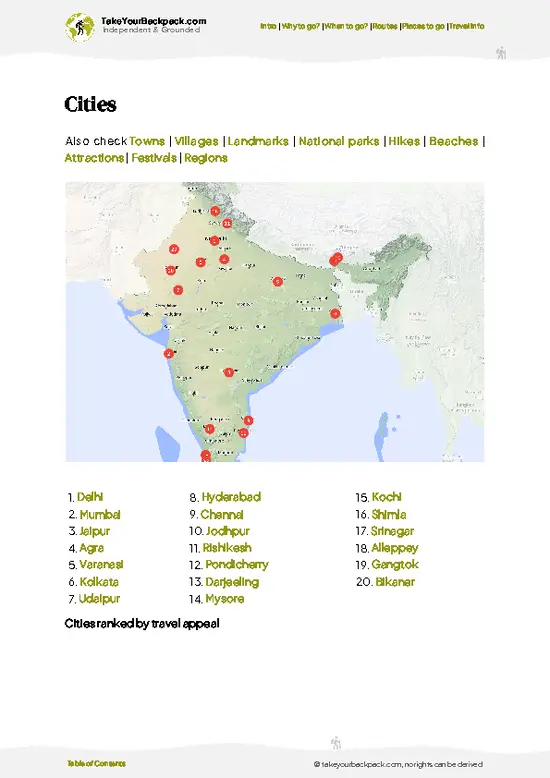
  • Darjeeling—Toy train, tea estates, colonial schools| 47 km away
  • Guwahati—Brahmaputra river, hilltop temples, tea auctions| 337 km away
  • Shillong—Pine hills, colonial cottages, live music venues| 380 km away

💡 Not sure where to go next?
Create a personalized itinerary for India including Gangtok and the places that fit your trip.

Generate my itinerary

👉 Discover all cities

Or checkout all India has to offer (think cities, towns, villages, national parks, hikes, beaches, festivals)
Country photo of India

We 💚 feedbackFinal thoughts on visiting Gangtok

Gangtok’s vibrant culture and stunning views of the Himalayas are a feast for the senses. But be ready for the altitude; it can hit hard if you’re not acclimatized. Embrace the challenge, and you’ll find the rewards are well worth the effort.

✈️ When did I visit India?
As part of my 1.5 year travel around the world trip, I visited India in December 2015.

✍️ Help improve this page!
The information on this page is based on my own backpacking experience in India, supplemented with up-to-date research and feedback from other travelers. Travel details can change, so if you notice anything outdated or incomplete, feel free to let me know.


🙋‍♂️ Give feedback

👋 Meet the founderWho’s Behind Take Your Backpack?

Johan, backpacker and founder of TakeYourBackpackHi, I’m Johan (Netherlands 🇳🇱), the creator of TakeYourBackpack. Over the past 3 decades, I’ve backpacked through 90+ countries across six continents, gaining extensive experience with independent travel, long-term trips, and overland routes.

This site is built on a combination of firsthand travel experience and carefully curated insights from other backpackers. Many guides are based on places I’ve personally visited, while others bring together tips, observations, and practical advice shared by trusted travelers I’ve met along the way.

The goal is to provide realistic, experience-driven guidance — not generic itineraries — so you can explore destinations with better context, clearer expectations, and more confidence.