×

India🇮🇳 | townsDawkicrystal river, border crossing, boat rides | things to do and best time to go

Explore CherrapunjiExplore Hampi

Backpacking in Dawki
👌 Worth visitingtown ranked #13
By Johan Kruseman 🇳🇱 | Updated October 15, 2026

Everyone comes to Dawki for that glass-clear river photo, but the real value is how the place slows you down and drops you right on the edge of India and Bangladesh, where trade trucks rumble past and the air smells like river mist and diesel and betel nut. Dawki sits in southern Meghalaya, near the Bangladesh border, a small, scruffy town that works better as a springboard than a destination. It’s your launch pad for the Umngot River, Shnongpdeng’s quieter riverside camps, and the road toward Cherrapunji or Mawlynnong. The town itself is basic: a busy main road, a few simple guesthouses, some no-frills eateries, and not much in the way of nightlife or café culture, so it’s less social than Shillong and more functional than Mawlynnong. You can walk most of the center, but shared Sumos and local jeeps are what actually move you around the region. Costs are low if you’re fine with simple rooms and thali plates, and while it feels generally safe, the border-trade chaos and traffic mean you need to stay alert crossing roads and wandering after dark.

Discover everything you want to know in the 📖 India Travel Guide.


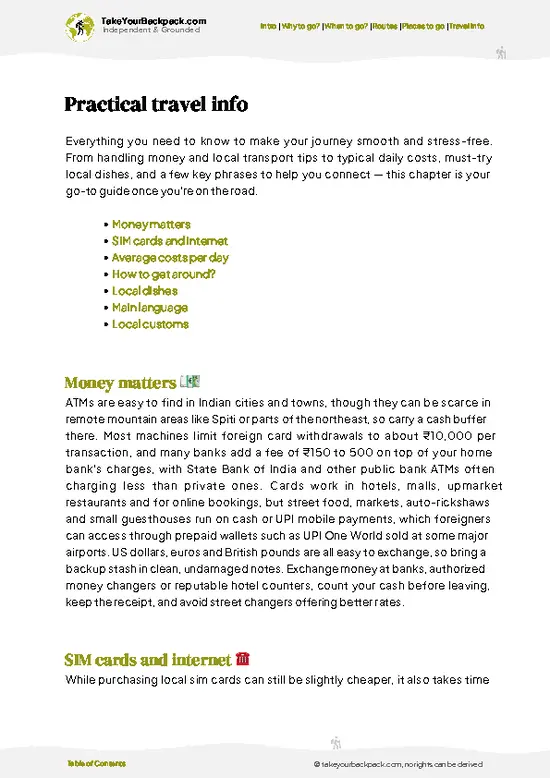
example page 0 from our offline Travel Guide for India
example page 1 from our offline Travel Guide for India
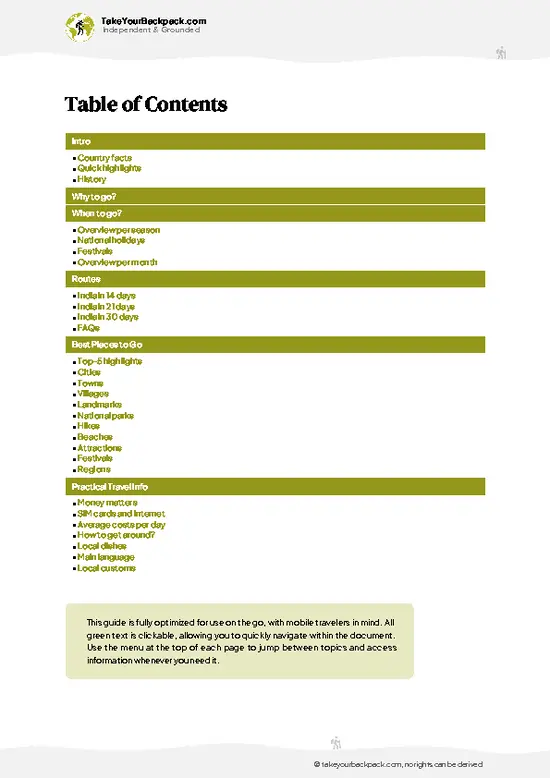
example page 2 from our offline Travel Guide for India
example page 3 from our offline Travel Guide for India
example page 4 from our offline Travel Guide for India
example page 5 from our offline Travel Guide for India
example page 6 from our offline Travel Guide for India
example page 7 from our offline Travel Guide for India
Loading the map 🌍
CLICK TO FILTER
cities
towns
villages
landmarks
national parks
hikes
beaches
attractions
festivals
regions
SHOW COUNTRY’S BESTSHOW ALL

✨ Why go?
Ranked #13 town in India
Why Dawki should be on your travel list

Dawki draws backpackers for its strategic location along the route to Meghalaya’s breathtaking landscapes. It’s a gateway to stunning hikes and the crystal-clear waters of the Umngot River, where you can kayak and soak in the tranquility. The walkable streets are lined with small-scale hostels and guesthouses, offering a cozy atmosphere that invites connection. You’ll find local food stalls serving up fresh, spicy dishes that make every meal an adventure. Most travelers stay a couple of days, soaking in the laid-back vibe, perfect for solo adventurers or small groups looking to unwind. It’s not a party town, but the friendly locals and fellow travelers create a warm, communal spirit that makes you feel right at home.

💡 HighlightsKey sights and experiences for travelers

  • Umngot River (the famous “glass” river) — The reason most people come to Dawki: astonishingly clear water where wooden boats look like they’re floating on air. A short boat ride here is more than a photo op — it’s a proper, quiet nature experience that shows off the local landscape better than any postcard.
  • Dawki Suspension Bridge — The low, long bridge that frames the river; great for walking, photography and watching the boat traffic below. Locals use it as a daily crossing, so you’ll get small, real glimpses of village life while you pause for a shot.
  • Dawki Jetty & Boatmen’s Quay — The place to hire a boat, meet the boatmen, and watch the choreography of launching and rowing on crystal water. Bargain a short trip, chat about fishing and river life, and tip the crew — it’s personal,
… read more 👉
  • Umngot River (the famous “glass” river) — The reason most people come to Dawki: astonishingly clear water where wooden boats look like they’re floating on air. A short boat ride here is more than a photo op — it’s a proper, quiet nature experience that shows off the local landscape better than any postcard.
  • Dawki Suspension Bridge — The low, long bridge that frames the river; great for walking, photography and watching the boat traffic below. Locals use it as a daily crossing, so you’ll get small, real glimpses of village life while you pause for a shot.
  • Dawki Jetty & Boatmen’s Quay — The place to hire a boat, meet the boatmen, and watch the choreography of launching and rowing on crystal water. Bargain a short trip, chat about fishing and river life, and tip the crew — it’s personal, not packaged.
  • India-Bangladesh Border Checkpost / Viewpoint — A strict but visitable spot where you can stand on the Indian side and see the Tamabil plains across the river. It’s a neat real-world reminder of borders — watch trucks queueing, cross-border trade activity, and the everyday rhythm at the gate (no casual crossing without documents).
  • Dawki Bazaar (local market) — Small, lively market mornings where villagers sell fresh river fish, vegetables, and simple handicrafts. It’s the best place to see local produce, sample street bites, and practice a few Khasi/Jaintia phrases with sellers.
  • Riverside Fish Stalls and Eateries — Scattered stalls and tiny restaurants by the river serving smoked or roasted local fish and simple home-cooked plates. No Michelin hype here — just salty, smoky fish, river views, and hospitality that tastes like the place.
  • Riverbank Picnic & Boulder Fields — Pebbled shores and shallow pools where locals picnic, kids splash, and photographers linger. Easy to reach from the village and perfect for a low-key afternoon; be sensible after heavy rains because currents can change fast.
  • Local Homestays and Village Lanes — Staying with a Dawki household or walking the narrow lanes gives the best cultural payoff: kitchen chatter, rice paddies, seasonal work, and invitations to try local dishes. It’s how the village feels, not how a brochure describes it.
  • Boat Repair Corners / Traditional Boatcraft — Small riverside spots where wooden boats are mended, ropes knotted and paddles shaped. It’s a hands-on, unscripted look at the everyday skills that keep river life going — quick, fascinating, and photo-worthy if you ask first.
  • Sunrise/Sunset Overlook near the Bridge — A simple high point by the bridge that rewards early risers or evening walkers with warm light on the river and plains beyond. Less crowded than the main jetty and excellent for quiet reflection or long-exposure shots.
A few close day-trip highlights outside Dawki: Shnongpdeng (clear-water adventure village with kayaking and cliff-jumping), Mawlynnong (the famously clean living village), and Krang Suri Falls (a dramatic waterfall and swimming spot). My personal favorite for a day trip is Shnongpdeng — it’s right nearby and the river playground there is hard to beat.
Spotted a mistake or missing something? Contact us.

Things to do near Dawki

Ratings based on Tripadvisor reviews. When you book through this link, you support our work at no extra cost to you.

🏘️ NeighborhoodsNeighborhood guide to Dawki

Dawki is a small town that feels like a secret waiting to be discovered. It’s a gateway to stunning natural beauty and rich local culture, making it a must-visit for backpackers.

Shnongpdeng: This area is buzzing with energy, especially during the day. You’ll find budget-friendly homestays and local eateries serving delicious Khasi cuisine. The river here is perfect for kayaking, and the vibe is social, making it ideal for short stays. Walkability is high, but expect some noise at night.

Dawki Village: A quieter option, this neighborhood offers a more authentic experience. The atmosphere is serene, with stunning views of the hills and river. It’s less touristy, so you’ll get a taste of local life. Perfect for longer stays, but transport options are limited; you might need to rely on local … read more 👉
Dawki is a small town that feels like a secret waiting to be discovered. It’s a gateway to stunning natural beauty and rich local culture, making it a must-visit for backpackers.

Shnongpdeng: This area is buzzing with energy, especially during the day. You’ll find budget-friendly homestays and local eateries serving delicious Khasi cuisine. The river here is perfect for kayaking, and the vibe is social, making it ideal for short stays. Walkability is high, but expect some noise at night.

Dawki Village: A quieter option, this neighborhood offers a more authentic experience. The atmosphere is serene, with stunning views of the hills and river. It’s less touristy, so you’ll get a taste of local life. Perfect for longer stays, but transport options are limited; you might need to rely on local taxis.

Umngot Riverfront: This is where the magic happens. The views are breathtaking, especially at sunrise. It’s a great spot for photography and relaxation. While nightlife is minimal, the tranquility makes it ideal for unwinding after a day of adventure. Access is straightforward, and it’s a solid choice for both short and extended visits.

⌛️ 1 day1-day itinerary for Dawki

Dawki, India, is a small town that feels like a secret whispered among travelers. Nestled near the Bangladesh border, it’s famous for its crystal-clear river and stunning landscapes. The air is fresh, tinged with the scent of earth after rain, and the vibrant green hills wrap around you like a warm embrace.

Start your morning with a stroll along the Umngot River. The water is so clear you can see the pebbles beneath, and the sunlight dances on the surface. Rent a kayak from a local vendor—this isn’t just a ride; it’s a chance to connect with the serene beauty around you. Paddle gently, and you might spot fishermen casting their nets or children splashing in the shallows.

In the afternoon, head to the lesser-known village of Shnongpdeng, just a short drive away. Here, the atmosphere shifts; … read more 👉
Dawki, India, is a small town that feels like a secret whispered among travelers. Nestled near the Bangladesh border, it’s famous for its crystal-clear river and stunning landscapes. The air is fresh, tinged with the scent of earth after rain, and the vibrant green hills wrap around you like a warm embrace.

Start your morning with a stroll along the Umngot River. The water is so clear you can see the pebbles beneath, and the sunlight dances on the surface. Rent a kayak from a local vendor—this isn’t just a ride; it’s a chance to connect with the serene beauty around you. Paddle gently, and you might spot fishermen casting their nets or children splashing in the shallows.

In the afternoon, head to the lesser-known village of Shnongpdeng, just a short drive away. Here, the atmosphere shifts; it’s quieter, more intimate. Grab a simple meal at a local eatery—try the fish curry, fresh from the river. After lunch, explore the nearby caves. The cool, damp air inside contrasts sharply with the warmth outside, and the echoes of your footsteps create a sense of adventure.

As evening approaches, return to Dawki and find a spot along the riverbank to watch the sunset. The sky transforms into a canvas of oranges and purples, reflecting on the water. It’s a perfect way to end your day, feeling the gentle breeze and soaking in the tranquility. This isn’t just a visit; it’s an experience that lingers long after you leave.

🌤️ When to go?Choosing the right time of year

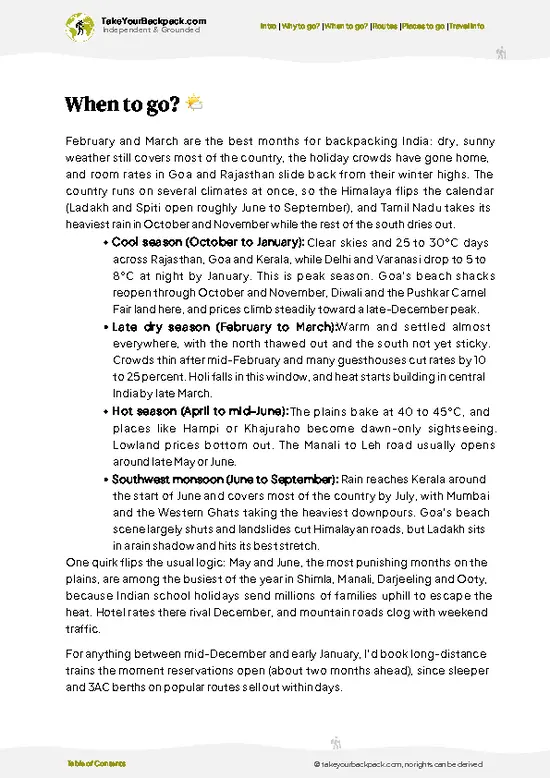
  • Topic: Weather — Dawki’s charm peaks post-monsoon, from October to March. The rains retreat, leaving the Umngot River crystal clear, perfect for that iconic boat ride. Avoid June to September; heavy monsoon rains flood the area and muddy trails.
  • Topic: Temperature — Expect mild days around 20-25°C (68-77°F) in winter, cooling the air enough to enjoy long hikes without sweating buckets. Summers can hit 30-35°C (86-95°F), making midday trekking a sweaty slog.
  • Topic: Daylight Hours — Longer daylight from October to March means more time to explore before dusk. Short winter days can cut your adventure short if you start late.
  • Topic: Crowds — Peak season brings a steady flow of tourists, especially weekends. Visiting on weekdays or early mornings grants a quieter, more personal experience
… read more 👉
  • Topic: Weather — Dawki’s charm peaks post-monsoon, from October to March. The rains retreat, leaving the Umngot River crystal clear, perfect for that iconic boat ride. Avoid June to September; heavy monsoon rains flood the area and muddy trails.
  • Topic: Temperature — Expect mild days around 20-25°C (68-77°F) in winter, cooling the air enough to enjoy long hikes without sweating buckets. Summers can hit 30-35°C (86-95°F), making midday trekking a sweaty slog.
  • Topic: Daylight Hours — Longer daylight from October to March means more time to explore before dusk. Short winter days can cut your adventure short if you start late.
  • Topic: Crowds — Peak season brings a steady flow of tourists, especially weekends. Visiting on weekdays or early mornings grants a quieter, more personal experience on the riverbanks.
  • Topic: Seasonal Activities — Post-monsoon is prime for river boating and crystal-clear water views; winter invites trekking in cooler air. Summer’s heat limits outdoor activities but is good for local festivals.
  • Topic: Price Fluctuations — Off-season (monsoon) sees lower prices but at the cost of accessibility and experience. Peak season rates rise for homestays and guides, reflecting demand and quality.
Pro-tip: Aim for late October mornings—cool air, clear water, and fewer crowds make Dawki feel like it’s all yours before the day heats up.


source: climatestotravel.comJANJanuary: excellent for travelingFEBFebruary: excellent for travelingMARMarch: excellent for travelingAPRApril: highly recommended for travelingMAYMay: good for travelingJUNJune: below average for travelingJULJuly: below average for travelingAUGAugust: below average for travelingSEPSeptember: fair for travelingOCTOctober: excellent for travelingNOVNovember: excellent for travelingDECDecember: excellent for traveling
when-to-go

✈️ The backpacker research shortcutIndia Travel Guide

An offline-friendly backpacking guide with optimized travel routes, ranked highlights, transport advice, and the best areas to stay.
example page 0 from our offline Travel Guide for India
example page 1 from our offline Travel Guide for India
example page 2 from our offline Travel Guide for India
example page 3 from our offline Travel Guide for India
example page 4 from our offline Travel Guide for India
example page 5 from our offline Travel Guide for India
example page 6 from our offline Travel Guide for India
example page 7 from our offline Travel Guide for India
The digital guide (483 pages) contains:
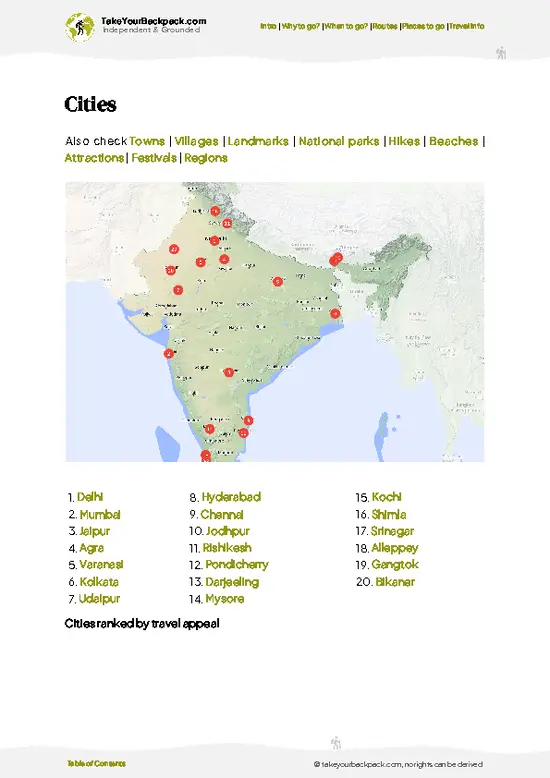
✅ 157 highlights, ranked by travel appeal
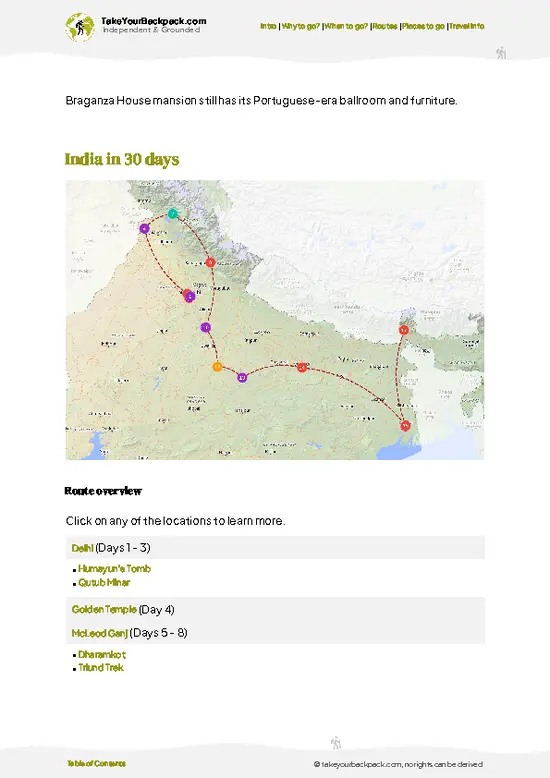
✅ Optimized 14, 21 & 30-day travel routes
✅ Cities, national parks, landmarks, beaches
✅ How to get around
✅ Offline-friendly for travel without Wi-Fi
👉 Click to see all 30+ guide features

📅 Plan smarter in minutes, not weeks
✅ Month by month travel advice
✅ Festivals & national holidays
✅ Budget expectations

🗺️ Go to the right places, skip the overrated ones
✅ Honest pros & cons of destinations
✅ Top hikes, parks & viewpoints
✅ Lesser-known places most travelers miss
✅ Clear “worth it vs skip it” guidance

🛏️ Travel smoothly without rookie mistakes
✅ Best areas to stay
✅ Transport systems explained simply
✅ Common scams & safety advice
✅ SIM cards, money & practical tips

🌍 Understand the country, not just visit it
✅ Culture & traditions
✅ 52 Essential phrases & customs
✅ Festivals worth planning around
✅ Traveler-friendly historical context
✅ Insights that make places more meaningful

📱 Built for real travel conditions
✅ Fully downloadable PDF
✅ Works completely offline
✅ Optimized for phone use
✅ Useful in remote areas & buses
✅ Everything in one place
Stop searching, start planning
Get instant access to your full guide. 30‑day money-back guarantee.
+ Add another guide for just

By proceeding you agree to our terms.
Sent to your inbox immediately after payment • 100% Secure Checkout
Best Backpacking Travel Advisor 2025 tourism awardBest Backpacking
Travel Advisor
2025
What others say about Take Your Backpack Guides:
⭐⭐⭐⭐⭐
Fantastic, amazing amount of information!
⭐⭐⭐⭐⭐
My goodness this is amazing, it's what I've been looking for hats off too you!
⭐⭐⭐⭐⭐
I think this is absolutely BRILLIANT
⭐⭐⭐⭐
Very complete and informative. It's still missing places, but I gotta to commend you
⭐⭐⭐⭐⭐
This is truly amazing, thank you, can't wait to explore it with my kids!
⭐⭐⭐⭐⭐
Awesome resource, thank you!
⭐⭐⭐⭐⭐
This is amazing! Can't wait to explore the ones I haven't seen
⭐⭐⭐⭐
I love this! Well done, great idea.
⭐⭐⭐⭐⭐
Thanks for taking the time to make this gem!
⭐⭐⭐⭐⭐
This might be the best website I've ever seen.
⭐⭐⭐⭐⭐
Congratulations, and thank you so much for your work; it's incredibly valuable.
⭐⭐⭐⭐
In all seriousness I think you did a great job pointing out the important spots
⭐⭐⭐⭐⭐
10/10 very good
⭐⭐⭐⭐⭐
As someone who's only just starting to visit regularly this is awesome, thank you.
⭐⭐⭐⭐
Thank you very much! I'm going to visit my dad, it's going to be very useful!
⭐⭐⭐⭐⭐
This is really cool! We'll be travelling for the first time and this definitely come in handy.
⭐⭐⭐⭐⭐
You are now our minister of culture, congratulations 👨‍💼
⭐⭐⭐⭐⭐
Just wanted to tell you that this is a pearl! Going to follow your recommendations.
⭐⭐⭐⭐⭐
This is so cool. I'll definitely be using the resource for my travels soon.
⭐⭐⭐⭐⭐
This is very impressive! Good work.
⭐⭐⭐⭐⭐
This is an amazing and informative site. Very well done!

🛏️ Where to stay?How to pick the right area

Dawki’s backpacker sweet spot is the cluster of guesthouses and homestays near the Dawki Bridge and the Umngot River. This area hums with a laid-back energy—travelers swapping stories over chai, the river’s crystal-clear water reflecting the early morning light like a mirror. It’s safe, compact, and social, making it easy to meet fellow adventurers without wandering into less reliable parts of town. Hostels are rare, but budget-friendly guesthouses fill the gap, offering simple rooms with shared spaces that encourage connection. Staying closer to the river means waking up to the scent of damp … read more 👉
Dawki’s backpacker sweet spot is the cluster of guesthouses and homestays near the Dawki Bridge and the Umngot River. This area hums with a laid-back energy—travelers swapping stories over chai, the river’s crystal-clear water reflecting the early morning light like a mirror. It’s safe, compact, and social, making it easy to meet fellow adventurers without wandering into less reliable parts of town. Hostels are rare, but budget-friendly guesthouses fill the gap, offering simple rooms with shared spaces that encourage connection. Staying closer to the river means waking up to the scent of damp earth and fresh pine, a sensory reward that feels earned after the bumpy ride here. Other neighborhoods lack this blend of community and access, making the riverside the clear choice for solo backpackers chasing both ease and atmosphere.

🚌 Getting aroundGetting around like a local

Dawki moves at the pace of the river that cuts through it—steady, unhurried, and shaped by the rhythms of local life rather than strict timetables. The town’s pulse is set by the sun and the chatter of markets, not by digital clocks. You’ll find that transport here is less about catching a precise departure and more about syncing with the flow of people and vehicles that come and go with the day’s light. This means you lean into a kind of travel intuition, where patience and a keen eye for local cues pay off more than rigid schedules.
  • Walking: Dawki’s compact size makes walking the most straightforward way to explore. The air carries a mix of fresh river mist and earth, and every step reveals vibrant market stalls and local chatter. Walking is free, flexible, and the best way to soak in the
… read more 👉
Dawki moves at the pace of the river that cuts through it—steady, unhurried, and shaped by the rhythms of local life rather than strict timetables. The town’s pulse is set by the sun and the chatter of markets, not by digital clocks. You’ll find that transport here is less about catching a precise departure and more about syncing with the flow of people and vehicles that come and go with the day’s light. This means you lean into a kind of travel intuition, where patience and a keen eye for local cues pay off more than rigid schedules.
  • Walking: Dawki’s compact size makes walking the most straightforward way to explore. The air carries a mix of fresh river mist and earth, and every step reveals vibrant market stalls and local chatter. Walking is free, flexible, and the best way to soak in the town’s atmosphere.
  • Shared Jeeps: These are the lifeline for budget travelers heading to nearby spots like Shnongpdeng or the Bangladesh border. They start filling up around 7 AM and run until late afternoon, costing roughly ₹30-₹50 per ride. Expect a bumpy but scenic 30-45 minute trip, with stops whenever locals flag them down.
  • Auto Rickshaws: For short hops within Dawki or to the riverfront, autos are plentiful and cheap, usually ₹20-₹40. They don’t run on fixed schedules—just wave one down when you need it. Perfect for quick errands or catching the sunset by the water.
  • Boat Rides: Crossing the Umngot River by boat is a must-do. Boats leave when they’re full, usually mid-morning to late afternoon, costing about ₹100-₹150. The ride is slow but hypnotic, with crystal-clear water reflecting the sky and hills—a sensory reward for waiting.

👛 Costs (as of 15 October 2026)What things cost and how to budget

Backpacking in Dawki, India, offers a raw, close-to-nature experience, and knowing the daily costs helps you plan without surprises.
  • Dorm Accommodation: Budget guesthouses and hostels in Dawki typically charge between $5 and $10 per night. These places are basic but clean, often with shared bathrooms and simple mosquito nets. Expect a rustic vibe that matches the town’s laid-back pace.
  • Meals: Local eateries serve hearty, filling meals for around $2 to $5 each. Think fresh river fish, rice, and local vegetables cooked with regional spices. Street food snacks and chai are even cheaper, usually under $1, perfect for quick refuels.
  • Local Transport: Dawki is small, so most places are walkable. For longer trips, shared jeeps or auto-rickshaws cost about $1 to $3 per ride. Renting a bike is an
… read more 👉
Backpacking in Dawki, India, offers a raw, close-to-nature experience, and knowing the daily costs helps you plan without surprises.
  • Dorm Accommodation: Budget guesthouses and hostels in Dawki typically charge between $5 and $10 per night. These places are basic but clean, often with shared bathrooms and simple mosquito nets. Expect a rustic vibe that matches the town’s laid-back pace.
  • Meals: Local eateries serve hearty, filling meals for around $2 to $5 each. Think fresh river fish, rice, and local vegetables cooked with regional spices. Street food snacks and chai are even cheaper, usually under $1, perfect for quick refuels.
  • Local Transport: Dawki is small, so most places are walkable. For longer trips, shared jeeps or auto-rickshaws cost about $1 to $3 per ride. Renting a bike is an option too, roughly $5 to $7 per day, giving you freedom to explore the scenic surroundings at your own pace.
  • Basic Activities/Entry Fees: The main draw is the Dawki River and the nearby Living Root Bridges. Entry fees are minimal or nonexistent, but guided tours or boat rides on the river can cost around $5 to $10. These experiences are worth the price for the unique perspective they offer.
  • Miscellaneous Expenses: Budget around $2 to $4 for essentials like bottled water, snacks, or small souvenirs. Internet access is patchy, so consider buying a local SIM card for about $5 to stay connected.

All told, you’re looking at roughly $15 to $30 per day to cover the essentials in Dawki. This range gives you flexibility—lean toward the lower end if you’re happy with simple meals and walking, or stretch a bit for guided experiences and bike rentals. The town’s quiet charm and natural beauty make every dollar feel like an investment in a genuine, off-the-beaten-path adventure.


source: incredibleindia.org
⚠️ Prices can change and everyone travels differently, so take this as a rough guide. Hope it helps you plan your adventure!

🚌 Day tripsShort trips worth adding

Dawki, India, is your launchpad for some of the most captivating day trips in the region. With its lush landscapes and vibrant culture, you’ll find that each journey offers a unique slice of adventure.

Shnongpdeng
Just a short ride from Dawki, Shnongpdeng is where the Umngot River sparkles like a turquoise gem. Rent a kayak for about 500 INR and paddle through crystal-clear waters, surrounded by towering cliffs and dense greenery. The best time to visit is from October to March when the weather is cool and the river is calm. A common rookie mistake? Forgetting to bring a waterproof bag for your phone—trust me, you’ll want to capture those stunning views.


Living Root Bridges
A trek to the living root bridges of Nongriat is a must. It takes about two hours to reach these marvels, where … read more 👉
Dawki, India, is your launchpad for some of the most captivating day trips in the region. With its lush landscapes and vibrant culture, you’ll find that each journey offers a unique slice of adventure.

Shnongpdeng
Just a short ride from Dawki, Shnongpdeng is where the Umngot River sparkles like a turquoise gem. Rent a kayak for about 500 INR and paddle through crystal-clear waters, surrounded by towering cliffs and dense greenery. The best time to visit is from October to March when the weather is cool and the river is calm. A common rookie mistake? Forgetting to bring a waterproof bag for your phone—trust me, you’ll want to capture those stunning views.


Living Root Bridges
A trek to the living root bridges of Nongriat is a must. It takes about two hours to reach these marvels, where nature and craftsmanship intertwine. The trail is steep, but the sight of these ancient, woven roots is worth every drop of sweat. Budget around 200 INR for entry and snacks. The best months are from November to February, avoiding the monsoon when trails can be slippery. Many first-timers underestimate the hike; wear sturdy shoes and bring plenty of water.


Jaflong
Crossing into Jaflong, you’ll experience a blend of Indian and Bangladeshi culture. The drive takes about an hour, and you can explore the local markets or take a boat ride on the Dawki River for around 300 INR. The best time to go is early morning when the fog rolls over the water, creating a mystical atmosphere. A common mistake is not bargaining at the markets; haggling is part of the fun!


Shillong
A day trip to Shillong, the capital of Meghalaya, is about two hours from Dawki. The city buzzes with life, from its vibrant markets to the stunning views from Shillong Peak. Expect to spend around 600 INR on transport and food. The ideal time to visit is during the spring months when flowers bloom and the weather is pleasant. First-timers often miss out on local eateries; dive into the street food scene for an authentic taste of the region.
👉 Explore Shillong

🛡️ SafetyScams, Hazards, and Annoyances

Dawki is generally safe, but a few practical tips can enhance your experience. Stay alert near the riverbanks, especially during busy times when locals and tourists mingle. If you’re solo, avoid wandering too far after dark; the charm of the town dims with the setting sun, and the paths can be tricky.

Watch for common scams, like inflated prices for boat rides. Always negotiate upfront and ask locals for fair rates. The occasional tout may approach you, but a firm “no” usually suffices. Carry yourself confidently, and engage with the community; genuine interactions often lead to the best experiences.

FAQCommon questions from travelers

Yes, Dawki is worth visiting for its stunning natural beauty, especially the clear Umngot River and the scenic Dawki Bridge. It offers unique experiences like boating on the crystal-clear river and exploring nearby limestone caves. Many travelers find it more than just a stopover due to its peaceful environment and photogenic landscapes.
One full day is sufficient to explore Dawki thoroughly, including a boat ride on the Umngot River and a visit to the nearby Mawlynnong village, known as Asia's cleanest village, which is about 30 km away. Staying overnight is optional but can enhance the experience by allowing a relaxed pace and sunrise views.
Yes, Dawki can be visited as a day trip from Shillong, which is approximately 70 km away and takes around 2.5 to 3 hours by road. Starting early in the morning allows enough time to enjoy the river, local markets, and return by evening without rushing.
⚠️ Things can change over time, so always validate details locally before you go.

Other Indian towns near Dawki

Explore more nearby:

  • Cherrapunji—living root bridges, heavy rainfall, limestone caves| 31 km away
  • Tawang—mountain monastery, high-altitude passes, Buddhist culture| 268 km away
  • Kalimpong—flower markets, Buddhist monasteries, tea estates| 412 km away

💡 Not sure where to go next?
Create a personalized itinerary for India including Dawki and the places that fit your trip.

Generate my itinerary

👉 Discover all towns

Or checkout all India has to offer (think cities, towns, villages, national parks, hikes, beaches, festivals)
Country photo of India

We 💚 feedbackSumming up the experience

Dawki’s crystal-clear river is a sight that lingers in your mind. The way the sunlight dances on the water is pure magic. But be ready for crowds, especially on weekends. It can feel overwhelming, but if you time your visit right, you’ll find pockets of tranquility that make the hustle worth it. Embrace the chaos; it’s part of the experience.

✈️ When did I visit India?
As part of my 1.5 year travel around the world trip, I visited India in December 2015.

✍️ Help improve this page!
The information on this page is based on my own backpacking experience in India, supplemented with up-to-date research and feedback from other travelers. Travel details can change, so if you notice anything outdated or incomplete, feel free to let me know.


🙋‍♂️ Give feedback

👋 Meet the founderWho’s Behind Take Your Backpack?

Johan, backpacker and founder of TakeYourBackpackHi, I’m Johan (Netherlands 🇳🇱), the creator of TakeYourBackpack. Over the past 3 decades, I’ve backpacked through 90+ countries across six continents, gaining extensive experience with independent travel, long-term trips, and overland routes.

This site is built on a combination of firsthand travel experience and carefully curated insights from other backpackers. Many guides are based on places I’ve personally visited, while others bring together tips, observations, and practical advice shared by trusted travelers I’ve met along the way.

The goal is to provide realistic, experience-driven guidance — not generic itineraries — so you can explore destinations with better context, clearer expectations, and more confidence.