×

India🇮🇳 | townsTawangmountain monastery, high-altitude passes, Buddhist culture | things to do and best time to go

Explore MunnarExplore Patan

Backpacking in Tawang
👍 Recommendedtown ranked #10
By Johan Kruseman 🇳🇱 | Updated October 15, 2026

Everyone talks about Tawang for the big monastery photo — the white walls in the high, thin light, prayer flags snapping in the wind — but what actually matters more is how remote it feels, and how that remoteness shapes your whole trip. Tawang sits in western Arunachal Pradesh, way up near the Bhutan and China borders, and it’s less a “town to tick off” than a hard-earned perch at the end of a long, winding road. For backpackers, it’s a base camp for cold mornings, quiet gompas, high passes, and day trips to lakes and army tea stalls, not nightlife or café-hopping. Getting here is slow and tiring, usually via Bomdila or Dirang, and the altitude plus rough roads can wear you down. In town, everything is walkable but spread along a main strip of shops, simple eateries, and a few low-key guesthouses; you’ll meet other travelers, just not in big hostel crowds. It’s cheaper than big Indian cities but pricier than the plains because almost everything is trucked up. Compared to Dirang, Tawang feels harsher, higher, more dramatic, and less convenient — a place you endure a bit to reach, then remember because the silence, the cold air, and the monastery bells make the effort feel strangely worth it.

Discover everything you want to know in the 📖 India Travel Guide.


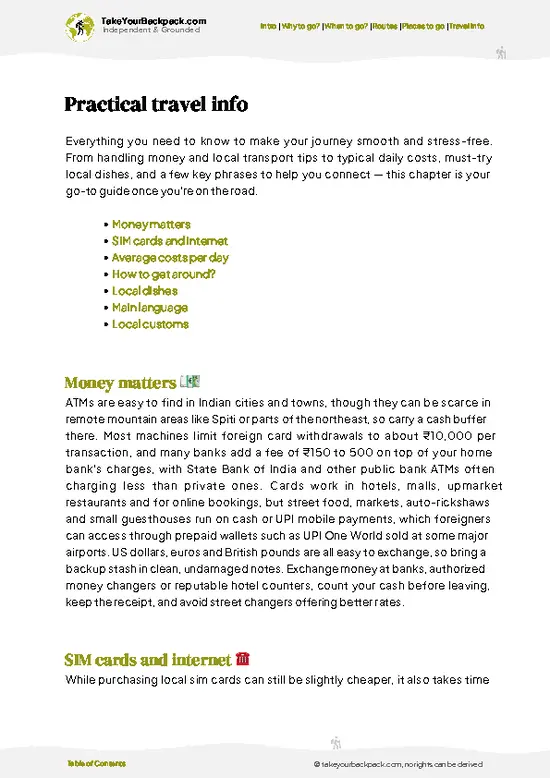
example page 0 from our offline Travel Guide for India
example page 1 from our offline Travel Guide for India
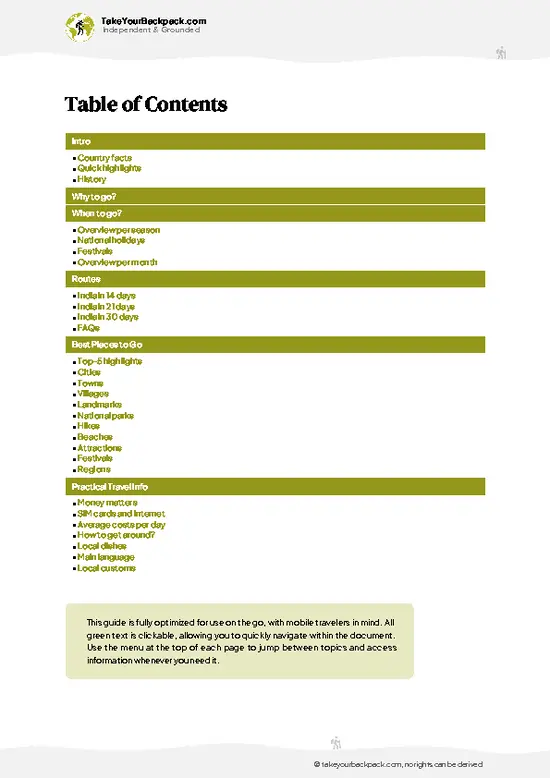
example page 2 from our offline Travel Guide for India
example page 3 from our offline Travel Guide for India
example page 4 from our offline Travel Guide for India
example page 5 from our offline Travel Guide for India
example page 6 from our offline Travel Guide for India
example page 7 from our offline Travel Guide for India
Loading the map 🌍
CLICK TO FILTER
cities
towns
villages
landmarks
national parks
hikes
beaches
attractions
festivals
regions
SHOW COUNTRY’S BESTSHOW ALL

✨ Why go?
Ranked #10 town in India
The unique appeal for travelers

Tawang, India, draws backpackers for its convenience as a base for stunning hikes and cultural immersion. The walkable streets invite exploration, with small-scale hostels and guesthouses offering cozy, affordable stays. Here, you can savor local dishes that burst with flavor, enhancing your experience of the region’s rich culture. Most travelers linger a few days, soaking in the friendly social atmosphere that fosters connections among solo travelers and small groups alike. While it’s not a nightlife hub, the quiet charm allows for reflection and camaraderie. If you’re a slow traveler or a hiker seeking both adventure and community, Tawang is more than a stop; it’s a rewarding chapter in your journey.

💡 HighlightsWhat this place is best known for

  • Tawang Monastery (Galden Namgyal Lhatse) — The crown jewel: the largest Buddhist monastery in India, a working monastic complex with prayer halls, butter-lamp evenings, and great rooftop views over the valley. Visiting the assembly hall and sitting through a prayer session really gives you the town’s spiritual heartbeat.
  • Monastery Treasury & Museum — Inside the monastery complex, a small but rich collection of thangkas, ancient manuscripts, ritual masks and old statues. It’s compact, quiet, and priceless for understanding local art and history up close.
  • Urgelling Monastery (the Dalai Lama’s birthplace gompa) — A short walk below the big monastery, this modest gompa marks the birthplace of the 6th Dalai Lama. It’s less crowded, very intimate, and shows how religious life spills into everyday
… read more 👉
  • Tawang Monastery (Galden Namgyal Lhatse) — The crown jewel: the largest Buddhist monastery in India, a working monastic complex with prayer halls, butter-lamp evenings, and great rooftop views over the valley. Visiting the assembly hall and sitting through a prayer session really gives you the town’s spiritual heartbeat.
  • Monastery Treasury & Museum — Inside the monastery complex, a small but rich collection of thangkas, ancient manuscripts, ritual masks and old statues. It’s compact, quiet, and priceless for understanding local art and history up close.
  • Urgelling Monastery (the Dalai Lama’s birthplace gompa) — A short walk below the big monastery, this modest gompa marks the birthplace of the 6th Dalai Lama. It’s less crowded, very intimate, and shows how religious life spills into everyday neighbourhoods.
  • Tawang War Memorial — Perched on a hill with sweeping views over Tawang town, the memorial honours those who fell in 1962. It’s a somber, well-maintained spot that’s also great for photography and for seeing how history shapes the local landscape.
  • Main Bazaar (Tawang Market) — Not glamorous, but essential. Walk the narrow lanes for yak-butter tea, steaming momos, local spices, prayer flags, and shops selling woolens and Tibetan souvenirs. Real people, real food, and the best way to feel how locals live.
  • Hands-on Handicraft & Thangka Workshops — Small shops and family workshops around town where you can watch (and sometimes try) thangka painting, carpet-weaving and yak-wool work. It’s the place to buy authentic pieces and see craft traditions still alive.
  • Mani Walls and Chortens — Scattered stone prayer walls and small chortens (stupas) are woven into the town’s lanes and paths. Walking these, turning the prayer wheels, and reading the inscriptions is a quiet, contemplative way to experience local devotion.
  • Monastery Rooftop & Valley Viewpoints — The rooftop and nearby ridge spots offer spectacular sunrises and sunsets over the Tawang valley. You’ll want this view for a travel-photo moment, but it’s also simply a peaceful place to sit and watch daily life below.
  • Local Festivals and Cham Dances (timed visits) — If your visit lines up with the Torgya or other monastery festivals, the masked dances and rituals are unforgettable: loud, colourful, and deeply local. Timing matters, but the payoff is huge for cultural insight.
  • Tibetan Medicine & Herbal Shops — Small clinics and sellers practicing Sowa Rigpa (traditional Tibetan medicine) are in town. Even if you don’t take medicine, chatting with a practitioner and seeing the herbal preparations gives real context to local health traditions.
A few great day trips outside Tawang town: Nuranang (Jang) Falls, Sangestar Tso (Madhuri Lake), and Bumla Pass — my personal favourite for a day trip is Nuranang Falls (easy to reach, dramatic, and refreshingly scenic).
Spotted a mistake or missing something? Contact us.

Things to do around Tawang

Ratings based on Tripadvisor reviews. When you book through this link, you support our work at no extra cost to you.

🏘️ NeighborhoodsHow different areas shape the experience

Tawang is a captivating blend of culture and nature, perfect for backpackers seeking both adventure and tranquility. Here’s how to navigate its neighborhoods:

Market Area: This is the heart of Tawang, buzzing with local vendors and shops. The vibe is lively, making it ideal for short stays. You’ll find affordable accommodations and easy access to transport. The scent of street food fills the air, and the atmosphere buzzes with energy.

Monastery Road: A quieter stretch, this area is perfect for those seeking peace. It’s close to the famous Tawang Monastery, making it a spiritual hub. Walkability is excellent, and you can soak in the serene views. Ideal for longer stays, it offers a mix of budget and mid-range options.

Upper Tawang: This neighborhood boasts stunning views and a more laid-back … read more 👉
Tawang is a captivating blend of culture and nature, perfect for backpackers seeking both adventure and tranquility. Here’s how to navigate its neighborhoods:

Market Area: This is the heart of Tawang, buzzing with local vendors and shops. The vibe is lively, making it ideal for short stays. You’ll find affordable accommodations and easy access to transport. The scent of street food fills the air, and the atmosphere buzzes with energy.

Monastery Road: A quieter stretch, this area is perfect for those seeking peace. It’s close to the famous Tawang Monastery, making it a spiritual hub. Walkability is excellent, and you can soak in the serene views. Ideal for longer stays, it offers a mix of budget and mid-range options.

Upper Tawang: This neighborhood boasts stunning views and a more laid-back vibe. It’s less crowded, making it suitable for those wanting to escape the hustle. Transport access is limited, but the tranquility is worth it. Perfect for longer stays, it offers a chance to truly unwind.

⌛️ 1 dayA smart one-day plan

Tawang, perched high in the Himalayas, is a tapestry of vibrant culture and breathtaking landscapes. The air is crisp, carrying the scent of pine and the distant sound of chanting from the monasteries. It’s a place where spirituality meets stunning vistas, making it a must-visit.

Start your morning at the Tawang Monastery, the largest in India. Arrive early to catch the monks in prayer; the soft glow of dawn filtering through the ancient walls creates a serene atmosphere. Spend time wandering the grounds, absorbing the intricate murals and the peaceful energy.

Afterward, head to the local market in the heart of Tawang. The bustling stalls offer everything from handmade crafts to aromatic spices. Grab a steaming bowl of thukpa from a street vendor; the warmth will fuel your exploration. … read more 👉
Tawang, perched high in the Himalayas, is a tapestry of vibrant culture and breathtaking landscapes. The air is crisp, carrying the scent of pine and the distant sound of chanting from the monasteries. It’s a place where spirituality meets stunning vistas, making it a must-visit.

Start your morning at the Tawang Monastery, the largest in India. Arrive early to catch the monks in prayer; the soft glow of dawn filtering through the ancient walls creates a serene atmosphere. Spend time wandering the grounds, absorbing the intricate murals and the peaceful energy.

Afterward, head to the local market in the heart of Tawang. The bustling stalls offer everything from handmade crafts to aromatic spices. Grab a steaming bowl of thukpa from a street vendor; the warmth will fuel your exploration.

In the afternoon, make your way to the lesser-known Shonga-tser Lake. It’s a bit off the beaten path, but the tranquil waters reflecting the surrounding peaks are worth the trek. Bring a book or just sit and soak in the beauty.

As evening approaches, return to Tawang and enjoy a meal at a local eatery. Try the yak meat; it’s a local specialty. The day winds down with the sun setting behind the mountains, painting the sky in hues of orange and pink. You’ll leave with a heart full of memories and a deeper appreciation for this hidden corner of India.

🌤️ When to go?When to go for the best experience

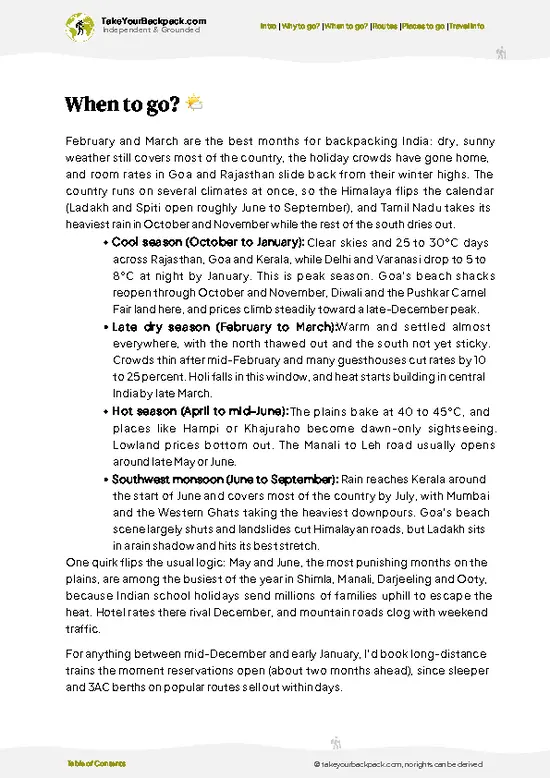
  • Weather: The best time to visit Tawang is between April and October when the skies clear up and the monsoon rains retreat. Winters (November to February) bring biting cold, often dropping below freezing (0°C/32°F), making travel tough and some roads impassable.
  • Temperature: Summer days hover around a comfortable 15-20°C (59-68°F), perfect for trekking and exploring without overheating. Nights can still be chilly, so layers are a must.
  • Daylight Hours: From April to October, you get long, bright days—up to 12-14 hours of daylight—giving you plenty of time to soak in the mountain light and explore without rushing.
  • Crowds: Peak season is summer, especially during local festivals like Losar (Tibetan New Year). Expect more visitors, but the energy is infectious and the cultural displays are
… read more 👉
  • Weather: The best time to visit Tawang is between April and October when the skies clear up and the monsoon rains retreat. Winters (November to February) bring biting cold, often dropping below freezing (0°C/32°F), making travel tough and some roads impassable.
  • Temperature: Summer days hover around a comfortable 15-20°C (59-68°F), perfect for trekking and exploring without overheating. Nights can still be chilly, so layers are a must.
  • Daylight Hours: From April to October, you get long, bright days—up to 12-14 hours of daylight—giving you plenty of time to soak in the mountain light and explore without rushing.
  • Crowds: Peak season is summer, especially during local festivals like Losar (Tibetan New Year). Expect more visitors, but the energy is infectious and the cultural displays are worth it. Off-season means solitude but also limited services.
  • Seasonal Activities: Summer opens up trekking routes and river rafting, while winter locks you in with snow, ideal only for hardcore adventurers prepared for harsh conditions.
  • Price Fluctuations: Accommodation and transport costs rise during peak months and festivals. Booking early can save you money and guarantee a spot in this remote town.
Pro-tip: Aim for late spring or early autumn—when the air smells fresh, the light is soft, and you dodge both the monsoon mud and the winter freeze. It’s the sweet spot where Tawang’s rugged charm feels most accessible.


source: climatestotravel.comJANJanuary: below average for travelingFEBFebruary: below average for travelingMARMarch: fair for travelingAPRApril: excellent for travelingMAYMay: excellent for travelingJUNJune: highly recommended for travelingJULJuly: highly recommended for travelingAUGAugust: highly recommended for travelingSEPSeptember: excellent for travelingOCTOctober: excellent for travelingNOVNovember: fair for travelingDECDecember: below average for traveling
when-to-go

✈️ The backpacker research shortcutIndia Travel Guide

An offline-friendly backpacking guide with optimized travel routes, ranked highlights, transport advice, and the best areas to stay.
example page 0 from our offline Travel Guide for India
example page 1 from our offline Travel Guide for India
example page 2 from our offline Travel Guide for India
example page 3 from our offline Travel Guide for India
example page 4 from our offline Travel Guide for India
example page 5 from our offline Travel Guide for India
example page 6 from our offline Travel Guide for India
example page 7 from our offline Travel Guide for India
The digital guide (483 pages) contains:
✅ 157 highlights, ranked by travel appeal
✅ Optimized 14, 21 & 30-day travel routes
✅ Cities, national parks, landmarks, beaches
✅ How to get around
✅ Offline-friendly for travel without Wi-Fi
👉 Click to see all 30+ guide features

📅 Plan smarter in minutes, not weeks
✅ Month by month travel advice
✅ Festivals & national holidays
✅ Budget expectations

🗺️ Go to the right places, skip the overrated ones
✅ Honest pros & cons of destinations
✅ Top hikes, parks & viewpoints
✅ Lesser-known places most travelers miss
✅ Clear “worth it vs skip it” guidance

🛏️ Travel smoothly without rookie mistakes
✅ Best areas to stay
✅ Transport systems explained simply
✅ Common scams & safety advice
✅ SIM cards, money & practical tips

🌍 Understand the country, not just visit it
✅ Culture & traditions
✅ 52 Essential phrases & customs
✅ Festivals worth planning around
✅ Traveler-friendly historical context
✅ Insights that make places more meaningful

📱 Built for real travel conditions
✅ Fully downloadable PDF
✅ Works completely offline
✅ Optimized for phone use
✅ Useful in remote areas & buses
✅ Everything in one place
Stop searching, start planning
Get instant access to your full guide. 30‑day money-back guarantee.
+ Add another guide for just

By proceeding you agree to our terms.
Sent to your inbox immediately after payment • 100% Secure Checkout
Best Backpacking Travel Advisor 2025 tourism awardBest Backpacking
Travel Advisor
2025
What others say about Take Your Backpack Guides:
⭐⭐⭐⭐⭐
Fantastic, amazing amount of information!
⭐⭐⭐⭐⭐
My goodness this is amazing, it's what I've been looking for hats off too you!
⭐⭐⭐⭐⭐
I think this is absolutely BRILLIANT
⭐⭐⭐⭐
Very complete and informative. It's still missing places, but I gotta to commend you
⭐⭐⭐⭐⭐
This is truly amazing, thank you, can't wait to explore it with my kids!
⭐⭐⭐⭐⭐
Awesome resource, thank you!
⭐⭐⭐⭐⭐
This is amazing! Can't wait to explore the ones I haven't seen
⭐⭐⭐⭐
I love this! Well done, great idea.
⭐⭐⭐⭐⭐
Thanks for taking the time to make this gem!
⭐⭐⭐⭐⭐
This might be the best website I've ever seen.
⭐⭐⭐⭐⭐
Congratulations, and thank you so much for your work; it's incredibly valuable.
⭐⭐⭐⭐
In all seriousness I think you did a great job pointing out the important spots
⭐⭐⭐⭐⭐
10/10 very good
⭐⭐⭐⭐⭐
As someone who's only just starting to visit regularly this is awesome, thank you.
⭐⭐⭐⭐
Thank you very much! I'm going to visit my dad, it's going to be very useful!
⭐⭐⭐⭐⭐
This is really cool! We'll be travelling for the first time and this definitely come in handy.
⭐⭐⭐⭐⭐
You are now our minister of culture, congratulations 👨‍💼
⭐⭐⭐⭐⭐
Just wanted to tell you that this is a pearl! Going to follow your recommendations.
⭐⭐⭐⭐⭐
This is so cool. I'll definitely be using the resource for my travels soon.
⭐⭐⭐⭐⭐
This is very impressive! Good work.
⭐⭐⭐⭐⭐
This is an amazing and informative site. Very well done!

🛏️ Where to stay?How to pick the right area

In Tawang, the best spot for backpackers is the area around the main market and the town center. This zone hums with life from dawn till dusk—vendors calling out, the scent of fresh momos wafting through the crisp mountain air, and monks in maroon robes weaving through the crowd. Staying here means you’re steps away from local eateries, small shops, and the bus station, which is crucial for hopping between nearby monasteries and trekking trails without wasting time or money on taxis.

This neighborhood is safe, with a steady flow of fellow travelers and locals, making it easy to strike up conversations … read more 👉
In Tawang, the best spot for backpackers is the area around the main market and the town center. This zone hums with life from dawn till dusk—vendors calling out, the scent of fresh momos wafting through the crisp mountain air, and monks in maroon robes weaving through the crowd. Staying here means you’re steps away from local eateries, small shops, and the bus station, which is crucial for hopping between nearby monasteries and trekking trails without wasting time or money on taxis.

This neighborhood is safe, with a steady flow of fellow travelers and locals, making it easy to strike up conversations or find a group for day trips. Hostels and guesthouses cluster here, offering budget-friendly beds and a social vibe that’s rare in more isolated parts of Tawang. Compared to the quieter outskirts or residential zones, the town center keeps you plugged into the pulse of daily life, which is exactly what you want when you’re backpacking solo—comfort, connection, and convenience all wrapped in the brisk Himalayan breeze.

🚌 Getting aroundGetting around like a local

Tawang moves at the pace of mountain air—thin, crisp, and unpredictable. It’s not a place where you’ll find strict timetables or polished transit hubs. Instead, the rhythm here is shaped by the winding roads that cling to steep cliffs, the occasional honk of a shared jeep, and the steady shuffle of boots on dusty paths. The light shifts quickly as clouds roll over the peaks, and so does the mood of the town—sometimes quiet and reflective, other times bustling with the chatter of traders and monks. To navigate Tawang like a local, you’ll need to embrace a bit of chaos and patience, but that’s part of the charm. The payoff is a journey that feels earned, where every mile traveled reveals a new layer of the landscape’s raw beauty.
  • Walking: The heart of Tawang is compact enough to explore on
… read more 👉
Tawang moves at the pace of mountain air—thin, crisp, and unpredictable. It’s not a place where you’ll find strict timetables or polished transit hubs. Instead, the rhythm here is shaped by the winding roads that cling to steep cliffs, the occasional honk of a shared jeep, and the steady shuffle of boots on dusty paths. The light shifts quickly as clouds roll over the peaks, and so does the mood of the town—sometimes quiet and reflective, other times bustling with the chatter of traders and monks. To navigate Tawang like a local, you’ll need to embrace a bit of chaos and patience, but that’s part of the charm. The payoff is a journey that feels earned, where every mile traveled reveals a new layer of the landscape’s raw beauty.
  • Walking: The heart of Tawang is compact enough to explore on foot, especially the market area and monastery. Walking lets you soak in the scent of pine and yak butter lamps, with no cost and full freedom to pause for a chai or a photo.
  • Shared Jeeps: These are the lifeline for budget travelers heading to nearby villages or the Tawang Gompa. They run from early morning around 7 AM until late afternoon, costing roughly ₹50-₹100 depending on distance. Expect a bumpy ride on narrow mountain roads, but it’s the fastest way to cover ground beyond walking.
  • Local Buses: Less frequent and slower than jeeps, buses connect Tawang to larger towns like Bomdila. They start early, around 6 AM, and can take several hours, but they’re the cheapest option (₹30-₹70). Comfort is basic, so bring a jacket for the cold mountain air.
  • Motorbike Rentals: For those comfortable on two wheels, renting a motorbike offers unmatched freedom to explore hidden valleys and remote monasteries. Prices hover around ₹500-₹700 per day. The roads demand respect—loose gravel and sudden drops—but the views and pace are unbeatable.

👛 Costs (as of 15 October 2026)Typical daily expenses

Backpacking in Tawang, India, offers a raw, high-altitude experience where every rupee counts and the landscape rewards patience and planning. Here’s what you can expect to spend daily as an independent traveler navigating this Himalayan town.
  • Dorm Accommodation: Dorm beds in Tawang typically run between $5 and $10 USD per night. These are basic but clean guesthouses or hostels, often with shared bathrooms and limited hot water. The altitude means heating is a bonus, so expect chilly nights unless you splurge a bit more.
  • Meals: Local eateries serve hearty Tibetan and Indian dishes like momos, thukpa, and dal bhat for around $2 to $5 per meal. Sticking to these simple meals keeps costs low, while occasional splurges on fresh trout or a coffee in a café might push daily food expenses closer
… read more 👉
Backpacking in Tawang, India, offers a raw, high-altitude experience where every rupee counts and the landscape rewards patience and planning. Here’s what you can expect to spend daily as an independent traveler navigating this Himalayan town.
  • Dorm Accommodation: Dorm beds in Tawang typically run between $5 and $10 USD per night. These are basic but clean guesthouses or hostels, often with shared bathrooms and limited hot water. The altitude means heating is a bonus, so expect chilly nights unless you splurge a bit more.
  • Meals: Local eateries serve hearty Tibetan and Indian dishes like momos, thukpa, and dal bhat for around $2 to $5 per meal. Sticking to these simple meals keeps costs low, while occasional splurges on fresh trout or a coffee in a café might push daily food expenses closer to $10.
  • Local Transport: Tawang’s compact size means walking is your best bet, but for longer trips to nearby monasteries or viewpoints, shared jeeps or taxis cost about $2 to $5 per ride. Budget around $5 daily if you plan to explore beyond the town center.
  • Basic Activities/Entry Fees: Most monasteries and natural sites charge minimal or no entry fees, usually under $1 to $3. Guided treks or cultural tours, if booked locally, can range from $10 to $20 per day, but casual visitors can enjoy the main sights on their own for free or very little.
  • Miscellaneous Expenses: This includes bottled water, snacks, phone/data top-ups, and small tips. Expect to spend around $2 to $5 daily here, especially since tap water isn’t safe to drink and you’ll want to stay hydrated at altitude.

Altogether, a realistic daily budget for backpacking in Tawang falls between $15 and $35 USD. This range covers the essentials without cutting corners on comfort or safety. The crisp mountain air and the slow rhythm of life here make every dollar feel like an investment in a rare, off-the-beaten-path experience.


source: arunachaltourism.com
⚠️ Prices can change and everyone travels differently, so take this as a rough guide. Hope it helps you plan your adventure!

🚌 Day tripsExploring the surroundings

Tawang, India, is a backpacker’s dream base, offering a gateway to breathtaking landscapes and rich culture. Here are some day trips that pack a punch.

Bumla Pass
This high-altitude pass, sitting at over 15,000 feet, is a must-see. The journey takes about two hours, winding through stunning mountain vistas. The crisp air is invigorating, and the views of snow-capped peaks are worth every moment. Bring your camera; the colors shift dramatically as the sun moves. A permit is required, so plan ahead. Expect to spend around ₹500 for transport and permits. Late spring to early fall is ideal, as winter can make the roads treacherous. First-timers often underestimate the cold—dress in layers to fully enjoy the experience.


Sela Lake
Just an hour from Tawang, Sela Lake is a serene spot surrounded … read more 👉
Tawang, India, is a backpacker’s dream base, offering a gateway to breathtaking landscapes and rich culture. Here are some day trips that pack a punch.

Bumla Pass
This high-altitude pass, sitting at over 15,000 feet, is a must-see. The journey takes about two hours, winding through stunning mountain vistas. The crisp air is invigorating, and the views of snow-capped peaks are worth every moment. Bring your camera; the colors shift dramatically as the sun moves. A permit is required, so plan ahead. Expect to spend around ₹500 for transport and permits. Late spring to early fall is ideal, as winter can make the roads treacherous. First-timers often underestimate the cold—dress in layers to fully enjoy the experience.


Sela Lake
Just an hour from Tawang, Sela Lake is a serene spot surrounded by towering pines and rugged mountains. The lake’s surface reflects the sky, creating a painterly scene. You can hike around the area, soaking in the tranquility. Budget around ₹300 for transport. Visit in the early morning to catch the sunrise; the light creates a magical atmosphere. Many overlook the importance of timing—arriving early means fewer crowds and a more intimate experience.


Gyangong Ani Gompa
This lesser-known monastery is a short drive from Tawang and offers a glimpse into the spiritual heart of the region. The journey takes about 30 minutes, and the path is lined with prayer flags fluttering in the breeze. The gompa is peaceful, with monks often engaged in prayer. A small donation is appreciated. Aim for the late afternoon when the light softens, casting a warm glow over the monastery. First-timers sometimes miss this gem, opting for more popular sites—don’t make that mistake.

🛡️ SafetyTraveler Safety Guide

Tawang is generally safe, but a few practical tips can enhance your experience. Stay aware in crowded markets, where pickpockets might lurk. If you’re solo, avoid wandering too far after dark; the streets can feel eerily quiet, and it’s best to stick to well-lit areas.

Common scams are rare, but be cautious of overly friendly locals offering unsolicited help—politely decline and keep moving. Annoyances like stray dogs can be a nuisance, so walk confidently and don’t engage. Carry yourself with purpose, and you’ll find that the beauty of Tawang unfolds without unnecessary distractions.

FAQTraveler FAQ

Yes, Tawang is worth visiting for its unique cultural heritage, stunning monasteries, and scenic landscapes. It is not just a stopover but a destination offering rich experiences like the Tawang Monastery, one of the largest in India, and beautiful trekking routes.
You need at least 3 to 4 days in Tawang to explore the main attractions, acclimatize to the altitude, and enjoy local culture. This duration allows visits to the monastery, Sela Pass, and nearby lakes without rushing.
No, Tawang cannot be visited as a day trip from nearby cities due to its remote location and difficult terrain. The nearest major city, Guwahati, is about 450 km away, requiring at least 12-14 hours of travel one way.
⚠️ Things can change over time, so always validate details locally before you go.

Other Indian towns near Tawang

Explore more nearby:

  • Cherrapunji—living root bridges, heavy rainfall, limestone caves| 258 km away
  • Dawki—crystal river, border crossing, boat rides| 268 km away
  • Kalimpong—flower markets, Buddhist monasteries, tea estates| 340 km away

💡 Not sure where to go next?
Create a personalized itinerary for India including Tawang and the places that fit your trip.

Generate my itinerary

👉 Discover all towns

Or checkout all India has to offer (think cities, towns, villages, national parks, hikes, beaches, festivals)
Country photo of India

We 💚 feedbackFinal thoughts on visiting Tawang

Tawang’s breathtaking monasteries and the crisp mountain air make every uphill trek worthwhile. You’ll feel the weight of history in the prayer flags fluttering against the backdrop of snow-capped peaks. Just know that the altitude can hit hard; take it slow to truly soak in the serenity. Embrace the challenge, and the rewards will be profound.

✈️ When did I visit India?
As part of my 1.5 year travel around the world trip, I visited India in December 2015.

✍️ Help improve this page!
The information on this page is based on my own backpacking experience in India, supplemented with up-to-date research and feedback from other travelers. Travel details can change, so if you notice anything outdated or incomplete, feel free to let me know.


🙋‍♂️ Give feedback

👋 Meet the founderWho’s Behind Take Your Backpack?

Johan, backpacker and founder of TakeYourBackpackHi, I’m Johan (Netherlands 🇳🇱), the creator of TakeYourBackpack. Over the past 3 decades, I’ve backpacked through 90+ countries across six continents, gaining extensive experience with independent travel, long-term trips, and overland routes.

This site is built on a combination of firsthand travel experience and carefully curated insights from other backpackers. Many guides are based on places I’ve personally visited, while others bring together tips, observations, and practical advice shared by trusted travelers I’ve met along the way.

The goal is to provide realistic, experience-driven guidance — not generic itineraries — so you can explore destinations with better context, clearer expectations, and more confidence.