×

India🇮🇳 | citiesKolkataBook markets, tram lines, Bengali sweets | things to do and best time to go

Explore KochiExplore Mumbai

Backpacking in Kolkata
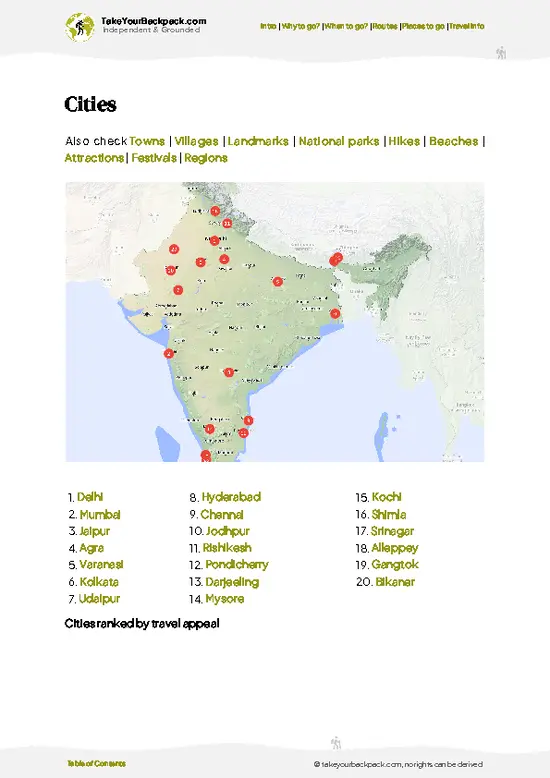
🏆 Top pickcity ranked #6
By Johan Kruseman 🇳🇱 | Updated September 4, 2026

Everyone talks about Kolkata for Mother Teresa and colonial nostalgia, but what actually matters to you is how the city feels under your boots: chaotic, cheap, intense, and oddly generous once you relax into it. Sitting in eastern India near the Bangladesh border, Kolkata is a big, brainy, slightly frayed metropolis where backpackers trade comfort for character. You get Howrah Bridge, College Street bookstalls, tram-clattered streets, Indian Museum, Park Street bars, and maidan sunsets instead of polished sights. It’s one of India’s better-value big cities; food and local transport are low-cost, but midrange stays jump fast. Travel logistics are easy, other travelers are around but not everywhere, and safety is fine if you use big-city street sense. Compared to Delhi or Mumbai, Kolkata is slower, more cerebral, and more emotionally demanding.

Discover everything you want to know in the 📖 India Travel Guide.


Get your India guide
162 ranked highlights, routes & tips, works offline (498 pages)
Loading the map 🌍
CLICK TO FILTER
cities
towns
villages
landmarks
national parks
hikes
beaches
attractions
festivals
regions
SHOW COUNTRY’S BESTSHOW ALL

✨ Why go?
Ranked #6 city in India
The unique appeal for travelers

Kolkata is a backpacker’s haven that balances time, money, and comfort beautifully. It’s a city where you can dive into a rich tapestry of culture without breaking the bank. The hostels here are affordable and often buzzing with fellow travelers, making it easy to swap stories and tips. You’ll find that the food scene is a delightful mix of street stalls and cozy cafés, offering everything from spicy snacks to hearty meals at prices that won’t dent your budget.

The city’s walkability is a major plus; you can explore vibrant neighborhoods on foot, soaking in the local vibe. When it comes to nightlife, there’s a range of options, from laid-back bars to lively music venues, perfect for unwinding after a day of exploration. Plus, Kolkata serves as an excellent basecamp for day trips to nearby … read more 👉
Kolkata is a backpacker’s haven that balances time, money, and comfort beautifully. It’s a city where you can dive into a rich tapestry of culture without breaking the bank. The hostels here are affordable and often buzzing with fellow travelers, making it easy to swap stories and tips. You’ll find that the food scene is a delightful mix of street stalls and cozy cafés, offering everything from spicy snacks to hearty meals at prices that won’t dent your budget.

The city’s walkability is a major plus; you can explore vibrant neighborhoods on foot, soaking in the local vibe. When it comes to nightlife, there’s a range of options, from laid-back bars to lively music venues, perfect for unwinding after a day of exploration. Plus, Kolkata serves as an excellent basecamp for day trips to nearby attractions, making it a strategic stop on your journey. If you’re looking for a city that offers depth without demanding too much of your resources, Kolkata might just be your next stop.
Want to include Kolkata in your India route?
Create a personalized India itinerary that includes Kolkata and the places that fit your trip — based on your travel style, budget, and available time. Get your route in seconds.

Generate my trip

💡 HighlightsEssential experiences to have while visiting Kolkata

  1. Victoria Memorial — A huge white-marble museum and garden complex that sums up colonial Kolkata: art, uniforms, and fin-de-siècle pomp, but also lovely lawns for a lazy walk and sunset photos over the Maidan.
  2. Indian Museum — India’s oldest museum, full of fossils, coins, sculptures and ethnographic collections; it’s the kind of place where you can lose hours poking through fossils, Mughal miniatures and strangely proud mummies.
  3. Jorasanko Thakur Bari (Rabindra Bharati) — Tagore’s ancestral home turned museum; visit for authentic context on Rabindranath Tagore, his manuscripts, and the living cultural programs that still happen around the house.
  4. College Street & Indian Coffee House — Endless stalls of second-hand and rare books lining the street plus the legendary Coffee House where students,
read more 👉
  1. Victoria Memorial — A huge white-marble museum and garden complex that sums up colonial Kolkata: art, uniforms, and fin-de-siècle pomp, but also lovely lawns for a lazy walk and sunset photos over the Maidan.
  2. Indian Museum — India’s oldest museum, full of fossils, coins, sculptures and ethnographic collections; it’s the kind of place where you can lose hours poking through fossils, Mughal miniatures and strangely proud mummies.
  3. Jorasanko Thakur Bari (Rabindra Bharati) — Tagore’s ancestral home turned museum; visit for authentic context on Rabindranath Tagore, his manuscripts, and the living cultural programs that still happen around the house.
  4. College Street & Indian Coffee House — Endless stalls of second-hand and rare books lining the street plus the legendary Coffee House where students, writers and politicians still argue loudly over cheap chai and chops; pure Kolkata intellectual atmosphere.
  5. Kumartuli — The potters’ quarter where Kolkata’s clay gods are born; visiting workshops—especially in the run-up to Durga Puja—lets you watch artisans carve, paint and animate huge idols by hand.
  6. Kalighat Kali Temple — One of the city’s oldest and most intense places of worship; it’s noisy, crowded and visceral in a way that captures the devotional side of Kolkata culture—visit respectfully and soak in the rituals.
  7. Marble Palace — A wonderfully eccentric 19th-century mansion with marble statues, Victorian paintings and roaming peacocks; access can be fussy but it’s one of those hidden, slightly surreal Kolkata treasures.
  8. Prinsep Ghat — A graceful riverside pavilion and promenade on the Hooghly where locals gather for evening boat rides and sunsets; great for slow riverside people-watching and photography.
  9. Kolkata Trams — Riding a tram is like stepping back into old city life: slow, rattling, and oddly peaceful—take one for the experience and to see neighborhoods you wouldn’t notice from a car.
  10. Mother House (St. Teresa’s Tomb) — Quiet, humble and moving: the home and tomb of Mother Teresa includes a small museum and offers a sober, human side of Kolkata’s recent history—expect queues and a solemn atmosphere.
For day trips just outside the city try Dakshineswar Kali Temple, the serene Belur Math and boat trips into the Sundarbans — my personal favorite for a short escape is Belur Math.
Spotted a mistake or missing something? Contact us.

Things to do in Kolkata

Ratings based on Tripadvisor reviews. When you book through this link, you support our work at no extra cost to you.

🏘️ NeighborhoodsUnderstanding the local layout

Kolkata is a vibrant tapestry of history, culture, and chaos, making it a fascinating playground for backpackers. Here’s how the neighborhoods stack up:

Sudder Street: This is the backpacker hub. Affordable guesthouses line the street, and the vibe is lively yet laid-back. It’s walkable, with easy access to major attractions like the Indian Museum. Nightlife is buzzing, with plenty of cafes and bars. Ideal for short stays, but you might find yourself lingering longer.

Park Street: Known for its dining and nightlife, Park Street offers a more upscale experience. While prices can be higher, the atmosphere is electric, especially at night. It’s less walkable than Sudder but well-connected by public transport. Great for those who want a taste of Kolkata’s vibrant social scene.

North Kolkata: … read more 👉
Kolkata is a vibrant tapestry of history, culture, and chaos, making it a fascinating playground for backpackers. Here’s how the neighborhoods stack up:

Sudder Street: This is the backpacker hub. Affordable guesthouses line the street, and the vibe is lively yet laid-back. It’s walkable, with easy access to major attractions like the Indian Museum. Nightlife is buzzing, with plenty of cafes and bars. Ideal for short stays, but you might find yourself lingering longer.

Park Street: Known for its dining and nightlife, Park Street offers a more upscale experience. While prices can be higher, the atmosphere is electric, especially at night. It’s less walkable than Sudder but well-connected by public transport. Great for those who want a taste of Kolkata’s vibrant social scene.

North Kolkata: This area is quieter and more residential, showcasing colonial architecture and local life. It’s a bit off the beaten path, which means lower costs and a more authentic experience. Walkability varies, but it’s perfect for longer stays if you want to immerse yourself in the local culture.

South Kolkata: A mix of modernity and tradition, South Kolkata is home to parks and shopping malls. It’s less touristy, making it a good choice for those seeking comfort and convenience. Transport options are plentiful, but it’s better suited for longer stays due to its suburban feel.

⌛️ 1 dayHow to make the most of one day

Kolkata, a city where history and modernity collide, offers a rich tapestry of culture, art, and culinary delights. It’s a place that pulses with life, where every street corner tells a story. You can easily spend a day here, diving into its vibrant neighborhoods without feeling rushed.

Start your morning in the bustling area of **Bhowanipore**. Grab a cup of chai from a local stall and pair it with a kachori—crispy, spicy, and utterly delicious. After that, head to the **Kalighat Temple**, one of the city’s oldest and most revered shrines. The energy here is palpable; you’ll witness locals engaging in rituals that have been passed down for generations.

As the sun climbs higher, make your way to **South Kolkata**. Visit the **Indian Museum**, where you can marvel at ancient artifacts and … read more 👉
Kolkata, a city where history and modernity collide, offers a rich tapestry of culture, art, and culinary delights. It’s a place that pulses with life, where every street corner tells a story. You can easily spend a day here, diving into its vibrant neighborhoods without feeling rushed.

Start your morning in the bustling area of **Bhowanipore**. Grab a cup of chai from a local stall and pair it with a kachori—crispy, spicy, and utterly delicious. After that, head to the **Kalighat Temple**, one of the city’s oldest and most revered shrines. The energy here is palpable; you’ll witness locals engaging in rituals that have been passed down for generations.

As the sun climbs higher, make your way to **South Kolkata**. Visit the **Indian Museum**, where you can marvel at ancient artifacts and natural history exhibits. It’s often overlooked by tourists, but it’s a treasure trove of knowledge. Spend a couple of hours here, absorbing the stories of India’s past.

For lunch, venture to **Burrabazar**, the city’s wholesale market. It’s chaotic but exhilarating. Try a plate of **macher jhol** (fish curry) at a local eatery. The flavors are bold, and the atmosphere is electric.

In the afternoon, stroll through **Maidan**, Kolkata’s sprawling urban park. It’s a perfect spot to unwind and people-watch. As evening approaches, head to **Kolkata’s iconic Howrah Bridge**. The view at sunset is breathtaking, with the city’s skyline reflecting in the Hooghly River.

Wrap up your day in **Kolkata’s Chinatown**, where you can indulge in some of the best street food. Try the momos and enjoy the lively ambiance. This city is a mosaic of experiences, and each moment spent here is a step into its vibrant soul.
Turn your Kolkata visit into an India adventure
Build a complete India route with Kolkata, hidden gems, must-see destinations, and realistic travel times included.

Generate my trip

🌤️ When to go?When to go for the best experience


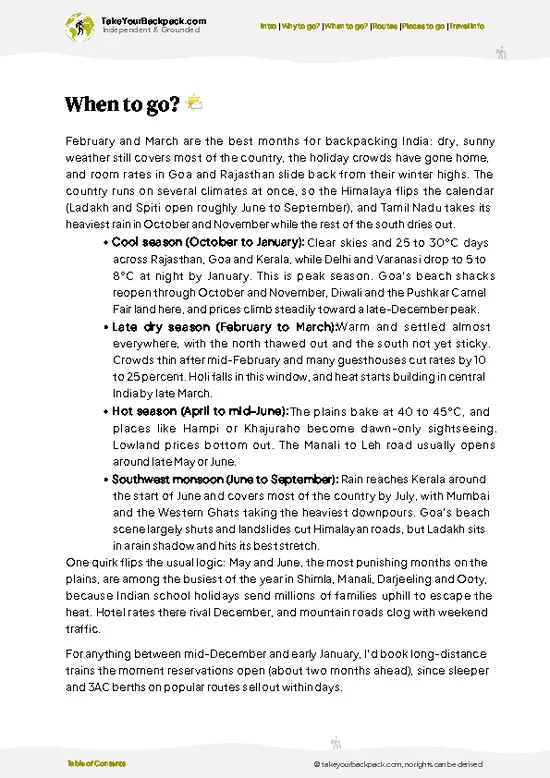
  • Weather: Kolkata’s climate swings between a hot, sticky summer and a wet monsoon season. The best window is from November to February when the air is dry and temperatures hover between 15-25°C (59-77°F), making walking around bearable and even pleasant.

  • Temperature: Summers (March to June) can hit 35-40°C (95-104°F), which drains your energy fast. Winters are mild but comfortable, rarely dropping below 12°C (54°F), so layering is simple and effective.

  • Daylight Hours: Kolkata enjoys roughly 11-12 hours of daylight year-round, but winter days are slightly shorter, which means earlier sunsets around 5:15 PM. Plan your sightseeing accordingly to maximize daylight.

  • Crowds: Tourist flow peaks during the cooler months and festive seasons like Durga Puja (September-October), which is a spectacle
read more 👉

  • Weather: Kolkata’s climate swings between a hot, sticky summer and a wet monsoon season. The best window is from November to February when the air is dry and temperatures hover between 15-25°C (59-77°F), making walking around bearable and even pleasant.

  • Temperature: Summers (March to June) can hit 35-40°C (95-104°F), which drains your energy fast. Winters are mild but comfortable, rarely dropping below 12°C (54°F), so layering is simple and effective.

  • Daylight Hours: Kolkata enjoys roughly 11-12 hours of daylight year-round, but winter days are slightly shorter, which means earlier sunsets around 5:15 PM. Plan your sightseeing accordingly to maximize daylight.

  • Crowds: Tourist flow peaks during the cooler months and festive seasons like Durga Puja (September-October), which is a spectacle but also means inflated prices and packed streets.

  • Seasonal Activities: Durga Puja is the cultural high point, but it’s also the busiest and most expensive time. Off-season offers fewer events but more authentic, less rushed experiences.

  • Price Fluctuations: Accommodation and flights spike during winter and festival times. Budget travelers score better deals in the hot pre-monsoon months or post-monsoon lull (July-September), but brace for humidity and occasional rain.


Pro-tip: Aim for late November to early February to balance comfort, crowd size, and cost—this is when Kolkata’s energy feels alive but manageable, turning logistics into your advantage rather than a hurdle.


source: climatestotravel.comJANJanuary: excellent for travelingFEBFebruary: excellent for travelingMARMarch: fair for travelingAPRApril: fair for travelingMAYMay: fair for travelingJUNJune: below average for travelingJULJuly: good for travelingAUGAugust: good for travelingSEPSeptember: good for travelingOCTOctober: highly recommended for travelingNOVNovember: excellent for travelingDECDecember: excellent for traveling
when-to-go

✈️ The backpacker research shortcutIndia Travel Guide

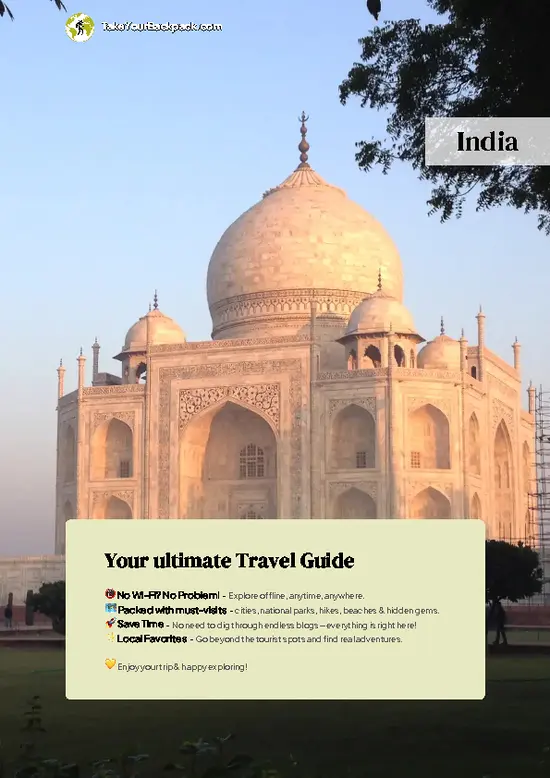
An offline-friendly backpacking guide with optimized travel routes, ranked highlights, transport advice, and the best areas to stay.
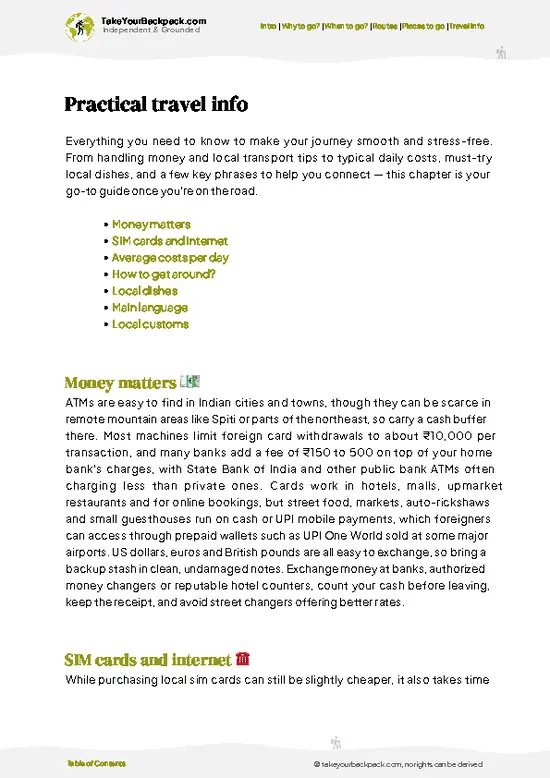
example page 0 from our offline Travel Guide for India
example page 1 from our offline Travel Guide for India
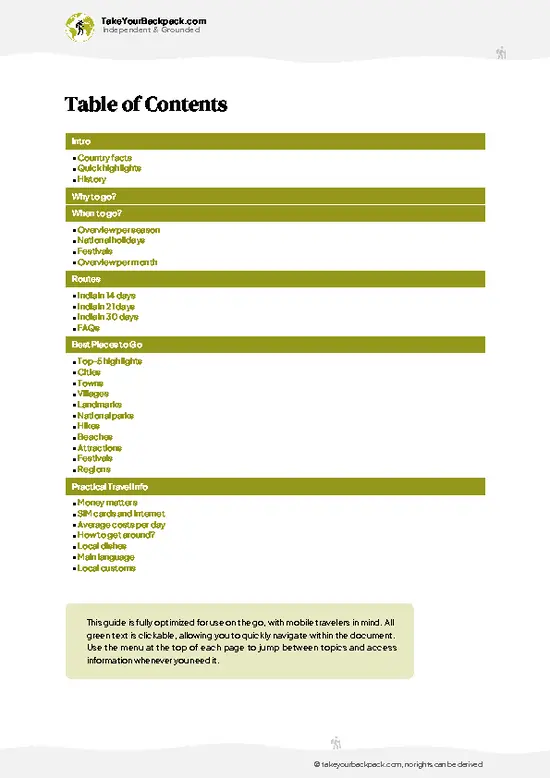
example page 2 from our offline Travel Guide for India
example page 3 from our offline Travel Guide for India
example page 4 from our offline Travel Guide for India
example page 5 from our offline Travel Guide for India
example page 6 from our offline Travel Guide for India
example page 7 from our offline Travel Guide for India
The digital guide (498 pages) contains:
162 highlights, ranked by travel appeal
Optimized 14, 21 & 30-day travel routes
Cities, national parks, landmarks, beaches
How to get around
Offline-friendly for travel without Wi-Fi
👉 Click to see all 30+ guide features

📅 Plan smarter in minutes, not weeks
Month by month travel advice
Festivals & national holidays
Budget expectations

🗺️ Go to the right places, skip the overrated ones
Honest pros & cons of destinations
Top hikes, parks & viewpoints
Lesser-known places most travelers miss
Clear “worth it vs skip it” guidance

🛏️ Travel smoothly without rookie mistakes
Best areas to stay
Transport systems explained simply
Common scams & safety advice
SIM cards, money & practical tips

🌍 Understand the country, not just visit it
Culture & traditions
52 Essential phrases & customs
Festivals worth planning around
Traveler-friendly historical context
Insights that make places more meaningful

📱 Built for real travel conditions
Fully downloadable PDF
Works completely offline
Optimized for phone use
Useful in remote areas & buses
Everything in one place
Save weeks of stressful planning
Get instant access to your full guide. 30‑day money-back guarantee.
+ Add another guide for just US$7.80

By proceeding you agree to our terms.
Sent to your inbox immediately after payment • 100% Secure Checkout
Best Backpacking Travel Advisor 2025 tourism awardBest Backpacking
Travel Advisor
2025
What others say about Take Your Backpack Guides:
⭐⭐⭐⭐⭐
Fantastic, amazing amount of information!
⭐⭐⭐⭐⭐
My goodness this is amazing, it's what I've been looking for hats off too you!
⭐⭐⭐⭐⭐
I think this is absolutely BRILLIANT
⭐⭐⭐⭐
Very complete and informative. It's still missing places, but I gotta to commend you
⭐⭐⭐⭐⭐
This is truly amazing, thank you, can't wait to explore it with my kids!
⭐⭐⭐⭐⭐
Awesome resource, thank you!
⭐⭐⭐⭐⭐
This is amazing! Can't wait to explore the ones I haven't seen
⭐⭐⭐⭐
I love this! Well done, great idea.
⭐⭐⭐⭐⭐
Thanks for taking the time to make this gem!
⭐⭐⭐⭐⭐
This might be the best website I've ever seen.
⭐⭐⭐⭐⭐
Congratulations, and thank you so much for your work; it's incredibly valuable.
⭐⭐⭐⭐
In all seriousness I think you did a great job pointing out the important spots
⭐⭐⭐⭐⭐
10/10 very good
⭐⭐⭐⭐⭐
As someone who's only just starting to visit regularly this is awesome, thank you.
⭐⭐⭐⭐
Thank you very much! I'm going to visit my dad, it's going to be very useful!
⭐⭐⭐⭐⭐
This is really cool! We'll be travelling for the first time and this definitely come in handy.
⭐⭐⭐⭐⭐
You are now our minister of culture, congratulations 👨‍💼
⭐⭐⭐⭐⭐
Just wanted to tell you that this is a pearl! Going to follow your recommendations.
⭐⭐⭐⭐⭐
This is so cool. I'll definitely be using the resource for my travels soon.
⭐⭐⭐⭐⭐
This is very impressive! Good work.
⭐⭐⭐⭐⭐
This is an amazing and informative site. Very well done!

🛏️ Where to stay?How to pick the right area

North Kolkata is the go-to for backpackers who want to dive into the city’s authentic pulse without draining their wallets. This area balances budget-friendly hostels with a gritty, lived-in vibe that’s both safe and social. Streets buzz with local markets, street food stalls, and old-school charm, making it easy to strike up conversations with fellow travelers and locals alike. The trade-off here is comfort—you won’t find luxury, but the cultural immersion and community vibe more than compensate.

Sudder Street in Central Kolkata is another hotspot for solo backpackers. It’s packed with budget hostels and guesthouses, creating a natural social hub. The area is lively, with plenty of cafes and travel agencies, making it a practical base for planning onward journeys. It’s safe enough for solo explorers but expect a bit of noise and hustle, which is part of the experience.

Compared to upscale neighborhoods like Ballygunge or Salt Lake, these backpacker-friendly zones sacrifice polished comfort for accessibility and atmosphere. You’re trading a quiet, plush stay for a chance to connect deeply with Kolkata’s everyday life—and that’s where the real value lies.

🚌 Getting aroundMoving around without the hassle

Kolkata moves to a rhythm that’s part clockwork, part improvisation. The city’s pulse is a blend of honking horns, bustling crowds, and the occasional lull of a tram’s bell. It’s not about strict timetables but about reading the flow—when to push forward, when to pause, and how to navigate the chaos with a sense of purpose. Here, time, money, and comfort don’t line up neatly; they’re a puzzle you solve with each trip, balancing speed against cost and convenience against experience.


  • Walking: The ultimate budget option and the best way to soak in Kolkata’s street life. It’s free, obviously, and often faster than waiting for a ride in congested areas. Expect uneven sidewalks and crowds, but the payoff is a sensory overload you can’t get from a vehicle.


  • Metro: Runs roughly from 6 AM to
read more 👉
Kolkata moves to a rhythm that’s part clockwork, part improvisation. The city’s pulse is a blend of honking horns, bustling crowds, and the occasional lull of a tram’s bell. It’s not about strict timetables but about reading the flow—when to push forward, when to pause, and how to navigate the chaos with a sense of purpose. Here, time, money, and comfort don’t line up neatly; they’re a puzzle you solve with each trip, balancing speed against cost and convenience against experience.


  • Walking: The ultimate budget option and the best way to soak in Kolkata’s street life. It’s free, obviously, and often faster than waiting for a ride in congested areas. Expect uneven sidewalks and crowds, but the payoff is a sensory overload you can’t get from a vehicle.


  • Metro: Runs roughly from 6 AM to 10 PM, with fares starting at ₹5 and maxing out around ₹25. It’s the fastest way to cover long distances without traffic delays. The trains are air-conditioned and clean, offering a rare slice of comfort in the city’s hustle. Peak hours get packed, so plan accordingly.


  • Trams: Kolkata’s iconic, slow-moving trams operate from about 6 AM to 8 PM, costing just ₹2 to ₹5. They’re a nostalgic, budget-friendly choice but don’t expect speed or comfort. Trams crawl through traffic, making them more of a scenic ride than a practical commute.


  • Bus: Extensive network running from early morning till late night, fares between ₹5 and ₹15. Buses are cheap but often crowded and unpredictable in timing. Comfort is minimal, and traffic jams can turn a short trip into a long haul. Best for those who want to blend in with locals and save every rupee.


  • Auto Rickshaw: Available 24/7, fares start around ₹20 for short trips but can vary widely due to lack of meters and traffic. Faster than buses and trams but less comfortable and sometimes a negotiation game. Ideal for short hops when you’re pressed for time but still budget-conscious.

👛 Costs (as of 4 September 2026)Money, prices, and spending tips

Backpacking in Kolkata offers a fascinating blend of affordability and cultural richness, but knowing the real costs helps you play the budget game smartly.
  • Dorm Accommodation (High Season): Expect to pay around $6 to $10 per night for a bed in a clean, basic dorm. High season means slightly higher prices, especially in popular areas like Park Street or near the Howrah Bridge.
  • Dorm Accommodation (Off-Season): Prices drop to about $4 to $7 per night. Off-season deals can be a steal if you’re flexible with location and amenities.
  • Meals: Street food and local eateries dominate here. You can eat well for $2 to $5 per meal. Think hearty plates of kathi rolls, mishti doi, or thalis. Western-style cafes push the price up to $7 or more.
  • Local Transport: Kolkata’s trams, buses, and shared autos
read more 👉
Backpacking in Kolkata offers a fascinating blend of affordability and cultural richness, but knowing the real costs helps you play the budget game smartly.
  • Dorm Accommodation (High Season): Expect to pay around $6 to $10 per night for a bed in a clean, basic dorm. High season means slightly higher prices, especially in popular areas like Park Street or near the Howrah Bridge.
  • Dorm Accommodation (Off-Season): Prices drop to about $4 to $7 per night. Off-season deals can be a steal if you’re flexible with location and amenities.
  • Meals: Street food and local eateries dominate here. You can eat well for $2 to $5 per meal. Think hearty plates of kathi rolls, mishti doi, or thalis. Western-style cafes push the price up to $7 or more.
  • Local Transport: Kolkata’s trams, buses, and shared autos are dirt cheap, usually under $0.50 per ride. A typical day of hopping around costs about $1 to $2.
  • City Transport Pass: If you plan heavy travel, a monthly metro pass is around $10, but daily travelers rarely need this. For short stays, single tickets or prepaid cards are more practical.
  • Basic Activities/Entry Fees: Museums, temples, and cultural sites charge modest fees, typically $1 to $3. Some iconic spots like the Victoria Memorial might be closer to $4.
  • Miscellaneous Expenses: Bottled water, snacks, occasional SIM top-ups, or a chai break add up to about $1 to $3 daily.

Add it all up, and your daily budget for backpacking in Kolkata ranges roughly between $15 and $30. This spread lets you choose between scrappy and savvy or a bit more comfort without breaking the bank. The key is balancing your priorities: spend less on transport and accommodation, and you can splurge a little on food or cultural experiences.
⚠️ Prices can change and everyone travels differently, so take this as a rough guide. Hope it helps you plan your adventure!

🚌 Day tripsExploring the surroundings

Kolkata is a fantastic launchpad for day trips that blend culture, history, and nature. Here’s how to make the most of your time without breaking the bank.

Sundarbans National Park
Just a few hours from Kolkata, the Sundarbans is a UNESCO World Heritage site and the largest mangrove forest in the world. You’ll want to hop on a boat to explore the intricate waterways, where you might spot the elusive Bengal tiger or playful river dolphins. Expect to spend around ₹1,500 to ₹2,500 for a day trip, including transport and a guide. The best time to visit is between November and February when the weather is cooler. A common mistake is underestimating the time needed for travel; plan for a full day.


Shantiniketan
This vibrant cultural hub, founded by Rabindranath Tagore, is about a three-hour … read more 👉
Kolkata is a fantastic launchpad for day trips that blend culture, history, and nature. Here’s how to make the most of your time without breaking the bank.

Sundarbans National Park
Just a few hours from Kolkata, the Sundarbans is a UNESCO World Heritage site and the largest mangrove forest in the world. You’ll want to hop on a boat to explore the intricate waterways, where you might spot the elusive Bengal tiger or playful river dolphins. Expect to spend around ₹1,500 to ₹2,500 for a day trip, including transport and a guide. The best time to visit is between November and February when the weather is cooler. A common mistake is underestimating the time needed for travel; plan for a full day.


Shantiniketan
This vibrant cultural hub, founded by Rabindranath Tagore, is about a three-hour train ride from Kolkata. The atmosphere is infused with art and education, making it a refreshing escape. You can wander through the Visva-Bharati University campus, visit art galleries, and enjoy local handicrafts. A round-trip train ticket costs around ₹300, and you’ll want to budget for lunch at a local eatery. The ideal time to visit is during the Poush Mela in January, but any time is good for soaking in the creative vibes. First-timers often miss the small, charming shops selling handmade crafts.


Bishnupur
Famous for its terracotta temples and Baluchari sarees, Bishnupur is about a four-hour journey by bus. The intricate carvings on the temples are a feast for the eyes, and you can even catch a traditional music performance. A day trip will set you back around ₹600, including transport and entry fees. The best months to visit are October to March, when the weather is pleasant. Many travelers overlook the local food scene; don’t skip the kachori and mishti!


Digha
If you crave some beach time, Digha is a popular seaside destination just a few hours away. The sandy shores and gentle waves make it perfect for a relaxing day. You can enjoy fresh seafood at local shacks, with a total cost of around ₹800 for transport and meals. Aim for a visit between October and March for the best weather. First-timers often head to the crowded main beach; explore the quieter stretches for a more authentic experience.
Want to know what more India offers?
The India Travel Guide describes 162 highlights, from cities to national parks, from beaches to hikes

Get the Travel Guide -

🍲 FoodWhat to Eat & Drink

In Kolkata, food is a vibrant tapestry of flavors and traditions. Start with puchka, the city’s take on panipuri—crispy shells filled with spicy tamarind water, a burst of tangy joy. Don’t miss macher jhol, a fish curry that’s a staple, simmered with spices that tell stories of the river.

Street food is where the magic happens. Markets buzz with vendors serving kathi rolls, skewered meats wrapped in paratha, perfect for a quick bite. The New Market area is a sensory overload, with aromas wafting from every corner.

When it comes to drinks, try cha, the spiced tea that fuels conversations. You’ll find it everywhere, from roadside stalls to cozy cafés. Kolkata’s drinking culture is social; sharing a cup is a ritual.

Etiquette is simple: eat with your hands, savoring each bite, and don’t … read more 👉
In Kolkata, food is a vibrant tapestry of flavors and traditions. Start with puchka, the city’s take on panipuri—crispy shells filled with spicy tamarind water, a burst of tangy joy. Don’t miss macher jhol, a fish curry that’s a staple, simmered with spices that tell stories of the river.

Street food is where the magic happens. Markets buzz with vendors serving kathi rolls, skewered meats wrapped in paratha, perfect for a quick bite. The New Market area is a sensory overload, with aromas wafting from every corner.

When it comes to drinks, try cha, the spiced tea that fuels conversations. You’ll find it everywhere, from roadside stalls to cozy cafés. Kolkata’s drinking culture is social; sharing a cup is a ritual.

Etiquette is simple: eat with your hands, savoring each bite, and don’t rush. Meals are communal, a celebration of flavors and friendships. Embrace the chaos, and let your taste buds lead the way.

🛡️ SafetySafety Tips and Common Scams in Kolkata

Kolkata is generally safe for backpackers, but a few areas require extra awareness. Stick to well-lit, populated streets at night, especially in neighborhoods like Park Street and Esplanade. Solo travelers should trust their instincts; if something feels off, it probably is.

Common scams include overly friendly locals offering unsolicited help, often leading to inflated prices or unwanted detours. Politely decline and keep your plans to yourself.

Street vendors can be persistent, but a firm “no, thank you” usually does the trick. Carry small change to avoid awkward situations.

Overall, stay alert, blend in, and maintain a confident demeanor. This approach not only minimizes risks but also enhances your experience, allowing you to engage with the city’s vibrant life without unnecessary distractions.

FAQFrequently asked questions about Kolkata

3 to 4 days are sufficient to explore Kolkata's main attractions including Victoria Memorial, Howrah Bridge, and Dakshineswar Kali Temple. This allows time to experience local markets and sample Bengali cuisine. Additional days may be needed for day trips outside the city.
Yes, Kolkata is generally safe for solo backpackers, especially during the day and in well-populated areas. Basic precautions like avoiding isolated places at night and keeping valuables secure are advised. Public transport and rickshaws are commonly used and safe with some vigilance.
Kolkata is known for its colonial architecture, cultural festivals like Durga Puja, and its rich literary and artistic heritage. It is also famous for street food such as puchka and sweets like rasgulla. The city is a major educational and intellectual hub in eastern India.
⚠️ Things can change over time, so always validate details locally before you go.

Other Indian cities near Kolkata

Explore more nearby:

  • Cuttack—Barabati fort, silver filigree, river islands| 348 km away
  • Bhubaneswar—Temple clusters, ancient caves, IT parks| 365 km away
  • Aizawl—Hilltop churches, bamboo houses, winding lanes| 463 km away

💡 Not sure where to go next?
Create a personalized itinerary for India including Kolkata and the places that fit your trip.

Generate my itinerary

👉 Discover all cities

Or checkout all India has to offer (think cities, towns, villages, national parks, hikes, beaches, festivals)
Country photo of India

We 💚 feedbackSumming up the experience

Kolkata is a sensory feast. The street food alone—think puchka and kathi rolls—will have you hooked. But be ready for chaos; the traffic can feel like a relentless game of Frogger. It’s vibrant, yes, but also overwhelming. Embrace the madness, and you’ll find a rhythm that’s uniquely Kolkata. Just know that comfort might take a backseat while you dive into this city’s rich tapestry of life.

✈️ When did I visit India?
As part of my 1.5 year travel around the world trip, I visited India in December 2015.

✍️ Help improve this page!
The information on this page is based on my own backpacking experience in India, supplemented with up-to-date research and feedback from other travelers. Travel details can change, so if you notice anything outdated or incomplete, feel free to let me know.


👋 Meet the founderWho’s Behind Take Your Backpack?

Johan, backpacker and founder of TakeYourBackpackHi, I’m Johan (Netherlands 🇳🇱), the creator of TakeYourBackpack. Over the past decade, I’ve backpacked through 80+ countries across six continents, gaining extensive experience with independent travel, long-term trips, and overland routes.

This site is built on a combination of firsthand travel experience and carefully curated insights from other backpackers. Many guides are based on places I’ve personally visited, while others bring together tips, observations, and practical advice shared by trusted travelers I’ve met along the way.

The goal is to provide realistic, experience-driven guidance — not generic itineraries — so you can explore destinations with better context, clearer expectations, and more confidence.

Get full India guide •
Instant download • 162 highlights • Full Offline guide