×

India🇮🇳 | townsKargilMountain passes, war memorials, apricot orchards | things to do and best time to go

Explore KalimpongExplore Mount Abu

Backpacking in Kargil
👀 For curious travelerstown ranked #17
By Johan Kruseman 🇳🇱 | Updated October 15, 2026

You land in Kargil with one big fork in the road: do you treat it as a quick refuel stop between Srinagar and Leh, or slow down and actually explore a frontier town that still feels raw and real? Kargil sits in Ladakh, in India’s far north, closer to the Line of Control than to any beach or bar crawl. As a backpacker stop, it’s rough-edged but interesting: a compact bazaar, old mosques, war memorials, and a riverfront that feels more functional than pretty. It’s cheaper and more conservative than Leh, with fewer cafés, almost no nightlife, and only a light trickle of other foreigners, which makes it safe but not especially social. I like it as a one-night pause to watch daily life in a strategic mountain town, not as a long-stay base.

Discover everything you want to know in the 📖 India Travel Guide.


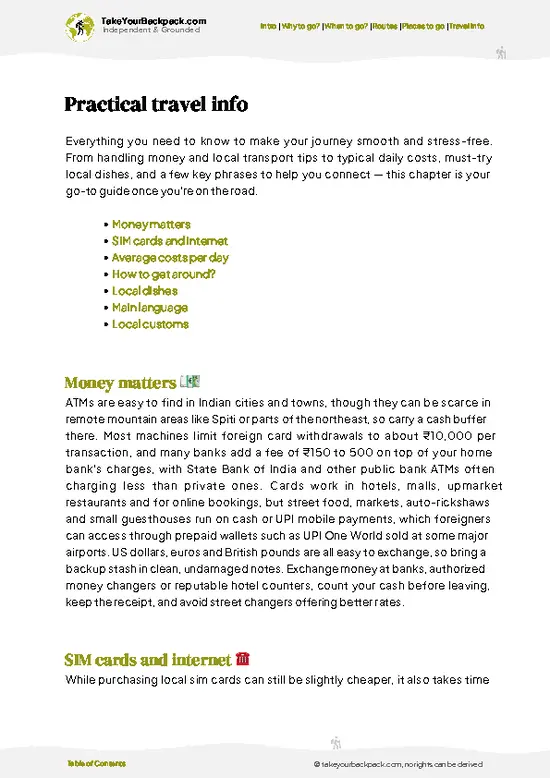
example page 0 from our offline Travel Guide for India
example page 1 from our offline Travel Guide for India
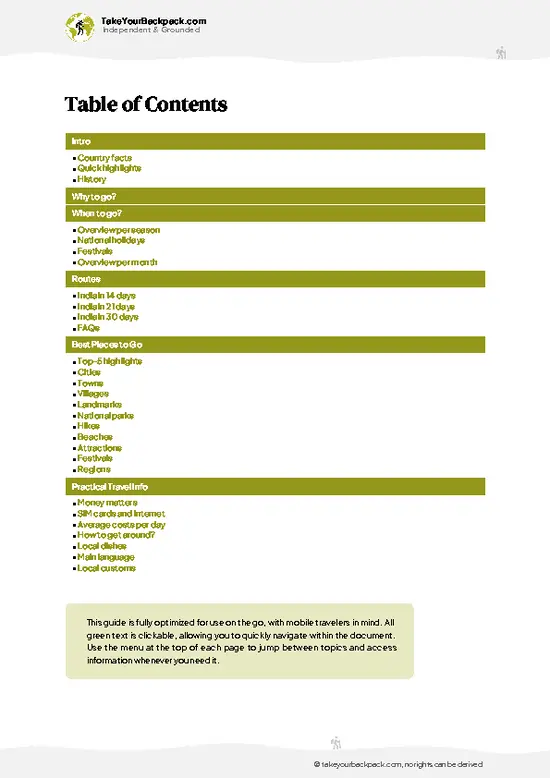
example page 2 from our offline Travel Guide for India
example page 3 from our offline Travel Guide for India
example page 4 from our offline Travel Guide for India
example page 5 from our offline Travel Guide for India
example page 6 from our offline Travel Guide for India
example page 7 from our offline Travel Guide for India
Loading the map 🌍
CLICK TO FILTER
cities
towns
villages
landmarks
national parks
hikes
beaches
attractions
festivals
regions
SHOW COUNTRY’S BESTSHOW ALL

✨ Why go?
Ranked #17 town in India
What makes this town worth visiting

Kargil draws backpackers for its basecamp value in the stunning landscapes of Ladakh. It’s a strategic stop for day trips to breathtaking sites, making it a smart choice for those wanting to explore without the hassle of constant packing. The walkability of the city lets you soak in local life, while affordable hostels provide a cozy place to recharge. Food options are diverse, from street stalls to local eateries, catering to every palate. Though nightlife is low-key, it offers a chance to connect with fellow travelers. If you’re looking for a blend of adventure and culture, Kargil is worth your time.

💡 HighlightsEssential experiences to have while visiting Kargil

  • Main Bazaar (Kargil Market) — The beating heart of the town: narrow lanes lined with shops selling apricot products, basic Pashmina, local spices and everyday gear; perfect for people-watching and picking up useful travel supplies not sold at highway rest stops.
  • Jamia Masjid Kargil — The central mosque and community hub where you can observe local Shia prayer life, simple Ladakhi-influenced architecture, and get a real sense of Kargil’s social rhythm (visitors should be respectful and quiet during services).
  • Old Town Lanes & Traditional Houses — Walkable area of mud-brick and stone houses, prayer flags, small shrine niches and courtyard life; gives a much stronger feel for everyday Kargil than highway stops ever will.
  • Local Teahouses and Eateries — Family-run tea shops and small dhabas
… read more 👉
  • Main Bazaar (Kargil Market) — The beating heart of the town: narrow lanes lined with shops selling apricot products, basic Pashmina, local spices and everyday gear; perfect for people-watching and picking up useful travel supplies not sold at highway rest stops.
  • Jamia Masjid Kargil — The central mosque and community hub where you can observe local Shia prayer life, simple Ladakhi-influenced architecture, and get a real sense of Kargil’s social rhythm (visitors should be respectful and quiet during services).
  • Old Town Lanes & Traditional Houses — Walkable area of mud-brick and stone houses, prayer flags, small shrine niches and courtyard life; gives a much stronger feel for everyday Kargil than highway stops ever will.
  • Local Teahouses and Eateries — Family-run tea shops and small dhabas serving butter tea, thukpa, momos and apricot preserves; low-cost, warming meals and the fastest way to meet locals and learn what people actually eat here.
  • Handicraft Stalls & Apricot Shops — Small-scale sellers of dried apricots, apricot oil, woolen goods and simple metalwork — fewer tourists, more authentic wares and a direct way to support local households.
A few real, visitable highlights just outside Kargil that make easy day trips: the Kargil/Dras War Memorial, the Mulbekh Buddha and monastery, and Lamayuru Monastery — Mulbekh (the Buddha statue and nearby village) is my personal favorite.
Spotted a mistake or missing something? Contact us.

Things to do around Kargil

Ratings based on Tripadvisor reviews. When you book through this link, you support our work at no extra cost to you.

🏘️ NeighborhoodsUnderstanding the local layout

Kargil offers a unique blend of history and culture, making it a fascinating stop for backpackers. Here’s how different neighborhoods stack up:

Downtown Kargil: The heart of the city, buzzing with local shops and eateries. It’s affordable and walkable, perfect for short stays. The vibe is lively, especially in the evenings, but you can find quiet corners too.

Suru Valley: A bit outside the main hustle, this area offers stunning views and tranquility. Ideal for longer stays, it’s less touristy and more immersive. Transport options are limited, but the peace is worth it.

Drass: Known as the second coldest inhabited place on Earth, it’s a gateway to adventure. While it’s quieter, the scenery is breathtaking. Great for those seeking a mix of history and nature, but plan for longer stays to soak it all in.

⌛️ 1 dayA smart one-day plan

Kargil, a city steeped in history and surrounded by the rugged beauty of the Himalayas, offers a unique blend of culture and adventure. Start your day in the bustling market area of Main Bazaar. Grab a steaming cup of chai from a local vendor and soak in the vibrant atmosphere. The morning is perfect for exploring the nearby Kargil War Memorial, where you can reflect on the sacrifices made during the 1999 conflict.

In the afternoon, head to the serene Suru River. A leisurely walk along its banks provides a refreshing contrast to the morning’s hustle. If you’re feeling adventurous, consider a short trek to the lesser-known Dras Valley. The views are breathtaking, and you’ll likely encounter friendly locals who are eager to share stories.

As evening approaches, return to the city for dinner … read more 👉
Kargil, a city steeped in history and surrounded by the rugged beauty of the Himalayas, offers a unique blend of culture and adventure. Start your day in the bustling market area of Main Bazaar. Grab a steaming cup of chai from a local vendor and soak in the vibrant atmosphere. The morning is perfect for exploring the nearby Kargil War Memorial, where you can reflect on the sacrifices made during the 1999 conflict.

In the afternoon, head to the serene Suru River. A leisurely walk along its banks provides a refreshing contrast to the morning’s hustle. If you’re feeling adventurous, consider a short trek to the lesser-known Dras Valley. The views are breathtaking, and you’ll likely encounter friendly locals who are eager to share stories.

As evening approaches, return to the city for dinner at a local eatery. Try some authentic Ladakhi cuisine—don’t miss the momos! Wrap up your day by visiting the historic Kargil Mosque, where the architecture tells tales of the region’s rich heritage. This blend of experiences makes Kargil a rewarding stop on your journey.

🌤️ When to go?Best time to visit Kargil

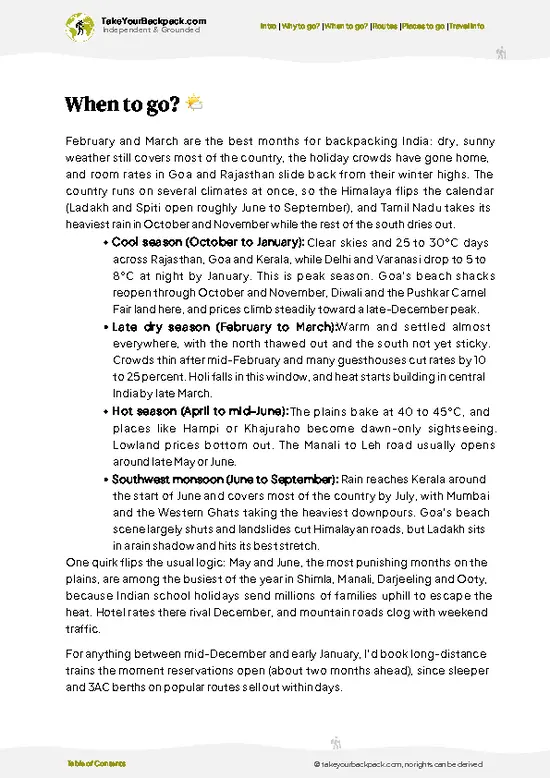
  • Topic: Weather - Kargil’s best window is June to September when temperatures hover between 10°C to 25°C (50°F to 77°F), avoiding the harsh winter chill that plunges below freezing.
  • Topic: Temperature - Summer days are comfortably cool, perfect for trekking; winters are brutally cold, often dropping to -20°C (-4°F), making travel risky and uncomfortable.
  • Topic: Daylight Hours - Long summer days offer up to 14 hours of light, maximizing your hiking and exploration time without rushing.
  • Topic: Crowds - Tourist traffic spikes in summer but remains manageable; winter sees near-deserted trails, which means solitude but limited services.
  • Topic: Seasonal Activities - Summer unlocks trekking, river rafting, and local festivals; winter restricts movement but offers stark, snowy landscapes for
… read more 👉
  • Topic: Weather - Kargil’s best window is June to September when temperatures hover between 10°C to 25°C (50°F to 77°F), avoiding the harsh winter chill that plunges below freezing.
  • Topic: Temperature - Summer days are comfortably cool, perfect for trekking; winters are brutally cold, often dropping to -20°C (-4°F), making travel risky and uncomfortable.
  • Topic: Daylight Hours - Long summer days offer up to 14 hours of light, maximizing your hiking and exploration time without rushing.
  • Topic: Crowds - Tourist traffic spikes in summer but remains manageable; winter sees near-deserted trails, which means solitude but limited services.
  • Topic: Seasonal Activities - Summer unlocks trekking, river rafting, and local festivals; winter restricts movement but offers stark, snowy landscapes for the hardy.
  • Topic: Price Fluctuations - Summer rates for accommodation and guides rise due to demand; off-season winter prices drop but come with trade-offs in accessibility and comfort.
Pro-tip: Aim for early summer—before peak July crowds—to balance weather, daylight, and cost, turning your Kargil trip into a strategic win.


source: climatestotravel.comJANJanuary: below average for travelingFEBFebruary: below average for travelingMARMarch: fair for travelingAPRApril: good for travelingMAYMay: highly recommended for travelingJUNJune: excellent for travelingJULJuly: excellent for travelingAUGAugust: excellent for travelingSEPSeptember: excellent for travelingOCTOctober: good for travelingNOVNovember: fair for travelingDECDecember: below average for traveling
when-to-go

✈️ The backpacker research shortcutIndia Travel Guide

An offline-friendly backpacking guide with optimized travel routes, ranked highlights, transport advice, and the best areas to stay.
example page 0 from our offline Travel Guide for India
example page 1 from our offline Travel Guide for India
example page 2 from our offline Travel Guide for India
example page 3 from our offline Travel Guide for India
example page 4 from our offline Travel Guide for India
example page 5 from our offline Travel Guide for India
example page 6 from our offline Travel Guide for India
example page 7 from our offline Travel Guide for India
The digital guide (483 pages) contains:
✅ 157 highlights, ranked by travel appeal
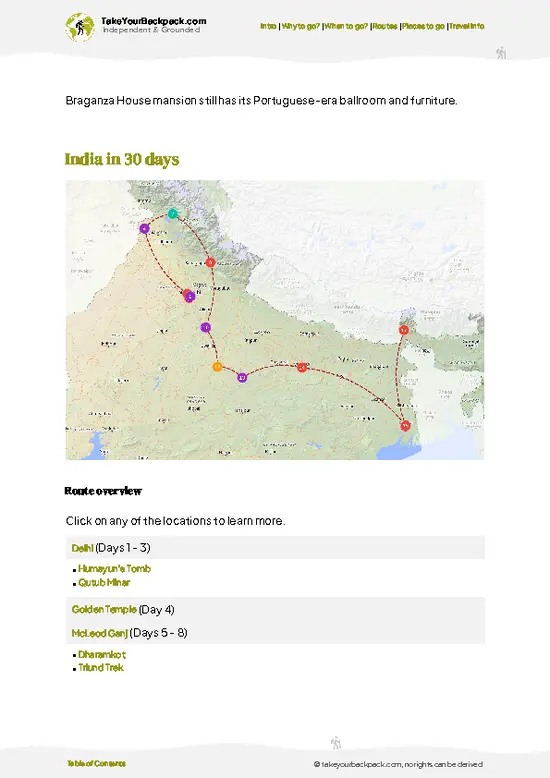
✅ Optimized 14, 21 & 30-day travel routes
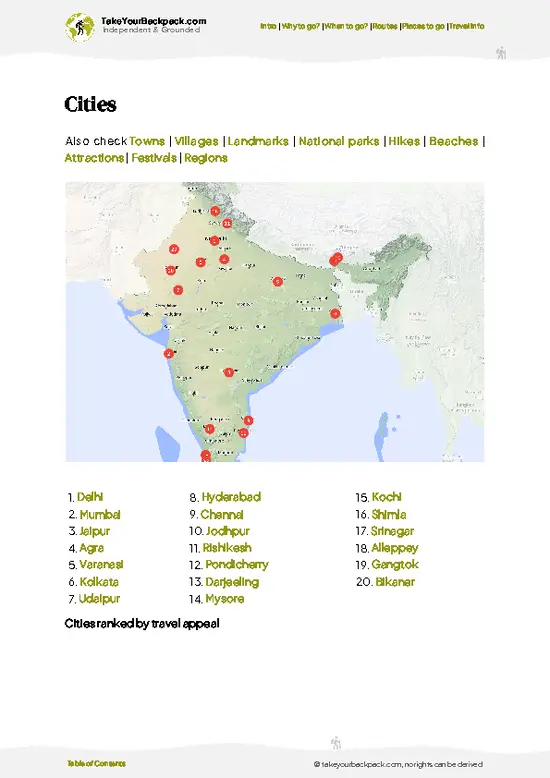
✅ Cities, national parks, landmarks, beaches
✅ How to get around
✅ Offline-friendly for travel without Wi-Fi
👉 Click to see all 30+ guide features

📅 Plan smarter in minutes, not weeks
✅ Month by month travel advice
✅ Festivals & national holidays
✅ Budget expectations

🗺️ Go to the right places, skip the overrated ones
✅ Honest pros & cons of destinations
✅ Top hikes, parks & viewpoints
✅ Lesser-known places most travelers miss
✅ Clear “worth it vs skip it” guidance

🛏️ Travel smoothly without rookie mistakes
✅ Best areas to stay
✅ Transport systems explained simply
✅ Common scams & safety advice
✅ SIM cards, money & practical tips

🌍 Understand the country, not just visit it
✅ Culture & traditions
✅ 52 Essential phrases & customs
✅ Festivals worth planning around
✅ Traveler-friendly historical context
✅ Insights that make places more meaningful

📱 Built for real travel conditions
✅ Fully downloadable PDF
✅ Works completely offline
✅ Optimized for phone use
✅ Useful in remote areas & buses
✅ Everything in one place
Stop searching, start planning
Get instant access to your full guide. 30‑day money-back guarantee.
+ Add another guide for just

By proceeding you agree to our terms.
Sent to your inbox immediately after payment • 100% Secure Checkout
Best Backpacking Travel Advisor 2025 tourism awardBest Backpacking
Travel Advisor
2025
What others say about Take Your Backpack Guides:
⭐⭐⭐⭐⭐
Fantastic, amazing amount of information!
⭐⭐⭐⭐⭐
My goodness this is amazing, it's what I've been looking for hats off too you!
⭐⭐⭐⭐⭐
I think this is absolutely BRILLIANT
⭐⭐⭐⭐
Very complete and informative. It's still missing places, but I gotta to commend you
⭐⭐⭐⭐⭐
This is truly amazing, thank you, can't wait to explore it with my kids!
⭐⭐⭐⭐⭐
Awesome resource, thank you!
⭐⭐⭐⭐⭐
This is amazing! Can't wait to explore the ones I haven't seen
⭐⭐⭐⭐
I love this! Well done, great idea.
⭐⭐⭐⭐⭐
Thanks for taking the time to make this gem!
⭐⭐⭐⭐⭐
This might be the best website I've ever seen.
⭐⭐⭐⭐⭐
Congratulations, and thank you so much for your work; it's incredibly valuable.
⭐⭐⭐⭐
In all seriousness I think you did a great job pointing out the important spots
⭐⭐⭐⭐⭐
10/10 very good
⭐⭐⭐⭐⭐
As someone who's only just starting to visit regularly this is awesome, thank you.
⭐⭐⭐⭐
Thank you very much! I'm going to visit my dad, it's going to be very useful!
⭐⭐⭐⭐⭐
This is really cool! We'll be travelling for the first time and this definitely come in handy.
⭐⭐⭐⭐⭐
You are now our minister of culture, congratulations 👨‍💼
⭐⭐⭐⭐⭐
Just wanted to tell you that this is a pearl! Going to follow your recommendations.
⭐⭐⭐⭐⭐
This is so cool. I'll definitely be using the resource for my travels soon.
⭐⭐⭐⭐⭐
This is very impressive! Good work.
⭐⭐⭐⭐⭐
This is an amazing and informative site. Very well done!

🛏️ Where to stay?Best areas to stay in India

In Kargil, the best spot for backpackers is the area around the main market and the town center. It’s where you’ll find a cluster of budget guesthouses and a handful of hostels catering to solo travelers and small groups. This zone nails the balance between safety and social energy—locals and fellow backpackers mingle here, making it easy to swap stories or find a trekking buddy. Compared to the quieter outskirts or residential neighborhoods, staying here means you’re never far from food stalls, transport links, and the pulse of daily life. It’s not luxury, but the vibe is authentic and practical, … read more 👉
In Kargil, the best spot for backpackers is the area around the main market and the town center. It’s where you’ll find a cluster of budget guesthouses and a handful of hostels catering to solo travelers and small groups. This zone nails the balance between safety and social energy—locals and fellow backpackers mingle here, making it easy to swap stories or find a trekking buddy. Compared to the quieter outskirts or residential neighborhoods, staying here means you’re never far from food stalls, transport links, and the pulse of daily life. It’s not luxury, but the vibe is authentic and practical, perfect for those who want to maximize experience without overspending.

🚌 Getting aroundHow to get around Kargil

Kargil moves at its own pace—neither frantic nor sluggish, but a rhythm shaped by mountain winds and military precision. The city’s pulse is a blend of rigid timetables and flexible intuition, where buses might leave on the dot, yet shared taxis wait until they’re full. Here, time, money, and comfort are constantly in negotiation, and understanding these trade-offs is your ticket to mastering the flow rather than fighting it.
  • Shared Taxis: The backbone of local travel, these leave only when full, so timing is unpredictable but fares are dirt cheap (around ₹50-100). They’re fast and direct, but comfort depends on how many cram in.
  • Local Buses: Run from early morning (6 AM) to early evening (6 PM), costing ₹20-50 per ride. They stick to schedules better than taxis but are slower and less comfortable,
… read more 👉
Kargil moves at its own pace—neither frantic nor sluggish, but a rhythm shaped by mountain winds and military precision. The city’s pulse is a blend of rigid timetables and flexible intuition, where buses might leave on the dot, yet shared taxis wait until they’re full. Here, time, money, and comfort are constantly in negotiation, and understanding these trade-offs is your ticket to mastering the flow rather than fighting it.
  • Shared Taxis: The backbone of local travel, these leave only when full, so timing is unpredictable but fares are dirt cheap (around ₹50-100). They’re fast and direct, but comfort depends on how many cram in.
  • Local Buses: Run from early morning (6 AM) to early evening (6 PM), costing ₹20-50 per ride. They stick to schedules better than taxis but are slower and less comfortable, often packed with locals and luggage.
  • Walking: The ultimate zero-cost option for short distances within town. Kargil’s compact layout and fresh mountain air make walking not just practical but a way to soak in the local vibe—just watch for uneven paths.
  • Private Taxis: Expensive (₹500+ per trip) but flexible and comfortable, ideal if you’re tight on time or traveling with gear. They run anytime but require negotiation upfront.

👛 Costs (as of 15 October 2026)Travel costs and budget guide for Kargil

Backpacking in Kargil, India, is a study in balancing essentials with local realities—here’s how your daily budget breaks down, so you know exactly what you’re trading off.
  • Dorm Accommodation (High Season): Expect to pay around $8-$12 per night. High season means limited availability, so prices edge up, but you still get basic, clean dorm beds with heating options, crucial in Kargil’s chill.
  • Dorm Accommodation (Off-Season): Prices drop to about $5-$8. Off-season is quieter, and you can negotiate better deals, but some guesthouses might close or reduce services.
  • Meals: Local eateries serve filling meals for $2-$5 each. Stick to simple dal, rice, and momos to keep costs low. Western-style or imported foods will hike your bill significantly.
  • Local Transport: Shared taxis or minibuses run
… read more 👉
Backpacking in Kargil, India, is a study in balancing essentials with local realities—here’s how your daily budget breaks down, so you know exactly what you’re trading off.
  • Dorm Accommodation (High Season): Expect to pay around $8-$12 per night. High season means limited availability, so prices edge up, but you still get basic, clean dorm beds with heating options, crucial in Kargil’s chill.
  • Dorm Accommodation (Off-Season): Prices drop to about $5-$8. Off-season is quieter, and you can negotiate better deals, but some guesthouses might close or reduce services.
  • Meals: Local eateries serve filling meals for $2-$5 each. Stick to simple dal, rice, and momos to keep costs low. Western-style or imported foods will hike your bill significantly.
  • Local Transport: Shared taxis or minibuses run around $1-$2 per trip within Kargil town. It’s cheap but expect basic vehicles and variable schedules.
  • City Transport Pass: Kargil doesn’t have a formal city transport pass system. Budget $5-$7 if you plan multiple taxi rides or private hires in a day.
  • Basic Activities/Entry Fees: Most local monasteries and cultural sites charge nominal fees, typically under $2. Guided tours or special permits for restricted areas can push this higher, around $10-$15.
  • Miscellaneous Expenses: Snacks, bottled water, phone credit, and small tips add up to roughly $2-$4 daily. Water purification tablets or filters are a smart buy upfront.

All told, you’re looking at a daily spend of roughly $15 to $35, depending on season and how much you lean into comfort versus scrappy local options. Kargil’s charm is in its simplicity—spend smart, and you’ll have cash left for the moments that truly matter.
⚠️ Prices can change and everyone travels differently, so take this as a rough guide. Hope it helps you plan your adventure!

🚌 Day tripsShort trips worth adding

Kargil is a strategic base for exploring the stunning landscapes of Ladakh, offering day trips that are both enriching and accessible.

Dras Valley
Just a short drive from Kargil, Dras Valley is often called the second coldest inhabited place on Earth. The journey takes about an hour, and the views of the surrounding mountains are breathtaking. You can visit the Kargil War Memorial, which offers a poignant glimpse into history. Expect to spend around ₹500 on transport and meals. The best time to visit is between May and September when the roads are clear. First-timers often underestimate the cold; pack layers, even in summer.


Mulbekh Monastery
A 45-minute ride from Kargil, Mulbekh is home to ancient rock carvings and a serene monastery. The trip is worth it for the peaceful atmosphere … read more 👉
Kargil is a strategic base for exploring the stunning landscapes of Ladakh, offering day trips that are both enriching and accessible.

Dras Valley
Just a short drive from Kargil, Dras Valley is often called the second coldest inhabited place on Earth. The journey takes about an hour, and the views of the surrounding mountains are breathtaking. You can visit the Kargil War Memorial, which offers a poignant glimpse into history. Expect to spend around ₹500 on transport and meals. The best time to visit is between May and September when the roads are clear. First-timers often underestimate the cold; pack layers, even in summer.


Mulbekh Monastery
A 45-minute ride from Kargil, Mulbekh is home to ancient rock carvings and a serene monastery. The trip is worth it for the peaceful atmosphere and the chance to interact with monks. Budget around ₹300 for transport and snacks. Late spring or early fall is ideal for fewer crowds and pleasant weather. Many overlook the small village nearby, which has local eateries serving authentic food.


Suru Valley
Suru Valley, about an hour from Kargil, is a paradise for nature lovers. The lush green fields and the backdrop of snow-capped peaks are a photographer’s dream. You can hike or simply enjoy the scenery. Expect to spend around ₹600 for transport and a meal. Late spring to early summer is perfect for vibrant landscapes. A common mistake is to rush through; take your time to soak it all in.


Zanskar Valley
While Zanskar is often associated with longer treks, a day trip to its fringes is feasible. It takes about two hours to reach the entry point, where you can witness the confluence of rivers. The cost is around ₹800 for transport. Visit between June and September for the best access. Many miss the chance to explore the local culture; don’t just snap photos—engage with the locals.

🛡️ SafetyTraveler Safety Guide

Kargil is generally safe for backpackers, but a few situational awareness tips can enhance your experience. Stick to well-lit areas at night, especially if you’re solo; the streets can feel quiet after dark. Be cautious around local markets—while most vendors are honest, some may inflate prices for tourists. Always negotiate and ask locals for fair rates. Keep your belongings secure, as petty theft can happen in crowded spots. Trust your instincts, stay engaged, and you’ll navigate Kargil like a pro.

FAQTraveler FAQ

Kargil is worth visiting for those interested in history, culture, and scenic mountain landscapes, not just a stopover. It is known for its role in the 1999 Kargil War and offers attractions like the Kargil War Memorial. The town provides a unique experience compared to more tourist-heavy Ladakh destinations.
You need 2 to 3 days in Kargil to explore the main sites, including the war memorial, local markets, and nearby villages. This duration allows time to acclimatize to the altitude of around 2,676 meters and enjoy some trekking or sightseeing without rushing.
No, Kargil cannot be comfortably visited as a day trip from nearby cities like Leh or Srinagar due to long travel times. The road from Leh to Kargil takes about 6 to 7 hours one way, making a day trip impractical and exhausting.
⚠️ Things can change over time, so always validate details locally before you go.

Other Indian towns near Kargil

Explore more nearby:

  • Leh—High-altitude town, Buddhist monasteries, mountain passes| 140 km away
  • McLeod Ganj—Tibetan enclave, monastery life, mountain views| 258 km away
  • Mandawa—painted havelis, merchant mansions, desert town| 729 km away

💡 Not sure where to go next?
Create a personalized itinerary for India including Kargil and the places that fit your trip.

Generate my itinerary

👉 Discover all towns

Or checkout all India has to offer (think cities, towns, villages, national parks, hikes, beaches, festivals)
Country photo of India

We 💚 feedbackWhat to keep in mind

Kargil’s raw beauty and rich history make it a compelling stop. You’ll feel the pulse of a place shaped by resilience. Just know that the altitude can hit hard; acclimatization is key. Embrace the challenge, and the rewards will follow.

✈️ When did I visit India?
As part of my 1.5 year travel around the world trip, I visited India in December 2015.

✍️ Help improve this page!
The information on this page is based on my own backpacking experience in India, supplemented with up-to-date research and feedback from other travelers. Travel details can change, so if you notice anything outdated or incomplete, feel free to let me know.


🙋‍♂️ Give feedback

👋 Meet the founderWho’s Behind Take Your Backpack?

Johan, backpacker and founder of TakeYourBackpackHi, I’m Johan (Netherlands 🇳🇱), the creator of TakeYourBackpack. Over the past 3 decades, I’ve backpacked through 90+ countries across six continents, gaining extensive experience with independent travel, long-term trips, and overland routes.

This site is built on a combination of firsthand travel experience and carefully curated insights from other backpackers. Many guides are based on places I’ve personally visited, while others bring together tips, observations, and practical advice shared by trusted travelers I’ve met along the way.

The goal is to provide realistic, experience-driven guidance — not generic itineraries — so you can explore destinations with better context, clearer expectations, and more confidence.