


×

India🇮🇳 | townsPushkarsacred lake, temple ghats, annual fair | things to do and best time to go

Explore JaisalmerExplore Leh

Backpacking in Pushkar
🌟 Highlighttown ranked #6
By Johan Kruseman 🇳🇱 | Updated October 15, 2026

Everyone talks about Pushkar for the holy lake and the camel fair, but what actually shapes your trip is the slower rhythm: the incense haze at sunrise, the clang of temple bells, the ring of chai glasses in backpacker cafés. Pushkar sits in Rajasthan, just over the hills from Ajmer, and feels like a pocket-sized pause between heavier hitters like Jaipur and Jodhpur. The town is compact and walkable; you’ll mostly move on foot, drifting between ghats, the market loop, and rooftop thali spots, with buses and trains via Ajmer making it an easy detour. It’s cheaper and calmer than Jaipur, more spiritual than Pushkar’s party reputation suggests, but also more tourist-focused than a random Rajasthani village. Expect lots of hostels, mellow social energy, and soft curfews rather than wild nights. Safety is generally fine, but petty hassle and touts exist. Think of Pushkar as a gentle, atmospheric layover, not a base for big adventures.

Discover everything you want to know in the 📖 India Travel Guide.


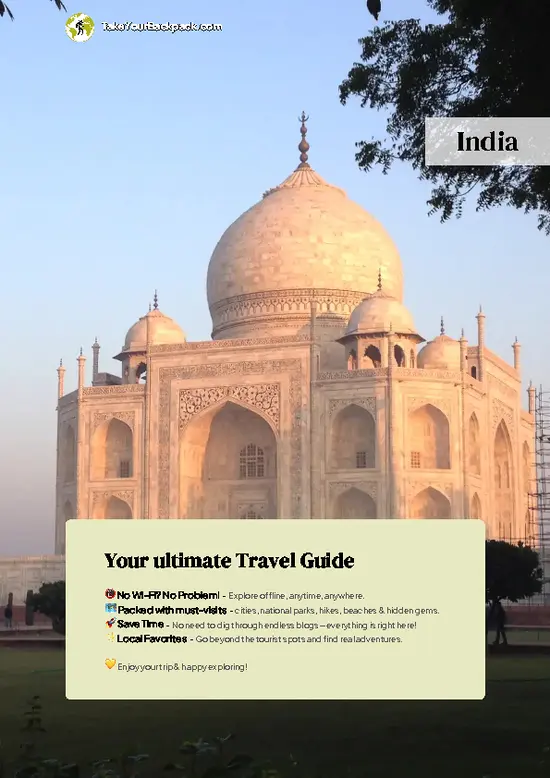
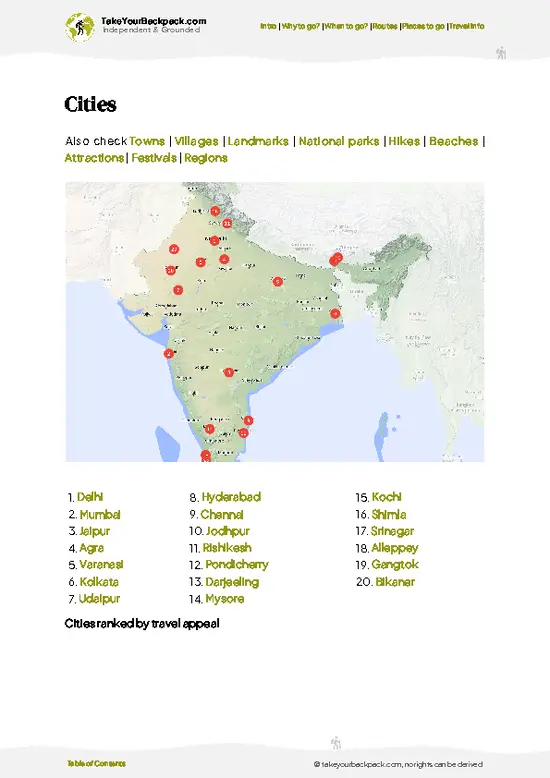
example page 0 from our offline Travel Guide for India
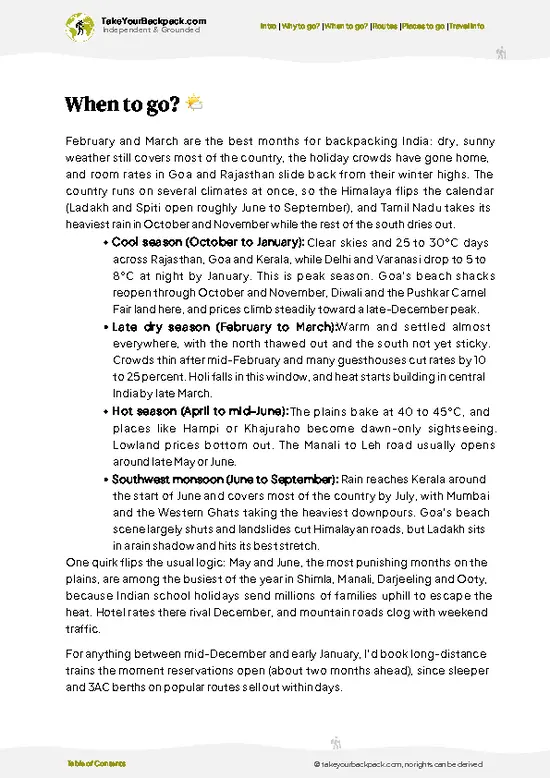
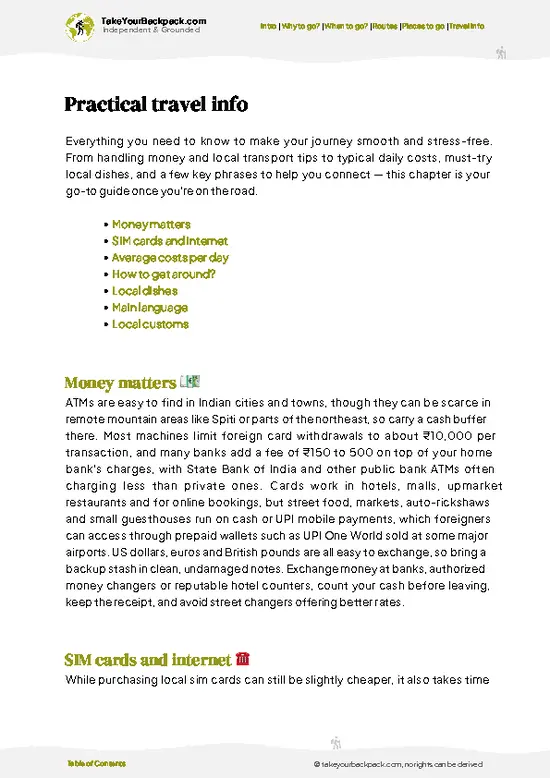
example page 1 from our offline Travel Guide for India
example page 2 from our offline Travel Guide for India
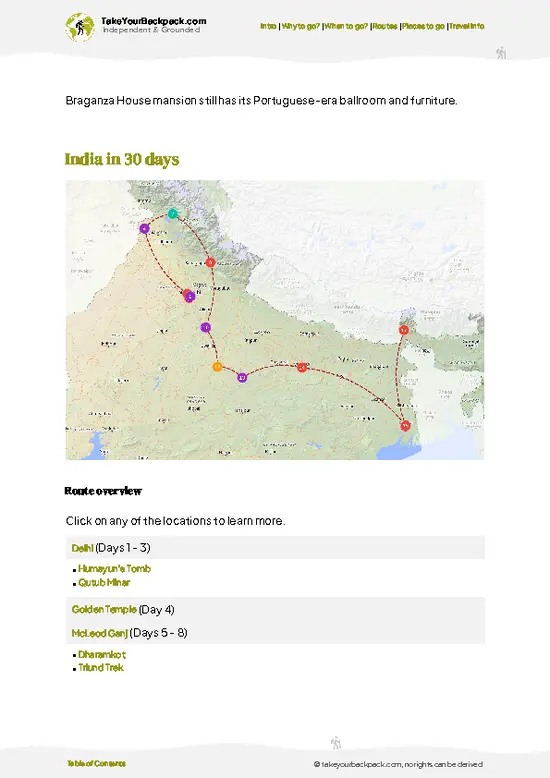
example page 3 from our offline Travel Guide for India
example page 4 from our offline Travel Guide for India
example page 5 from our offline Travel Guide for India
example page 6 from our offline Travel Guide for India
example page 7 from our offline Travel Guide for India
Loading the map 🌍
CLICK TO FILTER
cities
towns
villages
landmarks
national parks
hikes
beaches
attractions
festivals
regions
SHOW COUNTRY’S BESTSHOW ALL

✨ Why go?
Ranked #6 town in India
What makes it a must-see town

Backpackers flock to Pushkar for its unique blend of spirituality and convenience. Nestled near the Aravalli Range, it serves as a perfect base for those eager to explore nearby hikes or the desert landscapes. The town’s walkable streets invite you to wander, with small-scale hostels and guesthouses that foster a friendly, communal vibe. You’ll find yourself sharing stories over a plate of dal baati or sipping chai in a cozy café, where the scent of spices fills the air.

Travelers often linger here for a few days, soaking in the local culture and the serene atmosphere. It’s a haven for slow travelers and solo adventurers who appreciate the chance to connect with others while enjoying moments of quiet reflection by the sacred lake. While Pushkar isn’t known for a bustling nightlife, its charm … read more 👉
Backpackers flock to Pushkar for its unique blend of spirituality and convenience. Nestled near the Aravalli Range, it serves as a perfect base for those eager to explore nearby hikes or the desert landscapes. The town’s walkable streets invite you to wander, with small-scale hostels and guesthouses that foster a friendly, communal vibe. You’ll find yourself sharing stories over a plate of dal baati or sipping chai in a cozy café, where the scent of spices fills the air.

Travelers often linger here for a few days, soaking in the local culture and the serene atmosphere. It’s a haven for slow travelers and solo adventurers who appreciate the chance to connect with others while enjoying moments of quiet reflection by the sacred lake. While Pushkar isn’t known for a bustling nightlife, its charm lies in the authentic experiences that unfold during the day. If you’re looking for a place to recharge and immerse yourself in a rich tapestry of tradition, Pushkar is a must-stop on your journey.

💡 HighlightsMust-see experiences and standout moments

Pushkar Lake (Sarovar)
The heart of Pushkar is its lake—a living, breathing ritual space. At dawn, the air is cool and smells faintly of incense and wet stone. Pilgrims circle the ghats, their prayers echoing off the water. This isn’t just a photo stop; it’s a place to sit, watch, and absorb the rhythm of daily devotion. The best time is sunrise or sunset, when the light turns the water gold and the crowds are contemplative, not chaotic. Free to visit, but expect to spend at least an hour if you want to feel the pulse of the place.


Brahma Temple
One of the world’s few temples dedicated to Brahma, this spot is a magnet for both the devout and the curious. The temple’s blue-and-red shikhara rises above the town’s low skyline, and the marble floors are cool underfoot even in the midday heat. … read more 👉
Pushkar Lake (Sarovar)
The heart of Pushkar is its lake—a living, breathing ritual space. At dawn, the air is cool and smells faintly of incense and wet stone. Pilgrims circle the ghats, their prayers echoing off the water. This isn’t just a photo stop; it’s a place to sit, watch, and absorb the rhythm of daily devotion. The best time is sunrise or sunset, when the light turns the water gold and the crowds are contemplative, not chaotic. Free to visit, but expect to spend at least an hour if you want to feel the pulse of the place.


Brahma Temple
One of the world’s few temples dedicated to Brahma, this spot is a magnet for both the devout and the curious. The temple’s blue-and-red shikhara rises above the town’s low skyline, and the marble floors are cool underfoot even in the midday heat. The atmosphere is charged—part reverence, part curiosity. Visit early morning (6-8am) to avoid the crush and catch the temple at its most serene. Entry is free, though a small donation is customary. Allow 30-45 minutes.


Pushkar Bazaar
This isn’t your average tourist market. The bazaar is a sensory gauntlet: the clang of metalworkers, the sweet smoke of rose incense, and the riot of color from tie-dye saris and camel leather goods. Skip the generic souvenirs and look for hand-embroidered textiles or old-school chai stalls. The best time is late afternoon, when the heat eases and the market comes alive. No entry fee, but bring cash for small purchases. Give yourself at least an hour—more if you’re a browser.


Savitri Mata Temple
A steep climb (or a short cable car ride) leads you to this hilltop temple, where the reward is a panoramic sweep of Pushkar and the desert beyond. The climb is a rite of passage—expect to sweat, but the breeze at the top is worth every step. The temple itself is modest, but the view at sunset is pure magic: the town glows, the lake shimmers, and the Aravalli hills fade into blue haze. Entry is free; cable car costs around 120 INR round trip. Budget 1.5-2 hours for the full experience.


Evening Aarti at Varaha Ghat
As dusk falls, the Varaha Ghat transforms. Oil lamps flicker on the steps, priests chant, and the lake reflects a thousand points of light. This isn’t a performance—it’s a communal act, open to all. The scent of marigolds and camphor hangs in the air. Arrive by 6:30pm to find a spot; the ritual lasts about 30 minutes. Free, but a small offering is appreciated.


For day trips, the rose farms just outside town, the ancient temples of Ajmer, and the dramatic Savitri Hill trails are all within easy reach—though the rose farms, with their intoxicating scent at sunrise, are my personal favorite.
Spotted a mistake or missing something? Contact us.

Things to do around Pushkar

Ratings based on Tripadvisor reviews. When you book through this link, you support our work at no extra cost to you.

🏘️ NeighborhoodsWhere things are and how it's laid out

Pushkar is a vibrant town that pulses with spirituality and culture, making it a must-visit for backpackers seeking a unique experience. Here’s how to navigate its neighborhoods:

Pushkar Lake Area
This is the heart of Pushkar, where the sacred lake draws pilgrims and tourists alike. The vibe is bustling yet serene, especially at sunrise when the light dances on the water. Accommodation here ranges from budget hostels to mid-range guesthouses. It’s walkable, with easy access to temples and markets. Perfect for short stays, but the constant activity can be overwhelming for longer visits.

Brahma Temple Zone
Home to the famous Brahma Temple, this area is quieter, attracting those interested in spirituality. The streets are lined with shops selling handicrafts and local snacks. Prices are slightly … read more 👉
Pushkar is a vibrant town that pulses with spirituality and culture, making it a must-visit for backpackers seeking a unique experience. Here’s how to navigate its neighborhoods:

Pushkar Lake Area
This is the heart of Pushkar, where the sacred lake draws pilgrims and tourists alike. The vibe is bustling yet serene, especially at sunrise when the light dances on the water. Accommodation here ranges from budget hostels to mid-range guesthouses. It’s walkable, with easy access to temples and markets. Perfect for short stays, but the constant activity can be overwhelming for longer visits.

Brahma Temple Zone
Home to the famous Brahma Temple, this area is quieter, attracting those interested in spirituality. The streets are lined with shops selling handicrafts and local snacks. Prices are slightly higher, but the atmosphere is worth it. Ideal for longer stays, as you can soak in the peaceful energy, yet still close enough to the action for a night out.

Market Street
This area buzzes with energy, especially in the evenings. Street food stalls and shops create a lively atmosphere. It’s a great spot for budget travelers looking for affordable eats and souvenirs. While it’s walkable, be prepared for crowds. Best for short stays, as the nightlife can be noisy.

Sunset Point
A bit of a trek, but the views are rewarding. This area is quieter, perfect for those seeking solitude after a day of exploration. It’s not as accessible, but the hike is manageable. Ideal for longer stays if you want to escape the hustle and enjoy nature.

⌛️ 1 day1-day itinerary for Pushkar

Pushkar, a small town in Rajasthan, pulses with spirituality and vibrant culture. Known for its sacred lake and the annual camel fair, it’s a place where the air is thick with incense and the sounds of temple bells mingle with the chatter of locals. The charm lies not just in its iconic sights but in the hidden corners waiting to be explored.

Start your morning at the ghats by the Pushkar Lake. The early light casts a golden hue on the water, and the scent of jasmine wafts through the air. Join the locals for a morning ritual; watching them perform their puja is a serene experience. After soaking in the tranquility, grab a breakfast of aloo parathas at a nearby café. The crispy edges and spicy pickle will fuel your day.

In the afternoon, wander through the narrow lanes of the Brahma Temple … read more 👉
Pushkar, a small town in Rajasthan, pulses with spirituality and vibrant culture. Known for its sacred lake and the annual camel fair, it’s a place where the air is thick with incense and the sounds of temple bells mingle with the chatter of locals. The charm lies not just in its iconic sights but in the hidden corners waiting to be explored.

Start your morning at the ghats by the Pushkar Lake. The early light casts a golden hue on the water, and the scent of jasmine wafts through the air. Join the locals for a morning ritual; watching them perform their puja is a serene experience. After soaking in the tranquility, grab a breakfast of aloo parathas at a nearby café. The crispy edges and spicy pickle will fuel your day.

In the afternoon, wander through the narrow lanes of the Brahma Temple area. While the temple itself is a must-see, take a detour to the nearby village of Kharekhari. This lesser-known spot offers a glimpse into rural life, with friendly locals eager to share their stories. The vibrant murals on the walls and the sound of children playing create a lively atmosphere that feels authentic and unfiltered.

As evening approaches, head back to the lake for sunset. The sky transforms into a canvas of oranges and pinks, reflecting in the water. It’s a perfect backdrop for some quiet reflection or a few photos. For dinner, try a rooftop restaurant overlooking the lake. The view is spectacular, and the local thali will give you a taste of Rajasthani flavors.

Pushkar is more than just a destination; it’s an experience that lingers long after you leave. Each moment, from the sacred rituals to the laughter of children, weaves together a tapestry of memories that make the journey worthwhile.

🌤️ When to go?Seasonal considerations and timing

  • Topic: Weather and Temperature — Pushkar’s desert climate swings dramatically. From October to March, days hover between 20-30°C (68-86°F), perfect for wandering without melting or freezing. Nights can dip to 5°C (41°F), so pack layers. Avoid April to June when temperatures spike past 40°C (104°F), turning exploration into a sweat marathon.
  • Topic: Daylight Hours — Winter months offer about 10-11 hours of daylight, enough to start early and soak in the town’s spiritual vibe before sunset. Summer stretches daylight to 13-14 hours, but the heat often forces a midday siesta, limiting active hours.
  • Topic: Crowds — The peak season aligns with cooler months and the Pushkar Camel Fair in November, drawing throngs of tourists and traders. This means vibrant energy but also packed streets and higher
… read more 👉
  • Topic: Weather and Temperature — Pushkar’s desert climate swings dramatically. From October to March, days hover between 20-30°C (68-86°F), perfect for wandering without melting or freezing. Nights can dip to 5°C (41°F), so pack layers. Avoid April to June when temperatures spike past 40°C (104°F), turning exploration into a sweat marathon.
  • Topic: Daylight Hours — Winter months offer about 10-11 hours of daylight, enough to start early and soak in the town’s spiritual vibe before sunset. Summer stretches daylight to 13-14 hours, but the heat often forces a midday siesta, limiting active hours.
  • Topic: Crowds — The peak season aligns with cooler months and the Pushkar Camel Fair in November, drawing throngs of tourists and traders. This means vibrant energy but also packed streets and higher prices. For a quieter experience, late February to March is ideal.
  • Topic: Seasonal Activities — The Camel Fair is a spectacle of culture and commerce, best timed for November visits. Outside this, winter months offer yoga retreats and spiritual gatherings, while summer is mostly a ghost town, giving you space but fewer events.
  • Topic: Price Fluctuations — Expect rates to peak during the Camel Fair and winter holidays. Accommodation and food prices drop significantly in the hot season, but the trade-off is enduring the heat and limited services.
Pro-tip: Visit just before or after the Camel Fair to catch the cultural buzz without the crush—cool mornings, manageable crowds, and a chance to connect with locals winding down or gearing up.


source: climatestotravel.comJANJanuary: excellent for travelingFEBFebruary: highly recommended for travelingMARMarch: highly recommended for travelingAPRApril: fair for travelingMAYMay: fair for travelingJUNJune: below average for travelingJULJuly: below average for travelingAUGAugust: below average for travelingSEPSeptember: fair for travelingOCTOctober: highly recommended for travelingNOVNovember: excellent for travelingDECDecember: excellent for traveling
when-to-go

✈️ The backpacker research shortcutIndia Travel Guide

An offline-friendly backpacking guide with optimized travel routes, ranked highlights, transport advice, and the best areas to stay.
example page 0 from our offline Travel Guide for India
example page 1 from our offline Travel Guide for India
example page 2 from our offline Travel Guide for India
example page 3 from our offline Travel Guide for India
example page 4 from our offline Travel Guide for India
example page 5 from our offline Travel Guide for India
example page 6 from our offline Travel Guide for India
example page 7 from our offline Travel Guide for India
The digital guide (483 pages) contains:
✅ 157 highlights, ranked by travel appeal
✅ Optimized 14, 21 & 30-day travel routes
✅ Cities, national parks, landmarks, beaches
✅ How to get around
✅ Offline-friendly for travel without Wi-Fi
👉 Click to see all 30+ guide features

📅 Plan smarter in minutes, not weeks
✅ Month by month travel advice
✅ Festivals & national holidays
✅ Budget expectations

🗺️ Go to the right places, skip the overrated ones
✅ Honest pros & cons of destinations
✅ Top hikes, parks & viewpoints
✅ Lesser-known places most travelers miss
✅ Clear “worth it vs skip it” guidance

🛏️ Travel smoothly without rookie mistakes
✅ Best areas to stay
✅ Transport systems explained simply
✅ Common scams & safety advice
✅ SIM cards, money & practical tips

🌍 Understand the country, not just visit it
✅ Culture & traditions
✅ 52 Essential phrases & customs
✅ Festivals worth planning around
✅ Traveler-friendly historical context
✅ Insights that make places more meaningful

📱 Built for real travel conditions
✅ Fully downloadable PDF
✅ Works completely offline
✅ Optimized for phone use
✅ Useful in remote areas & buses
✅ Everything in one place
Stop searching, start planning
Get instant access to your full guide. 30‑day money-back guarantee.
+ Add another guide for just

By proceeding you agree to our terms.
Sent to your inbox immediately after payment • 100% Secure Checkout
Best Backpacking Travel Advisor 2025 tourism awardBest Backpacking
Travel Advisor
2025
What others say about Take Your Backpack Guides:
⭐⭐⭐⭐⭐
Fantastic, amazing amount of information!
⭐⭐⭐⭐⭐
My goodness this is amazing, it's what I've been looking for hats off too you!
⭐⭐⭐⭐⭐
I think this is absolutely BRILLIANT
⭐⭐⭐⭐
Very complete and informative. It's still missing places, but I gotta to commend you
⭐⭐⭐⭐⭐
This is truly amazing, thank you, can't wait to explore it with my kids!
⭐⭐⭐⭐⭐
Awesome resource, thank you!
⭐⭐⭐⭐⭐
This is amazing! Can't wait to explore the ones I haven't seen
⭐⭐⭐⭐
I love this! Well done, great idea.
⭐⭐⭐⭐⭐
Thanks for taking the time to make this gem!
⭐⭐⭐⭐⭐
This might be the best website I've ever seen.
⭐⭐⭐⭐⭐
Congratulations, and thank you so much for your work; it's incredibly valuable.
⭐⭐⭐⭐
In all seriousness I think you did a great job pointing out the important spots
⭐⭐⭐⭐⭐
10/10 very good
⭐⭐⭐⭐⭐
As someone who's only just starting to visit regularly this is awesome, thank you.
⭐⭐⭐⭐
Thank you very much! I'm going to visit my dad, it's going to be very useful!
⭐⭐⭐⭐⭐
This is really cool! We'll be travelling for the first time and this definitely come in handy.
⭐⭐⭐⭐⭐
You are now our minister of culture, congratulations 👨‍💼
⭐⭐⭐⭐⭐
Just wanted to tell you that this is a pearl! Going to follow your recommendations.
⭐⭐⭐⭐⭐
This is so cool. I'll definitely be using the resource for my travels soon.
⭐⭐⭐⭐⭐
This is very impressive! Good work.
⭐⭐⭐⭐⭐
This is an amazing and informative site. Very well done!

🛏️ Where to stay?Best areas to stay in India

Pushkar’s heartbeat for backpackers pulses strongest around the Old Town, especially near the sacred Pushkar Lake. This area is a sensory feast: the air thick with incense and marigold, the sun casting a warm glow on centuries-old temples, and the streets alive with the chatter of fellow travelers and locals. Staying here means you’re steps from the spiritual core, where the evening aarti ceremony paints the sky with flickering lamps and chants. It’s safe, compact, and buzzing with energy that’s both calming and invigorating.

Hostels cluster in this zone, offering dorms and common areas that … read more 👉
Pushkar’s heartbeat for backpackers pulses strongest around the Old Town, especially near the sacred Pushkar Lake. This area is a sensory feast: the air thick with incense and marigold, the sun casting a warm glow on centuries-old temples, and the streets alive with the chatter of fellow travelers and locals. Staying here means you’re steps from the spiritual core, where the evening aarti ceremony paints the sky with flickering lamps and chants. It’s safe, compact, and buzzing with energy that’s both calming and invigorating.

Hostels cluster in this zone, offering dorms and common areas that naturally draw solo travelers into easy conversation. The vibe is laid-back but lively, with rooftop terraces perfect for watching the sunset bleed into the desert horizon. You’ll find a mix of backpackers swapping stories over chai and street food stalls serving up fresh, spicy snacks that anchor you in the moment.

Compared to the quieter outskirts or the newer parts of town, the Old Town’s maze-like alleys invite exploration and connection. It’s not polished, but that’s the point—it’s raw, real, and deeply social. For a backpacker chasing authentic encounters and a safe, communal base, this is where Pushkar’s soul lives.

🚌 Getting aroundHow to get around Pushkar

Pushkar moves at its own rhythm—a mix of slow, dusty afternoons punctuated by bursts of vibrant market chatter and the occasional blaring horn of a scooter weaving through narrow lanes. This isn’t a place where timetables rule; it’s a town that thrives on intuition and local know-how. The sun casts long shadows over the ghats by evening, and that’s when the real magic happens, but getting around requires a bit of patience and a willingness to embrace the unexpected. The streets are a patchwork of uneven cobblestones and sandy paths, so your transit choices need to balance budget, speed, and the sheer joy of soaking in the atmosphere.
  • Walking: The heart of Pushkar is compact enough to explore on foot. Expect uneven surfaces and occasional livestock crossings, but the payoff is immediate—every
… read more 👉
Pushkar moves at its own rhythm—a mix of slow, dusty afternoons punctuated by bursts of vibrant market chatter and the occasional blaring horn of a scooter weaving through narrow lanes. This isn’t a place where timetables rule; it’s a town that thrives on intuition and local know-how. The sun casts long shadows over the ghats by evening, and that’s when the real magic happens, but getting around requires a bit of patience and a willingness to embrace the unexpected. The streets are a patchwork of uneven cobblestones and sandy paths, so your transit choices need to balance budget, speed, and the sheer joy of soaking in the atmosphere.
  • Walking: The heart of Pushkar is compact enough to explore on foot. Expect uneven surfaces and occasional livestock crossings, but the payoff is immediate—every step reveals colorful stalls, the scent of incense, and the hum of local life. Walking is free, flexible, and the best way to catch the town’s subtle details.
  • Auto Rickshaws: These three-wheeled workhorses dart through traffic with surprising agility. Fares start around 20-30 INR for short hops, but always negotiate before hopping in. They run from dawn until late evening, offering a quick, if bumpy, ride through the maze of streets. Perfect when your feet need a break but you want to stay nimble.
  • Cycle Rickshaws: Slower and more eco-friendly than autos, cycle rickshaws are ideal for short distances or when you want to soak in the sights without the noise. Expect to pay slightly less than autos, around 15-25 INR, but be ready for a leisurely pace. They’re a charming way to move between markets and temples.
  • Local Buses: For budget travelers venturing beyond the town center, local buses connect Pushkar with Ajmer and nearby villages. Buses run roughly from 6 AM to 8 PM, with fares under 50 INR. They’re slow and often crowded, but a genuine slice of local life and a wallet-friendly option for day trips.
  • Motorbike Rentals: If you’re comfortable on two wheels, renting a motorbike (around 300-400 INR per day) offers unmatched freedom. You can chase sunrise views over the desert or slip into less touristy corners. Just remember the roads are rough and traffic unpredictable—helmets are a must, and so is a steady hand.

👛 Costs (as of 15 October 2026)How expensive it really is

Backpacking in Pushkar, India, is a sensory dive into dusty streets, spice-laden air, and the hum of temple bells, all wrapped in a surprisingly affordable price tag. Here’s what you’re realistically looking at for daily expenses as an independent traveler.
  • Dorm Accommodation: Dorm beds in Pushkar typically range from $5 to $10 per night. These are basic but clean guesthouses or hostels, often with shared bathrooms and a communal vibe that’s perfect for meeting fellow travelers. Expect simple bedding and sometimes a fan or basic AC, depending on the season.
  • Meals: Street food and small local eateries will keep your belly full for $3 to $7 a day. Think fresh chapati, dal, and vegetable curries, plus chai that hits just right in the early morning light. Western-style cafes or more touristy
… read more 👉
Backpacking in Pushkar, India, is a sensory dive into dusty streets, spice-laden air, and the hum of temple bells, all wrapped in a surprisingly affordable price tag. Here’s what you’re realistically looking at for daily expenses as an independent traveler.
  • Dorm Accommodation: Dorm beds in Pushkar typically range from $5 to $10 per night. These are basic but clean guesthouses or hostels, often with shared bathrooms and a communal vibe that’s perfect for meeting fellow travelers. Expect simple bedding and sometimes a fan or basic AC, depending on the season.
  • Meals: Street food and small local eateries will keep your belly full for $3 to $7 a day. Think fresh chapati, dal, and vegetable curries, plus chai that hits just right in the early morning light. Western-style cafes or more touristy spots push the price up to around $8 to $12 per meal, but the local joints offer unbeatable flavor and authenticity.
  • Local Transport: Pushkar is small enough to explore mostly on foot, but if you want to hop on a rickshaw or rent a scooter, budget around $1 to $3 for short rides. Scooter rentals run about $5 to $7 per day, giving you freedom to chase sunsets around the lake or visit nearby villages without hassle.
  • Basic Activities/Entry Fees: Most temples and the sacred lake are free to enter, but some special sites or cultural shows might charge a small fee, usually $1 to $3. If you want to take a camel safari or join a yoga class, expect to pay $10 to $20 depending on the length and quality.
  • Miscellaneous Expenses: This includes bottled water, snacks, laundry, and occasional treats like a massage or souvenirs. Set aside about $2 to $5 daily to cover these small but essential extras, especially in the dry heat where hydration is key.

All told, you’re looking at a daily budget between $12 and $30 to experience Pushkar without cutting corners. The lower end is perfectly doable if you embrace local food and simple stays, while the higher end lets you add a few creature comforts or activities. The dusty streets and early morning temple chants make every rupee feel like a step deeper into a place that’s as much about the vibe as the sights.
⚠️ Prices can change and everyone travels differently, so take this as a rough guide. Hope it helps you plan your adventure!

🚌 Day tripsExploring the surroundings

Pushkar is a vibrant hub, perfect for launching day trips that reveal the heart of Rajasthan. Each excursion offers a blend of culture, history, and breathtaking landscapes, making it easy to dive deeper into this enchanting region.

Ajmer
Just a short bus ride away, Ajmer is home to the revered Ajmer Sharif Dargah, a shrine that draws pilgrims from all walks of life. The atmosphere here is electric, filled with the scent of incense and the sound of prayers. Spend a few hours wandering the narrow lanes, sampling local sweets like ghewar, and soaking in the spiritual vibe. The bus ride takes about 30 minutes and costs around 30-50 INR. Aim for early morning to avoid the crowds and catch the soft light filtering through the city. A common mistake? Skipping the local eateries; they serve some … read more 👉
Pushkar is a vibrant hub, perfect for launching day trips that reveal the heart of Rajasthan. Each excursion offers a blend of culture, history, and breathtaking landscapes, making it easy to dive deeper into this enchanting region.

Ajmer
Just a short bus ride away, Ajmer is home to the revered Ajmer Sharif Dargah, a shrine that draws pilgrims from all walks of life. The atmosphere here is electric, filled with the scent of incense and the sound of prayers. Spend a few hours wandering the narrow lanes, sampling local sweets like ghewar, and soaking in the spiritual vibe. The bus ride takes about 30 minutes and costs around 30-50 INR. Aim for early morning to avoid the crowds and catch the soft light filtering through the city. A common mistake? Skipping the local eateries; they serve some of the best food in the area.
👉 Explore Ajmer

Ranakpur
Ranakpur is a treasure trove of intricate marble temples, set against the backdrop of the Aravalli hills. The journey takes about two hours by bus, costing around 150-200 INR. The temples are a marvel of craftsmanship, with detailed carvings that seem to tell stories of their own. Visit in the cooler months, from October to March, to enjoy the serene atmosphere without the heat. Many first-timers rush through; take your time to absorb the artistry and tranquility.


Pushkar Camel Fair Grounds
If you’re in Pushkar during the Camel Fair, you’re in for a treat. Even outside of the fair, the grounds are a fascinating place to explore. You can often see camels being traded and hear the lively banter of traders. It’s a short walk from the main market, making it an easy half-day trip. The best time to visit is during the early morning when the light is golden and the air is crisp. A common mistake is not engaging with the locals; they have stories that add depth to your experience.


Fateh Sagar Lake
A bit further afield, Fateh Sagar Lake near Udaipur offers a refreshing escape. The bus ride takes about three hours, costing around 200-300 INR. The lake is surrounded by hills and dotted with islands, perfect for a peaceful day of boating or simply lounging by the water. Visit during the late afternoon to catch the sunset, which paints the sky in hues of orange and pink. Many backpackers overlook the boat rides; don’t miss the chance to see the lake from the water.

🛡️ SafetySafety Tips and Common Scams in Pushkar

Pushkar is generally safe, but a few practical tips can enhance your experience. The bustling streets can feel overwhelming, especially during festivals. Stay aware of your surroundings, particularly near the ghats where crowds gather.

If you’re traveling solo, consider sticking to well-lit areas after dark. The vibe shifts at night, and while it’s not dangerous, it’s wise to be cautious.

Common scams include overly friendly locals offering unsolicited guidance, often leading to shops where they earn a commission. Politely decline and trust your instincts.

Annoyances like persistent touts can be part of the charm, but a firm “no” usually does the trick. Carry yourself confidently, and don’t hesitate to walk away if something feels off. Embrace the chaos, but keep your wits about you. … read more 👉
Pushkar is generally safe, but a few practical tips can enhance your experience. The bustling streets can feel overwhelming, especially during festivals. Stay aware of your surroundings, particularly near the ghats where crowds gather.

If you’re traveling solo, consider sticking to well-lit areas after dark. The vibe shifts at night, and while it’s not dangerous, it’s wise to be cautious.

Common scams include overly friendly locals offering unsolicited guidance, often leading to shops where they earn a commission. Politely decline and trust your instincts.

Annoyances like persistent touts can be part of the charm, but a firm “no” usually does the trick. Carry yourself confidently, and don’t hesitate to walk away if something feels off. Embrace the chaos, but keep your wits about you. The rewards of Pushkar’s vibrant culture and spirituality are well worth the minor bumps along the way.

FAQCommon questions from travelers

Yes, Pushkar is worth visiting for its unique spiritual atmosphere, vibrant markets, and the sacred Pushkar Lake. It offers a distinct cultural experience not found in many other Indian towns, especially during the annual Pushkar Camel Fair in November.
2 to 3 days are ideal to explore Pushkar thoroughly. This allows time to visit the temples, enjoy the lakefront ghats, and experience the local bazaars without rushing.
Yes, Pushkar can be visited as a day trip from Ajmer, which is about 14 kilometers away. However, a day trip limits your experience, especially if you want to explore the town's spiritual sites and markets in depth.
⚠️ Things can change over time, so always validate details locally before you go.

Other Indian towns near Pushkar

Explore more nearby:

  • Mandawa—painted havelis, merchant mansions, desert town| 183 km away
  • Mount Abu—marble temples, hilltop lake, sunset points| 280 km away
  • Jaisalmer—sandstone fort, desert vistas, camel safaris| 365 km away

💡 Not sure where to go next?
Create a personalized itinerary for India including Pushkar and the places that fit your trip.

Generate my itinerary

👉 Discover all towns

Or checkout all India has to offer (think cities, towns, villages, national parks, hikes, beaches, festivals)
Country photo of India

We 💚 feedbackWhat to keep in mind

Pushkar’s charm lies in its vibrant ghats, where the sun spills golden light over the sacred lake, and the air is thick with the scent of incense and spices. You’ll feel the pulse of spirituality here, but be ready for the crowds, especially during festivals. It can be overwhelming. Embrace the chaos; it’s part of the experience. Just remember, the best moments often come after navigating the hustle. That’s where the magic truly happens.

✈️ When did I visit India?
As part of my 1.5 year travel around the world trip, I visited India in December 2015.

✍️ Help improve this page!
The information on this page is based on my own backpacking experience in India, supplemented with up-to-date research and feedback from other travelers. Travel details can change, so if you notice anything outdated or incomplete, feel free to let me know.


🙋‍♂️ Give feedback

👋 Meet the founderWho’s Behind Take Your Backpack?

Johan, backpacker and founder of TakeYourBackpackHi, I’m Johan (Netherlands 🇳🇱), the creator of TakeYourBackpack. Over the past 3 decades, I’ve backpacked through 90+ countries across six continents, gaining extensive experience with independent travel, long-term trips, and overland routes.

This site is built on a combination of firsthand travel experience and carefully curated insights from other backpackers. Many guides are based on places I’ve personally visited, while others bring together tips, observations, and practical advice shared by trusted travelers I’ve met along the way.

The goal is to provide realistic, experience-driven guidance — not generic itineraries — so you can explore destinations with better context, clearer expectations, and more confidence.