
×

India🇮🇳 | townsMount Abumarble temples, hilltop lake, sunset points | things to do and best time to go

Explore KargilExplore Agra Fort

Backpacking in Mount Abu
👌 Worth visitingtown ranked #12
By Johan Kruseman 🇳🇱 | Updated October 15, 2026

Most people chase Mount Abu for the “only hill station in Rajasthan” tagline and a quick sunset at Nakki Lake, but what actually matters is the cool air, the granite cliffs, and how it resets your brain after the furnace of Jodhpur or Udaipur. Perched in the Aravalli Range near the Rajasthan-Gujarat border, Mount Abu town is scruffy, busy, and a bit kitschy, yet it works. It’s a practical base for the Dilwara Temples, short forest hikes, and viewpoints that glow orange at dusk. Buses link it easily to Udaipur and Ahmedabad; from the bus stand you can walk most places, though rickshaws swarm on weekends. It’s more family-holiday than hardcore backpacker hub, but a few hostels and chai-heavy evenings make it easy enough to meet other travelers. Prices are higher than desert towns, nightlife is tame, and the main bazaar feels touristy, yet compared with Abu Road or dusty junction towns, this is where you actually want to linger for a cool, slow couple of days.

Discover everything you want to know in the 📖 India Travel Guide.


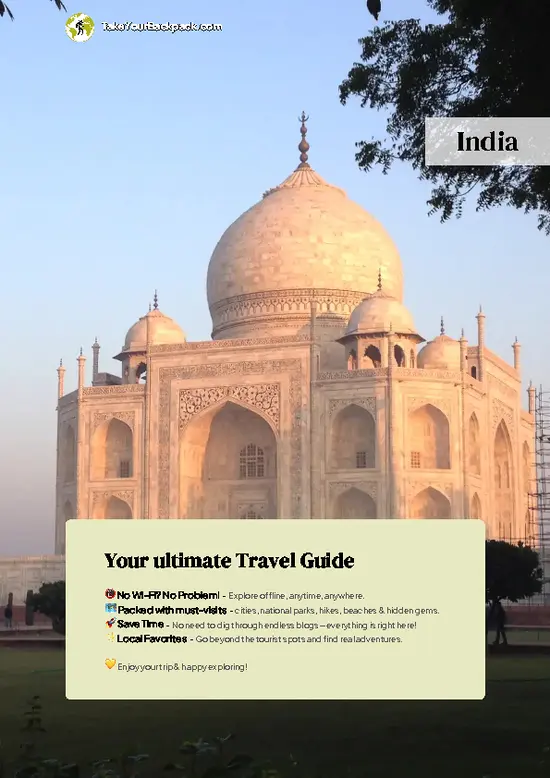
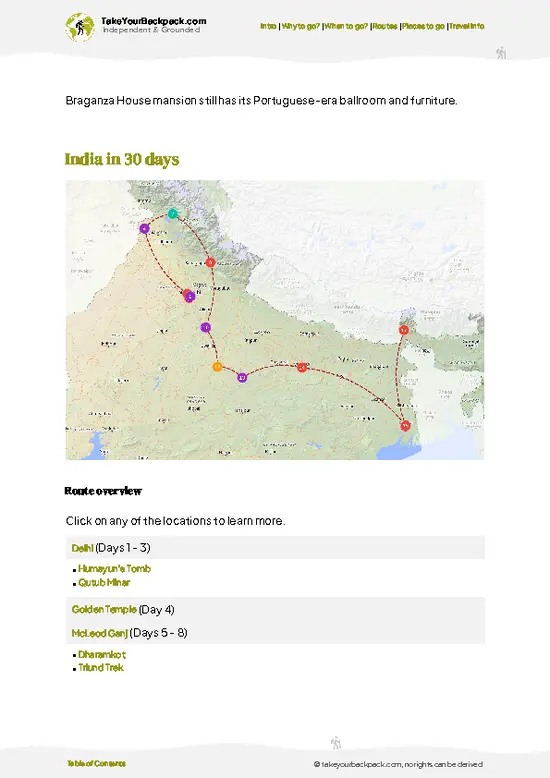
example page 0 from our offline Travel Guide for India
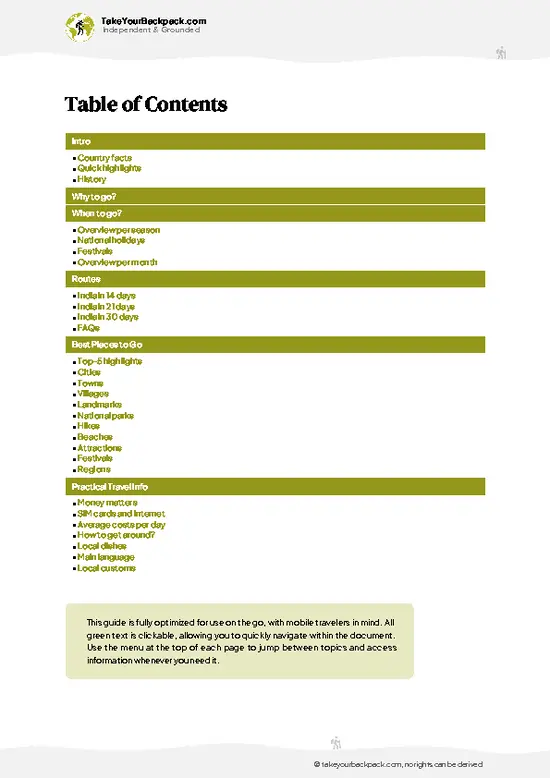
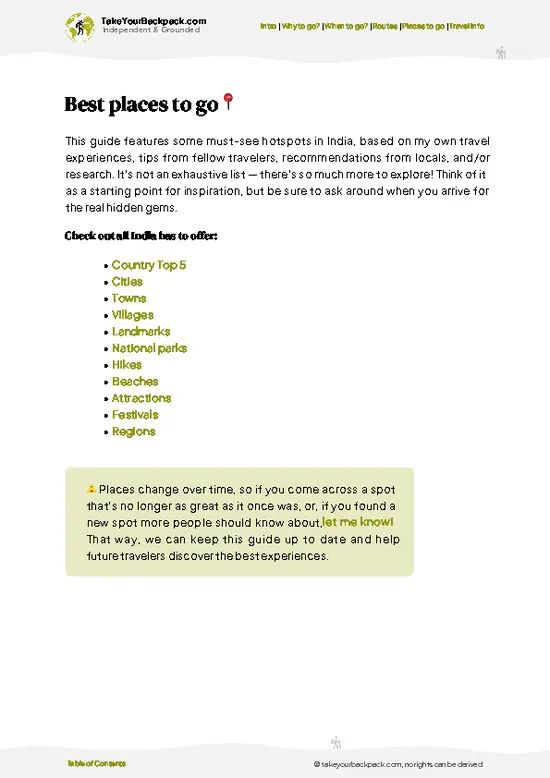
example page 1 from our offline Travel Guide for India
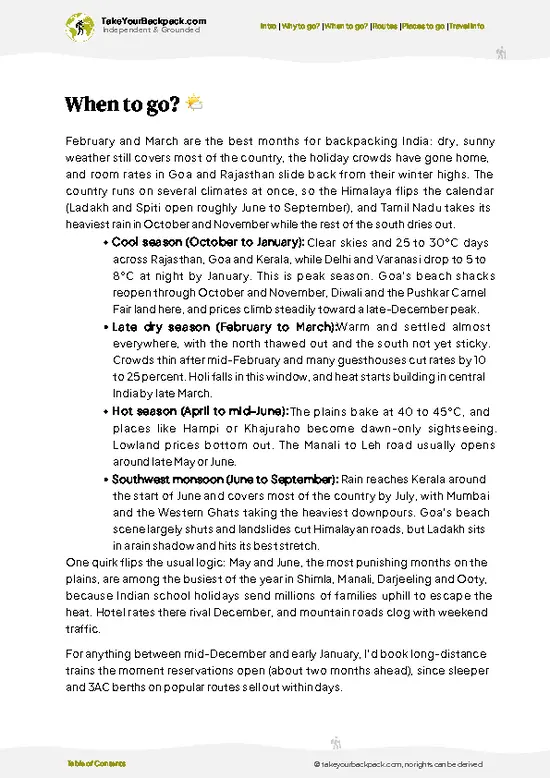
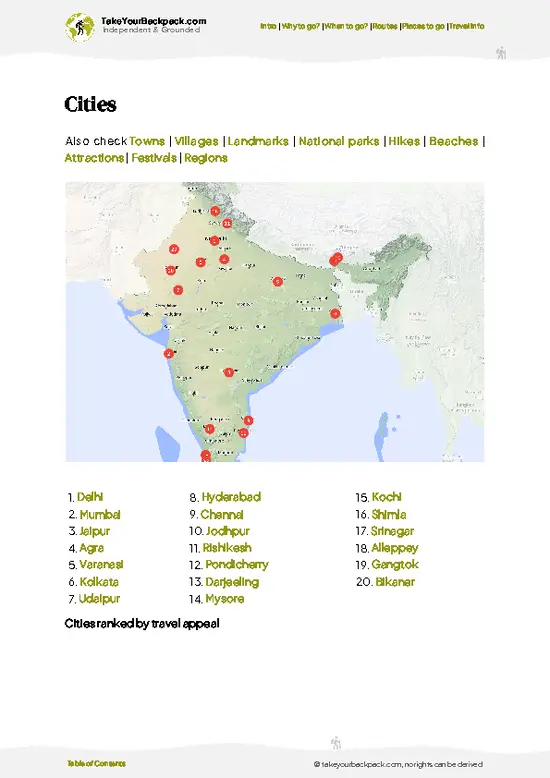
example page 2 from our offline Travel Guide for India
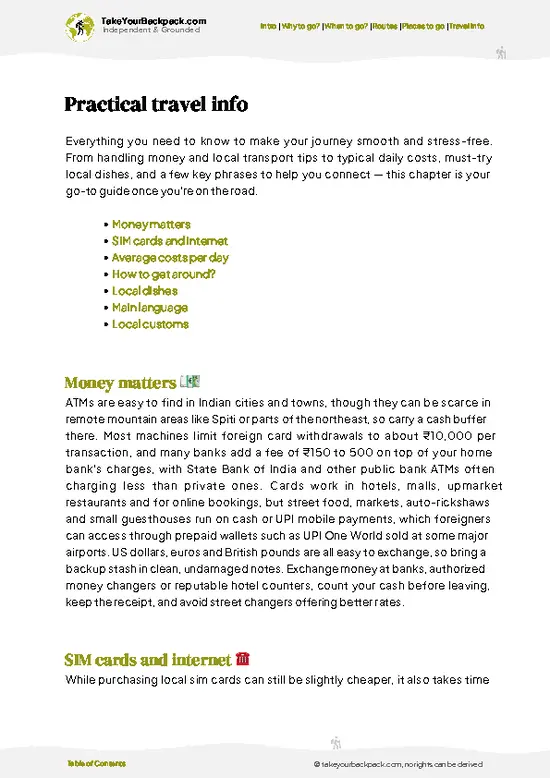
example page 3 from our offline Travel Guide for India
example page 4 from our offline Travel Guide for India
example page 5 from our offline Travel Guide for India
example page 6 from our offline Travel Guide for India
example page 7 from our offline Travel Guide for India
Loading the map 🌍
CLICK TO FILTER
cities
towns
villages
landmarks
national parks
hikes
beaches
attractions
festivals
regions
SHOW COUNTRY’S BESTSHOW ALL

✨ Why go?
Ranked #12 town in India
What sets this place apart

Backpackers flock to Mount Abu for its convenient access to stunning hikes and serene lakes. The walkable streets make it easy to explore local markets and sample authentic Rajasthani cuisine at small eateries. Here, you’ll find cozy guesthouses and hostels that foster a friendly, communal vibe, perfect for solo travelers or small groups looking to connect. While many pass through for a quick recharge, others linger to soak in the tranquil atmosphere and enjoy the natural beauty. It’s a place for those who appreciate a slower pace, making it a worthwhile stop on a longer journey.

💡 HighlightsWhat this place is best known for

  • Dilwara Temples — The marble-carved Jain temples are the town’s crown jewel: delicate, centuries-old stonework that you actually want to stand and stare at for a long time. The calm courtyards and attention to detail make it more than a photo stop — it’s a real architectural and spiritual experience.
  • Nakki Lake — The heart of town action: boating, a pleasant promenade, local vendors and evening lights. It’s where people meet, eat chaat, and watch the light change on the hills — very useful for people-watching and planning a lazy afternoon.
  • Toad Rock — A short walk from Nakki Lake, this funny, jutting granite formation really does look like a toad. Great for quick views over the lake and a goofy photo op without any entry fee or effort.
  • Sunset Point — Crowded at dusk for a reason: uncomplicated,
… read more 👉
  • Dilwara Temples — The marble-carved Jain temples are the town’s crown jewel: delicate, centuries-old stonework that you actually want to stand and stare at for a long time. The calm courtyards and attention to detail make it more than a photo stop — it’s a real architectural and spiritual experience.
  • Nakki Lake — The heart of town action: boating, a pleasant promenade, local vendors and evening lights. It’s where people meet, eat chaat, and watch the light change on the hills — very useful for people-watching and planning a lazy afternoon.
  • Toad Rock — A short walk from Nakki Lake, this funny, jutting granite formation really does look like a toad. Great for quick views over the lake and a goofy photo op without any entry fee or effort.
  • Sunset Point — Crowded at dusk for a reason: uncomplicated, expansive views over the valley as the sun drops. Bring a light jacket and a snack; it’s a social hour where locals and travelers mix.
  • Honeymoon Point — Smaller and quieter than Sunset Point, with sharp sunrise/sunset views and a more intimate vibe. If you want a moment away from the crowds, this is the one to pick.
  • Raghunath Temple (Raghunathji) — A traditional Hindu temple sitting close to the lake, full of local ritual and color. Visiting here gives a good sense of everyday religious life in Mount Abu — bells, prasad, and all.
  • Gaumukh Temple — A little shrine by the water where a rock spout (the “cow’s mouth”) trickles into the lake. It’s small but atmospheric, and a nice stop to combine with a walk around Nakki Lake.
  • Arbuda Devi Temple — The town’s patron goddess temple; a short climb rewards you with both devotional energy and decent views. It’s a genuine local pilgrimage site, not just another tourist stop.
  • Brahma Kumaris Centre (Mount Abu) — The international headquarters of the movement is here, with tidy meditation halls and a calm campus. Even if you’re not a follower, the place offers quiet introspection and an unusual slice of Mount Abu’s spiritual scene.
  • Mount Abu Market / Main Bazaar — Narrow lanes, handicraft stalls, local snacks and bargaining lessons. The market gives a real sense of the town’s everyday life and is where you’ll pick up souvenirs, spices, or a cheap scarf — and practice your haggling.
A few real day trips just outside town: Guru Shikhar (the highest peak in the Aravallis, my personal favorite for sunrise and the views), Achalgarh Fort for history and local temples, and the pilgrimage town of Ambaji — all close enough for easy day trips from Mount Abu.
Spotted a mistake or missing something? Contact us.

Things to do around Mount Abu

Ratings based on Tripadvisor reviews. When you book through this link, you support our work at no extra cost to you.

🏘️ NeighborhoodsHow different areas shape the experience

Mount Abu, a cool escape in Rajasthan, offers a unique blend of nature and culture. Here’s how to navigate its neighborhoods for the best experience.

Southwest Road: This area buzzes with backpacker hostels and budget hotels. The vibe is lively, with cafes serving local chai and street food. It’s walkable, making it easy to explore nearby attractions like Nakki Lake. Perfect for short stays, but the nightlife is low-key.

Delwara: A quieter, more serene neighborhood. It’s ideal for longer stays, with guesthouses nestled among lush greenery. The atmosphere is peaceful, perfect for unwinding after a day of hiking. Transport is less frequent, so plan ahead.

Market Area: The heart of local life, filled with shops and eateries. It’s bustling and vibrant, offering a taste of local culture. Great … read more 👉
Mount Abu, a cool escape in Rajasthan, offers a unique blend of nature and culture. Here’s how to navigate its neighborhoods for the best experience.

Southwest Road: This area buzzes with backpacker hostels and budget hotels. The vibe is lively, with cafes serving local chai and street food. It’s walkable, making it easy to explore nearby attractions like Nakki Lake. Perfect for short stays, but the nightlife is low-key.

Delwara: A quieter, more serene neighborhood. It’s ideal for longer stays, with guesthouses nestled among lush greenery. The atmosphere is peaceful, perfect for unwinding after a day of hiking. Transport is less frequent, so plan ahead.

Market Area: The heart of local life, filled with shops and eateries. It’s bustling and vibrant, offering a taste of local culture. Great for short visits, but be prepared for noise and crowds. Public transport is readily available, making it easy to hop around.

⌛️ 1 dayHow to make the most of one day

Mount Abu, a cool retreat in the Aravalli Range, offers a refreshing escape from the desert heat. Its lush greenery and serene lakes create a unique atmosphere, making it a perfect spot for a day of exploration.

Start your morning at Nakki Lake. The soft light reflecting off the water is mesmerizing. Grab a chai from a local vendor and enjoy it by the shore. The scent of fresh tea mingles with the earthy aroma of the surrounding pines. After soaking in the tranquility, stroll to the nearby Toad Rock. The climb is short but rewarding, offering panoramic views that make the effort worthwhile.

In the afternoon, head to the Dilwara Temples. These Jain temples, with their intricate marble carvings, are a feast for the eyes. They’re often overlooked by tourists, but the craftsmanship is astounding. … read more 👉
Mount Abu, a cool retreat in the Aravalli Range, offers a refreshing escape from the desert heat. Its lush greenery and serene lakes create a unique atmosphere, making it a perfect spot for a day of exploration.

Start your morning at Nakki Lake. The soft light reflecting off the water is mesmerizing. Grab a chai from a local vendor and enjoy it by the shore. The scent of fresh tea mingles with the earthy aroma of the surrounding pines. After soaking in the tranquility, stroll to the nearby Toad Rock. The climb is short but rewarding, offering panoramic views that make the effort worthwhile.

In the afternoon, head to the Dilwara Temples. These Jain temples, with their intricate marble carvings, are a feast for the eyes. They’re often overlooked by tourists, but the craftsmanship is astounding. Spend time absorbing the peaceful ambiance.

As evening approaches, wander through the local market in the South West neighborhood. The vibrant colors and sounds create a lively atmosphere. Sample some local snacks like kachoris and finish your day with a sunset view from the Sunset Point. The fading light casts a warm glow, wrapping up your day in this charming hill station.

🌤️ When to go?Seasonal considerations and timing

  • Weather: Mount Abu’s best weather arrives between October and March. The air cools to a comfortable 15-28°C (59-82°F), perfect for hiking without the oppressive heat or monsoon mud.
  • Temperature: Summer spikes can hit 35°C (95°F), making daytime trekking exhausting. Winters dip to around 10°C (50°F) at night, so pack layers for crisp evenings.
  • Daylight Hours: Expect roughly 10-11 hours of daylight in peak season, enough to explore temples and trails without rushing but not so long that you lose the charm of twilight.
  • Crowds: Tourist numbers swell during winter holidays and festivals, especially December and January. Visiting just before or after this window means quieter paths and more room to breathe.
  • Seasonal Activities: The winter months host cultural fairs and local markets, adding
… read more 👉
  • Weather: Mount Abu’s best weather arrives between October and March. The air cools to a comfortable 15-28°C (59-82°F), perfect for hiking without the oppressive heat or monsoon mud.
  • Temperature: Summer spikes can hit 35°C (95°F), making daytime trekking exhausting. Winters dip to around 10°C (50°F) at night, so pack layers for crisp evenings.
  • Daylight Hours: Expect roughly 10-11 hours of daylight in peak season, enough to explore temples and trails without rushing but not so long that you lose the charm of twilight.
  • Crowds: Tourist numbers swell during winter holidays and festivals, especially December and January. Visiting just before or after this window means quieter paths and more room to breathe.
  • Seasonal Activities: The winter months host cultural fairs and local markets, adding color and life to your visit. Monsoon season (July-September) brings lush greenery but slippery trails and frequent rain.
  • Price Fluctuations: Peak season sees accommodation rates rise by 20-30%. Off-season offers better deals but expect some guesthouses to close or limit services.
Pro-tip: Aim for late October or February—cool, clear days with fewer tourists, so you get Mount Abu’s magic without the crush or the sweat.


source: climatestotravel.comJANJanuary: highly recommended for travelingFEBFebruary: excellent for travelingMARMarch: highly recommended for travelingAPRApril: good for travelingMAYMay: fair for travelingJUNJune: fair for travelingJULJuly: fair for travelingAUGAugust: fair for travelingSEPSeptember: fair for travelingOCTOctober: excellent for travelingNOVNovember: highly recommended for travelingDECDecember: highly recommended for traveling
when-to-go

✈️ The backpacker research shortcutIndia Travel Guide

An offline-friendly backpacking guide with optimized travel routes, ranked highlights, transport advice, and the best areas to stay.
example page 0 from our offline Travel Guide for India
example page 1 from our offline Travel Guide for India
example page 2 from our offline Travel Guide for India
example page 3 from our offline Travel Guide for India
example page 4 from our offline Travel Guide for India
example page 5 from our offline Travel Guide for India
example page 6 from our offline Travel Guide for India
example page 7 from our offline Travel Guide for India
The digital guide (483 pages) contains:
✅ 157 highlights, ranked by travel appeal
✅ Optimized 14, 21 & 30-day travel routes
✅ Cities, national parks, landmarks, beaches
✅ How to get around
✅ Offline-friendly for travel without Wi-Fi
👉 Click to see all 30+ guide features

📅 Plan smarter in minutes, not weeks
✅ Month by month travel advice
✅ Festivals & national holidays
✅ Budget expectations

🗺️ Go to the right places, skip the overrated ones
✅ Honest pros & cons of destinations
✅ Top hikes, parks & viewpoints
✅ Lesser-known places most travelers miss
✅ Clear “worth it vs skip it” guidance

🛏️ Travel smoothly without rookie mistakes
✅ Best areas to stay
✅ Transport systems explained simply
✅ Common scams & safety advice
✅ SIM cards, money & practical tips

🌍 Understand the country, not just visit it
✅ Culture & traditions
✅ 52 Essential phrases & customs
✅ Festivals worth planning around
✅ Traveler-friendly historical context
✅ Insights that make places more meaningful

📱 Built for real travel conditions
✅ Fully downloadable PDF
✅ Works completely offline
✅ Optimized for phone use
✅ Useful in remote areas & buses
✅ Everything in one place
Stop searching, start planning
Get instant access to your full guide. 30‑day money-back guarantee.
+ Add another guide for just

By proceeding you agree to our terms.
Sent to your inbox immediately after payment • 100% Secure Checkout
Best Backpacking Travel Advisor 2025 tourism awardBest Backpacking
Travel Advisor
2025
What others say about Take Your Backpack Guides:
⭐⭐⭐⭐⭐
Fantastic, amazing amount of information!
⭐⭐⭐⭐⭐
My goodness this is amazing, it's what I've been looking for hats off too you!
⭐⭐⭐⭐⭐
I think this is absolutely BRILLIANT
⭐⭐⭐⭐
Very complete and informative. It's still missing places, but I gotta to commend you
⭐⭐⭐⭐⭐
This is truly amazing, thank you, can't wait to explore it with my kids!
⭐⭐⭐⭐⭐
Awesome resource, thank you!
⭐⭐⭐⭐⭐
This is amazing! Can't wait to explore the ones I haven't seen
⭐⭐⭐⭐
I love this! Well done, great idea.
⭐⭐⭐⭐⭐
Thanks for taking the time to make this gem!
⭐⭐⭐⭐⭐
This might be the best website I've ever seen.
⭐⭐⭐⭐⭐
Congratulations, and thank you so much for your work; it's incredibly valuable.
⭐⭐⭐⭐
In all seriousness I think you did a great job pointing out the important spots
⭐⭐⭐⭐⭐
10/10 very good
⭐⭐⭐⭐⭐
As someone who's only just starting to visit regularly this is awesome, thank you.
⭐⭐⭐⭐
Thank you very much! I'm going to visit my dad, it's going to be very useful!
⭐⭐⭐⭐⭐
This is really cool! We'll be travelling for the first time and this definitely come in handy.
⭐⭐⭐⭐⭐
You are now our minister of culture, congratulations 👨‍💼
⭐⭐⭐⭐⭐
Just wanted to tell you that this is a pearl! Going to follow your recommendations.
⭐⭐⭐⭐⭐
This is so cool. I'll definitely be using the resource for my travels soon.
⭐⭐⭐⭐⭐
This is very impressive! Good work.
⭐⭐⭐⭐⭐
This is an amazing and informative site. Very well done!

🛏️ Where to stay?Best areas to stay in India

New Market and Nakki Lake areas are the sweet spots for backpackers in Mount Abu. New Market pulses with local life—the narrow streets hum with vendors selling spices and chai, and the scent of incense drifts through the air. It’s safe, lively, and packed with budget guesthouses and hostels where you’ll find fellow travelers swapping stories over steaming cups of masala chai. Staying here means you’re steps away from affordable eats and the social buzz that solo backpackers crave.

Just a short walk downhill, the Nakki Lake area offers a quieter vibe but still keeps you close to the action. The … read more 👉
New Market and Nakki Lake areas are the sweet spots for backpackers in Mount Abu. New Market pulses with local life—the narrow streets hum with vendors selling spices and chai, and the scent of incense drifts through the air. It’s safe, lively, and packed with budget guesthouses and hostels where you’ll find fellow travelers swapping stories over steaming cups of masala chai. Staying here means you’re steps away from affordable eats and the social buzz that solo backpackers crave.

Just a short walk downhill, the Nakki Lake area offers a quieter vibe but still keeps you close to the action. The lake’s calm water reflects the soft glow of evening lights, perfect for unwinding after a day of trekking. Hostels here tend to have communal spaces that encourage mingling, with easy access to the main attractions. Compared to the more isolated or upscale parts of town, these neighborhoods balance safety, social energy, and budget-friendly options—making your stay both smooth and rich with local flavor.

🚌 Getting aroundTransportation options and practical tips

Mount Abu moves at its own pace, a rhythm shaped by misty mornings and the slow drip of monsoon clouds. This hill station isn’t about rushing; it’s about feeling the cool mountain air, the scent of pine and wet earth, and the quiet hum of local life weaving through narrow streets. The town’s flow is a blend of laid-back charm and practical necessity—where buses arrive when they can, and tuk-tuks dart through lanes with a mix of urgency and local know-how. You’ll find that patience here isn’t just a virtue; it’s the key to unlocking the town’s genuine character.
  • Walking: The best way to soak in Mount Abu’s atmosphere. The town’s compact size means you can stroll from the bustling main market to serene viewpoints in under 30 minutes. Walking lets you catch the scent of blooming flowers and
… read more 👉
Mount Abu moves at its own pace, a rhythm shaped by misty mornings and the slow drip of monsoon clouds. This hill station isn’t about rushing; it’s about feeling the cool mountain air, the scent of pine and wet earth, and the quiet hum of local life weaving through narrow streets. The town’s flow is a blend of laid-back charm and practical necessity—where buses arrive when they can, and tuk-tuks dart through lanes with a mix of urgency and local know-how. You’ll find that patience here isn’t just a virtue; it’s the key to unlocking the town’s genuine character.
  • Walking: The best way to soak in Mount Abu’s atmosphere. The town’s compact size means you can stroll from the bustling main market to serene viewpoints in under 30 minutes. Walking lets you catch the scent of blooming flowers and the chatter of locals, all while avoiding traffic jams.
  • Local Buses: Operate roughly from 7 AM to 7 PM, with fares under ₹20. They’re slow but reliable for budget travelers aiming to reach spots like Nakki Lake or the Sunset Point without breaking the bank. Expect basic comfort and occasional crowding during peak hours.
  • Tuk-tuks: Available throughout the day and evening, fares start around ₹50 for short rides. They’re perfect for quick hops between attractions or when you’re carrying gear. Negotiate upfront to avoid surprises, especially after dark.
  • Shared Jeep Taxis: These run on popular routes like the one to Dilwara Temples, leaving when full. They cost about ₹30-₹40 per person and offer a faster, more direct ride than buses, with the added bonus of local company and conversation.
  • Private Taxi Rentals: If your budget allows, renting a taxi for a half or full day (₹800-₹1500) gives you freedom to explore off-the-beaten paths like Trevor’s Tank or the Achalgarh Fort at your own pace, avoiding the wait and crowd of public transport.

👛 Costs (as of 15 October 2026)Typical daily expenses

Backpacking in Mount Abu offers a unique blend of cool hill station vibes and rich cultural textures, but knowing what to expect financially can smooth out the bumps on your journey.
  • Dorm Accommodation: Dorm beds in Mount Abu typically range from $5 to $10 per night. These are basic but clean guesthouses or hostels, often with shared bathrooms and simple amenities. The cooler climate means you might want a place with heating or a fan, which can push prices slightly higher.
  • Meals: Local eateries serve hearty thalis and street food for about $2 to $5 per meal. If you stick to small dhabas or local cafes, you’ll get filling, flavorful food without breaking the bank. Western-style cafes or restaurants near the main tourist spots can cost $7 to $12 per meal.
  • Local Transport: Auto-rickshaws are
… read more 👉
Backpacking in Mount Abu offers a unique blend of cool hill station vibes and rich cultural textures, but knowing what to expect financially can smooth out the bumps on your journey.
  • Dorm Accommodation: Dorm beds in Mount Abu typically range from $5 to $10 per night. These are basic but clean guesthouses or hostels, often with shared bathrooms and simple amenities. The cooler climate means you might want a place with heating or a fan, which can push prices slightly higher.
  • Meals: Local eateries serve hearty thalis and street food for about $2 to $5 per meal. If you stick to small dhabas or local cafes, you’ll get filling, flavorful food without breaking the bank. Western-style cafes or restaurants near the main tourist spots can cost $7 to $12 per meal.
  • Local Transport: Auto-rickshaws are the go-to for short trips around town, costing roughly $0.50 to $1.50 depending on distance. Renting a scooter for the day is around $7 to $10, giving you freedom to explore the hills and lakes at your own pace.
  • Basic Activities/Entry Fees: Entry to popular spots like Nakki Lake or the Dilwara Temples usually costs between $1 and $3. Guided tours or boat rides can add $5 to $10, but many trails and viewpoints are free, rewarding those willing to walk a bit.
  • Miscellaneous Expenses: Bottled water, snacks, and small souvenirs typically add up to $1 to $3 daily. Keep some cash handy for tips or unexpected small purchases, especially in markets or with local guides.

All told, you’re looking at a daily budget of about $10 to $25. This range covers the essentials without skimping on comfort or experience. Mount Abu’s charm is in its laid-back pace and natural beauty, so spending smart here means more time soaking in the cool air and less time worrying about your wallet.
⚠️ Prices can change and everyone travels differently, so take this as a rough guide. Hope it helps you plan your adventure!

🚌 Day tripsExploring the surroundings

Mount Abu is a fantastic base for day trips that blend culture, nature, and adventure, all while keeping your budget in check.

1. Dilwara Temples
Just a short 30-minute ride from Mount Abu, the Dilwara Temples are a marvel of intricate marble craftsmanship. The cool, shaded corridors echo with whispers of devotion, and the scent of incense fills the air. Entry is free, but a small donation is appreciated. Early morning is the best time to visit, avoiding the crowds and soaking in the serene atmosphere. Many first-timers rush through, but take your time to appreciate the details; each carving tells a story.


2. Nakki Lake
Nakki Lake is a quick 15-minute walk from the town center, making it an easy escape. The lake’s calm waters reflect the surrounding hills, and the evening boat rides … read more 👉
Mount Abu is a fantastic base for day trips that blend culture, nature, and adventure, all while keeping your budget in check.

1. Dilwara Temples
Just a short 30-minute ride from Mount Abu, the Dilwara Temples are a marvel of intricate marble craftsmanship. The cool, shaded corridors echo with whispers of devotion, and the scent of incense fills the air. Entry is free, but a small donation is appreciated. Early morning is the best time to visit, avoiding the crowds and soaking in the serene atmosphere. Many first-timers rush through, but take your time to appreciate the details; each carving tells a story.


2. Nakki Lake
Nakki Lake is a quick 15-minute walk from the town center, making it an easy escape. The lake’s calm waters reflect the surrounding hills, and the evening boat rides are a must. Grab a snack from a local vendor and enjoy the sunset; it’s a perfect way to unwind. Expect to spend around ₹100 for a paddleboat rental. Avoid the mistake of visiting during peak afternoon heat; the best moments are at dawn or dusk.


3. Guru Shikhar
For a more adventurous day, head to Guru Shikhar, about an hour’s drive away. This is the highest point in the Aravalli Range, offering breathtaking views that make the climb worthwhile. The winding roads are lined with fragrant pine trees, and the air gets cooler as you ascend. A budget of around ₹300 for transport and snacks is reasonable. Many backpackers underestimate the hike; wear good shoes and bring water. The early morning light makes the views even more rewarding.


4. Achalgarh Fort
Just 30 minutes from Mount Abu, Achalgarh Fort is steeped in history and surrounded by rugged landscapes. The fort’s ruins tell tales of battles and bravery, and the panoramic views from the top are stunning. Entry is free, but a local guide can enhance your experience for a small fee. Many visitors miss the best photo spots; explore beyond the main path for unique angles. Late afternoon is ideal for capturing the golden hour.


Each of these trips offers a unique slice of the region, making your Mount Abu adventure rich and varied.

🛡️ SafetySafety Tips and Common Scams in Mount Abu

Mount Abu is generally safe, but a few practical tips can enhance your experience. Stay aware in crowded markets like Nakki Lake, where pickpockets might lurk. If you’re solo, avoid wandering too far after dark; stick to well-lit areas and main streets.

Be cautious of overly friendly locals offering unsolicited help; they may expect a tip. Always negotiate prices upfront for taxis or souvenirs to avoid surprises. Carry yourself confidently, and trust your instincts. This approach will help you navigate the town smoothly, allowing you to soak in the serene atmosphere without unnecessary distractions.

FAQFrequently asked questions about Mount Abu

Yes, Mount Abu is worth visiting for its cool climate, scenic views, and cultural sites like the Dilwara Temples. It offers a unique hill station experience in Rajasthan, distinct from the desert surroundings. Many travelers spend 2-3 days exploring the area.
You need 2 to 3 days in Mount Abu to cover the main attractions such as Nakki Lake, the Dilwara Temples, and Sunset Point comfortably. This duration allows time for hiking and enjoying the local markets without rushing.
Yes, Mount Abu can be visited as a day trip from nearby cities like Udaipur, which is about 165 km away and takes around 3.5 to 4 hours by road. However, a day trip is tight and limits time to see only a few key spots.
⚠️ Things can change over time, so always validate details locally before you go.

Other Indian towns near Mount Abu

Explore more nearby:

  • Patan—stepwells, medieval city walls, textile workshops| 102 km away
  • Pushkar—sacred lake, temple ghats, annual fair| 280 km away
  • Jaisalmer—sandstone fort, desert vistas, camel safaris| 315 km away

💡 Not sure where to go next?
Create a personalized itinerary for India including Mount Abu and the places that fit your trip.

Generate my itinerary

👉 Discover all towns

Or checkout all India has to offer (think cities, towns, villages, national parks, hikes, beaches, festivals)
Country photo of India

We 💚 feedbackSumming up the experience

Mount Abu’s cool mountain air and stunning sunsets over the Aravalli Range make it a refreshing escape from the heat of Rajasthan. But be ready for crowds, especially during peak season; it can feel less like a retreat and more like a bustling hub. Embrace the chaos—it’s part of the experience.

✈️ When did I visit India?
As part of my 1.5 year travel around the world trip, I visited India in December 2015.

✍️ Help improve this page!
The information on this page is based on my own backpacking experience in India, supplemented with up-to-date research and feedback from other travelers. Travel details can change, so if you notice anything outdated or incomplete, feel free to let me know.


🙋‍♂️ Give feedback

👋 Meet the founderWho’s Behind Take Your Backpack?

Johan, backpacker and founder of TakeYourBackpackHi, I’m Johan (Netherlands 🇳🇱), the creator of TakeYourBackpack. Over the past 3 decades, I’ve backpacked through 90+ countries across six continents, gaining extensive experience with independent travel, long-term trips, and overland routes.

This site is built on a combination of firsthand travel experience and carefully curated insights from other backpackers. Many guides are based on places I’ve personally visited, while others bring together tips, observations, and practical advice shared by trusted travelers I’ve met along the way.

The goal is to provide realistic, experience-driven guidance — not generic itineraries — so you can explore destinations with better context, clearer expectations, and more confidence.