
×

Indonesia🇮🇩 | hikesGunung Agungsacred peak, volcanic slopes, sunrise summit | things to do and best time to go

Explore Kawah PutihExplore Gunung Merbabu

Backpacking in Gunung Agung
🌟 Highlighthike ranked #6
By Johan Kruseman 🇳🇱 | Updated June 4, 2026

Most people realize too late that Gunung Agung’s biggest perk is psychological: once you’ve hauled yourself up this mountain, every other Bali hike feels easier and oddly tame. Sitting in eastern Bali, Indonesia, Agung is the island’s high, moody volcano, and the climb is a grind—steep ash, loose rock, and long, calf-burning sections that start in the dark and don’t really let up. The payoff is savage and clean: sunrise above a sea of clouds, Rinjani floating on the horizon, and Bali’s coastline wrapped around you like a map. It’s harder and more committing than Mount Batur, less polished, with fewer railings and more actual effort. Public transport gets you vaguely close, but you’ll usually stitch together bemos, ojek rides, and a local guide pickup. It’s not elegant, but it feels earned.

Discover everything you want to know in the 📖 Indonesia Travel Guide.
Best time to go: April - October
Duration: 10-12 hours
Distance: 10 kilometers
Total ascent: 1,200 meters
Loading the map 🌍
CLICK TO FILTER
cities
towns
landmarks
national parks
hikes
beaches
attractions
festivals
regions
SHOW COUNTRY’S BESTSHOW ALL

✨ Why go?
Ranked #6 hike in Indonesia
Reasons people choose to hike the here

Gunung Agung is a magnet for backpackers, and it’s easy to see why. The scenery-to-effort ratio is off the charts. You’re not just climbing a volcano; you’re stepping into a world where the sunrise paints the sky in fiery hues, and the view from the summit is a breathtaking panorama of Bali and beyond.

Access is a breeze with public transport options that drop you near the trailhead. For a few bucks, you can hop on a bus or a bemo, making it a low-cost adventure that fits snugly into any budget. The hike offers flexible distances; whether you’re a newbie or a seasoned trekker, you can tailor your experience.

It’s a perfect pit stop on a longer backpacking route through Indonesia. The burn in your legs is worth every step when you finally reach the top, and that first cold beer at a local … read more 👉
Gunung Agung is a magnet for backpackers, and it’s easy to see why. The scenery-to-effort ratio is off the charts. You’re not just climbing a volcano; you’re stepping into a world where the sunrise paints the sky in fiery hues, and the view from the summit is a breathtaking panorama of Bali and beyond.

Access is a breeze with public transport options that drop you near the trailhead. For a few bucks, you can hop on a bus or a bemo, making it a low-cost adventure that fits snugly into any budget. The hike offers flexible distances; whether you’re a newbie or a seasoned trekker, you can tailor your experience.

It’s a perfect pit stop on a longer backpacking route through Indonesia. The burn in your legs is worth every step when you finally reach the top, and that first cold beer at a local warung afterward tastes like victory. Gunung Agung isn’t just a hike; it’s a rite of passage.
Want to include Gunung Agung in your Indonesia route?
Create a personalized Indonesia itinerary that includes Gunung Agung and the places that fit your trip — based on your travel style, budget, and available time. Get your route in seconds.

Generate my trip

💡 HighlightsThe experiences that define the visit

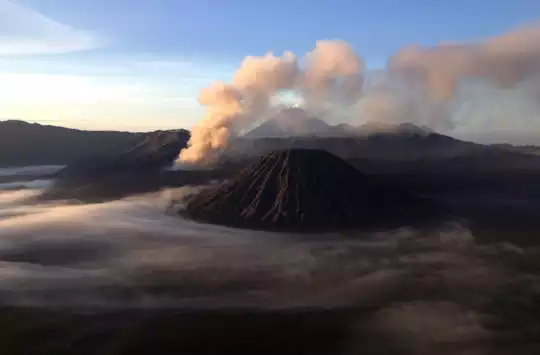
  1. Summit sunrise panorama — Climbing pre-dawn for the summit sunrise is the whole show: a 360° sweep from Bali’s coast to Mt. Rinjani, Nusa Penida and a sea of clouds beneath you if conditions cooperate. It’s also the highest viewpoint on the island (over 3,000 m), so the scale and the light are unlike most day-hikes on Bali. (Personal favorite — nothing beats watching the island wake up from that height.)
  2. Crater rim and volcanic landscape — The top brings you to raw volcanic rock, steep scarps and a real lunar feel: black scree, fumarolic smells on active days and dramatic erosion patterns. It’s a geology lesson you can walk across, and it contrasts sharply with the green lowlands you left behind.
  3. Sacred shrines and pilgrimage atmosphere — Gunung Agung is a living holy site for Balinese
read more 👉
  1. Summit sunrise panorama — Climbing pre-dawn for the summit sunrise is the whole show: a 360° sweep from Bali’s coast to Mt. Rinjani, Nusa Penida and a sea of clouds beneath you if conditions cooperate. It’s also the highest viewpoint on the island (over 3,000 m), so the scale and the light are unlike most day-hikes on Bali. (Personal favorite — nothing beats watching the island wake up from that height.)
  2. Crater rim and volcanic landscape — The top brings you to raw volcanic rock, steep scarps and a real lunar feel: black scree, fumarolic smells on active days and dramatic erosion patterns. It’s a geology lesson you can walk across, and it contrasts sharply with the green lowlands you left behind.
  3. Sacred shrines and pilgrimage atmosphere — Gunung Agung is a living holy site for Balinese Hindus, so expect shrines, fresh offerings and, depending on season, pilgrims in traditional dress. That spiritual layer—rituals, incense, people moving through the same trails—gives the hike a cultural depth most trails don’t have.
  4. Final ridge and scramble — The approach to the true summit gets exposed and steep: loose rock, steep steps and short hands-on scrambles that feel more epic than the distance suggests. It’s physically demanding but short, and the combination of adrenaline and views makes it memorable compared with gentler treks.
  5. Montane forest, wildlife and sudden landscape shifts — Lower slopes host pine and mossy montane forest, birds and the odd macaque; within a few hundred meters you flip to open tussock and barren scree. Those rapid vegetation and microclimate changes—plus quiet birdcalls in the trees—are part of what makes the hike varied and interesting.
Spotted a mistake or missing something? Contact us.

Things to do around Gunung Agung

Ratings based on Tripadvisor reviews. When you book through this link, you support our work at no extra cost to you.

🌤️ When to go?Seasonal considerations and timing


  • Weather: The dry season from April to October is your best bet. Trails stay firm, and rain won’t slam your plans or turn paths into mud slicks. The wet season, November to March, brings heavy downpours and slippery slopes—skip it unless you’re after a soggy challenge.

  • Temperature: Daytime temps hover around 20-25°C (68-77°F), perfect for climbing without overheating. Nights dip to 10-15°C (50-59°F), so pack layers for summit chills that bite after dark.

  • Daylight Hours: Roughly 11-12 hours of daylight year-round. Start early—pre-dawn hikes are common to catch sunrise from the peak, which means moving fast in the dark before the heat hits.

  • Crowds: Peak season (July-August) draws more climbers, especially on weekends. For solitude and a rawer experience, aim for shoulder months like
read more 👉

  • Weather: The dry season from April to October is your best bet. Trails stay firm, and rain won’t slam your plans or turn paths into mud slicks. The wet season, November to March, brings heavy downpours and slippery slopes—skip it unless you’re after a soggy challenge.

  • Temperature: Daytime temps hover around 20-25°C (68-77°F), perfect for climbing without overheating. Nights dip to 10-15°C (50-59°F), so pack layers for summit chills that bite after dark.

  • Daylight Hours: Roughly 11-12 hours of daylight year-round. Start early—pre-dawn hikes are common to catch sunrise from the peak, which means moving fast in the dark before the heat hits.

  • Crowds: Peak season (July-August) draws more climbers, especially on weekends. For solitude and a rawer experience, aim for shoulder months like May or September.

  • Seasonal Activities: Avoid Nyepi Day (Balinese Day of Silence, usually in March), when access is restricted and the island shuts down completely.

  • Price Fluctuations: Expect higher rates for guides and accommodation during dry season peak months. Booking in shoulder seasons can save you cash without sacrificing trail conditions.


Pro-tip: Time your climb to hit the summit just before sunrise in the dry season—there’s nothing like the cold air and the first light spilling over Bali’s rugged landscape to make every step worth it.


source: climatestotravel.comJANJanuary: below average for travelingFEBFebruary: below average for travelingMARMarch: fair for travelingAPRApril: highly recommended for travelingMAYMay: excellent for travelingJUNJune: excellent for travelingJULJuly: excellent for travelingAUGAugust: excellent for travelingSEPSeptember: excellent for travelingOCTOctober: highly recommended for travelingNOVNovember: fair for travelingDECDecember: below average for traveling
when-to-go

✈️ The backpacker research shortcutIndonesia Travel Guide

An offline-friendly backpacking guide with optimized travel routes, ranked highlights, transport advice, and the best areas to stay.
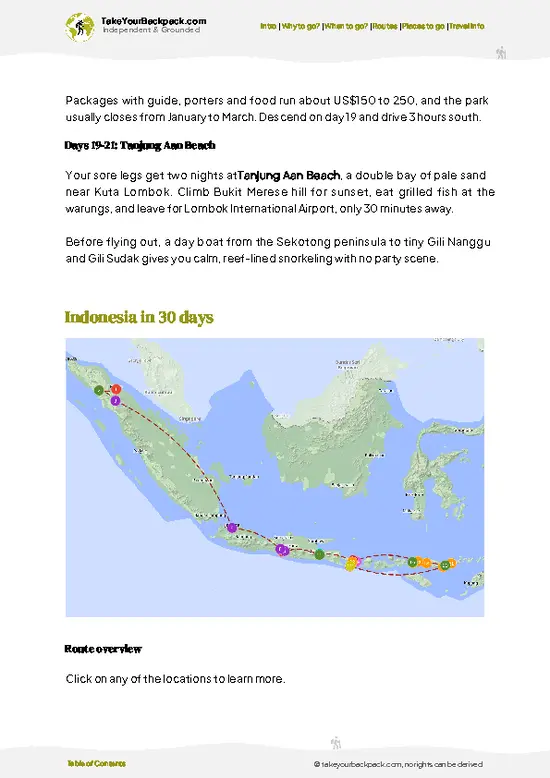
example page 0 from our offline Travel Guide for Indonesia
example page 1 from our offline Travel Guide for Indonesia
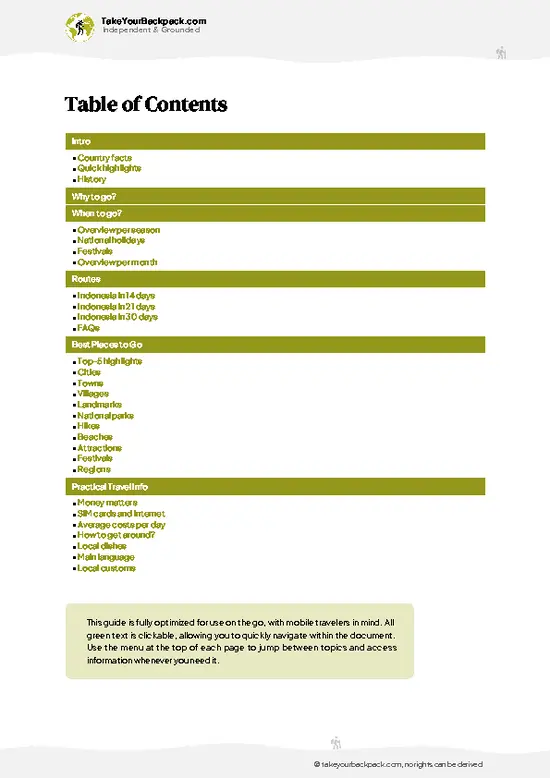
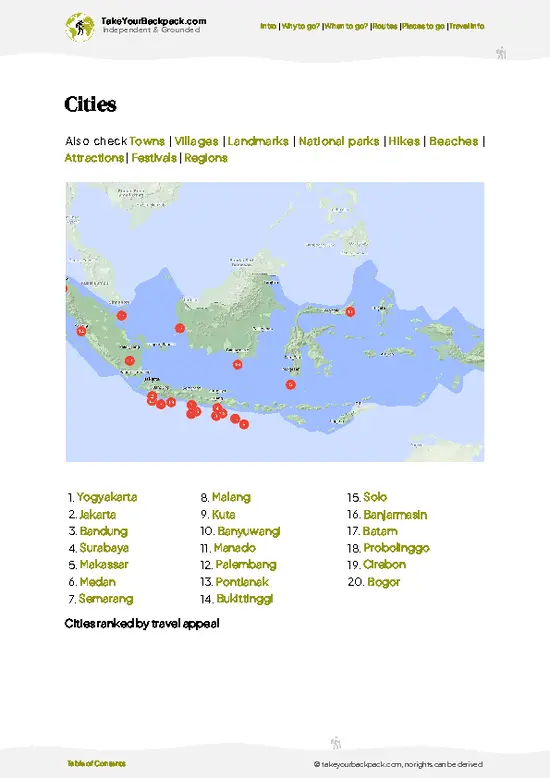
example page 2 from our offline Travel Guide for Indonesia
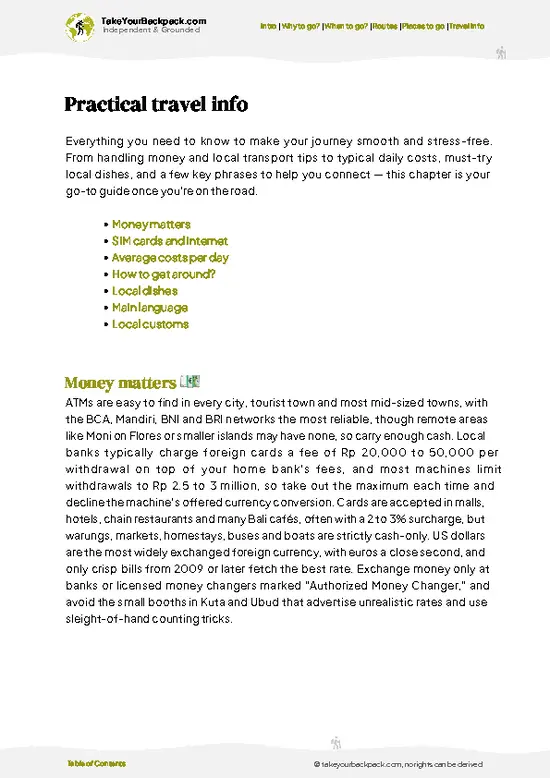
example page 3 from our offline Travel Guide for Indonesia
example page 4 from our offline Travel Guide for Indonesia
example page 5 from our offline Travel Guide for Indonesia
example page 6 from our offline Travel Guide for Indonesia
example page 7 from our offline Travel Guide for Indonesia
The digital guide (550 pages) contains:
155 highlights, ranked by travel appeal
Optimized 14, 21 & 30-day travel routes
Cities, national parks, landmarks, beaches
How to get around
Offline-friendly for travel without Wi-Fi
👉 Click to see all 30+ guide features

📅 Plan smarter in minutes, not weeks
Month by month travel advice
Festivals & national holidays
Budget expectations

🗺️ Go to the right places, skip the overrated ones
Honest pros & cons of destinations
Top hikes, parks & viewpoints
Lesser-known places most travelers miss
Clear “worth it vs skip it” guidance

🛏️ Travel smoothly without rookie mistakes
Best areas to stay
Transport systems explained simply
Common scams & safety advice
SIM cards, money & practical tips

🌍 Understand the country, not just visit it
Culture & traditions
52 Essential phrases & customs
Festivals worth planning around
Traveler-friendly historical context
Insights that make places more meaningful

📱 Built for real travel conditions
Fully downloadable PDF
Works completely offline
Optimized for phone use
Useful in remote areas & buses
Everything in one place
Save weeks of stressful planning
Get instant access to your full guide. 30‑day money-back guarantee.


By proceeding you agree to our terms.
Sent to your inbox immediately after payment • 100% Secure Checkout
Best Backpacking Travel Advisor 2025 tourism awardBest Backpacking
Travel Advisor
2025
What others say about Take Your Backpack Guides:
⭐⭐⭐⭐⭐
Fantastic, amazing amount of information!
⭐⭐⭐⭐⭐
My goodness this is amazing, it's what I've been looking for hats off too you!
⭐⭐⭐⭐⭐
I think this is absolutely BRILLIANT
⭐⭐⭐⭐
Very complete and informative. It's still missing places, but I gotta to commend you
⭐⭐⭐⭐⭐
This is truly amazing, thank you, can't wait to explore it with my kids!
⭐⭐⭐⭐⭐
Awesome resource, thank you!
⭐⭐⭐⭐⭐
This is amazing! Can't wait to explore the ones I haven't seen
⭐⭐⭐⭐
I love this! Well done, great idea.
⭐⭐⭐⭐⭐
Thanks for taking the time to make this gem!
⭐⭐⭐⭐⭐
This might be the best website I've ever seen.
⭐⭐⭐⭐⭐
Congratulations, and thank you so much for your work; it's incredibly valuable.
⭐⭐⭐⭐
In all seriousness I think you did a great job pointing out the important spots
⭐⭐⭐⭐⭐
10/10 very good
⭐⭐⭐⭐⭐
As someone who's only just starting to visit regularly this is awesome, thank you.
⭐⭐⭐⭐
Thank you very much! I'm going to visit my dad, it's going to be very useful!
⭐⭐⭐⭐⭐
This is really cool! We'll be travelling for the first time and this definitely come in handy.
⭐⭐⭐⭐⭐
You are now our minister of culture, congratulations 👨‍💼
⭐⭐⭐⭐⭐
Just wanted to tell you that this is a pearl! Going to follow your recommendations.
⭐⭐⭐⭐⭐
This is so cool. I'll definitely be using the resource for my travels soon.
⭐⭐⭐⭐⭐
This is very impressive! Good work.
⭐⭐⭐⭐⭐
This is an amazing and informative site. Very well done!

🛏️ Where to stay?Where staying makes the most sense

If you enjoy meeting fellow travelers, consider choosing hostels with high ratings for atmosphere. On the other hand, if you prefer having your own space, a hotel might be a better option.

🥾 Hike detailsTrail overview: what to expect on the hike

Total Distance: Approximately 14 kilometers (round trip) from the starting point to the summit and back.

Estimated Duration: Expect to spend around 6 to 8 hours for the ascent and descent, depending on your pace and how often you stop to take in the views.

Difficulty Level: This trail is considered challenging. It involves steep sections and can be tough on the knees, especially on the way down. Good fitness and some hiking experience are recommended.

Starting Point: The hike typically starts at Pura Pasar Agung, which is accessible by public transport.
  • Public Transport Option: Take a bemo
read more 👉
Total Distance: Approximately 14 kilometers (round trip) from the starting point to the summit and back.

Estimated Duration: Expect to spend around 6 to 8 hours for the ascent and descent, depending on your pace and how often you stop to take in the views.

Difficulty Level: This trail is considered challenging. It involves steep sections and can be tough on the knees, especially on the way down. Good fitness and some hiking experience are recommended.

Starting Point: The hike typically starts at Pura Pasar Agung, which is accessible by public transport.
  • Public Transport Option: Take a bemo (local minivan) from Amlapura or Ubud to the village of Besakih. From there, you can catch a ride or walk to the temple, which is about 5 kilometers away.

Major Landmarks Along the Route:
  • Pura Pasar Agung: The base temple where the hike begins, offering some stunning views and a chance to soak in local culture.
  • Ridge Views: As you ascend, you’ll encounter breathtaking vistas of the surrounding valleys and other peaks.
  • Summit Crater: The top features a large crater with a stunning view of Bali and beyond, perfect for a well-deserved break.

Type of Terrain and Scenery: The trail varies significantly throughout.
  • Initial Sections: Expect a mix of dirt paths and rocky terrain, often shaded by trees.
  • Steeper Sections: As you near the summit, the trail becomes more rugged and involves some scrambling over rocks.
  • Scenic Views: Along the way, you’ll enjoy panoramic views of the surrounding landscape, including lush rice paddies and distant coastlines.

Typical Vegetation and Wildlife: The area is rich in biodiversity.
  • Vegetation: You’ll find tropical rainforest, with dense foliage, ferns, and various species of trees, including some impressive banyan trees.
  • Wildlife: Keep an eye out for monkeys, various bird species, and maybe even some unique insects along the trail.

This hike is a rewarding experience, but make sure to bring plenty of water, snacks, and a good camera—trust me, you’ll want to capture those views!
⚠️ Hiking info can sometimes be outdated or inaccurate. Before you hit the trail, check the latest conditions with locals. If you do spot anything that's off, I'd love to hear from you, so I can update it for fellow travelers.

🛡️ SafetyScams, Hazards, and Annoyances

Gunung Agung offers a thrilling challenge, but it’s not without its realities. Weather can shift quickly; one moment you’re basking in sun, the next, clouds roll in with a chill. Dress in layers and keep a rain jacket handy. The trail is steep and rocky, demanding focus on your footing. Navigation is straightforward, but a map or GPS can be your best friend, especially in low visibility.

Wildlife is generally shy, but keep your distance from monkeys; they can be opportunistic. Start early to beat the crowds and enjoy the sunrise view from the summit—it’s worth the effort. Hydration is key, so pack enough water. The burn in your legs will fade, but the sense of accomplishment and that first cold drink at the base will linger long after.

Other Indonesian hikes near Gunung Agung

Explore more nearby:

  • Red Coral waterfall—multi-level falls, forest pool, shaded glen| 49 km away
  • Benang Stokel—multi-tiered waterfalls, lush canyon, easy access| 94 km away
  • Bukit Kursi—coastal ridge, panoramic sea views, dry grassland| 95 km away

💡 Not sure where to go next?
Create a personalized itinerary for Indonesia including Gunung Agung and the places that fit your trip.

Generate my itinerary

👉 Discover all hikes

Or checkout all Indonesia has to offer (think cities, towns, villages, national parks, hikes, beaches, festivals)
Country photo of Indonesia

We 💚 feedbackSumming up the experience

Gunung Agung is a beast of a climb, but the sunrise view from the summit? It’s a soul-stirring spectacle that makes every grueling step worth it. Just know, the trail can be punishing, especially if you’re not acclimated. Bring your grit and a solid headlamp; the ascent starts in the dark. It’s a challenge, but the reward is a moment that’ll stick with you long after the hike is over.

✈️ When did I visit Indonesia?
As part of my 1.5 year travel around the world trip, I visited Indonesia twice (and it was worth it. First in September 2015 and a bit later again in January and February 2016.

✍️ Help improve this page!
The information on this page is based on my own backpacking experience in Indonesia, supplemented with up-to-date research and feedback from other travelers. Travel details can change, so if you notice anything outdated or incomplete, feel free to let me know.


🙋‍♂️ Give feedback

👋 Meet the founderWho’s Behind Take Your Backpack?

Johan, backpacker and founder of TakeYourBackpackHi, I’m Johan (Netherlands 🇳🇱), the creator of TakeYourBackpack. Over the past decade, I’ve backpacked through 80+ countries across six continents, gaining extensive experience with independent travel, long-term trips, and overland routes.

This site is built on a combination of firsthand travel experience and carefully curated insights from other backpackers. Many guides are based on places I’ve personally visited, while others bring together tips, observations, and practical advice shared by trusted travelers I’ve met along the way.

The goal is to provide realistic, experience-driven guidance — not generic itineraries — so you can explore destinations with better context, clearer expectations, and more confidence.

Get full Indonesia guide •
Instant download • 155 highlights • Full Offline guide