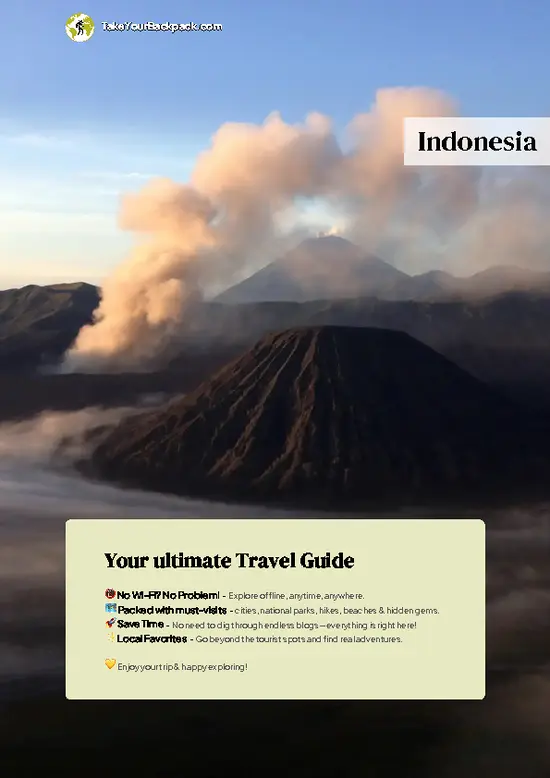
How Many Hikes to Plan For: Three to five hikes is the number I advise for a typical backpacking trip of three to five weeks in Indonesia. Hikes here are not casual strolls. Most of the famous ones are volcanoes that climb 1,500 to 2,500 meters in a single push, start at 1 or 2 a.m. for a sunrise summit, and leave your thighs wrecked for two days. Stack more than two in a week and you spend the back half limping between hostels. Spread three to five across a month and each one gets a rested body, clear weather windows and a buffer day when cloud rolls in and the view vanishes.
Add a spare day for each. Indonesian mountains close for eruptions, bad weather and religious ceremonies, and a flexible schedule turns a cancellation into a shrug instead of a lost trip.
Choosing Between Kinds of Hikes: …
read more 👉 How Many Hikes to Plan For: Three to five hikes is the number I advise for a typical backpacking trip of three to five weeks in Indonesia. Hikes here are not casual strolls. Most of the famous ones are volcanoes that climb 1,500 to 2,500 meters in a single push, start at 1 or 2 a.m. for a sunrise summit, and leave your thighs wrecked for two days. Stack more than two in a week and you spend the back half limping between hostels. Spread three to five across a month and each one gets a rested body, clear weather windows and a buffer day when cloud rolls in and the view vanishes.
Add a spare day for each. Indonesian mountains close for eruptions, bad weather and religious ceremonies, and a flexible schedule turns a cancellation into a shrug instead of a lost trip.
Choosing Between Kinds of Hikes: Indonesia gives you three broad types, and your travel style should decide the order. Sunrise volcano hikes are short (3 to 5 hours up), cheap, easy to book on the spot and suited to anyone with moderate fitness. They are the best first choice if you are new to trekking or short on time, but they are also the most crowded, with headlamp queues on the upper slopes at peak times.
Multiday treks with camping, porters and a crater lake are the big commitment. Choose these if you want solitude, long views and a real physical challenge, and you have at least four spare days. They cost several times more than a sunrise hike and need booking ahead in the dry months.
Jungle and highland walks are the quiet option: rice terraces, tea plantations, waterfall circuits, rainforest with wildlife. They are flatter, cheaper and good for rest days between climbs. Backpackers who dislike alarms at midnight should lean here and add a single volcano as the headline.
Fit your fitness honestly. Thin air above 3,000 meters, loose volcanic scree that slides back half a step for every full step, and summit temperatures of 0 to 5°C catch out people who treat these as gym workouts.
What It Costs: Plan on roughly Rp 400,000 to 700,000 (US$25 to 45) a day as a backpacker on the road, covering a dorm bed or simple homestay at Rp 100,000 to 250,000, local meals at Rp 25,000 to 60,000 and scooter or shared transport. Hike days run higher.
Entry fees for national parks and volcano sites are generally Rp 150,000 to 300,000 (US$10 to 20) for foreigners, higher than the local rate and often higher again on weekends and public holidays. Guides for sunrise climbs usually cost Rp 350,000 to 700,000 (US$22 to 45) per person on organized tours with hotel pickup, or less if you hire at the trailhead for a small group. Multiday treks with guide, porters, food and tents typically land between Rp 1.8 and 3.5 million (US$110 to 220) per person for two to three days, plus park fees. Budget another Rp 100,000 to 250,000 (US$6 to 15) for gear rental such as a sleeping bag, jacket or trekking poles, since nights on exposed ridges are cold. Tips for guides and porters of Rp 100,000 to 200,000 per day are standard.
Overall, expect US$40 to 80 for a single sunrise hike including transfer and fees, and US$150 to 300 all in for a multiday trek. Cash matters: trailheads rarely have card machines, and ATMs thin out fast in highland villages.
Crowds and Value: Be honest with yourself about the headline mountains. At peak season and on weekends, popular summits fill with hundreds of people before dawn, rubbish collects at rest stops, and sunrise can mean a wall of phones. Go midweek, start earlier than the tour convoys or pick a lesser-known peak, and the experience changes completely.
Still, what keeps pulling me back is how much a modest budget buys. Climbing through dark cloud forest, then watching the sun light a smoking crater and a sea of cloud with other volcanoes rising out of it, costs less than a night in a mid-range hotel in Western Europe. Local guides often grew up on these slopes, cook rice and fried noodles at camp, and know which stretch holds monkeys or which ridge turns icy first. That is the value worth paying for.
Safety and Local Etiquette: Volcanoes here are active. Check official status from Indonesia’s volcanology agency (the Magma Indonesia app) before booking, and treat closures as final. Bring a proper gas mask for crater rims where sulfur fumes drift, because a dust mask does nothing against them. Wear sturdy shoes with grip, carry 2 to 3 liters of water, pack a rain layer year-round and bring a headlamp with spare batteries, since trails have no lighting.
Use registered guides where they are required, and ask about porter conditions: sensible loads, proper footwear and shelter at night. Reputable operators answer without hesitation. Confirm that your travel insurance covers trekking to the altitude you plan, and know that rescue on remote slopes can take many hours.
Many mountains are sacred. Balinese Hindus make offerings on summits, and communities in Java and Lombok treat certain peaks as spiritual sites. Dress modestly in villages (covered shoulders and knees), keep your voice low near shrines, carry out every scrap of trash, and never fly a drone near ceremonies. During Ramadan, expect early starts to be quieter and food stalls to open late, and avoid eating in front of fasting guides in the daytime.


 Best Backpacking
 Hi, I’m Johan (Netherlands 🇳🇱), the creator of TakeYourBackpack. Over the past 3 decades, I’ve backpacked through 90+ countries across six continents, gaining extensive experience with independent travel, long-term trips, and overland routes.