×

Indonesia🇮🇩 | hikesTete Baturice terraces, rural village, monkey forest | things to do and best time to go

Explore Benang StokelExplore Red Coral waterfall

Backpacking in Tete Batu
👀 For curious travelershike ranked #18
By Johan Kruseman 🇳🇱 | Updated June 6, 2026

Forget the idea that Tete Batu is just a sleepy, lesser-known stand-in for Bali’s rice terraces. That’s lazy research. Tete Batu sits on the southern slopes of Mount Rinjani, Lombok—Indonesia’s island of raw edges and honest sweat. The hike here isn’t a sanitized stroll; it’s a living, breathing trek through tangled jungle, terraced fields, and villages where kids still shout “hello” like it’s a national sport. You’ll earn every view. The path climbs and dips, sometimes slick with rain, sometimes baking under the sun, always alive with the scent of cloves and the chatter of monkeys overhead. It’s not brutal—think moderate, a half-day loop if you’re moving, but the humidity will wring you out. Public transport drops you close enough, but expect a bumpy ojek ride to the trailhead. Compared to the circus of Rinjani’s summit trek, Tete Batu is quieter, more intimate, and far less performative. The payoff? A panorama that feels like yours alone, and the first sip of sweet Lombok coffee in a warung where nobody’s trying to sell you a dream.

Discover everything you want to know in the 📖 Indonesia Travel Guide.
Best time to go: April - October
Duration: 6 hours
Distance: 7 kilometers
Total ascent: 1200 meters
Loading the map 🌍
CLICK TO FILTER
cities
towns
landmarks
national parks
hikes
beaches
attractions
festivals
regions
SHOW COUNTRY’S BESTSHOW ALL

✨ Why go?
Ranked #18 hike in Indonesia
What sets this place apart

Tete Batu pulls backpackers in because it delivers raw, rugged hiking without the usual hassle. The trail’s grit is real—expect steep climbs that test your legs and lungs, but the payoff is a panoramic sweep of Sumbawa’s wild coastline and patchwork rice terraces that feel earned, not handed over on a silver platter. This isn’t a polished tourist trail; it’s a route where you feel every step, every bead of sweat, and that makes the summit view hit harder.

Getting there is straightforward. Public transport from Sumbawa Besar drops you close enough to start without a pricey taxi or guide. The cost is dirt cheap—just a few bucks for the ride and a small local fee to access the trail. You can tailor the hike’s length, too. Whether you want a quick day trip or a multi-day trek camping under stars, … read more 👉
Tete Batu pulls backpackers in because it delivers raw, rugged hiking without the usual hassle. The trail’s grit is real—expect steep climbs that test your legs and lungs, but the payoff is a panoramic sweep of Sumbawa’s wild coastline and patchwork rice terraces that feel earned, not handed over on a silver platter. This isn’t a polished tourist trail; it’s a route where you feel every step, every bead of sweat, and that makes the summit view hit harder.

Getting there is straightforward. Public transport from Sumbawa Besar drops you close enough to start without a pricey taxi or guide. The cost is dirt cheap—just a few bucks for the ride and a small local fee to access the trail. You can tailor the hike’s length, too. Whether you want a quick day trip or a multi-day trek camping under stars, Tete Batu flexes to your pace and plans.

For backpackers threading through Indonesia’s less-trodden islands, this hike slots perfectly between beach breaks and village stops. It’s a gritty, authentic slice of adventure that sharpens your senses and leaves you with a cold drink in hand, knowing you earned every bit of that view.
Want to include Tete Batu in your Indonesia route?
Create a personalized Indonesia itinerary that includes Tete Batu and the places that fit your trip — based on your travel style, budget, and available time. Get your route in seconds.

Generate my trip

💡 HighlightsKey sights and experiences for travelers

1. Monkey Forest (Hutan Kera Tete Batu)
You hear them before you see them—long-tailed macaques crashing through the canopy, their calls echoing off mossy trunks. This isn’t a sanitized wildlife park; it’s a living, breathing jungle. The trail plunges into thick, humid green, where the air smells of wet earth and fermenting fruit. You’ll dodge roots, duck under vines, and maybe lock eyes with a macaque perched overhead, sizing you up. The forest is alive with movement: butterflies flicker, cicadas drone, and if you’re lucky, you’ll spot a black ebony leaf monkey, rarer and shyer than their rowdy cousins. The reward? That electric jolt of sharing space with wild creatures, close enough to feel the pulse of the forest in your chest.


2. Rice Terraces of Tete Batu
You climb out of the jungle and … read more 👉
1. Monkey Forest (Hutan Kera Tete Batu)
You hear them before you see them—long-tailed macaques crashing through the canopy, their calls echoing off mossy trunks. This isn’t a sanitized wildlife park; it’s a living, breathing jungle. The trail plunges into thick, humid green, where the air smells of wet earth and fermenting fruit. You’ll dodge roots, duck under vines, and maybe lock eyes with a macaque perched overhead, sizing you up. The forest is alive with movement: butterflies flicker, cicadas drone, and if you’re lucky, you’ll spot a black ebony leaf monkey, rarer and shyer than their rowdy cousins. The reward? That electric jolt of sharing space with wild creatures, close enough to feel the pulse of the forest in your chest.


2. Rice Terraces of Tete Batu
You climb out of the jungle and the world opens up—terraced fields step down the hillside in impossible symmetry, every shade of green you can name. Farmers in conical hats work the paddies, their laughter drifting on the breeze. The mud squelches under your boots, and the sun bounces off the water, dazzling your eyes. This isn’t Bali’s Instagram circus; here, the terraces are quiet, functional, and utterly unpretentious. You’ll pass water buffaloes wallowing in the muck, kids waving from the dikes, and the occasional heron stalking frogs. The view from the top is a patchwork quilt of labor and patience, and the sense of peace is real, earned by every step uphill.


3. Air Terjun Sarang Walet (Sarang Walet Waterfall)
The path narrows, slick with moss and the spray of hidden streams. You hear the waterfall before you see it—a low, insistent roar that pulls you forward. Sarang Walet isn’t a postcard-perfect cascade; it’s raw, half-hidden, and all the better for it. The water crashes into a rocky pool, cold enough to shock your bones awake. Locals sometimes gather edible bird’s nests from the cliffs above, adding a wild, slightly illicit edge to the place. Strip off your boots, dunk your head, and let the sweat and dust wash away. This is the moment the trail pays you back, and it’s my personal favorite—nothing tastes sweeter than that first lungful of cool, misty air.


4. Mount Rinjani Views
On a clear day, the trail gifts you a jaw-dropping panorama: Mount Rinjani’s volcanic cone rising above the clouds, its flanks streaked with old lava flows. You’ll feel the altitude in your legs, but the view is pure adrenaline. The mountain dominates the horizon, reminding you how small and lucky you are to be here. Sunrise and sunset paint the sky in bruised purples and molten gold. It’s the kind of view that makes you linger, even as your legs beg for rest.


5. Sasak Village Encounters
Tete Batu isn’t just about scenery—it’s a living community. The trail weaves through Sasak villages where life moves at a different rhythm. You’ll pass women weaving songket on wooden looms, men carving wood or tending goats, kids darting between bamboo houses. If you’re invited in for coffee, accept. The hospitality is genuine, the coffee thick and sweet, and the stories—if you listen—are worth every muddy kilometer. This is where the hike stops being just a walk and becomes a conversation with the island itself.
Spotted a mistake or missing something? Contact us.

Things to do around Tete Batu

Ratings based on Tripadvisor reviews. When you book through this link, you support our work at no extra cost to you.

🌤️ When to go?Seasonal considerations and timing


  • Weather: The dry season from May to September is your best bet. Expect less mud and fewer slippery rocks, making the climb up Tete Batu smoother. Rainfall drops significantly, so you won’t be battling downpours that turn trails into slick messes.

  • Temperature: Daytime temps hover around 25-30°C (77-86°F), perfect for sweating it out without overheating. Nights can dip to 15°C (59°F), so pack a light jacket for the summit chill.

  • Daylight Hours: Indonesia’s near-equatorial position means consistent daylight year-round—roughly 12 hours. You’ll have enough daylight to start early, pace yourself, and still catch the sunset if you time it right.

  • Crowds: Peak trekking season aligns with the dry months, so expect more hikers from July to August. If you want solitude, aim for May or September
read more 👉

  • Weather: The dry season from May to September is your best bet. Expect less mud and fewer slippery rocks, making the climb up Tete Batu smoother. Rainfall drops significantly, so you won’t be battling downpours that turn trails into slick messes.

  • Temperature: Daytime temps hover around 25-30°C (77-86°F), perfect for sweating it out without overheating. Nights can dip to 15°C (59°F), so pack a light jacket for the summit chill.

  • Daylight Hours: Indonesia’s near-equatorial position means consistent daylight year-round—roughly 12 hours. You’ll have enough daylight to start early, pace yourself, and still catch the sunset if you time it right.

  • Crowds: Peak trekking season aligns with the dry months, so expect more hikers from July to August. If you want solitude, aim for May or September when the trail thins out but conditions stay solid.

  • Seasonal Activities: Local festivals and agricultural cycles can add color to your visit, especially around June and July. These months offer a chance to connect with the community after your climb.

  • Price Fluctuations: Accommodation and guide fees spike during the dry season’s peak (July-August). Booking in shoulder months like May or September can save you cash without sacrificing trail quality.


Pro-tip: Start your hike early in the dry season’s shoulder months—cooler mornings, fewer crowds, and a better shot at that epic summit view without the scramble.


source: climatestotravel.comJANJanuary: fair for travelingFEBFebruary: fair for travelingMARMarch: fair for travelingAPRApril: good for travelingMAYMay: excellent for travelingJUNJune: highly recommended for travelingJULJuly: highly recommended for travelingAUGAugust: highly recommended for travelingSEPSeptember: excellent for travelingOCTOctober: good for travelingNOVNovember: fair for travelingDECDecember: fair for traveling
when-to-go

✈️ The backpacker research shortcutIndonesia Travel Guide

An offline-friendly backpacking guide with optimized travel routes, ranked highlights, transport advice, and the best areas to stay.
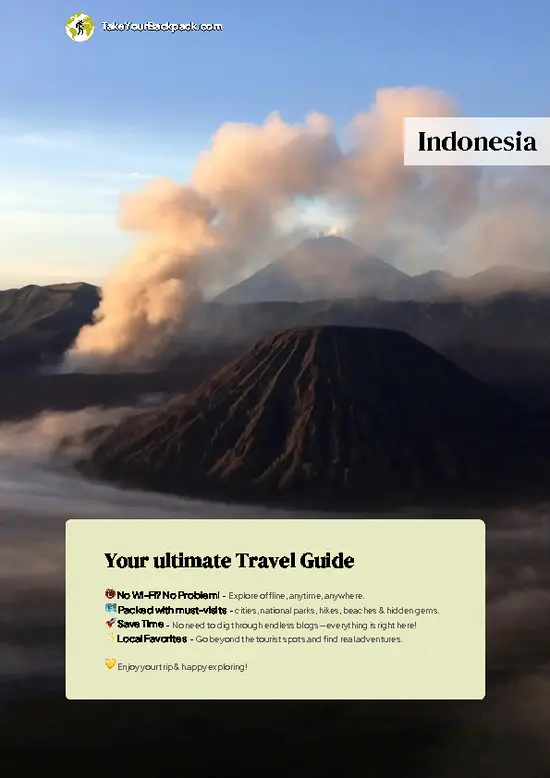
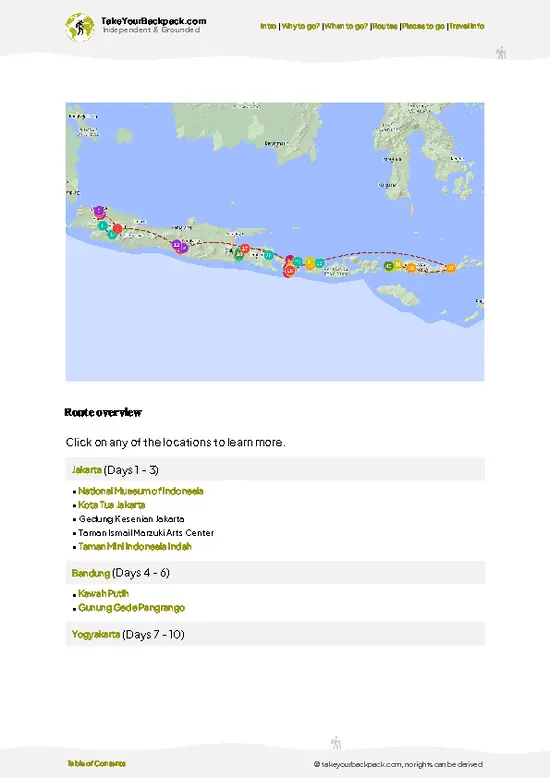
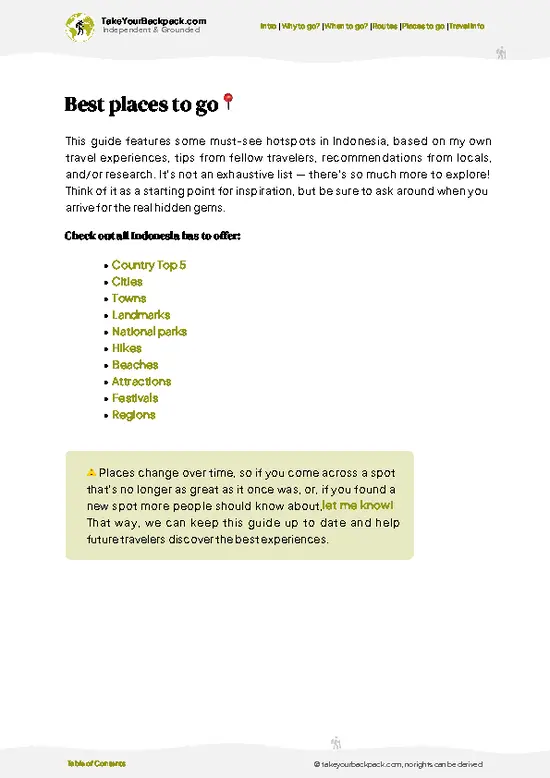
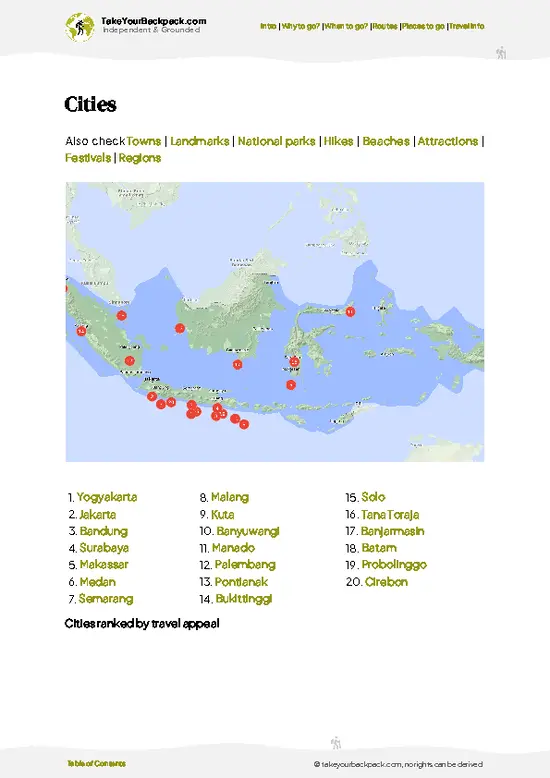
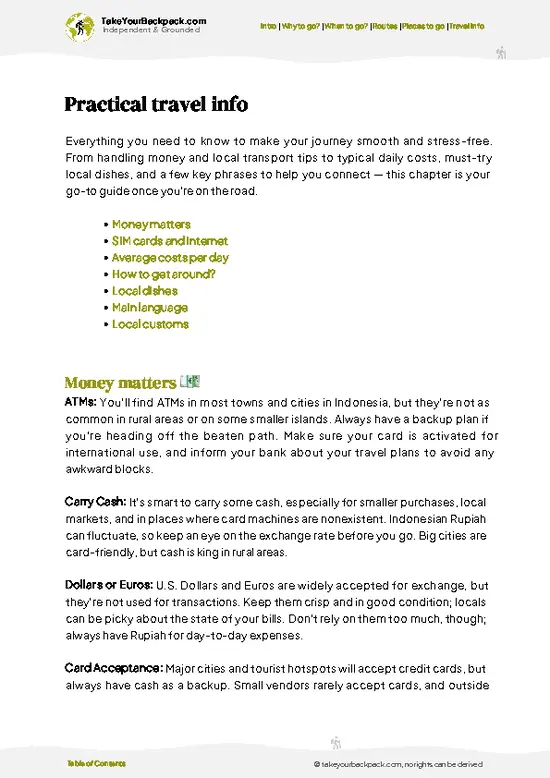
example page 0 from our offline Travel Guide for Indonesia
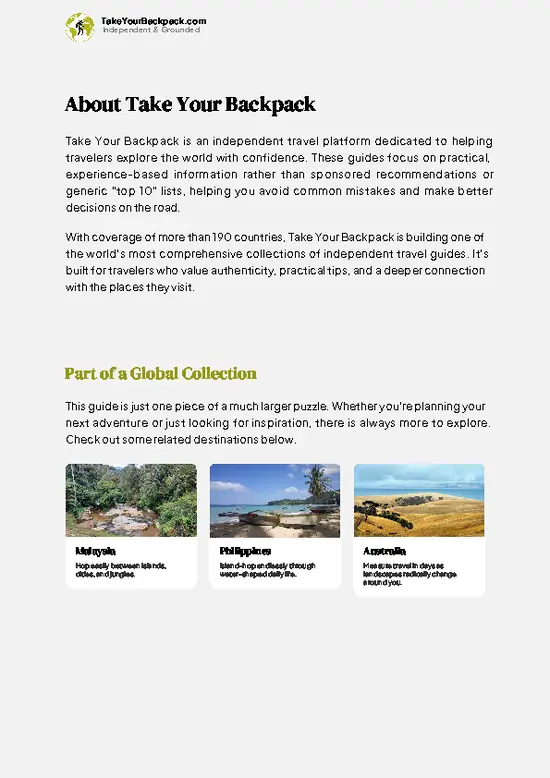
example page 1 from our offline Travel Guide for Indonesia
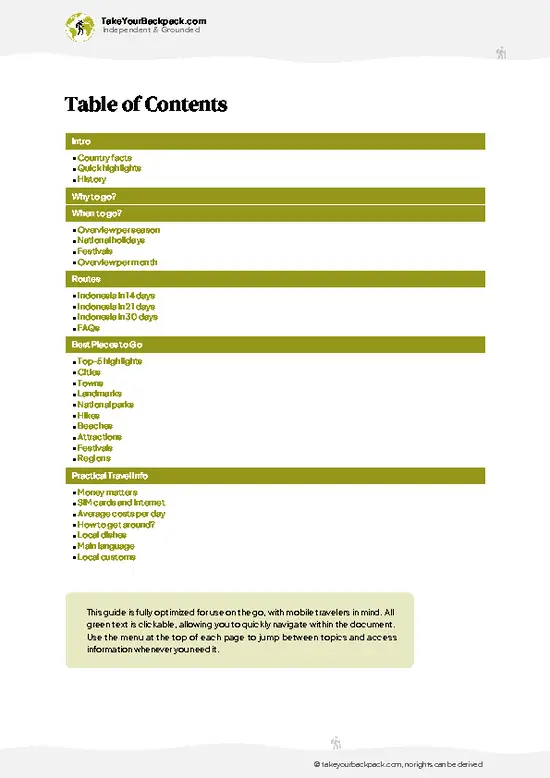
example page 2 from our offline Travel Guide for Indonesia
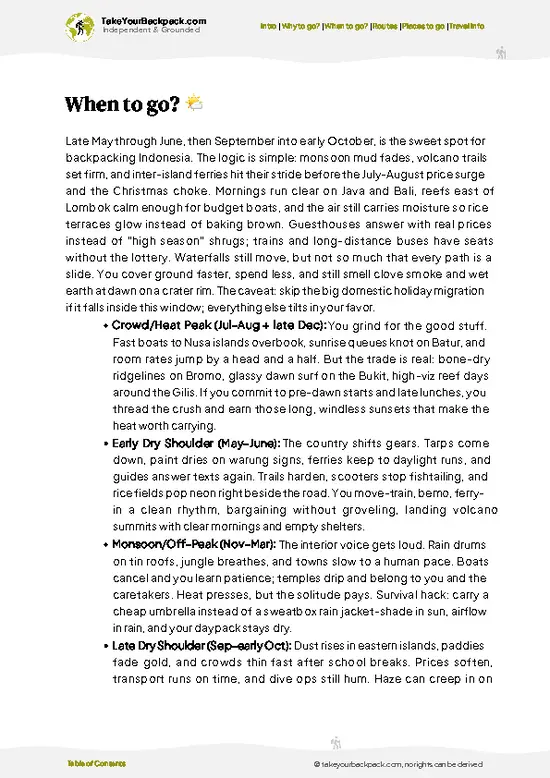
example page 3 from our offline Travel Guide for Indonesia
example page 4 from our offline Travel Guide for Indonesia
example page 5 from our offline Travel Guide for Indonesia
example page 6 from our offline Travel Guide for Indonesia
example page 7 from our offline Travel Guide for Indonesia
The digital guide (550 pages) contains:
155 highlights, ranked by travel appeal
Optimized 14, 21 & 30-day travel routes
Cities, national parks, landmarks, beaches
How to get around
Offline-friendly for travel without Wi-Fi
👉 Click to see all 30+ guide features

📅 Plan smarter in minutes, not weeks
Month by month travel advice
Festivals & national holidays
Budget expectations

🗺️ Go to the right places, skip the overrated ones
Honest pros & cons of destinations
Top hikes, parks & viewpoints
Lesser-known places most travelers miss
Clear “worth it vs skip it” guidance

🛏️ Travel smoothly without rookie mistakes
Best areas to stay
Transport systems explained simply
Common scams & safety advice
SIM cards, money & practical tips

🌍 Understand the country, not just visit it
Culture & traditions
52 Essential phrases & customs
Festivals worth planning around
Traveler-friendly historical context
Insights that make places more meaningful

📱 Built for real travel conditions
Fully downloadable PDF
Works completely offline
Optimized for phone use
Useful in remote areas & buses
Everything in one place
Save weeks of stressful planning
Get instant access to your full guide. 30‑day money-back guarantee.


By proceeding you agree to our terms.
Sent to your inbox immediately after payment • 100% Secure Checkout
Best Backpacking Travel Advisor 2025 tourism awardBest Backpacking
Travel Advisor
2025
What others say about Take Your Backpack Guides:
⭐⭐⭐⭐⭐
Fantastic, amazing amount of information!
⭐⭐⭐⭐⭐
My goodness this is amazing, it's what I've been looking for hats off too you!
⭐⭐⭐⭐⭐
I think this is absolutely BRILLIANT
⭐⭐⭐⭐
Very complete and informative. It's still missing places, but I gotta to commend you
⭐⭐⭐⭐⭐
This is truly amazing, thank you, can't wait to explore it with my kids!
⭐⭐⭐⭐⭐
Awesome resource, thank you!
⭐⭐⭐⭐⭐
This is amazing! Can't wait to explore the ones I haven't seen
⭐⭐⭐⭐
I love this! Well done, great idea.
⭐⭐⭐⭐⭐
Thanks for taking the time to make this gem!
⭐⭐⭐⭐⭐
This might be the best website I've ever seen.
⭐⭐⭐⭐⭐
Congratulations, and thank you so much for your work; it's incredibly valuable.
⭐⭐⭐⭐
In all seriousness I think you did a great job pointing out the important spots
⭐⭐⭐⭐⭐
10/10 very good
⭐⭐⭐⭐⭐
As someone who's only just starting to visit regularly this is awesome, thank you.
⭐⭐⭐⭐
Thank you very much! I'm going to visit my dad, it's going to be very useful!
⭐⭐⭐⭐⭐
This is really cool! We'll be travelling for the first time and this definitely come in handy.
⭐⭐⭐⭐⭐
You are now our minister of culture, congratulations 👨‍💼
⭐⭐⭐⭐⭐
Just wanted to tell you that this is a pearl! Going to follow your recommendations.
⭐⭐⭐⭐⭐
This is so cool. I'll definitely be using the resource for my travels soon.
⭐⭐⭐⭐⭐
This is very impressive! Good work.
⭐⭐⭐⭐⭐
This is an amazing and informative site. Very well done!

🛏️ Where to stay?Best areas and accommodation options

If you enjoy meeting fellow travelers, consider choosing hostels with high ratings for atmosphere. On the other hand, if you prefer having your own space, a hotel might be a better option.

🥾 Hike detailsEverything you need to know before hiking Tete Batu

Total Distance: The Tete Batu trail stretches roughly 12 kilometers round-trip, a solid half-day trek that demands steady legs and a keen eye for detail.

Estimated Duration: Expect to spend about 5 to 7 hours on the trail, depending on your pace and how often you pause to soak in the views or catch your breath.

Difficulty: This trail isn’t for the faint-hearted. It’s a moderate to challenging hike with steep ascents, uneven volcanic rock, and slippery sections after rain. You’ll need good hiking shoes and a decent level of fitness to tackle the climbs without losing momentum.

Starting Point:read more 👉
Total Distance: The Tete Batu trail stretches roughly 12 kilometers round-trip, a solid half-day trek that demands steady legs and a keen eye for detail.

Estimated Duration: Expect to spend about 5 to 7 hours on the trail, depending on your pace and how often you pause to soak in the views or catch your breath.

Difficulty: This trail isn’t for the faint-hearted. It’s a moderate to challenging hike with steep ascents, uneven volcanic rock, and slippery sections after rain. You’ll need good hiking shoes and a decent level of fitness to tackle the climbs without losing momentum.

Starting Point: The trek kicks off from the village of Sembalun Lawang on Lombok’s eastern flank. Getting there is straightforward: from Mataram, hop on a public minibus heading to Sembalun Lawang. The ride takes about 2.5 hours, weaving through rural landscapes and small towns. From the village center, the trailhead is a short walk uphill, marked by a simple wooden sign.

Major Landmarks:
  • Rinjani Crater Rim: The trail skirts the southern edge of Mount Rinjani’s crater rim, offering jaw-dropping views of the caldera lake below.
  • Senaru Waterfall: Midway through, you’ll pass by this cascading waterfall, a perfect spot to cool off and refill your water bottle.
  • Traditional Sasak Villages: The path threads through small Sasak communities, where you can glimpse local life and maybe snag fresh fruit from roadside stalls.

Terrain and Scenery: You’ll battle volcanic scree, rugged dirt paths, and occasional rocky outcrops. The landscape shifts from dry savannah grasslands to dense montane forest as you climb higher. The air thins, the wind picks up, and the panorama opens to reveal the vast crater and the Indian Ocean in the distance.

Vegetation: Expect to see a mix of tropical hardwoods, wild orchids, and towering bamboo groves. The higher you go, the more the forest feels ancient and untouched, with moss-covered trunks and ferns carpeting the ground.

Wildlife: Keep your eyes peeled for the agile long-tailed macaques darting through the trees, colorful hornbills calling overhead, and if you’re lucky, the shy Rinjani scops owl at dusk. Insects buzz relentlessly, so bring repellent.

This trail demands grit but rewards with raw, elemental beauty. The sweat and strain vanish when you reach the rim, where the crater lake’s turquoise calm contrasts sharply with the volcanic black earth beneath your boots. Grab a cold drink in Sembalun Lawang afterward—you’ve earned it.
⚠️ Hiking info can sometimes be outdated or inaccurate. Before you hit the trail, check the latest conditions with locals. If you do spot anything that's off, I'd love to hear from you, so I can update it for fellow travelers.

🛡️ SafetyScams, Hazards, and Annoyances

Tete Batu’s trail demands respect but not fear. The path climbs steadily through dense jungle, where humidity clings and the air thickens with the scent of earth and leaves. Expect slick roots and muddy patches, especially after rain—good grip on your boots isn’t optional. The trail isn’t technically difficult, but it’s relentless enough to test your stamina. Navigation is straightforward; locals maintain clear markers, so losing your way is rare if you stick to the main route.

Weather shifts quickly here. Mornings can start cool, but by midday, the heat presses down hard. Start early to avoid the sun’s peak and carry enough water—there’s no reliable source once you’re on the ascent. Wildlife is shy but present: monkeys chatter overhead, and insects buzz persistently. Respect their space … read more 👉
Tete Batu’s trail demands respect but not fear. The path climbs steadily through dense jungle, where humidity clings and the air thickens with the scent of earth and leaves. Expect slick roots and muddy patches, especially after rain—good grip on your boots isn’t optional. The trail isn’t technically difficult, but it’s relentless enough to test your stamina. Navigation is straightforward; locals maintain clear markers, so losing your way is rare if you stick to the main route.

Weather shifts quickly here. Mornings can start cool, but by midday, the heat presses down hard. Start early to avoid the sun’s peak and carry enough water—there’s no reliable source once you’re on the ascent. Wildlife is shy but present: monkeys chatter overhead, and insects buzz persistently. Respect their space and keep food sealed tight to avoid unwanted attention.

Many first-timers underestimate the trail’s humidity and the steady climb. Pace yourself, dress in moisture-wicking layers, and savor the payoff: the summit’s sweeping views of rolling hills and distant seas make every step worth it.

Other Indonesian hikes near Tete Batu

Explore more nearby:


💡 Not sure where to go next?
Create a personalized itinerary for Indonesia including Tete Batu and the places that fit your trip.

Generate my itinerary

👉 Discover all hikes

Or checkout all Indonesia has to offer (think cities, towns, villages, national parks, hikes, beaches, festivals)
Country photo of Indonesia

We 💚 feedbackParting advice and final tips

Tete Batu grabs you with its raw, unfiltered climb—every step burns, but the payoff is a jaw-dropping panorama that feels earned, not handed over. You’re not just hiking; you’re wrestling with the mountain, and that struggle makes the summit’s cool breeze and endless views hit harder. Just know this: the trail’s rough edges and sparse signage can throw you off if you’re not ready to navigate some real wilderness. It’s a challenge, but one that rewards grit with pure, untouched beauty.

✈️ When did I visit Indonesia?
As part of my 1.5 year travel around the world trip, I visited Indonesia twice (and it was worth it. First in September 2015 and a bit later again in January and February 2016.

✍️ Help improve this page!
The information on this page is based on my own backpacking experience in Indonesia, supplemented with up-to-date research and feedback from other travelers. Travel details can change, so if you notice anything outdated or incomplete, feel free to let me know.


🙋‍♂️ Give feedback

👋 Meet the founderWho’s Behind Take Your Backpack?

Johan, backpacker and founder of TakeYourBackpackHi, I’m Johan (Netherlands 🇳🇱), the creator of TakeYourBackpack. Over the past decade, I’ve backpacked through 80+ countries across six continents, gaining extensive experience with independent travel, long-term trips, and overland routes.

This site is built on a combination of firsthand travel experience and carefully curated insights from other backpackers. Many guides are based on places I’ve personally visited, while others bring together tips, observations, and practical advice shared by trusted travelers I’ve met along the way.

The goal is to provide realistic, experience-driven guidance — not generic itineraries — so you can explore destinations with better context, clearer expectations, and more confidence.

Get full Indonesia guide •
Instant download • 155 highlights • Full Offline guide