v2.webp)
The Grand Staircase Approach
Forget the Instagram shots of empty courtyards—Besakih’s main staircase is a human river most days, with pilgrims, guides, and the odd tourist in a sarong rental. But here’s the real magic: climb those steps at sunrise or late afternoon, when the crowds thin and the light slices through the mist. The air is thick with incense and the sound of distant gamelan. It’s not serenity; it’s electricity. You feel the pulse of centuries under your feet. This is the entrance to Bali’s spiritual heart, and it’s impossible not to feel it.
Pura Penataran Agung
This is the main temple, the centerpiece of the complex, and the reason Besakih is called the “Mother Temple.” It’s a multi-tiered marvel, stacked with shrines and meru towers that look like a forest of black thatch against … read more 👉
Forget the Instagram shots of empty courtyards—Besakih’s main staircase is a human river most days, with pilgrims, guides, and the odd tourist in a sarong rental. But here’s the real magic: climb those steps at sunrise or late afternoon, when the crowds thin and the light slices through the mist. The air is thick with incense and the sound of distant gamelan. It’s not serenity; it’s electricity. You feel the pulse of centuries under your feet. This is the entrance to Bali’s spiritual heart, and it’s impossible not to feel it.
Pura Penataran Agung
This is the main temple, the centerpiece of the complex, and the reason Besakih is called the “Mother Temple.” It’s a multi-tiered marvel, stacked with shrines and meru towers that look like a forest of black thatch against … read more 👉
The Grand Staircase Approach
Forget the Instagram shots of empty courtyards—Besakih’s main staircase is a human river most days, with pilgrims, guides, and the odd tourist in a sarong rental. But here’s the real magic: climb those steps at sunrise or late afternoon, when the crowds thin and the light slices through the mist. The air is thick with incense and the sound of distant gamelan. It’s not serenity; it’s electricity. You feel the pulse of centuries under your feet. This is the entrance to Bali’s spiritual heart, and it’s impossible not to feel it.
Pura Penataran Agung
This is the main temple, the centerpiece of the complex, and the reason Besakih is called the “Mother Temple.” It’s a multi-tiered marvel, stacked with shrines and meru towers that look like a forest of black thatch against the sky. The architecture isn’t just for show—it’s a cosmic diagram, mapping out the Balinese universe. If you catch a ceremony here, you’ll see processions of locals in white and gold, carrying offerings that look like edible sculptures. The energy is communal, not performative. You’re witnessing living faith, not a staged spectacle.
The Panoramic Mount Agung Backdrop
Most photos crop out the volcano, but in person, Mount Agung looms like a silent judge over the whole complex. On a clear day, the view is a gut punch—temple spires in the foreground, the sacred mountain rising behind. It’s not just a backdrop; it’s the reason the temple is here. The Balinese believe Agung is the axis of the world. When clouds roll in, the mountain disappears and reappears like a magic trick. It’s a reminder that nature, not architecture, is the real showstopper.
Festival Days and Odalan Ceremonies
If you want the full sensory overload, time your visit with a temple festival. Yes, it’s crowded. Yes, you’ll be jostled by locals and tourists alike. But the pageantry is wild—drums, chanting, flower petals everywhere, and a parade of offerings that would make a Michelin chef jealous. This is Besakih unscripted, messy, and magnificent. It’s the one time when the crowds are the point, not the problem. (Personal favorite—there’s nothing like being swept up in the chaos of a real Balinese festival.)
The Sub-Temples and Quiet Corners
Most visitors never stray from the main drag, but Besakih is a sprawl of over 80 temples. Duck into the side shrines—Pura Batu Madeg, Pura Kiduling Kreteg—and you’ll find mossy courtyards, silent priests, and the occasional dog napping in the shade. Here, the tourist hustle fades. You get a glimpse of daily devotion, not just ceremony. It’s the antidote to the selfie-stick circus outside.
Forget the Instagram shots of empty courtyards—Besakih’s main staircase is a human river most days, with pilgrims, guides, and the odd tourist in a sarong rental. But here’s the real magic: climb those steps at sunrise or late afternoon, when the crowds thin and the light slices through the mist. The air is thick with incense and the sound of distant gamelan. It’s not serenity; it’s electricity. You feel the pulse of centuries under your feet. This is the entrance to Bali’s spiritual heart, and it’s impossible not to feel it.
Pura Penataran Agung
This is the main temple, the centerpiece of the complex, and the reason Besakih is called the “Mother Temple.” It’s a multi-tiered marvel, stacked with shrines and meru towers that look like a forest of black thatch against the sky. The architecture isn’t just for show—it’s a cosmic diagram, mapping out the Balinese universe. If you catch a ceremony here, you’ll see processions of locals in white and gold, carrying offerings that look like edible sculptures. The energy is communal, not performative. You’re witnessing living faith, not a staged spectacle.
The Panoramic Mount Agung Backdrop
Most photos crop out the volcano, but in person, Mount Agung looms like a silent judge over the whole complex. On a clear day, the view is a gut punch—temple spires in the foreground, the sacred mountain rising behind. It’s not just a backdrop; it’s the reason the temple is here. The Balinese believe Agung is the axis of the world. When clouds roll in, the mountain disappears and reappears like a magic trick. It’s a reminder that nature, not architecture, is the real showstopper.
Festival Days and Odalan Ceremonies
If you want the full sensory overload, time your visit with a temple festival. Yes, it’s crowded. Yes, you’ll be jostled by locals and tourists alike. But the pageantry is wild—drums, chanting, flower petals everywhere, and a parade of offerings that would make a Michelin chef jealous. This is Besakih unscripted, messy, and magnificent. It’s the one time when the crowds are the point, not the problem. (Personal favorite—there’s nothing like being swept up in the chaos of a real Balinese festival.)
The Sub-Temples and Quiet Corners
Most visitors never stray from the main drag, but Besakih is a sprawl of over 80 temples. Duck into the side shrines—Pura Batu Madeg, Pura Kiduling Kreteg—and you’ll find mossy courtyards, silent priests, and the occasional dog napping in the shade. Here, the tourist hustle fades. You get a glimpse of daily devotion, not just ceremony. It’s the antidote to the selfie-stick circus outside.
Spotted a mistake or missing something? Contact us.

Ubud Bali Driver ( Bali Custom Tour )

More Complete: Discover Bali In 3 Days Private Tour Package

Private Mount Agung Sunrise Summit Trek: Bali Volcano Adventure

Mount Agung Sunrise Trekking to Highest Peak 3,142m And 2,900m

Besakih Temple & Penglipuran Traditional Village Private Tour

Bali Best Of Ubud Tour Private and All Inclusive

Private Full-Day Temple Tour: Bali Archaeology Tours

Bali Waterfalls and Temples Tour

Bali Lempuyang Gate of Heaven and Besakih Mother Temple Tour





 Best Backpacking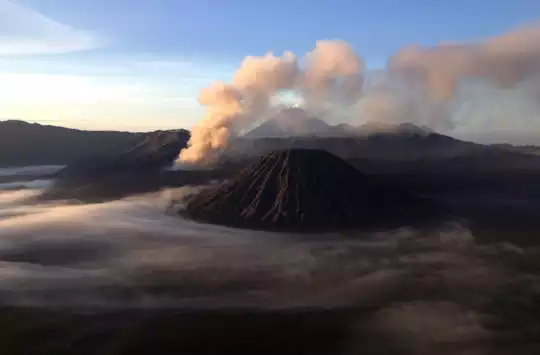
.jpg) Hi, I’m Johan (Netherlands 🇳🇱), the creator of TakeYourBackpack. Over the past decade, I’ve backpacked through 80+ countries across six continents, gaining extensive experience with independent travel, long-term trips, and overland routes.
Hi, I’m Johan (Netherlands 🇳🇱), the creator of TakeYourBackpack. Over the past decade, I’ve backpacked through 80+ countries across six continents, gaining extensive experience with independent travel, long-term trips, and overland routes.