×

Indonesia🇮🇩 | citiesMedanChinese shophouses, mosque domes, culinary crossroads | things to do and best time to go

Explore SurabayaExplore Semarang

Backpacking in Medan
🏆 Top pickcity ranked #7
By Johan Kruseman 🇳🇱 | Updated October 15, 2026

Medan won't appeal to backpackers chasing postcard beaches or temple-hopping circuits. But if you're after a raw, unfiltered slice of Indonesia where tourism hasn't smoothed the edges, this sprawling port city in North Sumatra rewards the curious. I remember stepping off the train into a wall of humid air and street-food smoke, watching becak drivers weave through traffic while vendors called out prices in rapid-fire Indonesian—the city felt alive in a way that felt genuinely earned, not packaged. Medan sits as Indonesia's gateway to the west coast, a working city where locals outnumber tourists by a huge margin. It's cheaper and less polished than Jakarta, more chaotic than Yogyakarta, and it serves as a crucial basecamp for reaching the orangutans of Bukit Lawang and the volcanic lakes of the highlands. You'll spend less time here than in other major cities, but the payoff is access to some of Sumatra's most rewarding natural attractions.

Discover everything you want to know in the 📖 Indonesia Travel Guide.


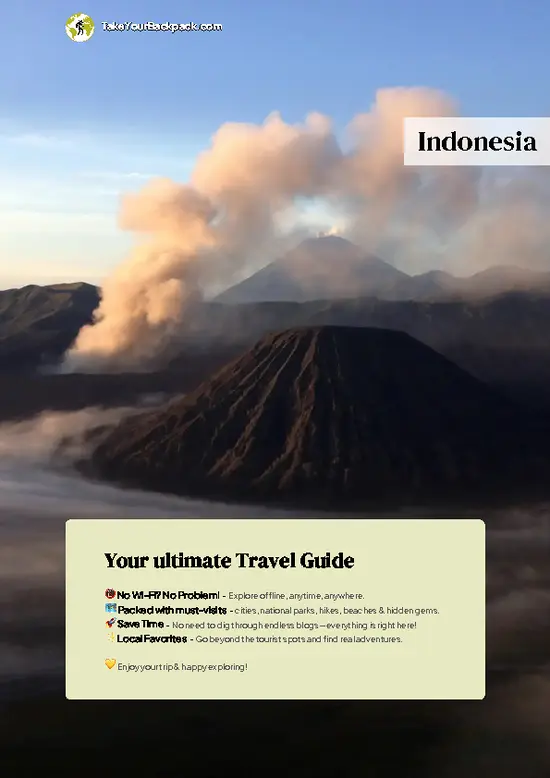
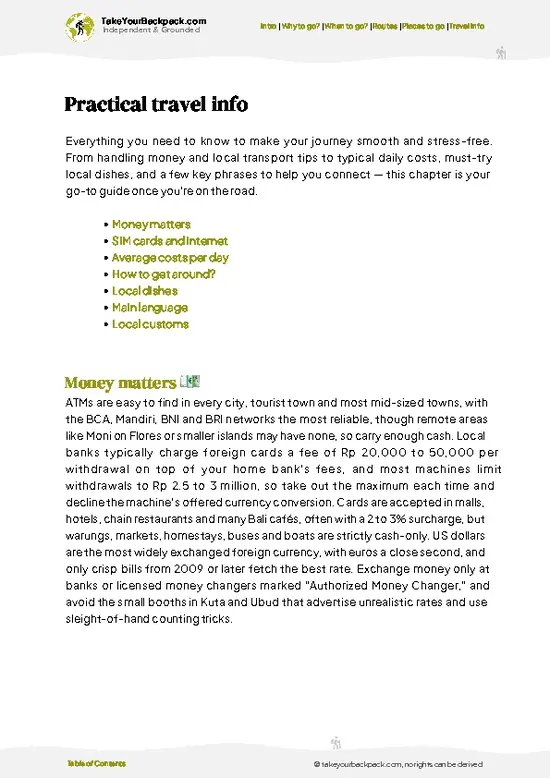
example page 0 from our offline Travel Guide for Indonesia
example page 1 from our offline Travel Guide for Indonesia
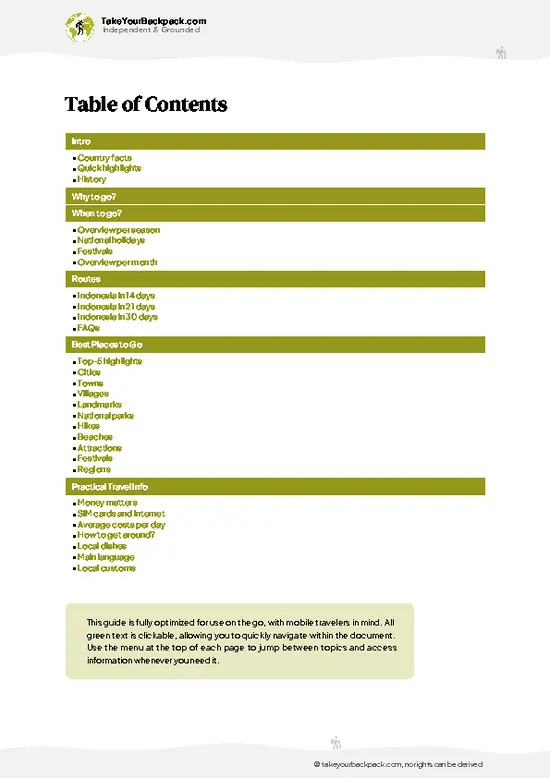
example page 2 from our offline Travel Guide for Indonesia
example page 3 from our offline Travel Guide for Indonesia
example page 4 from our offline Travel Guide for Indonesia
example page 5 from our offline Travel Guide for Indonesia
example page 6 from our offline Travel Guide for Indonesia
example page 7 from our offline Travel Guide for Indonesia
Loading the map 🌍
CLICK TO FILTER
cities
towns
villages
landmarks
national parks
hikes
beaches
attractions
festivals
regions
SHOW COUNTRY’S BESTSHOW ALL

✨ Why go?
Ranked #7 city in Indonesia
The unique appeal for travelers

Medan functions as the essential launchpad for North Sumatra's best experiences. The city itself moves fast: affordable hostels cluster in the Kesawan district, street food is exceptional and costs pennies, and the walkable colonial core gives you a sense of Indonesia's trading history without the tourist markup. Most backpackers base themselves here for 1 to 2 days before heading to Bukit Lawang for orangutan trekking or the Karo highlands for crater lakes and waterfalls. The city's transport hub status means onward travel is straightforward—buses and flights connect to Aceh, the Riau Islands, and deeper into Sumatra. Medan's food scene is a genuine highlight: laksa, satay, and fresh tropical fruit at markets cost under US$2. The nightlife is low-key but real, and the mix of Malay, Chinese, … read more 👉
Medan functions as the essential launchpad for North Sumatra's best experiences. The city itself moves fast: affordable hostels cluster in the Kesawan district, street food is exceptional and costs pennies, and the walkable colonial core gives you a sense of Indonesia's trading history without the tourist markup. Most backpackers base themselves here for 1 to 2 days before heading to Bukit Lawang for orangutan trekking or the Karo highlands for crater lakes and waterfalls. The city's transport hub status means onward travel is straightforward—buses and flights connect to Aceh, the Riau Islands, and deeper into Sumatra. Medan's food scene is a genuine highlight: laksa, satay, and fresh tropical fruit at markets cost under US$2. The nightlife is low-key but real, and the mix of Malay, Chinese, and Indian communities gives the city a distinct cultural texture. It's not a destination in itself, but it's the right place to start.

💡 HighlightsThe experiences that define the visit

  1. Maimun Palace: This 1888 Moorish-style palace sits at the heart of Medan's colonial past, built for the Sultan of Deli. The ornate architecture blends Islamic, Malay, and European influences in a way you won't see replicated elsewhere in Indonesia. The interior holds period furnishings and royal artifacts. Best visited early morning to avoid crowds and heat. Allow 1 to 1.5 hours. Entry costs US$2 to 3.
  2. Mesjid Raya Al-Mashun: Medan's grand mosque, completed in 1909, dominates the skyline with its striking white dome and minarets. The interior is equally impressive, with intricate tilework and a soaring prayer hall. Non-Muslims can visit outside prayer times (roughly 11:30 AM to 1:30 PM and after 4:00 PM). Modest dress required. Allow 45 minutes to 1 hour. Free entry.
  3. Tjong A Fie Mansion: This
… read more 👉
  1. Maimun Palace: This 1888 Moorish-style palace sits at the heart of Medan's colonial past, built for the Sultan of Deli. The ornate architecture blends Islamic, Malay, and European influences in a way you won't see replicated elsewhere in Indonesia. The interior holds period furnishings and royal artifacts. Best visited early morning to avoid crowds and heat. Allow 1 to 1.5 hours. Entry costs US$2 to 3.
  2. Mesjid Raya Al-Mashun: Medan's grand mosque, completed in 1909, dominates the skyline with its striking white dome and minarets. The interior is equally impressive, with intricate tilework and a soaring prayer hall. Non-Muslims can visit outside prayer times (roughly 11:30 AM to 1:30 PM and after 4:00 PM). Modest dress required. Allow 45 minutes to 1 hour. Free entry.
  3. Tjong A Fie Mansion: This restored Chinese merchant's house from the 1890s reveals the lives of Medan's wealthy Chinese traders during the colonial era. The rooms are filled with period furniture, photographs, and artifacts that tell the story of early 20th-century Medan. It's one of the few places where you can walk through that specific history. Open daily; allow 1 to 1.5 hours. Entry is US$3 to 4.
  4. Medan City Walk and Kesawan District: The old colonial quarter still holds Art Deco buildings, shophouses, and narrow streets that feel frozen in time. Walking from Maimun Palace through Kesawan reveals the texture of Medan's urban layers. Early morning is best, before the heat peaks and traffic builds. Allow 2 to 3 hours for a slow exploration. Free.
  5. Rahmat International Wildlife Museum: This taxidermy museum houses over 3,500 stuffed animals from around the world, collected by a local businessman. It's quirky and unsettling in equal measure, but genuinely unique to Medan. The collection spans everything from Indonesian wildlife to African megafauna. Allow 1.5 to 2 hours. Entry costs US$4 to 5.
  6. Taman Simalem Resort (day trip base): While technically outside the city, this highland retreat sits only 45 minutes to 1 hour from central Medan and offers a sharp contrast to urban heat. Cooler air, tea plantations, and walking trails make it a natural half-day escape. Many backpackers base themselves here for a night. Entry and activities vary; accommodation from US$15 to 30 per night.
  7. Istana Maimun Surroundings and Street Food Scene: The area immediately around Maimun Palace pulses with street vendors, small warungs, and local life. Early evening is when the food stalls set up, and you can eat grilled fish, satay, and local specialties for US$1 to 3 per plate. This is where Medan's everyday rhythm lives. Allow 1 to 2 hours for eating and wandering. Free to explore; food costs separate.
Close by, the Bukit Lawang orangutan sanctuary (2 to 3 hours by road) and the Karo Highlands around Berastagi (2 to 2.5 hours) are the most rewarding day trips. I'd pick Bukit Lawang first because the trek through the jungle and the chance to see orangutans in their habitat is something you can't replicate anywhere else in Sumatra.
Spotted a mistake or missing something? Contact us.

Things to do in Medan

Ratings based on Tripadvisor reviews. When you book through this link, you support our work at no extra cost to you.

🏘️ NeighborhoodsNeighborhood guide to Medan

  • Medan Merdeka is the colonial heart where grand Dutch architecture frames wide streets and the Merdeka Walk shopping complex anchors the center. Museums and government buildings cluster here, making it walkable for sightseeing but pricier for food and lodging. The area feels formal and orderly, best for daytime exploration.
  • Petisah pulses with street-level energy: hawker stalls, textile shops, and the chaotic rhythm of a working neighborhood. You navigate tight lanes packed with vendors and motorbikes, eating cheaply and absorbing real Medan life. Noise and crowds reward the effort with authenticity and low costs; walkability demands patience.
  • Kesawan mixes colonial relics with modern cafés and budget guesthouses, making it a natural backpacker anchor. The neighborhood stays lively without feeling
… read more 👉
  • Medan Merdeka is the colonial heart where grand Dutch architecture frames wide streets and the Merdeka Walk shopping complex anchors the center. Museums and government buildings cluster here, making it walkable for sightseeing but pricier for food and lodging. The area feels formal and orderly, best for daytime exploration.
  • Petisah pulses with street-level energy: hawker stalls, textile shops, and the chaotic rhythm of a working neighborhood. You navigate tight lanes packed with vendors and motorbikes, eating cheaply and absorbing real Medan life. Noise and crowds reward the effort with authenticity and low costs; walkability demands patience.
  • Kesawan mixes colonial relics with modern cafés and budget guesthouses, making it a natural backpacker anchor. The neighborhood stays lively without feeling touristy, with decent transport links and mid-range prices for food and beds. Walking here feels purposeful rather than aimless.
  • Belawan sits on the coast, quieter and less touristy, with seafood restaurants and a slower pace. Getting here takes effort (transport costs more), but you escape the city's heat and crowds. Best for a half-day escape rather than a base.

⌛️ 1 dayHow to make the most of one day

Medan rewards slow exploration of its colonial layers and street-level energy. This itinerary focuses on the historic core and the daily rhythms that define the city.

7:30 AM: Mesjid Raya Al-Mashun: Start early at the grand mosque before crowds arrive and the heat builds. The white dome glows in morning light, and the interior is peaceful. Spend 45 minutes here, then walk south through the quiet streets toward the palace district.

8:45 AM: Maimun Palace: Arrive while it's still cool and relatively empty. The Moorish architecture and period rooms reveal Medan's royal past. Spend 1 to 1.5 hours inside and in the courtyard. Exit onto Jalan Brig. Jend. Katamso and head east on foot.

10:30 AM: Tjong A Fie Mansion: This restored Chinese merchant's house sits a 10-minute walk away. The rooms and … read more 👉
Medan rewards slow exploration of its colonial layers and street-level energy. This itinerary focuses on the historic core and the daily rhythms that define the city.

7:30 AM: Mesjid Raya Al-Mashun: Start early at the grand mosque before crowds arrive and the heat builds. The white dome glows in morning light, and the interior is peaceful. Spend 45 minutes here, then walk south through the quiet streets toward the palace district.

8:45 AM: Maimun Palace: Arrive while it's still cool and relatively empty. The Moorish architecture and period rooms reveal Medan's royal past. Spend 1 to 1.5 hours inside and in the courtyard. Exit onto Jalan Brig. Jend. Katamso and head east on foot.

10:30 AM: Tjong A Fie Mansion: This restored Chinese merchant's house sits a 10-minute walk away. The rooms and artifacts tell the story of Medan's trading networks. Allow 1 to 1.5 hours. The mansion's café serves coffee and light snacks.

12:15 PM: Kesawan District Street Food: Walk north into the old colonial quarter. Stop at a small warung or street stall for lunch. Grilled fish, satay, or local noodles cost US$1 to 3. Wander the narrow streets and shophouses for 1 to 1.5 hours; this is where Medan's everyday texture lives, away from the main tourist route.

2:00 PM: Rahmat International Wildlife Museum: A 15-minute walk or short ride north. The taxidermy collection is surreal and specific to Medan. Spend 1.5 to 2 hours. It's quirky, but it's genuinely unique to the city.

4:00 PM: Return to Kesawan or Rest: Head back to the old quarter or your accommodation. The late afternoon is when energy dips; use it to rest, eat, or sit in a café before evening street food comes alive again around 6:00 PM.

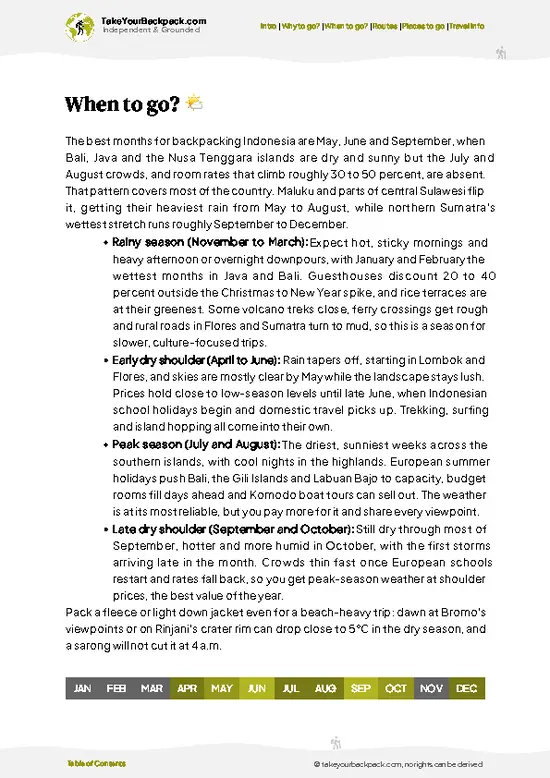
🌤️ When to go?When to go for the best experience

  • Dry Season (May to September): The best window for visiting. Expect temperatures around 26 to 32°C (79 to 90°F), lower humidity, and minimal rain. Daylight runs roughly 12 hours year-round. Prices stay moderate and crowds are manageable.
  • Wet Season (October to April): Heavy downpours arrive daily, often in afternoon bursts. Temperatures hover around 25 to 31°C (77 to 88°F) but feel hotter due to humidity. Transport delays are common, and some roads flood. Budget travelers find cheaper accommodation, but outdoor plans suffer.
  • Shoulder Months (April, September): Unpredictable weather but fewer tourists and lower prices than peak dry season. A reasonable compromise if flexibility matters more than perfect conditions.
Visit during May to September for the most reliable weather and easiest travel logistics.

source: climatestotravel.comJANJanuary: fair for travelingFEBFebruary: fair for travelingMARMarch: fair for travelingAPRApril: fair for travelingMAYMay: highly recommended for travelingJUNJune: excellent for travelingJULJuly: excellent for travelingAUGAugust: excellent for travelingSEPSeptember: highly recommended for travelingOCTOctober: fair for travelingNOVNovember: fair for travelingDECDecember: fair for traveling
when-to-go

✈️ The backpacker research shortcutIndonesia Travel Guide

An offline-friendly backpacking guide with optimized travel routes, ranked highlights, transport advice, and the best areas to stay.
example page 0 from our offline Travel Guide for Indonesia
example page 1 from our offline Travel Guide for Indonesia
example page 2 from our offline Travel Guide for Indonesia
example page 3 from our offline Travel Guide for Indonesia
example page 4 from our offline Travel Guide for Indonesia
example page 5 from our offline Travel Guide for Indonesia
example page 6 from our offline Travel Guide for Indonesia
example page 7 from our offline Travel Guide for Indonesia
The digital guide (460 pages) contains:
✅ 153 highlights, ranked by travel appeal
✅ Optimized 14, 21 & 30-day travel routes
✅ Cities, national parks, landmarks, beaches
✅ How to get around
✅ Offline-friendly for travel without Wi-Fi
👉 Click to see all 30+ guide features

📅 Plan smarter in minutes, not weeks
✅ Month by month travel advice
✅ Festivals & national holidays
✅ Budget expectations

🗺️ Go to the right places, skip the overrated ones
✅ Honest pros & cons of destinations
✅ Top hikes, parks & viewpoints
✅ Lesser-known places most travelers miss
✅ Clear “worth it vs skip it” guidance

🛏️ Travel smoothly without rookie mistakes
✅ Best areas to stay
✅ Transport systems explained simply
✅ Common scams & safety advice
✅ SIM cards, money & practical tips

🌍 Understand the country, not just visit it
✅ Culture & traditions
✅ 52 Essential phrases & customs
✅ Festivals worth planning around
✅ Traveler-friendly historical context
✅ Insights that make places more meaningful

📱 Built for real travel conditions
✅ Fully downloadable PDF
✅ Works completely offline
✅ Optimized for phone use
✅ Useful in remote areas & buses
✅ Everything in one place
Stop searching, start planning
Get instant access to your full guide. 30‑day money-back guarantee.
+ Add another guide for just

By proceeding you agree to our terms.
Sent to your inbox immediately after payment • 100% Secure Checkout
Best Backpacking Travel Advisor 2025 tourism awardBest Backpacking
Travel Advisor
2025
What others say about Take Your Backpack Guides:
⭐⭐⭐⭐⭐
Fantastic, amazing amount of information!
⭐⭐⭐⭐⭐
My goodness this is amazing, it's what I've been looking for hats off too you!
⭐⭐⭐⭐⭐
I think this is absolutely BRILLIANT
⭐⭐⭐⭐
Very complete and informative. It's still missing places, but I gotta to commend you
⭐⭐⭐⭐⭐
This is truly amazing, thank you, can't wait to explore it with my kids!
⭐⭐⭐⭐⭐
Awesome resource, thank you!
⭐⭐⭐⭐⭐
This is amazing! Can't wait to explore the ones I haven't seen
⭐⭐⭐⭐
I love this! Well done, great idea.
⭐⭐⭐⭐⭐
Thanks for taking the time to make this gem!
⭐⭐⭐⭐⭐
This might be the best website I've ever seen.
⭐⭐⭐⭐⭐
Congratulations, and thank you so much for your work; it's incredibly valuable.
⭐⭐⭐⭐
In all seriousness I think you did a great job pointing out the important spots
⭐⭐⭐⭐⭐
10/10 very good
⭐⭐⭐⭐⭐
As someone who's only just starting to visit regularly this is awesome, thank you.
⭐⭐⭐⭐
Thank you very much! I'm going to visit my dad, it's going to be very useful!
⭐⭐⭐⭐⭐
This is really cool! We'll be travelling for the first time and this definitely come in handy.
⭐⭐⭐⭐⭐
You are now our minister of culture, congratulations 👨‍💼
⭐⭐⭐⭐⭐
Just wanted to tell you that this is a pearl! Going to follow your recommendations.
⭐⭐⭐⭐⭐
This is so cool. I'll definitely be using the resource for my travels soon.
⭐⭐⭐⭐⭐
This is very impressive! Good work.
⭐⭐⭐⭐⭐
This is an amazing and informative site. Very well done!

🛏️ Where to stay?Best areas and accommodation options

Kesawan is the best base for backpackers: it has the highest concentration of budget guesthouses and hostels, sits centrally for transport links, and balances affordability with walkability. The neighborhood stays lively without the chaos of Petisah or the formality of Medan Merdeka. Dorm beds run US$8 to 15 per night, and the area feels safe at night with enough foot traffic and lit streets.

Petisah offers rock-bottom prices (dorm beds US$6 to 10) and raw neighborhood character, but noise, crowds, and tighter logistics make it better for experienced travelers comfortable with grit. Accommodation … read more 👉
Kesawan is the best base for backpackers: it has the highest concentration of budget guesthouses and hostels, sits centrally for transport links, and balances affordability with walkability. The neighborhood stays lively without the chaos of Petisah or the formality of Medan Merdeka. Dorm beds run US$8 to 15 per night, and the area feels safe at night with enough foot traffic and lit streets.

Petisah offers rock-bottom prices (dorm beds US$6 to 10) and raw neighborhood character, but noise, crowds, and tighter logistics make it better for experienced travelers comfortable with grit. Accommodation is sparse and basic.

Belawan works as a quieter alternative if you want to escape the city center, though transport costs eat into savings and fewer backpackers base themselves here. Choose Kesawan for balance and community; pick Petisah only if you crave immersion and don't mind discomfort.

🚌 Getting aroundGetting around like a local

Walking is the easiest way for backpackers to move through Medan's compact central districts, and the city's flat terrain makes it manageable on foot. Traffic can be chaotic during rush hours, but public transport is affordable and reliable enough for longer trips. Grab (ride-hailing app) has largely replaced traditional taxis and offers the most convenient option for most travelers.
  • Walking: Free and practical for exploring the city center, Merdeka Square, and nearby neighborhoods; most key areas lie within 20 to 30 minutes on foot. Best for time and cost, though heat and humidity demand early starts.
  • Grab: Ride-hailing app with fares around US$1 to 3 for short trips within the city; faster than walking but slower than direct routes during peak traffic. Offers comfort and door-to-door service;
… read more 👉
Walking is the easiest way for backpackers to move through Medan's compact central districts, and the city's flat terrain makes it manageable on foot. Traffic can be chaotic during rush hours, but public transport is affordable and reliable enough for longer trips. Grab (ride-hailing app) has largely replaced traditional taxis and offers the most convenient option for most travelers.
  • Walking: Free and practical for exploring the city center, Merdeka Square, and nearby neighborhoods; most key areas lie within 20 to 30 minutes on foot. Best for time and cost, though heat and humidity demand early starts.
  • Grab: Ride-hailing app with fares around US$1 to 3 for short trips within the city; faster than walking but slower than direct routes during peak traffic. Offers comfort and door-to-door service; download the app before arrival.
  • Angkot (minibus): Shared minibuses that run fixed routes for US$0.30 to 0.50 per trip; slow and crowded but the cheapest option. Routes are unmarked, so ask locals or your hostel for directions; best for budget travelers willing to trade comfort for savings.
  • Ojek (motorcycle taxi): Single-rider motorcycles for US$0.50 to 2 depending on distance; quick through traffic and fun for short hops. Negotiate the price before boarding; wear a helmet and hold on firmly.
  • Taxi meter: Traditional taxis with meters cost slightly more than Grab (US$1.50 to 4 for city trips) but are useful if you lack a smartphone or prefer not to use apps. Less common than Grab but still available at hotels and major intersections.

👛 Costs (as of 15 October 2026)What things cost and how to budget

Budget backpackers in Medan spend US$25 to 40 per day, with dorm beds and street food keeping costs low. The city is cheaper than Bali or Jakarta, and prices drop further in shoulder seasons.
CategoryBudget RangeLocal Reality
Dorm accommodation (high season)US$8 to 14Clean, basic hostels in central areas; booking ahead recommended during holidays
Dorm accommodation (off-season)US$6 to 10Same hostels offer discounts; fewer travelers means easier negotiation
Meals (street food and casual eateries)US$2 to 5Nasi goreng, soto ayam, and satay from street stalls; sit-down warungs cost slightly more
Local transport (daily)US$1 to 3Mix of Grab rides, angkot, and walking; Grab dominates for convenience
City transport passN/ANo unified pass system; pay per trip or use Grab credit
Basic activities and entry
… read more 👉
Budget backpackers in Medan spend US$25 to 40 per day, with dorm beds and street food keeping costs low. The city is cheaper than Bali or Jakarta, and prices drop further in shoulder seasons.
CategoryBudget RangeLocal Reality
Dorm accommodation (high season)US$8 to 14Clean, basic hostels in central areas; booking ahead recommended during holidays
Dorm accommodation (off-season)US$6 to 10Same hostels offer discounts; fewer travelers means easier negotiation
Meals (street food and casual eateries)US$2 to 5Nasi goreng, soto ayam, and satay from street stalls; sit-down warungs cost slightly more
Local transport (daily)US$1 to 3Mix of Grab rides, angkot, and walking; Grab dominates for convenience
City transport passN/ANo unified pass system; pay per trip or use Grab credit
Basic activities and entry feesUS$2 to 8Museum entries US$2 to 4; mosque visits free; most exploration is street-level
Miscellaneous (coffee, snacks, drinks)US$3 to 8Coffee at street cafés US$0.50 to 1; beer at bars US$2 to 4
Total Daily BudgetUS$25 to 40Achievable by eating local, using angkot or walking, and staying in hostels
Eat at warung stalls during lunch hours (11 a.m. to 1 p.m.) when prices drop and food is freshest.
⚠️ Prices can change and everyone travels differently, so take this as a rough guide. Hope it helps you plan your adventure!

🚌 Day tripsExploring the surroundings

Medan sits within reach of several worthwhile escapes that reward a day's travel without requiring an overnight stay.

Lake Toba
Indonesia's largest freshwater lake sprawls across a volcanic caldera, surrounded by steep green hills and Batak villages. The journey takes 4 to 5 hours by minibus (US$5 to 8), but the payoff is immediate: cool water, quiet shores, and a complete shift from city heat. Visit during dry season (May to September) when roads are passable and the lake is calm. First-timers often underestimate travel time and arrive exhausted; leave early and plan to spend the full day there.
👉 Explore Lake Toba

Bukit Lawang Orangutan Sanctuary
This jungle reserve sits 2 to 3 hours north and offers guided treks to see wild orangutans in their habitat. Minibus rides cost US$4 to 6, and sanctuary … read more 👉
Medan sits within reach of several worthwhile escapes that reward a day's travel without requiring an overnight stay.

Lake Toba
Indonesia's largest freshwater lake sprawls across a volcanic caldera, surrounded by steep green hills and Batak villages. The journey takes 4 to 5 hours by minibus (US$5 to 8), but the payoff is immediate: cool water, quiet shores, and a complete shift from city heat. Visit during dry season (May to September) when roads are passable and the lake is calm. First-timers often underestimate travel time and arrive exhausted; leave early and plan to spend the full day there.
👉 Explore Lake Toba

Bukit Lawang Orangutan Sanctuary
This jungle reserve sits 2 to 3 hours north and offers guided treks to see wild orangutans in their habitat. Minibus rides cost US$4 to 6, and sanctuary entry runs US$15 to 20. The experience is worth every minute of travel; seeing orangutans move through canopy feels earned. Go during dry season for the best wildlife activity and easiest trekking conditions.


Berastagi Hill Station
A cooler mountain town 2 to 3 hours south, Berastagi offers relief from coastal heat and views of twin volcanoes. Minibus fares cost US$3 to 5. The town itself is quiet and walkable, with local markets and simple guesthouses. It works best as a half-day trip or overnight escape; many backpackers skip it in favor of Lake Toba's stronger draw.

🍲 FoodEating & Drinking in Medan

Medan's food scene centers on bold, spiced flavors rooted in Batak and Malay traditions. Rendang, a rich coconut-meat curry, appears everywhere and is worth eating multiple times. Soto Medan, a turmeric-heavy soup with offal and hard-boiled eggs, tastes better than it sounds and costs under US$1 at street stalls. Martabak, a stuffed pancake served sweet or savory, makes a cheap, filling snack from night vendors.

Backpackers eat at hawker stalls in Petisah and around Kesawan, where a full meal runs US$1 to 2. Warung (casual eateries) serve rice dishes with sides for similar prices. Coffee culture is strong; local kopi is thick, sweet, and cheap. Eat breakfast early when stalls are freshest; lunch crowds peak around noon. Sharing dishes is normal and encouraged. Alcohol is available but less … read more 👉
Medan's food scene centers on bold, spiced flavors rooted in Batak and Malay traditions. Rendang, a rich coconut-meat curry, appears everywhere and is worth eating multiple times. Soto Medan, a turmeric-heavy soup with offal and hard-boiled eggs, tastes better than it sounds and costs under US$1 at street stalls. Martabak, a stuffed pancake served sweet or savory, makes a cheap, filling snack from night vendors.

Backpackers eat at hawker stalls in Petisah and around Kesawan, where a full meal runs US$1 to 2. Warung (casual eateries) serve rice dishes with sides for similar prices. Coffee culture is strong; local kopi is thick, sweet, and cheap. Eat breakfast early when stalls are freshest; lunch crowds peak around noon. Sharing dishes is normal and encouraged. Alcohol is available but less central to dining culture than in other Southeast Asian cities; beer costs US$1 to 2 at casual spots. Street food is safe if the stall is busy and the cook is working fast; avoid anything sitting out for hours.

🛡️ SafetySafety Tips and Common Scams in Medan

Medan is reasonably safe for backpackers who stay aware and use common sense. Petty theft and bag-snatching happen in crowded markets and on public buses, so keep valuables close and avoid displaying expensive gear. Avoid walking alone late at night in unfamiliar areas; stick to lit, populated streets and use ride-hailing apps after dark rather than hailing taxis on the street. Solo travelers, especially women, should dress modestly and expect occasional stares or unwanted attention, but serious harassment is uncommon. Scams are rare compared to other Southeast Asian cities, though overcharging at markets and inflated taxi fares catch inattentive travelers. Stay alert in Petisah's crowded lanes where pickpockets work. Overall, treat Medan like any large Asian city: stay present, trust your instincts, and avoid isolated areas after sunset.

FAQCommon questions from travelers

Two to three days is ideal. Spend one full day exploring the colonial core, markets, and museums, then use a second day as a basecamp before heading to Bukit Lawang or the highlands. A third day gives you flexibility for side trips or rest.
Yes, Medan is generally safe for solo backpackers. Standard precautions apply: avoid walking alone late at night, keep valuables secure, and stick to well-traveled areas. The Kesawan district and hostel neighborhoods are well-trodden by travelers. Petty theft is the main concern, not violent crime.
Medan is known as Indonesia's gateway to North Sumatra and a major port city with colonial architecture. It's the launchpad for orangutan trekking in Bukit Lawang and access to Lake Toba and the Karo highlands. The city itself is recognized for its multicultural heritage, street food, and working-city atmosphere rather than tourist attractions.
⚠️ Things can change over time, so always validate details locally before you go.

Other Indonesian cities near Medan

Explore more nearby:

  • Bukittinggi—Minangkabau highlands, Jam Gadang, Harau canyon, rendang| 473 km away
  • Batam—Singapore ferries, Riau Islands, seafood, factory hub| 658 km away
  • Pagar Alam—tea plantations, cool mountain air, megalithic sites| 988 km away

💡 Not sure where to go next?
Create a personalized itinerary for Indonesia including Medan and the places that fit your trip.

Generate my itinerary

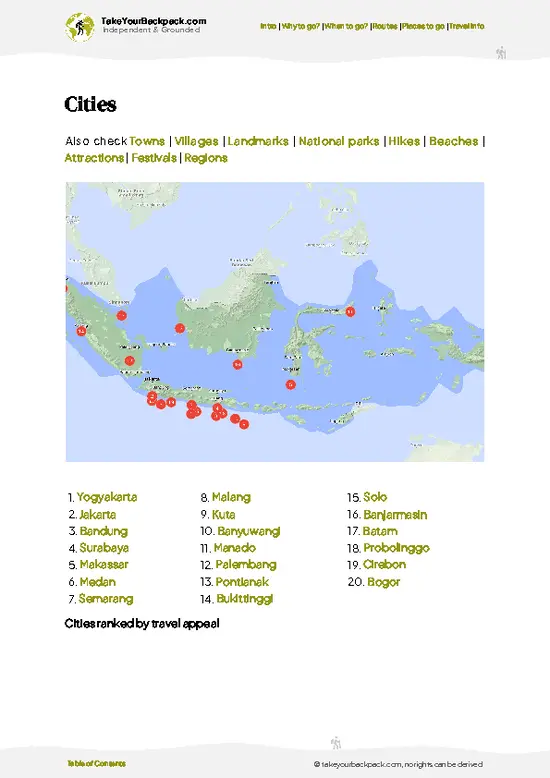
👉 Discover all cities

Or checkout all Indonesia has to offer (think cities, towns, villages, national parks, hikes, beaches, festivals)
Country photo of Indonesia

We 💚 feedbackWhat to keep in mind

Medan is worth visiting for its raw, unvarnished slice of Indonesian urban life and as the gateway to Sumatra's best natural attractions. The catch is that the city itself isn't polished or Instagram-friendly—it's hot, crowded, and requires patience. But that's exactly why it feels real.

✈️ When did I visit Indonesia?
As part of my 1.5 year travel around the world trip, I visited Indonesia twice (and it was worth it): first in September 2015 and a bit later again in January and February 2016.

✍️ Help improve this page!
The information on this page is based on my own backpacking experience in Indonesia, supplemented with up-to-date research and feedback from other travelers. Travel details can change, so if you notice anything outdated or incomplete, feel free to let me know.


🙋‍♂️ Give feedback

👋 Meet the founderWho’s Behind Take Your Backpack?

Johan, backpacker and founder of TakeYourBackpackHi, I’m Johan (Netherlands 🇳🇱), the creator of TakeYourBackpack. Over the past 3 decades, I’ve backpacked through 90+ countries across six continents, gaining extensive experience with independent travel, long-term trips, and overland routes.

This site is built on a combination of firsthand travel experience and carefully curated insights from other backpackers. Many guides are based on places I’ve personally visited, while others bring together tips, observations, and practical advice shared by trusted travelers I’ve met along the way.

The goal is to provide realistic, experience-driven guidance — not generic itineraries — so you can explore destinations with better context, clearer expectations, and more confidence.