×

Indonesia🇮🇩 | citiesSurabayaport city, colonial remnants, Arab quarter | things to do and best time to go

Explore KutaExplore Medan

Backpacking in Surabaya
🏆 Top pickcity ranked #6
By Johan Kruseman 🇳🇱 | Updated June 5, 2026

Most people write Surabaya off as an industrial blur, but it’s one of the cheapest big cities in Indonesia where you can eat like royalty and barely dent your budget. It sits on the northeast coast of Java, between the tourist magnet of Bali and the cultural heavyweight of Yogyakarta. For backpackers, Surabaya is more launchpad than headliner: chaotic streets, port-city grit, and a few strong anchors like the old Arab Quarter, Chinatown, House of Sampoerna, and riverside night food stalls. It’s safe by big-city standards, but traffic is feral and sidewalks are theory. Hostels exist, yet the scene is thin; you’ll meet more locals than travelers. Compared to Malang or Solo, it’s harsher, cheaper, and more “real,” but rarely anyone’s favorite.

Discover everything you want to know in the 📖 Indonesia Travel Guide.
Loading the map 🌍
CLICK TO FILTER
cities
towns
landmarks
national parks
hikes
beaches
attractions
festivals
regions
SHOW COUNTRY’S BESTSHOW ALL

✨ Why go?
Ranked #6 city in Indonesia
Why Surabaya should be on your travel list

Surabaya is often overlooked, but it’s a strategic basecamp for backpackers. The city offers a unique blend of affordability and accessibility that makes it a smart stop on your journey. Hostels here are not just cheap; they’re vibrant hubs where you can meet fellow travelers and share stories. The food scene is a delightful mix of local flavors and street eats that won’t break the bank, allowing you to indulge without guilt.

Walkability is a plus, making it easy to explore neighborhoods and soak in the local culture. While Surabaya itself may not have the same number of highlights as Bali or Yogyakarta, it serves as a launchpad for day trips to stunning natural sites and cultural experiences. Plus, the nightlife is lively enough to keep you entertained without feeling overwhelming. With … read more 👉
Surabaya is often overlooked, but it’s a strategic basecamp for backpackers. The city offers a unique blend of affordability and accessibility that makes it a smart stop on your journey. Hostels here are not just cheap; they’re vibrant hubs where you can meet fellow travelers and share stories. The food scene is a delightful mix of local flavors and street eats that won’t break the bank, allowing you to indulge without guilt.

Walkability is a plus, making it easy to explore neighborhoods and soak in the local culture. While Surabaya itself may not have the same number of highlights as Bali or Yogyakarta, it serves as a launchpad for day trips to stunning natural sites and cultural experiences. Plus, the nightlife is lively enough to keep you entertained without feeling overwhelming. With easy onward travel options, you can seamlessly continue your adventure. If you’re looking for a place that balances comfort and value, Surabaya is worth considering, even if just for a short stop.
Want to include Surabaya in your Indonesia route?
Create a personalized Indonesia itinerary that includes Surabaya and the places that fit your trip — based on your travel style, budget, and available time. Get your route in seconds.

Generate my trip

💡 HighlightsTop highlights of Surabaya

  • Tugu Pahlawan & Museum 10 November — The city’s civic heart: a towering obelisk and an underground museum that tells the gritty story of Surabaya’s role in Indonesia’s independence. Worth it for the exhibits and the atmosphere around the memorial square.
  • House of Sampoerna — A beautifully preserved Dutch-era tobacco factory turned museum where you can watch kretek (clove cigarette) rolling, wander the old workshops and sip coffee in a leafy courtyard. It’s a neat slice of industrial and social history with good photo ops.
  • Ampel Mosque & Arab Quarter (Kampung Ampel) — A 15th-century mosque and a neighborhood still alive with Arab-Indonesian culture: markets, old wooden houses, and food stalls. Visit for history, prayer-time atmosphere, and late-night street food.
  • Monumen Kapal Selam (Submarine
read more 👉
  • Tugu Pahlawan & Museum 10 November — The city’s civic heart: a towering obelisk and an underground museum that tells the gritty story of Surabaya’s role in Indonesia’s independence. Worth it for the exhibits and the atmosphere around the memorial square.
  • House of Sampoerna — A beautifully preserved Dutch-era tobacco factory turned museum where you can watch kretek (clove cigarette) rolling, wander the old workshops and sip coffee in a leafy courtyard. It’s a neat slice of industrial and social history with good photo ops.
  • Ampel Mosque & Arab Quarter (Kampung Ampel) — A 15th-century mosque and a neighborhood still alive with Arab-Indonesian culture: markets, old wooden houses, and food stalls. Visit for history, prayer-time atmosphere, and late-night street food.
  • Monumen Kapal Selam (Submarine Monument) — A real decommissioned Soviet-era submarine you can walk through. It’s unexpectedly immersive and memorable, especially if you like tight spaces and military history.
  • Hotel Majapahit (the old Yamato Hotel) — The colonial landmark where the 1945 flag incident happened; the hotel’s architecture and the small on-site museum make it a compact lesson in the city’s nationalist past.
  • Masjid Cheng Hoo — A Chinese-style mosque that blends Chinese architecture with Islamic worship — colorful, photogenic, and a great example of Surabaya’s multicultural mix in one compact stop.
  • Taman Bungkul — The city’s liveliest public park: local street food, buskers, evening crowds and a real feel for daily Surabaya life. It’s low-effort people-watching that shows how locals relax and socialize.
  • Surabaya Old Town (Kota Lama) & Jembatan Merah area — Walkable blocks of Dutch colonial buildings, riverfront scenes and the historic Red Bridge; this area rewards slow wandering and curiosity about past-and-present urban life.
  • Patung Suro dan Baya (Suro & Baya Statue) — The shark-and-crocodile emblem of Surabaya—simple but iconic; it’s one of those city symbols you’ll see on shirts, souvenirs and in photos. Good for a quick stop and a local selfie.
  • Kenjeran Park & Vihara Sanggar Agung — Coastal park with a striking seaside Chinese temple and large Guanyin shrine; sunsets, seafood stalls and unusual seaside architecture make it a relaxed, scenic outing.
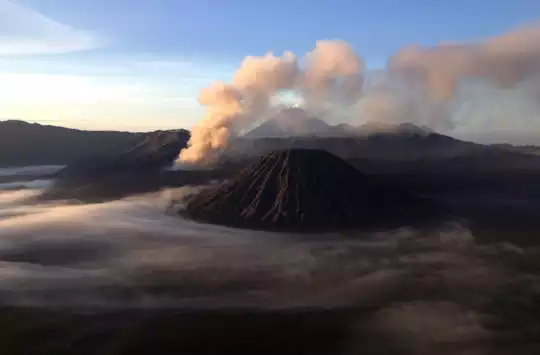
For day trips, people often head from Surabaya to Mount Bromo (sunrise crater views), the Madura islands via the Suramadu Bridge (local culture and seafood), or the Majapahit-era ruins at Trowulan — Mount Bromo is my personal favorite.
Spotted a mistake or missing something? Contact us.

Things to do in Surabaya

Ratings based on Tripadvisor reviews. When you book through this link, you support our work at no extra cost to you.

🏘️ NeighborhoodsHow different areas shape the experience

Surabaya, Indonesia’s bustling second city, offers a rich tapestry of experiences for backpackers. Here’s a breakdown of key neighborhoods to help you navigate your stay.

Kota Tua
This historic district is a must-see for its colonial architecture and vibrant street life. The vibe is lively, with plenty of cafes and markets. Costs are moderate, and it’s walkable, making it ideal for short stays. Nightlife is more subdued here, but you can find local eateries buzzing with energy.

Gubeng
Gubeng is the transportation hub of Surabaya. It’s perfect for those on the move, with easy access to trains and buses. The area has a mix of budget accommodations and local dining options. While it’s not the most picturesque, its convenience makes it suitable for longer stays, especially if you plan to … read more 👉
Surabaya, Indonesia’s bustling second city, offers a rich tapestry of experiences for backpackers. Here’s a breakdown of key neighborhoods to help you navigate your stay.

Kota Tua
This historic district is a must-see for its colonial architecture and vibrant street life. The vibe is lively, with plenty of cafes and markets. Costs are moderate, and it’s walkable, making it ideal for short stays. Nightlife is more subdued here, but you can find local eateries buzzing with energy.

Gubeng
Gubeng is the transportation hub of Surabaya. It’s perfect for those on the move, with easy access to trains and buses. The area has a mix of budget accommodations and local dining options. While it’s not the most picturesque, its convenience makes it suitable for longer stays, especially if you plan to explore beyond the city.

Tunjungan
This area is the heart of Surabaya’s nightlife. Expect a mix of bars, clubs, and shopping centers. Costs can vary, but you’ll find plenty of budget-friendly options. It’s walkable, but the nightlife can get loud, so it’s better for those who enjoy a vibrant atmosphere. Ideal for short stays if you want to experience the city’s pulse.

Semampir
A quieter neighborhood, Semampir offers a more local experience. It’s less touristy, making it great for longer stays. Costs are low, and while public transport is available, walking can be less convenient. This area is perfect for those looking to immerse themselves in everyday life.

⌛️ 1 dayHow to make the most of one day

Surabaya, Indonesia’s second-largest city, is a vibrant mix of history, culture, and modernity. It’s often overlooked by travelers, but this bustling port city has a unique charm that’s worth exploring. The blend of colonial architecture, lively markets, and mouthwatering street food creates an atmosphere that’s both energetic and inviting.

Start your day in the bustling district of Genteng, where you can sip on a cup of local kopi while nibbling on traditional breakfast items like nasi goreng or lontong. The morning light casts a warm glow on the colorful street stalls, making it the perfect backdrop for people-watching. After breakfast, stroll over to the iconic Heroes Monument, a tribute to the city’s role in Indonesia’s independence. The surrounding park is a great spot to soak in the … read more 👉
Surabaya, Indonesia’s second-largest city, is a vibrant mix of history, culture, and modernity. It’s often overlooked by travelers, but this bustling port city has a unique charm that’s worth exploring. The blend of colonial architecture, lively markets, and mouthwatering street food creates an atmosphere that’s both energetic and inviting.

Start your day in the bustling district of Genteng, where you can sip on a cup of local kopi while nibbling on traditional breakfast items like nasi goreng or lontong. The morning light casts a warm glow on the colorful street stalls, making it the perfect backdrop for people-watching. After breakfast, stroll over to the iconic Heroes Monument, a tribute to the city’s role in Indonesia’s independence. The surrounding park is a great spot to soak in the local vibe.

In the afternoon, head to the vibrant Arab Quarter, known as Kampung Arab. Here, you can wander through narrow alleys lined with shops selling spices, textiles, and unique handicrafts. Don’t miss the chance to visit the Masjid Al-Akbar, one of the largest mosques in Indonesia. Its stunning architecture and serene atmosphere provide a refreshing break from the hustle and bustle.

As evening approaches, make your way to the waterfront area of Surabaya North Quay. This spot is often skipped by tourists, but it offers a fantastic view of the sunset over the harbor. Grab a bite at one of the food stalls serving fresh seafood, and enjoy the local flavors while watching the city come alive at night.

Surabaya may not be on everyone’s radar, but spending a day here reveals a rich tapestry of experiences that are both authentic and rewarding. Embrace the unexpected, and you’ll leave with stories that linger long after your trip.
Turn your Surabaya visit into an Indonesia adventure
Build a complete Indonesia route with Surabaya, hidden gems, must-see destinations, and realistic travel times included.

Generate my trip

🌤️ When to go?When to go for the best experience


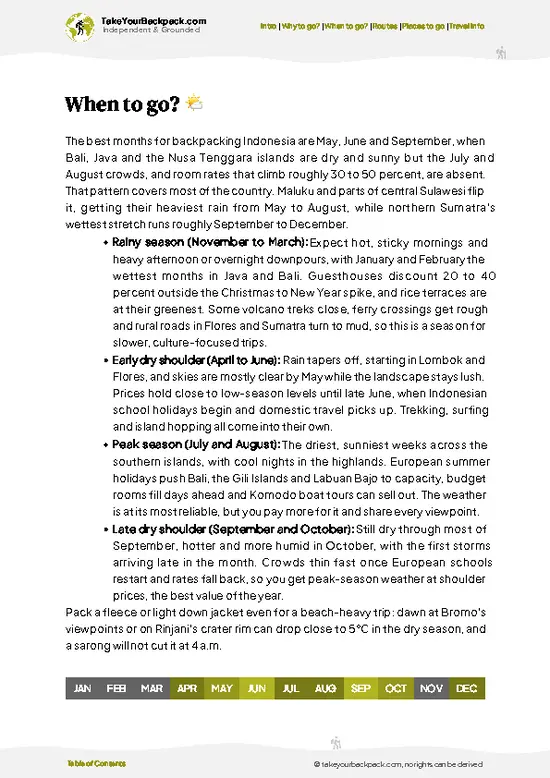
  • Topic: Weather – Surabaya’s tropical climate means it’s hot year-round, but the dry season from May to September offers less humidity and rain, making trekking and city exploration far more pleasant.

  • Topic: Temperature – Expect daily highs around 31-33°C (88-91°F) during the dry months, with nights cooling to 23-25°C (73-77°F). The wet season is slightly cooler but stickier, which can sap your energy fast.

  • Topic: Daylight Hours – Near the equator, daylight is steady year-round, roughly 12 hours daily. This consistency means you can plan your days without worrying about early sunsets or long nights.

  • Topic: Crowds – Tourist numbers peak during the dry season, especially July and August, so expect busier streets and higher prices. The wet season sees fewer visitors, offering a quieter,
read more 👉

  • Topic: Weather – Surabaya’s tropical climate means it’s hot year-round, but the dry season from May to September offers less humidity and rain, making trekking and city exploration far more pleasant.

  • Topic: Temperature – Expect daily highs around 31-33°C (88-91°F) during the dry months, with nights cooling to 23-25°C (73-77°F). The wet season is slightly cooler but stickier, which can sap your energy fast.

  • Topic: Daylight Hours – Near the equator, daylight is steady year-round, roughly 12 hours daily. This consistency means you can plan your days without worrying about early sunsets or long nights.

  • Topic: Crowds – Tourist numbers peak during the dry season, especially July and August, so expect busier streets and higher prices. The wet season sees fewer visitors, offering a quieter, more local vibe.

  • Topic: Seasonal Activities – Dry months align with cultural festivals and outdoor markets, enhancing your experience. The rainy season limits outdoor events but brings lush greenery and fewer tourists.

  • Topic: Price Fluctuations – Accommodation and flights spike in the dry season due to demand. Traveling in the shoulder months (May, September) balances good weather with better deals.


Pro-tip: Aim for May or September to dodge crowds and rain while scoring the best value—your wallet and your hiking boots will thank you.


source: climatestotravel.comJANJanuary: fair for travelingFEBFebruary: fair for travelingMARMarch: fair for travelingAPRApril: fair for travelingMAYMay: highly recommended for travelingJUNJune: excellent for travelingJULJuly: highly recommended for travelingAUGAugust: highly recommended for travelingSEPSeptember: highly recommended for travelingOCTOctober: fair for travelingNOVNovember: fair for travelingDECDecember: fair for traveling
when-to-go

✈️ The backpacker research shortcutIndonesia Travel Guide

An offline-friendly backpacking guide with optimized travel routes, ranked highlights, transport advice, and the best areas to stay.
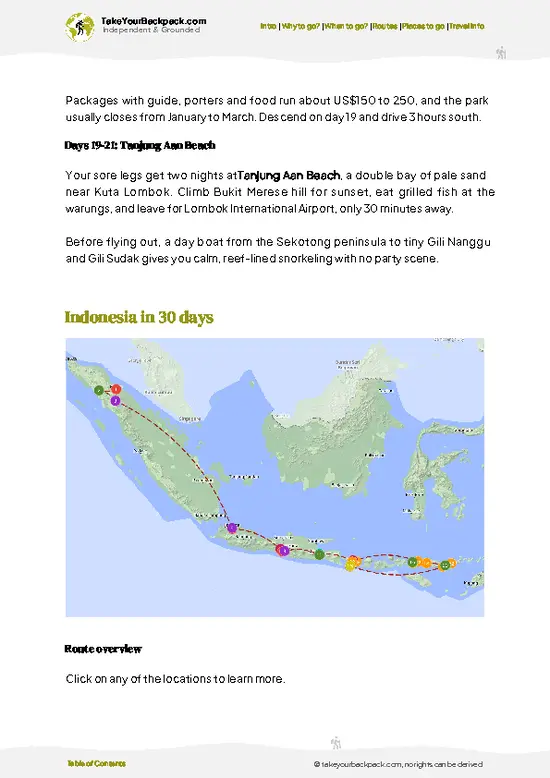
example page 0 from our offline Travel Guide for Indonesia
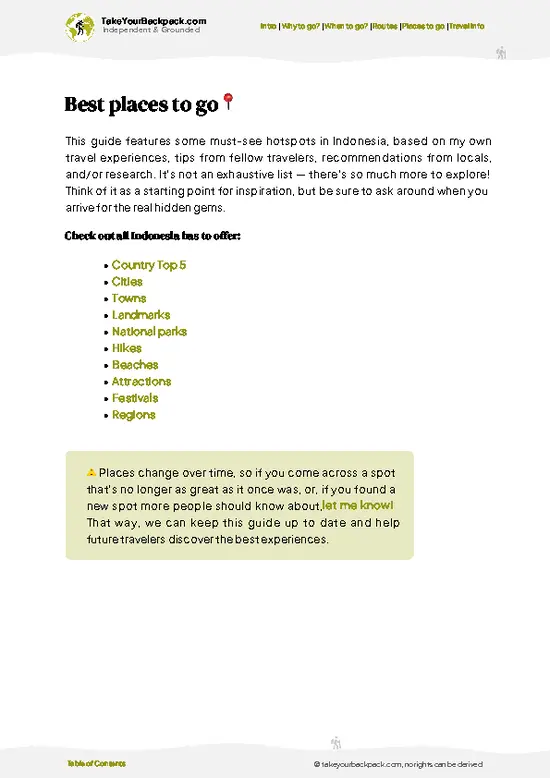
example page 1 from our offline Travel Guide for Indonesia
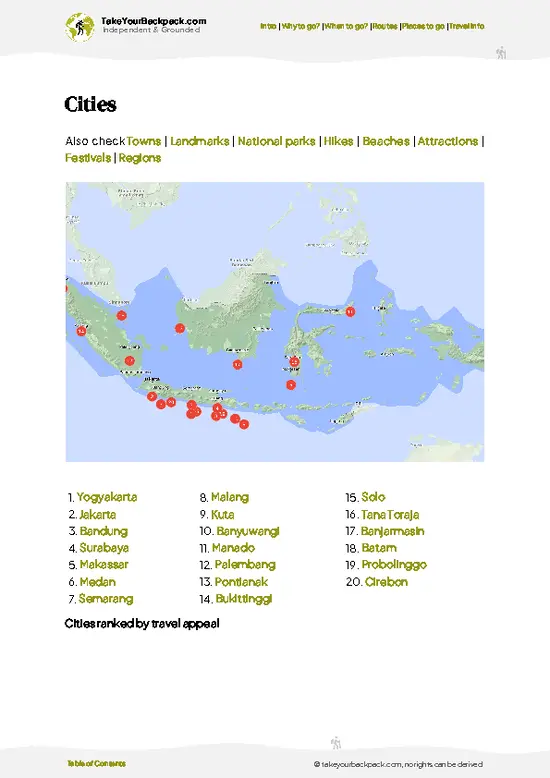
example page 2 from our offline Travel Guide for Indonesia
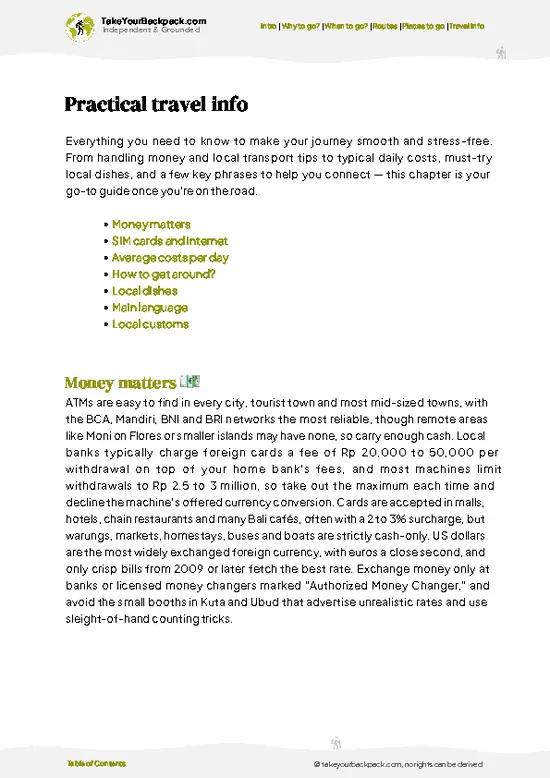
example page 3 from our offline Travel Guide for Indonesia
example page 4 from our offline Travel Guide for Indonesia
example page 5 from our offline Travel Guide for Indonesia
example page 6 from our offline Travel Guide for Indonesia
example page 7 from our offline Travel Guide for Indonesia
The digital guide (550 pages) contains:
155 highlights, ranked by travel appeal
Optimized 14, 21 & 30-day travel routes
Cities, national parks, landmarks, beaches
How to get around
Offline-friendly for travel without Wi-Fi
👉 Click to see all 30+ guide features

📅 Plan smarter in minutes, not weeks
Month by month travel advice
Festivals & national holidays
Budget expectations

🗺️ Go to the right places, skip the overrated ones
Honest pros & cons of destinations
Top hikes, parks & viewpoints
Lesser-known places most travelers miss
Clear “worth it vs skip it” guidance

🛏️ Travel smoothly without rookie mistakes
Best areas to stay
Transport systems explained simply
Common scams & safety advice
SIM cards, money & practical tips

🌍 Understand the country, not just visit it
Culture & traditions
52 Essential phrases & customs
Festivals worth planning around
Traveler-friendly historical context
Insights that make places more meaningful

📱 Built for real travel conditions
Fully downloadable PDF
Works completely offline
Optimized for phone use
Useful in remote areas & buses
Everything in one place
Save weeks of stressful planning
Get instant access to your full guide. 30‑day money-back guarantee.


By proceeding you agree to our terms.
Sent to your inbox immediately after payment • 100% Secure Checkout
Best Backpacking Travel Advisor 2025 tourism awardBest Backpacking
Travel Advisor
2025
What others say about Take Your Backpack Guides:
⭐⭐⭐⭐⭐
Fantastic, amazing amount of information!
⭐⭐⭐⭐⭐
My goodness this is amazing, it's what I've been looking for hats off too you!
⭐⭐⭐⭐⭐
I think this is absolutely BRILLIANT
⭐⭐⭐⭐
Very complete and informative. It's still missing places, but I gotta to commend you
⭐⭐⭐⭐⭐
This is truly amazing, thank you, can't wait to explore it with my kids!
⭐⭐⭐⭐⭐
Awesome resource, thank you!
⭐⭐⭐⭐⭐
This is amazing! Can't wait to explore the ones I haven't seen
⭐⭐⭐⭐
I love this! Well done, great idea.
⭐⭐⭐⭐⭐
Thanks for taking the time to make this gem!
⭐⭐⭐⭐⭐
This might be the best website I've ever seen.
⭐⭐⭐⭐⭐
Congratulations, and thank you so much for your work; it's incredibly valuable.
⭐⭐⭐⭐
In all seriousness I think you did a great job pointing out the important spots
⭐⭐⭐⭐⭐
10/10 very good
⭐⭐⭐⭐⭐
As someone who's only just starting to visit regularly this is awesome, thank you.
⭐⭐⭐⭐
Thank you very much! I'm going to visit my dad, it's going to be very useful!
⭐⭐⭐⭐⭐
This is really cool! We'll be travelling for the first time and this definitely come in handy.
⭐⭐⭐⭐⭐
You are now our minister of culture, congratulations 👨‍💼
⭐⭐⭐⭐⭐
Just wanted to tell you that this is a pearl! Going to follow your recommendations.
⭐⭐⭐⭐⭐
This is so cool. I'll definitely be using the resource for my travels soon.
⭐⭐⭐⭐⭐
This is very impressive! Good work.
⭐⭐⭐⭐⭐
This is an amazing and informative site. Very well done!

🛏️ Where to stay?Best areas to stay in Indonesia

Surabaya’s backpacker sweet spot is the Genteng and Gubeng districts. These areas strike a smart balance between safety, social buzz, and budget-friendly options. Genteng is the city’s pulse for solo travelers who want to plug into a lively scene without the chaos of downtown’s commercial sprawl. You’ll find hostels clustered here, offering communal vibes that make meeting fellow adventurers easy. It’s walkable, with street food stalls and local markets that keep costs low and flavor high.

Gubeng leans a bit quieter but still delivers on comfort and accessibility. It’s a practical choice if you … read more 👉
Surabaya’s backpacker sweet spot is the Genteng and Gubeng districts. These areas strike a smart balance between safety, social buzz, and budget-friendly options. Genteng is the city’s pulse for solo travelers who want to plug into a lively scene without the chaos of downtown’s commercial sprawl. You’ll find hostels clustered here, offering communal vibes that make meeting fellow adventurers easy. It’s walkable, with street food stalls and local markets that keep costs low and flavor high.

Gubeng leans a bit quieter but still delivers on comfort and accessibility. It’s a practical choice if you want to avoid the touristy feel but still stay connected to Surabaya’s transport hubs. Hostels here tend to be clean and affordable, with a more laid-back atmosphere that suits travelers who prefer a chill base after long days exploring.

Avoid the far-flung suburbs or overly commercial zones—they drain time and money with little payoff. Stick to Genteng or Gubeng, and you’re optimizing your stay: safe, social, and wallet-wise smart.

🚌 Getting aroundTransportation options and practical tips

Surabaya moves at its own rhythm—a blend of calculated chaos and pragmatic flow. It’s not a city where you’ll find strict timetables etched in stone, but neither is it a free-for-all. Instead, it’s a dance of motorbikes weaving through traffic, buses that show up when they feel like it, and locals who navigate the mess with a practiced eye. Understanding this flow is your secret weapon. You’re not just getting from A to B; you’re playing a strategic game where time, money, and comfort are the pieces on the board. Knowing when to push for speed, when to save cash, and when to accept a bit of discomfort will make your trip not just efficient but genuinely memorable.


  • Walking: The ultimate zero-cost option. Surabaya’s central districts are surprisingly walkable if you’re up for a bit of heat
read more 👉
Surabaya moves at its own rhythm—a blend of calculated chaos and pragmatic flow. It’s not a city where you’ll find strict timetables etched in stone, but neither is it a free-for-all. Instead, it’s a dance of motorbikes weaving through traffic, buses that show up when they feel like it, and locals who navigate the mess with a practiced eye. Understanding this flow is your secret weapon. You’re not just getting from A to B; you’re playing a strategic game where time, money, and comfort are the pieces on the board. Knowing when to push for speed, when to save cash, and when to accept a bit of discomfort will make your trip not just efficient but genuinely memorable.


  • Walking: The ultimate zero-cost option. Surabaya’s central districts are surprisingly walkable if you’re up for a bit of heat and street noise. Walking gives you control over your pace and lets you soak in the city’s raw energy. No schedules, no fares, but expect uneven sidewalks and the occasional honk.


  • Angkot (Minibus): These shared minibuses are the budget traveler’s backbone. Fares hover around IDR 4,000–6,000 ($0.25–0.40), making them incredibly cheap. They don’t run on a strict timetable—more like a “when full, we go” system—so expect some waiting. They’re slow and cramped but unbeatable for cost efficiency.


  • Trans Surabaya Bus: The city’s official bus network offers a balance between cost and comfort. Tickets cost about IDR 4,000–8,000 ($0.25–0.55), and buses run roughly from 5:30 AM to 9 PM. They’re air-conditioned and follow fixed routes, which means more predictability but less flexibility. Ideal if you want to avoid the chaos without breaking the bank.


  • Ojek (Motorbike Taxi): For speed and door-to-door convenience, ojeks are unbeatable. Prices vary but expect around IDR 10,000–20,000 ($0.70–1.40) for short trips. They’re fast, nimble, and perfect for squeezing through traffic jams, but comfort is minimal and safety depends on your driver’s skill.


  • Ride-Hailing Apps (Gojek, Grab): These digital options blend convenience with moderate cost. You can choose between ojeks or cars, with fares fluctuating based on demand. They offer upfront pricing and cashless payment, which simplifies budgeting. Expect wait times from a few minutes to longer during peak hours.

👛 Costs (as of 19 December 2024)What things cost and how to budget

Backpacking in Surabaya, Indonesia, offers a clear trade-off between cost and convenience, with daily expenses that let you tailor your experience precisely.
  • Dorm Accommodation (High Season): Expect to pay around $7 to $12 per night in popular hostels. These spots fill up fast during holidays and festivals, so prices spike slightly but still stay reasonable.
  • Dorm Accommodation (Off-Season): Drop down to $4 to $7 per night when the crowds thin out. You’ll find quieter hostels with the same basic amenities, perfect for stretching your budget.
  • Meals: Street food and warungs (local eateries) dominate here. A filling meal costs between $1.50 and $3.50. If you opt for a mid-range restaurant, expect $5 to $8 per meal. Cooking your own food can cut costs further but limits your local flavor experience.
read more 👉
Backpacking in Surabaya, Indonesia, offers a clear trade-off between cost and convenience, with daily expenses that let you tailor your experience precisely.
  • Dorm Accommodation (High Season): Expect to pay around $7 to $12 per night in popular hostels. These spots fill up fast during holidays and festivals, so prices spike slightly but still stay reasonable.
  • Dorm Accommodation (Off-Season): Drop down to $4 to $7 per night when the crowds thin out. You’ll find quieter hostels with the same basic amenities, perfect for stretching your budget.
  • Meals: Street food and warungs (local eateries) dominate here. A filling meal costs between $1.50 and $3.50. If you opt for a mid-range restaurant, expect $5 to $8 per meal. Cooking your own food can cut costs further but limits your local flavor experience.
  • Local Transport: Bemos (minivans) and angkot (shared minibuses) run around $0.30 to $0.70 per ride. They’re cheap but can be slow and confusing if you’re new to the city.
  • City Transport Pass: Surabaya doesn’t have a widespread city transport pass system like bigger cities, so budgeting for individual rides or occasional rideshare apps ($1 to $3 per trip) is more realistic.
  • Basic Activities/Entry Fees: Museums, temples, and cultural sites typically charge between $1 and $3. Some parks and attractions are free or ask for a small donation.
  • Miscellaneous Expenses: Bottled water, snacks, occasional coffee, and small souvenirs add up to about $1.50 to $3 daily. Internet cafes or SIM cards are cheap, around $2 to $5 for decent data packages.

Surabaya’s daily backpacking budget ranges roughly from $12 on the leanest days to about $25 if you lean into a bit more comfort and convenience. This range lets you decide if you want to hustle through the city on local transport and street food or ease up with occasional rideshares and sit-down meals. Knowing these trade-offs upfront means you’re not caught off guard—you’re playing the budget game with a clear strategy.


source: indonesia.travel
⚠️ Prices can change and everyone travels differently, so take this as a rough guide. Hope it helps you plan your adventure!

🚌 Day tripsBest day trips from Surabaya

Surabaya is a fantastic launchpad for day trips that pack a punch without draining your wallet or time. Here are some standout options that will elevate your Indonesian adventure.

Mount Bromo
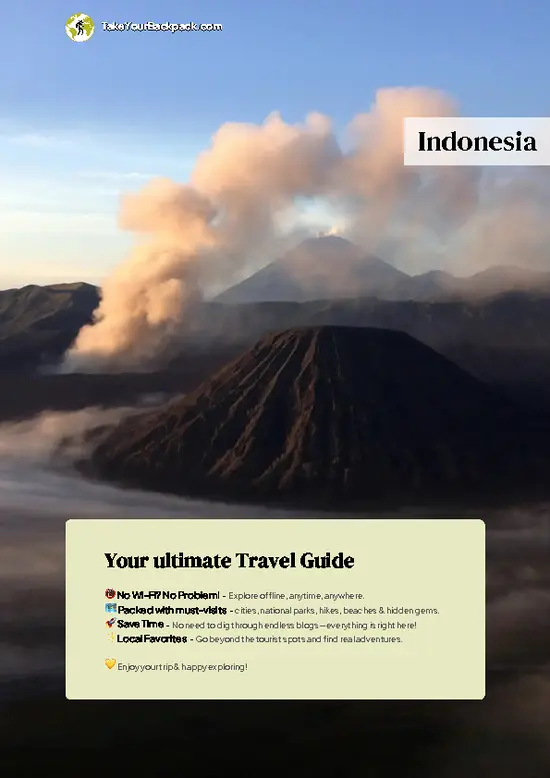
A sunrise at Mount Bromo is a rite of passage for any backpacker. The drive from Surabaya takes about 3-4 hours, but the early wake-up call is worth it. You’ll witness the ethereal beauty of the volcanic landscape bathed in dawn light. Expect to spend around $30 for transportation and entrance fees. The best time to go is during the dry season, from April to October. A common mistake is underestimating the cold; pack layers for the chilly morning air.
👉 Explore Mount Bromo

Malang
Just a 2-3 hour bus ride from Surabaya, Malang offers a charming escape with its cooler climate and colonial architecture. … read more 👉
Surabaya is a fantastic launchpad for day trips that pack a punch without draining your wallet or time. Here are some standout options that will elevate your Indonesian adventure.

Mount Bromo
A sunrise at Mount Bromo is a rite of passage for any backpacker. The drive from Surabaya takes about 3-4 hours, but the early wake-up call is worth it. You’ll witness the ethereal beauty of the volcanic landscape bathed in dawn light. Expect to spend around $30 for transportation and entrance fees. The best time to go is during the dry season, from April to October. A common mistake is underestimating the cold; pack layers for the chilly morning air.
👉 Explore Mount Bromo

Malang
Just a 2-3 hour bus ride from Surabaya, Malang offers a charming escape with its cooler climate and colonial architecture. Explore the vibrant local markets and indulge in some of the best street food in East Java. Budget around $10 for transport and meals. The rainy season can dampen your plans, so aim for the dry months. First-timers often miss the chance to visit the nearby waterfalls; don’t skip Tumpak Sewa for a refreshing dip!
👉 Explore Malang

Ijen Crater
If you’re up for a challenge, the Ijen Crater trek is a must. It’s about a 6-hour drive from Surabaya, but the sight of the blue flames at night is surreal. Plan for a total cost of around $50, including transport and a guide. The best time to visit is during the dry season, but be prepared for a strenuous hike. Many first-timers underestimate the difficulty; make sure you’re in decent shape before tackling this one.
👉 Explore Ijen Crater

Sidoarjo Mudflow
For something unique, check out the Sidoarjo Mudflow, just an hour away. This geological phenomenon is a fascinating mix of nature and human impact. Entry is free, but you might want to spend a little on local snacks. The dry season is best for clear views. A common mistake is not allocating enough time to explore the surrounding area; there are quirky cafes and viewpoints worth checking out.
Want to know what more Indonesia offers?
The Indonesia Travel Guide describes 155 highlights, from cities to national parks, from beaches to hikes

Get the Travel Guide -

🍲 FoodWhat to Eat & Drink

In Surabaya, food is a vibrant tapestry of flavors that tells the story of its rich culture. You can’t miss Rawon, a dark beef soup infused with aromatic spices, or Sate Klopo, skewers of tender meat mixed with grated coconut. Both dishes are a must-try, bursting with local character.

Backpackers often find their meals at bustling street food stalls or lively markets. The air is thick with the scent of grilled meats and fried snacks, inviting you to dive in. Grab a plate of Nasi Goreng, Indonesia’s beloved fried rice, from a vendor and enjoy it while mingling with locals.

When it comes to drinks, don’t overlook Kopi Surabaya, a robust coffee that fuels the city’s energy. Sip it at a casual café, where the atmosphere buzzes with chatter and laughter.

Etiquette is relaxed here; sharing … read more 👉
In Surabaya, food is a vibrant tapestry of flavors that tells the story of its rich culture. You can’t miss Rawon, a dark beef soup infused with aromatic spices, or Sate Klopo, skewers of tender meat mixed with grated coconut. Both dishes are a must-try, bursting with local character.

Backpackers often find their meals at bustling street food stalls or lively markets. The air is thick with the scent of grilled meats and fried snacks, inviting you to dive in. Grab a plate of Nasi Goreng, Indonesia’s beloved fried rice, from a vendor and enjoy it while mingling with locals.

When it comes to drinks, don’t overlook Kopi Surabaya, a robust coffee that fuels the city’s energy. Sip it at a casual café, where the atmosphere buzzes with chatter and laughter.

Etiquette is relaxed here; sharing food is common, and it’s polite to greet vendors with a smile. Just remember, in Surabaya, the best experiences often come from embracing the chaos and savoring every bite.

🛡️ SafetySafety Tips and Common Scams in Surabaya

Surabaya is generally safe for backpackers, but staying aware can enhance your experience. Stick to well-lit areas at night, especially around the bustling Tunjungan Plaza and the port area. Solo travelers should blend in; avoid drawing attention with flashy gear or excessive cash.

Common scams include overcharging for taxis or food. Use ride-hailing apps like Grab to sidestep negotiation pitfalls. Street vendors can be persistent, but a polite “no, thank you” usually suffices.

Watch for pickpockets in crowded markets like Pasar Atom; keep your valuables close. Overall, Surabaya offers a vibrant atmosphere with minimal hassle if you stay alert and engage with locals respectfully. Embrace the city’s rhythm, and you’ll find it welcoming rather than daunting.

Other Indonesian cities near Surabaya

Explore more nearby:

  • Probolinggo—Bromo gateway, fishing port, mangrove trails| 76 km away
  • Malang—colonial lanes, university town, cool climate| 80 km away
  • Sumenep—Madura palace, salt pans, island ferries| 125 km away

💡 Not sure where to go next?
Create a personalized itinerary for Indonesia including Surabaya and the places that fit your trip.

Generate my itinerary

👉 Discover all cities

Or checkout all Indonesia has to offer (think cities, towns, villages, national parks, hikes, beaches, festivals)
Country photo of Indonesia

We 💚 feedbackFinal thoughts on visiting Surabaya

Surabaya is a vibrant hub of culture and history, where the blend of modernity and tradition creates a unique atmosphere. You can wander through bustling markets, savor local street food, and explore colonial architecture. But be ready for the heat and humidity; it can be relentless. If you’re not a fan of sweating through your shirt, plan your outings for early mornings or late afternoons. Embrace the chaos, and you’ll find the charm.

✈️ When did I visit Indonesia?
As part of my 1.5 year travel around the world trip, I visited Indonesia twice (and it was worth it. First in September 2015 and a bit later again in January and February 2016.

✍️ Help improve this page!
The information on this page is based on my own backpacking experience in Indonesia, supplemented with up-to-date research and feedback from other travelers. Travel details can change, so if you notice anything outdated or incomplete, feel free to let me know.


🙋‍♂️ Give feedback

👋 Meet the founderWho’s Behind Take Your Backpack?

Johan, backpacker and founder of TakeYourBackpackHi, I’m Johan (Netherlands 🇳🇱), the creator of TakeYourBackpack. Over the past decade, I’ve backpacked through 80+ countries across six continents, gaining extensive experience with independent travel, long-term trips, and overland routes.

This site is built on a combination of firsthand travel experience and carefully curated insights from other backpackers. Many guides are based on places I’ve personally visited, while others bring together tips, observations, and practical advice shared by trusted travelers I’ve met along the way.

The goal is to provide realistic, experience-driven guidance — not generic itineraries — so you can explore destinations with better context, clearer expectations, and more confidence.

Get full Indonesia guide •
Instant download • 155 highlights • Full Offline guide