×

Indonesia🇮🇩 | landmarksPrambanan Temple CompoundsHindu spires, stone reliefs, temple complex | things to do and best time to go

Explore Lake TobaExplore Sikidang Crater

Backpacking in Prambanan Temple Compounds
UNESCO World Heritage site
🏆 Top pickunique site ranked #2
By Johan Kruseman 🇳🇱 | Updated May 15, 2026

Your shirt sticks to your back as incense smoke drifts past your face, and somewhere behind you a guide’s microphone crackles while a gamelan rehearsal leaks through the stone like a low metallic heartbeat. You tilt your head and the central spire of Shiva cuts into the late-afternoon sky, black against orange, while a kid in a school uniform asks for a selfie instead of looking at the reliefs two steps away.

Prambanan Temple Compounds sits just outside Yogyakarta in Central Java, and it’s one of those places that actually earns its postcard status. The wow-factor is real: those jagged Hindu towers feel otherworldly, especially at sunrise or when the crowds thin near closing. But yes, there are crowds, tour groups, and a ticket price that’s steep by Indonesian standards. It’s still easy to reach by bus or rideshare, and the history here—Java’s Hindu-Buddhist crossroads carved into stone—hits harder than any Instagram reel. Photos are almost too easy; the real win is slowing down long enough to trace a relief with your fingers and realize this isn’t a backdrop, it’s a 9th‑century epic you’re walking through.

Discover everything you want to know in the 📖 Indonesia Travel Guide.
Loading the map 🌍
CLICK TO FILTER
cities
towns
landmarks
national parks
hikes
beaches
attractions
festivals
regions
SHOW COUNTRY’S BESTSHOW ALL

✨ Why go?
Ranked #2 unique site in Indonesia
Why Prambanan Temple Compounds should be on your travel list

The Prambanan Temple Compounds in Indonesia are a must-see, but let’s cut through the fluff. Yes, it’s popular and can get crowded, especially during peak hours. But don’t let that deter you. The effort-to-reward ratio here is solid. You’re stepping into a UNESCO World Heritage site that boasts the tallest Hindu temples in Indonesia, with intricate carvings that tell stories from ancient epics.

Access is straightforward. It’s just a short ride from Yogyakarta, making it easy to fit into your travel plans. The entry fee is low, especially considering the cultural wealth you’re diving into. You’ll find yourself wandering through a complex that feels alive with history, not just a backdrop for selfies.

What makes Prambanan truly special is how it fits into a broader route. Pair it with a visit … read more 👉
The Prambanan Temple Compounds in Indonesia are a must-see, but let’s cut through the fluff. Yes, it’s popular and can get crowded, especially during peak hours. But don’t let that deter you. The effort-to-reward ratio here is solid. You’re stepping into a UNESCO World Heritage site that boasts the tallest Hindu temples in Indonesia, with intricate carvings that tell stories from ancient epics.

Access is straightforward. It’s just a short ride from Yogyakarta, making it easy to fit into your travel plans. The entry fee is low, especially considering the cultural wealth you’re diving into. You’ll find yourself wandering through a complex that feels alive with history, not just a backdrop for selfies.

What makes Prambanan truly special is how it fits into a broader route. Pair it with a visit to Borobudur, another iconic site nearby, and you’ve got a day packed with jaw-dropping architecture and rich culture. This isn’t just a stop; it’s a chance to connect with Indonesia’s spiritual heart. So, embrace the crowds, soak in the stories, and let the magic of Prambanan transform your journey.
Want to include Prambanan Temple Compounds in your Indonesia route?
Create a personalized Indonesia itinerary that includes Prambanan Temple Compounds and the places that fit your trip — based on your travel style, budget, and available time. Get your route in seconds.

Generate my trip

💡 HighlightsThe experiences that define the visit

  • Central Shiva Temple (the towering main spire) — The tallest and most dramatic of the complex, its vertical lines and layered terraces are a textbook of 9th-century Hindu temple architecture. Climbing the outer platform gives you a close look at the carved lintels and the sense of scale; from a distance it reads like a storybook skyline against the plains.
  • Ramayana bas-reliefs and narrative panels — Hundreds of carved scenes run around the base of the main temples, telling the Ramayana in intricate detail. The carvings are surprisingly readable even now, showing everything from battle scenes to intimate moments; they’re the best way to feel the site’s spiritual and literary life, not just its stones.
  • Loro Jonggrang legend and the statue of Durga — The local myth about the princess who
read more 👉
  • Central Shiva Temple (the towering main spire) — The tallest and most dramatic of the complex, its vertical lines and layered terraces are a textbook of 9th-century Hindu temple architecture. Climbing the outer platform gives you a close look at the carved lintels and the sense of scale; from a distance it reads like a storybook skyline against the plains.
  • Ramayana bas-reliefs and narrative panels — Hundreds of carved scenes run around the base of the main temples, telling the Ramayana in intricate detail. The carvings are surprisingly readable even now, showing everything from battle scenes to intimate moments; they’re the best way to feel the site’s spiritual and literary life, not just its stones.
  • Loro Jonggrang legend and the statue of Durga — The local myth about the princess who turned into stone gives the place personality, and the Durga statue in the main chamber is a tangible anchor for that story. It’s a neat cultural crossover: legend, religion, and art wrapped into one mysterious corner of the temple.
  • Sunset silhouette over the temple complex (personal favorite) — When the day’s light flattens and the spires turn to black shapes, Prambanan becomes cinematic. Bring a cheap snack, stand on the western side, and watch the colors deepen — it’s quiet, photogenic, and oddly meditative. Best time to linger; it’s my go-to moment here.
  • Ramayana Ballet (open-air performance) — Nightly shows (on selected nights) dramatize the epic with dance, masks, and gamelan music on a stage framed by the illuminated temples. It’s cheesy in a good way: tourist-friendly, theatrical, and culturally rich — the kind of thing that makes the visit stick.
  • Sewu and nearby Buddhist temples (architectural contrast) — Just a short walk from the Hindu cluster, the Sewu complex is a large Buddhist site with a very different layout and vibe. Seeing both together is a rare bonus: you get how 9th-century Central Java hosted multiple traditions side by side.
  • Perwara (guardian) temples, restoration details, and the on-site museum — The surrounding smaller temples and the visible restoration work tell the backstory: earthquake damage, centuries of burial, and painstaking reconstruction. The museum has models and finds that make the archaeology understandable — great for nerding out without getting bored.
Spotted a mistake or missing something? Contact us.

Things to do around Prambanan Temple Compounds

Ratings based on Tripadvisor reviews. When you book through this link, you support our work at no extra cost to you.

🌤️ When to go?Seasonal considerations and timing


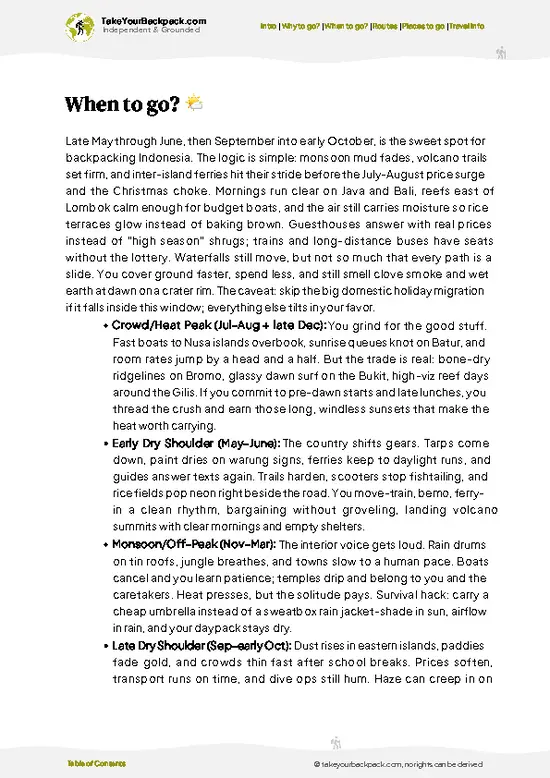
  • Weather: The dry season from May to September is your best bet. Expect minimal rain, which means fewer muddy trails and clearer views of the intricate stone carvings. The wet season (October to April) brings heavy showers that can turn your visit into a soggy slog.

  • Temperature: Daytime temps hover around 27-32°C (80-90°F) year-round, but humidity spikes during the rainy months, making it feel hotter and stickier. Early mornings and late afternoons are cooler and more comfortable for exploring.

  • Daylight Hours: Indonesia sits near the equator, so daylight stays steady at about 12 hours year-round. Sunrise is around 6 AM, sunset near 6 PM, giving you plenty of time to soak in the site without rushing.

  • Crowds: Peak tourist season aligns with the dry months, especially July and August.
read more 👉

  • Weather: The dry season from May to September is your best bet. Expect minimal rain, which means fewer muddy trails and clearer views of the intricate stone carvings. The wet season (October to April) brings heavy showers that can turn your visit into a soggy slog.

  • Temperature: Daytime temps hover around 27-32°C (80-90°F) year-round, but humidity spikes during the rainy months, making it feel hotter and stickier. Early mornings and late afternoons are cooler and more comfortable for exploring.

  • Daylight Hours: Indonesia sits near the equator, so daylight stays steady at about 12 hours year-round. Sunrise is around 6 AM, sunset near 6 PM, giving you plenty of time to soak in the site without rushing.

  • Crowds: Peak tourist season aligns with the dry months, especially July and August. Expect throngs of day-trippers from nearby Yogyakarta and tour buses. For a quieter experience, hit the temple early or late in the day during shoulder months like May or September.

  • Seasonal Activities: The Ramayana Ballet performances run mainly in the dry season, adding a cultural layer to your visit. These shows are worth timing your trip around if you want more than just stone and history.

  • Price Fluctuations: Entrance fees stay stable, but accommodation and transport costs spike during peak season. Booking ahead in July and August is essential to avoid inflated prices and sold-out rooms.


Pro-tip: Arrive just before sunrise in the dry season to dodge crowds, catch the soft morning light on the temples, and enjoy a cooler, more contemplative atmosphere that Instagram shots don’t capture.


source: climatestotravel.comJANJanuary: fair for travelingFEBFebruary: fair for travelingMARMarch: fair for travelingAPRApril: fair for travelingMAYMay: highly recommended for travelingJUNJune: excellent for travelingJULJuly: excellent for travelingAUGAugust: excellent for travelingSEPSeptember: highly recommended for travelingOCTOctober: fair for travelingNOVNovember: fair for travelingDECDecember: fair for traveling
when-to-go

✈️ The backpacker research shortcutIndonesia Travel Guide

An offline-friendly backpacking guide with optimized travel routes, ranked highlights, transport advice, and the best areas to stay.
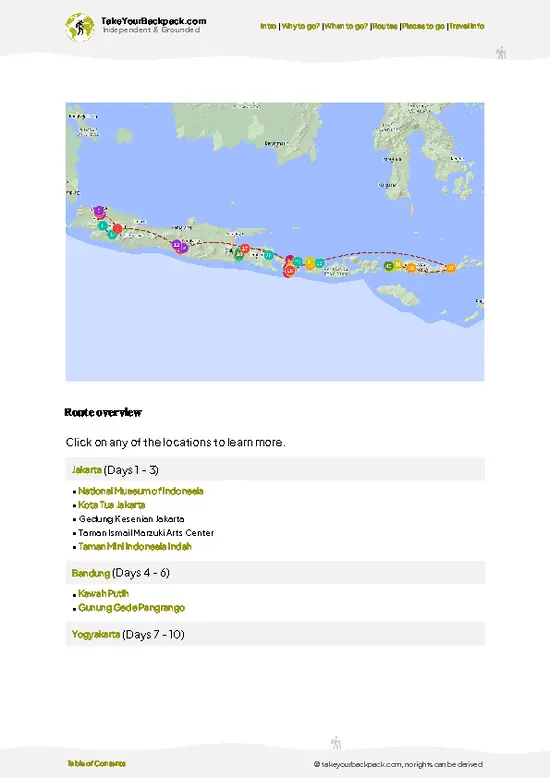
example page 0 from our offline Travel Guide for Indonesiaexample page 1 from our offline Travel Guide for Indonesiaexample page 2 from our offline Travel Guide for Indonesiaexample page 3 from our offline Travel Guide for Indonesiaexample page 4 from our offline Travel Guide for Indonesiaexample page 5 from our offline Travel Guide for Indonesiaexample page 6 from our offline Travel Guide for Indonesiaexample page 7 from our offline Travel Guide for Indonesia
The digital guide (550 pages) contains:
155 highlights, ranked by travel appeal
Optimized 14, 21 & 30-day travel routes
Cities, national parks, landmarks, beaches
How to get around
Offline-friendly for travel without Wi-Fi
👉 Click to see all 30+ guide features

📅 Plan smarter in minutes, not weeks
Month by month travel advice
Festivals & national holidays
Budget expectations

🗺️ Go to the right places, skip the overrated ones
Honest pros & cons of destinations
Top hikes, parks & viewpoints
Lesser-known places most travelers miss
Clear “worth it vs skip it” guidance

🛏️ Travel smoothly without rookie mistakes
Best areas to stay
Transport systems explained simply
Common scams & safety advice
SIM cards, money & practical tips

🌍 Understand the country, not just visit it
Culture & traditions
52 Essential phrases & customs
Festivals worth planning around
Traveler-friendly historical context
Insights that make places more meaningful

📱 Built for real travel conditions
Fully downloadable PDF
Works completely offline
Optimized for phone use
Useful in remote areas & buses
Everything in one place
Save weeks of stressful planning
Get instant access to your full guide. 30‑day money-back guarantee.


By proceeding you agree to our terms.
Sent to your inbox immediately after payment • 100% Secure Checkout
Best Backpacking Travel Advisor 2025 tourism awardBest Backpacking
Travel Advisor
2025
What others say about Take Your Backpack Guides:
⭐⭐⭐⭐⭐
Fantastic, amazing amount of information!
⭐⭐⭐⭐⭐
My goodness this is amazing, it's what I've been looking for hats off too you!
⭐⭐⭐⭐⭐
I think this is absolutely BRILLIANT
⭐⭐⭐⭐
Very complete and informative. It's still missing places, but I gotta to commend you
⭐⭐⭐⭐⭐
This is truly amazing, thank you, can't wait to explore it with my kids!
⭐⭐⭐⭐⭐
Awesome resource, thank you!
⭐⭐⭐⭐⭐
This is amazing! Can't wait to explore the ones I haven't seen
⭐⭐⭐⭐
I love this! Well done, great idea.
⭐⭐⭐⭐⭐
Thanks for taking the time to make this gem!
⭐⭐⭐⭐⭐
This might be the best website I've ever seen.
⭐⭐⭐⭐⭐
Congratulations, and thank you so much for your work; it's incredibly valuable.
⭐⭐⭐⭐
In all seriousness I think you did a great job pointing out the important spots
⭐⭐⭐⭐⭐
10/10 very good
⭐⭐⭐⭐⭐
As someone who's only just starting to visit regularly this is awesome, thank you.
⭐⭐⭐⭐
Thank you very much! I'm going to visit my dad, it's going to be very useful!
⭐⭐⭐⭐⭐
This is really cool! We'll be travelling for the first time and this definitely come in handy.
⭐⭐⭐⭐⭐
You are now our minister of culture, congratulations 👨‍💼
⭐⭐⭐⭐⭐
Just wanted to tell you that this is a pearl! Going to follow your recommendations.
⭐⭐⭐⭐⭐
This is so cool. I'll definitely be using the resource for my travels soon.
⭐⭐⭐⭐⭐
This is very impressive! Good work.
⭐⭐⭐⭐⭐
This is an amazing and informative site. Very well done!

🛏️ Where to stay?Best areas to stay in Indonesia

Staying near Prambanan Temple Compounds is a game-changer for backpackers. The area around the temple is buzzing with energy, but let’s cut through the Instagram hype. Yes, it gets crowded, especially during peak hours. Expect tourists snapping selfies and tour groups marching through. But here’s the kicker: the real magic happens in the quieter moments, like early mornings or late afternoons when the light softens and the crowds thin out.

Look for accommodations in the nearby village of Kembang, just a short ride from the temple. This area is a sweet spot for budget travelers. You’ll find a … read more 👉
Staying near Prambanan Temple Compounds is a game-changer for backpackers. The area around the temple is buzzing with energy, but let’s cut through the Instagram hype. Yes, it gets crowded, especially during peak hours. Expect tourists snapping selfies and tour groups marching through. But here’s the kicker: the real magic happens in the quieter moments, like early mornings or late afternoons when the light softens and the crowds thin out.

Look for accommodations in the nearby village of Kembang, just a short ride from the temple. This area is a sweet spot for budget travelers. You’ll find a mix of guesthouses and homestays that offer a genuine slice of local life. The vibe is friendly and welcoming, perfect for solo backpackers looking to connect with others.

Another option is to stay in Yogyakarta, about 17 kilometers away. It’s a vibrant city with a rich cultural scene. While it’s a bit further, the social scene is worth it. You’ll find plenty of cafes, street food, and local markets to explore. Plus, the transport links to Prambanan are solid, making it easy to hop back and forth.

In both areas, safety is generally good, but keep your wits about you, especially at night. Embrace the chaos, and you’ll find that the journey to Prambanan is just as rewarding as the destination itself.

👛 Costs (as of 1 December 2024)Typical daily expenses

Visiting the Prambanan Temple Compounds is an experience that can be both breathtaking and wallet-friendly, but let’s cut through the fluff and get to the real costs.
  • Entrance Fee: Expect to pay around €20 ($22) for a standard ticket. This grants you access to the main temple complex, which is a must-see. If you want to explore the nearby Ratu Boko Palace, that’ll set you back an additional €5 ($6).
  • Guided Tours: If you’re keen on diving deeper into the history and architecture, a guided tour can range from €30 to €50 ($33 to $55). This often includes transportation and a knowledgeable guide who can bring the stories of the temples to life.
  • Transportation: Getting to Prambanan from Yogyakarta can cost you about €5 to €10 ($6 to $11) for a taxi or ride-sharing service. Public transport is cheaper,
read more 👉
Visiting the Prambanan Temple Compounds is an experience that can be both breathtaking and wallet-friendly, but let’s cut through the fluff and get to the real costs.
  • Entrance Fee: Expect to pay around €20 ($22) for a standard ticket. This grants you access to the main temple complex, which is a must-see. If you want to explore the nearby Ratu Boko Palace, that’ll set you back an additional €5 ($6).
  • Guided Tours: If you’re keen on diving deeper into the history and architecture, a guided tour can range from €30 to €50 ($33 to $55). This often includes transportation and a knowledgeable guide who can bring the stories of the temples to life.
  • Transportation: Getting to Prambanan from Yogyakarta can cost you about €5 to €10 ($6 to $11) for a taxi or ride-sharing service. Public transport is cheaper, around €1 ($1.10), but it can be less convenient and take longer.
  • Food and Drinks: On-site eateries can be pricey for what you get. Budget around €5 to €10 ($6 to $11) for a meal. If you venture into nearby local spots, you can find delicious meals for as little as €2 ($2.20).
  • Souvenirs: If you’re looking to take home a piece of the experience, set aside €5 to €15 ($6 to $17) for local crafts and trinkets. Prices vary widely, so haggle a bit to get a fair deal.

Keep in mind that while the entrance fee might seem steep, the intricate carvings and the sheer scale of the temples make it worth every cent. Just be prepared for the crowds, especially during peak tourist seasons.


source: indonesia.travel
⚠️ Prices can change and everyone travels differently, so take this as a rough guide. Hope it helps you plan your adventure!

Other Indonesian landmarks near Prambanan Temple Compounds

Explore more nearby:

  • Borobodur—stone reliefs, Buddhist stupas, sunrise panorama| 36 km away
  • Sikidang Crater—steaming vents, sulfur pools, volcanic plateau| 88 km away
  • Kota Tua Jakarta—colonial facades, cobbled square, street museums| 444 km away

💡 Not sure where to go next?
Create a personalized itinerary for Indonesia including Prambanan Temple Compounds and the places that fit your trip.

Generate my itinerary

👉 Discover all landmarks

Or checkout all Indonesia has to offer (think cities, towns, villages, national parks, hikes, beaches, festivals)
Country photo of Indonesia

We 💚 feedbackKey takeaways before you go

Prambanan is a jaw-dropper. The intricate carvings and towering spires are a testament to ancient craftsmanship that’ll leave you speechless. But let’s be real: the crowds can be overwhelming, especially at sunset. You’ll be jostling for that perfect shot. Still, if you can embrace the chaos, the spiritual energy and rich history make it worth every moment. Just remember, it’s not just about the ‘Gram; it’s about soaking in the stories etched in stone.

✈️ When did I visit Indonesia?
As part of my 1.5 year travel around the world trip, I visited Indonesia twice (and it was worth it. First in September 2015 and a bit later again in January and February 2016.

✍️ Help improve this page!
The information on this page is based on my own backpacking experience in Indonesia, supplemented with up-to-date research and feedback from other travelers. Travel details can change, so if you notice anything outdated or incomplete, feel free to let me know.


🙋‍♂️ Give feedback

👋 Meet the founderWho’s Behind Take Your Backpack?

Johan, backpacker and founder of TakeYourBackpackHi, I’m Johan (Netherlands 🇳🇱), the creator of TakeYourBackpack. Over the past decade, I’ve backpacked through 80+ countries across six continents, gaining extensive experience with independent travel, long-term trips, and overland routes.

This site is built on a combination of firsthand travel experience and carefully curated insights from other backpackers. Many guides are based on places I’ve personally visited, while others bring together tips, observations, and practical advice shared by trusted travelers I’ve met along the way.

The goal is to provide realistic, experience-driven guidance — not generic itineraries — so you can explore destinations with better context, clearer expectations, and more confidence.

Get full Indonesia guide •
Instant download • 155 highlights • Full Offline guide