×
Borobodur

Indonesia🇮🇩 | landmarksBorobodurstone reliefs, Buddhist stupas, sunrise panorama | things to do and best time to go

Explore SenggigiExplore Kota Tua Jakarta

Backpacking in Borobodur
UNESCO World Heritage site
🏆 Top pickunique site ranked #1
By Johan Kruseman 🇳🇱 | Updated June 8, 2026

Your bare feet land on cool stone still damp from the night, incense smoke hangs low in the air, and somewhere below a muezzin’s call tangles with the chatter of tour groups already jostling for the “perfect” sunrise shot. This is Borobudur, rising out of the rice fields of Central Java, a few hours from Yogyakarta in Indonesia. It’s expensive by backpacker standards, tightly controlled, and absolutely crawling with people at peak hours; you will queue, you will dodge selfie sticks, and the classic sunrise view is more paywalled experience than spiritual awakening. But when you step between the bell-shaped stupas and run your fingers over 1,200-year-old carvings that still show fingerprints of the chisel, the hype suddenly feels earned. The scale is outrageous, the Buddhist symbolism is deep, and if you hang back after the buses leave, the whole place exhales and finally feels like a temple instead of a theme park.

Discover everything you want to know in the 📖 Indonesia Travel Guide.
Loading the map 🌍
CLICK TO FILTER
cities
towns
landmarks
national parks
hikes
beaches
attractions
festivals
regions
SHOW COUNTRY’S BESTSHOW ALL

✨ Why go?
Ranked #1 unique site in Indonesia
What makes it a must-see unique site

Borobodur is not just another Instagram backdrop; it’s a mind-bending experience that deserves your time. Sure, you’ll face crowds—especially at sunrise—but that’s part of the deal. The sheer scale of this 9th-century Buddhist temple is jaw-dropping. Imagine climbing its terraces, surrounded by intricate carvings that tell stories of enlightenment.

The cost is a steal for what you get. Entry fees are reasonable, and you can easily fit it into your budget. Plus, it’s a natural stop if you’re exploring Yogyakarta or the surrounding volcanic landscapes.

What makes Borobodur truly special is its spiritual energy. As you ascend, you can feel the weight of history and devotion. It’s not just about the views; it’s about connecting with something much larger than yourself.

Don’t skip the nearby … read more 👉
Borobodur is not just another Instagram backdrop; it’s a mind-bending experience that deserves your time. Sure, you’ll face crowds—especially at sunrise—but that’s part of the deal. The sheer scale of this 9th-century Buddhist temple is jaw-dropping. Imagine climbing its terraces, surrounded by intricate carvings that tell stories of enlightenment.

The cost is a steal for what you get. Entry fees are reasonable, and you can easily fit it into your budget. Plus, it’s a natural stop if you’re exploring Yogyakarta or the surrounding volcanic landscapes.

What makes Borobodur truly special is its spiritual energy. As you ascend, you can feel the weight of history and devotion. It’s not just about the views; it’s about connecting with something much larger than yourself.

Don’t skip the nearby villages either. They offer a glimpse into daily life, far removed from the tourist traps. Grab a local meal, chat with the residents, and soak in the culture. Borobodur isn’t just a site; it’s a gateway to understanding Indonesia’s rich heritage. Make the journey; it’s worth every step.
Want to include Borobodur in your Indonesia route?
Create a personalized Indonesia itinerary that includes Borobodur and the places that fit your trip — based on your travel style, budget, and available time. Get your route in seconds.

Generate my trip

💡 HighlightsEssential experiences to have while visiting Borobodur

  1. Mandala layout and tiered terraces — Borobudur is built as a giant three-dimensional mandala: square base, stepped terraces, then circular upper levels culminating in the central stupa. Walking the terraces feels like following a symbolic map of the Buddhist cosmos — smart, intentional design that’s also an impressive feat of ancient engineering.
  2. Bas-relief galleries — The long covered corridors are packed with carved panels that tell Buddhist teachings, Jataka tales and surprisingly vivid scenes of daily life from 1,200 years ago. They’re both art and storytelling; if you slow down you’ll find details you won’t see in photos.
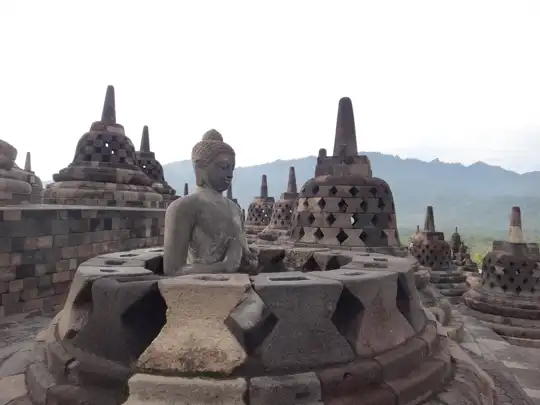
  3. Perforated stupas and Buddha statues — The upper circular platforms are dotted with bell-shaped, perforated stupas, each sheltering a seated Buddha. From afar it
read more 👉
  1. Mandala layout and tiered terraces — Borobudur is built as a giant three-dimensional mandala: square base, stepped terraces, then circular upper levels culminating in the central stupa. Walking the terraces feels like following a symbolic map of the Buddhist cosmos — smart, intentional design that’s also an impressive feat of ancient engineering.
  2. Bas-relief galleries — The long covered corridors are packed with carved panels that tell Buddhist teachings, Jataka tales and surprisingly vivid scenes of daily life from 1,200 years ago. They’re both art and storytelling; if you slow down you’ll find details you won’t see in photos.
  3. Perforated stupas and Buddha statues — The upper circular platforms are dotted with bell-shaped, perforated stupas, each sheltering a seated Buddha. From afar it looks like a field of stone lanterns; up close the patterning and silhouettes are oddly meditative.
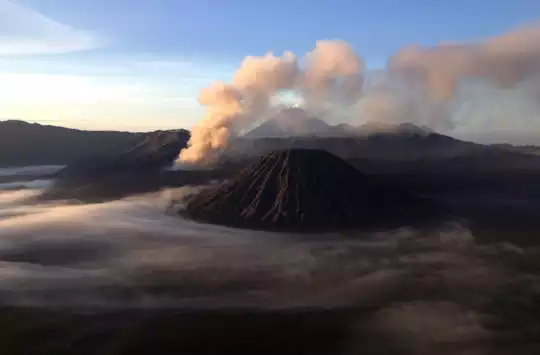
  4. Sunrise from the summit — Catching the sunrise above the fog with Borobudur’s silhouette and volcanoes in the background is the classic, slightly spiritual moment everyone talks about. Low light, cool air and near-silence make the stone feel alive. (Personal favorite — worth the early alarm.)
  5. Volcano and rice-terrace backdrop — The temple doesn’t sit in isolation: Mount Merapi, nearby peaks and patchwork rice fields frame it beautifully. The contrast between ancient stone and living landscape gives Borobudur a real sense of place.
  6. Living ritual and Waisak celebrations — Borobudur isn’t just a ruin; it’s an active pilgrimage site, especially during Vesak (Waisak) when monks and laypeople perform ceremonies and light thousands of candles. Seeing it during a religious event gives you context beyond the architecture.
  7. Rediscovery and UNESCO restoration history — The site’s comeback story is part of the visit: abandoned for centuries, re-found in the 19th century and extensively restored in the 20th with international help. That mix of mystery, archaeology and conservation work adds another layer to what you’re seeing.
Spotted a mistake or missing something? Contact us.

Things to do around Borobodur

Ratings based on Tripadvisor reviews. When you book through this link, you support our work at no extra cost to you.

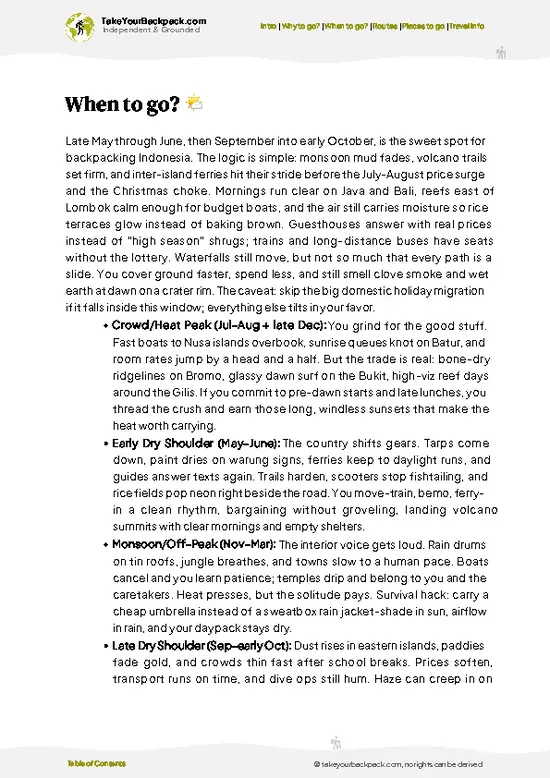
🌤️ When to go?Seasonal considerations and timing


  • Weather: The dry season from May to September is your best bet. Rain is minimal, so the trails and temple grounds stay accessible and safe. Avoid the wet season (October to April) unless you’re into slippery paths and sudden downpours that can ruin your sunrise plans.

  • Temperature: Expect daytime highs around 28-32°C (82-90°F) year-round. Nights cool down to about 20-22°C (68-72°F), which is comfortable for camping or nearby stays. The heat is steady, so pack light but sun-smart gear.

  • Daylight Hours: Indonesia sits near the equator, so daylight stays consistent—roughly 12 hours daily. Sunrise is around 5:30-6:00 AM, perfect for catching Borobudur’s famous dawn light without sacrificing sleep.

  • Crowds: Peak season (July-August) brings throngs of tourists, especially at sunrise. If you
read more 👉

  • Weather: The dry season from May to September is your best bet. Rain is minimal, so the trails and temple grounds stay accessible and safe. Avoid the wet season (October to April) unless you’re into slippery paths and sudden downpours that can ruin your sunrise plans.

  • Temperature: Expect daytime highs around 28-32°C (82-90°F) year-round. Nights cool down to about 20-22°C (68-72°F), which is comfortable for camping or nearby stays. The heat is steady, so pack light but sun-smart gear.

  • Daylight Hours: Indonesia sits near the equator, so daylight stays consistent—roughly 12 hours daily. Sunrise is around 5:30-6:00 AM, perfect for catching Borobudur’s famous dawn light without sacrificing sleep.

  • Crowds: Peak season (July-August) brings throngs of tourists, especially at sunrise. If you want space to breathe and snap photos without a sea of selfie sticks, aim for shoulder months like May, June, or September.

  • Seasonal Activities: The annual Vesak Day celebration (usually May) is a unique cultural experience with lanterns and rituals at Borobudur. It’s crowded but worth it if you want to witness local spirituality in full force.

  • Price Fluctuations: Entrance fees and accommodation prices spike during peak season and Vesak Day. Booking early can save you some cash, but expect to pay a premium if you show up last minute in high season.


Pro-tip: For the best combo of weather, fewer crowds, and cultural depth, hit Borobudur in late May—dry, cool, and just before the tourist rush.


source: climatestotravel.comJANJanuary: below average for travelingFEBFebruary: below average for travelingMARMarch: below average for travelingAPRApril: fair for travelingMAYMay: highly recommended for travelingJUNJune: highly recommended for travelingJULJuly: good for travelingAUGAugust: good for travelingSEPSeptember: highly recommended for travelingOCTOctober: fair for travelingNOVNovember: below average for travelingDECDecember: below average for traveling
Indonesia - Borobodur

✈️ The backpacker research shortcutIndonesia Travel Guide

An offline-friendly backpacking guide with optimized travel routes, ranked highlights, transport advice, and the best areas to stay.
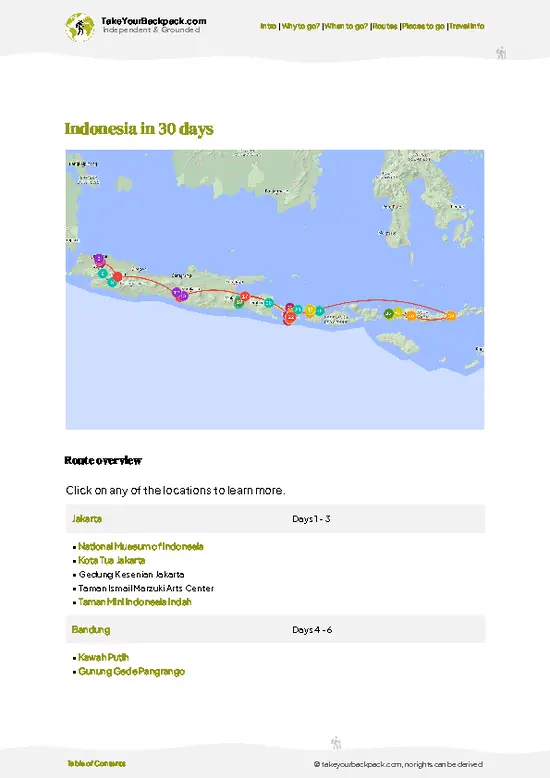
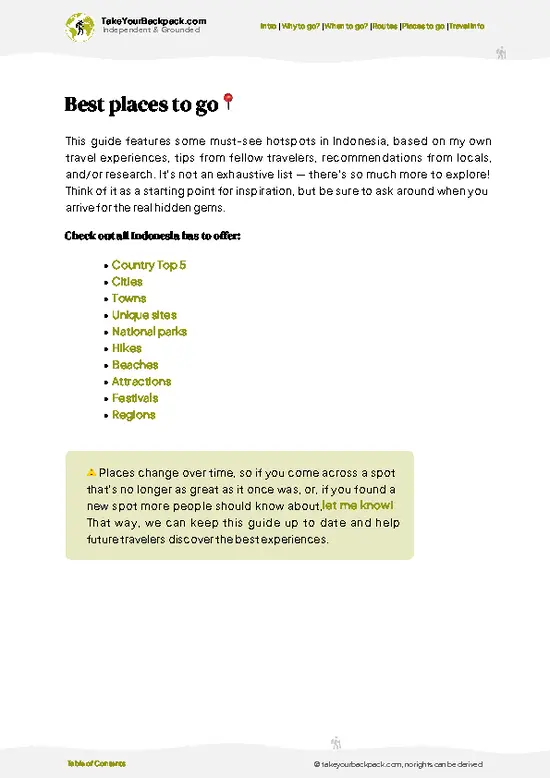
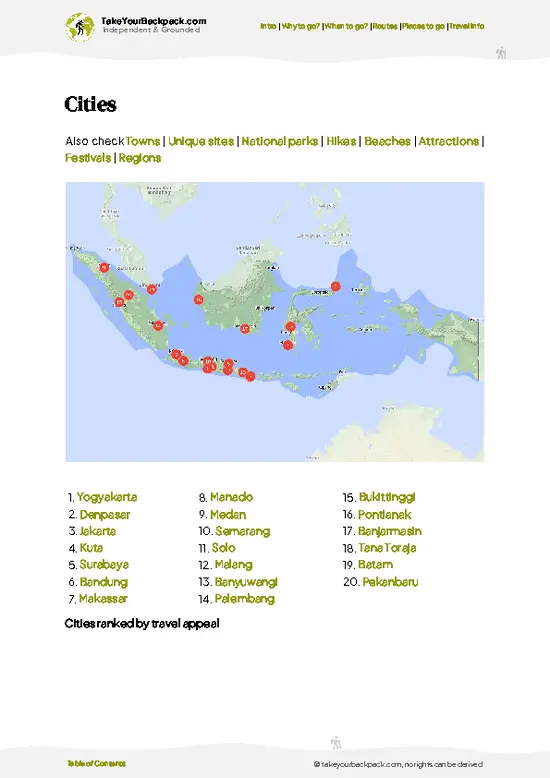
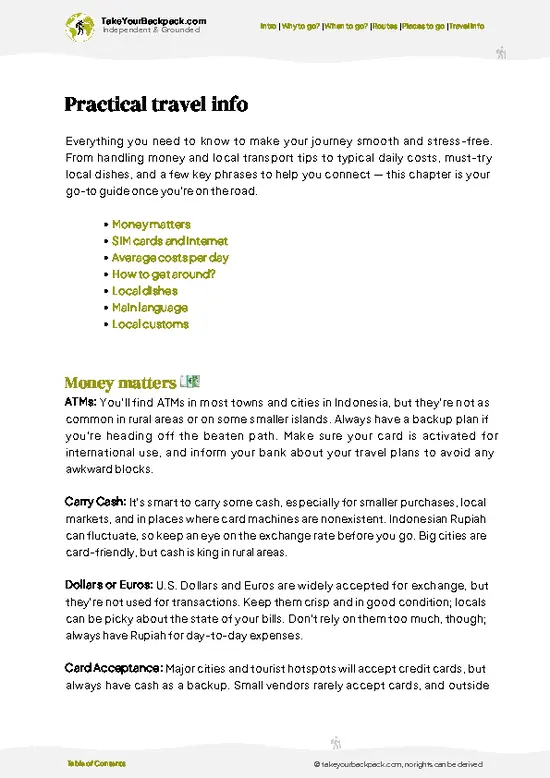
example page 0 from our offline Travel Guide for Indonesia
example page 1 from our offline Travel Guide for Indonesia
example page 2 from our offline Travel Guide for Indonesia
example page 3 from our offline Travel Guide for Indonesia
example page 4 from our offline Travel Guide for Indonesia
example page 5 from our offline Travel Guide for Indonesia
example page 6 from our offline Travel Guide for Indonesia
example page 7 from our offline Travel Guide for Indonesia
The digital guide (550 pages) contains:
155 highlights, ranked by travel appeal
Optimized 14, 21 & 30-day travel routes
Cities, national parks, landmarks, beaches
How to get around
Offline-friendly for travel without Wi-Fi
👉 Click to see all 30+ guide features

📅 Plan smarter in minutes, not weeks
Month by month travel advice
Festivals & national holidays
Budget expectations

🗺️ Go to the right places, skip the overrated ones
Honest pros & cons of destinations
Top hikes, parks & viewpoints
Lesser-known places most travelers miss
Clear “worth it vs skip it” guidance

🛏️ Travel smoothly without rookie mistakes
Best areas to stay
Transport systems explained simply
Common scams & safety advice
SIM cards, money & practical tips

🌍 Understand the country, not just visit it
Culture & traditions
52 Essential phrases & customs
Festivals worth planning around
Traveler-friendly historical context
Insights that make places more meaningful

📱 Built for real travel conditions
Fully downloadable PDF
Works completely offline
Optimized for phone use
Useful in remote areas & buses
Everything in one place
Save weeks of stressful planning
Get instant access to your full guide. 30‑day money-back guarantee.


By proceeding you agree to our terms.
Sent to your inbox immediately after payment • 100% Secure Checkout
Best Backpacking Travel Advisor 2025 tourism awardBest Backpacking
Travel Advisor
2025
What others say about Take Your Backpack Guides:
⭐⭐⭐⭐⭐
Fantastic, amazing amount of information!
⭐⭐⭐⭐⭐
My goodness this is amazing, it's what I've been looking for hats off too you!
⭐⭐⭐⭐⭐
I think this is absolutely BRILLIANT
⭐⭐⭐⭐
Very complete and informative. It's still missing places, but I gotta to commend you
⭐⭐⭐⭐⭐
This is truly amazing, thank you, can't wait to explore it with my kids!
⭐⭐⭐⭐⭐
Awesome resource, thank you!
⭐⭐⭐⭐⭐
This is amazing! Can't wait to explore the ones I haven't seen
⭐⭐⭐⭐
I love this! Well done, great idea.
⭐⭐⭐⭐⭐
Thanks for taking the time to make this gem!
⭐⭐⭐⭐⭐
This might be the best website I've ever seen.
⭐⭐⭐⭐⭐
Congratulations, and thank you so much for your work; it's incredibly valuable.
⭐⭐⭐⭐
In all seriousness I think you did a great job pointing out the important spots
⭐⭐⭐⭐⭐
10/10 very good
⭐⭐⭐⭐⭐
As someone who's only just starting to visit regularly this is awesome, thank you.
⭐⭐⭐⭐
Thank you very much! I'm going to visit my dad, it's going to be very useful!
⭐⭐⭐⭐⭐
This is really cool! We'll be travelling for the first time and this definitely come in handy.
⭐⭐⭐⭐⭐
You are now our minister of culture, congratulations 👨‍💼
⭐⭐⭐⭐⭐
Just wanted to tell you that this is a pearl! Going to follow your recommendations.
⭐⭐⭐⭐⭐
This is so cool. I'll definitely be using the resource for my travels soon.
⭐⭐⭐⭐⭐
This is very impressive! Good work.
⭐⭐⭐⭐⭐
This is an amazing and informative site. Very well done!

🛏️ Where to stay?Where staying makes the most sense

When you’re heading to Borobudur, the crowds can be overwhelming. But don’t let that scare you off. The real magic lies in the areas surrounding this ancient wonder.

First up, consider staying in the village of Borobudur itself. It’s a stone’s throw from the temple, making those sunrise visits a breeze. You’ll find a mix of budget guesthouses and homestays where the owners are eager to share stories over breakfast. This is where you can soak in the local vibe, away from the tourist traps.

Next, check out Magelang, about 30 minutes away. It’s less touristy and offers a more authentic slice of … read more 👉
When you’re heading to Borobudur, the crowds can be overwhelming. But don’t let that scare you off. The real magic lies in the areas surrounding this ancient wonder.

First up, consider staying in the village of Borobudur itself. It’s a stone’s throw from the temple, making those sunrise visits a breeze. You’ll find a mix of budget guesthouses and homestays where the owners are eager to share stories over breakfast. This is where you can soak in the local vibe, away from the tourist traps.

Next, check out Magelang, about 30 minutes away. It’s less touristy and offers a more authentic slice of Indonesian life. The streets are lined with local eateries, and you can find cozy hostels that attract fellow backpackers. It’s a great base for exploring the surrounding countryside, too.

Lastly, Selogriyo is a hidden treasure. It’s a bit off the beaten path but offers stunning views and a chance to connect with nature. The community here is welcoming, and you’ll find simple accommodations that keep costs low.

These areas provide safety, social opportunities, and a genuine experience that the Instagram version of Borobudur often glosses over. Embrace the journey, and you’ll find the real beauty beyond the crowds.

👛 Costs (as of 18 December 2024)How expensive it really is

Visiting Borobudur is a journey that goes beyond the Instagram filters. Here’s the real deal on costs, so you can plan wisely.
  • Entrance Fee: Expect to pay around $25 to $30 USD for a standard ticket. This grants you access to the temple complex, but keep in mind that prices can vary for sunrise visits or guided tours, which might push it up to $50 USD.
  • Transportation: Getting there can range from $10 to $30 USD depending on your starting point. If you’re coming from Yogyakarta, a taxi or ride-share will cost about $15 USD. Public transport is cheaper but less convenient.
  • Guided Tours: If you want a deeper dive into the history and significance, guided tours typically run from $20 to $50 USD. This often includes a knowledgeable guide who can share insights that you won’t find in brochures.
  • Food
read more 👉
Visiting Borobudur is a journey that goes beyond the Instagram filters. Here’s the real deal on costs, so you can plan wisely.
  • Entrance Fee: Expect to pay around $25 to $30 USD for a standard ticket. This grants you access to the temple complex, but keep in mind that prices can vary for sunrise visits or guided tours, which might push it up to $50 USD.
  • Transportation: Getting there can range from $10 to $30 USD depending on your starting point. If you’re coming from Yogyakarta, a taxi or ride-share will cost about $15 USD. Public transport is cheaper but less convenient.
  • Guided Tours: If you want a deeper dive into the history and significance, guided tours typically run from $20 to $50 USD. This often includes a knowledgeable guide who can share insights that you won’t find in brochures.
  • Food and Drink: On-site eateries can be pricey for what you get. Budget around $5 to $15 USD for a meal. If you venture outside the complex, local warungs offer delicious options for as little as $2 to $5 USD.
  • Souvenirs: If you’re looking to take home a piece of Borobudur, set aside $5 to $20 USD. Local artisans sell everything from batik to small statues, but be prepared to haggle.

These costs can add up, but the experience of standing before this ancient wonder is worth every penny. Just remember, the magic lies in the details, not just the photos.


source: indonesia.travel
⚠️ Prices can change and everyone travels differently, so take this as a rough guide. Hope it helps you plan your adventure!

Other Indonesian landmarks near Borobodur

Explore more nearby:


💡 Not sure where to go next?
Create a personalized itinerary for Indonesia including Borobodur and the places that fit your trip.

Generate my itinerary

👉 Discover all landmarks

Or checkout all Indonesia has to offer (think cities, towns, villages, national parks, hikes, beaches, festivals)
Country photo of Indonesia

We 💚 feedbackWhat to keep in mind

Borobodur is a masterpiece that demands your attention. The intricate carvings and the sheer scale of the stupa are mind-blowing. You’ll feel the weight of history as you climb those ancient steps. But let’s be real: the crowds can be overwhelming, especially at sunrise. If you can handle the hustle, the experience is worth it. Just go in with patience, and let the magic unfold amidst the chaos.

✈️ When did I visit Indonesia?
As part of my 1.5 year travel around the world trip, I visited Indonesia twice (and it was worth it. First in September 2015 and a bit later again in January and February 2016.

✍️ Help improve this page!
The information on this page is based on my own backpacking experience in Indonesia, supplemented with up-to-date research and feedback from other travelers. Travel details can change, so if you notice anything outdated or incomplete, feel free to let me know.


🙋‍♂️ Give feedback

👋 Meet the founderWho’s Behind Take Your Backpack?

Johan, backpacker and founder of TakeYourBackpackHi, I’m Johan (Netherlands 🇳🇱), the creator of TakeYourBackpack. Over the past decade, I’ve backpacked through 80+ countries across six continents, gaining extensive experience with independent travel, long-term trips, and overland routes.

This site is built on a combination of firsthand travel experience and carefully curated insights from other backpackers. Many guides are based on places I’ve personally visited, while others bring together tips, observations, and practical advice shared by trusted travelers I’ve met along the way.

The goal is to provide realistic, experience-driven guidance — not generic itineraries — so you can explore destinations with better context, clearer expectations, and more confidence.

Get full Indonesia guide •
Instant download • 155 highlights • Full Offline guide