
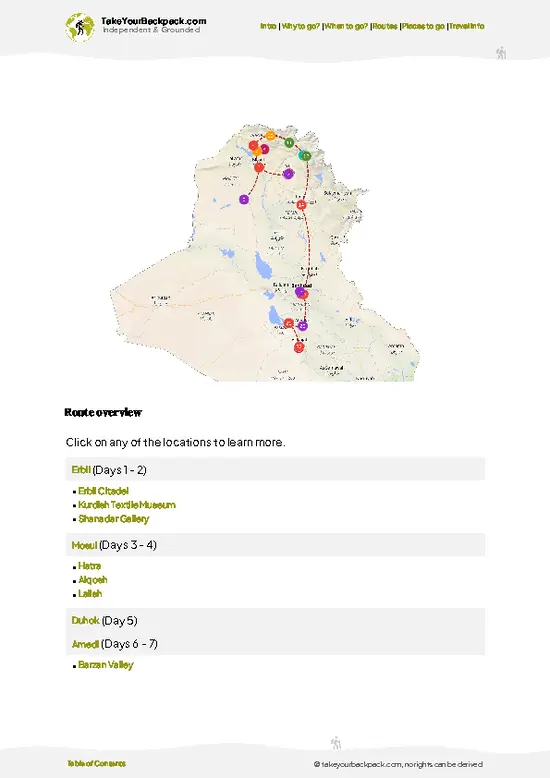
The Moat and the Fish
Forget the Instagram drone shots—Al-Faw Palace’s moat isn’t just for show. It’s a full-on, castle-style water barrier, complete with oversized carp that Saddam Hussein reportedly had imported. The fish are massive, almost cartoonish, and watching them swirl beneath the palace bridges is a surreal reminder that this place was built for spectacle, not subtlety. The moat’s scale and the sheer audacity of stocking it with exotic fish is pure dictator excess, and it’s weirdly mesmerizing.
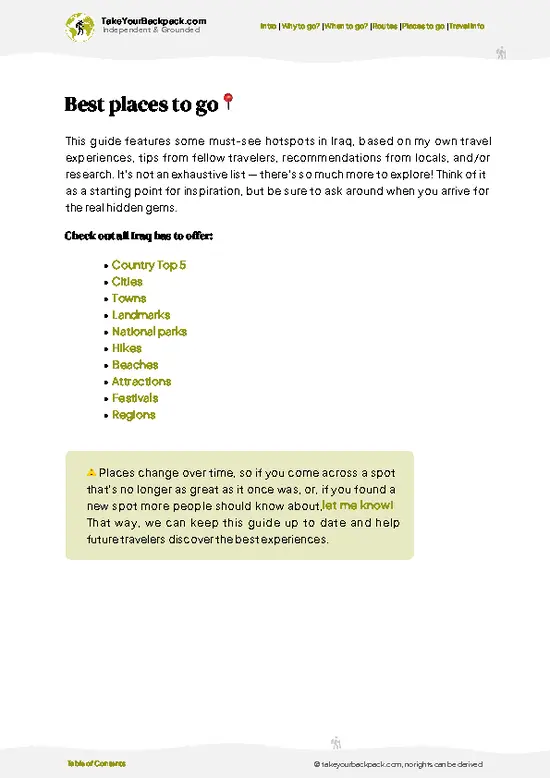
The Grand Hall
Step inside and you’re hit with a wave of marble, chandeliers, and ceilings that seem to float above you. The Grand Hall is where Saddam hosted his most important guests—think heads of state, generals, and the occasional terrified subordinate. The acoustics are eerie; your … read more 👉
The Moat and the Fish
Forget the Instagram drone shots—Al-Faw Palace’s moat isn’t just for show. It’s a full-on, castle-style water barrier, complete with oversized carp that Saddam Hussein reportedly had imported. The fish are massive, almost cartoonish, and watching them swirl beneath the palace bridges is a surreal reminder that this place was built for spectacle, not subtlety. The moat’s scale and the sheer audacity of stocking it with exotic fish is pure dictator excess, and it’s weirdly mesmerizing.
The Grand Hall
Step inside and you’re hit with a wave of marble, chandeliers, and ceilings that seem to float above you. The Grand Hall is where Saddam hosted his most important guests—think heads of state, generals, and the occasional terrified subordinate. The acoustics are eerie; your footsteps echo in a way that makes you instinctively lower your voice. It’s not beautiful in the classic sense, but it’s a masterclass in intimidation architecture. You feel the weight of history—and ego—pressing down.
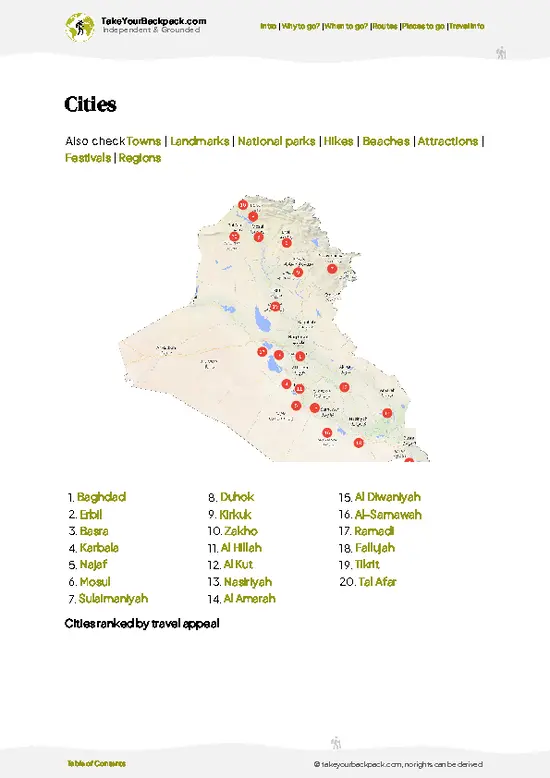
The Rooftop Views
Climb to the roof (if access is allowed—rules change, so check on-site) and you’ll see why Saddam picked this spot. The palace sits on the edge of the Tigris River, and from up top, you get a panoramic sweep of Baghdad’s sprawl, the river’s slow curve, and the endless, sun-blasted horizon. It’s a view that’s equal parts haunting and hypnotic. The city’s chaos feels distant, and for a moment, you understand the allure of building a fortress here.
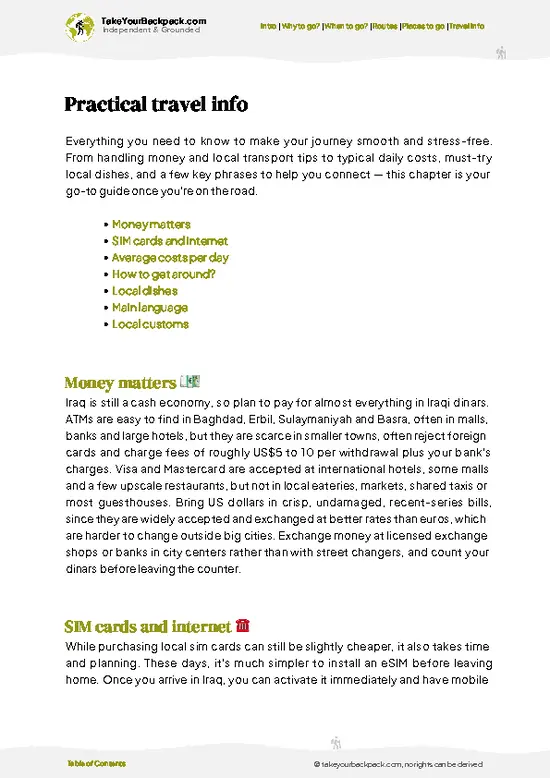
The War Graffiti
This isn’t the sanitized, velvet-rope version of history. After the 2003 invasion, coalition soldiers left their mark—literally. The palace walls are covered with graffiti, unit insignias, and messages scrawled in Sharpie and spray paint. It’s raw, sometimes funny, sometimes angry, and always real. The layers of graffiti are a living record of occupation, camaraderie, and boredom. It’s the kind of detail you’ll never see in a guidebook, but it’s the soul of the place now.
The Echoes of Power
Al-Faw Palace isn’t a museum. It’s a relic of unchecked power, and walking its halls is a crash course in recent Iraqi history. You can feel the paranoia in the layout—hidden rooms, thick doors, endless corridors. Every corner is designed to impress or intimidate. The entertainment here isn’t about beauty; it’s about the adrenaline rush of standing in a place where decisions that shaped a nation were made, and where the ghosts of ambition and downfall still linger.
Spotted a mistake or missing something? Contact us.

 Best Backpacking
 Hi, I’m Johan (Netherlands 🇳🇱), the creator of TakeYourBackpack. Over the past 3 decades, I’ve backpacked through 90+ countries across six continents, gaining extensive experience with independent travel, long-term trips, and overland routes.