×

Iraq🇮🇶 | attractionsSamarra Archaeological Cityspiral minaret, Abbasid ruins, riverbank site | things to do and best time to go

Explore Al-Faw PalaceExplore Erbil Citadel Archaeological Museum

Backpacking in Samarra Archaeological City
🌟 Highlightattraction ranked #5
By Johan Kruseman 🇳🇱 | Updated September 4, 2026

Forget the Instagram mirage: Samarra Archaeological City isn’t a photogenic, tourist-packed playground—it’s a sprawling, half-forgotten relic where you’ll likely have the ruins to yourself, and the silence is broken only by the wind and the distant call to prayer. Sitting on the Tigris River, about 125 kilometers north of Baghdad, Samarra is a UNESCO World Heritage site that most travelers skip, either out of caution or ignorance. Here’s the truth: the Great Mosque’s spiral minaret is jaw-dropping in scale and audacity, but the site’s real magic is the raw, unpolished sense of history—no velvet ropes, no souvenir stands, just you and the ghosts of caliphs. Getting here isn’t effortless; public transport is patchy, and you’ll need to budget for a private driver or guide. But compared to the bustle of Erbil’s citadel or Babylon’s reconstructed facades, Samarra feels like time travel with the volume turned down—intense, eerie, and absolutely worth the detour if you crave authenticity over comfort.

Discover everything you want to know in the 📖 Iraq Travel Guide.
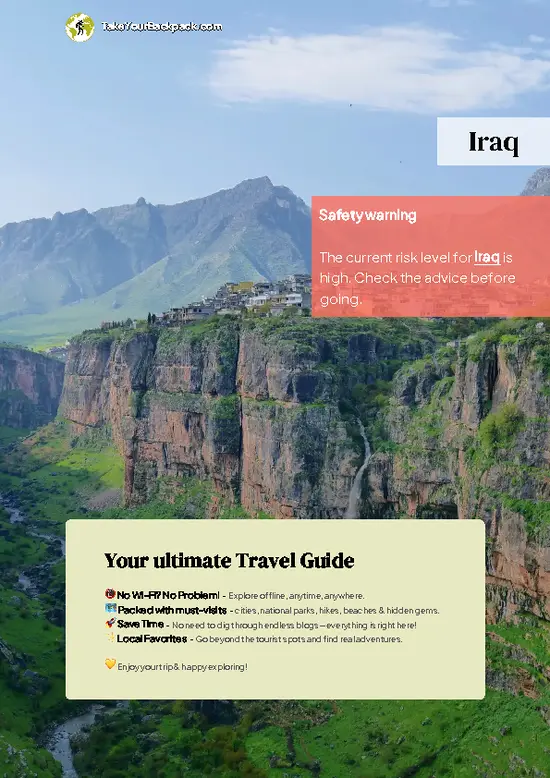
Safety warning

The current risk level for Iraq is high. Check the advice before going.


Get your Iraq guide
101 ranked highlights, routes & tips, works offline (349 pages)
Loading the map 🌍
CLICK TO FILTER
cities
towns
landmarks
national parks
hikes
beaches
attractions
festivals
regions
SHOW COUNTRY’S BESTSHOW ALL

✨ Why go?
Ranked #5 attraction in Iraq
Reasons people choose to visit here

Samarra Archaeological City isn’t your typical postcard spot. Yes, it’s crowded with history, but don’t expect a polished tourist playground. This place demands grit—both physical and mental—but rewards you with something few sites can: a raw, unfiltered connection to the cradle of Islamic civilization. The iconic Malwiya Minaret, spiraling skyward like an ancient DNA strand, is more than a photo op; it’s a symbol of architectural daring from the 9th century. Beyond the minaret, the sprawling ruins whisper stories of Abbasid power, cultural fusion, and centuries of human ambition. Backpackers carve out time here because it’s a milestone on Iraq’s route—proof that the journey isn’t just about ticking boxes but about standing where history was made, feeling the weight of empires rise and fall … read more 👉
Samarra Archaeological City isn’t your typical postcard spot. Yes, it’s crowded with history, but don’t expect a polished tourist playground. This place demands grit—both physical and mental—but rewards you with something few sites can: a raw, unfiltered connection to the cradle of Islamic civilization. The iconic Malwiya Minaret, spiraling skyward like an ancient DNA strand, is more than a photo op; it’s a symbol of architectural daring from the 9th century. Beyond the minaret, the sprawling ruins whisper stories of Abbasid power, cultural fusion, and centuries of human ambition. Backpackers carve out time here because it’s a milestone on Iraq’s route—proof that the journey isn’t just about ticking boxes but about standing where history was made, feeling the weight of empires rise and fall beneath your boots. The effort to navigate the crowds, the heat, and the complex logistics is real, but so is the payoff: a visceral, humbling experience that no filtered feed can capture. This is history stripped to its bones, and that’s why it’s worth every step.
Want to include Samarra Archaeological City in your Iraq route?
Create a personalized Iraq itinerary that includes Samarra Archaeological City and the places that fit your trip — based on your travel style, budget, and available time. Get your route in seconds.

Generate my trip

💡 HighlightsDon't-miss highlights and experiences

The Great Mosque of Samarra and the Malwiya Minaret
Forget the Instagram drone shots—standing at the base of the Malwiya is a gut-check. This is not a dainty spiral for selfies; it’s a 52-meter brick corkscrew that looks like it was dropped here by ancient astronauts. The climb is dizzying, the wind is real, and the view is a panorama of raw Mesopotamian flatland. The mosque’s footprint is so massive you’ll lose all sense of scale. This is not just a relic; it’s a statement of ambition from a caliphate that wanted the world to know it had arrived. The minaret’s ramp is wide enough for a donkey, but you’ll want your wits about you—no guardrails, no safety nets, just you and the ghosts of Abbasid engineers.


Abbasid Palace (Qasr al-Khalifa)
This isn’t Versailles. The palace is a shell, but the … read more 👉
The Great Mosque of Samarra and the Malwiya Minaret
Forget the Instagram drone shots—standing at the base of the Malwiya is a gut-check. This is not a dainty spiral for selfies; it’s a 52-meter brick corkscrew that looks like it was dropped here by ancient astronauts. The climb is dizzying, the wind is real, and the view is a panorama of raw Mesopotamian flatland. The mosque’s footprint is so massive you’ll lose all sense of scale. This is not just a relic; it’s a statement of ambition from a caliphate that wanted the world to know it had arrived. The minaret’s ramp is wide enough for a donkey, but you’ll want your wits about you—no guardrails, no safety nets, just you and the ghosts of Abbasid engineers.


Abbasid Palace (Qasr al-Khalifa)
This isn’t Versailles. The palace is a shell, but the bones are honest. Walk through the echoing halls and you’ll feel the weight of a city that once rivaled Baghdad. The brickwork is original, not reconstructed for tourists. You’ll see arrow slits, thick walls, and the kind of utilitarian grandeur that says “power” without a single chandelier. It’s a rare chance to wander a caliphal palace without velvet ropes or crowds. You’ll probably have the place to yourself—just you, the wind, and the sense that history here is measured in centuries, not hashtags.


Al-Mutawakkil’s Spiral Minarets (Smaller Minaret at Abu Dulaf Mosque)
If the Malwiya is the blockbuster, the Abu Dulaf minaret is the indie sequel. Fewer people, more atmosphere. The spiral design is similar but more intimate, and the mosque’s ruins sprawl across the plain like the bones of a forgotten civilization. It’s a place for quiet exploration, not staged photos. The silence is thick, broken only by the crunch of gravel under your boots. This is where you feel the scale of Samarra—not as a single monument, but as a city built for giants.


The City Walls and Canals
Most people miss this. The city’s defensive walls and ancient canal system are not polished for tourists, but that’s the point. Walk along the crumbling ramparts and you’ll see how the Abbasids engineered both security and survival. The canals are dry now, but their outlines snake through the landscape, a reminder that Samarra was a city of water in the middle of dust. It’s a lesson in adaptation, and a glimpse of urban planning that was centuries ahead of its time.


Street-Level Archaeology
Here’s the real magic: you can walk through entire neighborhoods of Abbasid-era streets, foundations, and courtyards. No velvet ropes, no “do not touch” signs. This is archaeology in the wild. You’ll find pottery shards underfoot, see the outlines of homes, and realize that this was once a living, breathing metropolis. It’s not pretty, but it’s real. And that’s worth more than any postcard-perfect shot.
Spotted a mistake or missing something? Contact us.

🌤️ When to go?Weather, crowds, and seasonal trade-offs


  • Weather: The best window is from late October to early April. Summers scorch with highs often above 40°C (104°F), making midday exploration brutal. Winters are mild but can dip to 5°C (41°F) at night, so pack layers.

  • Temperature: Expect comfortable daytime temps around 20-25°C (68-77°F) in the prime months. This balance lets you wander ruins without melting or freezing.

  • Daylight Hours: From November to February, daylight shrinks to about 10 hours, limiting your sightseeing time. Spring months stretch daylight to 12-13 hours, giving you more runway to explore.

  • Crowds: Samarra isn’t exactly a tourist hotspot, but weekends and local holidays see a spike in visitors. Aim for weekdays in the cooler months to avoid the handful of day-trippers.

  • Seasonal Activities: There’s no flashy festival
read more 👉

  • Weather: The best window is from late October to early April. Summers scorch with highs often above 40°C (104°F), making midday exploration brutal. Winters are mild but can dip to 5°C (41°F) at night, so pack layers.

  • Temperature: Expect comfortable daytime temps around 20-25°C (68-77°F) in the prime months. This balance lets you wander ruins without melting or freezing.

  • Daylight Hours: From November to February, daylight shrinks to about 10 hours, limiting your sightseeing time. Spring months stretch daylight to 12-13 hours, giving you more runway to explore.

  • Crowds: Samarra isn’t exactly a tourist hotspot, but weekends and local holidays see a spike in visitors. Aim for weekdays in the cooler months to avoid the handful of day-trippers.

  • Seasonal Activities: There’s no flashy festival calendar here. The real draw is the quiet, raw connection to history when the heat and crowds subside.

  • Price Fluctuations: Prices for basic accommodations and local transport stay steady year-round. The off-peak heat months might see slight discounts, but the discomfort usually isn’t worth the savings.


Pro-tip: Visit between November and March for the sweet spot of weather and solitude—this is when Samarra’s ancient stones speak loudest without the sweat or the swarm.


source: climatestotravel.comJANJanuary: excellent for travelingFEBFebruary: excellent for travelingMARMarch: excellent for travelingAPRApril: highly recommended for travelingMAYMay: fair for travelingJUNJune: below average for travelingJULJuly: below average for travelingAUGAugust: below average for travelingSEPSeptember: fair for travelingOCTOctober: highly recommended for travelingNOVNovember: excellent for travelingDECDecember: excellent for traveling
when-to-go

✈️ The backpacker research shortcutIraq Travel Guide

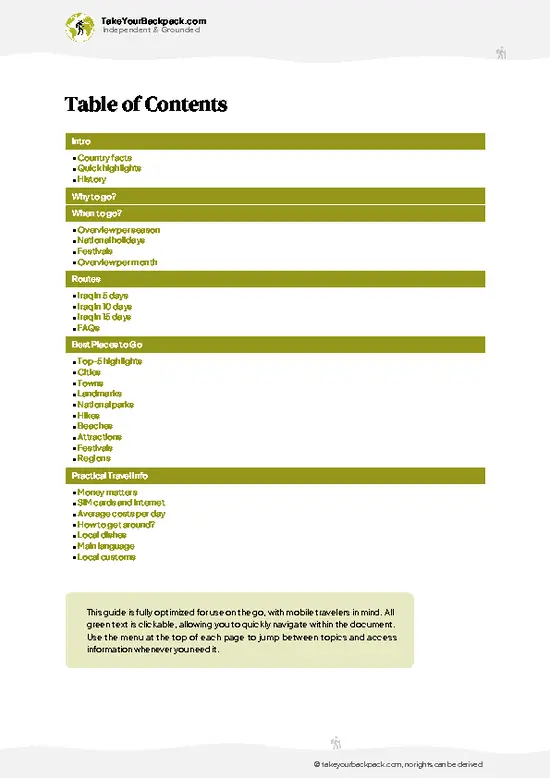
An offline-friendly backpacking guide with optimized travel routes, ranked highlights, transport advice, and the best areas to stay.
example page 0 from our offline Travel Guide for Iraq
example page 1 from our offline Travel Guide for Iraq
example page 2 from our offline Travel Guide for Iraq
example page 3 from our offline Travel Guide for Iraq
example page 4 from our offline Travel Guide for Iraq
example page 5 from our offline Travel Guide for Iraq
example page 6 from our offline Travel Guide for Iraq
example page 7 from our offline Travel Guide for Iraq
The digital guide (349 pages) contains:
101 highlights, ranked by travel appeal
Optimized 5, 10 & 15-day travel routes
Cities, national parks, landmarks, beaches
How to get around
Offline-friendly for travel without Wi-Fi
👉 Click to see all 30+ guide features

📅 Plan smarter in minutes, not weeks
Month by month travel advice
Festivals & national holidays
Budget expectations

🗺️ Go to the right places, skip the overrated ones
Honest pros & cons of destinations
Top hikes, parks & viewpoints
Lesser-known places most travelers miss
Clear “worth it vs skip it” guidance

🛏️ Travel smoothly without rookie mistakes
Best areas to stay
Transport systems explained simply
Common scams & safety advice
SIM cards, money & practical tips

🌍 Understand the country, not just visit it
Culture & traditions
52 Essential phrases & customs
Festivals worth planning around
Traveler-friendly historical context
Insights that make places more meaningful

📱 Built for real travel conditions
Fully downloadable PDF
Works completely offline
Optimized for phone use
Useful in remote areas & buses
Everything in one place
Save weeks of stressful planning
Get instant access to your full guide. 30‑day money-back guarantee.
+ Add another guide for just US$7.80

By proceeding you agree to our terms.
Sent to your inbox immediately after payment • 100% Secure Checkout
Best Backpacking Travel Advisor 2025 tourism awardBest Backpacking
Travel Advisor
2025
What others say about Take Your Backpack Guides:
⭐⭐⭐⭐⭐
Fantastic, amazing amount of information!
⭐⭐⭐⭐⭐
My goodness this is amazing, it's what I've been looking for hats off too you!
⭐⭐⭐⭐⭐
I think this is absolutely BRILLIANT
⭐⭐⭐⭐
Very complete and informative. It's still missing places, but I gotta to commend you
⭐⭐⭐⭐⭐
This is truly amazing, thank you, can't wait to explore it with my kids!
⭐⭐⭐⭐⭐
Awesome resource, thank you!
⭐⭐⭐⭐⭐
This is amazing! Can't wait to explore the ones I haven't seen
⭐⭐⭐⭐
I love this! Well done, great idea.
⭐⭐⭐⭐⭐
Thanks for taking the time to make this gem!
⭐⭐⭐⭐⭐
This might be the best website I've ever seen.
⭐⭐⭐⭐⭐
Congratulations, and thank you so much for your work; it's incredibly valuable.
⭐⭐⭐⭐
In all seriousness I think you did a great job pointing out the important spots
⭐⭐⭐⭐⭐
10/10 very good
⭐⭐⭐⭐⭐
As someone who's only just starting to visit regularly this is awesome, thank you.
⭐⭐⭐⭐
Thank you very much! I'm going to visit my dad, it's going to be very useful!
⭐⭐⭐⭐⭐
This is really cool! We'll be travelling for the first time and this definitely come in handy.
⭐⭐⭐⭐⭐
You are now our minister of culture, congratulations 👨‍💼
⭐⭐⭐⭐⭐
Just wanted to tell you that this is a pearl! Going to follow your recommendations.
⭐⭐⭐⭐⭐
This is so cool. I'll definitely be using the resource for my travels soon.
⭐⭐⭐⭐⭐
This is very impressive! Good work.
⭐⭐⭐⭐⭐
This is an amazing and informative site. Very well done!

🛏️ Where to stay?Where staying makes the most sense

Samarra Archaeological City isn’t your typical backpacker hotspot, and that’s exactly why it demands a different kind of stay. Forget the polished tourist zones—you want to be where the real pulse of the place is, close enough to the ruins to feel their weight but far enough to avoid the sterile, overrun setups. The best spots for backpackers are in the town of Samarra itself, just a short ride from the archaeological site. This is where you’ll find a gritty, authentic vibe with locals who know the history and aren’t just cashing in on it.

Safety here is relative—this isn’t a backpacker bubble … read more 👉
Samarra Archaeological City isn’t your typical backpacker hotspot, and that’s exactly why it demands a different kind of stay. Forget the polished tourist zones—you want to be where the real pulse of the place is, close enough to the ruins to feel their weight but far enough to avoid the sterile, overrun setups. The best spots for backpackers are in the town of Samarra itself, just a short ride from the archaeological site. This is where you’ll find a gritty, authentic vibe with locals who know the history and aren’t just cashing in on it.

Safety here is relative—this isn’t a backpacker bubble like Europe or Southeast Asia. Stick to the central neighborhoods where there’s a steady flow of people, local markets, and small eateries. These areas offer a social atmosphere without the tourist traps, and you’ll meet other travelers who’ve chosen the road less traveled. Budget travelers will appreciate the simplicity and the chance to connect with Iraqi culture firsthand. It’s not about luxury or convenience; it’s about raw experience and respect for a place that’s been through centuries of upheaval but still holds stories worth hearing.

👛 Costs (as of 4 September 2026)Money, prices, and spending tips

As of the most recent estimates, visiting the Samarra Archaeological City in Iraq involves an entrance fee of approximately 25,000 Iraqi dinars (IQD), which is about €17. ([worldheritagesite.org](https://www.worldheritagesite.org/list/Samarra?utm_source=openai)) Additional costs include transportation, with shared taxis from Baghdad to Samarra costing around 15,000 IQD (€10), and meals ranging from €5 to €20. ([takeyourbackpack.com](https://www.takeyourbackpack.com/backpacking-in-iraq/visit-samarra/?utm_source=openai)) Overall, travelers can expect to spend between €20 and €50 per day, depending on personal preferences and spending habits.

source: worldheritagesite.org
⚠️ Prices can change and everyone travels differently, so take this as a rough guide. Hope it helps you plan your adventure!

FAQFrequently asked questions about Samarra Archaeological City

2 to 3 hours is sufficient to visit Samarra Archaeological City, allowing time to explore key sites like the Great Mosque and the Malwiya Minaret. More time may be needed if you want to study the ruins in detail or take photographs.
Yes, Samarra Archaeological City is worth the entrance fee, which is typically around $5 USD. The site offers unique insights into Abbasid architecture and history, making it valuable for history enthusiasts and backpackers interested in ancient Islamic culture.
You can get to Samarra Archaeological City by taxi or bus from Baghdad, which is about 125 kilometers south. The drive takes roughly 1.5 to 2 hours, and taxis are the most convenient option for direct access to the site.
⚠️ Things can change over time, so always validate details locally before you go.

Other Iraqi attractions near Samarra Archaeological City

Explore more nearby:


💡 Not sure where to go next?
Create a personalized itinerary for Iraq including Samarra Archaeological City and the places that fit your trip.

Generate my itinerary

👉 Discover all attractions

Or checkout all Iraq has to offer (think cities, towns, villages, national parks, hikes, beaches, festivals)
Country photo of Iraq

We 💚 feedbackIs it worth it?

Samarra Archaeological City isn’t a polished tourist magnet—expect dust, heat, and few crowds. That’s exactly why it hits differently. The real magic is standing beneath the spiral minaret, feeling centuries of history press in without a selfie-stick in sight. It’s raw, a bit rough around the edges, but that’s where the soul lives. Just bring water, patience, and a curiosity for stories that don’t get shouted from every guidebook.

✍️ Help improve this page!
The information on this page is based on in-depth research, insights shared by experienced travelers, and feedback from the local travel community in Iraq. While every effort is made to keep the information accurate and current, conditions can change — so if you spot anything incorrect or outdated, please get in touch.


🙋‍♂️ Give feedback

👋 Meet the founderWho’s Behind Take Your Backpack?

Johan, backpacker and founder of TakeYourBackpackHi, I’m Johan (Netherlands 🇳🇱), the creator of TakeYourBackpack. Over the past decade, I’ve backpacked through 80+ countries across six continents, gaining extensive experience with independent travel, long-term trips, and overland routes.

This site is built on a combination of firsthand travel experience and carefully curated insights from other backpackers. Many guides are based on places I’ve personally visited, while others bring together tips, observations, and practical advice shared by trusted travelers I’ve met along the way.

The goal is to provide realistic, experience-driven guidance — not generic itineraries — so you can explore destinations with better context, clearer expectations, and more confidence.

Get full Iraq guide •
Instant download • 101 highlights • Full Offline guide