×

Iraq🇮🇶 | attractionsErbil Civilization Museumexcavated relics, citadel courtyard, Kurdish heritage | things to do and best time to go

Explore Samarra Archaeological CityExplore Kurdish Textile Museum

Backpacking in Erbil Civilization Museum
🏆 Top pickattraction ranked #4
By Johan Kruseman 🇳🇱 | Updated October 15, 2026

Forget the Instagram illusion: Erbil Citadel Archaeological Museum isn’t some untouched, secret relic where you’ll wander alone in the golden light. It’s smack in the heart of Erbil, northern Iraq—one of the world’s oldest continuously inhabited sites, and yes, you’ll share it with a steady stream of local families, selfie-hunters, and the occasional school group. The museum itself is compact and a bit rough around the edges, but that’s part of the charm. You’re not here for slick displays; you’re here to stand inside a living layer cake of Mesopotamian history, with artifacts that feel almost within arm’s reach. Entry is cheap, and the vibe is refreshingly unpolished compared to Iraq’s bigger-ticket sites—no velvet ropes, no overzealous guards, just raw, honest heritage. If you want a museum that feels like a portal, not a theme park, this is the real deal.

Discover everything you want to know in the 📖 Iraq Travel Guide.
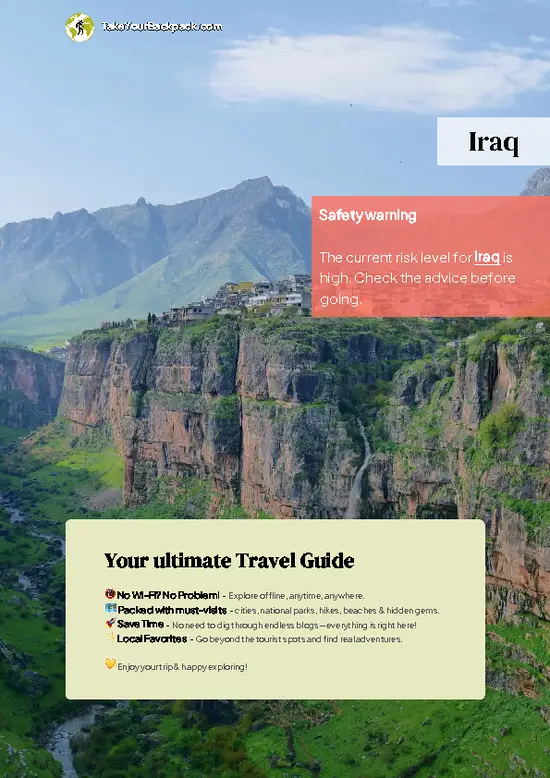
Safety warning

The current risk level for Iraq is high. Check the advice before going.


example page 0 from our offline Travel Guide for Iraq
example page 1 from our offline Travel Guide for Iraq
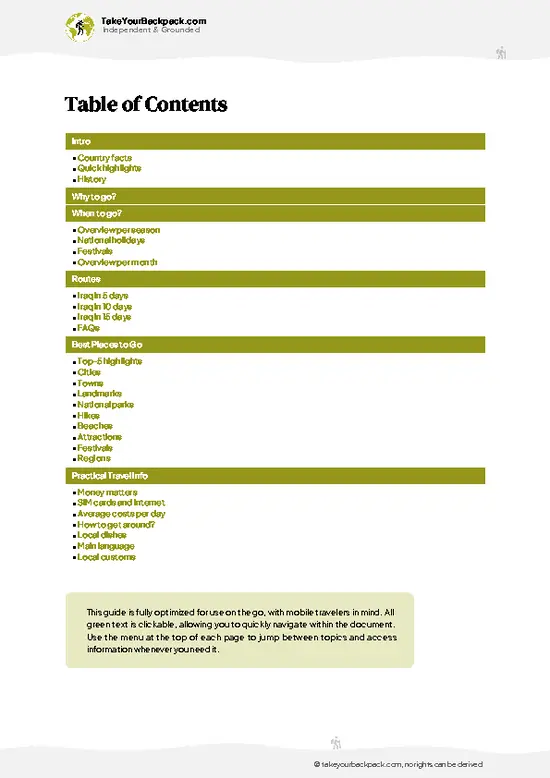
example page 2 from our offline Travel Guide for Iraq
example page 3 from our offline Travel Guide for Iraq
example page 4 from our offline Travel Guide for Iraq
example page 5 from our offline Travel Guide for Iraq
example page 6 from our offline Travel Guide for Iraq
example page 7 from our offline Travel Guide for Iraq
Loading the map 🌍
CLICK TO FILTER
cities
towns
landmarks
national parks
hikes
beaches
attractions
festivals
regions
SHOW COUNTRY’S BESTSHOW ALL

✨ Why go?
Ranked #4 attraction in Iraq
What sets this place apart

The Erbil Citadel Archaeological Museum isn’t just another dusty stop on Iraq’s travel map—it’s a raw, pulsating slice of human history that demands your attention. Sure, the crowds here won’t rival the Louvre, but don’t mistake that for a lack of significance. This place is the beating heart of Erbil, perched atop a mound that’s been inhabited for over 6,000 years. That alone makes it one of the oldest continuously inhabited settlements on Earth. The museum’s collection isn’t about flashy displays; it’s about connecting you to millennia of civilization, from ancient Assyrian artifacts to Ottoman relics. It’s a cultural deep dive that rewards patience and curiosity, not just a quick photo op. For backpackers threading through Iraq, this site is a major milestone—a tangible link to the country’s … read more 👉
The Erbil Citadel Archaeological Museum isn’t just another dusty stop on Iraq’s travel map—it’s a raw, pulsating slice of human history that demands your attention. Sure, the crowds here won’t rival the Louvre, but don’t mistake that for a lack of significance. This place is the beating heart of Erbil, perched atop a mound that’s been inhabited for over 6,000 years. That alone makes it one of the oldest continuously inhabited settlements on Earth. The museum’s collection isn’t about flashy displays; it’s about connecting you to millennia of civilization, from ancient Assyrian artifacts to Ottoman relics. It’s a cultural deep dive that rewards patience and curiosity, not just a quick photo op. For backpackers threading through Iraq, this site is a major milestone—a tangible link to the country’s layered past amid a landscape often misunderstood. The effort to navigate local logistics and occasional bureaucratic hurdles pays off with an adrenaline rush of discovery few places can match. This isn’t tourist fluff; it’s the real deal, raw and unfiltered.

💡 HighlightsThe experiences that define the visit

The Citadel’s Ancient Foundations
Let’s cut through the Instagram haze: the Erbil Citadel isn’t just a pretty hilltop with a view. You’re standing on a mound layered with more than 6,000 years of human ambition, conquest, and survival. The museum’s exposed archaeological strata—actual slices of earth and brick—let you see the literal bones of Mesopotamian civilization. It’s not polished or sanitized. You’ll find rough walls, uneven floors, and the kind of raw, tactile history that textbooks can’t touch. If you want to feel the weight of millennia under your boots, this is the real deal.


Artifacts That Don’t Play Dress-Up
Forget the glassy, over-lit displays of Western museums. Here, the artifacts—pottery, tools, jewelry, and cuneiform tablets—are presented with minimal fuss. Some look like … read more 👉
The Citadel’s Ancient Foundations
Let’s cut through the Instagram haze: the Erbil Citadel isn’t just a pretty hilltop with a view. You’re standing on a mound layered with more than 6,000 years of human ambition, conquest, and survival. The museum’s exposed archaeological strata—actual slices of earth and brick—let you see the literal bones of Mesopotamian civilization. It’s not polished or sanitized. You’ll find rough walls, uneven floors, and the kind of raw, tactile history that textbooks can’t touch. If you want to feel the weight of millennia under your boots, this is the real deal.


Artifacts That Don’t Play Dress-Up
Forget the glassy, over-lit displays of Western museums. Here, the artifacts—pottery, tools, jewelry, and cuneiform tablets—are presented with minimal fuss. Some look like they were just dug up yesterday, and that’s the point. You’re not getting a curated fantasy; you’re getting the honest, sometimes gritty, remnants of daily life from the Assyrians, Sumerians, and beyond. It’s less about gawking at shiny treasures and more about connecting with the hands that shaped them.


The Hammam: Echoes of Ancient Bathing Rituals
Most visitors miss this, distracted by the citadel’s skyline. The restored Ottoman-era hammam inside the museum is a sensory time capsule. Step inside and you’ll catch the ghostly acoustics of centuries-old steam, the geometry of domed ceilings, and the faded tiles that once saw the city’s elite and everyday folk alike. It’s not a spa day—it’s a glimpse into the social heart of old Erbil, where politics, gossip, and hygiene collided.


Panoramic Rooftop Vistas—With Context
Yes, every influencer snaps the skyline, but the museum’s vantage points give you more than a photo op. From the ramparts, you can trace the city’s sprawl, spot the minarets, and actually understand how this citadel controlled trade and power for centuries. The view isn’t just pretty; it’s strategic, and standing there, you’ll feel why every conqueror wanted this spot.


Living Archaeology: Ongoing Digs and Restorations
Unlike the frozen-in-time ruins elsewhere, the Erbil Citadel is alive with archaeologists and craftspeople. If you’re lucky, you’ll see teams at work—dusty, focused, and utterly unbothered by tourists. This isn’t a museum that pretends the past is finished. Here, history is still being uncovered, debated, and pieced together. It’s messy, real, and a thousand times more interesting than any staged diorama.

Spotted a mistake or missing something? Contact us.

🌤️ When to go?Best time to visit Erbil Civilization Museum

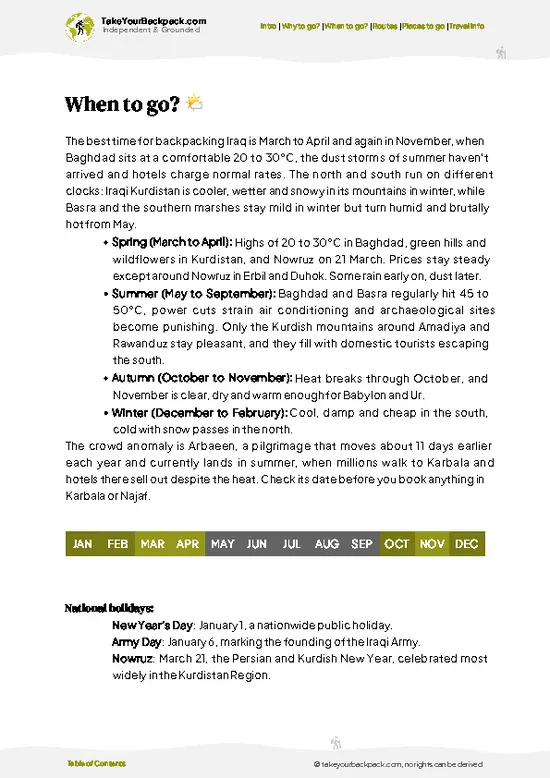
  • Weather: The best window is from April to June and September to October. Spring and fall bring mild, dry conditions—think 15-25°C (59-77°F)—perfect for wandering without melting or freezing.
  • Temperature: Summer (July-August) can scorch you with highs hitting 40°C (104°F), making museum visits a sweaty slog. Winter (December-February) dips to 5°C (41°F) or lower, which is manageable but less pleasant for exploring.
  • Daylight Hours: Longer days in spring and summer mean more time to soak in the site, with up to 14 hours of daylight in June. Winter days shrink to about 10 hours, limiting your exploration window.
  • Crowds: Expect a spike during local holidays and weekends, especially in spring. The site isn’t flooded with tourists year-round, but weekends can feel busier with local families
… read more 👉
  • Weather: The best window is from April to June and September to October. Spring and fall bring mild, dry conditions—think 15-25°C (59-77°F)—perfect for wandering without melting or freezing.
  • Temperature: Summer (July-August) can scorch you with highs hitting 40°C (104°F), making museum visits a sweaty slog. Winter (December-February) dips to 5°C (41°F) or lower, which is manageable but less pleasant for exploring.
  • Daylight Hours: Longer days in spring and summer mean more time to soak in the site, with up to 14 hours of daylight in June. Winter days shrink to about 10 hours, limiting your exploration window.
  • Crowds: Expect a spike during local holidays and weekends, especially in spring. The site isn’t flooded with tourists year-round, but weekends can feel busier with local families and school groups.
  • Seasonal Activities: Spring often hosts cultural events around the citadel, adding layers to your visit beyond the exhibits. Summer is quieter on events but brutal heat keeps crowds low.
  • Price Fluctuations: Entry fees stay stable year-round, but local prices for guides and transport can rise slightly during peak tourist seasons (April-May and September).
Pro-tip: Aim for a weekday visit in late April or early October to dodge crowds, enjoy pleasant weather, and catch any local cultural happenings without paying a premium.


source: climatestotravel.comJANJanuary: fair for travelingFEBFebruary: fair for travelingMARMarch: good for travelingAPRApril: excellent for travelingMAYMay: excellent for travelingJUNJune: highly recommended for travelingJULJuly: below average for travelingAUGAugust: below average for travelingSEPSeptember: excellent for travelingOCTOctober: excellent for travelingNOVNovember: good for travelingDECDecember: fair for traveling
when-to-go

✈️ The backpacker research shortcutIraq Travel Guide

An offline-friendly backpacking guide with optimized travel routes, ranked highlights, transport advice, and the best areas to stay.
example page 0 from our offline Travel Guide for Iraq
example page 1 from our offline Travel Guide for Iraq
example page 2 from our offline Travel Guide for Iraq
example page 3 from our offline Travel Guide for Iraq
example page 4 from our offline Travel Guide for Iraq
example page 5 from our offline Travel Guide for Iraq
example page 6 from our offline Travel Guide for Iraq
example page 7 from our offline Travel Guide for Iraq
The digital guide (327 pages) contains:
✅ 95 highlights, ranked by travel appeal
✅ Optimized 5, 10 & 15-day travel routes
✅ Cities, national parks, landmarks, beaches
✅ How to get around
✅ Offline-friendly for travel without Wi-Fi
👉 Click to see all 30+ guide features

📅 Plan smarter in minutes, not weeks
✅ Month by month travel advice
✅ Festivals & national holidays
✅ Budget expectations

🗺️ Go to the right places, skip the overrated ones
✅ Honest pros & cons of destinations
✅ Top hikes, parks & viewpoints
✅ Lesser-known places most travelers miss
✅ Clear “worth it vs skip it” guidance

🛏️ Travel smoothly without rookie mistakes
✅ Best areas to stay
✅ Transport systems explained simply
✅ Common scams & safety advice
✅ SIM cards, money & practical tips

🌍 Understand the country, not just visit it
✅ Culture & traditions
✅ 52 Essential phrases & customs
✅ Festivals worth planning around
✅ Traveler-friendly historical context
✅ Insights that make places more meaningful

📱 Built for real travel conditions
✅ Fully downloadable PDF
✅ Works completely offline
✅ Optimized for phone use
✅ Useful in remote areas & buses
✅ Everything in one place
Stop searching, start planning
Get instant access to your full guide. 30‑day money-back guarantee.
+ Add another guide for just

By proceeding you agree to our terms.
Sent to your inbox immediately after payment • 100% Secure Checkout
Best Backpacking Travel Advisor 2025 tourism awardBest Backpacking
Travel Advisor
2025
What others say about Take Your Backpack Guides:
⭐⭐⭐⭐⭐
Fantastic, amazing amount of information!
⭐⭐⭐⭐⭐
My goodness this is amazing, it's what I've been looking for hats off too you!
⭐⭐⭐⭐⭐
I think this is absolutely BRILLIANT
⭐⭐⭐⭐
Very complete and informative. It's still missing places, but I gotta to commend you
⭐⭐⭐⭐⭐
This is truly amazing, thank you, can't wait to explore it with my kids!
⭐⭐⭐⭐⭐
Awesome resource, thank you!
⭐⭐⭐⭐⭐
This is amazing! Can't wait to explore the ones I haven't seen
⭐⭐⭐⭐
I love this! Well done, great idea.
⭐⭐⭐⭐⭐
Thanks for taking the time to make this gem!
⭐⭐⭐⭐⭐
This might be the best website I've ever seen.
⭐⭐⭐⭐⭐
Congratulations, and thank you so much for your work; it's incredibly valuable.
⭐⭐⭐⭐
In all seriousness I think you did a great job pointing out the important spots
⭐⭐⭐⭐⭐
10/10 very good
⭐⭐⭐⭐⭐
As someone who's only just starting to visit regularly this is awesome, thank you.
⭐⭐⭐⭐
Thank you very much! I'm going to visit my dad, it's going to be very useful!
⭐⭐⭐⭐⭐
This is really cool! We'll be travelling for the first time and this definitely come in handy.
⭐⭐⭐⭐⭐
You are now our minister of culture, congratulations 👨‍💼
⭐⭐⭐⭐⭐
Just wanted to tell you that this is a pearl! Going to follow your recommendations.
⭐⭐⭐⭐⭐
This is so cool. I'll definitely be using the resource for my travels soon.
⭐⭐⭐⭐⭐
This is very impressive! Good work.
⭐⭐⭐⭐⭐
This is an amazing and informative site. Very well done!

🛏️ Where to stay?How to pick the right area

Erbil’s Citadel is the kind of place that looks like a postcard but doesn’t shy away from the reality of crowds and the occasional tourist trap. The immediate area around the Citadel is packed during peak hours, with vendors and day-trippers flooding the narrow streets. It’s not the quiet, untouched ruin you might imagine scrolling through Instagram. But here’s the kicker: the real magic isn’t just in the Citadel itself—it’s in the neighborhoods that surround it, where locals live, eat, and hang out.

For backpackers, the best bet is to stay in the districts just outside the Citadel’s walls, like … read more 👉
Erbil’s Citadel is the kind of place that looks like a postcard but doesn’t shy away from the reality of crowds and the occasional tourist trap. The immediate area around the Citadel is packed during peak hours, with vendors and day-trippers flooding the narrow streets. It’s not the quiet, untouched ruin you might imagine scrolling through Instagram. But here’s the kicker: the real magic isn’t just in the Citadel itself—it’s in the neighborhoods that surround it, where locals live, eat, and hang out.

For backpackers, the best bet is to stay in the districts just outside the Citadel’s walls, like the bustling Qaysari Bazaar area or the lively streets of Ankawa. These spots offer a safer, more social vibe with plenty of budget-friendly guesthouses and cafés where you can meet other travelers and locals alike. You’re close enough to walk to the Citadel early morning or late afternoon, avoiding the worst of the crowds, but far enough to escape the tourist noise when you want to recharge.

These neighborhoods pulse with everyday life—street food stalls, tea houses, and markets that don’t cater exclusively to tourists. That’s where you’ll find the authentic Erbil experience, the kind that sticks with you long after you leave.

👛 Costs (as of 15 October 2026)Typical daily expenses

Entry to the Erbil Citadel Archaeological Museum is typically priced between €2 and €5 per person. Additional costs may include guided tours or special exhibitions, which can vary. It's advisable to check the latest prices upon arrival, as they may change over time.

source: visit-iraq.com
⚠️ Prices can change and everyone travels differently, so take this as a rough guide. Hope it helps you plan your adventure!

FAQTraveler FAQ

1 to 2 hours is sufficient to visit Erbil Citadel Archaeological Museum. The museum is compact but rich in artifacts and historical displays, allowing a thorough visit without rushing. Allocate extra time if you want to explore the entire Erbil Citadel area.
Yes, the entrance fee is worth it. The ticket price is typically around 5,000 IQD (approximately $3-4 USD), which grants access to a well-curated collection of artifacts showcasing the region's history. The museum offers valuable insight into the ancient heritage of Erbil and the broader Mesopotamian area.
Erbil Citadel Archaeological Museum is located within the Erbil Citadel in the city center. You can reach it by taxi or local bus from anywhere in Erbil; the citadel is about 3 km from the main bus station. Walking is also feasible if you are staying nearby in the old city area.
⚠️ Things can change over time, so always validate details locally before you go.

Other Iraqi attractions near Erbil Civilization Museum

Explore more nearby:


💡 Not sure where to go next?
Create a personalized itinerary for Iraq including Erbil Civilization Museum and the places that fit your trip.

Generate my itinerary

👉 Discover all attractions

Or checkout all Iraq has to offer (think cities, towns, villages, national parks, hikes, beaches, festivals)
Country photo of Iraq

We 💚 feedbackKey takeaways before you go

The Erbil Citadel Archaeological Museum isn’t some polished tourist trap—expect a few crowds, especially midday, and a modest entry fee that’s worth every dinar. What hits you isn’t just the artifacts but the way the place breathes history through cracked walls and whispered stories. The real magic? Catching a quiet moment on the rooftop, watching the city pulse below, feeling like you’ve stepped into a living timeline few outsiders ever truly grasp.

✍️ Help improve this page!
The information on this page is based on in-depth research, insights shared by experienced travelers, and feedback from the local travel community in Iraq. While every effort is made to keep the information accurate and current, conditions can change — so if you spot anything incorrect or outdated, please get in touch.


🙋‍♂️ Give feedback

👋 Meet the founderWho’s Behind Take Your Backpack?

Johan, backpacker and founder of TakeYourBackpackHi, I’m Johan (Netherlands 🇳🇱), the creator of TakeYourBackpack. Over the past 3 decades, I’ve backpacked through 90+ countries across six continents, gaining extensive experience with independent travel, long-term trips, and overland routes.

This site is built on a combination of firsthand travel experience and carefully curated insights from other backpackers. Many guides are based on places I’ve personally visited, while others bring together tips, observations, and practical advice shared by trusted travelers I’ve met along the way.

The goal is to provide realistic, experience-driven guidance — not generic itineraries — so you can explore destinations with better context, clearer expectations, and more confidence.