v2.webp)
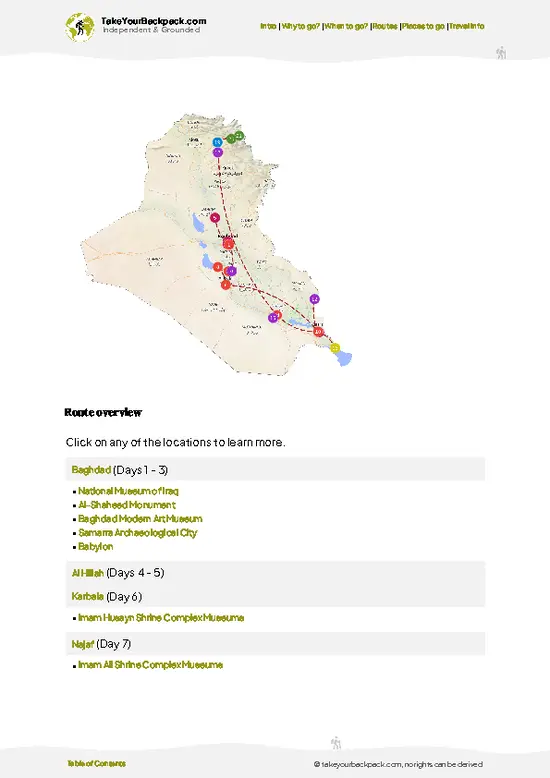
The Martyrdom Hall (Dar al-Shuhada)
This isn’t your average museum wing. The Martyrdom Hall is a raw, immersive space dedicated to the story of Husayn ibn Ali’s final stand. You’ll see blood-stained banners, centuries-old weapons, and relics that have been carried through generations of mourning processions. The atmosphere is thick—part reverence, part living history lesson. If you want to understand why millions cross continents for Arbaeen, stand here and let the gravity of sacrifice hit you. It’s not sanitized for tourists; it’s the real, unfiltered pulse of Shia memory.
The Manuscript Library
Forget the Instagrammable domes for a second. The real treasure is in the library’s glass cases: Qurans penned by hand, some dating back to the Abbasid era, and rare treatises on theology and philosophy. … read more 👉
This isn’t your average museum wing. The Martyrdom Hall is a raw, immersive space dedicated to the story of Husayn ibn Ali’s final stand. You’ll see blood-stained banners, centuries-old weapons, and relics that have been carried through generations of mourning processions. The atmosphere is thick—part reverence, part living history lesson. If you want to understand why millions cross continents for Arbaeen, stand here and let the gravity of sacrifice hit you. It’s not sanitized for tourists; it’s the real, unfiltered pulse of Shia memory.
The Manuscript Library
Forget the Instagrammable domes for a second. The real treasure is in the library’s glass cases: Qurans penned by hand, some dating back to the Abbasid era, and rare treatises on theology and philosophy. … read more 👉
The Martyrdom Hall (Dar al-Shuhada)
This isn’t your average museum wing. The Martyrdom Hall is a raw, immersive space dedicated to the story of Husayn ibn Ali’s final stand. You’ll see blood-stained banners, centuries-old weapons, and relics that have been carried through generations of mourning processions. The atmosphere is thick—part reverence, part living history lesson. If you want to understand why millions cross continents for Arbaeen, stand here and let the gravity of sacrifice hit you. It’s not sanitized for tourists; it’s the real, unfiltered pulse of Shia memory.
The Manuscript Library
Forget the Instagrammable domes for a second. The real treasure is in the library’s glass cases: Qurans penned by hand, some dating back to the Abbasid era, and rare treatises on theology and philosophy. You’ll find calligraphy so intricate it borders on obsession. If you’re a history nerd or just appreciate the power of the written word, this is where you see the intellectual backbone of the shrine—proof that Karbala isn’t just about grief, but also about centuries of scholarship and resilience.
The Gifts and Offerings Museum
This is the anti-souvenir shop. Instead of trinkets, you’ll see priceless gifts sent by sultans, poets, and ordinary pilgrims: Persian carpets so dense they look like velvet, swords inlaid with gold, and even a 19th-century clock tower mechanism. Each item is a story of devotion, politics, or both. The sheer variety—Ottoman, Safavid, Mughal—shows how Karbala’s reach has always been global, not just local.
The Battle of Karbala Diorama
This isn’t a dusty model for school kids. The diorama is a sprawling, meticulously crafted scene that pulls you into the chaos of the 7th-century battlefield. You’ll see miniature tents, armored horses, and the infamous riverbank where water was denied. It’s dramatic, yes, but also deeply educational. If you want to grasp the emotional stakes of Ashura, this is the shortcut—no filter, no sugarcoating.
The Ceremonial Garments Exhibit
Here’s where the pageantry comes alive. Robes worn by shrine custodians, ceremonial standards, and the black banners of mourning are all on display. Some are patched and faded, others shimmer with silver thread. They’re not just costumes—they’re living symbols, worn during rituals that have outlasted empires. If you’re chasing authenticity, this is where you see tradition in motion, not just behind glass.
This isn’t your average museum wing. The Martyrdom Hall is a raw, immersive space dedicated to the story of Husayn ibn Ali’s final stand. You’ll see blood-stained banners, centuries-old weapons, and relics that have been carried through generations of mourning processions. The atmosphere is thick—part reverence, part living history lesson. If you want to understand why millions cross continents for Arbaeen, stand here and let the gravity of sacrifice hit you. It’s not sanitized for tourists; it’s the real, unfiltered pulse of Shia memory.
The Manuscript Library
Forget the Instagrammable domes for a second. The real treasure is in the library’s glass cases: Qurans penned by hand, some dating back to the Abbasid era, and rare treatises on theology and philosophy. You’ll find calligraphy so intricate it borders on obsession. If you’re a history nerd or just appreciate the power of the written word, this is where you see the intellectual backbone of the shrine—proof that Karbala isn’t just about grief, but also about centuries of scholarship and resilience.
The Gifts and Offerings Museum
This is the anti-souvenir shop. Instead of trinkets, you’ll see priceless gifts sent by sultans, poets, and ordinary pilgrims: Persian carpets so dense they look like velvet, swords inlaid with gold, and even a 19th-century clock tower mechanism. Each item is a story of devotion, politics, or both. The sheer variety—Ottoman, Safavid, Mughal—shows how Karbala’s reach has always been global, not just local.
The Battle of Karbala Diorama
This isn’t a dusty model for school kids. The diorama is a sprawling, meticulously crafted scene that pulls you into the chaos of the 7th-century battlefield. You’ll see miniature tents, armored horses, and the infamous riverbank where water was denied. It’s dramatic, yes, but also deeply educational. If you want to grasp the emotional stakes of Ashura, this is the shortcut—no filter, no sugarcoating.
The Ceremonial Garments Exhibit
Here’s where the pageantry comes alive. Robes worn by shrine custodians, ceremonial standards, and the black banners of mourning are all on display. Some are patched and faded, others shimmer with silver thread. They’re not just costumes—they’re living symbols, worn during rituals that have outlasted empires. If you’re chasing authenticity, this is where you see tradition in motion, not just behind glass.
Spotted a mistake or missing something? Contact us.

 Best Backpacking
.jpg) Hi, I’m Johan (Netherlands 🇳🇱), the creator of TakeYourBackpack. Over the past decade, I’ve backpacked through 80+ countries across six continents, gaining extensive experience with independent travel, long-term trips, and overland routes.
Hi, I’m Johan (Netherlands 🇳🇱), the creator of TakeYourBackpack. Over the past decade, I’ve backpacked through 80+ countries across six continents, gaining extensive experience with independent travel, long-term trips, and overland routes.